


The 27th Meeting with Local Residents, in which an educational cycle is being held, is dedicated to livestock farmers and those who would like to become one, and participation is free of charge.
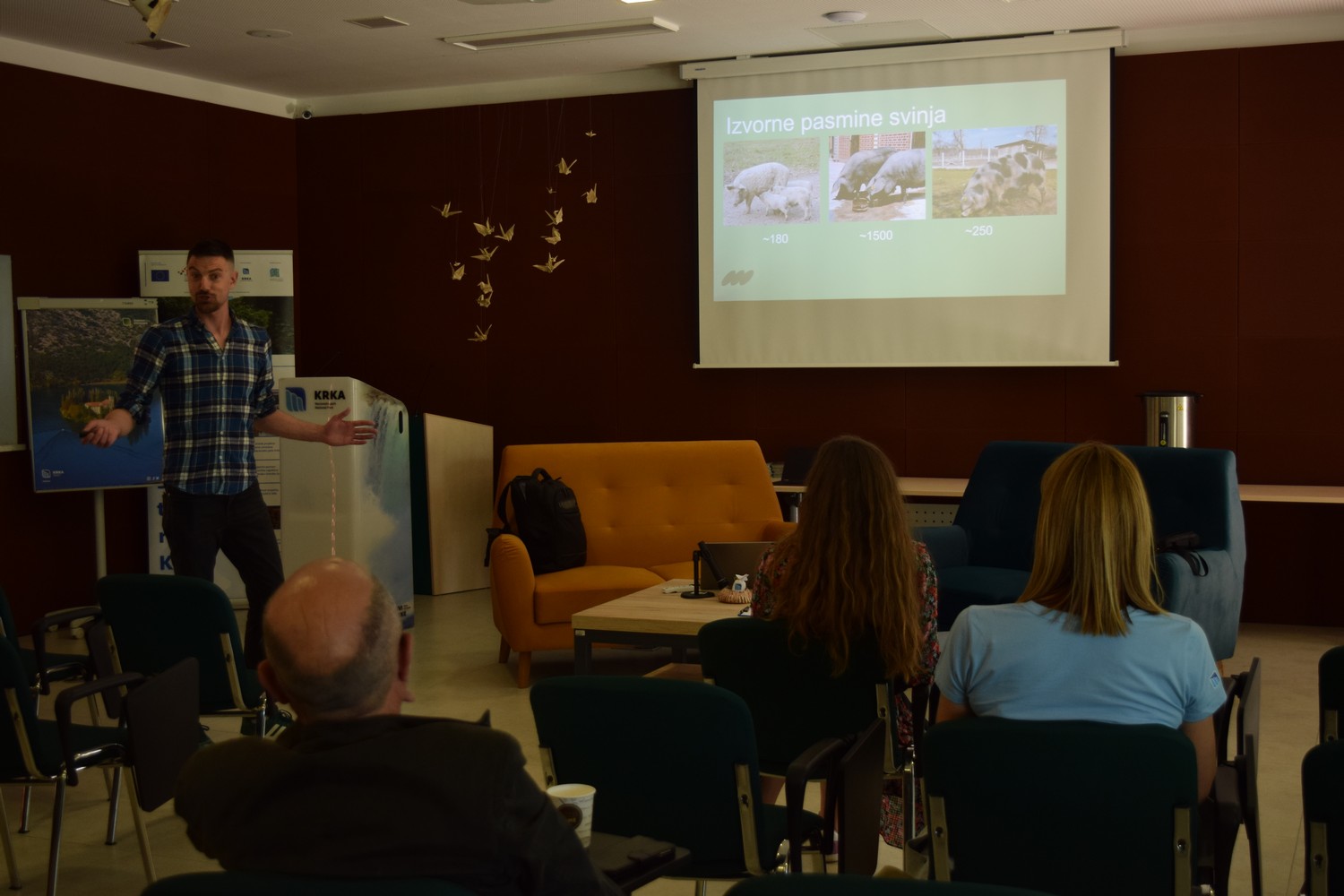
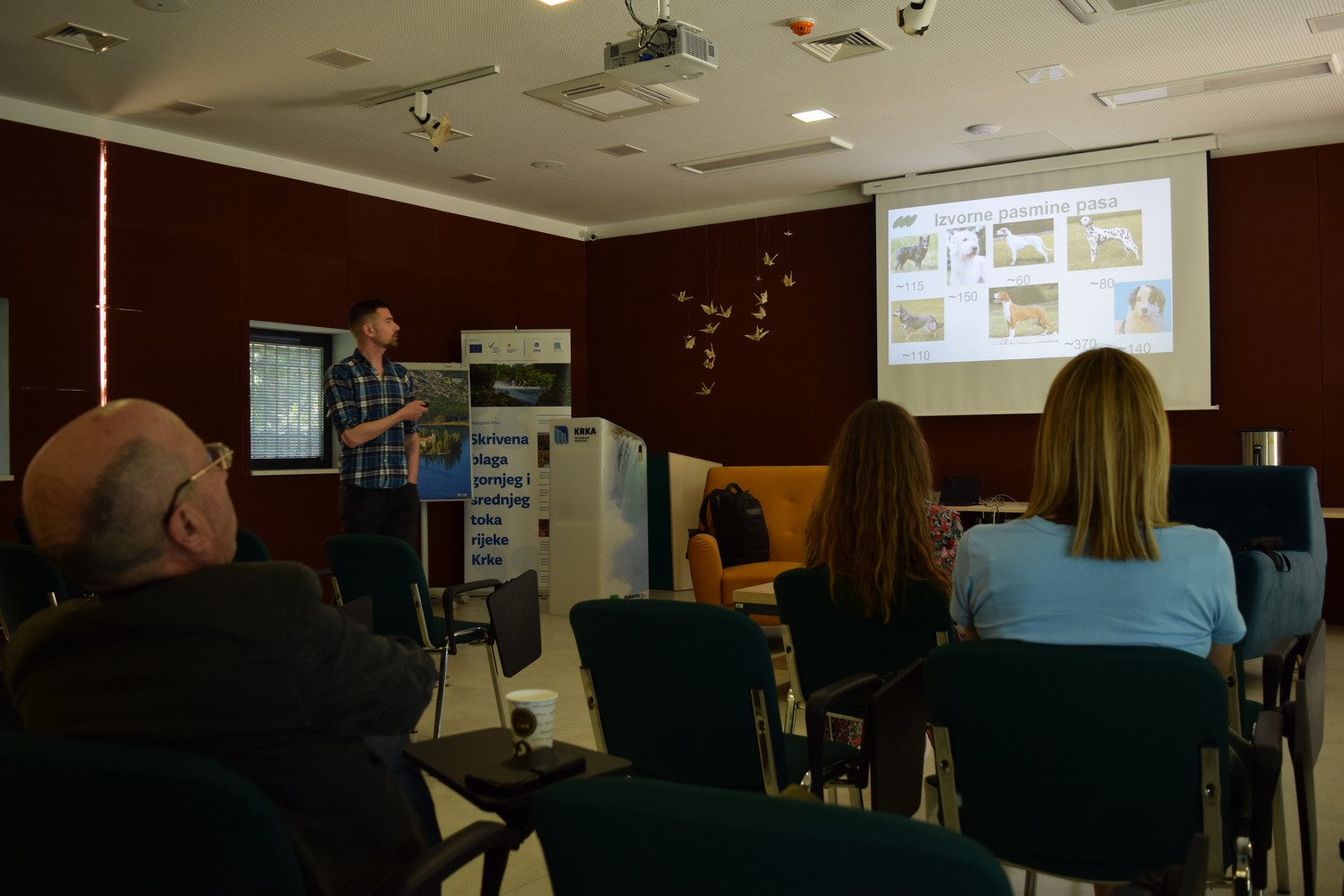
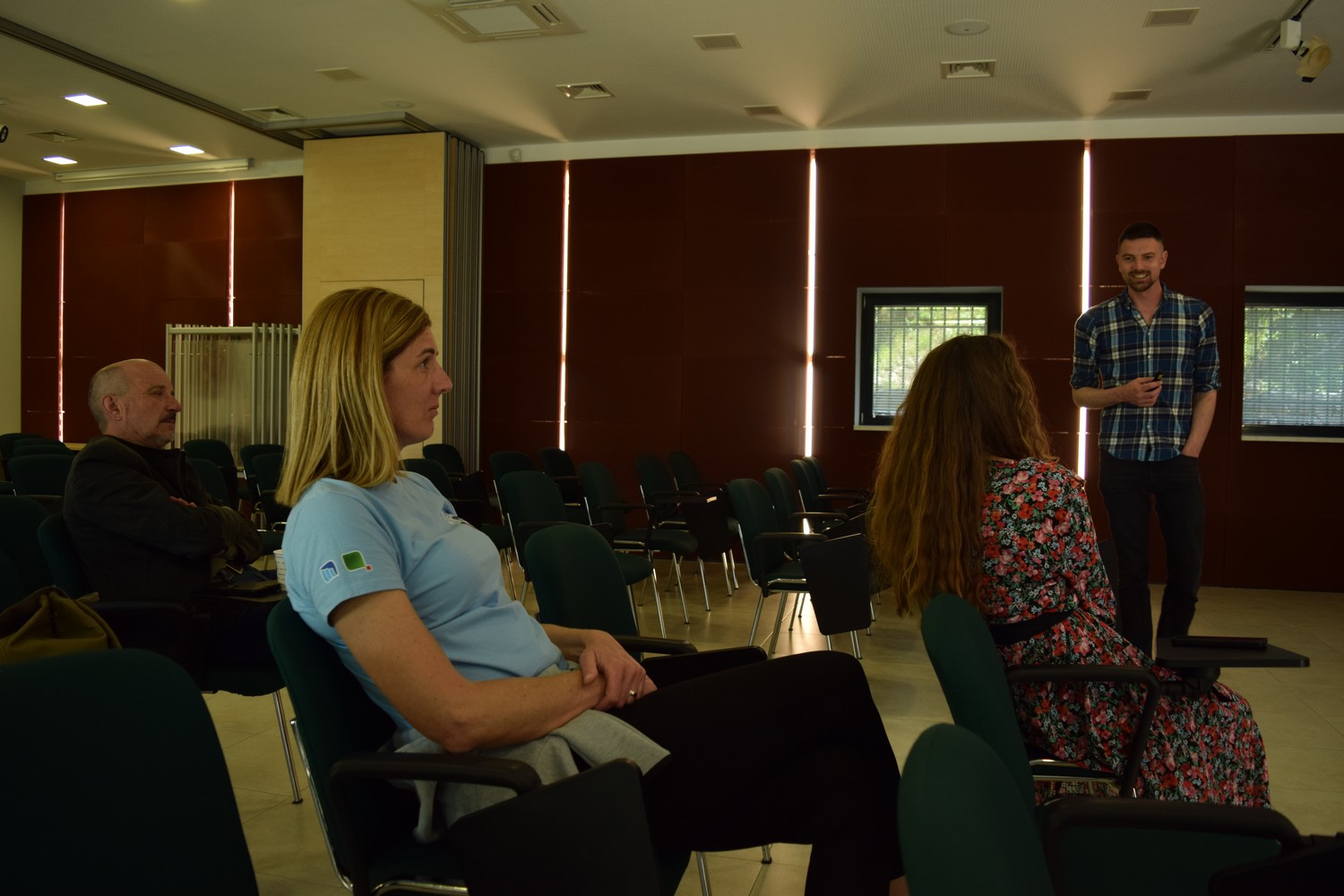
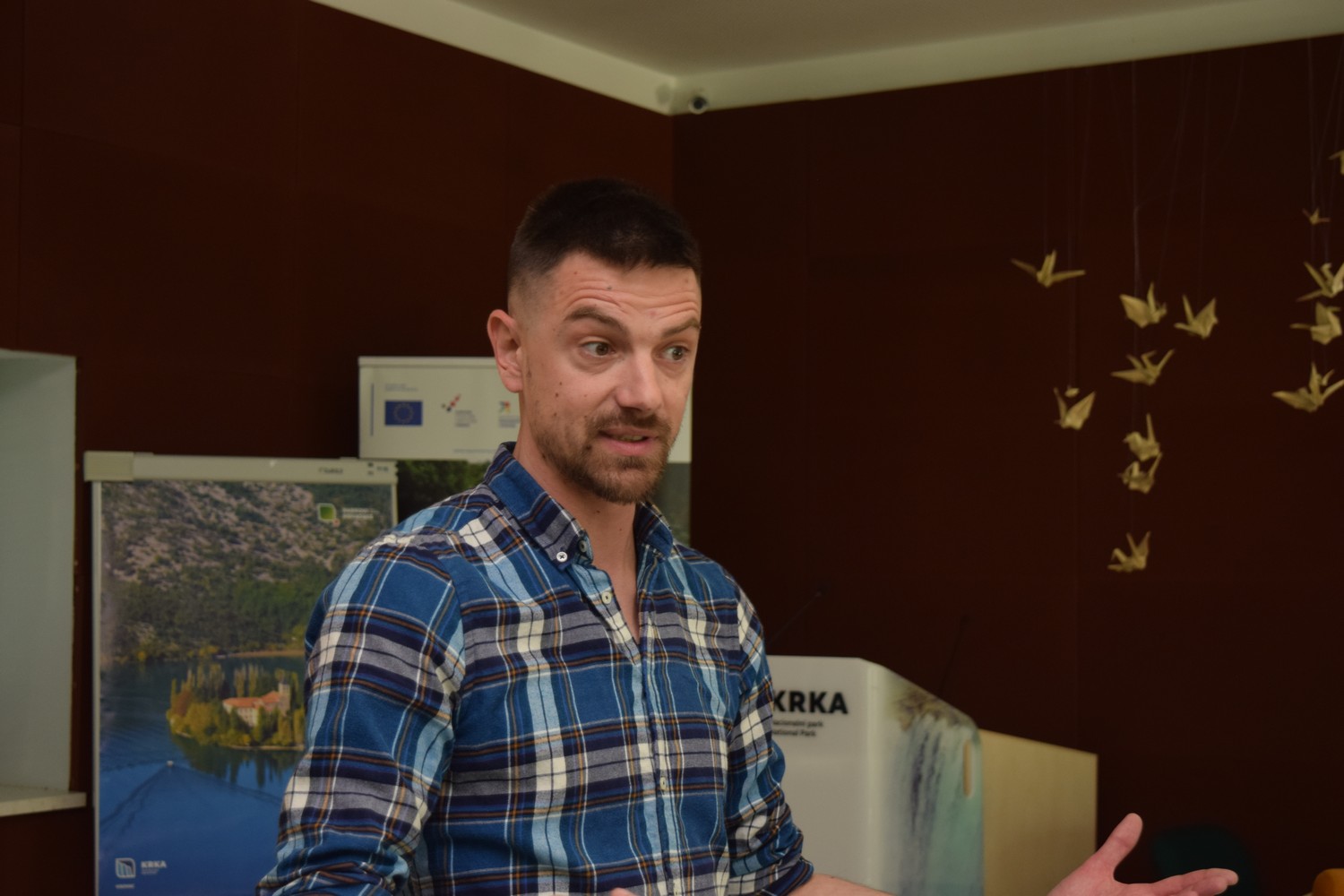
The second in a series of five lectures given by Dr. Toni Tešija from the Ruđer Bošković Institute in Zagreb will be held on Saturday, April 18, 2026, from 12:00 to 14:00 in the Conference Hall of the Krka Eco Campus in Puljane. The topic of this educational cycle is animal husbandry.
After highlighting the importance of indigenous breeds in preserving biodiversity in the introductory lecture at the end of March, Tešija will continue the presentation on livestock farming by presenting the economics of a small herd, where real value is created. The lecture will discuss the productive and functional characteristics of breeds in the karst region, and the definition of breeding goals, whether it is meat and milk production, or the breeding and raising of breeds for the needs of tourism and recreational activities. What is the recommended herd size, what is their reproductive efficiency, and how to preserve genetic diversity in small herds are the topics that Tešija will discuss. Ways of organizing production in extensive systems will also be discussed.
Research has shown a strong connection between grazing and biodiversity, and the key to success on this path are represented by educational activities aimed at better understanding and developing livestock-related activities. The purpose of the educational cycle is to provide additional support to existing livestock farmers and increase interest in this economic activity among those who are actively considering engaging in it.
The United Nations General Assembly has declared 2026 the International Year of Pastures and Pastoralism. Global biodiversity depends heavily on the conservation of pastures, and hence their role in ecosystem health, species conservation, food production, and climate change adaptation is invaluable.
Thanks to the Meetings with Local People, residents of the broader Krka River area can expand their knowledge and improve their skills related to livestock farming as an important economic activity. As with previous meetings, participation in the twenty-seventh meeting is free.
Local community
JOŠ NOVOSTI IZ KATEGORIJE
Šibensko-kninska županija objavila je Javni natječaj za podnošenje zahtjeva za poticanje razvitka poljoprivrede u 2026. godini
Sukladno Programu potpora poljoprivredi na području Šibensko-kninske županije za razdoblje od 2024. – 2026. godine, dodjeljuju se novčana sredstava za razvoj poljoprivrede
Obavijest udrugama koje promiču poljoprivredu i ruralne vrijednosti
Javni natječaj Ministarstva poljoprivrede, šumarstva i ribarstva u tijeku
A new Meeting with the Local Population at the Krka Eco Campus
The 28th Meeting with the Local Population dealt with the popular topic of creating added value in the process of developing recognizable local products
Biosecurity measures in the prevention of diseases in bee colonies
This apiary training is intended for registered beekeepers and those who have completed training for beekeeping. Participants should bring their own protective beekeeping equipment and gloves