


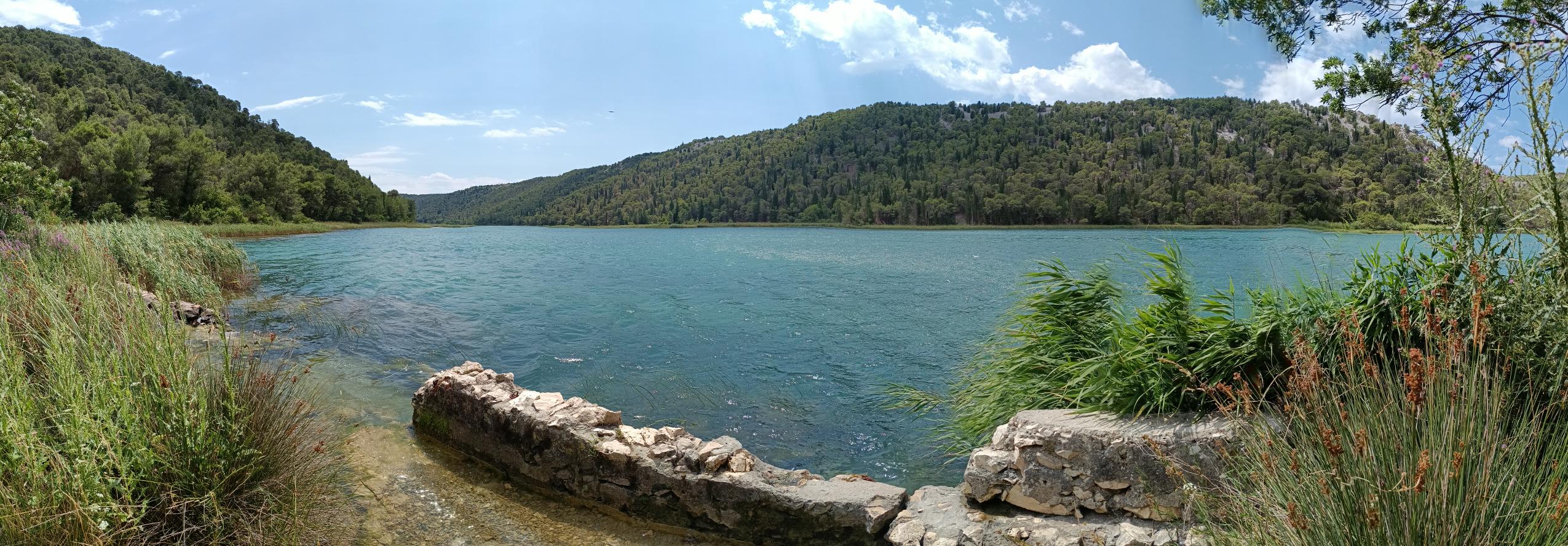
Estuary ecosystems, such as the Krka River estuary, are biologically highly productive systems with net primary production rates among the highest in the world
Freshwater prawns are an important faunal element of the estuaries of the Croatian eastern Adriatic coast, including the Krka River estuary, with a significant contribution to numerous aquatic ecosystem services, such as supporting nutrient recycling and water purification and reducing eutrophication and the CO2 footprint due to increased sequestration (attachment) and long-term storage of CO2. As a food source for numerous aquatic organisms (especially fish), they are a key regulator of trophic relationships, but also support overall biodiversity due to their multiple roles as both prey and detritus consumers. The drastic global and local decline in the quality and quantity of estuarine aquatic habitats has been caused by numerous hydromorphological stressors, pollution, changes in trophic relationships, climate change, invasive species, urbanization, aquaculture, and other forms of devastation that radically reduce population areas or even lead to species extinction. By connecting the hydromorphological status of the watercourse and the IUCN protection status and the green status of the species, in addition to all standard ecological protocols, this research presents new qualitative and quantitative methods of evaluating the threat to prawn populations in the Krka River estuary.
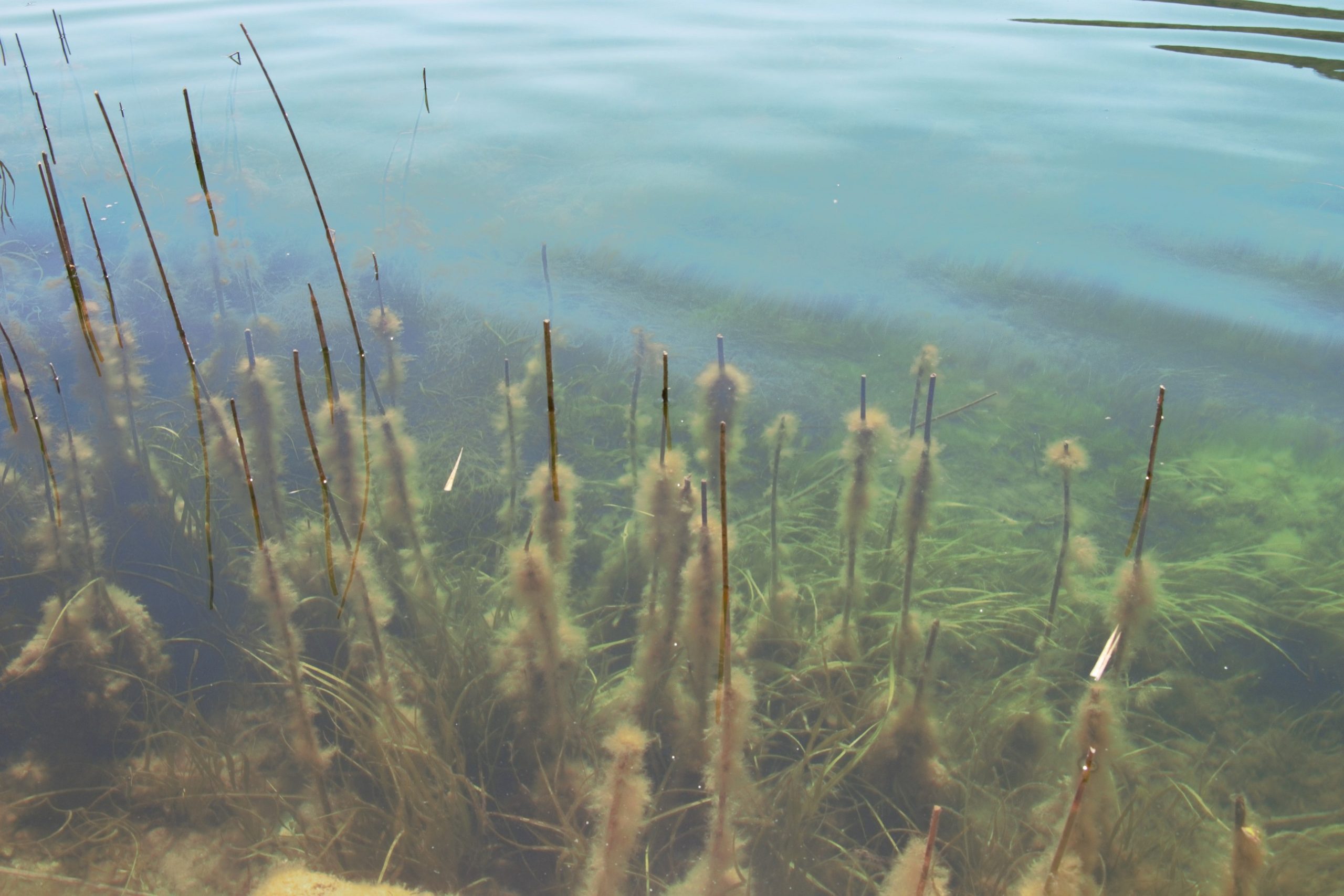
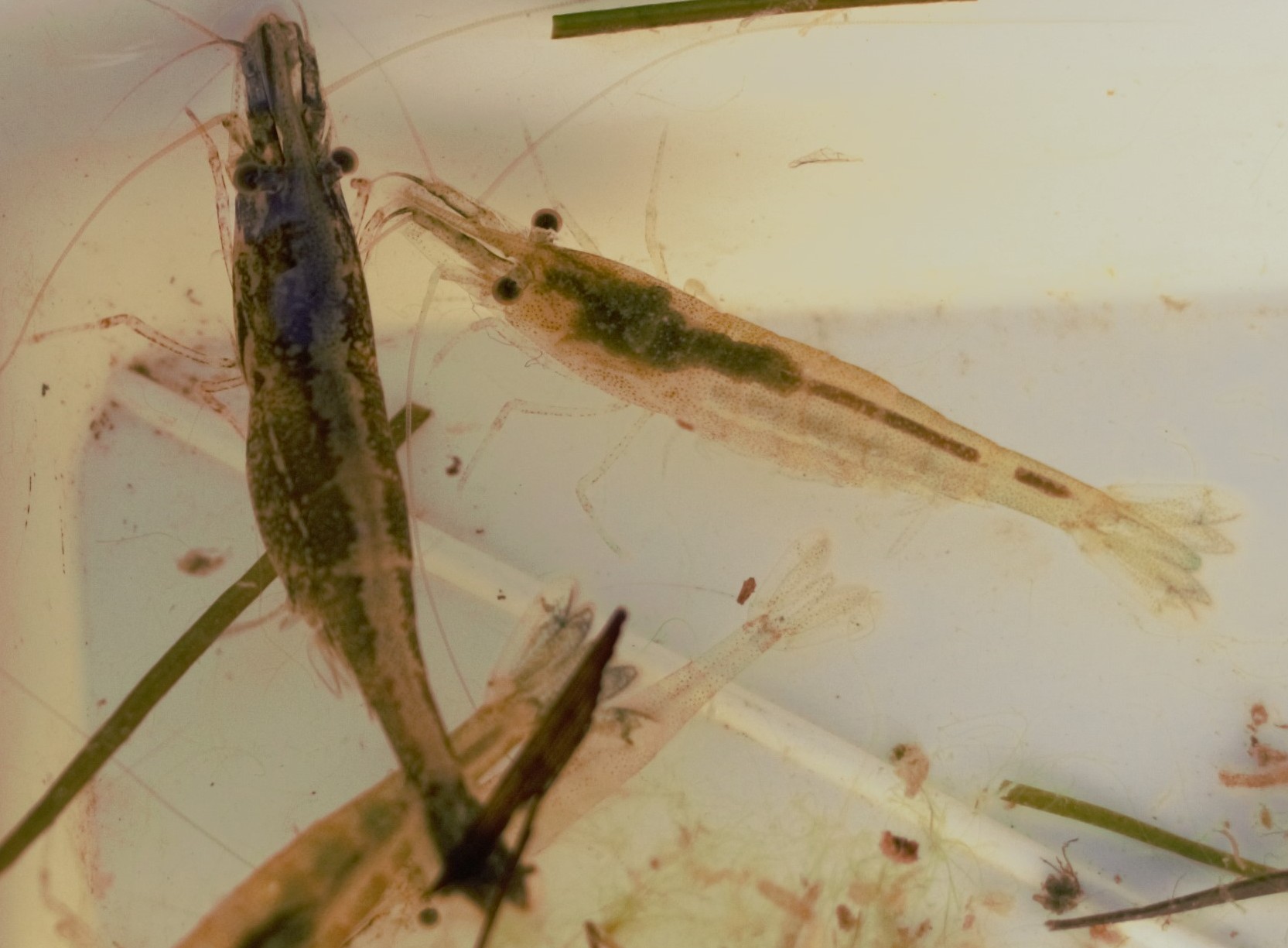
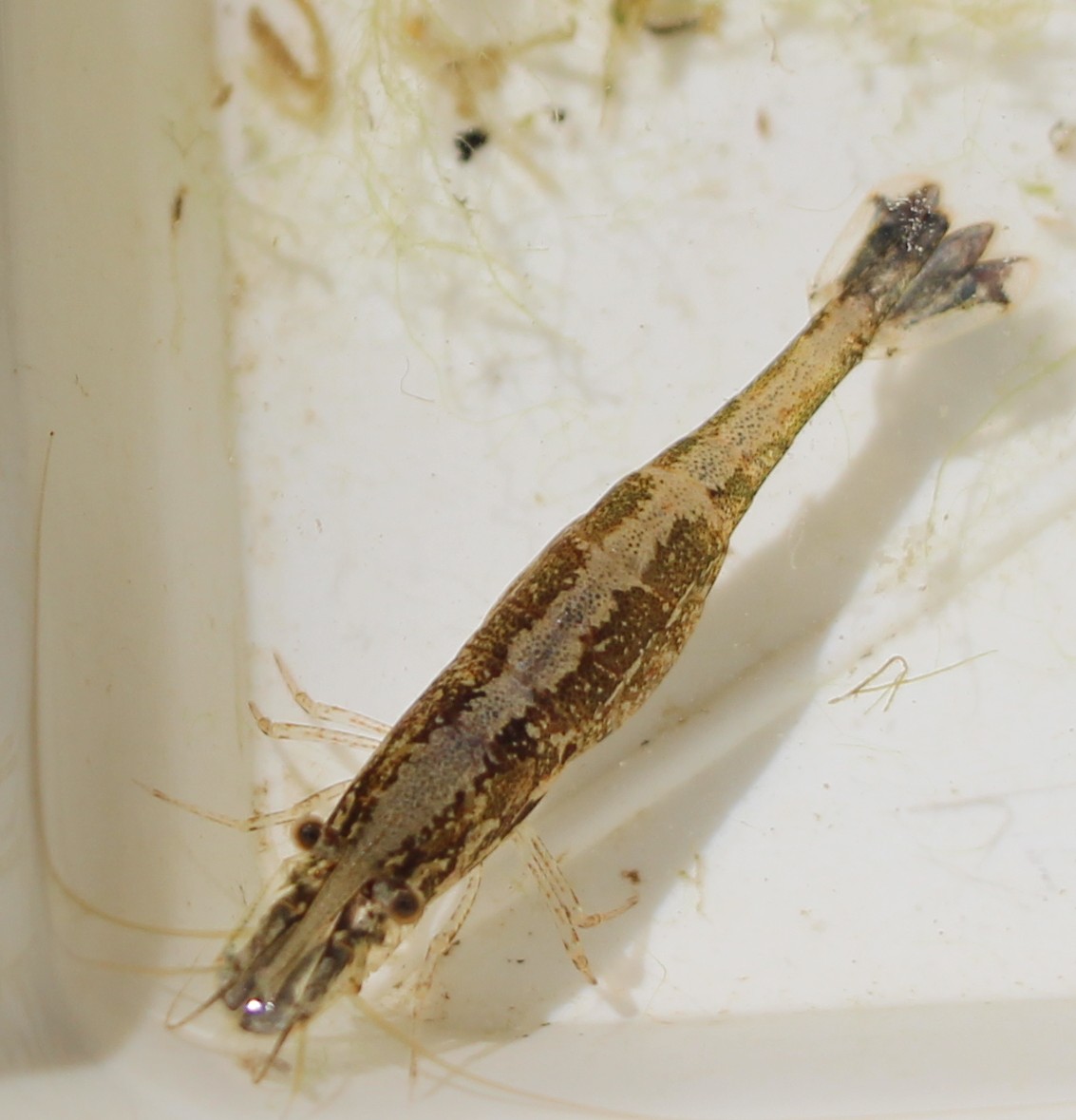
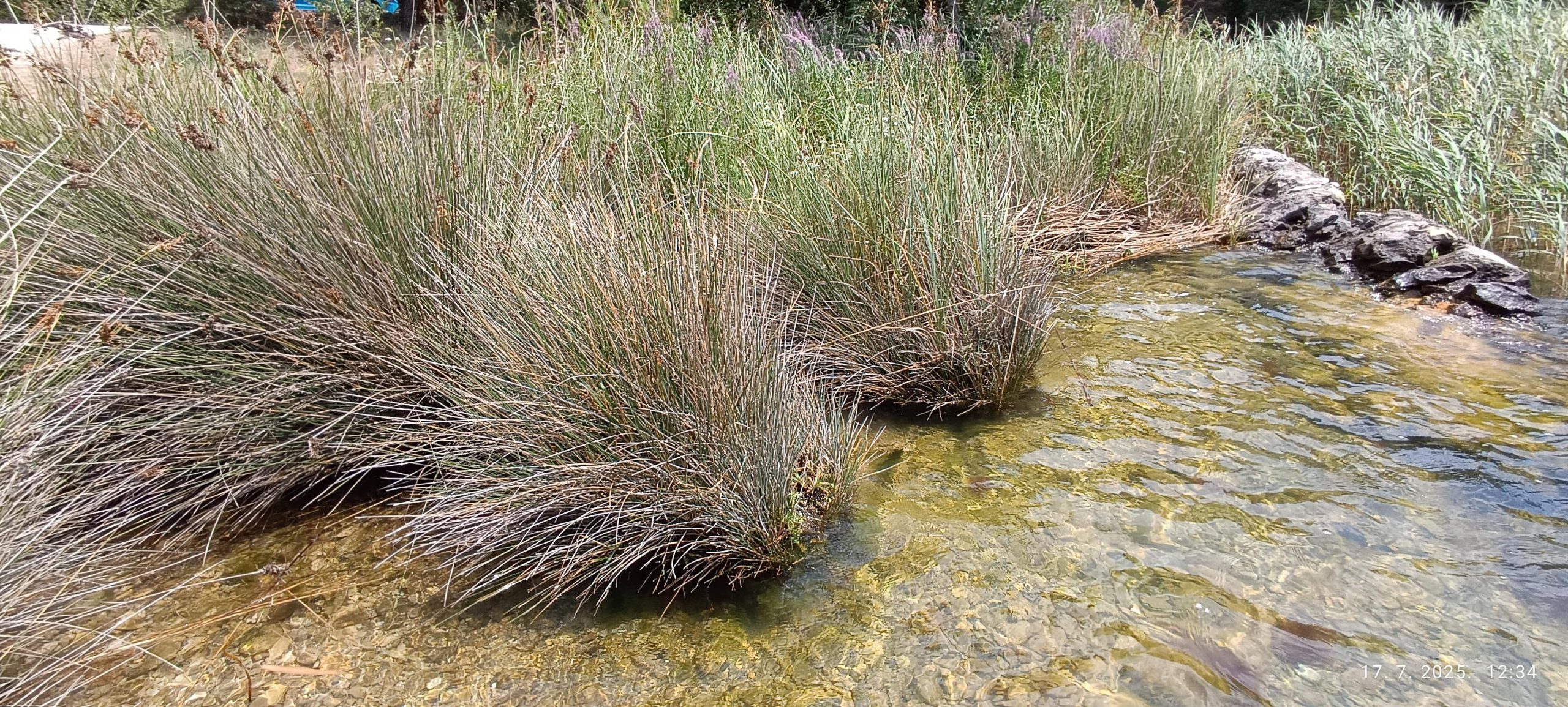
Based on data from the literature and recent field research, as well as classic taxonomic and molecular analyses, the presence of the species Atyaephyra acheronensis in the oligohaline zone of the Krka River estuary was confirmed. Another freshwater shrimp of the eastern Adriatic coast, the species Palaemon antennarius, was not recorded in the study area. It was established that there was no finding of the established species of prawns in the upper parts of the Krka River estuary due to the increase in salinity above the limit of oligohaline waters (> 5). Valorization of the hydromorphological status of watercourses confirmed the connection between the absence of natural substrates, aquatic macrophytic and riparian vegetation, and the presence of artificial structures in the coastal zone of the Skradin estuary with a negative effect on the investigated species. The hydromorphological condition and the structure and composition of the aquatic habitats are favourable in the strictly protected part of the estuary within the Krka National Park, while the downstream parts around the town of Skradin have been altered or destroyed. The lower parts of the Krka estuary are unfavourable for the species due to high salinity. The conditions found in the area downstream of the strictly protected area of the Krka estuary may serve as incubator zones for the studied species when salinity conditions allow and when favorable microhabitats and hydromorphological conditions are present. The species has a one-year life cycle, with the expected range of occurrence of early developmental stages and females with eggs in the late spring and summer period, but with a disturbed sexual ratio, which indicates the presence of stressful conditions, most likely caused by elevated salinity.
The conducted research enables a new model for the assessment of the endangered status of freshwater invertebrates in Croatia, which can also be applied throughout the Mediterranean. The Krka River estuary area requires targeted, organized, comprehensive, and radical interventions in the form of raising awareness among the local population, providing recommendations and advice, and strong control over construction and other works, various interventions in nature, and land use changes, especially during the tourist season and for the needs of various economic activities, in order to prevent further devastation and ecological destabilization and the disappearance of habitats vital for many wild species. The research highlighted the necessity of long-term targeted monitoring of habitats and species typical of the Krka River estuary in order to detect early changes and provide warnings that are crucial for the development of sustainable management and maintenance of optimal ecosystem conditions.
Brošura_Važnost očuvanja slatkovodnih kozica estuarija rijeke Krke
Photo: Sanja Gottstein
Research
JOŠ NOVOSTI IZ KATEGORIJE
Assessing the status of the Middle Spotted Woodpecker and the European Nightjar in the broader area of the Krka NP
During 2026, the Zidarčac environmental firm conducted investigations into the Middle Spotted Woodpecker (Leiopicus medius) and the European Nightjar (Caprimulgus europaeus) in the broader area of the Krka National Park
The investigation and inventorizing of the entomofauna of forest habitats in the region of the Krka National Park
During 2025 and 2026, the Faculty of Forestry and Wood Technology of the University of Zagreb conducted entomofaunistic research in the most important forest communities in the Krka National Park to gain insight into the representation and condition of the insect fauna in the Park
A topographical map was created of potential speleological sites in the broader area of the Krka National Park
The underground world of karst is one of the most valuable components of the natural heritage of the Krka National Park, but also the most difficult to access
Investigation of the condition and composition of the macrozoobentos of the tufa barriers of the Krka River
During 2024 and 2025, an extensive scientific study of the composition and condition of macrozoobenthos (benthic invertebrates) was conducted on all seven tufa barriers of the Krka River