


The project "An investigation into the state and composition of protists in the tufa barriers of the Krka River"
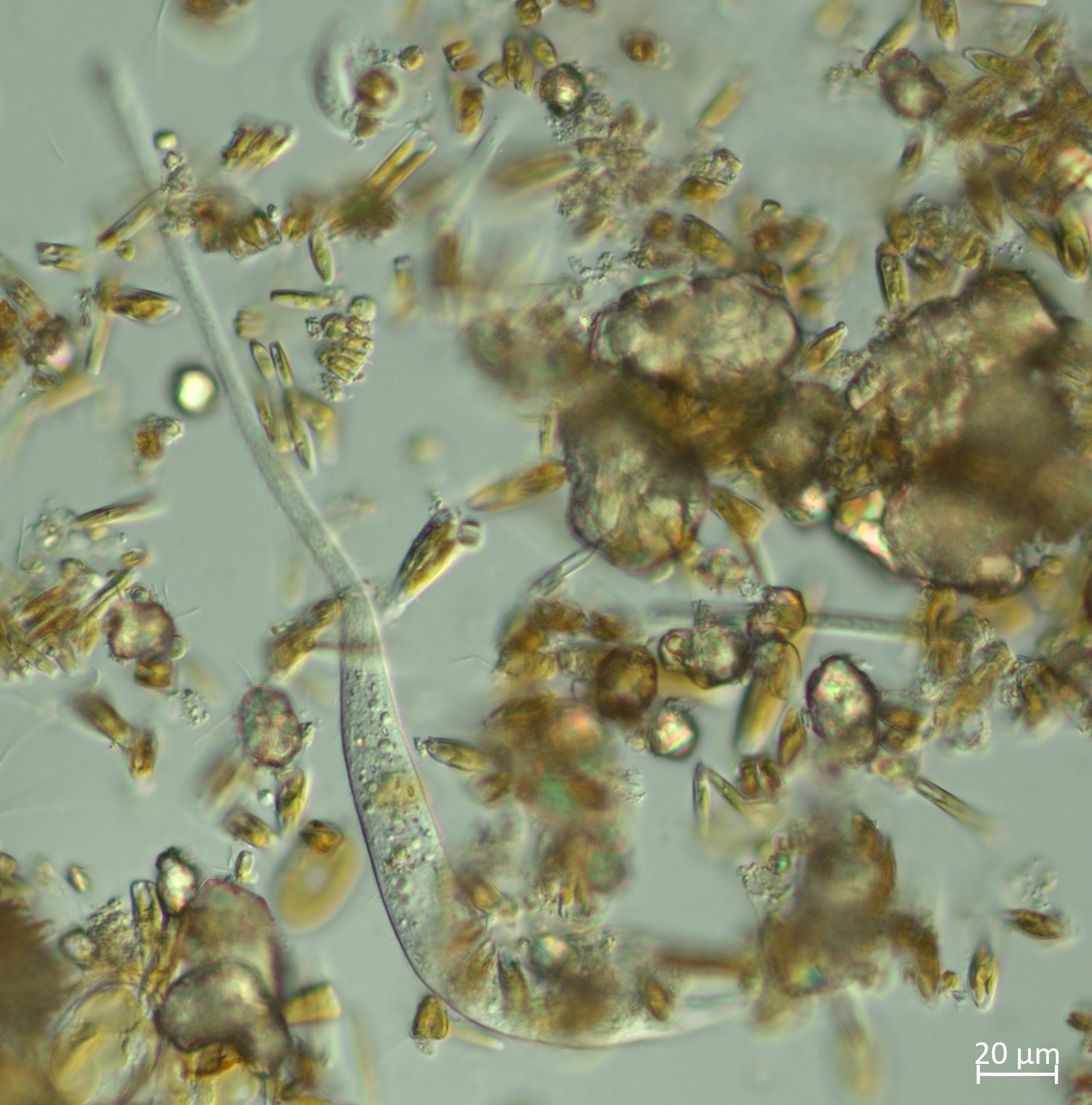
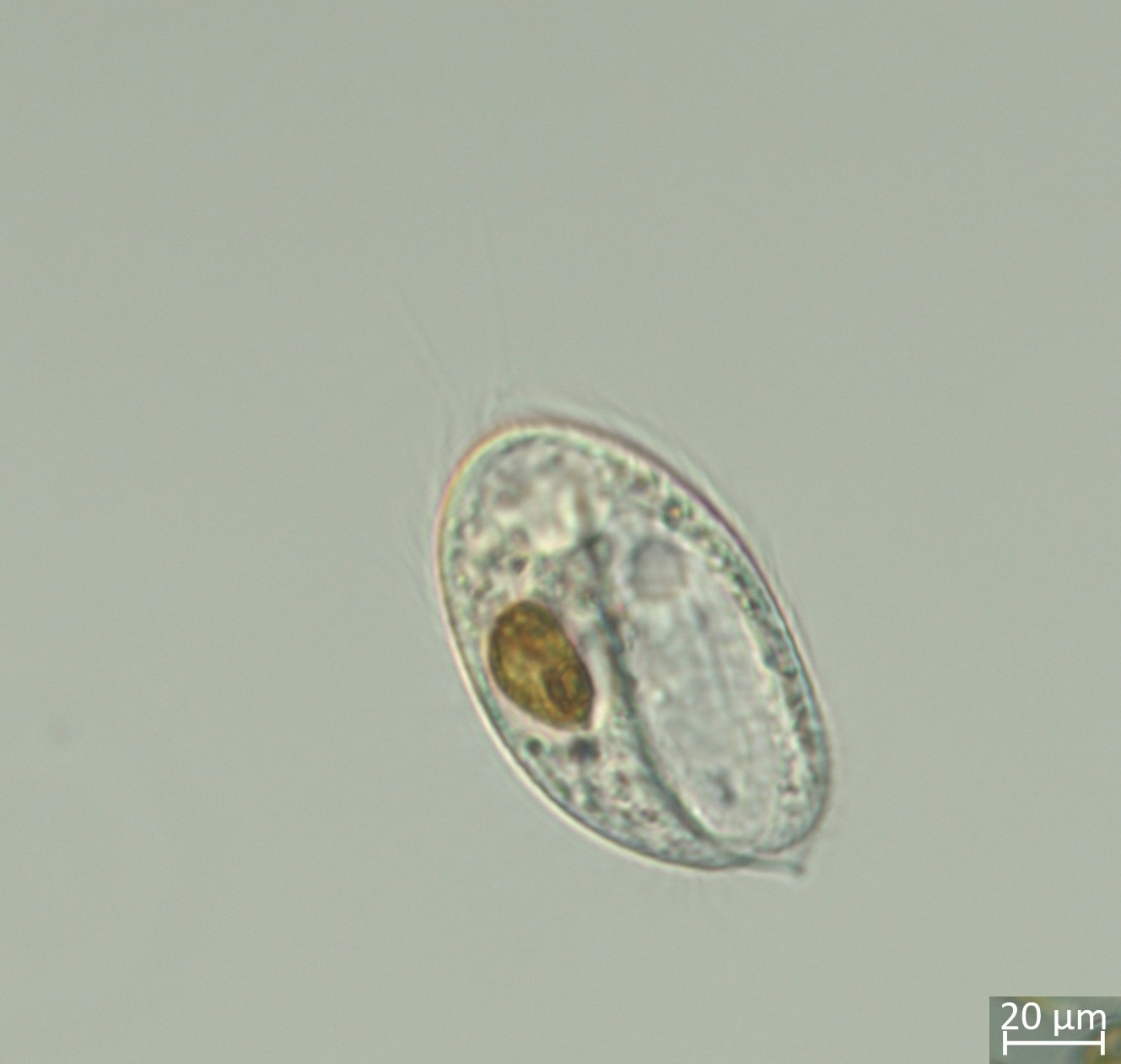
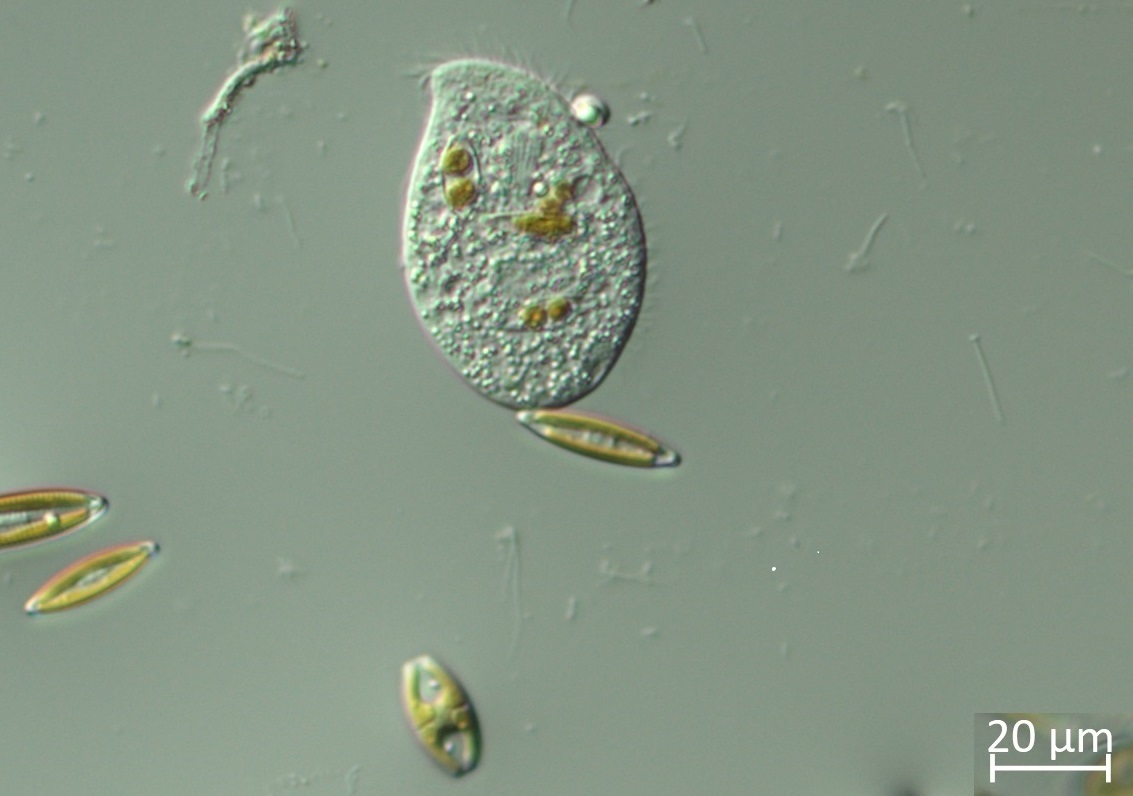
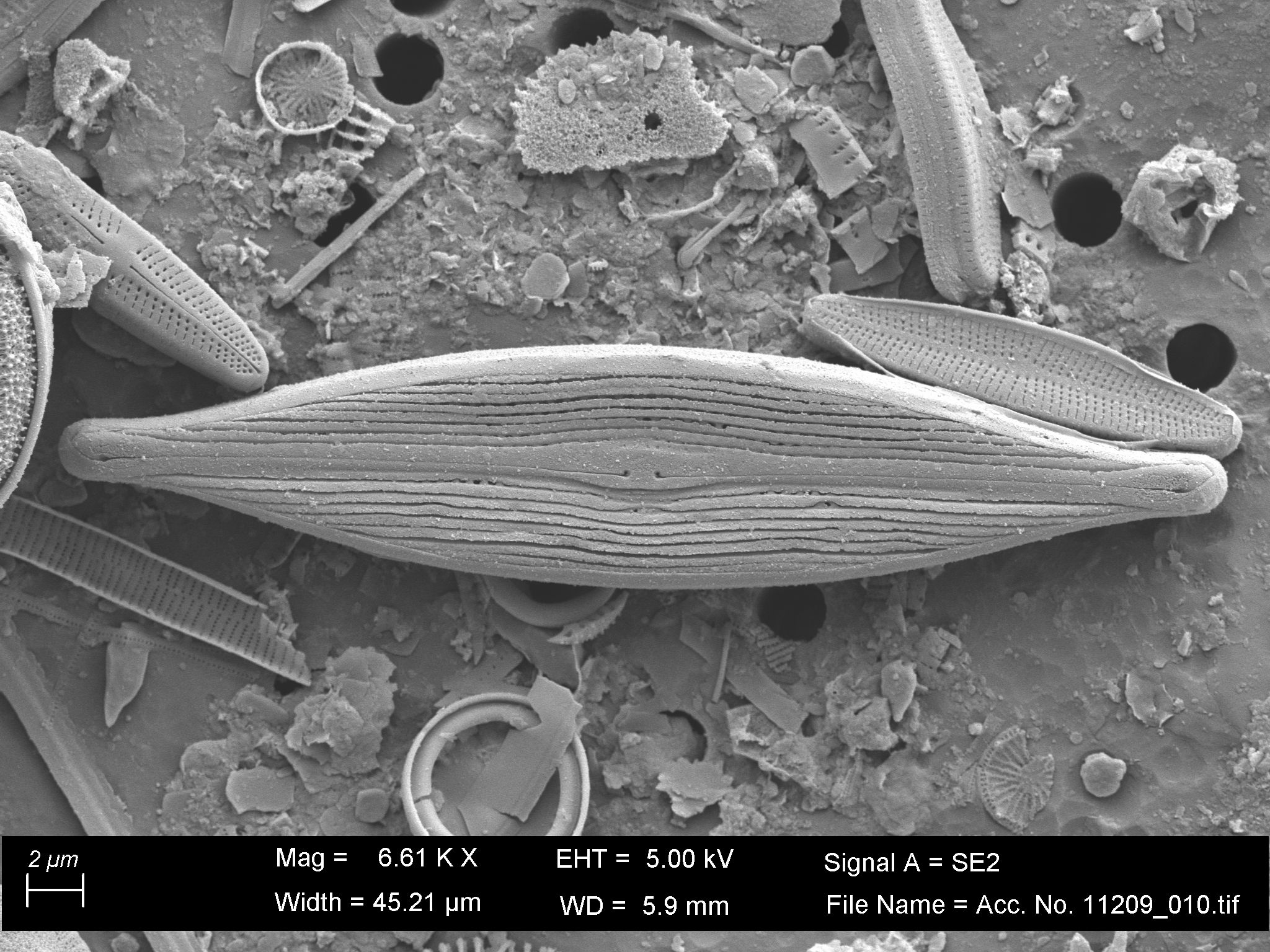
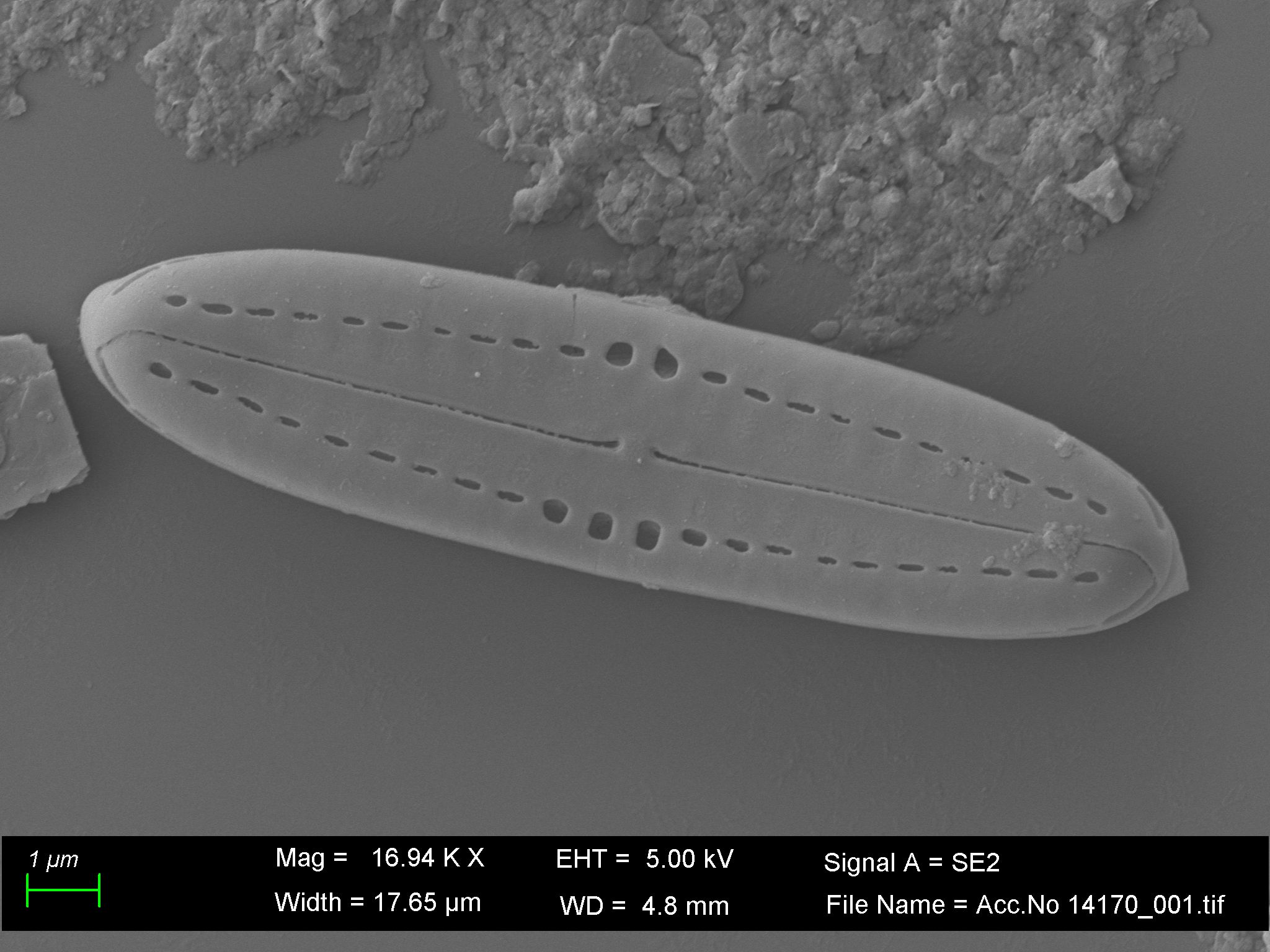
The aim of the project "An investigation into the state and composition of protists in the travertine barriers of the Krka River" was to describe the community of protists in the attached communities of the tufa barriers during the spring and autumn of 2024
Periphyton, the attached community of microorganisms in streams, rivers, and lakes, is a key source of nutrients for invertebrates and benthic herbivores, and plays an important role in energy flow, material cycling, and biogeochemical cycles. In addition to contributing to primary and secondary production, especially in the ecosystems of tufa barriers and waterfalls, periphyton also serves as a biological indicator of changes in aquatic ecosystems. Research has expanded the previous focus on diatoms (diatomaceous algae) to include heterotrophic components (protozoa), providing a unique insight into the attached communities of seven waterfalls on the Krka River.
The results of the analyses showed that environmental factors significantly influence the seasonal dynamics of protists. For example, ciliates, which benefit from higher nutrient concentrations, were most abundant on Brljan in August, while the diatom group was dominated by species of the genus Achnanthidium, known for their broad tolerance to various environmental conditions. According to the relative frequency of taxa from both groups of protists, it can be seen that there is a potential interdependence between certain groups, such as ciliates and diatoms (examples: Bilušića buk and Manojlovac waterfall), and ciliates and diatoms (example: Skradinski buk waterfall).
Further research, including the application of molecular methods, would be needed for more precise conclusions. This research highlights the importance of periphyton in ecological processes and its potential in water quality monitoring, contributing to a better understanding of the ecological condition of the Krka River and further supporting its protection and conservation.
Research
JOŠ NOVOSTI IZ KATEGORIJE
Assessing the status of the Middle Spotted Woodpecker and the European Nightjar in the broader area of the Krka NP
During 2026, the Zidarčac environmental firm conducted investigations into the Middle Spotted Woodpecker (Leiopicus medius) and the European Nightjar (Caprimulgus europaeus) in the broader area of the Krka National Park
The investigation and inventorizing of the entomofauna of forest habitats in the region of the Krka National Park
During 2025 and 2026, the Faculty of Forestry and Wood Technology of the University of Zagreb conducted entomofaunistic research in the most important forest communities in the Krka National Park to gain insight into the representation and condition of the insect fauna in the Park
A topographical map was created of potential speleological sites in the broader area of the Krka National Park
The underground world of karst is one of the most valuable components of the natural heritage of the Krka National Park, but also the most difficult to access
Investigation of the condition and composition of the macrozoobentos of the tufa barriers of the Krka River
During 2024 and 2025, an extensive scientific study of the composition and condition of macrozoobenthos (benthic invertebrates) was conducted on all seven tufa barriers of the Krka River