


Where aquatic fungi hide, what buzzes in the gold, and who are the nocturnal inhabitants of the Krka River
At the end of August, we were once again delighted to welcome volunteers who stayed with us for seven days at the Krka Eco Campus in Puljane.
How was it? Excellent. As always, amidst the early morning wake-up calls, minibus rides, sampling, counting, photographing, lab work, glowing pyramids, conversations, laughter, improvisation, packing, and goodbyes, we found time for what matters most: learning from one another and nurturing our curiosity.
For beyond the collected samples, photographs taken, species recorded, and new data about the Park’s biodiversity, one of the most valuable outcomes of the week was the curiosity itself. It reminds us that young people should ask questions and reflect on what they see, and that they must not take the world around them for granted.
From August 29 to September 5, 2026, we once again ran the "Park Biodiversity Researcher" volunteer program together. It is a program that combines research curiosity, a scientific approach, creative ideas, organization, and logistics, as well as a readiness to improvise whenever the terrain or schedule presents a new surprise.
It is one thing to guide volunteers through fieldwork, the laboratory, and a world of species easily overlooked if one doesn't know where to look, while it is another to ensure everything runs smoothly in practice – from accommodation, transport, and meals, to schedules and quickly finding solutions when plans change.
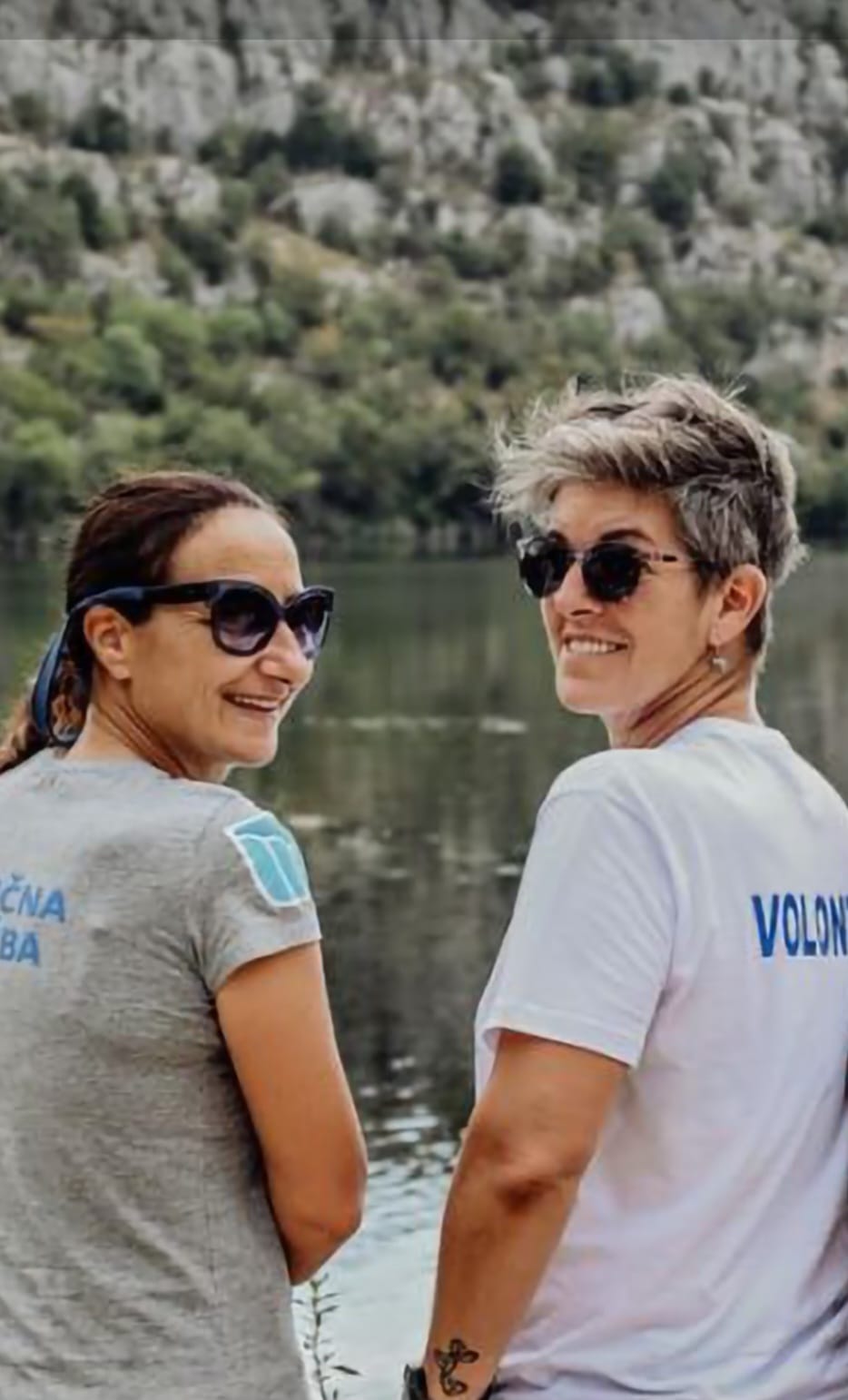
And to our volunteers – who were the same age as our own children – we were simply "the Moms". As mothers, it came naturally to us to check if they had slept well, eaten, and had enough water; whether they had packed all the necessary gear; and if the terrain was too demanding, or they were overtired. Amidst the sampling, glowing pyramids, van rides, sun, heat, and evening conversations, caring for our "little people" was of exceptional importance to us.
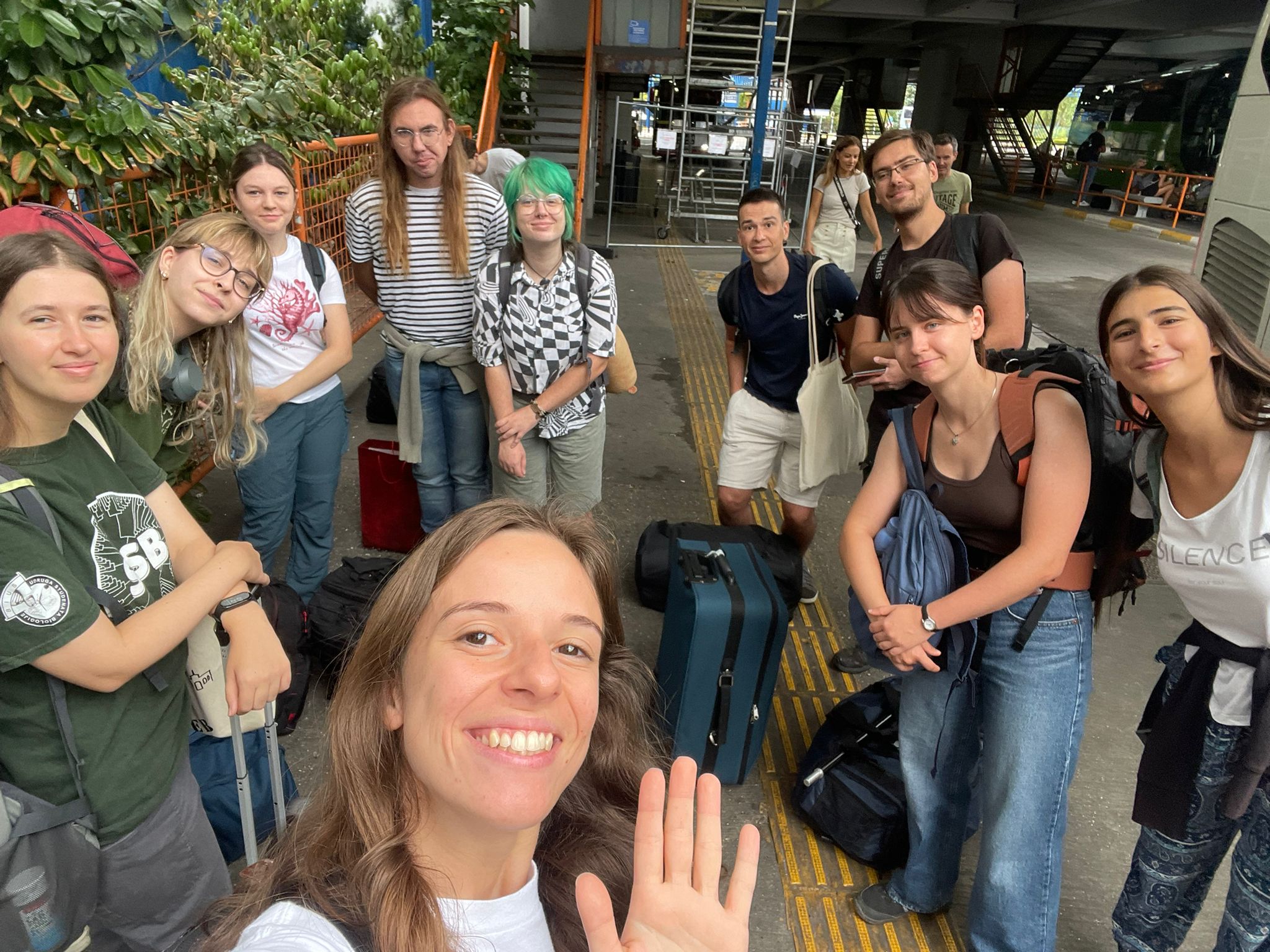
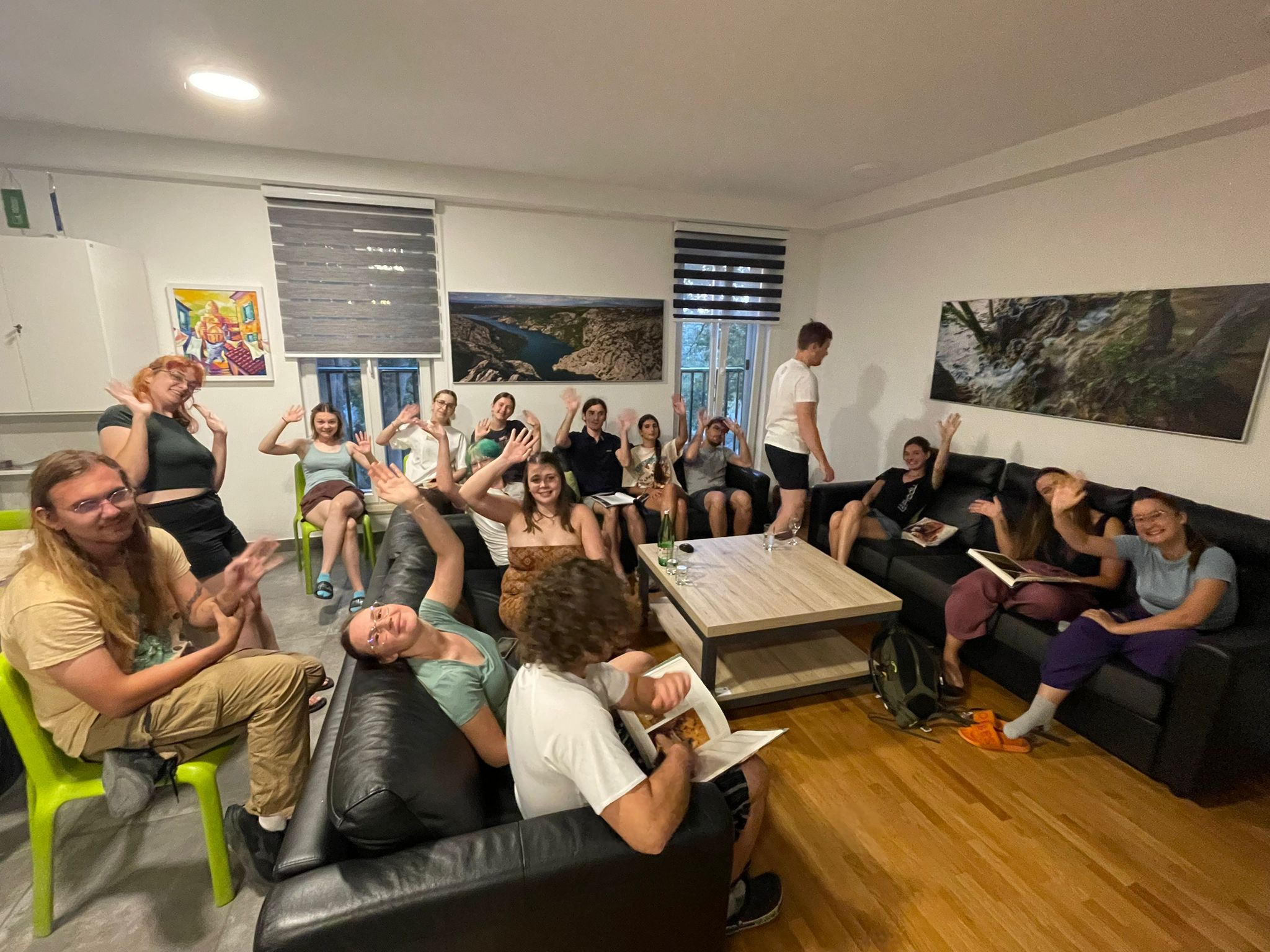
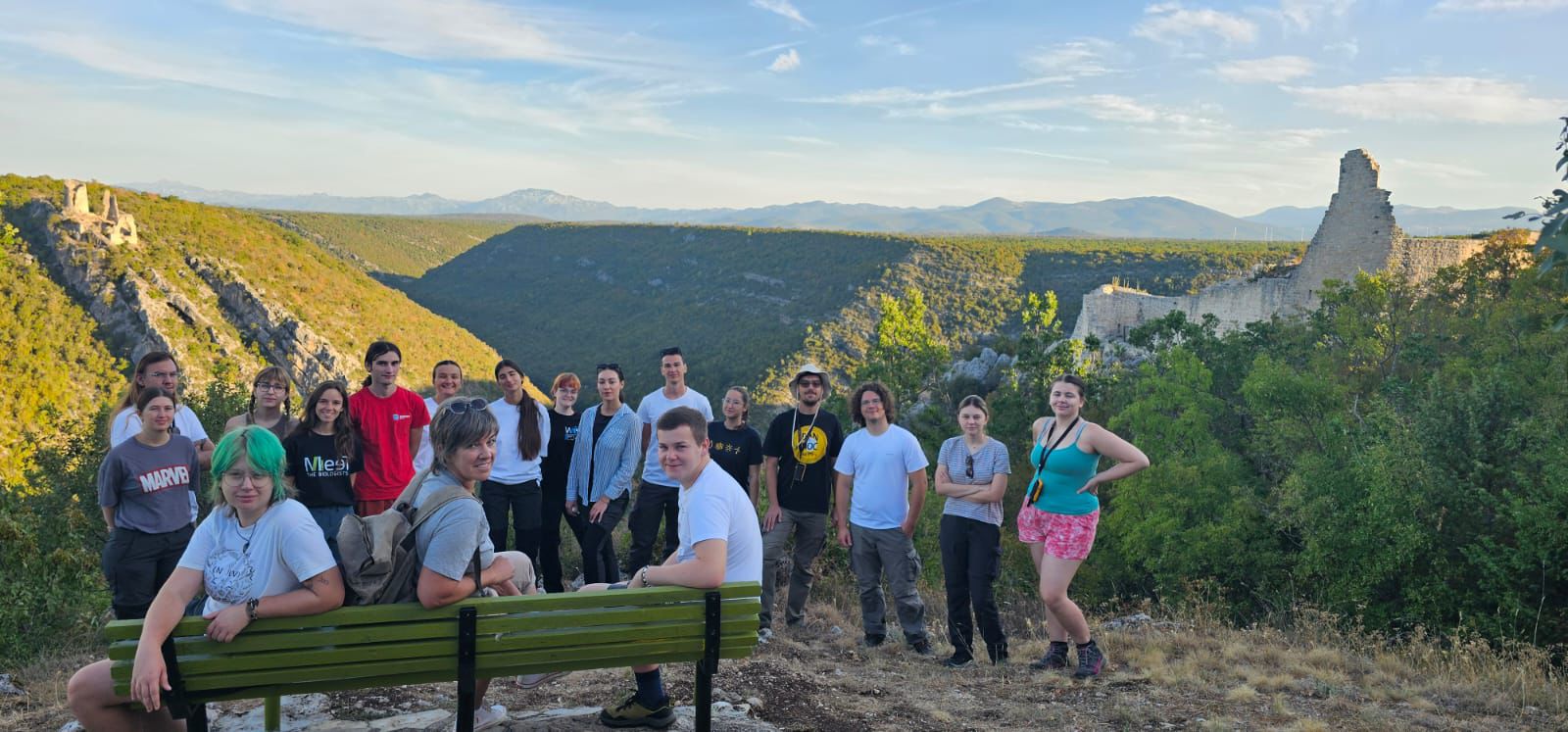
We welcomed a total of twenty-five volunteers, including as many as twenty members of BIUS—the Biology Students' Association of the Faculty of Science at the University of Zagreb.
Members from various sections participated in the program, and we divided them into two groups: the "insect enthusiasts," who explore terrestrial habitats, and the "fungi enthusiasts," who explore aquatic environments.
They brought with them knowledge, a spirit of inquiry, and a special, curious energy that radiates from them whenever you find yourself with them in the laboratory, out in a meadow, or in the water.
We settled them into the Titius Hostel and introduced them to the Krka Eco Campus, the natural science laboratory, the equipment there, and the schedule of activities. Already on the very first day, following introductions and planning for the fieldwork, we set out on a night-time exploration of the campus grounds using standard and UV lights. We didn't find any scorpions – even though they glow under UV light – but we did encounter praying mantises, millipedes, and longhorn beetles: quite a good start to a week of research.
From meadows to the source of the Krka River
In the following days, we visited various land and water habitats in the Krka National Park together, as well as the source of the Krka River. We explored the areas of Piska, Remetić, Stinice, Miljacka waterfall, Burnum, Manojlovac waterfall, Kula, Dakića, Carigradska Draga, Bilušića Buka, the source of the Krka, and the Bibića rapids under the Nečven fortress.
We surveyed the fauna of rocky pastures, floodplain meadows, olive groves, coastal vegetation, and waterfall areas, where samples of foam were taken to study aquatic fungi. We adapted our fieldwork to the weather conditions.
Compared to surveys carried out in June, a smaller number of species was recorded at some sites, yet such data are also valuable. Nature constantly reminds us that it requires patient observation – throughout the seasons and under varying conditions.
We were particularly pleased that, despite the longer dry period, the biodiversity of pollinators in the meadows along the Krka was very high, in contrast to the stony pastures.
Each site yielded new observations, recording of species, photography, sampling, and a wealth of expert discussions – ranging from species identification in situ to subsequent laboratory processing, i.e. formal determination.
Dragonflies, golden wasps, and nocturnal visitors
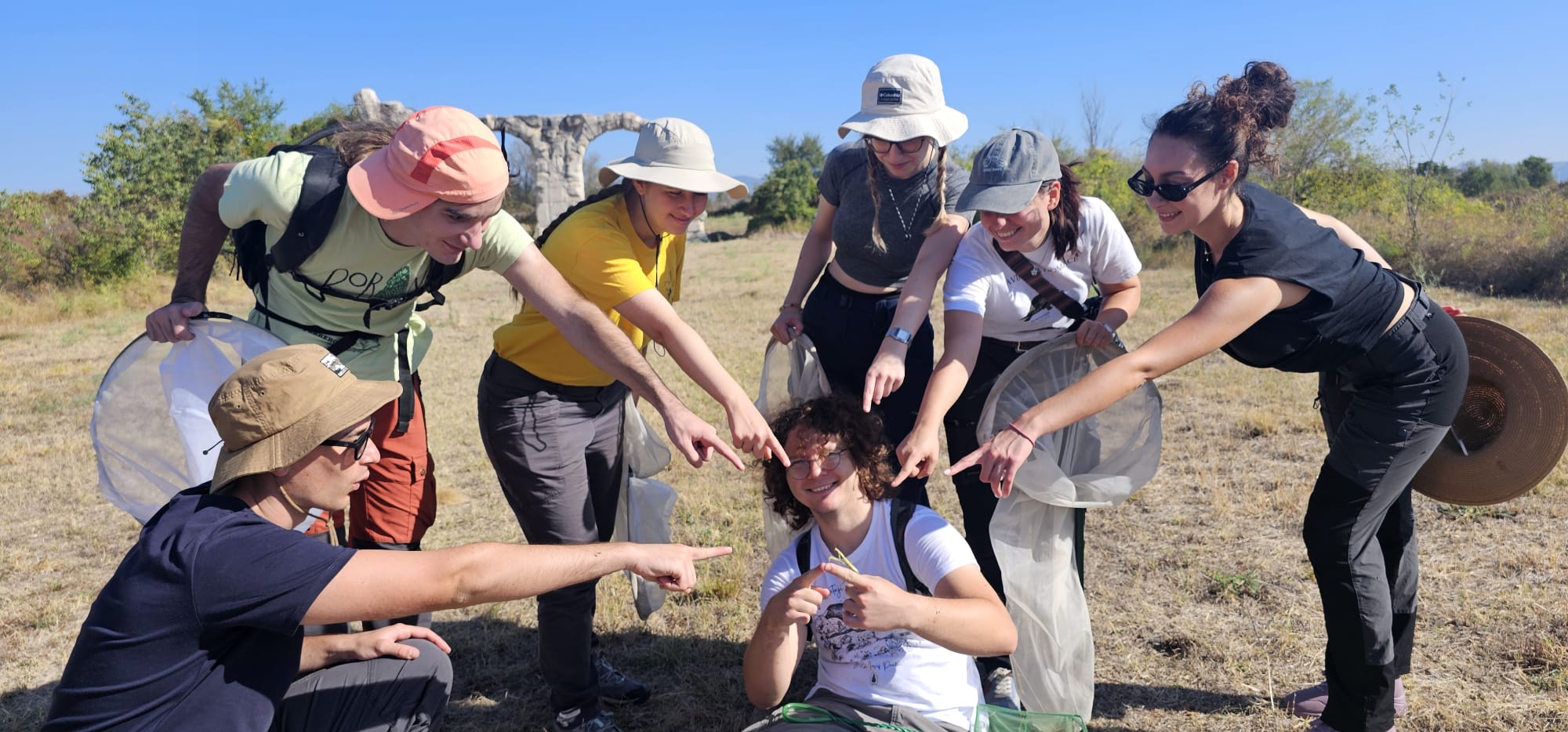
Our volunteer entomologists – or, as we affectionately call them, "bug lovers" – studied pollinators and other insect life. They recorded butterflies and moths, dragonflies, praying mantises, wasps, bees, flies, beetles, different winged bugs, grasshoppers, and other insects.
Among the most interesting finds was the violet dropwing (Trithemis annulata), a dragonfly species first recorded in the Krka National Park last year on the island of Visovac; this year, we also found it in the areas of Piska, where a female was recorded, and Stinice, where a male was recorded.
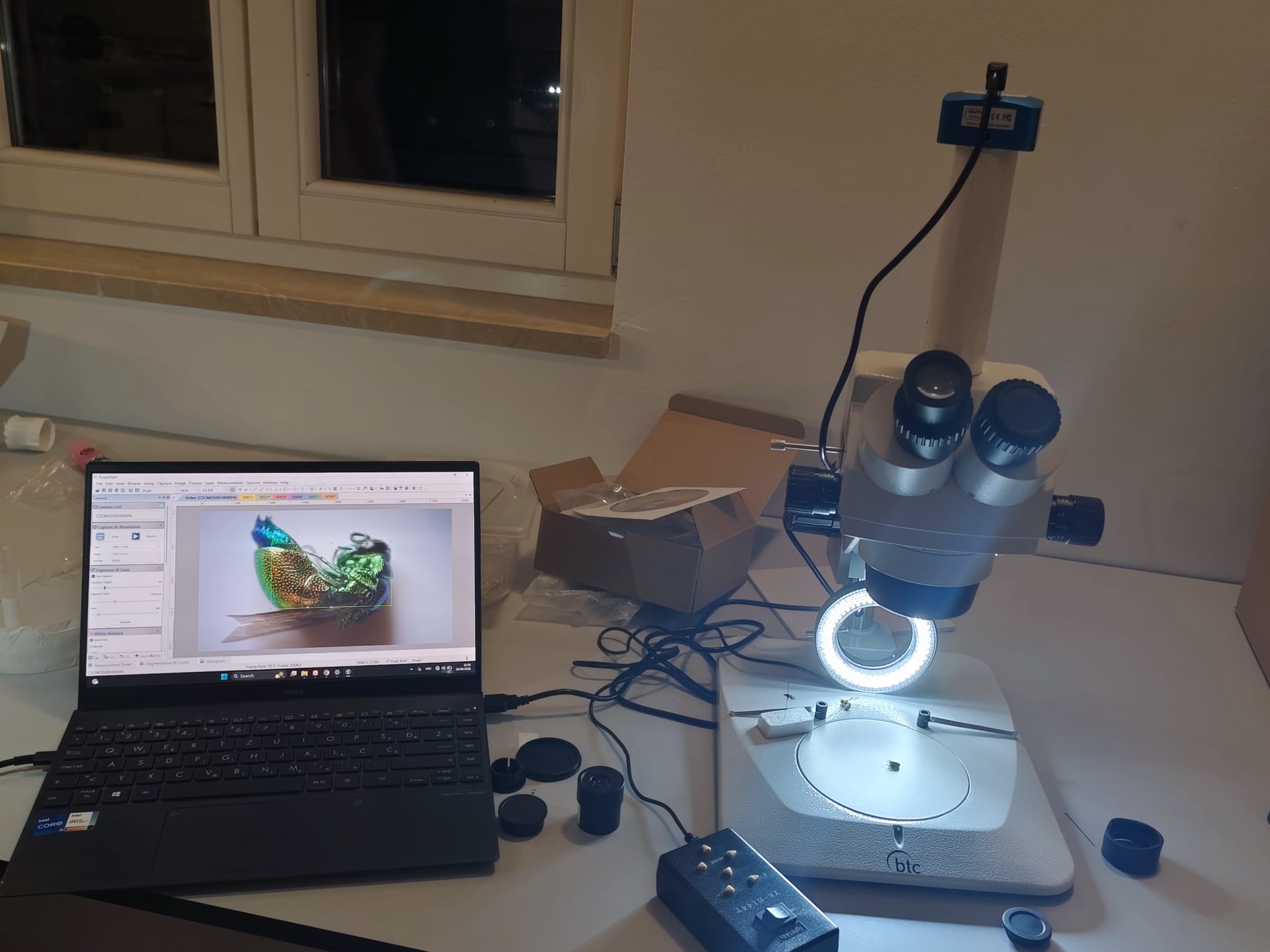
Then there is the "cuckoo" wasp, from the cuckoo wasp family (Chrysididae). These small wasps are easy to spot because they appear to have a metallic sheen. They did not get the name "golden wasp" by accident: their metallic luster results from a special bodily structure that reflects light, making them look like tiny green, blue, or gold gems in the sunlight.
At the Krka Eco Campus, volunteers were greeted by a genuine nocturnal surprise: the death's-head hawkmoth (Acherontia atropos). This large moth is known for the skull-like pattern on its thorax, as well as for its particular fondness for honey. Although bees usually guard their home vigilantly against intruders, the death's-head hawkmoth sometimes manages to slip into the hive thanks to chemical mimicry: its scent partially imitates that of the bees, so they do not immediately recognize it as an outsider. Once it reaches the honeycomb, it uses its short, strong proboscis to pierce the wax caps and begin feeding on the honey – like a true little nocturnal thief of sweets.
Far from light pollution, the nocturnal surveys began with the setup of "light pyramids" – illuminated cloth traps designed to attract nocturnal insects. Once the insects were drawn in by the light, volunteers would step in to carefully observe the nocturnal species, photograph them, record their findings, and then release them.
In fact, there were fewer nocturnal visitors compared to the surveys conducted in June, yet several finds delighted our beetle enthusiasts. A standout discovery was the saproxylic beetle (Iphthiminus italicus) – a rare, poorly investigated, and endangered member of the darkling beetle family (Tenebrionidae), which favors forest habitats featuring dying or dead trees.
There was also the giant Transcaucasian praying mantis (Hierodula transcaucasica), visually impressive, but difficult to spot while resting among branches. In recent years, this species has been spreading throughout Europe, including Croatia, and scientists associate its spread with climate change, and unintentional transmission through human activities and traffic.
Where do aquatic fungi hide?
While the entomologists surveyed pastures, meadows, and olive groves, volunteers from the fungi and inland waters sections – whom we dubbed the "mushroom hunters" – explored the less visible but equally fascinating world of aquatic fungi habitats.
A fascinating world is often hidden in a drop of water, similar in a river's "foam" or a fallen leaf that slowly travels downstream. At several sites, the volunteers sampled water, foam, and submerged and fallen leaves, recorded plants along the shore, and measured the basic physical and chemical parameters of the water.
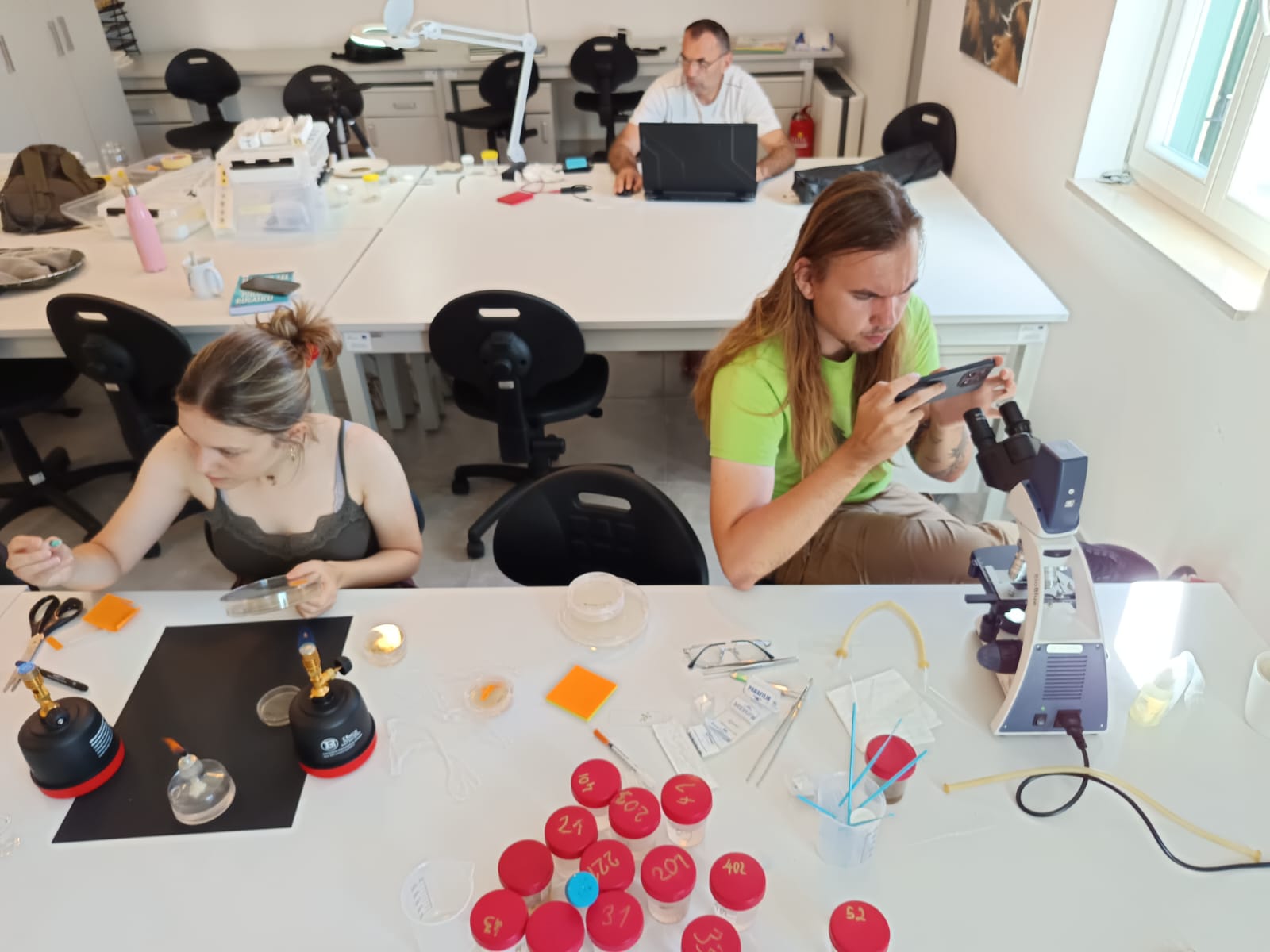
Processing the samples in the natural science laboratory at the Krka Eco Campus would start a fascinating microscopic investigation. The focus was on aquatic hyphomycetes, aquatic fungi that participate in the decomposition of leaves and other organic matter in freshwater ecosystems. In other words, they are the silent "recyclers" of rivers and streams.
River foam, a twig snagged by the bank, or a leaf submerged in the water can conceal a surprisingly rich world, and the volunteers have shown that uncovering it requires only a little attention, curiosity, and a willingness to take a closer look at the small details.
At the Miljacka waterfall, they found the species Flabellospora verticillata and Amniculicola longissima, while in the area of the Manojlovac waterfall, the rare species Diplocladiella turina was again recorded. On the wall of the supply channel for the Krka spring water, which serves the needs of a fish pond, the terrestrial alga Trentepohlia aurea was recorded, as a small, orange reminder that interesting species grow even where we least expect them.
One of the most beautiful moments in carrying out the program for volunteers was going to the Bibić rapids at the foot of the Nečven fortress. This site immediately won them over with its pristine nature and diversity of species and habitats. While the blooming mint was teeming with pollinators, volunteers from the "mushroom" team found foam suitable for sampling and further laboratory processing on the rapids.
Although the river flow and rapids were not particularly strong due to the lengthy drought, the Mom coordinators did not leave anything to chance, so they equipped the volunteers with protective vests for working by the water.
And, as has happened countless times before, it turned out that the most beautiful surprises lie precisely in the unplanned moments.
More than investigation
The volunteer program was not limited to a series of field trips, measurements, sampling, and identifications; it was a week where knowledge and experience were shared as naturally as the post-fieldwork lunch – amidst plenty of conversation, mutual assistance, laughter, and those small moments where team members truly connect.
The volunteers did not merely explore the Park; day by day, they also documented their own stories. They prepared texts and photographs regarding their activities for the Krka National Park Facebook and Instagram pages, meaning that some of the posts on these social media platforms were authored by the volunteers themselves, resulting from their impressions and experiences.
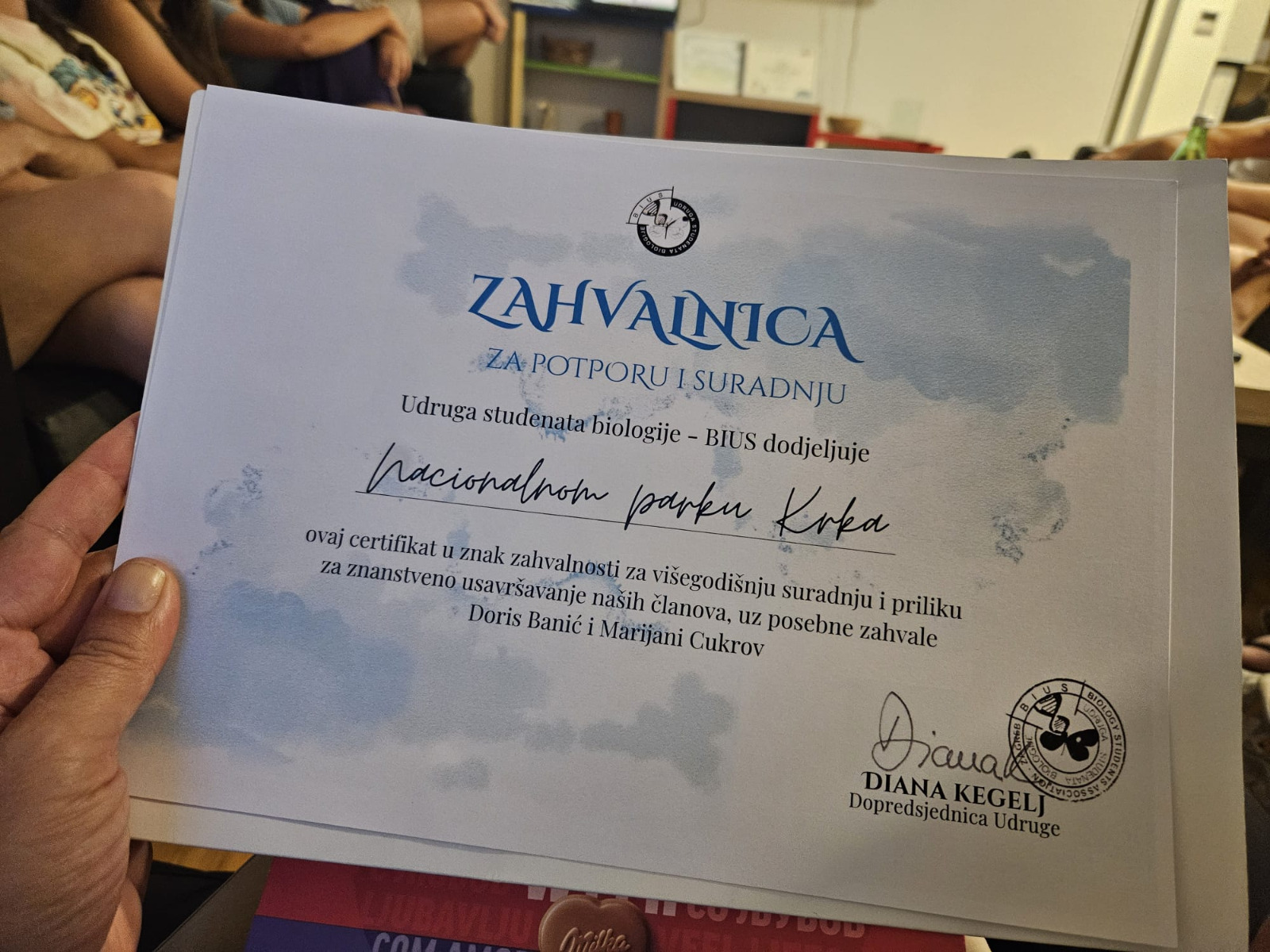
A moment that holds a special place in our hearts is when they thanked us for our hospitality and presented us with the magazine In Vivo, which featured an article about last year’s volunteer program at the Krka National Park. Afterward, we watched a recording of the play 50% Light together; the production had been created as part of a previous volunteer program and performed on the stage at the Krka Eco Campus in September 2025. The script and acting were the work of the BIUS volunteers themselves, and, as one might expect, their performance pleasantly surprised and deeply moved us.
At the end of the week, what remained were laboratory samples awaiting further processing, photographs, notes, and new insights. Memories of working together also remained, but above all, the feeling that programs like this hold special value: they bring together young people eager to learn, allow them to gain hands-on experience in real world field conditions, and transform curiosity into knowledge – and knowledge into a commitment to care for nature.bur
And at the end…
...We met the volunteers and learned about their stories, their motivations, and their incredible desire to explore the world around them. That very first meeting showed us that volunteering at Krka National Park did not represent merely an opportunity to gain practical experience for them: instead it was a blend of people, science, and nature, accompanied by plenty of curiosity, laughter, water in boots, mud on hiking shoes, sunburned faces, and a pleasant sense of fatigue.
And we, the coordinators, realize every time anew how many beautiful things can happen when we give young people the space to ask questions, when we trust them and encourage them to try to explore nature on their own, and get to know it with their own senses.
As long as young people ask questions, pause to observe the world around them, and seek to understand nature, we have reason to believe in the future – in a better tomorrow for the children yet to come and for the nature we are learning to protect and restore together.
Conclusion about the "Park Biodiversity Researcher" volunteer program:
"Knowledge is born of curiosity, grows through caring for nature, and lives on through our understanding of biodiversity – the delicate, interconnected web of life in which every species, habitat, and drop of water plays a vital role. Our role is to preserve that web."
And it was an honor for us to learn together with you how to get to know, understand, and preserve this network of life better.
Your “Moms” or Coordinators, Doris & Marijana
Volontiraj u NP "Krka"
JOŠ NOVOSTI IZ KATEGORIJE
From the Pen of a Volunteer
A group pf volunteers, biology students, are once again investigating the biodiversity of the Park. Their brief reports were collected by one of the volunteers.
A new Valuable Discovery in Krka National Park
The elusive dwarf ground cricket (𝑆𝑡𝑒𝑛𝑜𝑛𝑒𝑚𝑜𝑏𝑖𝑢𝑠 𝑔𝑟𝑎𝑐𝑖𝑙𝑖𝑠) was first discovered in Croatia in 2021, at a single site: Cape Kamenjak in Istria
In a volunteer program, more than a thousand plants of tree-of-heaven were removed in the area of Skradinski buk
On June 12, 2026, the volunteer program "Guardians of Native Species Habitats" was held in the Krka National Park, in which eighty employees of the KING ICT firm participated.
Young archaeologists at the site of Klanac – Traces of Roman soldiers in Krka National Park
The volunteer program "The Klanac Site – archaeological excavations of an auxiliary Roman military camp in the area of the Krka National Park" brought together archaeology students and experts eager for new knowledge and experiences from April 16 to May 2, 2026.