


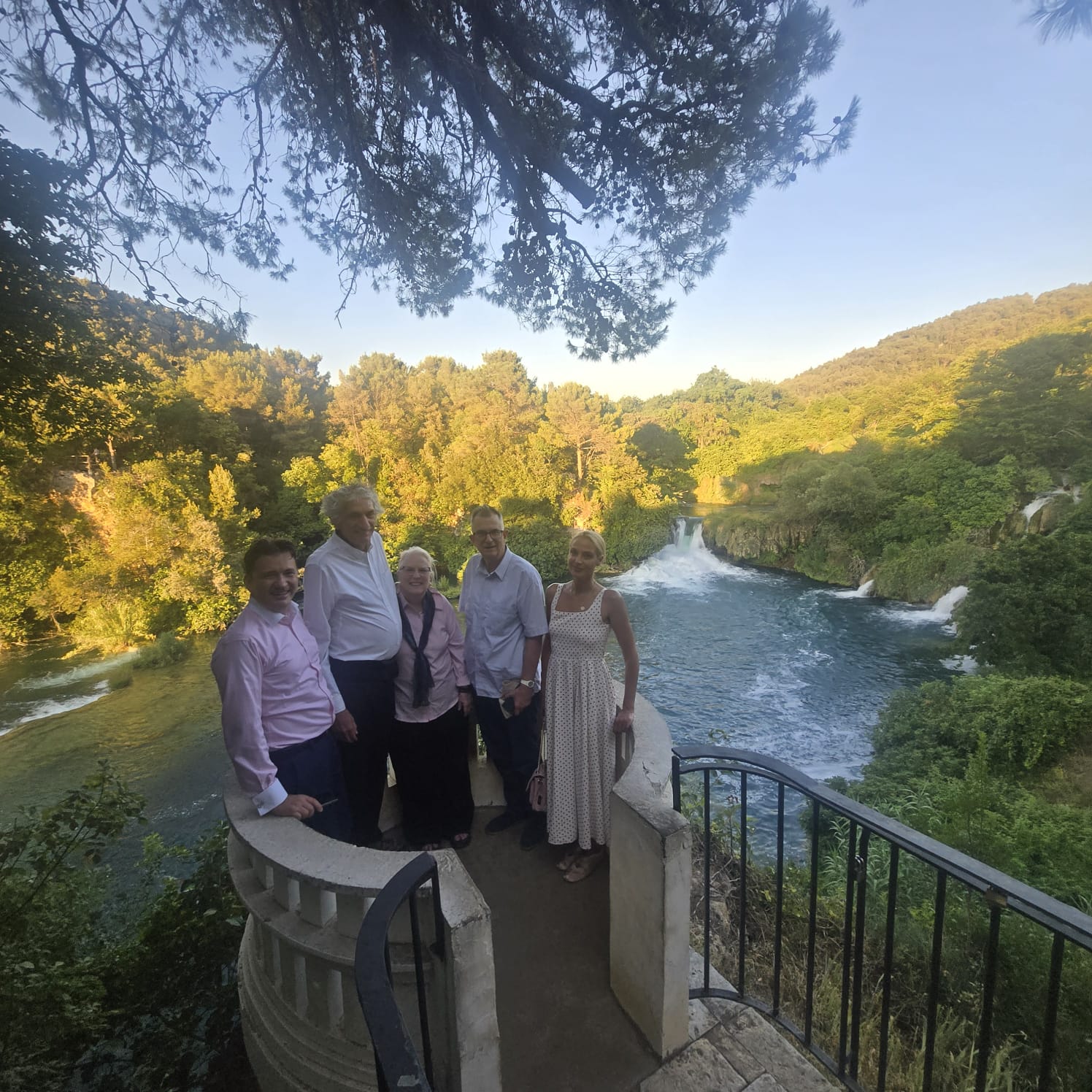
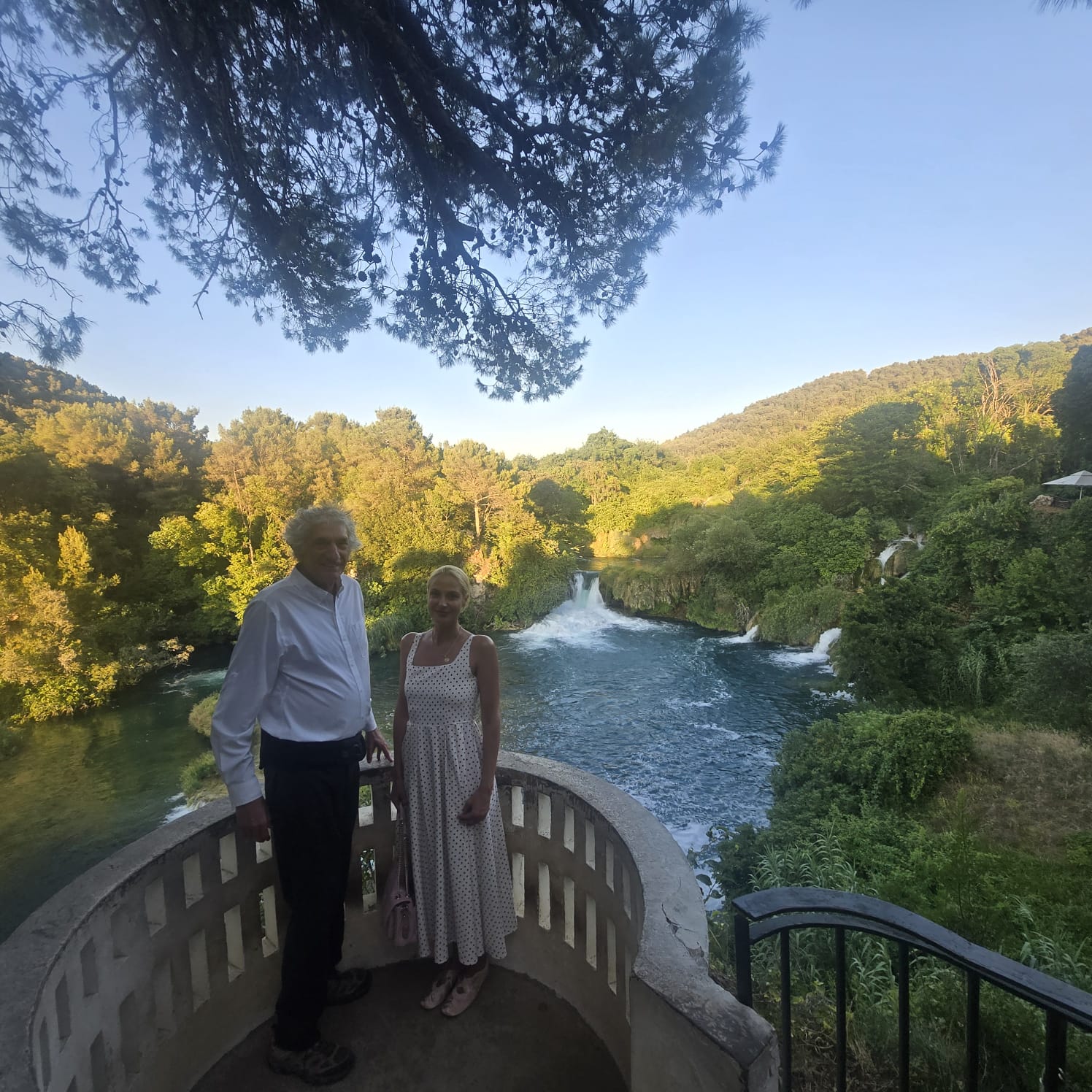
The Krka National Park had the honor of hosting John M. Martinis, winner of the 2025 Nobel Prize in Physics, who during his stay in Croatia visited one of the most beautiful Croatian national parks.
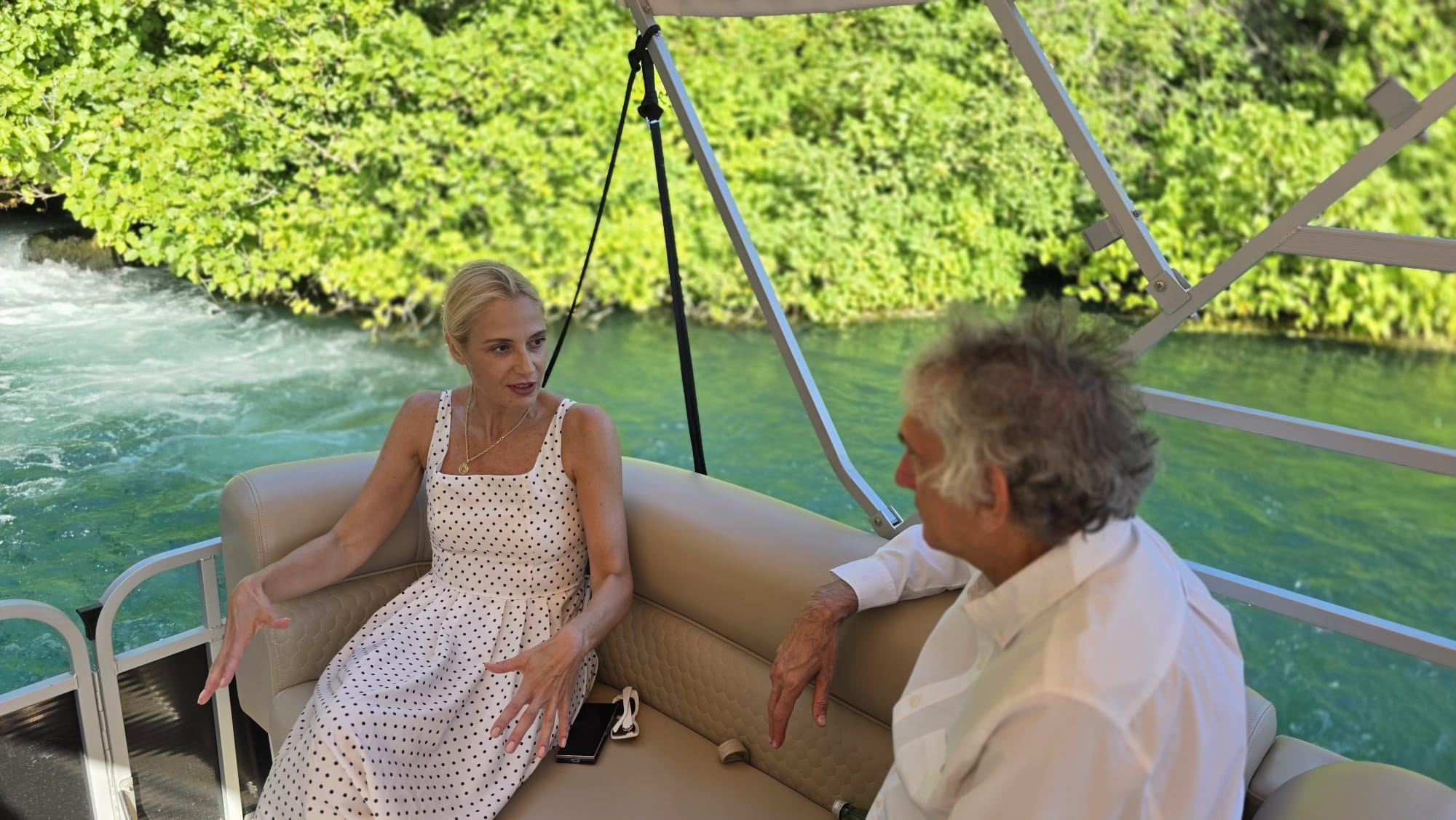
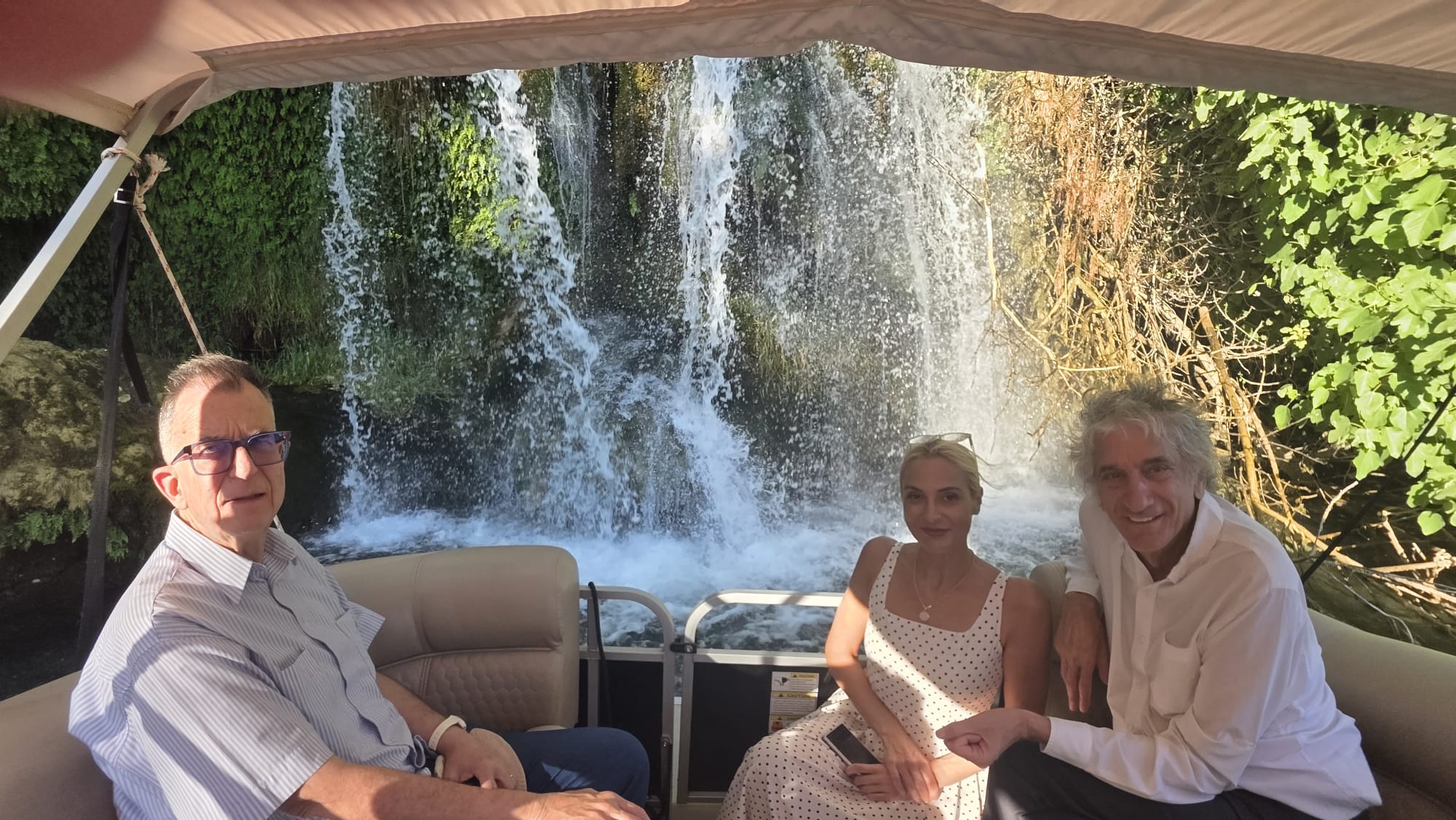
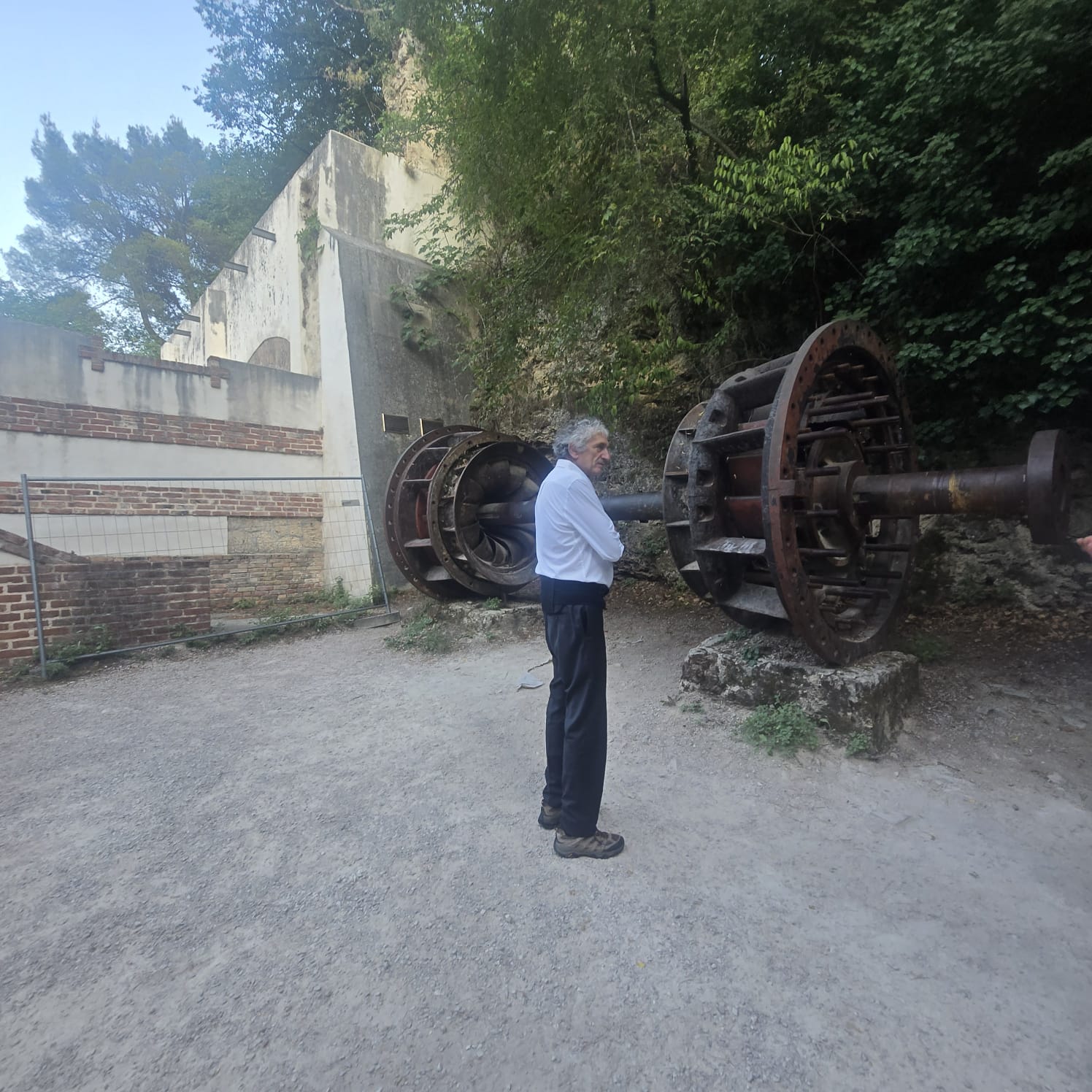
During his visit, he visited Skradinski buk waterfall and took a boat ride through the Među gredama canyon and Visovac Lake, becoming acquainted with the unique natural and landscape features of the Krka National Park. At Skradinski buk, he also visited the remains of the Krka hydroelectric power plant, which was first put into operation on August 28, 1895, just two days after the hydroelectric power plant at Niagara Falls, built according to Nikola Tesla's patent. The Krka hydroelectric power plant was the first facility in the world to light up a city – Šibenik – with alternating current, thus occupying a special place in the history of Croatian and international electrical power.
As one of the world's leading physicists, during the tour we presented Krka National Park to him from a different perspective, as a large natural laboratory of physics in the open air. In addition to its fascinating presentation of mechanics, acoustics, optics and hydrodynamics, the route he took clearly demonstrates how physical processes are connected to biology.
"Our magnificent tufa waterfalls are living systems that are constantly growing thanks to natural physical processes. Even the powerful roar of the waterfalls is not just the sound of water: what we hear is actually the sound of millions of microscopic air bubbles trapped underwater, which when bursting create a characteristic acoustic effect," stated the director of the Krka National park, Nella Slavica, and added: "Fundamental physical processes are present everywhere in the Krka National Park. The Među gredama canyon offers a perfect lesson in erosion caused by fluid action, while the thermodynamics of Visovac Lake provide the island with a stable microclimate. Fish use their body shape to minimize drag coefficient, making it easier for them to swim against strong currents, while bats emit ultrasonic waves, navigating in space using echolocation."
John M. Martinis is one of the world's leading physicists of Croatian origin, a professor of physics at the University of California in Santa Barbara, and a Nobel Prize winner for his contribution to the development of quantum technologies. We were especially pleased to find that, in addition to his father's roots in Komiža, his family ties also reach back to Šibenik-Knin County: his mother Iva comes from the Jabuka and Škalabrin families, which makes this region occupy a special position in his family story.
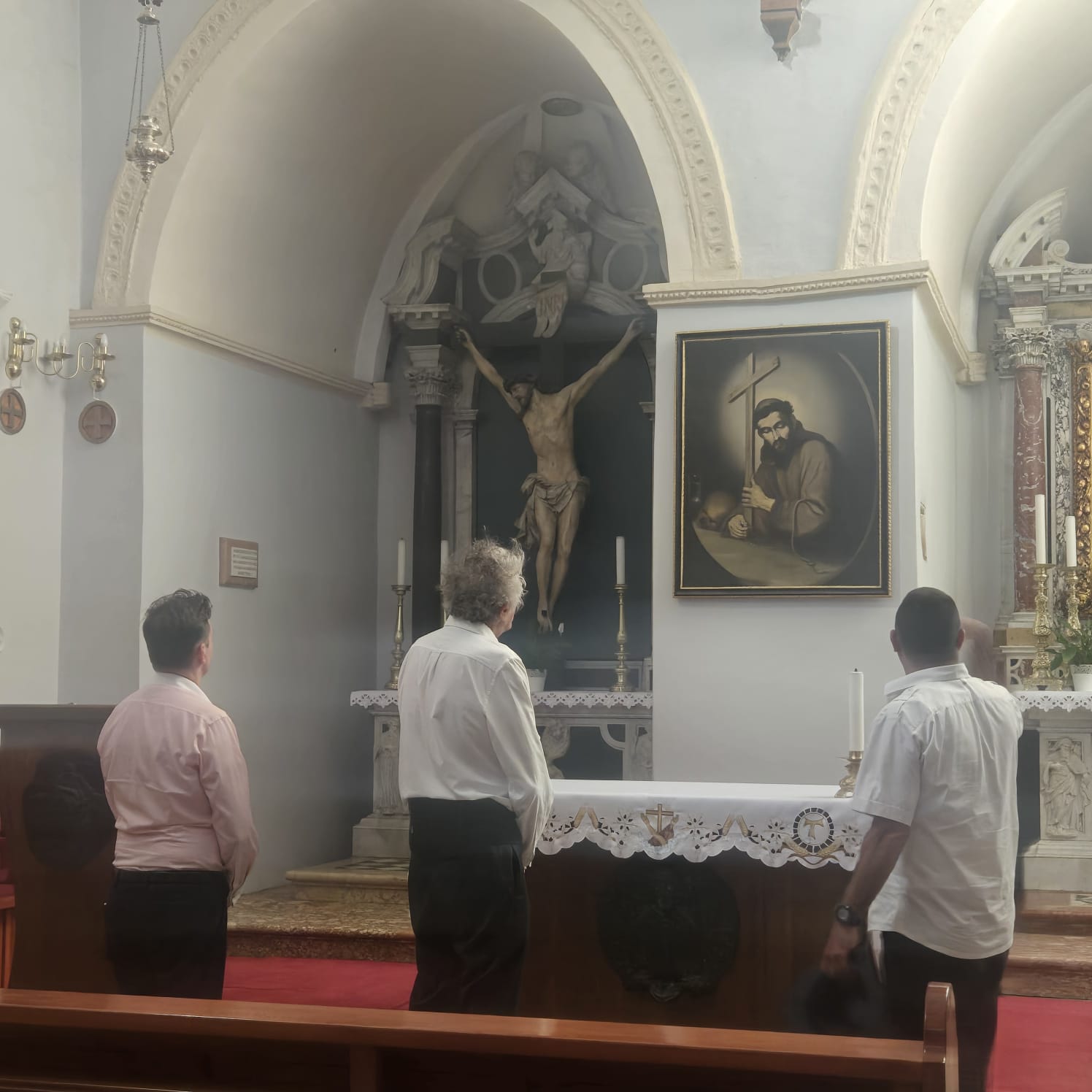
Martinis' visit to Croatia has been organized by the Ministry of Foreign and European Affairs of the Republic of Croatia, in co-organization with the Ministry of Science, Education, and Youth. On behalf of the organizers, the host for Martinis' visit and the coordinator of all related activities was Siniša Grgić, Ambassador of the Republic of Croatia to Sweden and Latvia, Dean of the Diplomatic Corps in Stockholm. As part of the visit, Martinis will hold several professional lectures, and he was also awarded honorary membership in the Matica Hrvatska Association, the oldest Croatian cultural institution, in recognition of his exceptional contribution to science and his connection with Croatian roots.
It was a great honor for us to host one of the world's most prominent scientists of the present day and to present to him the natural and cultural-historical features of the Krka River, its tufa waterfalls, and unique landscapes, but also to show him that the Krka National Park is a place where nature and physics meet every day in the most beautiful way possible.
News
JOŠ NOVOSTI IZ KATEGORIJE
The fourth year of cooperation between the Krka National Park and the Šibenik Paws Association (Šibenske šape): Together for a more responsible attitude towards animals
The Krka National Park and the Šibenik Paws Association will mark World Animal Protection Day with a joint program at Lozovac, inviting citizens to come with their pets or to learn about animal adoption opportunities
World Animal Protection Day Celebrated at Visovac: Learning How to Protect the Animal World
To mark World Animal Protection Day, the Public Institute of Krka National Park has prepared an educational program for primary school students this year, set in the beautiful surroundings of Visovac Island
Our heritage in the hands of the future: how children will discover traditional knowledge and skills along the Krka River
On the occasion of the European Heritage Day, the Public Institute of Krka National Park has organized an educational program dedicated to the cultural and ethnographic heritage found along the Krka River. The program will be held on October 3 at the Skradinski buk waterfall
The Public Institute of Krka National Park becomes a partner with the ConserveUs Festival: knowledge and experience in the service of preserving the cultural heritage
The restoration workshop, the archaeological collection, and the Burnum site will be presented at the Krka Eco Campus in Puljane