


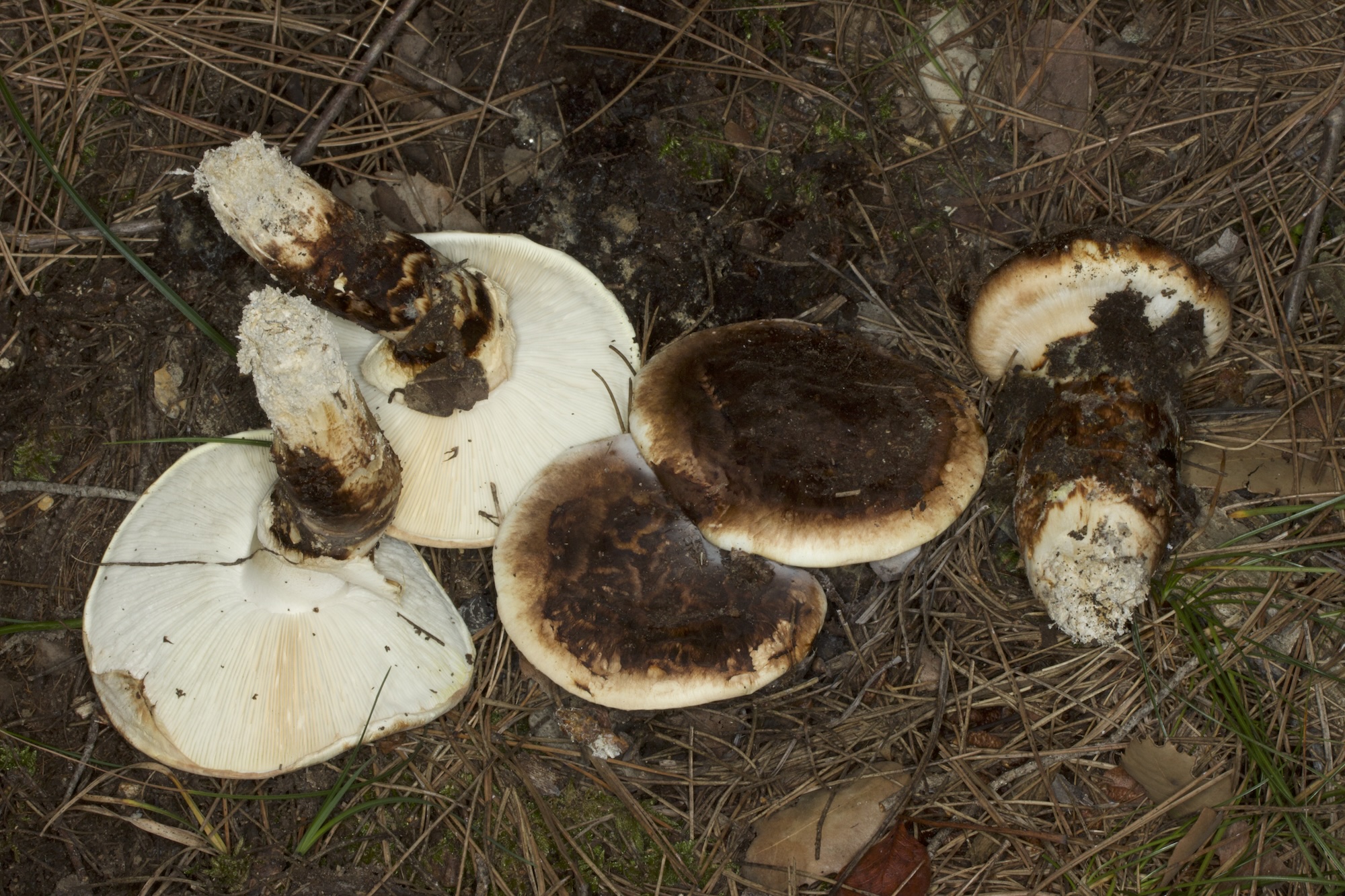
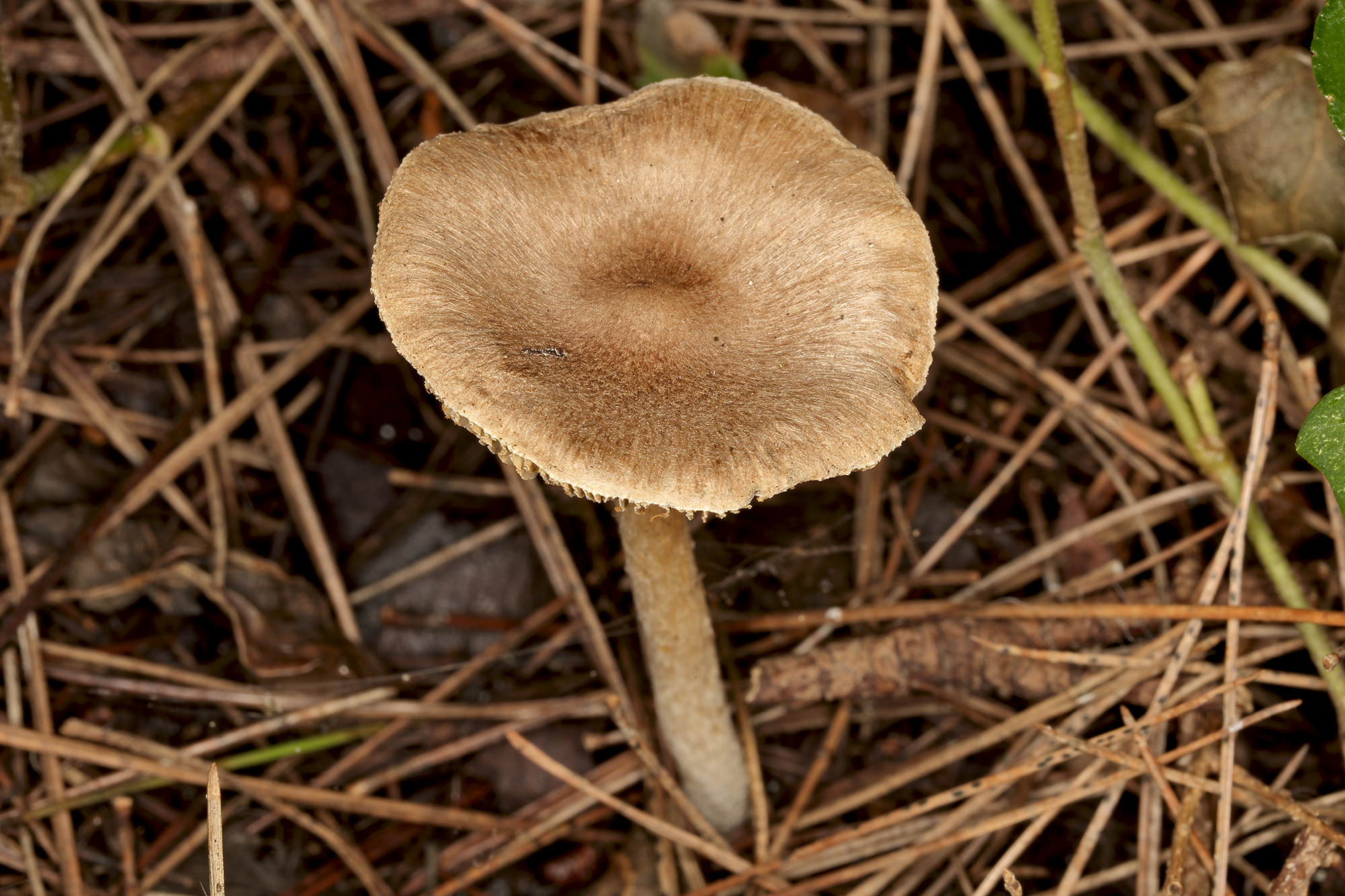
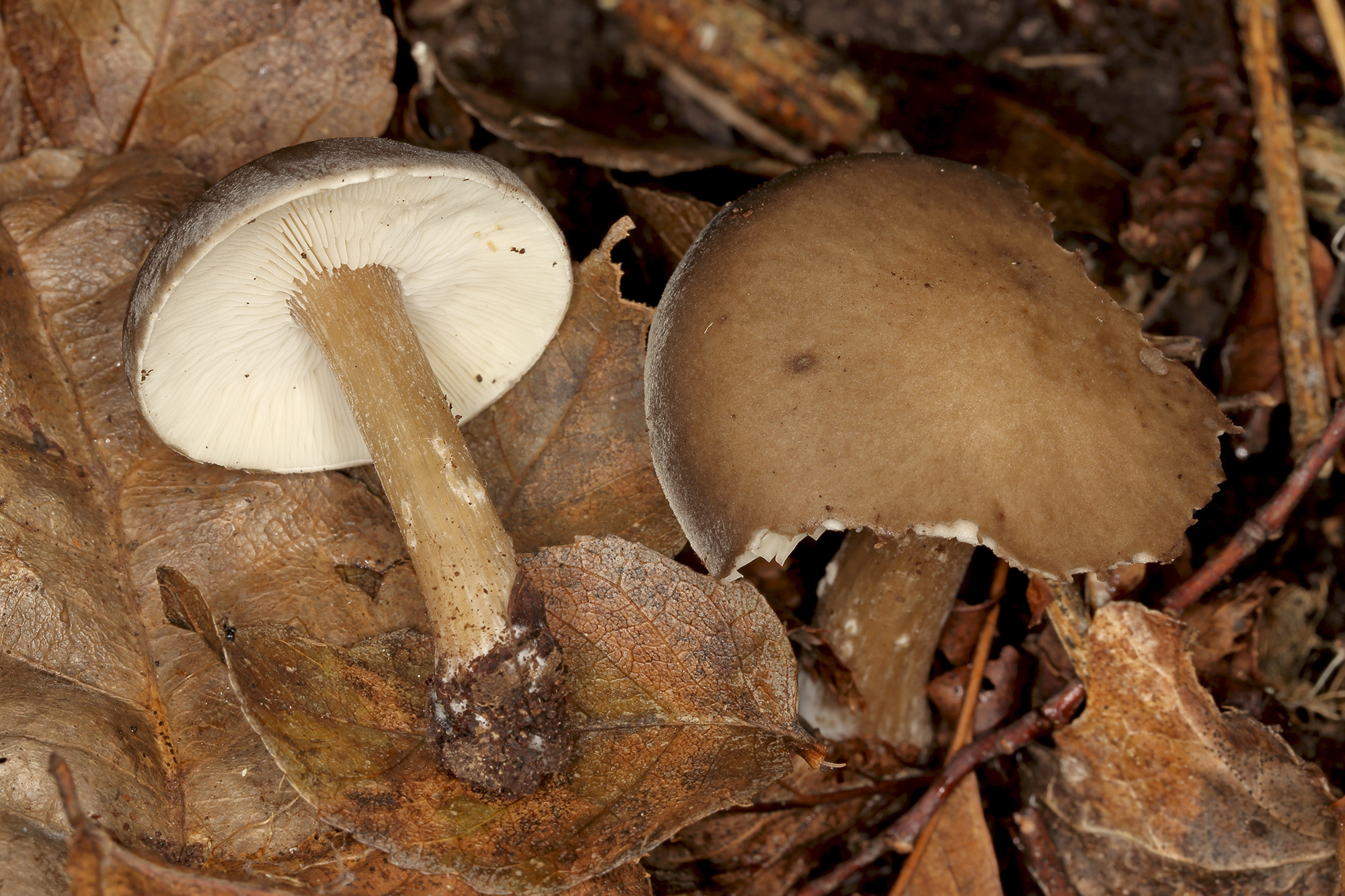
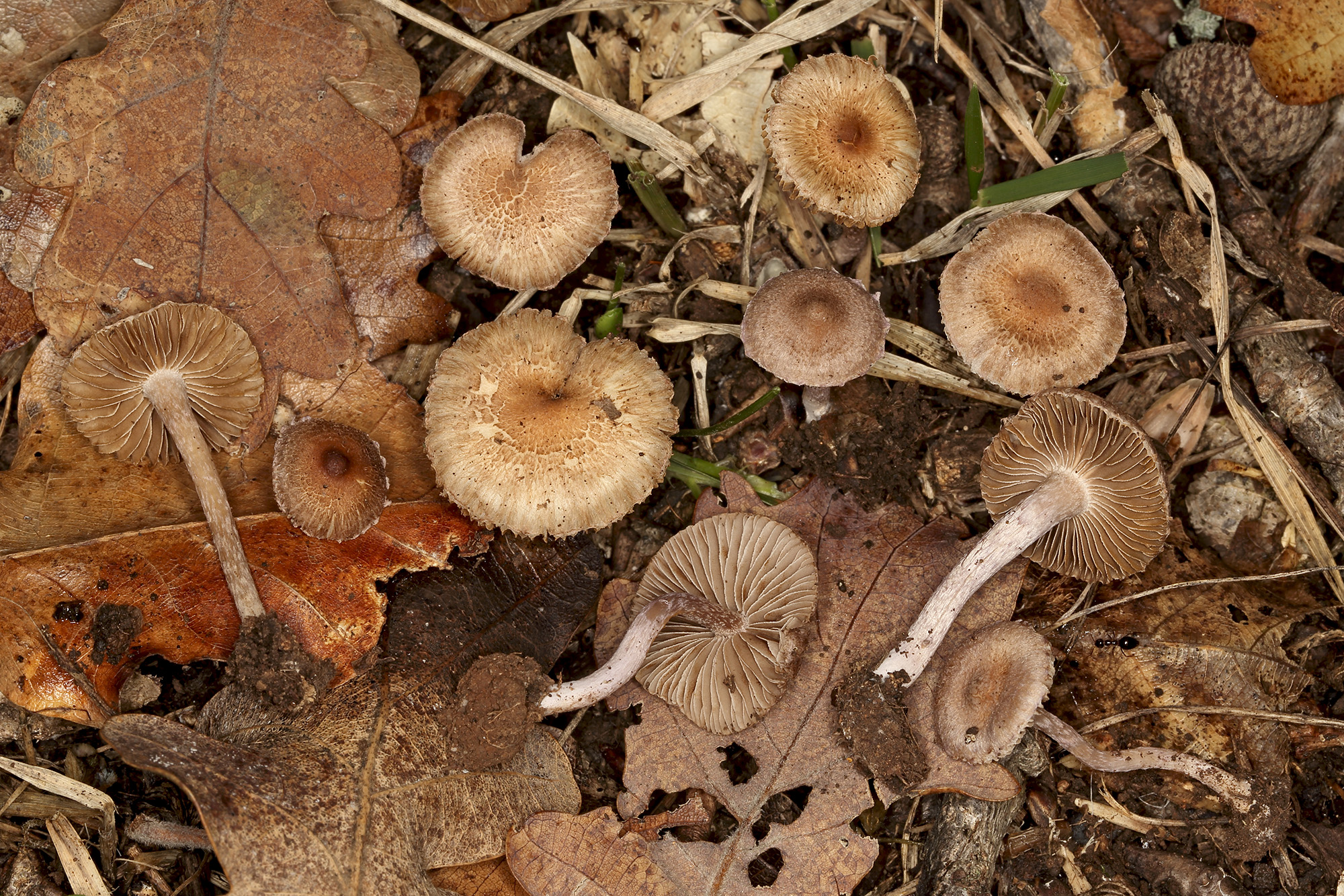
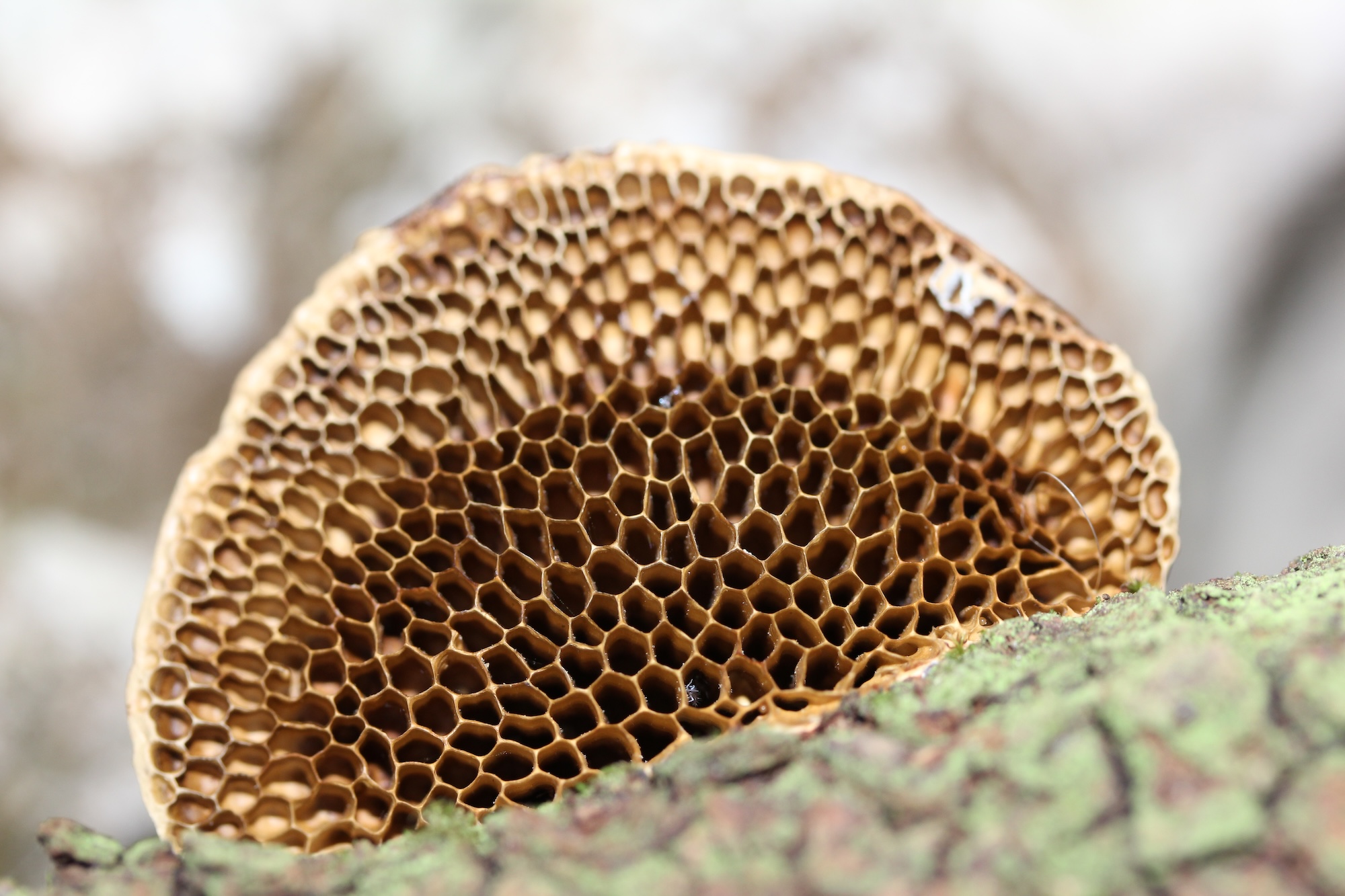
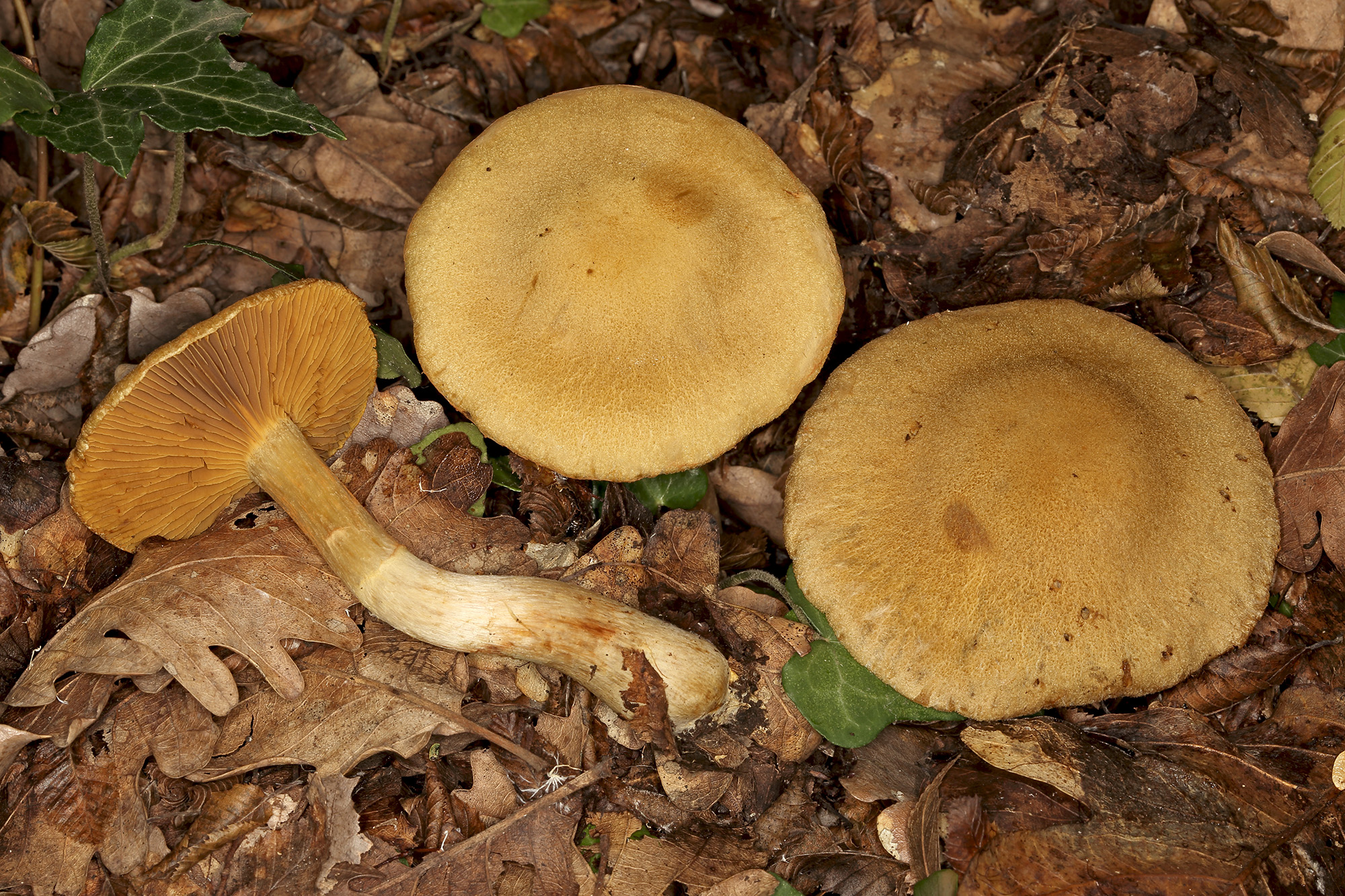
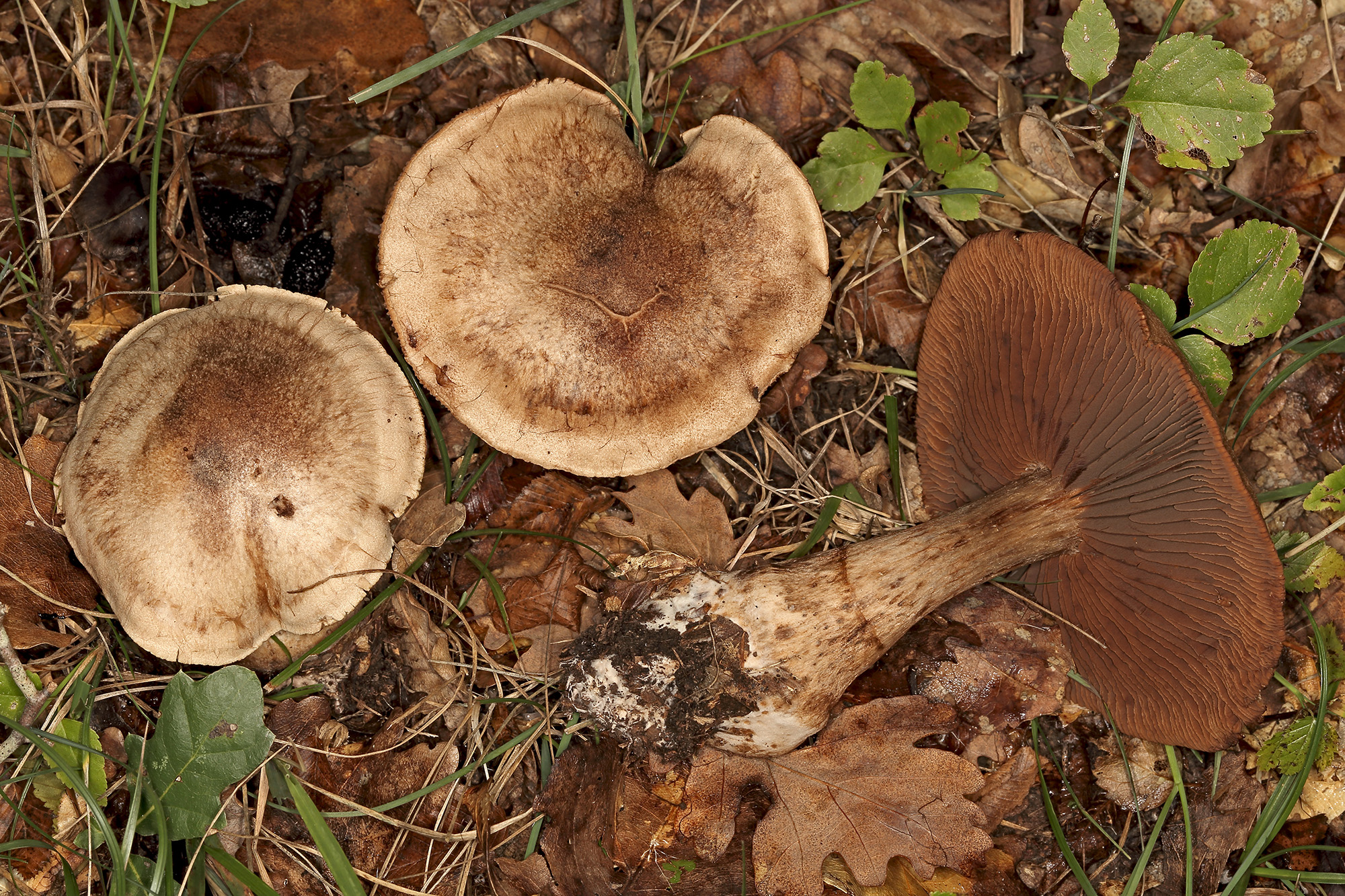
During the scientific project "Research into and inventory of forest habitat of fungi in the Krka National Park", as many as eleven species of fungi that had not been recorded in Croatia previously were discovered, including an entire new genus, which is an extremely valuable contribution to the knowledge and protection of our country's fungi
The project was carried out by the prominent Croatian mycologists Dr. Željko Zgrablić, Dr. Armin Mešić, Dr. Zdenko Tkalčec, Dr. Ivana Kušan, and Neven Matočec, in collaboration with the Krka National Park. The aim of the research was to determine the diversity of fungi in the most important forest habitats of the Park.
"In a period when we are witnessing the accelerated disappearance of numerous species, every new scientific discovery is extremely important. This project once again confirms the importance of the continuous cooperation between the Krka National Park and the scientific community, as well as the significance of the systematic investigation and inventorizing of natural features. Such research not merely expands scientific knowledge, but also forms a basis for quality management, nature conservation, and the long-term protection of biodiversity", emphasized the director of the Krka National Park, Nella Slavica.
The field research lasted eleven days and was conducted at nineteen different locations in different seasons, from spring to autumn, in order to cover as many species as possible. A total of 184 fungal discoveries were recorded, and 101 species from the two largest fungal divisions: Basidiomycetes and Ascomycetes were taxonomically determined.
The research is particularly valuable because, in addition to new species new in Croatia, nine of the species found are included in the Red List of Mushrooms in Croatia, while eight are strictly protected by law, which is yet another confirmation of the exceptional preservation present at the natural habitats of the Krka National Park.
Among the most commonly found species were mushrooms familiar to the general public, such as the chanterelle (Cantharellus pallens), but also numerous other species that play a key role in the functioning of forest ecosystems. Fungi inhabit almost all ecosystems on Earth, and in terrestrial ecosystems they play an irreplaceable role because they decompose dead organic material and enable the circulation of nutrients in nature. Many of them also form symbiotic relationships with plants, known as mycorrhiza, which improve soil quality and strengthen the resilience of the entire ecosystem. Their filamentous bodies (mycelium) feed numerous small organisms in the soil, and their fruiting bodies are an important source of food for many animal species.
Photo: Željko Zgrablić, Zdenko Tkalčec
News
JOŠ NOVOSTI IZ KATEGORIJE
Invitation to the presentation of the Mosaic of LIFE Project and the meeting of the Collaborative Council
The presentation of the Mosaic of LIFE Project and the meeting of the Collaborative Council will be held at the Laškovica Visitor Center on Tuesday, July 14, 2026 at 1 p.m.
Experience the Krka River and its surroundings
The Krka National Park is surrounded by towns and municipalities whose natural diversity, rich cultural-historical heritage, and authentic Dalmatian atmosphere provide numerous opportunities for exploration.
The Nobel Prize winner in Physics of Croatian origin, John M. Martinis, visited Krka National Park
The Krka National Park had the honor of hosting John M. Martinis, winner of the 2025 Nobel Prize in Physics, who during his stay in Croatia visited one of the most beautiful Croatian national parks
Wild-growing medicinal herbs – a treasury of health from nature
A workshop on medicinal plants delighted the young nature guards of the Krka National Park by introducing them to the characteristic wild plants of our homeland and their medicinal properties