


Monitoring the state of significant forest communities in the area of the Krka NP
Multi-year monitoring of the state of forest communities in the area of the Krka National Park has continued
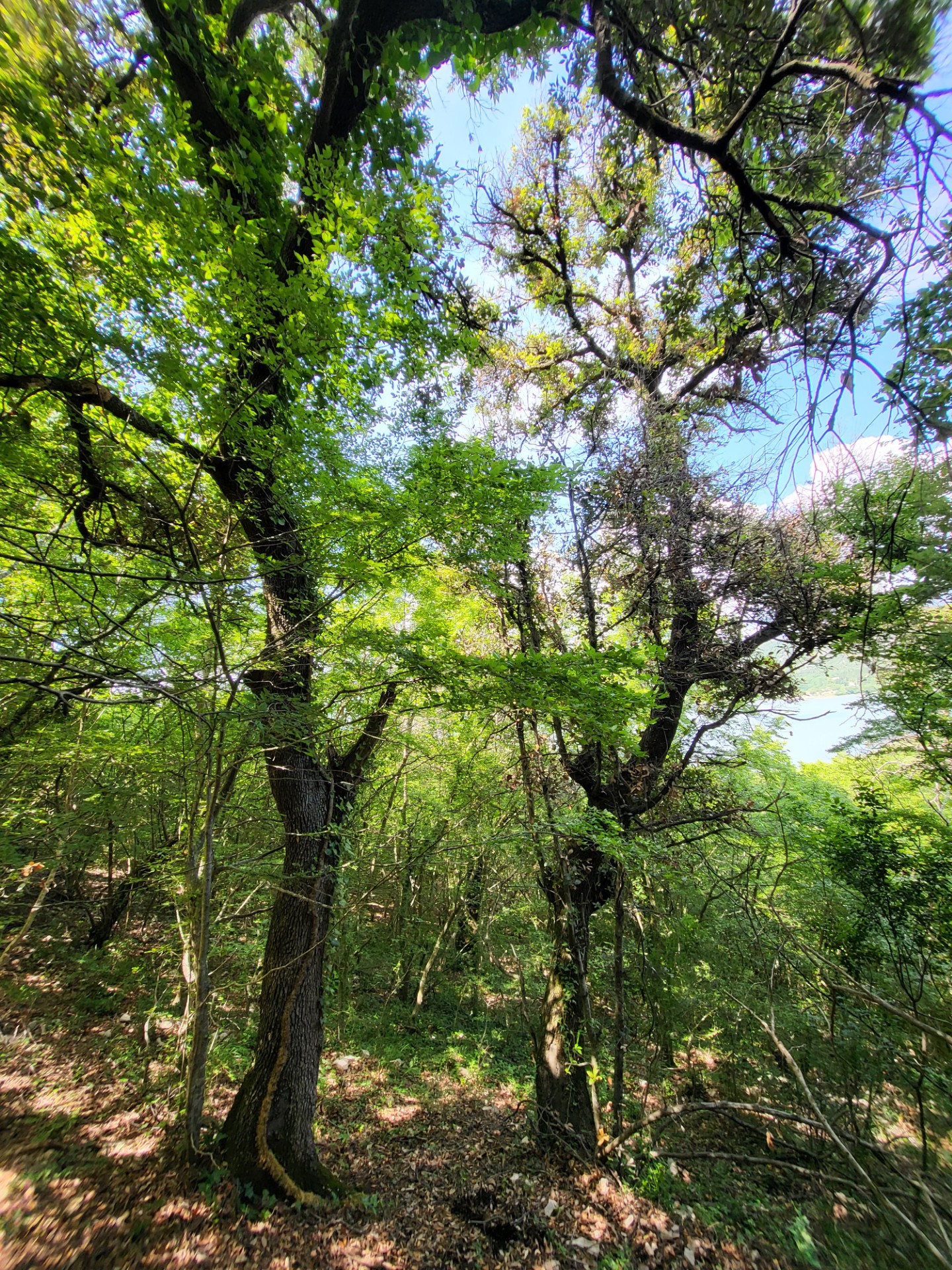
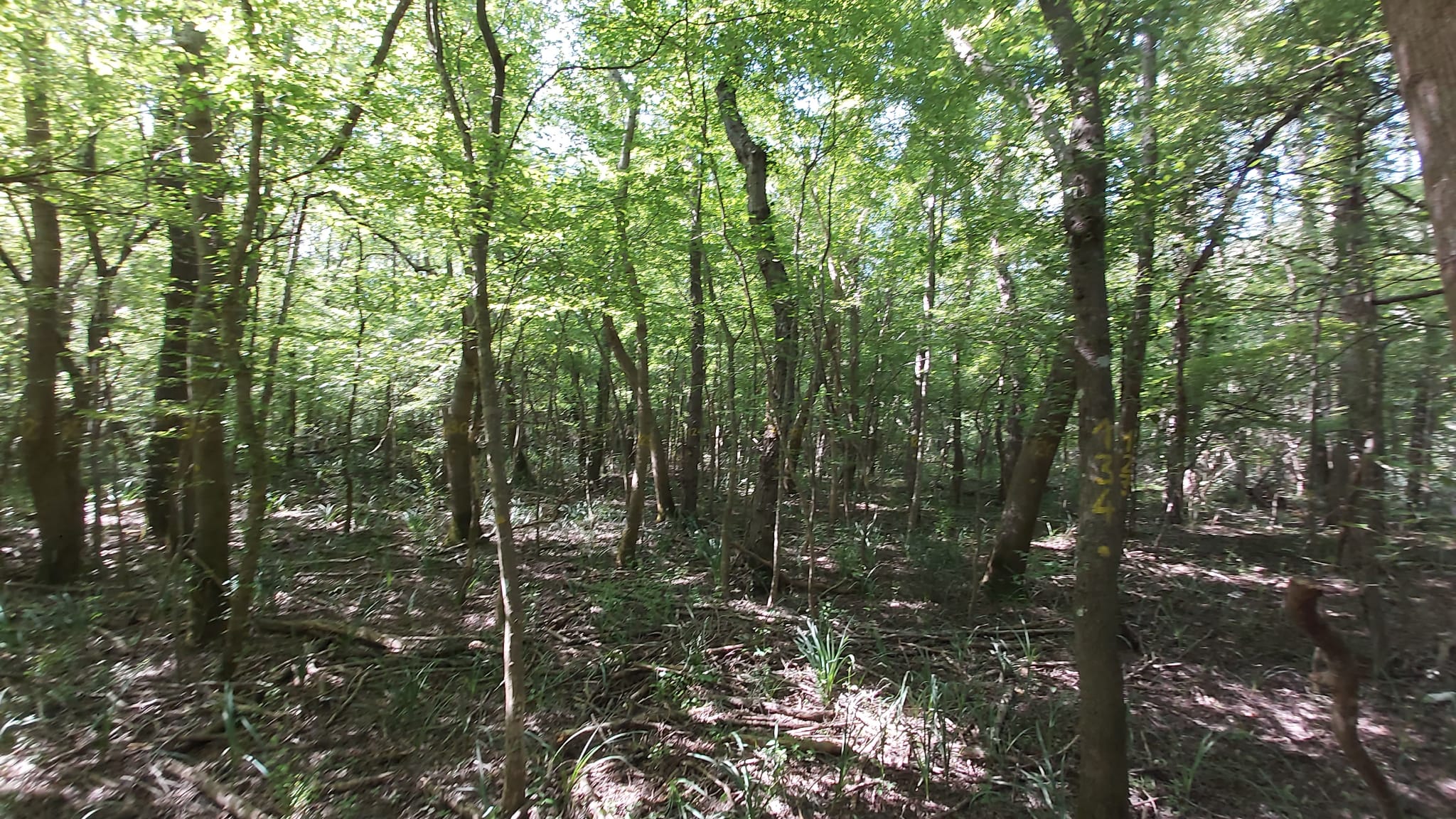
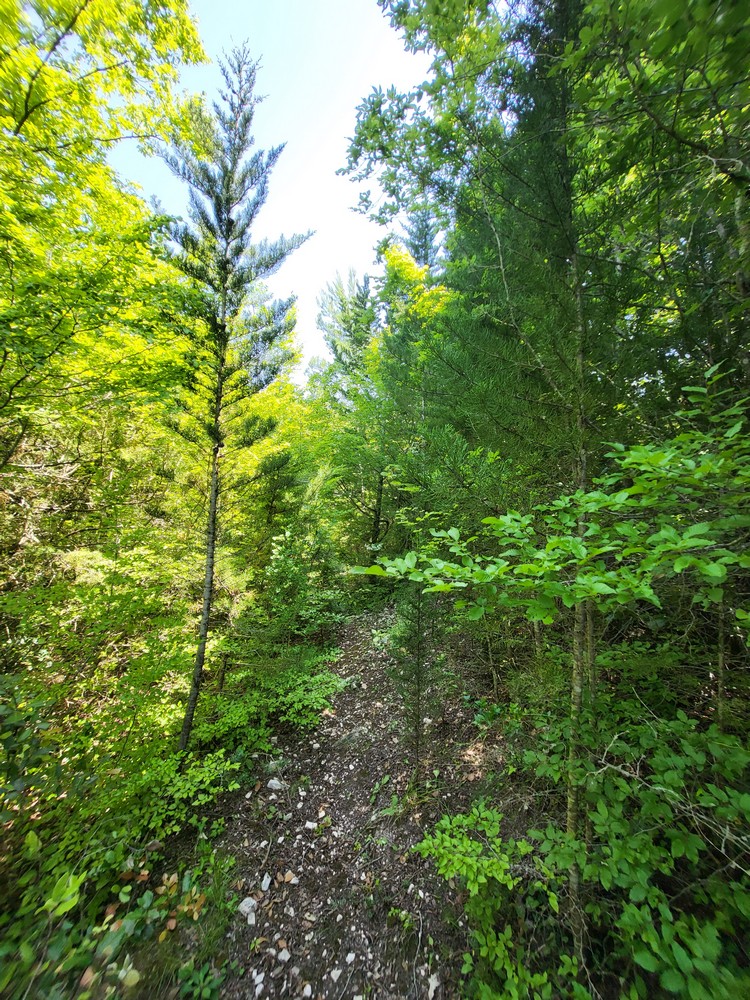
Monitoring of the state of significant forest communities in the area of the Krka National Park in 2024 and 2025 was carried out by the Croatian Forestry Institute, a research institution based in Jastrebarsko, as a continuation of multi-year monitoring of the state of forest ecosystems. This monitoring was carried out in the Krka National Park in 2024 and 2025 on experimental plots in five forest communities in different locations: downy oak seedbeds in the Stinice area, holm oak stands in the Mačkovica area, Aleppo pine stands in the Žurića brdo area, narrow-leaved ash forests in the floodplain near the Krka monastery, and holm oak and black hornbeam forests in the Miljacka Hydroelectric Plant area.
The main threat to forest ecosystems is the possibility of forest fires, especially in Aleppo pine forests, which are the most endangered. Therefore, it is recommended that thinning and sanitary felling measures be implemented in certain areas. The effect would be twofold: the fuel mass would be reduced and space (light) would be freed up for indigenous, climate-zoned species such as holm oak and downy oak.
The research established the presence of alien invasive plant species, primarily tree-of-heaven, as well as box-elder maple and honey locust, which do not pose a major threat at this stage, but it is certain that their number and coverage will increase in the future, so they will also need to be systematically removed.
The forest stands of downy oak and holm oak (on Stinice and Mačkovica) are well preserved. The old trees are still fruitful, but the number of young and middle-aged trees that should be replacing the old trees in the future is relatively small. The reason for this is the dense understory of white hornbeam, which closes off the forest structure and hinders the development of the young downy oak and holm oak plants to develop. Therefore, it is necessary to maintain the stands in this area by clearing the understory of white hornbeams so that the young oaks can grow and develop. It is also important to implement regular fire protection measures in these locations and to maintain good condition of the access roads and trails.
The presence of game has been observed in many locations, but not so much as to directly threaten the survival of the habitat type, which is primarily potentially threatened by climate change and fires.
In order to protect and preserve the existing favorable state of forest communities in the Park, further implementation is recommended of forest monitoring, as well as thinning activities, sanitary felling, and the removal of invasive species.

Monitoring
JOŠ NOVOSTI IZ KATEGORIJE
The monitoring of summer (birthing) bat colonies in the broader area of the Krka National Park in 2026
In the summer of 2026, the company Geonatura d.o.o. conducted monitoring of summer bat colonies at underground roosts of international importance – the Miljacka II and Topla Pećina caves (on the Čikola; UNEP/EUROBATS) – as well as at the Stara Jametina Cave and site of bridge near the Brljan waterfall
Monitoring the state of cave fauna at speleological structures in the broader area of the Krka NP
During 2025, the Croatian Biospeleological Society, in cooperation with the Krka National Park, conducted monitoring of the condition of cave fauna and speleological structures in the Park area
Monitoring of nesting pairs of the Eurasian Eagle Owl (Bubo bubo) in the Krka NP area in 2026
From February 8 to March 14, 2026, during thirty-one field trips, the nature guards of the Krka National Park listened to the singing of male eagle owls in the evening hours, during sunset, at twenty-one locations along the canyons of the Krka and Čikola Rivers
Monitoring the status of hibernating bat colonies in the broader area of Krka National Park in 2026
In January 2026, the company Geonatura d.o.o. conducted monitoring of hibernating bat colonies in the broader area of the Krka National Park, which included an inspection of the underground shelters of Topla Pećina Cave, Miljacka II Cave, Velika Pećina Kaočinka Cave and Stara Jametina Cave