


Residents of Rupe remember Vuk Mandušić, a national hero in the battle against the Turks
Historians, members of the Rupska Zvona association and local residents gathered around the former home of Rupe hero, Vuk Mandušić near Skradin to commemorate the 373rd anniversary of his death. Present at the commemoration were Florijan Paić, president of the Rupska Zvona association; Dr. Marinko Šišak, president of the Skradin branch of Matrix Croatica; Dane Jurić, national gusle player from Dubravica; Ive Burić, folk poet from Mirlović Zagore; Father Stojan Damjanović, Vice-master of the Visovac novices, and Katia Župan, spokesperson for the Public Institute of Krka National Park. Participants remembered the historical context of the Croatian territory under numerous conquerors, from the 17th century to the present day. Father Stojan Damjanović sung a hymn dedicated to Vuk Mandušić in a folk sonnet he published recently the book Visovac – Gospina oaza mira [Visovac – Our Lady’s Oasis of Peace], and Joško Čelar marked the occasion with a few words and his indispensable camera. Vuk Mandušić was one of the leaders of the Croatian population from the Dalmatinska Zagora inland region who fled from Ottoman occupied territory in 1648 to the territory under Venetian rule (Šibenik) to join those forces. He quickly rose to become the commander of the Croatian folk in the battles against the Ottoman near Drniš, Knin, Vrlika and Klis in the first phase of the Cretan War (1645 – 1669). He was seriously wounded in the battle near the Zečevo Tower, captured by the Ottomans, and executed on 31 July 1648. The sable of national hero Vuk Mandušić is stored in the treasury of the Franciscan monastery on Visovac Island, as an important artefact of Croatia’s historical heritage.


============================================
Post ID: 1720
Post URL: https://www.npkrka.hr/en_US/2021/09/18/velicanstveni-skradinski-buk-ponovno-je-dom-barskoj-kornjaci/
Post Title: The magnificent Skradinski buk waterfall is once again home to European pond turtles
Post Content (HTML preserved):
The strictly protected species of European pond turtles (Emys orbicularis) has again found a secure haven beneath the longest European travertine barrier after a long absence; a habitat has been confirmed of an adult with two young individuals.
In the Krka National Park, the European pond turtle has ideal living conditions, and it is most numerous in the middle and upper reaches of the river, particularly along the shores around the Krka monastery. The marsh at the foot of Carigradska draga is an exceptionally important habitat for the pond turtle. The reduction in the numerous of visitors, caused by the pandemic, has caused the pond turtle to return to the area of the Skradinski buk waterfall after many years. The swimming ban at Skradinski buk has further reduced pressure on the aquatic ecosystem, and this year egg laying was noted. The natural habitat of pond turtles is stagnant and slow-flowing freshwater rich in vegetation, such as at lakes with muddy bottoms, ponds, rivers, canals, floodplain woods, and brackish water. As a cold-blooded animal, it prefers a quiet spot where it can sunbathe, mostly on stumps and rocks.
The pond turtle is a strictly protected species under the Nature Protection Act, the European Union Directive on the Protection of Natural Habitats and Wild Fauna and Flora (Habitats Directive), and the Convention on the Conservation of European Wildlife and Natural Habitats (Bern Convention). Emys orbicularis is a target species for the ecological network Natura 2000, a conservation area important for species and habitat types HR2000918 on the Krka River and the surrounding plateau. The name Emys comes from the Greek word emys, which means "freshwater turtle".


In addition to the daytime, the pond turtle is also active at night, when it hunts and explores the surroundings, but it never strays far from water. It mostly feeds on invertebrates, among many types most often beetles, snails, shrimp, earthworms, and tadpoles, less often on amphibians and small fish, and least of all on aquatic plants. It has a hard, bony shell, but it is more flattened than that of a land-dwelling turtle and also slightly wider at the back. The length of the shell for the Mediterranean populations is around 15 cm. It has five quite visible toes with claws on the front legs, and four toes on the hind legs with webbing between.
The males and females can easily be distinguished, size being the first thing to be noted, as the females are larger than the males. As the animal grows, so do the scales, called scutes, which cover the carapace and plastron. They form growth zones, which can be used to determine the age of an individual by counting rings. Like the rings on a tree, they grow concentrically and spread from one corner. The amount of growth itself largely depends on the climatic conditions the turtle experienced. Hence, growth is slower in winter or periods of drought. In unfavourable seasons for growth, individual parts of the rings become thinner and darker, while they become broader in more favourable seasons. Other factors that affect the growth rate are the sex, habitat characteristics, diet type, and availability of food.
For laying eggs, the pond turtle chooses land areas with sandy substrates, rich in the necessary food and safe from predators. Emys orbicularis exhibits temperature dependence for determination of the sex of the embryo, as eggs that are incubated at temperatures below 25° C will develop male embryos, while those above 30° C will develop female embryos. Pond turtles reach sexual maturity at six to eight years of age, when they grow to a length of about 12.5 cm. They are then considered fully developed adult individuals. This development is sensitive and depends on ecological and genetic factors, the availability of food, and quality of the habitat. The earliest record of the presence of pond turtles in the “Kerki” (Krka River) near “Scardona” is dated to 1780 (Chrisogno).
============================================
Post ID: 1729
Post URL: https://www.npkrka.hr/en_US/2021/09/30/4-krka-polumaraton-medunarodna-atletska-utrka-kroz-np-krka/
Post Title: 4th Krka Half Marathon – international athletic race through the Krka National Park
Post Content (HTML preserved):
On Saturday, 2 October, the start of the 4th Krka Half-marathon will be announced.
The starting point of the race remains the same – Krka Eco Campus in Puljane, as well as the finish – Burnum amphitheatre. For all those who find the Half-marathon too much of a challenge, the 5.6 km FunRun race is also on the schedule. There is also a climbing and racing challenge – the crown of Emperor Trajan, a reward for runners who most quickly overcome the ascent from the canyon of the Krka River at the Brljan waterfall.
Schedule
The Half Marathon kicks off in front of the Krka Eco Campus in Puljane at 10:00 am, while the Fun Run race begins at 10:10 am. At 11:30 am, the winner of the Fun Run race will be announced at the finish line at the Burnum amphitheatre, while the overall winner of the 4th Krka Half-Marathon will be announced at 12:30 pm, and winners by categories at 1:00 pm. The programme ends at 2:00 pm, as announced by the organizers, Athletic Club Marathon 2000 from Karlovac and Athletic Club Sibenik.
Traffic regulation
On Saturday, 2 October traffic will be completely closed from 10:00 am to 1:00 pm along the race route, on the following route:
Krka Eco Campus in Puljane – access road to county road Ž6055 – Ž6055 from state road D59 to the centre of Oklaj (Nursing home/Supermarket) – state road D59 from the intersection with county road Ž6055 to the Burnum amphitheatre – at sites on uncategorised roads in Paraći, Bračići and Nečven – local road 65025 and local road 65014 from the intersection with local road 65025 to the exit onto county road Ž6055 in Čitluk.
In these segments, only official race vehicles and emergency vehicles will be permitted. Traffic will be regulated by police and traffic guards installed by the organisers. In certain sections (above all in the settlements Paraći, Bračići and Nečven) traffic will be reinstated once the final runner has passed.
Start packages
Runners can pick up their start numbers and start packages on Friday, 1 October in Drniš, at the branch office of the Public Institute of Krka National Park, from 12:00 am to 8:00 pm, or on race day, on Saturday, 2 October in front of the Burnum amphitheatre from 7:30. The package includes, among other things, a coupon that runners will be able to exchange for a ticket for the Krka National Park and use one day during the weekend in which the race takes place. Also, the Archaeological Collection in the Krka Eco Campus Krka is open for all runners and fans.
Organized transport for runners
On race day, bus transport has been organised for runners from Drniš (from the bus station), Šibenik (from the bus station) and Skradin (from the bus stop by the primary school) directly to the starting line. The bus from Drniš leaves at 7:00 am, and from Šibenik and Skradin at 6:45 pm. For those runners coming to the start line on their own, they may park their cars exclusively at the finish line, at the parking lot by the amphitheatre. Buses will transport runners to the start line from 8:00 to 9:15; departure of the bus with things to Burnum at 9:50, and return of the bus from Burnum from 13:30 to 14:15.
Route
Along the route, there will be five refreshment stands, with water, isotonic drinks and fruit. The main refreshment stand will be at the finish line in Burnum, in the celebratory ambience of the Roman military camp. The furthest point on the route is in the settlement Oklaj, where the turning point is and from which runners turn back and head towards the Burnum amphitheatre. The Fun Run race route heads straight to Burnum. On that route, there will be one refreshment stand, with water, near the end of the ascent from the Krka Canyon.
We kindly invite all participants of the 4th Krka Half Marathon to adhere to the prescribed epidemiological measures.
All additional information is available on the race website www.krka.run
============================================
Post ID: 1734
Post URL: https://www.npkrka.hr/en_US/2021/10/02/4-krka-polumaraton-proglasenje-pobjednika/
Post Title: 4th Krka Half-marathon – proclaiming the winner
Post Content (HTML preserved):
At the 4th Krka half-marathon, an international race through Krka National Park, runners were greeted in the Roman atmosphere of the Burnum amphitheatre.
Marathon runners from 12 countries successfully completed the 21,098 m course from the Krka Eco-campus at Puljane to the Burnum amphitheatre at the 4th Krka Half-marathon, an international athletic race through Krka National Park, surrounded by protected nature and unique cultural and historical heritage. Before them, the participants of the 5.6 km Fun Run race crossed the finished line. All competitors were greeted in a victorious, Roman atmosphere, well suited to the Burnum amphitheatre, a gem of ancient architecture.
The winners of the Fun Run race in the male and female categories were Damjan Puljić and Dora Mlinarić. The winners of the 4th Krka Half-marathon in the male and female categories were Diego Menzi from Switzerland and Radmila Maksimović.
All race results and the list of winners in each category are available at the official race website: www.krka.run.
The course of the 4th Krka Half-marathon is certified with the AIMS international certificate, meaning the results achieved at the Krka are credible and valid around the world. Due to the special experience of running through one of the loveliest parts of Croatia, surrounded by protected nature and unique cultural and historical heritage, this run has received much attention since the very start.
The half-marathon course is lovely and dynamic, beginning at the Krka Eco-campus in Puljane, passing through authentic village with old stone houses and drystone walls in the foothills of Mt. Promina, descending into the Krka Canyon by Brljan Lake, and then climbing again towards the Burnum amphitheatre, an ancient Roman military camp, to the finish line. Over these 21,098 metres, thousands of years of human history have unfolded, alongside eras of natural processes that have shaped this unique landscape. On the approximately four kilometres of the upper river course of the Krka River included on this route are five waterfalls, three medieval fortresses, and a Roman military amphitheatre, with countless traces of human inhabitation, always intertwined in life with the river.
We would like to thank all the runners, fans and all those who participated in the organisation of the 4th Krka Half-marathon!


============================================
Post ID: 1753
Post URL: https://www.npkrka.hr/en_US/2021/10/05/vidra-najvjestiji-plivac-medu-kopnenim-zivotinjama-siguran-i-stalan-dom-pronasla-u-np-krka/
Post Title: The best swimmer of the terrestrial animals – the otter – has found a safe and stable home at Krka National Park
Post Content (HTML preserved):
Due to the broad research conducted to date, and thanks to video surveillance and the detection of physical tracks, the presence of otter in the Park has been confirmed from Bilušića buk to Skradin.
From 13 to 15 September 2021, non-invasive data collection methods were implemented to monitor the presence of otter in the territory of Krka National Park. The current knowledge of its presence throughout the Krka River canyon, from Skradin to Bilušić buk, and at the confluence of the Krka and Čikola Rivers was confirmed. In Croatia, otter is a strictly protected species, protected under the Convention on the protection of European wild taxa and natural habitats (Bern Convention) and the Directive on the protection of natural habitats and wild plant and animal species. It is threatened primarily due to the destruction and fragmentation of suitable habitats and water pollution.
There is no precise knowledge on the abundance of otter in Croatia. It is a target species of the Natura 2000 ecological network, HR2000918 Broader area of Krka National Park, as a significant conservation area for species and habitat types. The goal has been set to conserve 1320 ha of suitable habitat needed to retain an otter population of at least 21 to 23 individuals in that area. Along with regular monitoring of otter presence, conducted once every six years, the Public Institute of Krka National Park is also planning to conduct genetic analysis as the primary and most precise method to determine the population size. Analysing DNA isolated from hair or freshly collected faeces can be used to determine the population size and structure (male/female), the inhabitation range, distribution and the genetic diversity within this otter population.
Otter (Lutra lutra) is a carnivore in the weasel family. It is adapted for an aquatic life and its habitats are primarily freshwater. It is an agile swimming since its body structure is adapted for swimming and diving. The body is slender, elongated, with short arms and legs, and a uniform cylindrical tail. The adult male weighs about 10 kilograms and is from 100 to 135 cm long. Females are smaller, weighing about 7 kg and 90 to 125 cm long. The webbed feet and power tail make it a strong swimmer, the “whiskers” are sensitive to touch, and its strong sense of sight enables it to hunt underwater. The thick fur, brown to dark brown with a lighter belly that is grey to white, maintains its body temperature. The otter call is a clear but quiet whistle, and it also squeaks and growls. Communication between otters is by smell.


Otters can remain in water for a long time, and they use their sharp, strong teeth to catch prey. They feed primarily on fish, crustaceans, bivalves, amphibians, birds, small mammals and aquatic invertebrates. They spend several hours a day hunting, and can cover great distances in search of food. Adults can swim 1.5 to 2 km per hour, and can spend seven to eight hours hunting at night.
The otter is mostly nocturnal, spending the day in its den underground or in another aboveground shelter. In its territory, it uses up to 30 safe and secure resting areas that it uses for various purposes, and the most secure and least accessible is used as a den for raising its young.
It is a highly territorial animal that lives alone, except during mating season and the first year of life. This solitary life is due to its strong need for a large living space. Males become sexually mature at 18 months, females at 2 years. The gestation period is 2 months, and the female usually gives birth to two to three young. The mortality rate among young is high, and the female usually raises just one young per year, and has three litters at most during her life. During the first six weeks of life, the young are completely helpless and live just off of mother’s milk. Males do not participate in raising the young. The young otters learn to swim at an age of 12 weeks, once their thick water-resistant fur has grown. After 8 to 9 months, the young otters first start to separate from their mother, and are completely independent after one year.
Otters are predators at the very top of the food web, and they contribute to establishing ecological balance in aquatic ecosystems. Often, the available of prey is even more important than the size of the habitats for otter colonisation. A moderate density of otter is when there is one individual on 15 km of river. All predators larger than the otter are its natural enemies. Its lifespan in the wild is short, from three to four years, and rarely it can live up to 10 years, while it can live up to 15 years in captivity.
============================================
Post ID: 1768
Post URL: https://www.npkrka.hr/en_US/2021/10/12/koktel-tekuci-smaragd-za-smaragdnu-ljepoticu-krku/
Post Title: Liquid emerald: a cocktail for the Krka, an emerald beauty
Post Content (HTML preserved):
As part of the project “The art of service – waiters as stars” a new cocktail was presented today at Krka National Park.
“Emerald Krka” is a phrase that our delighted visitors often use to describe the stunning scenes of the peaceful canyon sections of the Krka River interlaced with the lavish travertine barriers. The green, emerald and enticing Krka has also proven to be a source of inspiration for year 12 pupils in Šibenik, as the future leaders of Croatian tourism.
At the unique Imperial viewpoint at Skradinski Buk, a new cocktail called “Liquid emerald” was presented as a result of cooperation between the Tourism and Hospitality School, the Iks Bar Academy and the Public Institute of Krka National Park. This cocktail, developed as part of the project “The art of service – waiters as stars” that is aimed at strengthening the vocational skills of pupils and promoting the heritage of this region, was created by the hard-working and creative pupils of the waiter programme at the Šibenik Tourism and Hospitality School.
“The cocktail itself, based on indigenous plants and drinks produced locally, was created as a contribution to the tourism offer of Krka National Park,” stated Senka Dodig, principal of the Šibenik Tourism and Hospitality School. She added, “In this way, we can show that the school, when well incorporated into the local community and strengthened by partnerships with other recognised tourism and national stakeholders, can contribute to furthering the development of the tourism offer and the local community in which it operates.”
For a complete experience of the Krka River, all the senses should be included, including taste. Along its banks, people have grown the food we love to eat today, proud of its bounty, and presented to the world as part of the recognisable, local culinary heritage.
“Krka National Park is a magnificent work of nature, marked by the millennia of coexistence between man and nature. In the fundamental sense of nature conservation, the Public Institute of Krka National Park invests great efforts in education, and it was an exceptional honour to take part in this project. I would like to commend the effort, work and innovation of these young people who will be the future leaders of our hospitality, and I wish that you continue to feel the joy, enthusiasm, motivation and desire to discover new things,” concluded Nella Slavica, director of the Public Institute of Krka National Park.


============================================
Post ID: 1804
Post URL: https://www.npkrka.hr/en_US/2021/10/15/ponosni-cuvari-krke-zagonetni-u-cjelini-i-u-pojedinostima/
Post Title: Proud Keepers of the Krka: mysterious as a whole and in the details
Post Content (HTML preserved):
Not a single one of Dalmatia’s four rivers has as many fortresses along its banks as the Krka: with numerous fortifications found along its entire course, from the source to the mouth. In commemoration of World Conflict Resolution Day, celebrated on the third Thursday in October, the Šibenik Photo Club and Public Institute of Krka National Park have prepared an exhibit of photographs entitled “Proud Keepers of the Krka: mysterious as a whole and in the details”. This exhibit is on display at the Juraj Šizgorić Library in Šibenik, and was opened on 15 October and will remain open until the end of the month. During periods of historical turbulence, the local population found safe refuge in the fortresses on the cliffs of the Krka canyons. Today these fortresses proudly bear witness to human inhabitation on the Krka, a river that is so beautiful that the eye can capture but a fragment of its grandeur. The ruins of the medieval fortresses can be observed as a whole or in their details, in which we often find new life among the bare rock. As they once protected human lives, today with the new life growing within them, they represent a symbol of peace, endurance and new hope. Wood, as the symbol of life, has been selected as the visual for this year’s World Conflict Resolution Day, as it symbolises growth and the development of nature in a healthy environment. World Conflict Resolution Day has been commemorated since 2005, with the aim of raising awareness and educating about acceptable ways to resolve conflict that contribute to a higher quality life of individuals, including their improved mental health. Just as the tree grows in height from year to year, so too does our knowledge about constructive ways on how to resolve conflicts as a precondition for the growth of individuals and the community, towards a healthier social environment.


The exhibit in the library is the result of cooperation between the Public Institute of Krka National Park and the Šibenik Photo Club, a technical culture society with programmes focused on the photographic arts and techniques. The Šibenik Photo Club is a member of the Croatian Photo Association. Today it brings together some 30 experienced amateur photographers and young enthusiasts. During the half century of continuous and successful work in creative photography, the members of the Šibenik Photo Club have recorded the history of their city in their work, and presented it at exhibits in Croatia and abroad, thus giving a strong contribution to the cultural life of Šibenik. The medieval fortresses were once owned by the Croatian noble families. In addition to their defensive function, some of these stone fortresses also formed the core of the settlements. They were erected in carefully selected spots – and it appears as though their builders built them for eternity. Though they have since lost their original function, today they justify their existence, preserved or in ruins, through their material presence, historical and aesthetic value, functional forms and respectability. In the medieval fortresses within Krka National Park, archaeological research, architectural and geodetic imaging and conservation works are performed systematically.
============================================
Post ID: 1841
Post URL: https://www.npkrka.hr/en_US/2021/10/20/upcycling-radionice-u-nacionalnom-parku-krka/
Post Title: Upcycling workshop at Krka National Park
Post Content (HTML preserved):
Join us at one of our workshops, learn some new skills and make handicrafts to help the Šibenske Šape association.
In October and November, the Public Institute of Krka National Park will be organising a series of educational creative workshops aimed at raising awareness of better ways to recycle. The workshops will be held at the ethno-village at Skradinski buk and Roški slap. The creative staff at Krka National Park will show you how to make pompoms, placemats, little sheep and paper bags from old, usable materials. All items made will be donated to the association Šibenske šape which cares for abandoned and lost four-legged friends in the city. The association regularly organises information stands where they collect donations, and in turn give a symbolic gift. Soon, the handicrafts from the Krka will be among these gifts. The schedule for the workshops at Krka National Park is regularly updated and published on the Facebook and Instagram sites of Krka National Park. The October workshops will be held according to the following schedule:
- 18 & 29 Oct (12 – 3 pm), Skradinski buk, making pompoms
- 19 & 28 Oct (12 – 3 pm), Skradinski buk, making little sheep from old cardboard and wool
- 20 & 30 Oct (12 – 3 pm), Skradinski buk, making placemats from old shirts
- 23 & 27 Oct (12 – 3 pm), Roški slap, making bags out of old paper
- 24 & 25 Oct (12 – 3 pm), Skradinski buk, making bags out of old paper
By reviving long forgotten old crafts, restoring ethnographic monuments and holding educational workshops, the Public Institute of Krka National Park is aiming to protect the characteristics of our identity from oblivion in this modern way of life, and to breathe new life into old objects, most of all for the generations to come. The various techniques and ways of decorating objects through creative reuse is known as upcycling. This is an even more radical and greener version of recycling, that does not require destruction and the pointless consumption of energy and resources, but involves giving an old and “unneeded” object new purpose, with minimal changes, that can even be done at home. The Public Institute of Krka National Park is continuing its cooperation with the Ozana Association. This spring, valuable cooperation was established through the crocheting of gloves for Alzheimer patients to raise the level of social awareness. Park employees at the ethno-village this fall are also knitting and crocheting squares 20 x 20 cm in size that the association is sewing together to make blankets for the homeless in a campaign called Let’s knit together. We would like to invite all those interested to join in this campaign and to submit their knitted squares to the administration or branch offices of the Public Institute of Krka National Park, so that all the squares can be submitted to the Ozana Association in December.
============================================
Post ID: 1851
Post URL: https://www.npkrka.hr/en_US/2021/10/22/np-krka-pridruzuje-se-obiljezavanju-mjeseca-hrvatskog-turizma/
Post Title: Krka National Park joins in the Croatian Tourism Month campaign
Post Content (HTML preserved):
In the final week of October, come and enjoy the autumn colours at Krka National Park at promotional prices.
With discounted entrance tickets for all terrestrial localities in the park of HRK 65 for adults and HRK 52 for children from 7–18 years of age in the period from 25 to 31 October, the Public Institute of Krka National Park is joining in the Croatian Tourism Month promotional campaign organised by the Croatian Ministry of Tourism and Sport and the Croatian National Tourist Board. Children under 7 years are always free of charge at Krka National Park.
The aim of the campaign is to stimulate the citizens of the Republic of Croatia to visit and get to know different parts of the country at discounted prices for most tourism products, including accommodations, transport and sightseeing, to hospitality and different events. The campaign is intended to stimulate domestic travel and to increase tourism traffic in the post-season.
Every season is special on the Krka River. However, when wrapped in the colours of autumn, the Krka is a true experience: pleasant temperatures, a lively plant and animal world, abundance of water, pronounced geomorphological forms of rocks and travertine, and enjoying the many educational walking trails and cycling routes that are sure to make the visit unforgettable. Krka National Park includes the largest and loveliest parts of the Krka River and the lower course of the Čikola River. The fundamental phenomenon of Krka National Park is travertine, which has created seven breathtaking travertine waterfalls along the river’s course. Skradinski buk, the longest travertine barrier in all of Europe, is the best known and most visited waterfall on the Krka River.
In October, the localities of Skradinski buk and Roški slap are open to visitors from 9 am to 5 pm, while the upstream localities are open from 10 am to 5 pm.
============================================
Post ID: 1859
Post URL: https://www.npkrka.hr/en_US/2021/11/30/krkin-adventski-kalendar-na-facebook-drustvenoj-mrezi/
Post Title: Krka's Advent calendar on Facebook
Post Content (HTML preserved):
How well do you know the Krka? We ask, you answer, and the fastest win a prize!
The time of Advent is the most beautiful time of the year for many, and so it is no surprise that every year we start to celebrate it even earlier. We have learned in these times that physical distance does not need to stop a good story from moving ahead. That is why this year, we are moving the spirit of good will and giving online this Christmas time, through a social media advent calendar that is sure to provide fun and education fitting for a national park.
Most Advent calendars today hide chocolates behind each door, while Krka’s Advent calendar will be sweetened with questions. In the period from 1 to 24 December, we will post questions every day on Krka’s Facebook page, and the fastest to answer the question correctly will receive a prize. The questions were prepared by the curious 2nd grade pupils of the Tin Ujević Primary School in Šibenik, who have made sure that there is no lack of creative and imaginative questions.
Which tree in Krka National Park has the fewest leaves? How fast can an otter swim?, and Do bats have a spine? are just a few of the questions “troubling” our 2nd graders, and it is up to you to follow us on social media and test your knowledge of the Krka!
============================================
Post ID: 1864
Post URL: https://www.npkrka.hr/en_US/2021/12/10/np-krka-i-ove-godine-sudjeluje-na-adventurici/
Post Title: Krka National Park takes part in Adventurica again this year
Post Content (HTML preserved):
At the eco-workshops for children, we together make creative Christmas ornaments and permanent mementos.
Once again this year, the Public Institute of Krka National Park is taking part in Adventurica, a special part of the Šibenik Adventure event that is dedicated to the little ones by organising a series of creative ecological workshops for children where they use exclusively recycled materials as part of learning how to care for the environment. The workshop will be held in the St. Chrysogonus (Krševan) Study Gallery (formerly the Matija Gallery) from 5:30 to 8:00 pm over five days, from 13 to 17 December 2021.
Workshop schedule:
- 13 December – making angels out of different types of paper
- 14 December – making 3D Christmas trees and decorative bags
- 15 December – making Christmas ornaments out of wool
- 17 December – making Christmas lights
The workshops are all aimed at breathing new life into old items and materials to give them a new look and new purpose. This is where the true holiday spirit lies, which we sometimes forget in our consumerist daily life.
In any case, at these Advent workshops, we do not only make ornaments, we also make beautiful memories. We invite you to come with your children, to enjoy a little fun and time together, to test your creativity, let your imagination soar and make a gift for a loved one or a Christmas ornament for your own home.
We look forward to seeing you there!
============================================
Post ID: 1869
Post URL: https://www.npkrka.hr/en_US/2022/01/20/u-povodu-svog-37-rodendana-nacionalni-park-krka-posjetitelje-casti-besplatnim-ulaskom-za-vikend-i-emotivnim-serijalom-fotografija-ljudi-s-krke/
Post Title: To celebrate its 37th birthday, Krka National Park is treating visitors to free entry this weekend, and an emotional series of photographs called “People of the Krka”
Post Content (HTML preserved):
On Saturday and Sunday, entrance into Krka National Park will be free of charge. Enjoy a walk through the idyllic winter landscape, and head to the Imperial Lookout overlooking the lavish cascades of Skradinski buk to view the first exhibit in the new series “People of the Krka”.
One of Croatia’s youngest national parks was proclaimed in 1985 in order to protect the exceptional natural values and wealth of cultural and historical heritage in this unique monument of nature in the midst of the karst landscape. However, in addition to the natural values and protected species, the territory of Krka National Park contains within it a multitude of cultural and historical monuments – archaeological sites, sacral structures and industrial plants, and visitors particularly enjoy visiting the interesting ethno-villages that keep the memory alive of old crafts and the way of life. Because humans have always lived along the banks of the Krka River, and the traces of human settlement in this area stretch back from prehistoric times to the industrialisation period, even today the local population is strongly bound to the river and the park area. That is why the Public Institute of Krka National Park has prepared a thematic exhibit of photographs dedicated to this population, entitled “People of the Krka”.
The concept of the exhibit is made up of photographs, taken since the establishment of the park, showing the faces of the people whose lives and work are tied to the Krka River, to the beauty of nature and the cultural and historical heritage that is so abundant in the area along the Krka River.
“The Krka is an important part of the identity of the people of this area, and this exhibit aims to highlight their significance for the development of the park and the conservation of its natural and cultural heritage. The exhibit was designed as a gift and homage to the people who make sure that the park, in addition to its protected natural values, offers insight into the authentic cohabitation of man and nature, which has been ongoing for millennia here. We are pleased that just a few of those moments from daily life will be eternalised for the future generations to whom we leave the legacy of the Krka and its natural and traditional values,” stated Nella Slavica, director of the Public Institute of Krka National Park.
The opening of the exhibit of photographs, created by renowned photographer Damil Kalogjera, is scheduled for Saturday, 22 January at noon on the Imperial plateau at the lookout over Skradinski buk, which gives an unforgettable view over the Krka’s largest and most attractive waterfall. This is the first in a series of exhibits in which the Public Institute of Krka National Park is planning to present the life of the people along the Krka River.
The celebration will be made complete with a performance by the Skradinski buk klapa a cappella singing group from Skradin.
On Saturday and Sunday, entrance to the park will be free of charge. The park will be open from 9 am to 4 pm, and entrance into indoor areas is only possible with a valid EU digital COVID pass.
Celebrate our birthday with us and enjoy the idyllic winter scenes in Krka National Park!
============================================
Post ID: 1874
Post URL: https://www.npkrka.hr/en_US/2022/01/28/predavanje-o-suzbijanju-steta-od-divljih-svinja-u-zasticenom-podrucju/
Post Title: Lecture on combatting damages from wild boar in protected areas
Post Content (HTML preserved):
The local population participated in the lecture “Wild boar and preventing damages to agricultural crops”, and all participants received wild boar repellents.
On Thursday, 20 January 2022, at the conference hall of the visitor centre of the Public Institute of Krka National Park in Laškovica, Professor Dr. Krešimir Krapinec from the Faculty of Forestry, University of Zagreb held a lecture entitled “Wild boar and preventing damages to agricultural crops”. Through this illustrative presentation, the local population was informed of different ways to protect their lands from wild boar and to reduce the damage caused to crops. A previous lecture in April 2019 introduced the locals to this topic, when they also received repellents, which proved to be successful.
Wild boar (Sus scrofa L.) is the most widespread and numerous large game species in Croatia. Its ability to adapt to different habitats, and its wide diet, reproductive power and way of life have enabled this species to not only survive in the conditions of drastically changing habitats caused by humans, but also to thrive and to spread into new areas. Wild boar are present in the national park area, and accordingly, aggressive methods to protect crops are not permitted. However, in order to reduce or completely prevent damages from wild boar to crops, there are more acceptable methods, such as the use of repellents.
A repellent is a compound whose characteristic, unpleasant smell repels wild boar away from the defended land area: crops, plough fields, orchards, vineyards and other agricultural and cultivated areas. The repellent does not kill or harm the wild boar, instead the smell just keeps them away. The proper and most effective way to use the repellent was explained in detail at the lecture.
The lecture was held in accordance will all epidemiological measures and recommendations.


============================================
Post ID: 1885
Post URL: https://www.npkrka.hr/en_US/2022/01/31/zimsko-prebrojavanje-ptica-vodarica-u-np-krka/
Post Title: Winter counting of waterbirds in Krka National Park
Post Content (HTML preserved):
In Krka National Park, winter counting of waterbirds was conducted on 15 and 16 January 2022: a total of 33 species and more than 1900 individuals were recorded.
Counting was performed by observation and listening, from land and from a vessel. A total of 33 species and more than 1900 individuals were recorded. As in previous years, coots, pochards, mallards and tufted duck were the most abundant species, which together account for 85% of the total waterbird population wintering here. This year, somewhat larger numbers were recorded of great cormorants, four species of birds of prey and, in the canyon section, two species of wallcreepers.
The most wintering birds were recorded in the area of Visovac Lake, particularly in the Podbara cove and along the shores at Stinice, and in the area of Torak Lake.
Other species closely tied to the aquatic habitats in this area were also recorded. Counting was performed by Ivan Budinska, a volunteer ornithologist from the Biom association, together with the staff of the Public Institute of Krka National Park.


Winter counting of waterbirds has been ongoing since 1967, and is organised by Wetlands International, a global organisation dedicated to the protection of wetland areas. This is oldest volunteer monitoring programme in the world, and has been conducted in Croatian since 1982. Due to the increased destruction of wetland habitats, waterbirds are becoming an increasingly threatened group of birds.
In Croatia, a total of 573 monitoring locations have been defined, and seven of these are within the boundaries of Krka National Park (https://umap.openstreetmap.fr/en/map/iwc-hrvatska_696143#8/).
Ongoing, multiyear monitoring of the abundance of waterbirds enables us to better understand the threats facing the species and their habitats. Thanks to this information, it is possible to engage in better planning and implementation of protection measures.
============================================
Post ID: 1897
Post URL: https://www.npkrka.hr/en_US/2022/02/04/javna-ustanova-nacionalni-park-krka-partner-je-na-projektu-povratak-u-zelenu-buducnost-zivot-s-krkom-i-uz-nju-jucer-danas-sutra-ciji-je-nositelj-os-petr/
Post Title: Education creates trust. Trust creates hope. Hopes creates peace. (Confucius)
Post Content (HTML preserved):
The Public Institute of Krka National Park is a partner on the project “Back to a green future – living with the Krka and alongside it, past, present, future” of the Petar Krešimir IV Primary School in Šibenik.
“Education, alongside protection and promotion of the values of the park, is one of the most important pillars upon which lies the sustainable management of Krka National Park. For that reason, the Public Institute of Krka National Park was delighted to accept the invitation of the Petar Krešimir IV Primary School in Šibenik to cooperate on the project entitled “Back to a green future – living with the Krka and alongside it, past, present, future”, said Nella Slavica, director of the Public Institute of Krka National Park. She added, “We are delighted that this project is directed at implementing and developing extracurricular activities aimed at the interdisciplinary exploration of Krka National Park”.
The project is co-financed by the Ministry of Science and Education, and will be carried out as a part of the extracurricular activities of primary and secondary schools, and pupil boarding homes. The project includes research, workshops, lectures and field courses on the topic of the Krka River, and the wealth of local heritage in this area.
“The aim of the project is for pupils to develop critical thinking, to be responsible towards all living creatures, to understand the importance of sustainable management of natural resources, and to acquire skills of independent action in their school and community. This will be achieved through studying the properties and specificities of the ecosystems of the Krka River and the complex interrelations between humans and nature. The project will be included in all educational areas for pupils from Grades 1 to 8,” stated Žana Lasinović Klarić, principal of the Petar Krešimir IV Primary School in Šibenik.
In addition to educational lectures and workshops, to be held by the staff of the Public Institute of Krka National Park, pupils will also have the opportunity to take part in field classes, to research and study and history of the Krka hydropower plant at Skradinski Buk, the ethnology heritage and traditional crafts, discover the traces of Roman soldiers at the Burnum archaeological site, and will certainly enjoy taking walks along the educational walking trails throughout Krka National Park.
We hope that at the end of the project, pupils will have an expanded knowledge of the natural, cultural and historical heritage of their local area, develop awareness of our role in validating and protecting nature, and learn to critically discuss and cooperation and to evaluate the responsibility of both individuals and the community.


============================================
Post ID: 1906
Post URL: https://www.npkrka.hr/en_US/2022/02/14/daruj-ljubav-daruj-knjigu/
Post Title: Give love, give a book!
Post Content (HTML preserved):
The libraries of the primary and secondary schools of Šibenik-Knin County have become richer with the volume “Secrets of the Underground”, published by the Public Institute of Krka National Park.
International Give a Book Day is celebrated on 14 February. This is a volunteer project aimed at stimulating children to love to read and to give books as gifts. In order to celebrate this day, as part of the project “Filling school library shelves”, which has been underway for many years, the Public Institute of Krka National Park has gifted a copy of the monograph entitled “Secrets of the Underground”, printed in 2012, to all primary and secondary schools in Šibenik-Knin County.
The project “Filling school library shelves” was launched by the Public Institute of Krka National Park in 2007, with the aim of gifting copies of its publications to the primary and secondary schools in Šibenik-Knin County, in order to stimulate and nurture the love pupils have for the park and for nature in general. Education is one of the most important roles of protected areas, and knowledge is the only thing that multiplies when you divide it. That is why those who know the Krka well are its best spokespeople, and those who know how to preserve the environment are our investment in our future.
There are about one hundred caves and pits along the course of the Krka River, 67 of which lie within the boundaries of Krka National Park. The speleological structures within the park explored to date are known to contain about 170 cave taxa, many of which are endemic to the Dinarides Mountain Range or to Croatia, and four are endemic to Krka National Park.
The monograph “Secrets of the Underground” was created as a result of systematic biospeleological research in Krka National Park that revealed the wealth of terrestrial and aquatic subterranean fauna. We believe that this book will help to acquaint school children with the beauty of the underground world of Krka National Park, and will raise awareness of the need for its protection and conservation.
============================================
Post ID: 1914
Post URL: https://www.npkrka.hr/en_US/2022/02/16/medunarodni-dan-turistickih-vodica/
Post Title: International Tour Guide Day
Post Content (HTML preserved):
Get to know the natural resources, wealth of cultural and historical heritage, and traditional crafts through a guided tour of Skradinski Buk, offered free of charge by the Krka National Park guides on Saturday, 19 February 2022.
To celebrate International Tour Guide Day on 21 February, the interpretation guides of the Public Institute of Krka National Park invite all nature lovers to join them on a guided tour of Skradinski Buk on Saturday, 19 February 2022. In addition to enjoying the winter atmosphere, our guides will provide an expert guided tour to familiarise visitors with the exceptional flora and fauna, wealth of cultural and historical heritage, and traditional crafts in the ethno-village.
Three groups of tours are planned, with departure at 11:00 am. The gathering place is the info desk near the parking lot at Skradinski Buk.
We kindly invite all those interested to confirm their participation by Friday, 18 February, at the following link: https://forms.gle/Xh7D1ucifUnxc7oF7.


Due to the epidemiological measures, the number of participants is limited in each group. While visiting indoor spaces, it is necessary to have a valid digital EU COVID certificate and to wear a face mask. In the winter months, Krka National Park can be visited at the discounted ticked prices of HRK 50 for adults and HRK 30 for children from ages 7 to 18 years. The park is open from 9:00 am to 4:00 pm. In work, as in life, one should always be kind and courteous. That is exactly the nature of the interpretation guides at the Public Institute of Krka National Park.
These enthusiastic and creative guides aim to provide visitors with a direct experience in which they can learn about the natural and cultural values of this area. Every outing with a Krka National Park interpretation guide is an exploring adventure, in which visitors can discover new horizons and knowledge. Beloved by visitors, who come from all corners of the globe, from the Far East to the cold north, our interpretation guides are nearly as interesting as the Krka itself.
That is why we congratulate our guides, and all other professional guides, and wish them a Happy International Tour Guide Day!
============================================
Post ID: 1924
Post URL: https://www.npkrka.hr/en_US/2022/03/11/u-povodu-medunarodnog-dana-zena-nacionalni-park-krka-posjetitelje-casti-zanimljivom-izlozbom-fotografija-zene-s-krke/
Post Title: To celebrate International Women’s Day, Krka National Park is treating visitors to an exhibit of photographs called “Women of the Krka”
Post Content (HTML preserved):
Enjoy a walk through the idyllic winter landscape, and head to the Imperial Lookout overlooking the lavish cascades of Skradinski buk to view the exhibit dedicated to the women of the Krka.
“Women of the Krka” is a sequel of the emotional series of photographs called “People of the Krka” organised to celebrate the Park’s 37th birthday. Because humans have always lived along the banks of the Krka River, and the traces of human settlement in this area stretch back from prehistoric times to the industrialisation period, even today the local population is strongly bound to the river and the park area. That is why the Public Institute of Krka National Park has prepared a thematic exhibit of photographs dedicated to this population, entitled “People of the Krka”.
The concept of the exhibit is made up of photographs, taken since the establishment of the park, showing the faces of the people whose lives and work are tied to the Krka River, to the beauty of nature and the cultural and historical heritage that is so abundant in the area along the Krka River. “The Krka is an important part of the identity of the people of this area, and this exhibit aims to highlight their significance for the development of the park and the conservation of its natural and cultural heritage. The exhibit was designed as a gift and homage to the people who make sure that the park, in addition to its protected natural values, offers insight into the authentic cohabitation of man and nature, which has been ongoing for millennia here,” stated Nella Slavica, director of the Public Institute of Krka National Park.


Krka NP in March can be visited at a price of 50 kuna for adults and 30 kuna for children 7 to 18 years. Park is open 9 am to 5 pm.
International Women’s Day is celebrated on 8 March. On that day, the entire world celebrates the economic, political and social accomplishments of women. In their battle for equality, the right to vote and women’s emancipation, the first Women’s Day was celebrated in the USA in 1909. In 1977, the United Nations General Assembly proclaimed 8 March the official UN day for women’s rights and world peace, and since then, Women’s Day has been focused on specific topics or issues within the realm of women’s rights.
============================================
Post ID: 1936
Post URL: https://www.npkrka.hr/en_US/2022/03/15/pracenje-gnijezdecih-parova-usara-bubo-bubo-na-podrucju-np-krka/
Post Title: Monitoring nesting pairs od Eurasian eagle owl (Bubo bubo)
Post Content (HTML preserved):
The results of this year’s monitoring session were exceptionally encouraging: we confirmed earlier assessments of eleven nesting pairs of Eurasian eagle owl in the Park.
The aim is to establish a permanent monitoring programme to monitor the population trends of the Eurasian eagle owl in Croatia, its distribution, and the causes of threat. The data collected will allow for better planning and protection of this strictly protected species.
The Public Institute of Krka National Park has joined in a national programme to monitor nesting pairs of Eurasian eagle owl (Bubo bubo) in the park area. Monitoring was organised by the BIOM Society, and was conducted from 1 February to 10 March. We would like to thank the members of the BIOM Society for coordinating the monitoring programmes, and for their training and advice.
Park staff visited 21 locations along the Krka River canyon, listening for the songs of males in the early evening hours just after sunset.
The results of this year’s monitoring session were exceptionally encouraging. In all, 11 singing males were recorded from the upper course, through the middle reaches, to the lower course of the river. We confirmed earlier assessments of eleven nesting pairs of Eurasian eagle owl in the park. Only one active nest with a female incubating her eggs was visually confirmed, in a crack of a steep cliff. This nest will continue to be regularly monitored, and all changes tracked. The Eurasian eagle owl is a protected species, and a target species in the ecological network location HR1000026 Krka and surrounding plateau. The aim is to conserve this population and habitat to support the nesting of a population of 50 to 70 pairs.
The Eurasian eagle owl is Europe’s largest owl, up to 70 in length with a wingspan of 170 cm. In addition to its size, it is also easily recognisable for its large ear “tufts” and large reddish-orange eyes. Its flight is powerful due to the wide, rounded wings. Like all owls, the legs are fully feathered with strong talons used to catch prey. The sexes do not differ in appearance, except for size, as the female is much larger than the male. The diet usually consists of hares, rodents and wetland birds, and it needs open habitats to hunt. It does not build a nest, instead it uses hollows and cracks in rocks, the nests of other bird species, hollows under tree roots, and hollows in tree trunks. Pairs are monogamous and remain together for life, and once they establish a territory, they remain there. It is interesting that the males have virtually no contact with the chicks, he hunts and brings the female food, and she feeds them. The female alone incubates the eggs, and protects the chicks from inclement weather and prey until they are two to four weeks old. At this age, the chicks leave the nest and are capable of taking shelter when in danger.
In Croatia, the Eurasian eagle owl is threatened directly by electrocution on power lines, poaching, intentional or unintentional poisoning, and collisions with wind turbine blades. Indirectly, this species is threatened by habitat conversion, due to intensified agriculture and abandoning traditional animal husbandry, which results in habitat succession. It is also threatened by disturbances to nests due to recreational activities. The overall population of the Eurasian eagle owl in Croatia is assessed at 800 to 1200 pairs.


============================================
Post ID: 1943
Post URL: https://www.npkrka.hr/en_US/2022/03/22/svjetski-dan-voda-u-np-krka-obiljezen-je-s-nasim-najmladim-cuvarima-prirode/
Post Title: World Water Day celebrated in Krka National Park with the youngest rangers
Post Content (HTML preserved):
A creative workshop about water cycling processes in nature was held for pupils of the second and third grades at the Juraj Dalmatinac Primary School, Bilice district school at a beautiful location on the shores of Visovac Lake.
The limited resources of water, an element essential for life on Earth, are endangered due to their inadequate management. It is assessed that humanity can use just 1% of the freshwater of all the water on the planet. Water contains 80 unusual substances that are still partly an enigma to science. In order to raise awareness of the important of water for living beings, a two-hour workshop with the educators of Krka National Park at the held for the pupils of the Bilice district school at the educational walking trail from Stinice near Visovac Island towards the Kuželj Visovac House. The pupils learned more about the behaviour of ground water in karst areas, and made creative filters for water using different materials. The children were both curious and excited during the workshop, which focused on sharing the secrets of the karst underground with the children in a picturesque way.
The theme of this year’s World Water Day is Groundwater – making the invisible visible. Karst landscapes cover about 20% of the Earth’s land surface, and cover nearly 50% of Croatia’s land area. They are characterised by caves, pits and surface relief forms that together create unusual and spectacular landscapes. The karst areas are a source of water for about 10% of the global population, and are also habitats for rare, endangered and endemic species of the living world. Karst areas are a wealth of knowledge about our environment, climate change and mineral resources, and area of cultural heritage thanks to the life of numerous local communities in karst areas and their importance as tourism destinations.
“There are about 100 caves and pits along the course of the Krka River, and of these, 67 lie within the boundaries of Krka National Park. The caves of the Dinaric karst hold the highest biodiversity of cave species in the world, and 70% of these species are endemic to Croatia. In the speleological structures in the park, more than 170 species have been recorded, and many of these are endemic to the Dinaric Arc and to Croatia, and four are stenoendemic to Krka National Park. Most members of the cave fauna are strictly protected species,” stated director of the Public Institute of Krka National Park, Nella Slavica. She added, “With the exception of Oziđana pećina cave, the caves and pits of Krka National Park are not open to visitors, in order to protect the habitats, taxa and complete subterranean ecosystem”.
The speleological structures and karst landscapes are highly vulnerable to pollution, excessive use of natural resources and space, destruction, and poor management. That is why the public needs to be made aware of the fact that the subterranean world is important for the survival of all of life of Earth, and we need to highlight the different ways to protect karst regions and to ensure their responsible and sustainable management.
World Water Day is celebrated on 22 March. The idea to celebrate this day arose at the 1992 UN Conference on the Environment and Development held in Rio de Janeiro. It is exceptionally important to focus our attention on the limited resources of drinking water: up to one-fifth of the world’s population does not have access to safe water, due to excessive use, improper management, and pollution.


============================================
Post ID: 1954
Post URL: https://www.npkrka.hr/en_US/2022/03/23/svjetski-dan-suma-aktivno-obiljezen-u-np-krka/
Post Title: World Forests Day actively celebrated at Krka National Park
Post Content (HTML preserved):
Of all the terrestrial ecosystems, forests are the greatest reservoir of biological diversity: a forest workshop was held for the pupils of the Tin Ujević Primary School from Šibenik in the centuries old forests of Oriental hornbeam and pubescent oak at Stinice.
Forests are the world’s most complex ecosystems. It is assessed that about 31% of the Earth’s terrestrial surface is forested, and that these forests contain more than 80% of the planet’s biodiversity. The theme of this year’s World Forests Day, celebrated on 21 March, is Forests and Sustainable Production and Consumption. According to the principles of forest education, second grade pupils of the Tin Ujević Primary School in Šibenik learned basic forest etiquette, using natural materials, and became acquainted with the forest at a higher level through the senses of smell and hearing. Through play and talk, the educators of the Public Institute of Krka National Park stimulated the pupils to do some critical thinking, to contribute to better understanding the issues of forest sustainability, production and consumption.
“The educational forest workshop is a step forward in learning and interpreting nature and forests. The aim of this workshop is to offer children a true ‘first-hand’ experience of nature and forests, in an authentic locality with old growth pubescent oaks. One of the interesting tasks of the forest workshop is to learn about the bark of different trees, to get to know the micro-world of insects under tree bark, to view nature through the eyes of insects, to count the sounds and recognise the smells of nature, and to do fun puzzles and worksheets on the topic of life in the forest,” stated Nella Slavica, director of the Public Institute of Krka National Park.
Forests enjoy special protection under the Constitution of the Republic of Croatia. The overall surface of the forest and forest lands in Croatia is 48.7% of the terrestrial land area. The main characteristics of Croatian forests is that they are 95% natural, with exceptionally high biodiversity and 94 different species of trees.
Forests in Croatia play three important roles: environmental, commercial and social. Croatia has more than 250 years of experience in forest management, and this experience can serve as a model for other countries. The forests in Croatia bind 640 million tonnes of CO2, regulate the local, regional and global climate conditions, purify the air and produce oxygen, prevent erosion and landslides, protect settlements from noise, regulate the water regime, and their tourism and recreational roles are also important.
In addition to being a valuable national resource, the forests in Croatia also have a commercial, ecological and social function. They influence the beauty of the landscape, and the development of rural areas. The way that forests are managed significantly effects the quality of the environment, and with that the health and welfare of humans. The understanding of the importance of forests and their value is constantly increasing, due to their role in the global carbon cycle and also their function in mitigating climate change and adaptations to these changes.


============================================
Post ID: 1964
Post URL: https://www.npkrka.hr/en_US/2022/04/06/jeste-li-spremni-za-jos-jedan-krka-polumaraton/
Post Title: Are you ready for another Krka Half-Marathon?
Post Content (HTML preserved):
The 5th Krka Half-Marathon will host runners and their friends on 23 April 2022 amidst the spring vegetation that is just starting to spout all around the Krka canyon.
On Saturday, 23 April 2022, we will again be gathering in the northern part of Krka National Park for the 5th annual Krka Half-Marathon, a sporting event of the highest category and a long-awaited day on the calendar of the Croatian Athletic Federation, and part of the 1st Croatian athletic road league.
The starting point of the race remains the same – Krka Eco Campus in Puljane, as well as the finish – Burnum amphitheatre. For all those who find the Half-marathon too much of a challenge, the 5.6 km FunRun race is also on the schedule. There is also a climbing and racing challenge – the crown of Emperor Trajan, a reward for runners who most quickly overcome the ascent from the canyon of the Krka River at the Brljan waterfall. Since the Krka Half-Marathon is planned to be a family event, children’s races will also be held in the amphitheatre area.
Runners can pick up their start numbers and start packages on Friday, 22 April in Drniš, at the branch office of the Public Institute of Krka National Park, from 12:00 am to 8:00 pm, or on race day, on Saturday, 23 April in front of the Burnum amphitheatre from 7:30. The package includes, among other things, a coupon that runners will be able to exchange for a ticket for the Krka National Park and use one day during the weekend in which the race takes place. Also, the Archaeological Collection in the Krka Eco Campus Krka is open for all runners and fans.
You can register for the 5th Krka Half-Marathon (utrka.com) until 12 April. All information about the race itself, receiving the start packages, and arrival at the start are available on the official website of the race at krka.run.
The Half-marathon track is beautiful and dynamic. It starts at the Krka Eco Campus in Puljane, passes through autochthonous places full of old stone houses and dry stone walls at the bottom of Promina, descends into the Krka canyon near Brljan Lake and then ascends to the Burnum amphitheatre. Thousands of years of human history and an era of natural processes took place at those 21098 metres, and shaped this unique landscape in many ways. There are five waterfalls, three medieval fortresses and a Roman amphitheatre, with numerous traces of human life, intertwined with the life of the river, spreading at four kilometres of the upper course of the Krka River. For most visitors, it is the unknown Krka. It is almost unbelievable that there are so many wonderful places, shaped by people or river, that we can get to know in the dry, rocky area of the deep canyon.
============================================
Post ID: 1969
Post URL: https://www.npkrka.hr/en_US/2022/04/21/5-krka-polumaraton-medunarodna-atletska-utrka-kroz-np-krka/
Post Title: 5th Krka Half Marathon – international athletic race through the Krka National Park
Post Content (HTML preserved):
On Saturday, 23 April, the start of the 5th Krka Half-marathon will be announced.
Runners will run from the Krka Eco Campus in Puljane, to the Burnum amphitheatre, a race course that is 21,098 m long. For all those who find the Half-marathon too much of a challenge, the 5.6 km FunRun race is also on the schedule. There is also a climbing and racing challenge – the crown of Emperor Trajan, a reward for runners who most quickly overcome the ascent from the canyon of the Krka River at the Brljan waterfall. Children’s races will also be held in the amphitheatre area.
Schedule
The Half Marathon kicks off in front of the Krka Eco Campus in Puljane at 10:00 am, while the Fun Run race begins at 10:10 am. At 11:30 am, the winner of the Fun Run race will be announced at the finish line at the Burnum amphitheatre, while the overall winner of the 4th Krka Half-Marathon will be announced at 12:30 pm, and winners by categories at 1:00 pm. The programme ends at 2:00 pm, as announced by the organizers, Athletic Club Marathon 2000 from Karlovac and Athletic Club Sibenik.
Traffic regulation
On Saturday, 23 April traffic will be completely closed from 10:00 am to 1:00 pm along the race route, on the following route:
Krka Eco Campus in Puljane – access road to county road Ž6055 – Ž6055 from state road D59 to the centre of Oklaj (Nursing home/Supermarket) – state road D59 from the intersection with county road Ž6055 to the Burnum amphitheatre – at sites on uncategorised roads in Paraći, Bračići and Nečven – local road 65025 and local road 65014 from the intersection with local road 65025 to the exit onto county road Ž6055 in Čitluk.
In these segments, only official race vehicles and emergency vehicles will be permitted. Traffic will be regulated by police and traffic guards installed by the organisers. In certain sections (above all in the settlements Paraći, Bračići and Nečven) traffic will be reinstated once the final runner has passed.
Start packages
Runners can pick up their start numbers and start packages on Friday, 22 April in Drniš, at the branch office of the Public Institute of Krka National Park, from 12:00 am to 8:00 pm, or on race day, on Saturday, 23 April in front of the Burnum amphitheatre from 7:30. The package includes, among other things, a coupon that runners will be able to exchange for a ticket for the Krka National Park and use one day during the weekend in which the race takes place. Also, the Archaeological Collection in the Krka Eco Campus Krka is open for all runners and fans.
Organized transport for runners
On race day, bus transport has been organised for runners from Drniš (from the bus station), Šibenik (from the bus station) and Skradin (from the bus stop by the primary school) directly to the starting line. The bus from Drniš leaves at 7:00 am, and from Šibenik and Skradin at 6:45 pm. For those runners coming to the start line on their own, they may park their cars exclusively at the finish line, at the parking lot by the amphitheatre. Buses will transport runners to the start line from 8:00 to 9:15; departure of the bus with things to Burnum at 9:50, and return of the bus from Burnum from 13:30 to 14:15.
Route
Along the route, there will be five refreshment stands, with water, isotonic drinks and fruit. The main refreshment stand will be at the finish line in Burnum, in the celebratory ambience of the Roman military camp. The furthest point on the route is in the settlement Oklaj, where the turning point is and from which runners turn back and head towards the Burnum amphitheatre. The Fun Run race route heads straight to Burnum. On that route, there will be one refreshment stand, with water, near the end of the ascent from the Krka Canyon.
All additional information is available on the race website www.krka.run
============================================
Post ID: 1974
Post URL: https://www.npkrka.hr/en_US/2022/04/22/raskosne-fotografije-krke-uhvacene-pogledom-zaposlenika-parka/
Post Title: Magnificent scenes of the Krka River as seen through the eyes of our staff
Post Content (HTML preserved):
Enjoy this diverse virtual photo gallery prepared for you by the staff of Krka National Park in commemoration of Planet Earth Day.
The Krka through the Eyes of Staff is a promotional campaign launched by the Public Institute of Krka National Park to celebrate this year’s edition of International Planet Earth Day. The Krka is an inexhaustible source of inspiration for countless world travellers and nature lovers, and also for the local population and park employees.
The park staff have the opportunity to observe the park on a daily basis, and this year they are the focus of this campaign to display the lavish details of the Krka that remain hidden to most visitors. Take a look at the photographs of the plant and animal world, Bilušića buk, Manojlovac, the medieval fortresses and canyons, Roški slap, Torak, Visovac and Skradinski buk in the virtual gallery.
Every visit to the park is a unique experience, and spring is the time when we start to spend more time outdoors. Boat rides, bicycles routes, educational walking trails and the viewpoints of Krka National Park have enabled a true in-depth experience, of all the senses, of nature and its magnificent landscapes, and direct insight into the wealth of flora and fauna of the terrestrial and aquatic habitats. By celebrating Planet Earth Day, we want to raise public awareness of the dangers threatening life on Earth, and of the need to protect our environment and conserve the biological diversity, ensuring suitable conditions for the coexistence of humans and nature.
Climate change largely affect processes in nature and in ecosystems. In building healthy ecosystems, protected areas play a fundamental role. As areas dedicated to protecting nature, and established for the purpose of the long-term conservation of nature, protected areas significantly contribute to ecosystem renewal. They are a successful response to the negative impacts of climate change and environmental pollution.
Raising awareness of the need for environmental protection and working together towards that aim are fundamental requirements for the sustainable development of humankind and for protecting the health of our planet.


============================================
Post ID: 1989
Post URL: https://www.npkrka.hr/en_US/2022/04/23/5-krka-polumaraton-proglasenje-pobjednika/
Post Title: 5th Krka Half-marathon – proclaiming the winner
Post Content (HTML preserved):
At the 5th Krka half-marathon, an international race through Krka National Park, runners were greeted in the Roman atmosphere of the Burnum amphitheatre.
Marathon runners from 15 countries successfully completed the 21,098 m course from the Krka Eco-campus at Puljani to the Burnum amphitheatre at the 5th Krka Half-marathon, an international athletic race through Krka National Park, surrounded by protected nature and unique cultural and historical heritage. Before them, the participants of the 5.6 km Fun Run race crossed the finished line. All competitors were greeted in a victorious, Roman atmosphere, well suited to the Burnum amphitheatre, a gem of ancient architecture.
The winners of the Fun Run race in the male and female categories were Marin Križanić and Marina Goreta. The winners of the 5th Krka Half-marathon in the male and female categories were Krešimir Mrčela and Radmila Maksimović.
All race results and the list of winners in each category are available at the official race website: www.krka.run.
The course of the 5th Krka Half-marathon is certified with the AIMS international certificate, meaning the results achieved at the Krka are credible and valid around the world. Due to the special experience of running through one of the loveliest parts of Croatia, surrounded by protected nature and unique cultural and historical heritage, this run has received much attention since the very start.
The half-marathon course is lovely and dynamic, beginning at the Krka Eco-campus in Puljani, passing through authentic village with old stone houses and drystone walls in the foothills of Mt. Promina, descending into the Krka Canyon by Brljan Lake, and then climbing again towards the Burnum amphitheatre, an ancient Roman military camp, to the finish line. Over these 21,098 metres, thousands of years of human history have unfolded, alongside eras of natural processes that have shaped this unique landscape. On the approximately four kilometres of the upper river course of the Krka River included on this route are five waterfalls, three medieval fortresses, and a Roman military amphitheatre, with countless traces of human inhabitation, always intertwined in life with the river.
We would like to thank all the runners, fans and all those who participated in the organisation of the 5th Krka Half-marathon!


============================================
Post ID: 2004
Post URL: https://www.npkrka.hr/en_US/2022/05/04/jezero-kao-poveznica-u-izdavanju-prigodnih-postanskih-marki-u-republici-hrvatskoj-od-sutra-u-optjecaju-nova-postanska-marka-s-motivom-visovca/
Post Title: The lake as a shared feature in these commemorative postal stamps: a new stamp featuring Visovac Lake to be released tomorrow in the Republic of Croatia
Post Content (HTML preserved):
The postal stamp bearing motives of Visovac Lake and Lake Cauma in Switzerland is a joint issue by Croatian Post and Swiss Post to celebrate the 30th anniversary of the establishment of diplomatic relations.
The Public Institute of Krka National Park was pleased to accept the invitation of Croatian Post to take part in the commemoration of the 30th anniversary of the establishment of diplomatic relations between the Republic of Croatia and Switzerland. On this occasion, the postal stamp created in cooperation with Swiss Post will be released on 5 May. The motifs on the stamps are Visovac Lake in Krka National Park and Lake Cauma, an alpine glacier lake.
Visovac Island is one of the most important natural and cultural sites in the Republic of Croatia. It is situated in the midst of this tame expansion of the Krka River between Skradinski Buk and Roški Slap. The Franciscan monastery and church on the island form a unique ambient in the picturesque landscape of Visovac Lake.
The idyllic Lake Cauma or Caumasee in Switzerland is near the town of Flims in the Graubünden region. This alpine glacial lake is found at an elevation of 997 metres and is fed by underground springs. With a picturesque island in the middle of the lake, it is also known as “Lag la Cauma”, which in the Romansch language means “lake of afternoon rest”. It offers visitors peace and relaxation, and the opportunity for a walk or active vacation.
In addition to being connected through their long-standing trading partnership, Croatia is a popular vacation destination for the Swiss. The beauty of both lakes, Visovac and Cauma, and their picturesque landscapes have been transferred onto postal stamps as the result of the fruitful cooperation of our two countries.


============================================
Post ID: 2013
Post URL: https://www.npkrka.hr/en_US/2022/05/12/nova-nagradna-promotivna-kampanja-potraga-za-legendom/
Post Title: New promotional prize campaign “In Search of a Legend”
Post Content (HTML preserved):
If you have a faithful, long-term guest that you would like to reward with an excursion in Krka National Park, contact your local tourist board by the end of May and participate in this new prize campaign.
The Public Institute of Krka National Park has launched a new promotional prize campaign entitled “In Search of a Legend”. The aim of the campaign is to familiarise the long-term guests of our county and their hosts. All tourist boards in Šibenik-Knin County are invited to take part in the campaign, to encourage accommodation hosts to present their most loyal guests and to share their story. This is aimed at enriching the tourism offer and strengthening cooperation between local tourist boards and the park, while loyal guests will have the opportunity to get to know the exceptional natural, cultural and historical heritage of Krka National Park.
The tourist boards in Šibenik-Knin County would take on the task of contacting accommodation hosts and forwarding them the terms of participation in the campaign and application forms. They would then select the three most original stories in line with the set criteria, and these will be submitted to the Public Institute of Krka National Park. A three-member expert panel will select the five finalists who will all receive the prize. The guest and their family and their host will receive a guided tour of Krka National Park, and will receive a copy of the book The Legend of the Krka, published by the Public Institute of Krka National Park.
The stories will be collected from 10–31 May 2022. We invite all accommodation providers in Šibenik-Knin County to take part in this campaign through their local tourist board.
============================================
Post ID: 2018
Post URL: https://www.npkrka.hr/en_US/2022/05/20/svecano-otvoren-novi-edukativni-prihvatni-centar-u-nacionalnom-parku-krka/
Post Title: Official opening of the new education reception centre at Krka National Park
Post Content (HTML preserved):
The Krka Eco Campus in Puljane, an investment valued at HRK 83,287,287, is a new educational centre that interprets the natural, cultural and historical heritage of Krka National Park in a modern and interactive way, enabling scientists to work towards developing knowledge and volunteers to actively exchange experiences.
As the gate to the northern part of Krka National Park, a unique destination that contributes to the optimal spatial and temporal distribution of visitors, the Krka Eco Campus is an important interpretation, education and volunteer centre intended for pupils, students, volunteers, scientists and researchers, and especially for nature lovers who wish to learn in detail about the natural values and wealth of cultural and historical heritage in the park.
“The way we treat our resources, the way we treat the environment, is a true image of who we are. And that is why the Krka River, authentic and special at the global level, conserved and enriched with content, should be a place where we proudly bring our children and show them how we should care for what we have. To preserve it for those yet to come. The project we have come together for today is an example of the model investment in Croatia – one that enriches the space, is founded on the principles of sustainability, and has a minimal environmental impact,” stated Minister of the Economy and Sustainable Development Davor Filipović.
Construction of the Krka Eco Campus in Puljane is part of a broader project entitled Unknown Krka: Hidden treasures of the upper and middle course of the Krka River (KK 06.1.2.01.0003), co-financed within the Operational Programme Competitiveness and Cohesion 2014 – 2020 from the European Regional Development Fund, with an approved grant in the amount of HRK 66,200,193 while the total project is valued at HRK 80,057,649.15.
“This project was co-financed with a grant from the European Union funds. The visitor and educational and presentation content will generate new possibilities for the development of tourism projects to attract visitors, while also educating them in a fun way about the natural and cultural values, and the need for their protection,” stated Nataša Tramišak, Minister of Regional Development and European Union funds. She added, “Nearly a billion kuna of valuable projects in the field of natural heritage have already been contracted from EU funds at the national level, with 600 million kuna allocated for the construction of 17 presentation centres throughout Croatia. Six of these are located in Šibenik-Knin County and together are valued at 176 million kuna, made possible through the European Union funds. These projects are all nearing completion, and we can certainly be proud of them.”
The educational reception centre in Puljane is part of the ongoing valorisation of the upstream sections of the Krka River that the Public Institute of Krka National Park has been actively implementing for several years, with the aim of strengthening the local economy and human resources in the area.
“Šibenik-Knin County is one of the most ecologically preserved and naturally beautiful parts of Croatia, and the Krka River that runs through the centre of the county, gives life to all that surrounds us. Thanks to the river, the many diverse landscapes in our county are connected in a unique way into a distinctive monument of nature, in this region that is of exceptional importance for the Croatian national history,” stated Marko Jelić, Prefect of Šibenik-Knin County. He added, “With this educational reception centre, the exceptional natural, cultural and historical heritage of this part of our county will be interpreted in a modern and interactive way, bringing it closed to every visitor. This marks another step forwards not only in the park’s promotion, but also in its protection, which is both our duty and our obligation.”
Head of the Promina municipality, Tihomir Budanko, is particularly proud of the new educational content that will contribute to diversification of local tourism. He stated, “The project Unknown Krka and the new educational reception centre have given the Promina municipality added value as a destination that is becoming more recognisable and more competitive on the tourism market, with development founded on the principles of sustainability. The aims of this project are undoubtedly intertwined with the strategic goals of the Promina municipality, that encompasses nearly one-quarter of Krka National Park, as it secures a sustainable tourism future in the sense of economic development of the region and improving the quality of life of the local population.”


In addition to two valuable collections that present archaeology and the natural sciences in a contemporary and attractive way, the Krka Eco Campus also includes the Nature Laboratory, which is sure to be an unavoidable destination for school excursions thanks to its educational dimension and interactive content. Volunteers and researchers are able to visit the Volunteer Centre with its accompanying laboratory equipped with the most modern equipment, a conference room that can seat up to 100 people, dining room and internet centre.
“The Krka Eco Campus is an inspirational example of aligning nature with the technological accomplishments of the 21st century to bring together people of different interests and professions. We believe that this centre, in addition to its educational aspect, will be the driver of development of volunteer programmes, that it will contribute to the growth of the local economy, while also providing an integral tourism experience for visitors,” stated director of the Public Institute of Krka National Park Nella Slavica. She added, “I would like to thank all those who worked with such dedication on this comprehensive project in the many different phases of its construction, contributing to the creation of this unique centre of learning, training and gathering in our county.”
The construction and equipping of the Krka Eco Campus started in 2005, and in the meantime was included in the broader project Unknown Krka: Hidden treasures of the upper and middle course of the Krka River, focused on the sustainable development and conservation of the Krka River ecosystems. As part of the Unknown Krka project, the total value of works invested in the Krka Eco Campus was HRK 52,623,357, of which HRK 45,759,572 was co-financed by European Union funds, and HRK 42,873 from the Environmental Protection and Energy Efficiency Fund. All other costs were financed directly by the Public Institute of Krka National Park.
============================================
Post ID: 2037
Post URL: https://www.npkrka.hr/en_US/2022/06/08/drzavna-geodetska-uprava-u-np-krka-predstavila-projekt-evidentiranja-posebnog-pravnog-rezima-kao-doprinos-ucinkovitijem-upravljanju-u-zasticenim-podrucjima/
Post Title: State Geodetic Administration presents project in Krka National Park of recording the special legal regime as a contribution to efficient management in protected areas
Post Content (HTML preserved):
The State Geodetic Administration held a public presentation in Laškovica to present the project “Recording the special legal regime as a contribution to efficient management in protected areas”. The project, with the abbreviated name EPPR, includes eight national parks and ten nature parks, including two strict nature reserves.
For many protected areas, it is not known exactly which cadastral plots lie within the park boundaries, as they are not recorded in the official registers. Due to the unestablished external boundaries of protected areas, their management bodies often face difficulties in preventing activities that are contrary to the Nature Protection Act. The EPPR will lay the foundations for recording and implementing the pre-emption right in official registers in all protected areas that form the Natura 2000 network in the national park category. This project will also raise public awareness by enabling insight into up-to-date, precise and transparent information about the status and rights in protected areas.
“The State Geodetic Administration is leader of the project entitled “Recording the special legal regime as a contribution to efficient management in protected areas”. The Ministry of Economy and Sustainable Development and the legal institutions managing protected areas have been involved in the project since the very beginning. The EPPR will establish clear boundaries for each protected area, ensuring visibility and transparency, for the purpose of more efficient management of protected resources. The State Geodetic Administration and engaged economic geodetic entities are working to achieve the set project goals, and also on a series of other projects aimed at digitalising and simplifying access to geospatial and cadastral data in the scope of the State Geodetic Administration,” stated Marinko Bosiljevac, senior specialist advisor in the office of the General Director of the State Geodetic Administration.
The EPPR project will not limit the rights of landowners in protected areas. All legal provisions are already applied pursuant to the Nature Protection Act.
“Every day, we are witness to the beauty of the Krka River, and every day we are again impressed by this natural phenomenon. Seven waterfalls, some would call them the magnificent seven, are part of this protected area. The Krka abounds in endemic species of flora and fauna, and we are proud of the exceptional cultural and historical heritage of this area. By establishing the outer boundaries of Krka National Park in the cadastral plan, we will be able to ensure better management and protection, to the benefit of the park and the local community,” stated Krka National Park expert advisor Gordana Goreta.
The public presentation at Krka National Park was also the start of the public insight process that will last for one month, until 7 July. All those interested in that period can check to see whether their lands fall within the boundaries of the protected area.
“With regard to private owners and their rights and responsibilities within the protected area, it is necessary to stress the legal elements that can be beneficial to all those who own lands in that area. The pre-emption right, expropriation, and the right to compensation of damages were described in detail at the public presentation, and are also available on the project website,” stated EPPR project leader, Mladen Pandža.


The project was co-financed from European Union funds within the Operational programme Competitiveness and Cohesion 2014–2020 in the amount of HRK 31,173,724.75, with a total project value of HRK 36,574,970.00. The EPPR project began on 1 February 2019 and is scheduled for completion on 31 December 2022.
For more information, visit the following websites:
============================================
Post ID: 2044
Post URL: https://www.npkrka.hr/en_US/2022/06/14/na-predstavljanju-zahuktalog-zova-krke-prve-knjige-najstarijeg-aktivnog-sibenskog-novinara-okupili-se-njegovi-brojni-prijatelji-i-kolege/
Post Title: Numerous friends and colleagues attend the presentation of the first book by the Šibenik's oldest active journalist, entitled “The rumbling call of the Krka”
Post Content (HTML preserved):
The book “The rumbling call of the Krka” is a collection of articles written about Krka National Park by Šibenik’s doyen of journalism, Josip Joško Čelar. This is the 60th book published by the Public Institute of Krka National Park, and the formal presentation was held at the Civitas Sacra Interpretation Centre at the Cathedral of St. James.
“We visited the Krka falls. It really is so impressive with its beauty and the power of nature.” These were the words with which Joško Čelar began his first article on the Krka River, back in 1963 for the daily newspaper Šibenski list. Likely at the time he never imagined that he would write about the falls, with the same enthusiasm for nearly 60 years throughout his entire career, which is still ongoing. In the meantime, the Krka has experienced an immense transformation: from a local excursion spot into a world famous national park. Joško Čelar would follow this transformation from the very start, giving statistics, indicating the possibilities for development and the issues to be resolved, recording important moments in the life of the Krka, all the while giving a detailed account of nature and the people living in and with nature.
“When we at the Public Institute of Krka National Park realised that Joško Čelar had written an entire history of the Krka River in the second half of the 20th century, the idea for this book was born. This is valuable documentation for us at the park, but above all, this is our way of thanking Mr. Čelar for the love and dedication with which he has followed the Krka through all its seasons and important moments, always in the field, and for his boundless inspiration with which he wrote about the Krka, as though writing about it for the very first time,” said Katia Župan, spokesperson for the Public Institute of Krka National Park and editor of the book. She added, “These are preserved moments in time, in which older people will remember their youth, and younger people will get to know a somewhat different way of spending time on the banks of Dalmatia’s Niagara Falls.”
The book contains 51 articles published in the daily papers Šibenski list and Slobodna Dalmacija in the period from 1963 to 2000. It is divided into decades, and Čelar’s lively reports are accompanied by his own photographs, as he claims that it was photography that led him into journalism. The original articles are accompanied by short commentaries by Zrinka Čatlak on the content in Krka National Park, allowing the reader to enjoy a truly comprehensive overview of the passing of time along the course of the river, and all that this time has brought the people who live and work by it and with it. The inspirational foreword was written by Čelar’s long-time colleague, journalist Marina Jurković, and a poem in his honour was written by his friend from Visovac Island, Father Stojan Damjanović.
The book contains so many picturesque moments from the history of the Krka River: reports on the filming of the famous films about Winnetou, when Joško Čelar would spend time with the main actors during their breaks, on boat rides through the river canyon from Visovac Lake to Roški slap, on former hospitality facilities and their hosts, on May Day festivities at Skradinski buk and other events, and in each report, there is always a dose of deep admiration for nature.
The book will also be an excellent souvenir that evokes the moments spent at the Krka that many of us share, and this book is a testimony to a way of life of a journalist and journalism that in today’s digital age lives on only in the press archives of daily papers such as Slobodna Dalmacija and Šibenski list, but also in professionals such as Joško Čelar. This valuable edition also features a lavishly artistic layout and binding, and special paper. Crobook, the graphics company responsible for the layout, printed the book on recycled paper with an FSC certificate, issued only by the Forest Stewardship Council for those books made completely from paper from sustainable and responsibly grown forests.
The book has a beautiful industrial-style binding, with open spine and colour pages. It is also equipped with a protective box to ensure it lasts a long time, just as the stories within it still last. Every book also contains an NFC chip in a card on the inner front cover. That means that the owner of the print version also has the English version of the book, that they can take with them and read any time or share with others.


============================================
Post ID: 2067
Post URL: https://www.npkrka.hr/en_US/2022/06/23/pripreme-za-novu-protupozarnu-sezonu/
Post Title: Preparations for the new fire season
Post Content (HTML preserved):
The contract on cooperation with the representatives of the volunteer and the official fire-fighting societies have been signed today in Šibenik with the aim of protecting natural values of the highest category.
Fire protection is one of the key determinants of the Ordinance on the protection and conservation of Krka National Park, and is also contained within all other strategic documents that govern the operations of the Public Institute of Krka National Park. Therefore, measures and preparatory activities for the prevention and active protection of forest fire are carried out every year.
The representatives of the volunteer fire-fighting societies Skradin, Dubravice, Sv. Juraj, Ervenik, Promina and Drniš, and the official fire-fighting societies Knin and Šibenik have signed contracts on cooperation for the fire season 2022 with the Public Institute of Krka National Park. The contract stipulates that fire department will be organized for each fire-fighting society, for the purpose of performing fire-fighting activities and extinguishing fires in Krka NP area to establish increased duty in days of very high risk of open fires and adverse weather conditions and provide monitoring and reporting service at key points.
The Public Institute of Krka National Park is especially concerned with fire protection. Every year, a Program of activities for special fire protection measures, Plan for the observation and notification service, and Plan of observation, protection and patrolling are passed, prescribing in detail all fire protection measures in the field, with a special emphasis on the period from 1 June to 1 October. As part of the activities laid out in those plans, fire protection roads are maintained, low-lying vegetation removed and grass mowed, hiking trails are maintained and all fire extinguishers are attested. During the fire season, the specially organised observation and notification service is active.
“The assistance of the official fire-fighting services and volunteer fire-fighting societies in the settlements around the Park is of essential importance to the Park. This year, for the first time, we were joined by the representatives of the official fire-fighting societies Knin and Šibenik, whom we welcome, and the signing of the contract was supported by the Head of the Šibenik-Knin County Fire Department”, said the director of the Public Institute of Krka NP Nella Slavica and added: “We would like to thank all fire-fighters for their selfless contribution and we wish them a calm fire season!”


============================================
Post ID: 2075
Post URL: https://www.npkrka.hr/en_US/2022/07/07/zdravlje-i-sigurnost-posjetitelja-na-prvom-mjestu/
Post Title: Visitor health and safety is our top priority
Post Content (HTML preserved):
During the tourism season, the Public Institute of Krka National Park co-finances the emergency services in the area of Skradin and Krka National Park.
At the start of this year’s tourism season, the Public Institute of Krka National Park has signed a Co-financing agreement to assist emergency medical services in the 2022 tourism season with the Emergency Medicine Institute of Šibenik-Knin County, in the amount of HRK 100,000. This will enable unhindered operations, medical supplies and fuel for emergency service teams in the area of Skradin and Krka National Park in the period from 15 June to 15 September, when the number of visitors to this area increases substantially and the need for emergency services increases.
“High quality and timely health care is exceptionally important, both for the citizens of our county and for our visitors, both local and foreign. Therefore, we are pleased to be able to assist the Emergency Medicine Institute of Šibenik-Knin County in performing their duties. We believe that the expert emergency teams will successfully do their work, and we hope that there will be little need for their services,” said director of the Public Institute of Krka National Park, Nella Slavica.
Through the Skradin entrance, more than 400,000 visitors enter the park during the summer months. In order to improve the safety of citizens, tourists and visitors during the season, emergency medical services are essential in these periods when visitor flows are increased.
Cooperation with local units is one of the priorities of Krka National Park. This includes caring for the health and safety of local and foreign visitors, allowing them to enjoy the natural, cultural and historical values of the park unhindered, and to ensure that their stay in our county will remain a pleasant memory.


============================================
Post ID: 12789
Post URL: https://www.npkrka.hr/en_US/2025/10/10/volonterski-program-istrazivac-bioraznolikosti-potvrduje-bogatstvo-prirode-nacionalnog-parka-krka/
Post Title: The volunteer program "Biodiversity Explorer" confirms the richness of the natural features of the Krka NP
Post Content (HTML preserved):
During summer field research as part of the "Biodiversity Explorer" programme, new species of bees, mushrooms, dragonflies, and plants were recorded, confirming the exceptional richness of the Park nature
During two field trips as part of the "Biodiversity Explorer" volunteer programme in the Krka National Park, undertaken from July 16 to 22 and from 5 to 12 September 5 to 12, 2025, research was conducted at a total of sixteen locations within the Park. During these two weeks, the young volunteers recorded an exceptional natural diversity in the Park: they confirmed the presence of already known species, but also discovered some that were completely new to the Krka area.
In July alone, twenty-five new species were found, and the September outing also resulted in a number of valuable finds: at least fifteen new genera of bees were recorded for the Park, the most interesting of which are bees of the genera Colletes, Megachille, Epeolus, Xylocopa, Ceratina, Hylaeus, and Anthidiellum. We must also not forget our “red lady”, a parasitic bee of the genus Pasites, which was recorded in the field in July.
Of particular value is the discovery of more than ten genera of microscopic aquatic fungi, known as Ingold's hyphomycetes. Among them, species from the genera Tricladium and Tetracladium stand out. This is are group of fungi that are still very poorly researched in Croatia. They live in fast, clear, and clean waters, where they feed by decomposing plant material such as fallen leaves. Their spores are an important source of food for insect larvae and crustaceans such as daphnia. Therefore, they represent an important link in the food network of aquatic ecosystems. These fungi were discovered in the field in September when the research team used a methodology that had been utilized in Croatia for the first time.
An attractive species of dragonfly, Trithemis annulata, whose males have a striking pink/purple-colored body, has been recorded and photographed on the island of Visovac. This is also a new species that has only recently appeared in the Krka River area.
Two plant species new to the Park were also discovered. The first of these is the onion species Allium moschatum, a delicate plant from the Amaryllidaceae family. This species blooms in autumn and often goes unnoticed precisely because of its late flowering. In addition, a rare hybrid Pistacia × saportae was also recorded, which was created through the cross breeding two of our indigenous pistachio species: Pistacia lentiscus and Pistacia terebinthus.


============================================
Post ID: 2490
Post URL: https://www.npkrka.hr/en_US/2017/08/04/nepoznata-krka-potpisivanje-ugovora/
Post Title: The Unknown Krka – the signing of the contract
Post Content (HTML preserved):
The Minister of Regional Development and EU Funds, Gabrijela Žalac, the director of the Central Finance and Contracting Agency, Tomislav Petric, and the director of the Krka National Park, Krešimir Šakić, MA, on Friday the 4th of August 2017 signed an agreement on grants funded by the European Structural and Investment Funds for the financial period 2014-2020 for the project “The Unknown Krka: the hidden treasures of the upper and middle courses of the Krka River”, after a session of the Croatian Government held in Knin. The signing ceremony was enhanced by the presence of the Prime Minister of the Croatian Government, Andrej Plenković, MA.
The total value of the project amounts to 80,057,649 HRK, of which the Ministry of Regional Development and European Union Funds will provide 66,219,193 HRK of grants.

The rest of the funds will be provided by the Krka National Park.
This project, with the reference number KK.06.1.2.01.0003, was registered with the call for proposals to Promote Sustainable Use of the Natural Heritage in National Parks and Nature Parks, No. KK.06.1.2.01, in the framework of the Operational Program “Competitiveness and Cohesion 2014-2020”.
The middle and upper courses of the Krka River are extremely rich in natural phenomena and features of the cultural and historical heritage. The public institution Krka National Park has been working intensively in the past decade for valorization and affirmation of the upstream courses and the arrangement of new visitor content in order to stimulate the development of the local economy on the one hand and, on the other, to achieve a spatial and temporal dispersion of visitors and to ease the burden on Skradinski Buk, the most visited waterfall on the Krka River.
The project “The Unknown Krka: hidden treasures of the upper and middle course of the Krka River” will further enhance the above area of the Krka National Park. The aim of the project is to activate the unused visitor and economic potential of the northern part of the Krka National Park through construction of infrastructure and increasing the capacities of key stakeholders, the development of new educative visitor products and services in order to achieve better spatial and temporal schedules of visitors, and an overall social, economic, and ecological prosperity. The total value of the project is 80,057,649 HRK.
Planned implementation of the project:
- The Krka Eco campus at Puljane ca. 46,500,000 HRK
- The presentation center “The Krka – the source of life” in Kistanje ca, 19,000,000 HRK
- Improvements of hiking trails ca. 1.700.000 HRK
- Electrification of some of the boats ca. 5,900,000 HRK
- Improving visitor management and cooperation with the local comm ca. 4.300.000 HRK
- Managing the project and administration ca. 2,400,000 HRK
- Promotion and visibility ca. 700,000 HRK
The Eco Campus Puljane, an emerging scientific research and educational center, is unique in the county, and will undoubtedly be a generator in the development of the upstream part of Krka National Park and the areas that gravitate to it.
The Krka National park invested 8 million HRK of its own funds for the archeological collection facility, and construction work on the adaptation of structures that will house a dining room and an Internet center, along with waste water treatment facilities at the Eko Campus Puljane. The park also invested in furnishing and equipping a conference hall with guest accommodation.
The institution also provided from its own resources (with additional financing by the Environmental Protection and Energy Efficiency Fund) for construction work on the adaptation of a natural science laboratory, a school in nature, a parking lot, and a fence in the amount of 6.3 million HRK.


============================================
Post ID: 2504
Post URL: https://www.npkrka.hr/en_US/2017/10/16/nepoznata-krka-uvodna-konferencija/
Post Title: The Unknown Krka – introductory conference
Post Content (HTML preserved):
The new project of the Public Institute of Krka National Park, entitled: The Unknown Krka: hidden treasures of the upper and middle course of the Krka River was presented to the public at the introductory conference held on 16 October 2017.
The total value of the project is HRK 80,057,649.15, of which HRK 66,200,193.06 was cofinanced from the European Regional Development Fund through grants as part of the Operational programme Competitiveness and Cohesion (project code no. KK.06.1.2.01.0003).
“The project Unknown Krka brings together all the work that the Public Institute of Krka National Park does as a management entity. Nature conservation, sustainable development and infrastructure investments, visitor management, cooperation with the local community, and educational and presentation activities have all come together in this project, which is sure to positively impact the overall development of the entire region encompassing the upper and middle course of the Krka River. The idea of the project was to utilise the potential of the Krka National Park brand to attract visitors interested above all in nature, cultural and historical heritage and education. Through this project, we are offering a new and completely different experience of the Krka River,” stated Krešimir Šakić, MSc, director of the Public Institute of Krka National Park, and the project leader.
The objective of the project is to activate the unutilised tourism and economic potential of the northern sections of Krka National Park through the construction of infrastructure and capacities of key stakeholders, and through developing new educational products and service for visitors. The project will achieve a better quality spatial and temporal distribution of visitors, and overall social, economic and ecological wellbeing for the entire region.
Ivona Cvitan, head of the Service for Tourism, Promotions, Presentation and Hospitality of the Public Institute of Krka National Park spoke about the reasons for applying for the Unknown Krka project. She stated that the dynamic growth of visitors and the infrastructure pressures on Skradinski Buk led to a need to improve the spatial and temporal dispersion of visitors, and to offer attractive content in the upstream localities of the park. Dr. Drago Marguš, scientific expert at the Public Institute of Krka National Park, spoke of the impact of visitors on the environment, and the measures to conserve the natural heritage of Krka National Park, stressing the importance of directing visitors in order to reduce the negative impacts on the sensitive ecosystems within the park. He also stressed the educational component of the project Unknown Krka, which will primarily unfold through the renovated Krka Eco Campus at Puljani.


The project envisages a number of infrastructural works within the park boundaries, the design and introduction of new presentational and interpretational content, such as the construction and equipping of the visitor centre at the Krka Eco Campus at Puljani, the interpretational, educational and volunteer centre, equipping the Nature Interpretation Centre “Krka – spring of life” at Kistanje with graphic and multimedia interpretation collections, equipping walking trails, electrified boat transport and improving the system of managing content and visitors, which will include numerous educational activities, aimed at improving visitor safety, and raising awareness among the public and stakeholders in education, tourism and the media, on the natural wealth of the Krka River and all the processes associated with it.
Within this project, the conception of thematic products for visitors and new tourism content and their promotion aim to further valorise the tourism potential of the upper and middle course of the Krka River, thus offering visitors a unique and integral tourism experience.
Željana Šikić, director of the Šibenik-Knin County Tourist Board, a partner in this project, spoke about the impacts of the project on revalorising the content offered to visitors in the park, and on the local and national tourism offer. “Tourism and nature conservation are not and cannot be in divergent relations, and since our environment is a fundamental part of the what the tourism destination offers, tourism has a permanent interest in protecting nature. The common goal within the framework of this project is to ensure that visitors coming to this protected area have the opportunity to explore, learn about and enjoy the environment, its flora and fauna, and the associated cultural elements in that area,” she stressed.
During the conference, an expert advisory board was established, and is comprised of associates and key project stakeholders. The board will be responsible for ongoing monitoring and internal evaluation of the project. The board consists of: Šibenik-Knin County, Town of Knin, Šibenik-Knin County Tourist Board, Tourist Boards of Skradin, Drniš and Knin, Public Institution for the Management of Protected Areas and other Protected Natural Sites of Šibenik-Knin County – Priroda, the Public Institution of the Šibenik-Knin County Development Agency, and the Public Institute of Krka National Park. Access to the board is open, and other project stakeholders may join at a later date.
============================================
Post ID: 2524
Post URL: https://www.npkrka.hr/en_US/2018/04/18/sinergija-europskih-projekata-predstavnici-euroschoolsporta-nazocili-su-predstavljanju-projekta-nepoznata-krka/
Post Title: Synergy of European projects – representatives of Euroschoolsport participated at the presentation of the project Unknown Krka
Post Content (HTML preserved):
As part of the project Euroschoolsport 2018, pupils and representatives of educational institutions (secondary schools) from nine European Union Member States took part in the presentation of the project Unknown Krka: hidden treasures of the upper and middle course of the Krka River.
On Wednesday, 18 April 2018, the staff of the Public Institute of Krka National Park presented the project Unknown Krka at the Eco-campus Krka at Puljane. This was a national and international promotional event for a target market segment on the topic Innovative Educational and Professional Meetings. A total of 160 participants, hosted by the Šibenik Economics School, had the opportunity to learn more about sustainable visitor management and the implementation of educational projects at the Public Institute of Krka National Park, as the two pillars of the project Unknown Krka.
Pupils and school representatives were given a guided tour of the future campus and all sites included in the project by institute staff, and they also visited other interesting parts of the park. Since 2014, Šibenik Economics School has been a partner in the Euroschoolsport project, which is part of the project Erasmus+. The organiser and representative of secondary schools from the Republic of France is the school Le Lycée Pierre Forest MAUBEUGE. The project is aimed at creating a synergy of knowledge and the learning of foreign languages, promotion of sport, culture, customs, tourism and lifelong learning. That makes the Krka Eco-campus an ideal place for such a gathering, as it shares the same values. The newly refurbished visitor centre in Puljani will be an interpretation, education and volunteer centre, focused primarily on youth, pupils, students, scientists and researchers, who will be able to develop new skills and knowledge and enjoy the company of others in surroundings of unique nature, cultural and historical heritage.
The project Unknown Krka has brought together all that the Public Institute of Krka National Park does as a management structure. Nature conservation, sustainable development and infrastructure investments, visitor management, cooperation with the local community, and educational and presentation activities have all been brought together in this project, that is sure to positively impact the overall development of the entire upper and middle course of the Krka River.
This project includes a series of planned infrastructural works within the park, designing and introducing new presentation and interpretation content, such as the construction and equipping of the Eco-Campus visitor centre at Puljane, and equipping the Krka-Well of Life nature interpretation centre in Kistanje, with artistic and multimedia interpretation collections, the construction of walking trails, electrification of boat transport, and improving the content and visitor management systems, including numerous educational activities to improve visitor safety. The centre is also planned to raise awareness among the public and stakeholders in the sectors of education, tourism and the media about the natural wealth of the Krka River and the processes associated with it.


============================================
Post ID: 2556
Post URL: https://www.npkrka.hr/en_US/2018/05/01/predstavljen-projekt-nepoznata-krka/
Post Title: Unknown Krka project presented
Post Content (HTML preserved):
110 international students and professors participated at a promotional event for the target market segment on the topic of Sustainable tourism and innovations in visitor management in Krka National Park.
On Monday, 7 May 2018 in the town of Skradin, the staff of the Public Institute of Krka National Park presented the project Unknown Krka, as an international and national promotional event for the target market segment on the topic Sustainable tourism and innovations in visitor management for Krka National Park.
The promotional event gathered together 110 students and professors from Zagreb (Faculty of Economics, University of Zagreb, Croatia), Munich (Germany), Muscat (Oman), Haifa (Israel), Budapest (Hungary), members of the World Tourism Academy and laureates of the World Tourism Organisation, professors from the University of Wisconsin-Stout (USA), Hebrew University (Israel), and Leeds Beckett University (UK). Professors from Australia, Canada, Spain and Mexico also participated at the promotional event, where they had the opportunity to learn more about sustainable management of visitor systems and implementing educational projects in the Public Institute of Krka National Park, as the two pillars of the project Unknown Krka.
Through cooperation with the Faculty of Economics, University of Zagreb, the presentation of the project Unknown Krka: hidden treasures of the upper and middle course of the Krka River was planned, for the purpose of promoting the project, sustainable tourism and the importance of implementing innovations in visitor management systems for protected areas. The presentation also aimed to generate project visibility, thereby contributing to possible uses of these localities in the future. Participants also had the opportunity to tour a part of Krka National Park, and the localities where the Unknown Krka project will unfold.
The project Unknown Krka unites all that the Public Institute of Krka National Park does as a management structure. Nature conservation, sustainable development and infrastructure investments, visitor management, cooperation with the local community, and educational and presentation activities, have all been brought together into this project, which is sure to positively affect the overall development of the area of the upper and middle course of the Krka River.
The project envisages a series of infrastructural works within the national park, designing and introducing new presentation and interpretation content, and construction and fitting the new Krka Eco Campus visitor centre in Puljane, and equipping the Krka – Well of life nature interpretation centre in Kistanje, with artistic and multimedia interpretation collections. Additionally, walking trails will be built, boat traffic switched to electric power, and the content management and visitor management systems improved to include numerous educational activities to improve visitor safety, and to raise the awareness of the public and stakeholders in the education, tourism and media sectors on the natural wealth of the Krka River and all the processes associated with it.


============================================
Post ID: 2565
Post URL: https://www.npkrka.hr/en_US/2018/09/01/realizacija-triju-poucno-pjesackih-staza/
Post Title: The opening of three educational hiking trails
Post Content (HTML preserved):
As part of the project The Unknown Krka: Hidden Treasures of the Upper and Middle Courses of the Krka River, three footpaths have been set up and arranged in accordance with the parameters of the project.
THE ROMAN ROAD (RIMSKI PUT) TRAIL FROM THE LOOKOUT POINT TO MANOJLOVAC WATERFALL AND THE WATER MILLS AT IVOŠEVCI
As part of the project The Unknown Krka: Hidden Treasures of the Upper and Middle Courses of the Krka River during 2018 a 630 m long footpath called the Roman Road was cleaned up and arranged leading from the lookout point towards the Manojlovac Waterfall and the water mills at Ivoševci. The path comes from prehistoric times, when there was an Illyrian hillfort at Puljane on the other bank. As the Romans were excellent road builders, when they reused this path it was one of the more important communication routes between the left and rich banks of the Krka River.
You can read more about the path here here..
THE FOOTPATH FROM PERICA – TO THE KRKA RIVER (LEFT BANK)
In line with the project, work was completed on the 1800 meter long Perica Trail, leading to the Krka River on the left bank. The trail starts from Nečven, which is entirely within the boundaries of the Krka National Park, and continues to the Bibić rapids, a place that marks the end of the navigable part of the Krka River.
You can read more about the path here here..
THE FOOTPATH FROM BRLJAN TO MANOJLOVAC WATERFALL
The footpath from Brljan to the Manojlovac Waterfall, 910 meters long, is a historic crossing over the Krka River, which in ancient times connected the Bukovica and Promina regions, and was part of a network of Roman roads in Dalmatia, located near the remains of the Roman military camp of Burnum.
You can read more about the path here here..


============================================
Post ID: 2574
Post URL: https://www.npkrka.hr/en_US/2019/09/17/predstavljena-prva-prirodoslovna-monografija-np-krka-rijeka-krka-dar-prirode-autora-drage-margusa/
Post Title: The first natural history monograph published by the Krka National Park was presented: The Krka River: A Gift of Nature, by Drago Marguš
Post Content (HTML preserved):
The Krka River has formed seven magnificent waterfalls along its course from Zvonimir's Knin to Krešimir's Šibenik, along with diverse and colorful flora and fauna, as well as caves full of wonders.
All this composes the rich natural heritage of the Krka National Park, as described and presented through years of experience, and also much love and attention, by Drago Marguš PhD, professional manager of the Krka National Park.
The Krka National Park natural history monograph The Krka River: A Gift of Nature was realized as a part of the project The Unknown Krka: hidden treasures of the upper and middle reaches of the Krka River, co-financed by the European Structural and Investment Funds. Marguš offers a detailed insight with numeropus photographs in this monograph into the area of the Krka National Park, which is an indispensable home to thousands of plant and animal species, making it one one of the most valuable habitats in Europe.
“The Krka National Park is an extremely valuable protected area, and along with protecting the natural features and the rich cultural and historical heritage, it also carries out extensive publishing activities. The books describing the invaluable biodiversity for the first time include a monograph on the natural history of the Krka National Park, the 57th edition in our series. The natural history monograph is a magnificent work by the author Drago Marguš, our long term expert manager, who instilled his love and attention for the Krka River into it, combining his experience, knowledge, and the insights he gained while studying the Krka,” stated Nella Slavica, Director of the Krka National Park.
Drago Marguš's “Bibliography of Works about the Krka River” was the first book published by the Krka National Park. It was published jointly by the Juraj Šižgorić City Library in Šibenik and the then Management Board of the Krka National Park in 1994. Twenty-five years have passed since then, during which time the Krka National Park has published fifty-seven bibliographic editions, with Drago Marguš, PhD, as the author of twenty editions.


“The book has 223 pages and is divided into nine chapters. It contains the results of 33 years of research into the Krka National Park. Great attention is paid to endemic, protected, and endangered species. The last two chapters are of particular importance: Sources and the Appendix, containing 243 natural history references and 23 tables describing the flora and fauna that will be of great benefit to all future Krka River researchers. The book contains 446 photographs by 49 photographers, mostly scientists and experts who worked on the Krka and the professional photographer Mario Romulić. I would like to thank everyone who participated in the creation of this book, my fellow naturalists who provided me with their books, and finally, my long-time associate and great friend, the director of the Juraj Šižgorić City Library, Vilijam Lakić, who proofread all twenty of my books, and had all twenty of them presented in this temple of books,” noted Drago Marguš, PhD.
The book was presented by long-time associates of the Krka National Park, Gordan Lukač, PhD, expert manager of the Paklenica National Park and Prof. Vladimir Hršak, PhD, a botanist who has been exploring the Krka River with great love for decades.
“The chapter on the vegetative cover illustrates the plant species and communities that exist in the Krka National Park very well. The vegetative-geographical position of the Krka River is very interesting because it is located on the border of two vegetative-geographical regions, the sub-Mediterranean and the Mediterranean. The book contains information about the types of vegetation, especially secondary types, those created by human influence. In addition to the list of species, an analysis of the flora according to different criteria was also presented: taxonomical, endemic species, protected and endangered species, and invasive (allochthonous species),” said Prof. Vladimir Hršak, PhD.
“This monograph lists 1,500 animal species, which makes almost 2,600 species together with the plants, which is really a great feature. The highest abundance and diversity are noted among the invertebrates, including certain insects that are very good indicators of the quality of aquatic ecosystems. The monograph also lists 38 species of dragonflies, some of which are depicted with exceptional photographs. In the Park, you will most often notice diurnal butterflies. Some 81 species are shown here, such as the beautiful Easter butterfly or the Swallow's Tail. 331 vertebrate species were also recorded, including 22 reptile species and 229 bird species, among which birds of prey such as short-toed snake eagles or golden eagles are particularly important as they show habitat conservation, and two years ago a lanner falcon was documented in the area, a critically endangered species throughout Croatia. There are 45 species of mammals, of which wildcats and otters should be emphasized,” stated Gordan Lukač, PhD, expert manager of the Paklenica National Park.
The book was printed in 700 copies in Croatian and 300 copies in English and can be found in city libraries throughout the county.
============================================
Post ID: 2593
Post URL: https://www.npkrka.hr/en_US/2019/09/20/evaluacija-stanja-u-sustavu-upravljanja-np-krka-analiza-prihvatnog-kapaciteta-i-studija-upravljanja-posjetiteljima-np-krka/
Post Title: The SUP – APUP Project
Post Content (HTML preserved):
The Public Institution Krka National Park (further: PI Krka National Park), which manages the protected area of the Krka National Park (further: Krka National Park), has commissioned an evaluation of the situation in the management system of the Krka National Park, an analysis of the reception capacity, and a study of the visitor management (further: the SUP – APUP Project).
The process of contracting the service was carried out as part of the grant contract for the project "The Unknown Krka – Hidden Treasures of the Upper and Middle Courses of the Krka River" (CC 06.1.2.01.0003) in the framework of the Call for Proposals for the Promotion of Sustainable Utilization of the Natural Heritage in National and Nature Parks, as a part of the Operational Program "Competitiveness and Cohesion 2014-2020". The project is co-financed by the European Union from the European Regional Development Fund.
The overall objectives of the SUP – APUP Project
The SUP – APUP project is being implemented within the project "The Unknown Krka" and consists of two interrelated documents:
- “An evaluation of the situation in the management system of the Krka National Park, an analysis of the reception capability” and
- “A study of visitor management at Krka National Park”.
The overall objective of the project, based on the evaluation of the current state and the current visitor management system of the Krka National Park, is to develop a management framework and set appropriate goals, activities, and performance indicators that will, in accordance with the protection of natural and other features, improve visitor management and the visitor infrastructure of the Krka National Park. The "Visitor Management Study" will contain the "Visitor Management Action Plan (further: APUP) of the Krka National Park for the period from 2019 to 2031.
The APUP will determine visitor management goals for the given planning period and specify activities to achieve those goals, along with indicators for plan implementation and management effectiveness, according to the following guidelines:
- The development of an integral overview of the wider area (region of influence and function) as associated with the vision, visitation levels, and suitable visitor infrastructure of the Krka National Park;
- After revision of management objectives, the determination of appropriate indicators, standards, and strategies and techniques for managing the number, structure and spatial-temporal dispersion of visitors;
- The development of a management model suitable to the Krka National Park;
- The definition of zones according to the intensity of visiting in line with the aims of management and protection;
- The suggestion of programs and activities involving open participation of local elements and the promotion of local development;
- The application of the cumulative experience of the management staff and a methodology consistent with current world practices and theoretical frameworks, to develop a visitor management model suitable to the Krka National Park.
The APUP has been worked out in accordance with the principles of adaptive and participatory management/planning. Participation refers to the involvement of stakeholders (interested parties) in various ways and at various levels in different stages of the Krka National Park management cycle.
THE FINAL PRESENTATION OF THE EVALUATION OF THE SITUATION IN THE MANAGEMENT SYSTEM OF THE KRKA NATIONAL PARK, ANALYSIS OF THE RECEPTION CAPACITY (January 3, 2019)
The final presentation of the “Evaluation of the situation in the management system of the Krka National Park, analysis of the reception capacity” was held on the 3rd of January 2019. The presentation was attended by members of the project team from the PI Krka National Park, and a member of the expert team, the representative of the Executor, Marko Jakelić, who carried out a detailed presentation of the Evaluation. It was concluded that the Evaluation had been prepared in accordance with the procurement documentation and the contract, taking into account all the specific features of the Krka National Park and the needs of the PI Krka National Park established through the coordination and workshops that had been carried out.
In the presentation of the Evaluation, emphasis was placed on the content, the methodology of production, key concepts, the relations of valid documents and documents and projects currently under development or implementation, analysis of guidelines related to visitor numbers according to management zones, the evaluation of the situation on the basis of items in accordance with the guidelines of the HAOP from 2018, and a SWOT analysis of such contributions to the study. The Evaluation cites all relevant information as of the end of December 2018.
THE STUDY OF VISITOR MANAGEMENT – THE VISITOR MANAGEMENT ACTION PLAN
WORKSHOPS HELP WITH INTERESTED PARTIES (8th and 9th of April 2019)
The APUP was designed in accordance with the principles of adaptive and participatory management/planning. Participation refers to the involvement of interested parties in various manners and at various levels in different stages of the Krka National Park management cycle.
Six workshops in total with local interested parties were held on the 8th and 9th of April 2019 with the aim of informing them about the ongoing activities of the Krka National Park. Proposals and opinions of the interested parties have been included in the drafting of goals and activities for the management of visitors to the Krka National Park to 2031.
The workshops were attended by varied interested parties divided into focus groups: administrative/public entities, institutions of science and culture (polytechnics in Knin and Šibenik, the University of Zadar ...), “economic entities” (services in tourism, hotels, tourist agencies...), educational institutions, and local communities (cities and municipalities).
The interested parties were thoroughly informed beforehand about the preparation of the “Visitor Management Action Plan”, in terms of activities carried out by the Krka National Park, and at the workshops they were informed in detail about the general and specific goals and context of the study/APUP, and were acquainted with the key excerpts from the evaluation of the situation in the system of visits. Participants at the workshop also took part in the consideration of the preliminary proposal of the general and specific goals of visit management at the Krka National Park for the period 2019 - 2031, and further in consideration of the proposal of activities to achieve the proposed goals, and provided their principal and specific comments, opinions, and suggestions for further work on drafting goals and activities for managing visitors to the Krka National Park during the stated planning period.
FINAL PRESENTATION OF THE STUDY OF VISIT MANAGEMENT (July 3, 2019)
The Public Institution Krka National Park (further: PI Krka National Park), which manages the protected area of the Krka National Park (further: Krka National Park), has commissioned an evaluation of the situation in the management system of the Krka National Park, an analysis of the reception capacity, and a study of the visitor management (further: the SUP – APUP Project).
The process of contracting the service was carried out as part of the grant contract for the project "The Unknown Krka – Hidden Treasures of the Upper and Middle Courses of the Krka River" (CC 06.1.2.01.0003) in the framework of the Call for Proposals for the Promotion of Sustainable Utilization of the Natural Heritage in National and Nature Parks, as a part of the Operational Program "Competitiveness and Cohesion 2014-2020". The project is co-financed by the European Union from the European Regional Development Fund.
General aims of the SUP – APUP Project:
Based on the evaluation of the existing situation and the current visitor management system of the Krka National Park, to develop a management framework and set appropriate goals, activities, and performance indicators that will improve the visitor management and infrastructure of the Krka National Park in line with the protection of natural and other elements.
Specific aims of the SUP – APUP Project:
- Evaluation of the situation – according to the guidelines of HAOP from March 2018 (http://www.haop.hr/hr/tematska-podrucja/zasticena-podrucja/upravljanjezasticenim-podrucjima/smjernice), along with adaptation to all specific features of the Krka National Park – particularly encompassing the evaluation and sythesis of all research advances to the present and administrative experience of the Krka National Park, and if necessary carry out further research;
- Along with the area of the Krka National Park, to complete an integral overview of the broader region (zone of influence and functional region) related to the vision, visitation, and corresponding visitor infrastructure of the Krka National Park ;
- After revision/establishment of management objectives, the determination of appropriate indicators, standards, and strategies and techniques for managing the number, structure and spatial-temporal distribution of visitors;
- Through the application of the cumulative experience of the management staff and a methodology consistent with current world practices and theoretical frameworks (particularly recent IVUMC-VUM, as a synthesis of ROS / LAC / VERP experience), the evaluation of ecosystem services and relevant recommendations (IUCN, KEC, EUROPARC, HAOP…), to develop a management visitor model suitable for the Krka National Park;
- The definition of zones according to visiting intensity (from zones without visits to those with intensive visits) according to the aims of management and protection, and offer suggestions for micro-zone definition o (scale 1:5000, 1:2000/1:1 000);
- To propose programs and activities open to participation by local interested parties and to stimulate local development;
- Present the conclusions of the Project in textual, graphic, graphic-textual, and tabular depictions, where all the complex elements of the process and conditions tied to visiting the Krka National Park – both within the Park as well as in the immediate and broader vicinity – are communicated in a concise and operational (implementative) oriented manner ( including guidelines for linking sectional plans/documents);
- Issue instructions to the Park Management on how to monitor the number of visitors in relation to the given levels of protection, taking into account the spatial and other regulations, the experiences from implementation of the management plan in 2011-2017, and the principles of participatory and adaptive management in a dynamic environment.
After completion of the study “Evaluation of the Situation in the Management System of the Krka National Park, Analysis of the Reception Capability” (further: Evaluation), the project task in relation to the Visitor Management Study was carried out, in accordance with DON, in 2 phases:
Phase 1: The general aims and framework of visitor management at the Krka National Park
- After obtaining results from the first study, it is necessary to propose guidelines for the study of visitor management;
- Informed application of load capacity concepts and evaluation of ecosystem services by referencing relevant visitor management frameworks (especially the recent IVUMC-VUM7) and recommendations (IUCN, KEC, EUROPARC, HAOP), leading to the development of a visitor management framework suitable for the Krka National Park;
- SWOT analysis;
- The organization of workshops/consultations with local interested parties:
- Local and regional administrations,
- Offices of the Tourist Bureaus of the Šibenik-Knin, Split-Dalmatian, and Zadar Counties,
- Guest service providers (hotels, restaurants, private accommodation renters),
- Travel agencies,
- Educational institutions,
- The local inhabitatants.
- Revision of aims / new aims in visitor management:
- Targeted spatial-temporal organization of visitation, structure of visitors,
- A review of visitor management strategies and techniques, as well as appropriate quantitative and qualitative indicators and standards,
- Proposal of measures to reach target groups of visitors;
- Guidelines for the development of a new management plan and other educational plans, projects, research, and monitoring;
- Reviewing the possibilities of improvement to the visitor management system in the planning periods according to the needs of the Krka National Park;
- Proposing an appropriate visitor management framework for Krka National Park.
Phase 2: Action Plan for Visitor Management at the Krka National Park in 2019 – 2031
- Identification of specific management aims and activities required to achieve the set goals:
- Cartographic representation, numbering, and naming of individual zones,
- Proposals in terms of the form of visitation and the association with a particular area of visits,
- Evidence of the infrastructure needed with cost estimates,
- Proposal for a branding concept and marketing activities with cost estimates;
- Determining indicators to monitor implementation and evaluate the effectiveness of visitor management at the Krka National Park;
- Estimation of the resources required, showing the possible costs;
- Definition of management performance indicators required in the following period for implementation of the action plan;
- Presenting conclusions to interested local parties;
- Establishing guidelines for conducting future research (what research to conduct, in what period, the goals, which interested parties to gather and why);
- Establishing a system for evaluation and monitoring the implementation of the action plan with clearly defined activities, chronological framework, responsibilities, and resources needed for implementation;
- Establishment of a system for monitoring the implementation of the action plan indicators with the specified sources and dynamics of verification.
The presentation of the final document of the “Study of Visitor Management at the Krka National Park” was held on the 3rd of July 2019. The presentation was attended by members of the project team of the Public Institution Krka National Park, the representative of the Executor, Marko Jakelić, and all the executives involved in the composition of the Study.
============================================
Post ID: 2598
Post URL: https://www.npkrka.hr/en_US/2018/09/05/izrada-elaborata-sigurnosti-za-podrucje-nacionalnog-parka-krka/
Post Title: Developing a Safety Study for Krka National Park
Post Content (HTML preserved):
The Public Institute of Krka National Park, as manager of the protected area of Krka National Park, has ordered the drafting of a Safety Study for the park area, and in accordance with the accepted bid (CLASS: 480-08/18-20/07, REG NO: 16-18-6 of 5 September 2018) concluded the contract with the Croatian Mountain Rescue Service, Šibenik station (CMRS).
The service contracting procedure was carried out in line with the contract awarding a grant for the project “Unknown Krka – hidden jewels of the upper and central course of the Krka River” (KK 06.1.2.01.0003) within the framework for the Call for project proposals for Promoting the sustainable use of natural heritage in national parks and nature parks, Operation Programme for Competitiveness and Cohesion 2014–2020. This project was co-financed by the European Union from the European Fund for Regional Development.
The Safety Study in Krka National Park, including the edge areas of the park, was drafted with the aim of preventing risks on walking trails and maximally securing and protecting visitors, and also those persons entrusted with protecting the values of a certain locality. The document includes predicting risk elements on marked trails and surrounding trails, necessary prevention measures, eliminating possible risks, and defining behaviour patterns in the case of an accident.
Given the significant visitation of Krka National Park, it was necessary to conduct an analysis and assess the safety level of walking trails and other visitor infrastructure, in order to avoid or minimize the possibilities of accidents in the park area. During the safety analysis of walking trails and visitor infrastructure, both subjective and objective factors that impact visitor safety were considered.
In addition to the expert assessment by CMRS, the opinions and experience of rangers at Krka National Park and the local population were also taken into consideration. The information and recommendations received served for a more realistic and detailed assessment of the state of safety in the park. The study also analysed the development of trails of particular interest, and the overall passability of walking and technical trails, with the aim of connecting them and creating new tourism programmes that can be implemented safely.
The Croatian Mountain Rescue Service is a national, vertically organised, volunteer, expert and humanitarian society of public significance, and its fundamental objectives are accident prevention, rescue training, rescue and first aid in the mountains and other inaccessible areas and in extraordinary circumstances, where rescue and first aid require special expert knowledge and technical equipment. The organisation is dedicated to protecting human life, health and property. CMRS is the only national services of its kind, and it is made up of local mountain rescue stations, each with its own organisation. CMRS performs activities of interest for the Republic of Croatia. The expert knowledge and experience in search and rescue of the CMRS members forms the basis for the drafting of this study.
============================================
Post ID: 2604
Post URL: https://www.npkrka.hr/en_US/2021/05/19/edukacija-u-upravljanju-zasticenim-podrucjima-prirode-u-usa/
Post Title: Protected area management training in the USA
Post Content (HTML preserved):
As part of the grant contract for the “Unknown Krka – hidden treasures of the upper and middle course of the Krka River” (KK 06.1.2.01.0003) received as part of the Call for applications for Promoting sustainable of natural heritage in national parks, Operation Programme for Competitiveness and Cohesion 2014 – 2020, the Public Institute of Krka National Park has begun implementing the project “Protected area management training in the USA”.
Six employees of the Public Institute of Krka National Park have successfully completed a training programme on protected area management and the development of sustainable tourism as part of a certified programme at the Center for Protected Area Management at Colorado State University (USA), as part of the “Unknown Krka” project, which was co-financed by the European Union from the European Fund for Regional Development.
After the 12-day training programme, all participants received a certificate of attendance. In addition to hearing lectures by experts, participants also visited national parks and other protected areas in Colorado, Wyoming and South Dakota, where participants of the programme were able to exchange their experiences with others.
The intensive mobile seminar on tourism planning and management in protected areas, in English, was held for staff who participate in planning, management, protection, tourism and recreation outdoors. Discussions were held on how tourism in protected areas can help to build public support for conservation, contribute to public health and management of protected areas, while also generating economic benefits for the local communities and national economy.
The seminar began on the campus of Colorado State University in Fort Collins, just a one-hour drive from Denver, the capital of Colorado, in the magnificent Rocky Mountains. Most of the seminar was held in the field, in protected areas offering a wide range of tourism programmes. These parks and reserves encompass a large number of habitats and cultural resources, and are managed by federal, state and local authorities, non-governmental organisations, and private landowners.
Our employees were particularly impressed by their educational visits to the volunteer centre Volunteers for Outdoor Colorado in Denver, to three national parks - Rocky Mountain, Wind Cave and Badlands, to two national monuments - Jewel Cave and Mount Rushmore, to the state park Custer State Park and several national forests, monuments and wild animal shelters. They also paid visits to ranches (agritourism) and different local and regional tourist attractions. Visits to these protected areas, the different management categories and the type and level of tourism activities, enabled our employees to learn about a multitude of approaches in tourism planning and management in protected areas and the neighbouring communities.
Colleagues from other Croatian protected areas also participated alongside our employees in this seminar: Public Institute of Mljet National Park, Public Institute of Telašćica Nature Park, and Public Institute Priroda of Šibenik-Knin County.


============================================
Post ID: 2632
Post URL: https://www.npkrka.hr/en_US/2019/10/06/javna-ustanova-nacionalni-park-krka-predstavila-svoje-projekte-na-sajmu-eu-fondova-u-sibeniku/
Post Title: The Krka National Park presented its projects at the EU Funds Fair in Šibenik
Post Content (HTML preserved):
The Krka National Park participated on Sunday, October 6, at the EU Funds Fair in Šibenik, organized by the Ministry of Regional Development and funds of the European Union in cooperation with institutions in the system of managing and controlling the use of EU funds. It is an informative and entertaining event open to the interested public with the aim of educating and informing visitors about the possibilities of using grants from EU funds.
The Krka National Park presented its own projects financed by EU funds at the Fair, since the Park has been an extremely successful beneficiary of EU funds in recent years. The projects The Unknown Krka: Hidden Treasures of the Upper and Middle Courses of the Krka River, currently underway in the northern part of the Krka National Park and the rural areas along its border, and the Visitors Management Center of the Krka National Park - Lozovac were presented. Both projects were co-financed by the European Union from the European Regional Development Fund.
The project The Unknown Krka: Hidden Treasures of the Upper and Middle Courses of the Krka River was implemented with the aim of activating the untapped tourist and economic potentials of the northern part of the Krka National Park, with a more even spatial and temporal distribution of visitors and the overall social, economic, and environmental improvement of the area.
The project of the Visiting Management Center of the Krka National Park – Lozovac, through the construction of infrastructure for the reception, management, and education of visitors, aims to increase the attractiveness of the Krka National Park as a tourist attraction, to strengthen educational capacities for the interactive education and information of visitors, to achieve a better spatial and temporal scheduling of visitors, and an overall social, economic, and environmental prosperity.


============================================
Post ID: 2645
Post URL: https://www.npkrka.hr/en_US/2019/11/22/javna-ustanova-nacionalni-park-krka-predstavila-zakljucke-studije-upravljanja-posjetiteljima-np-krka/
Post Title: Public Institute of Krka National Park presents the conclusions of the Visitor Management Study for Krka National Park
Post Content (HTML preserved):
On Friday, 22 November 2019, the presentation of conclusions of the Visitor Management Study for Krka National Park was held at the Juraj Šižgorić Library in Šibenik.
The Study was drafted as part of the project “Unknown Krka: hidden treasures of the upper and middle course of the Krka River”, which was cofinanced by the European Union from the European Regional Development Fund. Partners in the study were Grgurević i partneri d.o.o. for planning, Ruđer Bošković Institute, Institute for Tourism, ADIPA – Natural diversity research and conservation society and the Public Institute of Krka National Park.
The related document Evaluation of the current situation of the management system of Krka National Park: analysis of reception capacities was drafted prior to starting the Study. The general aim of the Evaluation and the Study was to develop a management framework and set appropriate goals, activities and effectiveness indicators that will improve visitor management and visitor infrastructure in Krka National Park, in accordance with the protection of natural and other values.
The project was presented as being integrally planned to include not only the area within the boundaries of Krka National Park, but also the surrounding areas, to ensure they are connected through the vision of responsible visitation and visitor infrastructure of Krka National Park.
Drafting the Study included reviewing the objectives from the 2011 Management Plan, the guidelines for drafting a new management plan, and other planning documents, projects, research and monitoring conducted to date, in addition to the proposed framework for visitor management in Krka National Park. The Study also contains a draft Action Plan for visitor management in Krka National Park for the period 2019 – 2031, which was based on the results of six workshops and many consultations held with local stakeholders during the development of the Study.
Since the fundamental objective of the Action Plan for visitor management in Krka National Park for the period 2019 – 2031 is to align visitation with the protection of the values of Krka National Park, the objectives for visitor management were set for this period, and activities were designed to achieve those objectives, and indicators were defined to monitor plan implementation and management effectiveness. The Action Plan for visitor management in Krka National Park for the period 2019 – 2031 was drafted in accordance with the principles of adaptable and participative management and planning, which implies that stakeholders are included in different ways and at different levels of the management cycle for Krka National Park.


============================================
Post ID: 2657
Post URL: https://www.npkrka.hr/en_US/2020/03/09/novi-elektrobrodovi-np-krka-izravno-utjecu-na-dugorocno-ocuvanje-prirode/
Post Title: New park electric boats have a direct effect on long-term nature conservation
Post Content (HTML preserved):
The electric catamarans, with a value of HRK 5,807,000.00 were constructed in the Dalmont shipyard in Kraljevica. They carry a total of 100 passengers and four crew members, with space for four wheelchairs.
Visovac and Miljevci are the two new electric catamarans in Krka National Park and will greet their first passengers in early April. The project to procure electric boats is part of the wider project Unknown Krka: hidden treasures in the upper and middle court of the Krka River, aimed at sustainable development and preserving the ecosystem of the Krka River. Today, the boats were presented at Roški Slap.
“Electric powered boats are the most acceptable ecological solution, particularly in protected areas. All of our activities in the Public Institute of Krka National Park are aimed at implementing the highest quality solutions that will have a long-term impact on conserving and protecting the biodiversity of the Krka River. We are pleased that we have successfully executed this valuable project, built at a Croatian shipyard,” stated director of the Public Institute of Krka National Park, Nella Slavica. She added, “These electric boats have been constructed to the newest and highest ecological and technological standards, thereby once again confirming the centuries of the art of Croatian shipbuilding.”
The electric catamarans are 14 metres in length, and will receive their first passengers in April, when the park fully opens. Their total capacity is 100 passengers and four crew members, and the deck of each ship is equipped to also carry two persons in wheelchairs. The ships are built of high quality aluminium, which is an imperative concerning the water quality of the Krka River, and the ecological factors that must be met in order for the living world to develop unhindered by the presence of humans.


“We are pleased that our electric boats will from now on be a part of the transport infrastructure of Krka National Park. We believe that they will provide a special experience for park visitors, while touring the beauty that surrounds us here. It is important to emphasise that our ships stand out for their high-tech batteries and electric motors, that ensure sufficient energy for eight hours of sailing,” said Robert Miletić, technical director at the Dalmont shipyard, which built these two boats for Krka National Park.
The new boats also carried solar panels on the roof structure, which in the summer months will ensure an additional 10 hours of autonomy. With an average 2647 sunny hours per year in Šibenik and 2377 in Knin, the Krka National Park area is one of the sunniest areas in Croatia. Therefore, insolation, or solar power, is an ecologically acceptable and significant source of renewable energy, making it the ideal solution for long-term sustainable development.
The procurement of electric boats is part of a broader project entitled Unknown Krka: hidden treasures in the upper and middle court of the Krka River (KK 06.1.2.01.0003), co-financed in the Operative programme Competitiveness and Cohesion 2014–2020, which will end on 27 May 2020. A grant was approved from the European Fund for Regional Development in the amount of HRK 78,620,719.12, while the total project value was HRK 80,057,649.15. The project partner is the Šibenik-Knin County Tourist Board.
The project encompasses a series of infrastructure works within Krka National Park, designing and introducing new presentation and interpretation content, equipping walking trails, electrifying ship transport, and improving the content and visitor management system. The general objective of the project is to activate the unused tourism and economic potential of the northern part of the park by constructing infrastructure and building capacities of key stakeholders, and developing new educational tourism projects and services. This will achieve better spatial and temporal distribution of visitors, which in turn will contribute to overall social, economic and ecological improvement.
============================================
Post ID: 2691
Post URL: https://www.npkrka.hr/en_US/2020/05/30/edukacija-pruzanja-pomoci-unesrecenom-i-edukacija-spasavanja-na-vodama/
Post Title: Education in providing assistance to the injured and education in water rescue
Post Content (HTML preserved):
Employees of the Public Institute of Krka National Park took a course for rescue from wild waters from 25 to 29 May 2020, as a part of a broader project entitled Unknown Krka: hidden treasures in the upper and middle court of the Krka River (KK 06.1.2.01.0003), co-financed in the Operative programme Competitiveness and Cohesion 2014 – 2020.
The course was held on the Krka River, at the Roški slap waterfall, according to the method of Rescue 3 SRT and standards of the International Rescue 3. Ten participants of the Public Institute of Krka National Park successfully completed the course for rescue technicians on fast waters.
The course was organised and conducted in controlled conditions by the Croatian Mountain Rescue Service instructors: Ivan Šafradin, Toni Poljak and Rene Tonkli, who presented many years of experience in rescue operations on fast waters and showed a high level of knowledge and skills.
During the course, participants, in addition to the theoretical part, had the opportunity to practice swimming techniques and identify hazards on the water such as siphons, various natural obstacles and strainers.


Theoretical lectures were held on the basic principles of rescue by topics: personal equipment, group equipment, standards, rescue philosophy, rescue zones, communication, rescue rules, hydrology, ropes and rope systems.
In the practical part, in the water itself, the exercises consisted of: "V", "Y" and vector pulling, swimming over obstacles on the water, system for pulling out a stuck vessel, system for pulling out stuck people, diagonal diameters, etc.
For the final exercise and the application of the acquired knowledge, the participants, together with the instructors, performed an exercise of pulling out a tree, stuck on a wooden bridge at Roški slap waterfall.
An intensive two-day course with a comprehensive approach to the knowledge and skills of caring for the injured was also conducted, intended for first aid providers.
ITLS International Trauma Life Support Program (ITLS is a non-profit global organization dedicated to the prevention of death and disability due to trauma. They achieve their goals by educating people involved in emergency care for the injured.)
============================================
Post ID: 2730
Post URL: https://www.npkrka.hr/en_US/2020/06/14/edukacija-za-voditelje-tima-potraga-team-leader/
Post Title: Training for search team leaders – Team leader
Post Content (HTML preserved):
Public Institute of Krka National Park realised project Training for search team leaders – Team leader as a part of a broader project entitled Unknown Krka: hidden treasures in the upper and middle court of the Krka River (KK 06.1.2.01.0003), co-financed in the Operative programme Competitiveness and Cohesion 2014 – 2020. The training was held 12 and 13 June 2020 (16 hours of lectures and 2 hours of exercises) at the Visitor Centre in Laškovica. Participants were introduced to the procedures and ways of acting in cases of searches (Team leader) and trained to understand all aspects of search actions. With the confirmation of the acquired knowledge, the participants received a Certificate for passed training Team leader in searches.
The training program consisted of:
- General information about searches and the role of HGSS in demand actions
- Understanding the course of the search action
- Understanding the role of team leader
- Understanding the handling of clues and evidence
- Understanding the role of briefing and debriefing
- Understanding the basics of missing person search methodology
- Knowledge of search tactics
- Work with communication equipment
- Working with a GPS device


============================================
Post ID: 2739
Post URL: https://www.npkrka.hr/en_US/2022/07/27/odrzan-je-5-sastanak-savjetodavnog-odbora-projekta-nepoznata-krka/
Post Title: Fifth meeting held of the advisory committee of the project Unknown Krka
Post Content (HTML preserved):
Presentation of the Catalogue of Tourism Products and the Handbook for the management of volunteers and volunteer programmes
The 5th meeting of the Advisory Board of the project Unknown Krka: hidden treasures of the upper and middle course of the Krka River (KK.06.1.2.01.0003.) was held online on 17 December 2020.
The Catalogue of Tourism Products and the Handbook for the management of volunteers and volunteer programmes were presented. These publications are intended to validate the potential of the middle and upper course of the Krka River, in order to provide visitors with a comprehensive tourism experience.
The planned volunteer programmes to be put into place are:
- volunteer for natural heritage,
- volunteer for cultural and historical heritage,
- volunteer for market research,
- volunteer for educational and creative activities.
The Catalogue of Tourism Products is intended to build a high-value destination that can provide extended-length visitors with a broader experience through the availability of all activities offered at the destination, such as natural, cultural, spiritual, historical and other heritage. Accordingly, the Public Institute of Krka National Park previously developed a number of brands and sub-brands, that have now been included in this Catalogue:
- Krka Relax: educational walking trails, viewpoints, boat excursions,
- Krka Active (Hike, Bike): more than ten hiking and cycling trails,
- Krka Educa: educational programmes for the local population and park visitors,
- Krka Heritage: portraying the wealth of cultural and historical heritage in Krka National Park,
- Krka Fest: organisation of festivals and events,
- Krka Gastro: Krka’s Green Table and Picnic2go.


============================================
Post ID: 2772
Post URL: https://www.npkrka.hr/en_US/2022/07/27/zapoceo-je-life-projekt-kontrole-invazivnog-stabla-pajasen/
Post Title: Invasive Ailanthus management project begins
Post Content (HTML preserved):
The Public Institute of Krka National Park is a partner on the project “LIFE CONTRA Ailanthus” financed through the LIFE Programme.
The Ministry of Economy and Sustainable Development has signed a contract with the European Commission for the project “LIFE CONTRA Ailanthus” aimed at establishing control over the invasive species Ailanthus. The project is valued at a total of HRK 19.4 million, and is 60% co-financed by the European Union.
The project is financed through the LIFE Programme, an instrument of the European Union intended to finance activities in the areas of environmental protection, nature and climate. The project will be implemented by the Department for Environmental Protection and Nature of the Ministry of Economy and Sustainable Development. The project implementation period is four and a half years.
Ailanthus (Ailanthus altissima (Mill.) Swingle) is a tree originating from east Asia that has been planted worldwide as a horticultural tree since the 18th century. Today, it is considered one of the most invasive plant species in Europe. Ailanthus forces out the native vegetation, reducing biodiversity, incurring damages to agriculture, causing allergies in people, and destroying cultural heritage and other structures with its exceptionally strong root system. Due to its negative impacts on biodiversity, the economy and human health, it is included on the list of invasive alien species that are a cause for concern in the European Union. In Croatia, Ailanthus is widely distributed, particularly threatening the protected habitats and species in the Mediterranean region.
This project aims to establish control over this invasive tree species in the Mediterranean region of Croatia, in two areas of the Ecological Network of the Republic of Croatia (HR2000918 Broader area of Krka National Park; HR2001364 Southeastern part of the Pelješac Peninsula), and in cities with a historical city core (Ston, Mali Ston and Dubrovnik). Partners on the project are the Public Institute of Krka National Park, the Public Institute for managing protected natural areas in Dubrovnik-Neretva County, and Vrtlar d.o.o. from Dubrovnik.
The expected results of the project “LIFE CONTRA Ailanthus” are improved status of conserving Natura 2000 habitat types, preserving cultural heritage, preventing the further spread of invasive alien species, and the development of a national protocol. Additional objectives are capacity building for managing invasive species, and raising public awareness of the negative impacts of invasive species at the national level.
Prior to entering the project as a partner, the Public Institute of Krka National Park conducted a campaign to remove Ailanthus on experimental plots in the Park.
============================================
Post ID: 3794
Post URL: https://www.npkrka.hr/en_US/2022/07/26/4-balogijada-izlozba-likovnih-radova-u-povodu-devedesete-godisnjice-rodenja-zvonimira-baloga/
Post Title: The 4th Balogijada – an exhibition of art on the occasion of the ninetieth anniversary of the birth of Zvonimir Balog
Post Content (HTML preserved):
Children's works from the 4th Balogijada, one of the largest Croatian national events intended for primary/elementary school students, who have participated in this literary-scenographic and artistic competition, are exhibited in the Krka National Park.
Eighty-seven art works by students were presented today to visitors of the Krka National Park at Skradinski buk as part of the 4th Balogijada, a literary-scenographic and artistic competition intended for students of Croatian primary or elementary schools, organized by the Grigor Vitez Elementary School, in Sveti Ivan Žabno.
The goal of the Balogijada is to encourage students' scenographic and artistic creativity, to develop the imagination of children and creative enthusiasm, with the aim of forming original, ambitious, and creative young people. The event promotes Balog's poetic opus, created from play, imagination, wordplay, optimism, and humour.
"It is a great honour for us that visitors to the Krka National Park and the local community will be able to become acquainted with the event and enjoy the exhibition of the most successful student works of art from the 4th Balogijada. This is not only a major recognition of our event, but also a significant promotion in an international framework. We are very grateful to the Park for its friendliness and openness, and for allowing us to arrange the exhibition in such beautiful locations", stated Tomislav Hrebak, director of the Balogijada event.
This spring, more than one thousand and one hundred students from all over Croatia took part in competitions within the framework of the 4th Balogijada, and interpreted Balog's poems by creating works of art based on motifs in them. The forty best works won prizes, which included tickets to national parks and nature parks, because the theme of this year's celebratory 4th Balogijada was the collection of his poems, Merry Geography. The Krka National Park, along with fifteen other national and nature parks, supported the event by donating tickets and gift packages to the rewarded students.
"We were very happy to become involved in the Balogijada project and thus enable the organizers, the students, and their parents to learn in more detail about the exceptional features of the Krka River and the rich heritage of our homeland. We encourage every form of creative artistic creation, be it artistic, literary, or musical, that is related to the acquisition of new knowledge, especially if it concerns the natural features of Our Beautiful Croatia", stated Nella Slavica, director of the Krka National Park.


This year, the date May 30 marks ninety years since the writer Zvonimir Balog was born. Balog was the most awarded Croatian children's writer as well as a skilled artist. It is less known that, in addition to his rich literary production, from 1958 to 1967 he taught art to students in his hometown of Sveti Petar Čvrstec and also in Sveti Ivan Žabno near Križevci, and that his students won prizes in various competitions. In recognition of this, the primary school in Sveti Ivan Žabno, the town where Balog wrote the legendary book Invisible Iva, has been organizing the Balogijada since 2019.
“Zvonko Balog created a completely new reality with his words. He played with words and captured their essence in them. Everything he did was addressed to the child who lives in us, and, when we grow up, to the child in us who keeps us alive”, emphasized Zvonimir Ilijić, theatre director, screenwriter, associate, and friend of Zvonimir Balog, who collaborates on the Balogijada, and continued: “Joy is present in everything he wrote. He left us a legacy of joy. Because playing is joy. And life, if we let it be, is a beautiful endless game”.
From July 27 to the end of August, the works from the Balogijada in the Krka National Park can be viewed in the watermill at Roški slap, and they will also be permanently available through a virtual exhibition on the official website of the Balogijada.
“The never ending road
If poets steered boats,
They would always
Sail by their star”
Zvonimir Balog
============================================
Post ID: 3933
Post URL: https://www.npkrka.hr/en_US/2022/08/10/the-xivth-ides-of-burnum-valetudo-bonum-optimum-health-is-the-greatest-good/
Post Title: The XIVth Ides of Burnum: Valetudo bonum optimum (Health is the greatest good)
Post Content (HTML preserved):
The traditional Roman celebration of the full moon will be held on Friday the 12th of August 2022 at 9 pm at Burnum, the only preserved Roman military amphitheatre in Croatia, located at Ivoševci near Kistanje
Under the dancing starry sky of Burnum, the musical program of the festivities will feature performances by the members of Metaklapa, who merge the traditional “klapa” songs of Dalmatia with heavy metal music, and the 4 Tenors, an impressive band with great personality, whose repertory includes well-known opera arias, chansons, and evergreen classics.
The Burnum Ides, a musical and stage event that revives customs from the Roman period, over two thousand years old, from the period when the Romans ruled over these regions, will be further enriched by the traditional fair program held in front of the amphitheatre, which will begin at 8 pm. In addition to being introduced to customs from the period of ancient Rome, and the crafts of that time, visitors will also be able to view military equipment that will be on display in a reconstructed Roman military tent in front of the amphitheatre.
The aim of holding this event is to introduce visitors and local inhabitants to the exceptional features of the archaeological site of Burnum. Every year, under the clear August sky the history of this area in the Roman period is reconstructed, by displaying the life and customs of the civilian population, but also including indispensible elements of the skills of the legionary soldiers, supplemented by various artistic forms whose very roots and themes are derived from that time.
Entrance is free of charge. Join us again this year on the night of the full moon!


============================================
Post ID: 4249
Post URL: https://www.npkrka.hr/en_US/2022/09/12/predstavljen-novi-turisticko-planinarski-zemljovid-np-krka/
Post Title: Presentation of the new tourism and hiking map of Krka National Park
Post Content (HTML preserved):
Set off to explore the natural, historical and cultural sights, walking trails and cycling routes of Krka National Park with this new map, developed by the experienced team of the Croatian Mountain Rescue Service – Šibenik branch.
The new tourism and hiking map of Krka National Park was presented today at the Drniš branch of the Public Institute of Krka National Park. This map is sure to make visiting the Park even more pleasant and safer for all nature lovers. “We are exceptionally pleased to have completed this project with the team of the Croatian Mountain Rescue Service (HGSS), as we have worked to ensure good quality and continuous cooperation with the Service for many years, and we have made this commitment through signing the Agreement on common interests to protect animals and property,” stated Nella Slavica, director of the Public Institute of Krka National Park. She added, “I would like to thank all partners on the project who have recognised its importance and supported it through their activities.”


In addition to giving a detailed overview of the general area of Krka National Park, the map also includes all the educational walking trails and viewing points, and the longest cycling routes that pass through the Park area. “The trails in Krka National Park have been marked, and are maintained and safe, and we were most impressed that each trail has its own history. We spent 20 hours in the field with colleague Momir Karabuva, and an additional 40 hours processing the data. We are so pleased and grateful to have the opportunity to enjoy revealing the beauty of the Krka,” said Antonija Mihaljević, a long-standing member of HGSS. The map of Krka National Park was created as part of the programme HGSS Cartography, and Jasmina Benčić Martinjak, head of the HGSS Cartography department said the following, “Making maps is part of our prevention activities that contribute to increasing safety and improving communications among stakeholders participating in search and rescue missions in the field. Digital data are just as important for our database as printed maps, as they can be updated in real time.” The Croatian Mountain Rescue Service is a volunteer organisation established in 1950 with the aim of preventing accidents and organising search and rescue missions. “We are direct support to Emergency services teams in areas that are inaccessible to them,” said Luka Dubravica, head of the HGSS Šibenik branch. He also said, “In the Republic of Croatia, we have 25 branches with a total of a thousand members who volunteer for the general good and serve as part of the Civil Protection Service. We are proud that we can respond to all needs of Croatian citizens and foreigners.” The tourism and hiking map of Krka National Park was created in cooperation with the HGSS Šibenik branch, Croatian National Tourist Board, local tourism boards in Šibenik-Knin County, the cities of Knin and Drniš, and the Public Institute of Krka National Park. The new tourism and hiking map will be available for sale in the souvenir shops of Krka National Park.
============================================
Post ID: 4267
Post URL: https://www.npkrka.hr/en_US/2022/10/24/np-krka-pridruzuje-se-mjesecu-hrvatskog-turizma/
Post Title: Krka National Park joins in the Croatian Tourism Month campaign
Post Content (HTML preserved):
In the last week of October, come and enjoy the autumn colours at Krka National Park at promotional prices
With discounted entrance tickets for all terrestrial localities in the Park of HRK 65 for adults and HRK 52 for children from 7–18 years of age in the period from 24 to 31 October, the Public Institute of Krka National Park is joining in the Croatian Tourism Month promotional campaign organised by the Croatian Ministry of Tourism and Sport and the Croatian National Tourist Board. Children under 7 years are always free of charge at Krka National Park.
The aim of the campaign is to stimulate the citizens of the Republic of Croatia to visit and get to know different parts of the country at discounted prices for most tourism products, including accommodations, transport and sightseeing, to hospitality and different events. The campaign is intended to stimulate domestic travel and to increase tourism traffic in the post-season.
Every season is special on the Krka River. However, when wrapped in the colours of autumn, the Krka is a true experience: pleasant temperatures, a lively plant and animal world, abundance of water, pronounced geomorphological forms of rocks and travertine, and enjoying the many educational walking trails and cycling routes that are sure to make the visit unforgettable. Krka National Park includes the largest and loveliest parts of the Krka River and the lower course of the Čikola River. The fundamental phenomenon of Krka National Park is travertine, which has created seven breathtaking travertine waterfalls along the river’s course. Skradinski buk, the longest travertine barrier in all of Europe, is the best known and most visited waterfall on the Krka River.
============================================
Post ID: 4304
Post URL: https://www.npkrka.hr/en_US/2020/01/28/noc-muzeja-2020/
Post Title: Museum night 2020
Post Content (HTML preserved):
The Public Institute of Krka National Park, in cooperation with the Drniš Museum, again this year is taking part in this fun and educational cultural event,
to be held in the branch office of the Public Institute of Krka National Park in Drniš. As part of this event, we will hold the lecture and exhibit Contribution of the Franciscans to conserving the cultural and historical heritage of Krka National Park by Joško Zaninović and Davor Gaurina, and announce the celebration of the 60th anniversary of the Drniš Museum. The exhibit will be accompanied by an educational entertainment programme, such as workshops and playrooms for children and a culinary workshop, and the entire event will also be in the rhythm of performing bands.
The first Museum Night event was held in 2005 in cooperation with a handful of museums in Zagreb. Over the years it has since become the most significant event for Croatian museums, which have been building their programmes and attracting numerous visitors to Croatia’s museums and other heritage institutions.
Programme:
6:00 – 7:30 pm Little calligraphers workshop
A children’s workshop on the theme of calligraphy. The objective of the workshop is to acquaint children with the art of beautiful writing with a fountain pen or sharpened stick, and to teach the techniques of embellishment. For smaller children who do not yet know how to write well, colouring books will be prepared in the form of the incunabula kept at the Franciscan monastery on Visovac Islands (such as Aesop’s fables).
6:30 – 7:30 pm Playroom Good old board games
An educational workshop aiming to familiarise children with old board games from this region, such as trilja, calculi and others.
7:30 – 9:30 pm Culinary workshop
As part of this event, a culinary workshop of traditional dishes will be held, and participants will learn to make simple treats from locally grown nuts, dried figs and carob.
7:30 – 8:30 pm Lecture Contribution of the Franciscans to conserving the cultural and historical heritage of Krka National Park
To mark the opening of the exhibit, an introductory lecture about the exhibit will be held by Joško Zaninović (Public Institute of Krka National Park) and Davor Gaurina (Drniš Museum).
8:30 – 9:30 pm Exhibit Contribution of the Franciscans to conserving the cultural and historical heritage of Krka National Park
This exhibit was prepared by the Public Institute of Krka National Park and the Drniš Museum. The exhibit represents prominent individuals of the Franciscan order who have committed to protecting the Croatian culture through their exceptional contributions in researching and collecting museum materials, and conserving the cultural and historical heritage of Krka National Park.
8:45 – 9:30 pm Announcement of the celebration of the 60th anniversary of the Drniš Museum
In 2020, the Drniš Museum is celebrating its 60th anniversary. On Museum Night, the programme to commemorate this great jubilee will be presented, along with the work of the museum to date.
9:30 – 11:00 pm Musical performance by the band Smoked Hams
We look forward to seeing you there!
============================================
Post ID: 4330
Post URL: https://www.npkrka.hr/en_US/2020/01/23/through-knowledge-to-conservation-2020/
Post Title: Through Knowledge to Conservation 2020
Post Content (HTML preserved):
A series of educational workshops will be held in January and February in the branch offices of the Public Institute of Krka National Park in Drniš and Skradin.
Educational workshops, as part of the project Through Knowledge to Conservation, will be hosted by Vlatka Hlišć from Zagreb to mark the 35th anniversary of Krka National Park. Workshops will be held in both the Skradin and Drniš park offices: 30 January – 1 February at Skradin, and 6 – 8 February at Drniš, all from 6 to 8 pm.
Participants at the workshop will learn the macramé knotting technique. This technique was very popular in the 1970s and 80s, and it has again been revived by social media as a simple, but exceptionally artistic, relaxing and therapeutic art form. The first day will present the basics of macramé. Participants will learn how to tie the simplest knot, and will learn how to make a key ring. On the second day, participants will make candle holders using glass jars (that they bring from home). On the final day of the workshop, participants will learn how to make the diamond knot and wall macramé. All participants will be able to take their work home with them, and we hope that they will use the knowledge learned to make new creations.


Through responsible behaviour, and with a little creativity and good will, everyone can have a positive impact on the living world that surrounds them, and contribute to conserving biological diversity. Though children are perhaps the best spokespeople and ambassadors of Krka National Park, as the knowledge they gain about the park is then passed on to their families and friends, it is important to always motivate adults to come and spend their free time in the park, and to get to know the Krka River, and to care for their environment by changing some of their habits and using alternative production methods. That is why the Public Institute of Krka National Park has been organising lectures and workshops as part of the project Through Knowledge to Conservation since 2012. The project was conceived as a series of educational activities, particularly eco-workshops and lectures, aimed at familiarising interested persons, above all the adult local population, with ways to reduce global consumerism and to breathe “new life” into disposed items. The workshops are free of charge for the local population. To take part, all you need to do is register at: silvija.caleta@npk.hr.
We look forward to seeing you there!
============================================
Post ID: 4345
Post URL: https://www.npkrka.hr/en_US/2020/01/24/35-rodendan-nacionalnog-parka-krka/
Post Title: Krka National Park's 35th birthday
Post Content (HTML preserved):
Today, when Krka National Park is celebrating its 35th birthday, protection and conservation are the foundation upon which all the park’s strategic goals have been based over the years, and which will certainly be even more pronounced in the years to come. Recognised by the multitudes of people who come to visit the park from every corner of the globe, Krka National Park is, above all, a protected natural area of preserved natural processes, biological diversity, landscape value and cultural and traditional heritage.
Sustainable projects and visitor management, education and cooperation with the local population are not simply terms listed in the strategic development documents. Our results are most visible in the numerous research and conservation studies, thousands of workshops held, kilometres of trails built, all with the aim of bringing together the natural, cultural and historical heritage of this area and presenting it to generations of visitors and true nature lovers.
Today, Krka National Park is a combination of the traditional and the modern, an area of cohabitation between man and nature. Here we find species that live nowhere else on Earth, we sail in the most modern electric boats, and we use sophisticated digital solutions to make it easier for visitors to find their way and aid the park in supervising and managing the whole area.
As we enter into our 36th year, we are raising the nature conservation standards to new highs, laying the foundations for a redefined approach towards the most valuable natural phenomena, and opening new horizons to reveal lesser visited parts of the Krka River. The focus will continue to be on developing the system and infrastructure that support nature conservation, and ensure greater visitor safety and satisfaction.
On this occasion, the Public Institute of Krka National Park would like to thank all visitors, nature lovers, experts, representatives of the local community, institutions, friends and associates of the park, and also the media, for your continued support, coverage and exchange of knowledge and experiences that have marked the past three and a half decades of our work. Thank you for being a part of our first 35 years!
The 35 greatest accomplishments in the 35 years since the establishment of Krka National Park:
- 153 scientific and professional projects
- Geochemical research of the travertine barriers, origin and deposition of travertine
- Inventorying and valorisation of plant and animal species, and their habitats
- Researching the forests and forest habitats
- Speleological and biospeleological research
- Landscape research and its revitalisation (rocky grasslands)
- Conservation geoinformation system complete with all park data
- Monitoring of flora and fauna
- Management plan
- Two water treatment devices at Skradinski buk, with the aim of preserving water quality
- Preserving ecologically acceptable flows in the operation of the hydropower plants
- Buoys containing sensors for the measurement of water quality on Visovac Lake
- Prehistoric site Oziđana pećina cave, with an in situ exhibit of artefacts
- Partial reconstruction of the Burnum Roman military camp
- Archaeological collection at the Krka Eco Campus in Puljane
- Research and conservation of the walls of the medieval fortress Nečven and the monument of industrial heritage Krka Hydroelectric Plant
- Restoration of the water mills and columns at Skradinski buk and Roški slap
- 47 kilometres of educational walking trails built
- 470 kilometres of bicycle trails
- Branch offices of the Public Institute of Krka National Park in Knin, Drniš and Skradin, and two visitor centres: Visovac House Kuželj and Laškovica
- Active and ongoing cooperation with institutions, local self-government units, associations, experts and other individuals
- Signage and interpretation panels installed and aligned with the unique visual identity for all protected areas in the Republic of Croatia
- Measures to restrict the number of visitors at Skradinski buk, in order to protect the fundamental phenomenon and improve the quality of the visitor experience
- Event Krka Cultural Summer (Sounds of the Krka, Burnum Ides, Bat Night)
- Project Through Knowledge to Conservation, launched with the aim of raising awareness of nature conservation
- Educational workshops for children and celebrations of all important conservation dates
- Publication activities (with 59 volumes published)
- Journal Buk, intended for staff and the local population
- Meetings with the local population through educational workshops
- Campaign Green Clean-up – removing illegal landfills
- Project Unknown Krka – hidden treasures of the upper and middle course of the Krka River, co-financed with funds of the European Union
- Electrification of boat transport
- Two charging stations for electric vehicles
- Electronic ticket sales and registration system
- More than a million satisfied visitors every year.
============================================
Post ID: 4276
Post URL: https://www.npkrka.hr/en_US/2022/09/14/europski-tjedan-mobilnosti/
Post Title: European Mobility Week
Post Content (HTML preserved):
The Krka National Park will once again this year join in various activities marking the European Mobility Week, an event held from the 16th to the 22nd of September with the aim of raising the consciousness of the public about improving the quality of life for the inhabitants of European cities
During European Mobility Week, visitors (pedestrians and bicyclists) who will use the educational hiking trails Skradin bridge – Skradinski buk waterfall (3.4 km) and Stinice – Roški slap waterfall – Oziđana pećina cave (8.5 km) have access to a preferential ticket price for admission to the entire Park at a sum of 65 Kuna for adults and 35 Kuna for children from age seven to eighteen, or 35 Kn for adults and 25 Kn for children only for the Roški slap waterfall site.
In cooperation with the Croatian Mountain Rescue Service – Šibenik Station, on Saturday, September 17, and Sunday, September 18, an educational guided tour will be organised for visitors on the Stinice – Roški slap waterfalls – Oziđana pećina cave educational hiking trail, including a return by bus from the Krka National Park. The departure is at 9:00 a.m. from Stinice, with the return at 1:00 p.m. from Roški slap. All those interested can register by email: doris.banic@npk.hr. This path, one of the most beautiful, but also most demanding trails in the Krka National Park, consists of dirt roads, macadam surfaces, wooden bridges and stairs, including many ascents and descents, one of which is a very demanding climb with 517 steps leading to the Oziđana pećina cave. In the case of unfavourable weather conditions, the educational guided tour will be cancelled.
The theme of the European Mobility Week in 2022 is "Better Connections". The theme was chosen because of the desire of individuals across Europe to reconnect with each other after many months of isolation, restrictions, and obstacles brought about by the battle against the disease caused by the coronavirus (COVID-19). People can connect by meeting in one of the squares in their urban environment, which are also connected by public transport. Better transport enables better connectivity of places and people, which is the main priority of the European Green Plan of the European Commission. The Strategy for Sustainable and Smart Mobility also calls for better connectivity between decision makers, service providers, urban planners, and the population as a whole.
The European Mobility Week is organised by the European Union with the aim of raising public awareness of environmental pollution due to increases in motorized traffic in urban areas, and by encouraging citizens to become involved in activities aimed at improving the quality of life of people in European cities. Measures aimed at reducing environmental pollution and promoting public transport and alternative models of movement and transportation in the cities are particularly emphasized and encouraged. The importance and size of the European Mobility Week event on the European scale is best attested by the fact that more than two thousand European cities are actively involved in it.


============================================
Post ID: 4284
Post URL: https://www.npkrka.hr/en_US/2020/01/17/na-snagu-je-stupio-novi-pravilnik-o-zastiti-i-ocuvanju-nacionalnog-parka-krka/
Post Title: New regulations about the protection and preservation of the Krka National Park have come into effect
Post Content (HTML preserved):
Strongly focused on the preservation of resources and the wealth of biodiversity, the Regulations introduce measures for protection, preservation, improvement, and utilization, and confirm the management zones of the Krka National Park. The protection of natural processes and biological diversity, at a time when the world is facing the challenges of climate change, are the fundamental determinants of the new Regulations, in line with the basic activities of the Institution, which include protection, maintenance, and promotion of the National Park, with the aim of protecting and preserving the originality of the natural resources, and supervision over implementation of the conditions and measures of natural protection in the protected area. With the intention of carrying out active measures of preservation and revitalization and the coordination of cooperation and activities with the local community, the new Regulations bring innovations in line with the long term strategic aims and new measures of sustainable management that represent the basis for the future management plan and the spatial plan that is in the process of being realized. The entire existence of the Krka River basin and its living world are based on the development of the travertine barriers, hence the preservation of the process of travertine deposition is the fundamental aim of the Krka National Park. For this reason, the new Regulations prohibit swimming in the Krka National Park from the 1st of January 2021. The local population and business entities were given a period of adjustment, through open dialogue, cooperation, and assistance from the Krka National Park. Due to the many centuries of coexistence of man with the river, swimming is allowed for the local population at the following localities: Stinice, Remetić – Pisak, and downstream from the Roški slap waterfall. “The Krka National Park, on the eve of its 35th birthday, is about to adopt important strategic documents that will determine the path we want to take towards our mature years. Our most important task is to determine what kind of ecosystem we will leave to future generations, and the new Regulations were adopted in accordance with this. After many years of reflection and much research, with consideration of the needs of both nature and we humans, who in one way or another utilize what the Krka has given us, measures were adopted that will contribute to a long-term sustainable management and protection of nature”, stated the director of the Krka National Park, Nella Slavica, and continued: “The full Regulations are strongly focused on the preservation of resources and the wealth of biodiversity, whether this refers to the regulation of the number of visitors, waste disposal, hunting and fishing, or forest cutting. The methods of using water and public water assets in certain subzones is clearly defined, and obligates the users to submit annual plans for work aligned with the Park’s activities.” The Regulations apply to employees of the Krka National Park, inhabitants of the National Park, the owners and holders of rights to real estate in the Park and members of their families, individuals and legal entities who perform permitted activities in the area of the Krka National Park, as well as visitors and other users of the area of the Park. In relation to the former Regulations from 2011, the new ones also offer a detailed explanation of the zoning of the Krka National Park, among which there are management zones of strict and focused protection, as well as zones of utilization and subzones of settlements, visitor infrastructure, the use of natural resources and roads that are in line with the Management Plan, a ten-year strategic document and the attached zoning map. “The goal of management in the zone of strict protection is the preservation of natural processes and habitats and their components”, was emphasized by the expert manager of the Krka National Park, Dr. Drago Marguš, who explained that “the targeted protection zone encompasses natural ecosystems: grasslands, pastures, water habitats, etc., which for the purpose of long-term preservation require the implementation of active management measures for maintenance or restoration. Active measures of conservation and revitalization are permitted in targeted protection zones, without which the essential characteristics of an area would be changed. Agricultural activities are permitted in accordance with the management objectives for the preservation of biological, geological, and landscape features.” For example, this means that grass cutting and the traditional grazing of livestock are permitted with human supervision, except on steep canyon slopes, at Skradinski Buk and Roški Slap waterfalls, and in the subzone of visitor infrastructures. On the other hand, hunting and fishing are not permitted activities in the National Park. In fact, due to its geological past, the Krka River is home to various endemic fish species, while its banks protect the habitats of numerous endangered animals. This is why it is considered a natural monument of the highest category, and as such it should be preserved for the future. The Regulations, which were adopted by the Ministry of Environmental Protection and Energy of the Republic of Croatia, were published in Official Gazette 123/2019 on December 13, 2019, and came into force on December 21, 2019. It can be downloaded from the website of the Krka National Park.


============================================
Post ID: 4353
Post URL: https://www.npkrka.hr/en_US/2022/09/19/nacionalni-park-krka-i-ove-je-godine-dio-svjetskog-eko-projekta-zelena-cistka/
Post Title: The Krka National Park is again this year part of the international eco-project Green Cleanup
Post Content (HTML preserved):
The Krka National Park has joined the global volunteer action Green Cleanup. The act of cleaning was carried out on Friday, the 16th of September 2022, in the area of the village of Bogatići Miljevački, in the immediate vicinity of the borders of the Park above the Roški slap waterfall
The staff of the Krka National Park collected four trucks full of medium and large sized household waste from illegal dumps in the Dalmatian karst landscape. The discarded waste was located in the area of a pond that the local population uses for watering stock.
The Green Cleanup is a joint single-day action of cleaning up illegal dumps of trash and is the largest eco-project in Croatia, which gathers together actively involved citizens and organizations, and is a part of the major international action World Cleanup, started in 2008. It is based on raising awareness about the importance of responsible waste management, with the aim of preserving the environment, nature, and the planet Earth.
Let's do it, Croatia! One day. One planet. One aim. A million people in one hundred and fifty countries united in the largest civil action in the history of humanity so as to clean up our planet. On the 17th of September 2022, volunteers and organizations throughout the world together collected trash from beaches, rivers, forests, and streets. The powerful “Green Wave” of cleaning began in New Zealand, and concluded thirty-six hours later on the Hawaii islands. A million people acted together in this project to achieve a singe goal: a cleaner and healthier planet.


============================================
Post ID: 4298
Post URL: https://www.npkrka.hr/en_US/2020/01/22/nacionalni-park-krka-24-sijecnja-slavi-svoj-35-rodendan/
Post Title: The Krka National Park celebrates its 35th birthday on the 24th of January
Post Content (HTML preserved):
On the occasion of its birthday, the Krka National Park is giving visitors and nature lovers free entrance to the Park from Friday, January 24 to Sunday, January 26, 2020.
One of the youngest Croatian national parks was proclaimed in 1985 in order to protect the exceptional natural features and rich cultural and historical heritage that are intertwined in its karst features. At thirty-five years old, the Krka National Park is in its best years: sufficiently mature to know what it wants and which way to go, in peak strength and productivity, while still young and full of enthusiasm. In the past thirty some years, the Krka National Park has defined and strengthened its principles, which are based on the protection of nature, sustainable development, and education. It is important for us to preserve this natural harmony for future generations and to develop in accordance with the requirements of modern times and the needs of the ancient river. Education is one of our fundamental tasks, encompassed in every project that we carry out as an institution, with a special emphasis on work with children.
Hence we are honoured by the special birthday gift being prepared by the children of the drama and stage groups of the Smilje and Šibenski tići kindergartens, who in honour of the 35th birthday of the Krka National Park, on the 23rd of January 2020 at 5:30 pm in the “Juraj Šižgorić” Municipal Library in Šibenik will perform a puppet show of The Little Guardians of Nature, and present puppets modelled after the characters from the picture book of the same name, which the Krka National Park published last year.
The authors of the text of the picture book are Marija Gundić and Nikolina Lučić, staff of the Krka National Park, while the illustrations were the contributions of Marija Gundić and Zdenka Bilušić, an artist of Šibenik, art teacher, and director of the Centre for Visual Culture of Youth in the “Juraj Šižgorić” Municipal Library in Šibenik. Through the story of Jopa the bat, children are introduced to the various animals that live within the boundaries of the National Park, and through the fellowship of different species that try to solve the problem of threatening pollution, they gain a sense of the importance of that fellowship also among us humans to save what we all have in common, both humans and animals, our planet Earth.
The exhibition of the children's works can be viewed in the City Library until the end of January.
A big thanks to the children of the Smilje and Šibenski tići kindergartens for sharing with us their love of nature and the Krka National Park, which was placed in the care of all of us 35 years ago!
============================================
Post ID: 4377
Post URL: https://www.npkrka.hr/en_US/2022/09/26/pocelo-uklanjanje-pajasena-u-nacionalnom-parku-krka/
Post Title: The removal of ailanthus (tree of heaven) has begun in the Krka NP
Post Content (HTML preserved):
As a part of the project “LIFE CONTRA Ailanthus – Establishment of control over the invasive foreign species Ailanthus altissima (tree-of-heaven) in Croatia” in the project region HR2000918, i.e. the broader area of the Krka National Park, the removal of ailanthus has begun in the Krka NP
In order to preserve habitats and autochthonous plant species and to prevent the spread of ailanthus/tree-of-heaven, an invasive foreign species, the Krka National Park is participating as a partner in the project of establishing control over the ailanthus tree, valued at a total of 19.4 million HRK. The expected main results of the "LIFE CONTRA Ailanthus" project are the improvement of the conservation status of Natura 2000 habitat types, the preservation of the cultural heritage, the prevention of the further spread of invasive foreign species, and the development of a national protocol. The project is expected to continue for five years.
Various methods of removal will be used to control the ailanthus in the Krka National Park from the middle of September to the end of October 2022. Eight sites have been chosen, and the removal activities began in the northern part of the park in the Oćestovo area. As part of the project, four groups of external experts were arranged to carry out the development of an alternative protocol for the removal of the invasive species also called tree-of-heaven (Ailanthus altissima). As part of their field activities, these experts will collect and analyse data, and further assess the impact of the project on various habitats, pollinators, and the soil biodiversity.
Ailanthus displaces native vegetation and reduces biodiversity, is damaging in agriculture, causes allergies in people, and destroys monuments of the cultural heritage and other buildings with its extremely strong root system. Due to negative impacts on biodiversity, the economy, and human health, this species is on the list of invasive non-native species of concern in the European Union.


============================================
Post ID: 5268
Post URL: https://www.npkrka.hr/en_US/2022/09/30/jacanje-suradnje-ju-nacionalni-park-krka-i-hgss-stanice-sibenik/
Post Title: Increasing cooperation between the Krka NP and the HGSS (Croatian Mountain Rescue Service) – Šibenik Station
Post Content (HTML preserved):
The Croatian Mountain Rescue Service – Šibenik Station and the Krka National Park signed an agreement about the joint use of medical equipment and search and rescue equipment, which also included an agreement about the regular renewal of licenses and the readiness to react in the event of an accident to trained employees of the Krka National Park
With the aim of improving the safety and the protection of visitors and employees within the framework of the project The Unknown Krka: hidden treasures of the middle and upper course of the Krka River (KK 06.1.2.01.0003), co-financed within the Operational Competitiveness and Cohesion Program 2014 – 2020, the Krka National Park has undertaken the procurement of equipment for search and rescue. This refers to rescue and medical equipment and tools, the indispensable components of every rescue operation, which have been handed over to the members of the Croatian Mountain Rescue Service (HGSS) – Šibenik Station for use and storage.
The agreement was signed by the head of the Croatian Mountain Rescue Service – Šibenik Station, Luka Dubravica, and the director of the Krka National Park, Nella Slavica. On this occasion, the full set of equipment was handed over: fully equipped medical backpacks, oxygen bottles, sets of immobilization splints and other immobilization means and medical supplies, stretchers for horizontal and vertical transport, stretchers for rescue in speleological and snowy conditions, full-body bags for preventing hypothermia, dry suits for rescue from water, additional neoprene equipment, and other mountaineering and climbing equipment necessary for securing the injured. The Krka National Park has been ensuring high quality and continuous cooperation for many years with the members of the Croatian Mountain Rescue Service (HGSS) – Šibenik Station, and since 2019, they have been bound by an Agreement about common interests, with the aim of protecting relevant animals and property.
Members of the Croatian Mountain Rescue Service (HGSS) – Šibenik Station, as partners in the Unknown Krka project, created the Krka National Park Safety Guidelines and conducted training for the employees of the Krka National Park in providing assistance to injured victims, carrying out rescues in water, and assigning team leaders for search and rescue. The courses were organized and conducted under controlled conditions by the instructors of the Croatian Mountain Rescue Service (HGSS).
From the beginning of September of this year, visitors have a new tourist-mountaineering map of the Krka National Park at their disposal, which was created by experienced members of the Croatian Mountain Rescue Service (HGSS) – Šibenik Station, as long-term friends who know the Krka National Park well, and who regularly participate in the celebration of the European Mobility Week in the Park.
============================================
Post ID: 5333
Post URL: https://www.npkrka.hr/en_US/2022/10/05/mir-i-dobro-s-visovca/
Post Title: Peace and Goodwill from Visovac
Post Content (HTML preserved):
An exhibition of photographs by members of the Šibenik Photo Club featuring motifs from the island of Visovac was opened at the Skradinski buk waterfall
Although the view from the Imperial lookout point at Skradinski buk does not extend to Visovac, one can nonetheless still enjoy details of the mystic island in the Krka River: twelve photographs of the Island of Visovac, which were taken by members of the Šibenik Photo Club, are on exhibition as Visovac – Pax et bonum, on easels on the plateau of the Imperial lookout point. These are the works of long-term fans of the Krka River, who know well its habits, as can be seen in the photographs that show us Visovac in detail. The exhibition was placed in honour of the 4th of October, the Day of St. Francis, the founder of the Franciscan Order, but also the protector of animals, which is why the International Day of Animal Protection is also celebrated on the same date. The photographs can also be seen in a virtual exhibition on the official website of the Krka National Park.
Visovac, once called the White Rock (Lapis albus), is an island that rests in the peace of Visovac Lake. It is recognizable for the background view of tall Lombardy poplars that surround it. Visovac is cultivated as a monastery garden, with numerous decorative species. Birds and domestic animals dwell on it today, the most well known being the photogenic and colourful peacocks. Because of its specific position and meditative ambience, Visovac was first settled in the mid 14th century by eremitics, hermits of the Order of St. Augustine. The Augustinians built a small monastery and church dedicated to St. Paul the Apostle, of which the elements visible today include arched columns in the cloister and the crown of the well. When the Franciscans arrived on the island in the 15th century, they built a new church in the Gothic style. The church was extended and renovated in the Baroque style at the end of the 17th century. Another apse was added then, so it is a rare example of a church with two main altars in Croatian sacral architecture. The righ-hand apse contains a copy of the painting of Our Lady of Visovac, while the left has a Baroque wooden crucifix from the beginning of the 18th century. The monastery collection houses numerous valuable objects, incunabula, and works of art. Visovac is a place of spirituality, peace, and prayer that is cherished by the Franciscans who live there. The welcome that greets those who set foot on the island is widely known.
The Šibenik Photo Club is a technical culture association involved in programs in the fields of photography, photographic, creativity, and photographic techniques. It is a member of the Croatian Photo Association. The first constituent assembly of the Club was held on April 24, 1964. Today the Šibenik Photo Club Danas includes some twenty experienced photographic amateurs and young enthusiasts, and their activities in the past seven years are best represented by fifty some exhibitions, both independently and as a club, and the numerous participation of its members in invitational exhibitions. During the half a century of continuous and successful activity in the field of creative photography, the members of the Šibenik Photo Club have recorded the history of their city with their photographs and presented it at exhibitions in the country and abroad, in this manner making a significant contribution to the cultural life of Šibenik.


============================================
Post ID: 5372
Post URL: https://www.npkrka.hr/en_US/2022/10/06/first-international-geodiversity-day/
Post Title: First International Geodiversity Day
Post Content (HTML preserved):
International Geodiversity Day is a worldwide celebration, bringing people together on October 6, to promote the many aspects of geodiversity
It was proclaimed by UNESCO at the 41st General Conference in 2021, and this year is celebrated for the first time. Geodiversity is all around you. It is all the parts of nature that aren't alive; including everything from minerals and fossils, to soils and spectacular landscapes.
Although the Krka River and its landscape seem eternal, the birth of the river and the formation of karst, the creation of the plateau, the cutting of the canyons, and the construction of the travertine barriers lasted for eons, leaving traces today from which the geological past of the area can be read. The water solubility of carbonate rock is perhaps the most important condition for the karstification process. In essence, this is a chemical process that has taken place for millions of years, and is still ongoing. From the rocks surrounding the Krka River, we can read their geological timeline.
============================================
Post ID: 5429
Post URL: https://www.npkrka.hr/en_US/2022/10/07/nacionalni-park-krka-docekao-svog-milijuntog-posjetitelja/
Post Title: The Krka National Park welcomed its millionth visitor
Post Content (HTML preserved):
The sustainability of the management of natural features and improvements in the manner of visiting the Krka National Park make it into a recognizable protected area
On the Skradin bridge, at the place where the Krka River and the sea meet for the first time, the millionth visitor to the Krka National Park in 2022 was welcomed. The lucky family was surprised by Davor Filipović, Minister of Economy and Sustainable Development, and Nella Slavica, director of the Krka National Park, who gave them suitable gifts. This was a six-member family, the Chehadehs, from Germany, who were in Croatia and the Krka National Park for the first time.
It can therefore be said that the Krka National Park has a million reasons for optimism this year. After two uncertain pandemic years, the Park has again achieved favourable results and registered great interest from visitors, which shows not only that the world is on the right path again, but also displays the positive results of sustainable management within the Park.
With the aim of implementing active measures of preservation and revitalization, certain new management regulations were adopted in the Krka National Park in accordance with long-term strategic goals and established means of sustainable management. Thanks to the activation of the endless capacities of the upper reaches of the Krka River and the restriction of swimming in order to preserve the travertine barriers as the fundamental phenomenon of the park, visitors today are able to plan their own tour of the Park. Through the systematic re-evaluation of the middle and upper reaches of the river, the Krka National Park strives to present this area both in its original form and to develop it for active nature visits, through the arrangement of pedestrian and bicycle paths with scientific and educational contents.
In order to improve the spatial and chronological timetables of visitors, as part of the project The Unknown Krka, educational-pedestrian paths have been set up in the northern part of the Park, and the large interpretational-educational and volunteer centre of the Krka Eco Campus was recently opened at Puljane. As part of this project, two electrically powered catamarans were purchased to transport visitors from the Roški slap waterfall to Visovac, considered important for the preservation of the biological diversity of the Krka River. Projects such as The Unknown Krka are the result of long-term analysis about protecting the ecosystem and advancing the manner of visiting into a sustainable system, which ultimately has resulted in a million satisfied visitors.
Everyone who has visited the Krka National Park has made a contribution to the permanent protection, preservation, and improvement of the Park, and we would like to thank all of them for that. Visitors who come to the Krka National Park are interested in experiencing untouched nature and the thousands of years old cultural and historical heritage, which are attractions in and of themselves, added to by an educational component, excellent interpretations, and the kindness and friendliness of the staff. Along with the extensive pedestrian and bicycling infrastructure, this is what the Krka National Park offers true nature lovers in 2022: vacation, education, and recreation.


============================================
Post ID: 5542
Post URL: https://www.npkrka.hr/en_US/2022/10/21/priroda-nije-odlagaliste-evo-kako-i-gdje-besplatno-zbrinuti-otpad/
Post Title: Nature is not a dumping ground: here is how and where to dispose of waste for free
Post Content (HTML preserved):
It is strictly forbidden to dispose of any type of waste or trash outside of designated and marked places in the area of the Krka National Park
This is what the Ordinance on the Protection and Preservation of the Krka National Park dictates, but also our conscience. Plastic discarded in nature will take five hundred years to decompose, as is also true for cans, while organic waste, cotton, and paper will decompose in six months at most.
When referring to, a karst area such as the Krka National Park, the danger is all the greater when decomposed waste gets into the porous soil and then, through the underground network, into the water. Namely, karst rocks are porous and hollow, so water seeps through them. Hence, when we toss garbage in nature, every rain that falls washes it away and that polluted water carries it into the ground, which then pollutes the groundwater, which is the source of the water we use for drinking. When the water level rises, some of the polluted groundwater comes to the surface and returns the pollution. Just like the transfer of good substances in nature, pollution also circulates, having effect on both the underground and above-ground ecosystems.
That is why it is very important to dispose of waste only in designated places. All medium sized or larger waste that is created in a household should be disposed of in an appropriate manner. In order to remove and dispose of this type of waste, you can contact your municipal services, which will supply a schedule for free removal of such waste or tell you how you can dispose of it in an emergency procedure.
Bulky waste consists of objects or things that are unsuitable for collection as part of mixed municipal waste due to their dimensions or composition. If bulky waste is irresponsibly thrown randomly into nature or at an unregulated landfill, we all pay the costs of its removal, as is noted on the web pages of the firm The Green City of Šibenik, where you can also find the bulky waste removal schedule for given city districts.
In 2017, the Ministry of Environmental Protection and Nature issued a Guide to Bulky Waste, which states that oversized (bulky) waste is considered to be bathroom furnishings, children’s items, floor coverings, furniture, kitchen equipment, garden equipment, and other bulky items. You can also find this document on the official website of Rivina Jaruga, a utility company in the area of the city of Skradin, where you can also fill out a request for the removal of bulky waste.
In the area of the city of Drniš, communal services are performed by the firm Gradska čistoća Drniš. Citizens can dispose of bulky waste from their households in a large open container, which will be delivered to their home address at their request. Those who pay regularly are not charged extra for this service. The form for the removal of bulky waste, up to 2 m³ in volume, free of charge at the user's request, can be downloaded from the website.
The collection and transportation of waste for the needs of inhabitants in the area of the Promina Municipality is carried out by the communal company Eko Promina. The municipality of Promina, in cooperation with Eko Promina d. o. o. and DVD Promina, also organizes free removal of bulky waste for all citizens who are registered for the waste removal system. Information about this can be found at the website.
In the area of the municipalities of Kistanje and Ervenik, the collection, removal, and disposal of municipal waste is carried out by the company Komunalno poduzeće Kistanje. Information about this can be found on the website of the Municipality of Kistanje or by calling 022/338-936. In order for the area of the Krka National Park to remain preserved in its original form, undamaged by negative human influence, we kindly ask the local inhabitants and visitors not to throw waste into natural features, and for the competent services to report any inappropriate disposal of waste, so that in cooperation with the municipal services of the cities and municipalities that gravitate to the Park, we could react in time, remove the waste, and uncover the irresponsible individuals who committed this offense, according to the Nature Protection Act, of dumping waste in nature.
For this reason, the park rangers of the Krka National Park can issue fines, and in order to further protect nature and cover as large an area as possible, video surveillance has also been introduced in the Park.
Through long-term actions and active communication with the local inhabitants, the Krka National Park strives to deepen awareness of the importance of responsible waste management, with the aim of preserving the environment, nature, and planet Earth. Every year, we participate in the Green Cleanup, a joint one-day action to clean up illegal landfills, the largest volunteer eco-project in Croatia, which brings together active citizens and organizations, which represents part of the major global action World Cleanup, started in 2008.
Also, in order to point out the importance of the protection of nature and environmental preservation, we conduct numerous independent cleaning campaigns and educational workshops introducing children to nature. We get to know the living world that surrounds us and learn to recycle in order to contribute, through responsible behaviour, to the preservation of biodiversity, which we leave as a pledge to future generations.
============================================
Post ID: 5571
Post URL: https://www.npkrka.hr/en_US/2022/10/28/suradnja-republike-hrvatske-i-autonomne-spanjolske-pokrajine-castilla-la-mancha/
Post Title: Cooperation between the Republic of Croatia and the autonomous Spanish province of Castilla-La Mancha
Post Content (HTML preserved):
Both countries have committed to transforming towards sustainable economic development, with emphasis on promoting biodiversity, combatting the spread of invasive alien species, and conserving tufa barriers
A delegation of the Ministry of Economy and Sustainable Development, the directors of the Krka and Plitvice Lakes National Parks, and representatives of Croatian Forests visited the Spanish province of Castilla-La Mancha. Part of the meeting was held in the regional Ministry of Sustainable Development, where the Croatian delegation, headed by Igor Kreitmeyer, director of the Nature Conservation Directorate of the Ministry of Economy and Sustainable Development, was received by the Ministry of Sustainable Development José Luis Escudero.
Experts from both delegations discussed the need for conservation of biodiversity, the risks from invasive alien species, and the threats to tufa barriers and opportunities to restore them in cooperation with scientists. The Public Institute of Krka National Park shared its wealth of experience in conserving and protecting tufa barriers and its effort to combat the spread of the tree of heaven, highlighting the importance of conserving the exceptional biodiversity found within the Park area as a condition for the survival of nature as a whole. Croatia is one of the top countries in Europe in terms of conservated nature: and protected nature is one of the nation’s top priorities.
At the Lagunas de Ruidera Nature Park, the Croatian delegation was received by the director for environment and biodiversity of the regional Ministry of Sustainable Development Félix Romero and the representative of the Board of Communities in Ciudad Real Carmen Teresa Olmedo. Keeping in mind the similarities between our Parks, which earlier signed a Memorandum of Cooperation, and based on the premise of cooperation defined by the need to preserve natural values and adapt to climate change, both sides expressed their interest to continue this cooperation, particularly in the context of highly visited protected areas. When referring to climate change adaptations and the risks that need to be reduced, the cooperation is focused on controlling forest wildfires and ensuring sustainable forest management, with a particular emphasis on FCS forest certification (performed by the non-profit organisation Forest Stewardship Council).
This institutional visit was held as part of the ongoing cooperation between the two countries, which started in Croatia in June of this year. The institutions of the European Union promote cooperation between bodies of Member States, and this type of activity has a strategic edge in the sense of securing financing. As part of the final event of the meeting, the Croatian delegation participated in the First International Form on Ecosystem Services, set up as a platform for dialogue for public-private cooperation between decision-makers, non-governmental organisations, and the private sector.


============================================
Post ID: 5591
Post URL: https://www.npkrka.hr/en_US/2022/10/31/tenisaci-sa-subicevca-u-posjetu-eko-kampusu-krka/
Post Title: Young players of the Šubićevac Tennis Club visiting Krka Eco Campus
Post Content (HTML preserved):
The Public Institute of Krka National Park is proud to be a sponsor of the Šubićevac Tennis Club. This past Saturday, the young players of the club paid a visit to the newly completed Krka Eco Campus in Puljane and spent a fun day in the Park
As a visitor centre focusing on education, the Krka Eco Campus is an ideal destination for children, who are curious and playful by nature, as it offers everything that kids love: interactive exhibits and well equipped grounds with playground and information panels installed along the circular trails.
The Public Institute of Krka National Park acts in synergy with the local community, aiming to serve as a catalyser of development and be part of the successful community stories. We are particularly proud when our activities can support sports clubs and young athletes. As a protected natural area, Krka National Park places special emphasis on active time spent outdoors, by equipping walking trails and cycling routes, co-organising sporting events and recreational games for children. The Park is a proud partner of several professional sports clubs.
The young tennis players were accompanied by interpretation guides to view the two collections: scientific and archaeological. By using the newest technologies and designer solutions, these collections interpret the distinctive features of the park: the first collection displays the flora and fauna, and the geological and biological traits of the protected area, while the second collection exhibits numerous artefacts uncovered during systematic archaeological research in the area of the Burnum Roman military camp.
The children visited the Educational and interpretation centre called the Nature Laboratory, which is intended above all for preschool and primary children. The permanent museum collection includes six sections: geology, history, flora and fauna, nature protection, and scientific professions, inviting children to explore the world we live in by getting to know and trying out methods of different scientific disciplines and professions that deal with the study of nature and human attitudes towards nature.
The tennis players from Šibenik also visited the Burnum amphitheatre and the highest waterfall on the Krka, Manojlovac, which is situated near the Eco Campus. They took photographs from the viewpoint over the Brljan waterfall, discovering many (but not all) of the secrets of the magical upper course of the Krka River.
============================================
Post ID: 5788
Post URL: https://www.npkrka.hr/en_US/2022/11/08/nabavljen-novi-rucni-xrf-uredaj-za-konzervatorsko-restauratorsku-radionicu/
Post Title: Mobile XRF device procured for the conservation and art restoration workshop
Post Content (HTML preserved):
Art restorer Frederik Levarda uses the mobile XRF instrument, a device that uses x-ray energy to determine the elements present in museum pieces, even without the need for sampling. XRF is short for X-ray fluorescent spectroscopy and this technology is used to better understand archaeological artefacts, their composition, history, and even condition. For example, in this piece of metal iron armour found at the Nečven fortress, the XRF device revealed that it also contains gold (Au) and minute quantities of mercury (Hg), which are indicators of the gold-plating technique using fire, called fire gilding. Fire gilding is a process used to coat metal surfaces with an alloy of mercury and gold. Then the object is heated for the mercury to evaporate, leaving only a layer of pure gold on the object.
The mobile XRF device (Hitachi X-MET8000) was procured for the conservation and art restoration workshop at the Krka Eco Campus in Puljane within the EU project “Unknown Krka: hidden treasures of the upper and middle course”.


============================================
Post ID: 5757
Post URL: https://www.npkrka.hr/en_US/2022/11/07/poziv-na-javni-uvid-i-raspravu/
Post Title: Invitation to public review and discussion
Post Content (HTML preserved):
The invitation to take part in the public review and discussion of the Programme of protection, care and regeneration of the forests for the economic units ‘Krka National Park’ and ‘Private Forests of Krka National Park’
We hereby inform the interested public that a public review of the Programme of protection, care and regeneration of the forests for the economic unit ‘Krka National Park’ and the Programme of protection, care and regeneration of the forests for the economic unit ‘Private forests of Krka National Park’ will be held from 7 to 21 November 2022.
The Public review of these programmes will be possible during the stated period at the branch office of the Public Institute of Krka National Park in Drniš, Ulica kardinala Alojzija Stepinca 17, on working days from 7 am to 3 pm.
The public discussion will be held on the final day of the public review, on Monday 21 November 2022 at 11 am in the branch office of the Public Institute of Krka National Park in Drniš, Ulica kardinala Alojzija Stepinca 17.
The following will be in attendance at the public discussion: representatives of the company Pro Silva d.o.o. (as the contractor), Public Institute of Krka National Park, and Ministry of the Economy and Sustainable Development.
We hereby invite all interested persons to accept the invitation and give their comments and proposals to contribute to the higher quality final content of the Programme of protection, care and regeneration of forests for the economic units ‘Krka National Park’ and ‘Private forests of Krka National Park’.
Written comments, suggestions and proposals concerning the Programme of protection, care and regeneration of forests for the economic units ‘Krka National Park’ and ‘Private forests of Krka National Park’ can be given at the site of the public review, or submitted by post to the address: Pro Silva d.o.o., Trg senjskih uskoka 1-2, 10020 Zagreb, no later than on the final day of the public review.

============================================
Post ID: 5782
Post URL: https://www.npkrka.hr/en_US/2022/11/09/the-basketball-players-of-the-club-gkk-sibenik-visiting-visovac-and-roski-slap/
Post Title: The basketball players of the club GKK Šibenik visiting Visovac and Roški slap
Post Content (HTML preserved):
The basketball players of the club GKK Šibenik sailed the historical route of the Krka River downstream from Roški slap to Visovac Island on the electric catamaran of Krka National Park
The Šibenik team sailed to Visovac Island, for centuries a destination for pilgrims from all around the world, in complete silence, so welcome after intensive workouts and games accompanied by the loud cheering of fans. The two new electric boats – Visovac and Miljevci – sail without any noise or fuel pollution, which directly impacts the long-term conservation of nature. These boats were procured as part of the project “Unknown Krka – hidden treasures of the upper and middle course of the Krka River”, with the aim of ensuring the sustainable development and preservation of the ecosystem of the Krka River.
En route to Visovac, the basketball players were able to enjoy one of the Park’s loveliest landscapes, the Među gredama canyon. Just 500 metres long and from 50 to 100 metres wide, cut deep into the vertical, bare cliffs up to 150 metres tall, the canyon is considered one of the most geomorphologically interesting parts of the Krka River. Though the experienced Krka captains hold fast the ship’s helm, the guide did not fail to mention that the passengers are protected by St. Nicholas, the patron saint of sailors, as they passed by the votive chapel on the left bank of the chapel that is consecrated to this saint. Further downstream on the same bank, in the middle of the canyon, there is a small fault line in the cliff, which turns every sound into a triple echo as a play of nature, which the players had a chance to try out themselves. Though not old enough to fondly remember the series of films about the Indian chief Winnetou, but still young enough to remember children’s games, they listened with interest about how in the 1960s, the character rode on horseback right here in the canyon during the filming of the series.
The canyon then expands into Visovac Lake, created by the raising of the travertine barrier at Skradinski buk. At the broadest part of the lake is Visovac Island, formerly called Bijela stijena (Lapis albus, meaning White rock), its banks lined with tall poplar trees. On it are the church and monastery, surrounded by the fragrant Mediterranean garden. Visovac is an island of peace and prayer, for centuries a destination for pilgrims and visitors from around the world. The basketball players received a special warm welcome, greeted by the residents of the island that are almost more famous as the Franciscan monks – the colourful peacocks.
Both of the sacral structures on the island are consecrated to Our Lady of Visovac. Legend has it that the Franciscans brought a painting of Our Lady when they settled on the island in 1445. The island also houses the ferman, or royal decree of Sultan Mehmed IV from the 17th century guaranteeing the residents security, and the sabre of Vuk Mandušić, the national hero celebrated for his role in battling the Turks. The monastery collection also houses numerous valuable items, such as incunables and artwork. In the 16th century, Pope Innocent XI issued a decree granting forgiveness for all those who seek it on Visovac Island every year on 2 August, when Catholics celebrate the feast day of Our Lady of Angels.


============================================
Post ID: 5841
Post URL: https://www.npkrka.hr/en_US/2022/11/09/odrzana-dionicka-radionica-u-posjetiteljskom-centru-laskovica/
Post Title: Stakeholder's workshop at the Laškovica Visitor Centre
Post Content (HTML preserved):
A stakeholder’s workshop, organised by the Public Institute of Krka National Park and the Department of Environmental and Nature Protection, Ministry of the Economy and Sustainable Development was held at the Laškovica Visitor Centre. The focus of the workshop was to present invasive species as part of the project “LIFE CONTRA Ailanthus”
A presentation was held of the mobile application “Invasive species in Croatia”, which enables the general public to submit reports of finds of alien and invasive species that they see in nature. This will enable their mapping and early detection, and contribute to more effective nature protection.
The workshop was intended for the local population, and the staff of the public institutes of Telašćica Nature Park and Kornati National Park also joined in, as these two protected areas are also dealing with the spread of the tree of heaven. Participants were acquainted with activities taken and experiences concerning this issue were exchanged, and the conclusion was that joint efforts are required if this invasive species is to be eradicated. The staff of the Public Institute of Krka National Park then demonstrated various methods to remove the tree of heaven at Roški slap.
The expected main results of the “LIFE CONTRA Ailanthus” project are the development of a national protocol, the improvement of the conservation status of Natura 2000 habitat types, the preservation of the cultural heritage, and the prevention of the further spread of invasive foreign species. Due to negative impacts on biodiversity, the economy, and human health, this species is on the list of invasive non-native species of concern in the European Union.


============================================
Post ID: 5932
Post URL: https://www.npkrka.hr/en_US/2022/11/30/krkin-adventski-kalendar/
Post Title: Krka's Advent calendar
Post Content (HTML preserved):
Krka's Advent calendar can be viewed in the display case of the Krka National Park souvenir shop in Šibenik, in the former Draganić Palace where the Park administration is seated. This year's calendar is focused on Šibenik. The display case will be decorated with 24 crocheted parachutes, handmade by the Park staff in honour of the great Faust Vrančić. Each parachute bears the flag of a country of origin of the visitors of Krka National Park, as thanks to our visitors at the end of yet another successful year.
The photographs of the parachutes will be posted on the Krka National Park social media sites every day starting from 1 December. Followers will have the task of guessing the country and writing “Thank you” in that country’s official language. In that way, Krka National Park wishes to further thank everyone for visiting the Park. The fastest correct answer will receive a prize.
The celebration of Advent began in the 4th century. The first Sunday of Advent is nearest to the Feast Day of St. Andrew. The history of the Advent calendar dates back to 1851 when the first calendar was made by hand.
At Krka National Park, we nurture the heritage of the area and this is why we decided to make these parachutes with our own hands, today a somewhat forgotten skill. The time of awaiting Christmas is the perfect time to remember the art of creation and some of the old techniques, like crochet. Through numerous activities and workshops, we aim to show that we can influence the world around us through our actions, protect nature, and reduce consumerism. The Park staff are investing great personal efforts in personal education and skills training, such as handmade Christmas ornaments, something we can enjoy all December long.
============================================
Post ID: 5966
Post URL: https://www.npkrka.hr/en_US/2022/12/02/pocinje-ciklus-tekstova-o-arheoloskom-lokalitetu-burnum/
Post Title: The series of articles about Burnum archaeology site
Post Content (HTML preserved):
The series of articles “Revealing Burnum” can be found here
After our series of articles entitled “How it all started” that presented the wealth of natural heritage of Krka National Park through the creation of forms of relief, the underground world and tufa, we will begin to present the equally valuable cultural and historical heritage. We will also step back into the past, to the start of the new era, when the Romans ruled the area that is currently Krka National Park.
The series entitled “Revealing Burnum” features 22 articles that will be released on the official website and social media sites of Krka National Park every Friday, starting on 2 December. Since the Burnum archaeology site has been the subject of systematic research for the past 20 years, and many artefacts found at the site have been researched, resulting in numerous scientific studies and papers, we have a great deal of interesting facts about life in that Roman military camp.
We will begin with Burnum on the old maps, and end with the use of contemporary technology in research. In the meantime, we will touch upon the important people who visited Burnum, the way of life within the camp, and thematic archaeological artefacts.
Burnum Roman military camp, a gem of ancient history, was constructed in the 1st century BC. The XI Roman legion bearing the honorary name Claudia pia Fidelis in 42 B.C. was stationed here and upon its departure, was replaced by the IV legion Flavia Felix. The findings unearthed in the systematic archaeological research of the amphitheatre and military camp are on display in the archaeological collection of the Krka Eco Campus in Puljane. The site and the archaeological collection are open to visitors year round.
============================================
Post ID: 6011
Post URL: https://www.npkrka.hr/en_US/2022/12/05/medunarodni-dan-volontera/
Post Title: International Volunteer Day
Post Content (HTML preserved):
International Volunteer Day for Economic and Social Development is celebrated every year on 5 December. The aim of this day is to increase visibility of the activities of volunteers and their volunteer work at the local, national and international levels.
This year, 66 volunteers passed through the volunteer programme at Krka National Park. The long-standing interest in this type of activity has stimulated the park to construct accommodation facilities as part of the Krka Eco Campus in Puljane. Individuals have obtained the opportunity to get involved in activities in the protected area, through four volunteer programmes: market researcher, Krka riverbank cleaner, archaeological assistant, and educational and creative assistant. The volunteer programme is a step forward in valorising the Krka Eco Campus in Puljane, where the Public Institute of Krka National Park has developed a significant educational and accommodation complex to facilitate the development of volunteer activities in the Park.
The Titius volunteer centre is a modern, polyvalent facility with a fully equipped laboratory for scientists and archaeologists, and hostel type accommodations with 38 beds. The laboratory is on the ground floor, the common room, bedrooms and disabled-access bedrooms are on the first floor, while rooms with bathrooms are on the second floor. The volunteer centre also includes a dining hall and internet café.
In the past year, students participating in volunteer programmes have stayed here. These were students of the Archaeology Department of the Faculty of Philosophy, University of Zagreb; Geotechnical Faculty, University of Zagreb; Faulty of Philosophy, University of Split; Department of Teaching, Department of Early Childhood Education and Department of Sociology of the Faculty of Philosophy, University of Split, and students from Šibenik College. The volunteer programme is directly linked with the volunteer study programmes, allowing students to expand their knowledge, while contributing to the implementation of activities in the protected area. Volunteers had the opportunity to get to know the local area and the cultural and historical sites of Krka National Park. Cooperation between the National Park and volunteers contributes to their better understanding of the protected area, the scientific and educational progress in the Park, and conservation of the environment.
The Public Institute of Krka National Park implemented volunteer programmes prior to this, and it also has broad experience in educational work. In 2016, Krka National Park joined in the volunteering project designed and implemented in national and nature parks by the then Ministry of Environmental Protection and Energy through an integration project in the EU Natura 2000 (NIP). These volunteer programmes enable the systematic inclusion of interested individuals and groups in the activities implemented by these institutions in protected areas.
Humans today need nature, both in the spiritual and physical sense. They need to experience water, forests or mountains as a meditative oasis that liberates the spirit and gives the body strength to work to give back to nature for the gift of beauty, with gratitude. The experience of volunteering in Krka National Park returns us to those values, connecting us with nature in the way we have always been connected, but have only forgotten.


============================================
Post ID: 6100
Post URL: https://www.npkrka.hr/en_US/2022/12/16/podrska-vatrenima-na-svjetskom-nogometnom-prvenstvu-iz-np-krka/
Post Title: Krka NP supports the Croatian football team at the World Cup
Post Content (HTML preserved):
The Public Institute of Krka National Park has given membership into the Friends of the Krka Club to all players, the coach and entire coaching team of the Croatian football team and their families, as a small token of gratitude for taking Croatia far into the club of the best teams in the world The Croatian national football team is at the very top of the football world. Regardless of the outcome of Saturday’s game, we congratulate the team for showing not only football skills during the whole World Cup tournament, but also a fighting spirit in their magnificent games that the entire world has praised. They have made us proud by setting an example for our children that every opponent must be respected, that we should fear no one, and that greatness is measured by other values and not just country size or its population. With this token of appreciation, the Public Institute of Krka National Park thanks and congratulates all those who have participated in creating this success. We hope that our tournament heroes will visit the Park with their families once their schedules allow, and relax while enjoy Croatia’s natural values, also admired the whole world over.
Krka National Park proudly awaits you!
============================================
Post ID: 6153
Post URL: https://www.npkrka.hr/en_US/2022/12/26/kad-se-sjetim-krke-miris-kruha/
Post Title: When I Think of the Krka – the smell of bread
Post Content (HTML preserved):
A new piece in the series of short documentary films “When I Think of the Krka”, directed by Tomislav Krnić brings the story of bread to us this holiday season
There where the clear and clean waters of the Krka flow, where the cold Bora wind and the warm summer breezes blow, the land is rocky and the fruits sparse. But all that grows and was made here is worth all the effort put into it by the blistered hands of man. This is why the fourth documentary film in the series entitled “When I Think of the Krka” is dedicated to the fruits of human labour – bread, something that we prize during these holidays.
This project was conceived as an ode to the people and the landscape through which the Krka flows. The text accompanying the film, written as a love song to the people who lived here over history, celebrates the simplicity of life and absolute connection with nature. Visually, the film has a mosaic structure, showing various scenes that give a somewhat literal and somewhat abstract view of the text, bringing forth the atmosphere of the Dalmatian Zagora inland plain, the karst, the Krka, and everything else that makes this area so unique. The filmmaker is also the narrator, giving deeper insight into the artist’s impression, as the spoken words and filmed shots carry the same emotions. The landscape of the Krka River offers a fantastic soundscape of the water flowing through it. It flows like life, sometimes slow, and other times crashing down in a waterfall.
Special attention has been given to the details. Shots of grains of wheat, bread, water and fire, or ethnographic elements of traditional embroidery, an old family photograph on the wall, the stone used to build the house, tell the story of people here and the traditions they nurture. Even today, in the area around the Krka River, you can still find the traditional way of baking bread. Even though they no longer use grain milled in the watermills, the loaves are hand shaped and baked under the iron bell in the old kužina, or kitchen. Visitors are able to view what a kužina looked like, and also the miller’s room and grain mill powered by water at the restored watermills at Roški slap waterfall in Krka National Park, where these shots were filmed.
This three-minute film directed by Tomislav Krnić and produced by Digital Media Studio 24/7 was shot with digital film cameras and a drone for the air shots. The entire production was filmed in 4K resolution. Editing and post-production are the work of Tomislav Rupić, and the film features English subtitles.


============================================
Post ID: 6231
Post URL: https://www.npkrka.hr/en_US/2022/12/27/otkrivamo-nepoznatu-krku-medijska-kampanja-projekta/
Post Title: Revealing the unknown Krka – project media campaign
Post Content (HTML preserved):
The project Unknown Krka – hidden treasures of the upper and middle course of the Krka River connects the two river banks, the two municipalities of Promina and Bukovica, the Krka Eco Campus in Puljane and the Krka Nature Interpretation Centre – well of life in Kistanje
As part of the project, the Krka Eco Campus was opened in Puljane, as a modern interpretation, educational and volunteer centre. Near the campus are three walking trails: Roman trail, Brljan - Manojlovac, and Perice. The construction of these trails was also completed as part of the project, as an important segment of expanding the Park content offered in the northern part of the Park. Visitor content has also been expanded with two new electric catamarans, as the most suitable ecological solution for preserving the biological diversity of the Krka River.
The project Unknown Krka also includes many other educational and presentation activities, as well as cooperation with the local communities. A successful media campaign was completed with the aim of raising visibility of the visitor content expanded within the project. The campaign included five newspaper articles in the Croatian press, and a radio segment. The social media campaign was exceptionally successful, and covered the most important elements of the project: Krka Eco Campus, volunteering, walking trails, electric boats, and audio-guides. A billboard poster was created and is on display in Zagreb, Split, Zadar and Šibenik. As the crowning glory, a short film was shot, with stunning images of Krka National Park. The premier of the film was broadcast on 27 December on the Good Morning Croatia show on the national television station, HRT.
The project is based on the idea that the potential of Krka National Park, as a brand, should be used to attract visitors who are, above all, interested in natural, cultural and historical heritage, and education, in order to offer a completely different and more complete experience of the Krka. In conceiving new thematic visitor content and promoting it within this project, efforts were further invested in valorising the potential of the upper and middle course of the Krka River, thereby offering visitors a unique and complete experience of the area.
============================================
Post ID: 6376
Post URL: https://www.npkrka.hr/en_US/2023/01/17/potraga-za-zmajem-edukativno-dokumentarni-film-o-covjecjoj-ribici/
Post Title: The Search for the Dragon – a short documentary film about the olm or “human fish”
Post Content (HTML preserved):
The continuation of the ZOOKrka project, in which we learn in detail about the diversity of the animal species of the Krka National park in their original environment
In the context of the constant investigation and monitoring of the caves in the Krka National Park, an educational documentary film was filmed about one of its most famous, but also most hidden inhabitants – the olm or “human fish”. In order to find this exceptional amphibian, it is necessary to dive into the darkness of the ancient underground world. The cameramen Mégane Chêne and Florian Launette, speleologists Petra Kovač Konrad and Marko Studen, and biologist Dušan Jelić headed into the waters of the Miljacka I - V cave system with heavy equipment and much respect in the search for a dragon. The complexity of the caves and holes requires special techniques and trained teams of speleologists, so that the activity of speleologists in deep holes and complex caves can be described as a type of underground alpinism.
According to legend, it was once believed that dragons lived in caves and that the olms or “human fish” were their children. Not much is known about them even today, so they attract the interest of scientists and also the public because of their interesting characteristics. the old (Proteus anguinus),, the only vertebrate adapted to life underground, is endemic to and the largest underground aquatic animal of the Dinaric Karst. Its eyes are completely stunted, hidden under the skin. The elongated, tiny body is white with gentle shades of yellow and pink, and because of its resemblance to human skin, it began to be called “human fish”. It breathes in three manners: through gills, lungs, and skin. It has an excellent sense of smell used for finding scarce food. It lives up to ninety years, and needs sixteen to eighteen years to become adult, just like a human.
In the area of Krka NP, a olm or “human fish” was discovered in 1989 in the Miljacka II cave. Today, it is known that a permanent population inhabits four speleological structures in the area of Krka NP. Monitoring of the species in the Park area has shown that its population is stable. We also had the opportunity to take a brief peek into the underground world of the olm and acquire valuable materials that can be viewed on the YouTube channel of the Public Institute of Krka National Park. The filming in the Miljacka I - V cave system, as the site with the largest population of olms or “human fish” in the area of the Krka National Park, was focused on collecting close-up shots of the species. In addition to olms or “human fish”, the first underground lake is extremely rich in other subterranean aquatic fauna, so shots of crayfish species were also captured.


============================================
Post ID: 6456
Post URL: https://www.npkrka.hr/en_US/2023/01/23/proslavimo-rodendan-nacionalnog-parka-krka-u-eko-kampusu-u-puljanima/
Post Title: Celebration of the 38th Anniversary of the Krka NP at the Krka Eco Campus in Puljane
Post Content (HTML preserved):
On the occasion of its 38th anniversary, which the Krka National Park celebrates on January 24, all visitors will be granted free entry to the Krka Eco Campus in Puljane from 23 January to 29 January, 2023
The free admission will be accompanied by various programs and workshops:
- Monday, 23 January 2023 – Presentation of a specific subject from the Archaeological Collection: “Roman Medical Equipment”,
- Tuesday, 24 January 2023 – A 3R workshop with the participation of students from the 3rd and 4th grades of Drniš Elementary School – Gradac Primary School from 9 am to 11 am,
- Wednesday, 25 January 2023 from 10 am to 1 pm – Presentation of a specific subject from the Archaeological Collection: “Roman Warfare”,
- Thursday, 26 January 2023 from 10 am to 1 pm – Presentation of a specific subject from the Natural History Collection: “Algae under the Microscope”,
- Friday, 27 January 2023 from 10 am to 1 pm – Presentation of a specific subject from the Natural History Collection: “The Butterflies around Us”,
- Saturday, 28 January 2023, 11 h, 13 h – Screening of the documentary film “The Land of Honey” in the Nature Laboratory building,
- Sunday, 29 January 2023 – Exhibition of all books published by the Krka National Park in the library of the Krka Eco Campus – visitors to the Eco Campus at Puljane from 9 am to 1 pm will receive the book The Krka River: A Gift of Nature as a free gift.
The opening of the Krka Eco Campus in Puljane was an important event last year in the Krka National Park. It began to be planned in 2005 and eventually became part of the wider project The Unknown Krka: Hidden Treasures of the Upper and Middle Course of the Krka River, and, in fact, became the very backbone of that project. The Krka Eco Campus in Puljane is a catalyst for the development of the northern part of the Krka National Park and a small but powerful economic engine for the surrounding settlements and their inhabitants. It represents the result of many years of reflection, planning, and management decisions by the Krka National Park, and now, after having been opened in the spring, it should become the central place of the Krka National Park, but also all of Šibenik-Knin County, when it comes to education, volunteering, and research projects in nature.
Hence the birthday wish this year of the Krka National Park is that the residents of our county in particular visit the Eco Campus and tour the diverse facilities, arranged in accordance with the most modern ways of presenting and interpreting the natural, cultural, and historical heritage. For the most part, the contents are specifically adapted to children. The Krka National Park nurtures a long-standing practice of educating pre-school and school children about the protected area and the activities that are carried out in it, so the arrangement and outfitting of the entire centre, as well as the two fantastic collections, has contributed added value and new opportunities to the educational programs that are carried out. Volunteer programs were also launched last year, after long-term interest in this type of activity resulted in the construction of the necessary accommodation facilities.
The Krka National Park will continue to develop the campus in terms of content and programs, as it represents a central place in the presentation of the protected area and enables educational, research, and volunteer projects, which are the main concerns of the Krka National Park.
============================================
Post ID: 6476
Post URL: https://www.npkrka.hr/en_US/2023/01/25/zimsko-prebrojavanje-ptica-vodarica-u-np-krka-2023-godine/
Post Title: Winter counting of waterbirds in Krka National Park in 2023
Post Content (HTML preserved):
The results of monitoring in the Park will be used to implement measures to protect waterbirds and their habitats
Once again this year, the Public Institute of Krka National Park has joined in the world's oldest and largest biodiversity monitoring system, the winter count of waterbirds, aimed at ensuring the ongoing monitoring of bird abundances on water surfaces to collecting new knowledge on the threats to bird species and their habitats. This monitoring is organised and implemented by Wetlands International, a global organisation for the protection of wetland birds since 1967.
In the waterbird count in Krka National Park, the staff of the Public Institute of Krka National Park were joined by Ivan Budinski, an ornithologist from the Biom Society on 14–15 January 2023. In addition to the waterbirds, other significant species were also recorded. The counts are usually conducted by bird watching from land and by vessel.
In the Park area, a total of 18 waterbird species with 1338 individuals were counted. The most abundant species were the coots, mallard ducks and tufted ducks, and the large cormorant, which together made up 87% of all waterbirds recorded as wintering in the Park. The significantly lower number of individuals found in the Park area this winter is the result of the mild winter so far this year.
The most wintering birds were found in the area of Torak Lake, at the confluence of the Čikola and Krka River, where the largest flock of coots was recorded with a total of 190 individuals. In all, seven species of duck were recorded (mallard, gadwall, ferruginous and tufted duck, northern pintail, northern shoveler, common pochard), four species of grebe (horned, black-necked, little and great-crested grebe), while only the grey heron was recorded among the herons.
We are particularly thrilled that since last winter, we have been seeing individuals of common merganser around the Krka monastery. Prior to this, this species was last recorded in the Park area in 1988 in the area of Visovac Lake. The results of monitoring in the Park will be used to implement measures to protect waterbirds and their habitats.
Photo: Ante Pleadin, Marijana Cukrov


============================================
Post ID: 6558
Post URL: https://www.npkrka.hr/en_US/2023/01/31/speleolozi-i-planinari-iz-svetog-mihovila-hrvatska-gorska-sluzba-spasavanja-i-djelatnici-nacionalnog-parka-krka-u-pet-dana-iz-spilja-i-jama-izvukli-dvadeset-dva-kubicna-metra-smeca/
Post Title: In a joint action, "Clean Underground", seven speleological structures were cleaned in the area of the Krka NP
Post Content (HTML preserved):
Speleologists and mountaineers from the St. Mihovil Mountaineering Club, the Croatian Mountain Rescue Service, and employees of the Krka National Park pulled out twenty-two cubic meters of trash from caves and pits in five days
The underground preserves seventy percent of Croatia's drinking water supply and is home to forty percent of all endemic animals, but it also hides hundreds of unofficial waste dumps. In five days, speleologists and mountaineers of the Croatian Mountaineering Club Sveti Mihovil, on the initiative of the Krka National Park, and with the support of the Croatian Mountain Rescue Service – Šibenik Station, cleaned seven speleological structures in the area of the Krka National Park and extracted twenty-two cubic meters of municipal waste from the caves and pits.
Eighty-two speleological structures have been explored in the area of the Krka National Park, which are inhabited by numerous endemic cave species, four of which inhabit only structures within the Park area. Although all speleological features, with the exception of the Oziđana pećina cave, are encompassed in a strict protection zone, unfortunately some of them have been polluted by careless disposal of waste in an inappropriate manner.
From January 19th to the 28th, seven speleological structures were cleaned: Stara Jametina, the cave at Skradinski buk, the cave near Zaskok, the cave at Bibnovac, Golubnjača cave above Krka monastery, the cave with garbage, and the cave in Donji Radići. With this action, the Krka National Park joined the initiative "Clean Underground", so all cleaned structures are marked with the sign www.cistopodzemlje.info, with the hope that this will help protect these structures and prevent, or at least reduce, irresponsible waste disposal.
The main cause of such underground pollution is insufficient awareness of environmental protection and the correct way of disposing of waste, given that today organized removal is available to everyone. That is why our common task is further education about the harmfulness and danger of this manner of "disposing" of waste. Most renewable supplies of drinking water come from the underground karst system. Caves and abysses represent a natural connection between underground and surface water, so what we throw into our sinkholes will eventually end up in the glass of water on our table.


============================================
Post ID: 6603
Post URL: https://www.npkrka.hr/en_US/2023/02/09/give-a-book-from-the-heart-this-valentines-day/
Post Title: Give a book from the heart this Valentine's Day
Post Content (HTML preserved):
From February 13 to 19, bring two books in good condition to the souvenir shops of the Krka National Park, and take away "The Legend of the Krka". We will gift your books onwards to others.
Valentine's Day always brings with it a public discussion about commercialization, i.e. excessive spending of money on gifts for loved ones, which is encouraged in February by numerous companies. But it is actually possible to please another person with an original gift for which you don't have to visit a shopping centre. Instead, just go to one of the souvenir shops of the Krka National Park. The date of Valentine's Day, February 14, is also International Book Giving Day! For the past several years now, the Krka National Park has donated books on this date from its own publication series to libraries or reading rooms.
This year, we invite people to join our action “A Book from the Heart” and bring (a minimum of) two books in good condition to one of our souvenir shops in Šibenik, Drniš, or at Skradinski buk waterfall and in return as a reward receive a gift of the book “The Legend of the Krka” in Croatian or English. The Krka National Park will donate your books to a chosen association or institution, depending on the subject. You can bring books from February 13th to 19th during the opening hours of the souvenir shops, which you can find on the Park's official website. In this way, we all participate in the exchange of both knowledge and caring, which connects these two days that we celebrate on February 14.
The photographic monograph, The Legend of the Krka, with photographs by Davor Šarić, and text by Veljko Barbieri, was published in 2010, and is one of the most beautiful editions published by the Krka National Park with fairy-tale photos and poetic prose, just the right gift for Valentine's Day.

============================================
Post ID: 6682
Post URL: https://www.npkrka.hr/en_US/2023/03/27/gift-of-new-books-for-schoolchildren-in-the-county-through-the-project-filling-school-libraries/
Post Title: Gift of new books for schoolchildren in the county through the project “Filling School Libraries”
Post Content (HTML preserved):
The school libraries in Šibenik-Knin County have received a new volume published by the Public Institute of Krka National Park: the collaborative book Speleological Guide to Krka National Park, written by a number of authors.
The project “Filling School Libraries” was launched in 2007 with the aim of donating books published by the Public Institute of Krka National Park to primary and secondary schools in Šibenik-Knin County to nurture the love and fondness children and youth have towards the Park and nature in general. Education is one of the most important roles of protected areas, and knowledge is the only thing that is multiplied when it is divided. That is why children have long been recognised as the Park’s greatest spokespeople, and those who understand how to protect the environment are an investment in our future.
The book Speleological Guide to Krka National Park presents a cross-section of the speleological and biospeleological research conducted within the Park boundaries from 1956 to 2010.
There are about a hundred caves and pits along the course of the Krka River, with 82 falling within the National Park boundaries. Among them are the cave Miljacka II (longest topographically recorded cave in the Park area), Stara Jametina pit (deepest known pit) and Sedrena špilja iza mlina (tufa cave behind the mill), Oziđana pećina cave and Jazinka cave. To date, about 170 cave taxa have been recorded in the speleological structures in the Park area, many of which are endemic to the Dinarides and to Croatia, while four are stenoendemic, meaning they are found only in Krka National Park.
The underground world of karst is exceptionally rich in rare and protected animal species, and the underground holds about 70 percent of Croatia’s drinking water reserves, making its protection one of our most important tasks. That is why it is up to us together to educate the public about the proper ways to dispose of waste and to avoid disturbing the sensitive cave animals.


============================================
Post ID: 6732
Post URL: https://www.npkrka.hr/en_US/2023/02/20/obilazak-np-krka-povodom-medunarodnog-dana-turistickih-vodica/
Post Title: Tour of Krka National Park to commemorate International Tour Guide Day
Post Content (HTML preserved):
Get to know the natural features and wealth of cultural and historical heritage in Krka National Park, and visit the Jaruga Hydroelectric plant on a free guided tour of Skradinski Buk to be held by the interpretation guides of Krka National Park on Saturday, 25 February 2023
On 21 February, International Tour Guide Day, the interpretation guides of the Public Institute of Krka National Park invite all nature lovers to join them on a guided tour of Skradinski Buk this Saturday, 25 February 2023. In addition to enjoying the winter atmosphere, visitors can become acquainted with the exceptional flora and fauna and wealth of cultural and historical heritage of the park during this two-hour tour. This year, in cooperation with the Jaruga Hydroelectric Plant, visitors will also be able to enjoy a 30-minute tour of this important energy plant. Before entering the plant, visitors will need to sign a statement that they are familiar with the rules of conduct and will abide by them.
Two groups of 20 persons each are planned for 10 am and a third group of 20 persons is planned for 1 pm, with the starting place at the info-desk at the Skradinski Buk parking lot. We kindly request all interested persons to register their participation by 22 February at the following link.
Saturday’s guided tours are free of charge, as a gift from our guides, while visitors can buy their park entrance tickets at the Lozovac entrance according to the valid price list: in the winter months, a one-time entrance ticket for Krka National Park for adults is €6.64 (HRK 50.00), and €3.98 (HRK 30) for children from 7–18 years. The park is open for visitors from 9 am to 4 pm.
The guided tour of Skradinski Buk is a special experience that visitors can learn much from. Our guides will point out numerous things of interest along the trails, stopping at the spots offering the loveliest views, or telling anecdotes from their long experience of crossing these wooden bridges. Even if it’s not your first time visiting Skradinski Buk, you will feel as though it is.
In work, as in life, one should always be kind and courteous. This is exactly how the interpretation guides at the Public Institute of Krka National Park are. Beloved by visitors coming from all over the world, from the Far East to the cold North, the interpretation guides of Krka National Park are nearly as delightful as the Krka itself! Therefore, we congratulate all our guides and all other tour guides and wish them a very happy International Tour Guide Day!
============================================
Post ID: 6739
Post URL: https://www.npkrka.hr/en_US/2023/02/21/raznolikost-stanje-i-zastita-slatkovodnih-riba-rijeke-krke/
Post Title: Diversity, status and protection of the freshwater fishes of the Krka River
Post Content (HTML preserved):
Yesterday at the branch office in Skradin, the Public Institute of Krka National Park organised a lecture for the local population on the state of the fish fauna in Krka National Park, and projects to protect it
The lecture was held by Dr. Davor Zanella, professor at the Faculty of Science, University of Zagreb, head of the project to research the distribution and state of the population of target species of freshwater fishes in Krka National Park conducted during 2021-2022. A second project is currently underway to determine the state of invasive species of fish throughout Krka National Park.
The course of the project and its results were presented to the local population, as an important partner in protecting the indigenous fish fauna, and eradicating the invasive species that threaten them. The Krka River is a watercourse in the Adriatic Basin and contains the highest number of freshwater fish species, making it an interesting ichthyological area in both Croatia and Europe. The research was conducted with the aim of collecting new data on the community of freshwater fish, particularly the habitats and distribution of target species, and these data will be used to develop the basis for zoning areas of Natura 2000 Ecological network, and the results will also serve in adopting specific measures to protect these target species. During the research, a total of 24 fish species with 12,279 individuals belonging to 16 families were recorded. Six alien species were recorded, and eight species are indigenous and endemic: Dalmatian barbel-gudgeon, barbel, Visovac goby, Dalmatian minnow, rudd, Illyrian chub, and Turskyi dace. The endemic and rare freshwater fish species are the result of the river’s geological past, making the Krka a true monument of ichthyology of the highest national and international importance. Monitoring the state of fish communities, indigenous and introduced species, will continue so as to promptly react to changes in the communities and to restore suitable habitats.
Some of the causes of threat to freshwater fish are watercourse regulation and barriers, habitat degradation, water pollution, climate change and alien and translocated species. In recent years, there have been changes to the fish community and the appearance of invasive species introduced from the Danube Basin. Krka National Park is working intensively with the local population to remove these alien species.


============================================
Post ID: 6904
Post URL: https://www.npkrka.hr/en_US/2023/03/08/knjiga-od-srca-odjeci-uspjesne-akcije-u-povodu-medunarodnog-dana-darivanja-knjig/
Post Title: “A Book from the Heart” – a successful campaign to mark International Book Giving Day
Post Content (HTML preserved):
This Valentine’s Day at Krka National Park, books were given and received
In addition to being Valentine’s Day, 14 February is also International Book Giving Day. To celebrate this, from 13 to 19 February we held the campaign “A Book from the Heart” in which citizens could bring (at least) two books in good condition to the souvenir shop of the Public Institute of Krka National Park, and in return receive a gift of the book The Legend of the Krka, in Croatian or English. During the one-week campaign, a total of 229 books of varying topics were received and 102 copies of The Legend of the Krka were given.
The staff of the Public Institute of Krka National Park distributed the collected books to three different addresses, bringing joy to the residents of the elderly homes in Šibenik and Oklaj, and the children at the Paediatric Ward of Šibenik General Hospital. We hope that the gifted books will be not only informational, but will fill their days with imagination, and with different worlds and distant lands. We would like to send a heartfelt thanks to everyone who participated in this campaign.


============================================
Post ID: 6878
Post URL: https://www.npkrka.hr/en_US/2023/03/06/radionica-rezidbe-vinove-loze-u-nacionalnom-parku-krka/
Post Title: Grapevine pruning workshop at Krka National Park
Post Content (HTML preserved):
On Tuesday, 7 March 2023 at 2 pm, producers of traditional agricultural products and businesses from the Krka River area will gather together to attend a workshop on how to properly prune grapevines
The workshop will be held at Brištani, near the roundabout towards Visovac Island, in the central part of the Park. The workshop will be led by Stipe Ivić from the Institute for Adriatic Crops and Karst Reclamation from Split, and all residents of the areas of Šibenik-Knin County gravitating towards Krka National Park are welcome to attend.
The long-lasting and strong cooperation between Krka National Park and the local community is a prerequisite for our common growth and development, based on conserving and improving biodiversity and protecting the clean environment. By producing traditional products made from locally and organically grown produce, we give thanks to our elders who were able to raise their families on this land, and pass on these traditions to the generations to come. For this very reason, the Public Institute of Krka National Park organises meetings and workshops with the local community.
Pruning the grapevines marks the start of the work season in the vineyard, and this workshop symbolically starts a new cycle of education for the local population through interactive workshops and lectures.
The local farmers will learn more about how to properly prune olive trees at a workshop at the end of March, also on site in an olive grove, in the great outdoors.


============================================
Post ID: 6950
Post URL: https://www.npkrka.hr/en_US/2023/03/10/radionica-u-puljanima-izrada-programa-za-pracenje-vidre/
Post Title: Workshops at Puljane: development of an otter monitoring programme
Post Content (HTML preserved):
The Institute for Environmental and Nature Protection organised the workshop “Development of an otter monitoring programme”, held on Friday 10 March 2023 at the Krka Eco Campus in Puljane
The workshop was part of the Service provision contract “Development of monitoring programmes for species and habitat types of EU interest” within the OPCC project “Development of a monitoring system of the state of species and habitat types”, Procurement group 7: Drafting and developing a monitoring programme for otter with capacity building for stakeholders in the monitoring and reporting system. The workshop was held by Oikon d.o.o. – Institute for Applied Ecology and was intended for the staff of legal persons involved in water management – Croatian Waters, staff of public institutions for nature protection (nature parks, national parks, county institutions) in areas where otter is known to be present, fishers and fishing societies, civil society NGOs for nature protection, authorised recovery centres for wild animals, hunting federation and hunting grounds keepers, and the interested public.
The Eurasian otter (Lutra lutra L. 1785) is a carnivore in the marten family that is adapted for life in freshwater. It is considered the best swimmer among the terrestrial carnivores. This exceptionally shy and timid animal leads a solitary life, and is primarily active by night. It leaves recognisable paw prints in the wet mud, and is often known to change its living area and pass long distances between suitable water bodies. The best otter habitat is a clean watercourse more than 5 m wide and at least 15 to 20 km long, rich in shoreline vegetation and connected to other watercourses. Today, the Krka and Čikola Rivers are among the last Mediterranean otter habitats.
In Croatia, the otter has been protected since 1972 under the Act on the Protection of Rare and Endangered Species. It was included into the Red Book of Endangered Animals in Croatia (Mammals) in 1994, and is listed as endangered at the European level.


============================================
Post ID: 7001
Post URL: https://www.npkrka.hr/en_US/2023/03/17/pridruzite-se-mrezi-suradnika-cuvari-usara-i-osluskujte-glasanje-ovih-zanimljivih-sova/
Post Title: Join the network of “eagle-owl guardians” and listen to the calls of these interesting owls
Post Content (HTML preserved):
Following nesting pairs of Eurasian eagle-owls (Bubo Bubo) in the area of the Krka National Park in 2023
In the period from February 8 to March 3, 2023, at eleven locations along the canyon of the Krka River, in the evening hours, during sunset, the hooting of male eagle-owls could be heard. The monitoring results are satisfactory, although the poor weather (rain and wind) prevented more intensive field work this year.
In the area of the Krka National Park in 2023, along the canyons of the Krka and Čikola Rivers, the calls of six males were recorded, which confirmed the presence of the Eurasian eagle-owl in the lower, middle and upper reaches of the river. This year's special feature was the call of a male recorded during the night on the roof of a family house in the hamlet of Tulići. The eagle-owl hoots with a “u-hu” sound, which it repeats every 8 to 12 seconds, particularly frequent in springtime during courtship and territorial marking. The call can be heard at a distance of up to four kilometers.
The eagle-owl lives in coniferous forests, river canyons, and on rocky mountain slopes. It flies silently, with shallow wing beats, and alternating long glides. The male is smaller than the female. The head is large and round, with large red-orange eyes, and two long ear tufts of feathers. The chest is rusty brown, with black spots.
The eagle-owl is an apex predator and its presence in an area consequently speaks of the quality of the habitat itself. It is strictly protected and a target species of the area of the ecological network of the Krka River and the surrounding plateau (HR1000026). The aim is to preserve the eagle-owl population in this area, that is, suitable habitats for a nesting population of 50 to 70 pairs.
This is why we invite all interested owl lovers to contact us and join the network of “eagle-owl guardians”, who every year visit selected localities suitable for nesting and record the presence of eagle-owls. The methodology is simple and does not require special preparations or excellent physical fitness.


============================================
Post ID: 7020
Post URL: https://www.npkrka.hr/en_US/2023/03/20/u-np-krka-naucite-kako-pravilno-rezati-maslinu/
Post Title: In the Krka National Park you can learn how to properly prune an olive tree
Post Content (HTML preserved):
This week a workshop will be held on pruning olive trees at Brištane, while a meeting with the local inhabitants will take place at Puljane
There is a saying: “Whoever prunes an olive tree can make a mistake. But the greatest mistake is not to prune at all.” So that the olive growers from the area of the Krka River carry out this year’s pruniung as successfully as possible, the Krka National Park is organizing an olive tree pruning workshop on Wednesday, 22 March 2023 at 2 pm. The workshop will be held at Brištane, along the central course of the Krka, at the roundabout towards Visovac Island. It will be led by Jakša Rošin, from the Institute for Adriatic Culture and Karst Reclamation in Split.
Pruning olive trees requires knowledge and skill on the part of the olive grower. In the past, no great care was paid in our region to olive trees. Grains and grape vines had priority, and olive trees were neither pruned nor fertilized. Today it is known that without pruning there are no real results, so it is necessary to learn, with the help of experts, the rules of the work, i.e. the techniques of pruning.
============================================
Post ID: 7026
Post URL: https://www.npkrka.hr/en_US/2023/03/20/na-15-susretu-u-puljanima-saznat-cete-koje-su-blagodati-pcelinjih-proizvoda/
Post Title: At the 15th Meeting with local inhabitants learn about the benefits of bee products
Post Content (HTML preserved):
This week a workshop will be held on pruning olive trees at Brištane, while a meeting with the local inhabitants will take place at Puljane
On Thursday, 23 March 2023, at 4 pm, the 15th Meeting with local inhabitants will take place in the conference hall of the Krka Eco Campus in Puljane. The theme of the Meeting is the application of bee products in the protection of human and animal health, and it will be discussed by Zlatko Tomljanović, Dr. Vet. Med., senior expert advisor for beekeeping at the Ministry of Agriculture, Zagreb advisory branch. In addition to beekeepers, the lecture is intended for all those who want to learn more about the benefits and importance of the golden nectar, honey. The importance of bees and bee products for the survival of the ecosystem, and thus of humanity as a whole, is increasingly spoken of today. Honey, propolis, beeswax, pollen, and royal jelly are medicinal products provided to us by hardworking and priceless bees, and more will be learnt about their application at the joint meeting.
These meetings will be held throughout the year, and the topics they will discuss are related to ecological agriculture and production. The meetings are intended for the local inhabitants who both work along the Krka River and live from it. Between the meetings, smaller thematic workshops or public forums will be held, depending on the interest of the local communities. The meetings are organized in cooperation with the relevant institutions, international associations, county-level public institutions, local craftsmen, etc. The first visible results of these meetings have been open and continuous communication, new acquaintanceships, the opening of business opportunities, and the initiation of new projects.
We look forward to your visit!


============================================
Post ID: 7036
Post URL: https://www.npkrka.hr/en_US/2023/03/21/the-bark-of-a-tree-is-like-its-skin-so-we-shouldnt-carve-it/
Post Title: The bark of a tree is like its skin, so we please don't carve it
Post Content (HTML preserved):
The Krka National Park is celebrating International Day of Forests
The first day of spring, March 21, is also celebrated as International Day of Forests. This year, the Krka National Park would like to draw attention to the ugly habit of carving marks on trees, which remain on them permanently and are dangerous for their health. So, we made tarpaulins with a visual appearance of bark that can be drawn on, and placed them at fifteen locations throughout the Park (on three trails: Skradin bridge – Skradinski buk, Skradinski buk, and Lozovac – Skradinski buk).
The bark of trees has a dual function because it consists of an inner and an outer part. The outer part has a protective function, and the inner part has a conductive function. The bark of a tree protects it from negative external (environmental) influences, such as extreme temperatures, plant diseases, or attacks by pests. Major mechanical damage to the bark leads to the physiological weakening of the tree and impairment of its vitality.
Although the bark of trees seems indestructible, it is important to educate children, as well as adults, about how important it is to the life of a tree and how a harmless game such as carving symbols into the bark of a tree can be fatal to it.
Forests in general need to be paid considerable attention as today they are globally threatened because of poor management, fires, disturbed water systems, insects, rodents, bacteria, fungi, and pollution of the air, soil, and water, acid rain, etc. On a global level, forest loss will continue due to climate change despite international efforts to reduce greenhouse gas emissions. In this sense, forest protection would imply an appropriate or continuous management, with protection from pests and fires, protection of forest soil and plants, and other preventive measures.


============================================
Post ID: 7077
Post URL: https://www.npkrka.hr/en_US/2023/03/22/budimo-promjena-koju-zelimo-vidjeti-u-svijetu-i-djelujmo-odmah-kako-bismo-sacuvali-nase-vode/
Post Title: Let us be the change we want to see in the world and act now to save our water
Post Content (HTML preserved):
World Water Day was celebrated at the Krka National Park with a workshop at the Skradinski buk waterfall with 3rd grade students from the Jurja Šižgorić Elementary School in Šibenik
Through a tour of the Skradinski buk waterfall, with a special emphasis on water mills, the way water was used in the past, and how much its power meant to man, in comparison to today when we utilize it excessively, the students became aware of the importance of karst rivers. Along with explanations from staff of the Krka National Park, they also participated in various experiments with water.
World Water Day is celebrated on March 22. The idea to celebrate that day originated in 1992 in Rio de Janeiro at the suggestion of the UN Conference on the Environment and Development. More than thirty years have passed since then, and today the question arises as to what has been done in order to protect drinking water resources?
The United Nations reminds us that we have seriously deviated from the path of fulfilling the Sustainable Developmental Goal (SDG) 6: water and sanitary facilities for all by 2030. Billions of people and numerous schools, firms, health centers, farms, and factories still do not have safe sources of drinking water and the toilets they need. In order to accelerate change, more needs to be done, and that is the main message of this year's UN Water Conference, which is being held in New York from March 22 to 24.
The message on the promotional materials for the campaign: “Be the change you want to see in the world”, is carried by a small hummingbird. This is a reference to an ancient story in which a hummingbird carried drops of water to put out a large fire. It did everything it could! This is a message to all of us. Let's act locally and let's do what we can, but let's do it now to accelerate change, because as much as a fifth of the world's population still doesn't have access to safe water due to overuse, mismanagement, and pollution.


============================================
Post ID: 7212
Post URL: https://www.npkrka.hr/en_US/2023/03/30/provedite-travanj-na-krki-promotivne-cijene-ulaznica-za-sve-posjetitelje-dalmatinske-oaze-zelenila/
Post Title: Visit the Krka this April – promotional ticket prices for all visitors to this Dalmatian green oasis
Post Content (HTML preserved):
This April, take advantage of the promotional ticket price of just EUR 7.50 (56.51 HRK) to visit the entire upper course of the Krka River: Krka Eco Campus in Puljane, Krka monastery, Burnum and Manojlovac waterfall. Tickets for all other sites in Krka National Park have been reduced by 25 percent, and this discount is available for the entire month of April.
Spring is a symbol of the awakening of nature, and already in these first spring days, all the sites in Krka National Park are open, and our excursion boats are sailing. Take the month ahead to enjoy this landscape of immeasurable beauty and exceptional cultural and historical heritage, which is perfectly set in the environment of this karst river that has been resisting the passing of time for millennia.
In many languages, the name of the month April comes from the Roman word aprilis, believed to have stemmed from the Latin word aperire, meaning to open, as a symbol of the opening of flowers and petals. This April, Krka National Park is opening its doors to spring with a promotional price for all visitors who decide to spend their time surrounded by this unique landscape that is recognised the world over. The price of tickets for all terrestrial localities has been reduced by 25 percent. Visitors are now able to view the Roman military camp Burnum, Krka’s tallest waterfall Manojlovac, the Krka monastery, and the newly completed Krka Eco Campus in Puljane at a price of just EUR 7.50 (56.51 HRK) for adults. For children from 7 to 18 years, the price is EUR 5.25 (39.55 HRK), while children under 7 years are always free for the entire Park.
In this water-poor environment, the 72.5 km watercourse of the Krka River is a natural phenomenon. Surrounded by four mountains and under the mild maritime influence, Krka National Park is a green oasis in the Dalmatian karst. Plan your visit to Krka National Park today to take advantage of the pleasant spring temperatures, sunny days, and promotional prices in effect all month. The Park is open from 8 am to 6 pm, and for the Burnum and Krka monastery locations from 10 am to 6 pm.


============================================
Post ID: 7191
Post URL: https://www.npkrka.hr/en_US/2023/03/30/poziv-na-javnu-raspravu-od-4-travnja-do-4-svibnja-2023/
Post Title: Invitation to participate in the public discussion from 4 April to 4 May 2023
Post Content (HTML preserved):
The Management Plan for the area of the ecological network HR3000171 Mouth of the Krka River, and the protected areas Protected Landscape Channel – Harbour and Protected landscape Krka – lower course, whose borders partly overlap with the border of Krka National Park, has been forwarded for public debate
The Public Institute of Krka National Park is conducting and coordinating a public discussion concerning areas within the boundaries of Krka National Park, i.e., the Management Plan for the area of the ecological network HR3000171 Mouth of the Krka River, and the protected areas Protected Landscape Channel – Harbour and Protected landscape Krka – lower course.
During the public discussion, the interested public will have insight into the draft Management Plan for the area of the ecological network Mouth of the Krka River and the associated protected areas on the official website of the Public Institute, and in the premises of the Public Institute on working days from 11 am to 2 pm.
The public discussion will be open from 4 April to 4 May 2023.
A public presentation on the proposed Management plan for the area of the ecological network Mouth of the Krka River and associated protected areas will be held at the Juraj Šižgorić Library at Poljana 6, 22000 Šibenik at 11:00 am on Wednesday, 26 April 2023.
Public proposals, opinions and comments to the proposed Management plan for the area of the ecological network Mouth of the Krka River and associated protected areas can be given by:
- Writing them into the book of comments available at the site of public display,
- Entering comments into the record during the public presentation,
- Submission in writing by the final day of the public days, either:
- Electronically at: info@npk.hr, or goreta@npk.hr, or
- By post at the address of the Public Institute: Trg Ivana Pavla II. br. 5, 22000 Šibenik.
All proposals, opinions and comments that are not submitted on time or are not legible will not be considered.
PU6077_V3_30.01.2023 za javnu raspravu
============================================
Post ID: 7258
Post URL: https://www.npkrka.hr/en_US/2023/04/03/projekti-ju-np-krka-u-sluzbi-gradana-i-gostiju-grada-skradina/
Post Title: Projects of the Public Institute of Krka NP in service of the citizens and guests of the town of Skradin
Post Content (HTML preserved):
Equipping new walking trails at the entrance to Krka National Park will contribute to a higher level of security of all traffic participants on the state road across the Skradin bridge
In addition to taking the boat from Skradin, nature lovers can also take the cycling routes or walking trails to reach Skradinski buk, the most widely known and most visited waterfall on the Krka River, and the longest tufa barrier in Europe.
In order to improve the safety of access from Skradin, the Public Institute of Krka National Park has launched a project to build walking trails along the right bank of the Krka River that will pass under the Skradin bridge and connect the new city walking and cycling trail Skradin – entrance into Krka National Park and the walking and cycling trail that leads from the bridge to Skradinski buk. The works are valued at EUR 247,307.40, and their completion is scheduled for late June 2023.
Works to build the new walking trails will take place within the boundaries of Krka National Park, and will not affect traffic on the state road across the Skradin bridge. The construction of these new walking trails will create safer and better conditions for the movement of Skradin residents and their guests to the entrance into Krka National Park.
In the canyon extending from the Skradin bridge to Skradinski buk, the Krka River is calm and flows peacefully. In raising your eyes from the blueness of the river, you will see the green cliffs of the canyon, due to the many pine and cypress trees growing there. On the left bank is Lozovačka, and on the right bank Mala Brina, where the 3.4 km walking trail runs. Today this trail that has been cut into the right side of the Krka River, is a meditative path towards the magnificent Skradinski buk for all those who are not in a hurry, and who wish to experience true nature, every step of the way.


============================================
Post ID: 7338
Post URL: https://www.npkrka.hr/en_US/2023/04/07/tradicionalni-uskrsni-emaus-na-skradinskom-buku/
Post Title: The traditional Easter Emmaus at the Skradinski buk waterfall
Post Content (HTML preserved):
On Easter Monday, April 10, the Easter Emmaus will again be celebrated this year at the Skradinski buk waterfall, and entrance is free until 1 p.m. to the Krka National Park for all pilgrims – announced the director of the Krka National Park, Nella Slavica
The Easter Emmaus or rather the Easter Eucharist in nature will be traditionally celebrated this year on Easter Monday at the Skradinski buk waterfall in the Krka National Park. The Eucharistic celebration begins at 11 a.m. in front of the Church of St. Nicholas and will be led by Bishop Tomislav Rogić, while the event has been organized by the Parish of Skradin.
“The entrance to the Skradinski buk waterfall on Easter Monday, April 10, will be free for all pilgrims until 1 p.m, and after that visitors will still be able to purchase a ticket at promotional April prices, which are reduced by twenty-five percent throughout the month,” announced the director of the Krka National Park, Nella Slavica.
Emmaus is a Eucharistic celebration commemorating the meeting of Jesus after the resurrection with disciples in Palestine. Meetings on Easter Monday at Skradinski buk waterfall began in 1996, when a small number of the faithful from Skradin gathered for the first time. Since then, it has become a tradition, and today, on this day, many pilgrims from parishes all over Croatia gather in the National Park to enjoy the Eucharistic fellowship and to dine on consecrated bread in a unique natural environment. The Skradinski buk waterfall in fact represent the last, the seventh, and the longest travertine barrier on the Krka River, and this one of the most unusual and beautiful sites of the Krka National Park.
We invite all the faithful, nature lovers, and friends of the Krka National Park to join us once again this year for mutual congregation and prayer in the natural pearl of our homeland, our Krka National Park.
On the occasion of the upcoming holidays, we wish a happy and blessed Easter!
============================================
Post ID: 7353
Post URL: https://www.npkrka.hr/en_US/2023/04/12/na-cetirima-lokacijama-postavljeni-su-totemi-s-qr-kodovima-klikom-do-svih-vaznih-informacija-o-nacionalnom-parku-krka/
Post Title: Totems with QR codes installed at four locations: just a click away from all important information about Krka NP
Post Content (HTML preserved):
“By introducing the new mobile applications, such as Krka Tour and Krka Kids, to replace paper flyers with the scanning and application of QR codes, Krka National Park has been reducing printed materials since 2012. In this way, it provides visitors with timely and easily accessible information, while also contributing to protecting the environment,” stated Nella Slavica, director of the Public Institute of Krka National Park.
At Krka National Park, totem with QR codes have been installed at four locations that lead visitors to the Park website, to provide fast and easily accessible information.
The totems with QR codes have been installed at the Lozovac entrance and the branch office in Skradin, at the Krka Eco Campus in Puljane and the Laškovica visitor centre. Another mobile totem has been created that will be used for fairs or as required.
The QR codes lead to the Krka National Park website in English. In addition to general information, it also provides detailed information about walking trails and cycling routes in the Park.
“By introducing the new mobile applications, such as Krka Tour and Krka Kids, to replace paper flyers with the scanning and application of QR codes, Krka National Park has been reducing printed materials since 2012. In this way, it provides visitors with timely and easily accessible information, while also contributing to protecting the environment,” stated Nella Slavica, director of the Public Institute of Krka National Park.
The totem design is simple. Visually, it resembles a waterfall, both in shape and in the colour gradient, so it aesthetically fits into the environment of the protected area. They are scanned using a mobile device. Some smart phones have cameras that can read QR codes, while others required downloading a special application for scanning QR codes.
By installing the totem with QR codes, the Public Institute of Krka National Park is contributing to protecting the environment in a simple way. The QR code is an excellent tool for the quick transfer of information, as just a few clicks lead to the desired content, as the name implies (QR stands for quick response). This is also an ecologically acceptable approach, as it minimises the need for printed materials, which reduces the single use of paper.
QR codes also make it possible to easily change information, always in line with changes in operations or new visitor content, without the need to reprint all materials.


============================================
Post ID: 7368
Post URL: https://www.npkrka.hr/en_US/2023/04/19/vaterpolisti-vk-solaris-u-obilasku-gornjeg-toka-krke/
Post Title: The waterpolo players of the Solaris Waterpolo Club in a tour of the upper course of the Krka River
Post Content (HTML preserved):
The players of the Solaris Waterpolo Team sailed upstream on the Krka River from the Roški slap waterfall to the Krka monastery and the medieval fortresses of Nečven and Trošenj on an excursion boat of the Krka National Park
The Krka is simply water. That is why all the most beautiful things around it are reflected in it and are best observed from it. Therefore it was logical to take athletes who spend their days in the water on a boat trip. This professional waterpolo club was founded in 1953 and since then has represented the area of the city of Šibenik and Dalmatia, and has been a long-time Croatian first division competitor.
The excursion we took lasts two and a half hours, with a half-hour tour of the Krka monastery. Then it continues upstream, to the medieval fortresses of Nečven and Trošenj. Due to their location on the high cliffs of the canyon, the forts can only be seen from a boat. This also marks the end of the navigable waterway in the Park, which is marked by the Bibić rapids.
The Krka monastery (Holy Archangel), the spiritual center of Orthodox believers in Dalmatia, is located three and a half kilometres east of Kistanje. It is located in a gentle widening of the Krka River called Carigradska Draga, in the central section of the Krka River canyon, which was named Aranđelovac after it. There is no reliable historical information about when the monastery was built. It was first mentioned in written documents in 1402. Next to the monastery is a church built in the Byzantine style. In recent times, a large seminary was built, consecrated in 1989. Underneath the church are catacombs, which are open to visitors. The monastery has a large and rich library with codices, incunabula, and other rare books. Valuable icons and varied arts and crafts objects from the 15th to the 19th centuries are kept in the monastery treasury.
None of the four rivers in Dalmatia have as many fortifications on its banks as does the Krka: along its entire course, from its source to the mouth, there are numerous fortresses or castles. Medieval fortified castles – stone fortresses – were owned by various Croatian noble families. In addition to having a defensive function, some of these forts also represented the centers of settlements. Nečven was built on the edge of a cliff on the left bank of the Krka, three kilometres downstream from the Miljacka waterfall. The first lords were the Nelipići, owners of the entire Promina-Miljevci region. A wooden bridge used to stretch across the canyon connecting Nečven and Trošenj (Čučevo). The lords of Trošenj and the entire right bank of the Krka River all the way to Skradin were the Princes of Bribir from the Šubić family.


============================================
Post ID: 7549
Post URL: https://www.npkrka.hr/en_US/2023/04/20/vise-od-stotinu-sudionika-iz-zasticenih-podrucja-iz-hrvatske-i-europe-okupilo-se-u-eko-kampusu-krka-u-puljanima/
Post Title: More than a hundred participants from protected areas in Croatia and Europe gathered at the Krka Eco Campus in Puljane
Post Content (HTML preserved):
The Public Institute of Krka National Park is the proud host of the XXIII Annual Seminar of Nature Rangers
Organized by the Institute for Environmental and Nature Protection of the Ministry of Economy and Sustainable Development and the Krka National Park, on the 20th and 21st of April 2023, more than a hundred participants gathered at the Krka Eco Campus in Puljane, a modern interpretational-educational and volunteer center, where they were warmly welcomed by the director of the Krka National Park, Nella Slavica: “Nature rangers represent our first contact with all events in the field and the people who visit protected areas, but they are also the best spokespersons for communication with the local population. The role of nature rangers in monitoring and cooperation with the scientific community is of exceptional importance for the preservation of the ecosystem”, stated the director, and added “You truly have the most beautiful offices in the world – I believe that's why you guard it with such care. I hope that this meeting and the exchange of experiences will give rise to new ideas for the preservation of protected areas.”
Every year, nature rangers gather at a seminar where they attend professional lectures and workshops and exchange knowledge and experiences within the field. Aljoša Duplić, director of the Institute for Environmental and Nature Protection, addressed the gathering on behalf of the organizers: “It is a great honor that this meeting of nature conservationists is being held in the heart of one of our richest national parks, in the Krka National Park, where nature rangers will have the opportunity to exchange experiences in the removal and control of invasive species, such as tree of heaven (Ailanthus altissima), because pioneering work in the preservation of travertine and control of this species is being carried out specifically by the Krka National Park. In Croatia, more than 38% of the total territory is under some form of protection, and the strength of the nature protection sector can be perceived in the implementation of control and monitoring activities, as well as education and the sensitization of all people active in this area.”
During the two-day working meeting, topics related to the work of these services, important in the protection of nature, will be discussed, such as examples of good practice in the behavior of nature rangers and cooperation with inspections, while the approaches of nature rangers to Article 144 of the Nature Protection Act will also be analyzed. Josip Klarić, Chief Nature Ranger in the Krka National Park, spoke about the challenges of direct monitoring over the time and space of the Krka National Park. The meeting also has an international character: João Manuel Santos Correia is taking part in it, as a representative of the Portuguese and European associations of rangers.
Friday is set aside for a field trip to the Krka National Park. Nature rangers will visit the Roški slap waterfall and tour the test meadow area with Ailanthus established as part of the "LIFE CONTRA Ailanthus" project, financed through the LIFE Program, in which the Krka National Park is a partner. Then they will go on a boat trip to the island of Visovac.
Nature rangers participate in the preservation and undisturbed development of complex processes in the protected area. In addition to the protection of natural values, they alo protect various ecosystems and the rich and diverse cultural and historical heritage, while they also keep a close eye on the safety of visitors and employees.


============================================
Post ID: 7520
Post URL: https://www.npkrka.hr/en_US/2023/04/21/krka-u-fotoobjektivu-djelatnika-virtualna-izlozba-u-povodu-dana-planeta-zemlje/
Post Title: The Krka River in the eyes of the park staff – a virtual exhibition on the occasion of Earth Day
Post Content (HTML preserved):
“The employees of the Krka National Park are our best spokespersons, because they represent the Park in the most authentic way. I believe that it is precisely the scenes in these photographs that will inspire visitors to discover our national park for themselves, perhaps even this weekend, when we celebrate Earth Day with special gratitude and attention”, stated Nella Slavica, director of the Krka National Park.
It is said that when something takes place three times, then it can be called a tradition. In this manner the virtual photo exhibition “The Krka River Through the Eyes of the Staff” has become a traditional promotional campaign, organized by the employees of the Krka National Park on the occasion of international Earth Day. Photos of the flora and fauna, enchanting waterfalls, and the valuable cultural and historical heritage, of which the Krka National Park is particularly proud, can be found in the virtual photo gallery.
The Krka River is a source of inexhaustible inspiration for numerous world travelers and nature lovers, but also for local residents as well as employees of the Krka National Park. Precisely because they observe the Krka on a daily basis, the employees of the Krka National Park have participated in this promotional campaign to show the incredible details of the Krka River that remain hidden from most visitors.
The Krka National Park will mark Earth Day, the 22nd of April, with a special workshop for students of the Brodarica Elementary School on May 2nd at the Skradinski buk waterfall. The children will play an educational game designed as part of the Educational and Creative Assistant volunteer program at the Krka Eco Campus in Puljane. After that, they will participate in a workshop on recycling old paper and PVC bags.
Earth Day is celebrated with the aim of raising public awareness of the dangers that threaten life on Earth, the need to protect the environment, and to preserve biological diversity and favorable conditions for the coexistence of man and nature.
============================================
Post ID: 7592
Post URL: https://www.npkrka.hr/en_US/2023/04/27/predavanje-o-suzbijanju-steta-od-divljih-svinja-u-zasticenom-podrucju-2/
Post Title: Lecture on preventing damages from wild boar in protected areas
Post Content (HTML preserved):
Wild boar and how to prevent damage to agricultural crops: lecture organised for the local population and wild boar repellents
On Wednesday, 26 April 2023 at 11 am, Dr. Krešimir Krapinec from the Faculty of Forestry, University of Zagreb will hold a lecture entitled “Wild boar and how to prevent damage to agricultural crops” in the conference room of the Krka Eco Campus in Puljane. Through this illustrative presentation, the local population will be familiarised with different ways of protecting their agricultural lands from wild boar, and combatting the damages this animal causes to their crops.
Those participants who own land within the park boundaries will receive wild boar repellent. A repellent is a substance that has a characteristic and unpleasant smell that repels wild boar from the areas where it is applied: crops, plough-fields, orchards, vineyards, and other agricultural and cultivated areas. The repellent neither kills nor harms the wild boar, instead the smell drives them away. The procedure on how to properly and effectively use repellents will be explained in detail at the lecture.
Wild boar (Sus scrofa L.) is the most abundant and widely distributed species of large game in Croatia. Their ability to adapt to different habitats, the wide range of foods they eat, their reproductive power and way of life have made it possible for them not only to survive despite the drastic changes to habitats caused by humans, but also to expand into new areas. Wild boar inhabits the national park areas, and therefore aggressive methods are not permitted to protect agricultural areas. However, in order to reduce or completely prevent damages caused by wild boar to crops, there are more acceptable methods, such as the use of repellents.
============================================
Post ID: 7599
Post URL: https://www.npkrka.hr/en_US/2023/04/28/visit-krka-national-park-on-labour-day-receive-a-sapling-and-plant-it-for-the-future/
Post Title: Visit Krka National Park on Labour Day, receive a sapling, and plant it for the future
Post Content (HTML preserved):
Krka National Park has joined in the European campaign “Growing together” in which is planned to plant 3 billion trees on the Old Continent by 2030
We need trees. Sometimes trees need us too. The future is in our hands. Literally! This Labour Day, the Public Institute of Krka National Park will be handing out 1000 saplings of strawberry tree (Arbutus unedo L.) and laurel (Laurus nobilis L.) at Skradinski buk waterfall, which the Park visitors can plant in their gardens and yards. Through the campaign “Growing together” we can give our small contribution to the European initiative to plant 3 billion new trees by 2030, as part of the project to reforest the EU and to combat climate change.
In addition to being good for the climate, planting trees also helps to improve air quality, water purification, biodiversity, temperature reduction and sun protection. Trees are excellent for our health: time spent near trees reduces stress and blood pressure, and improves mood. These 3 billion trees, which will cover 2 million hectares of land, could sequester up to 4 million tonnes of CO2 from the atmosphere by 2030, and up to 15 million tonnes by 2050.
“Our campaign covers the four basic criteria: the right tree, the right place, the right time, and the right purpose. In sharing our indigenous trees on 1 May at Skradinski buk waterfall so that our visitors can plant them in their yards, we are meeting all these criteria,” stated director of the Public Institute of Krka National Park, Nella Slavica. She added, “We would like to invite all those who take a sapling to register where they have planted it using the application MapMyTree, so that we can become part of this great forest community.”
The celebration of International Labour Day at Krka National Park has a long tradition. That is why this year, entrance to the Park is free for all individual visitors, while tickets for agency visitors and other services are charged according to the valid price list. Exactly at noon, visitors will be invited to enjoy a traditional serving of bean stew, prepared by Šibenik-Knin County.
International Labour Day is a day when we pay our special respects to those people who raised their voice for the human right to dignified work. Let by their example, we optimistically believe in the future and a life filled with the fruits of our labour for all people.
The Public Institute of Krka National Park wishes you a happy International Labour Day!


============================================
Post ID: 7604
Post URL: https://www.npkrka.hr/en_US/2023/04/26/odrzana-jos-jedna-radionica-u-projektu-uspostavljanja-kontrole-nad-stablom-pajasena/
Post Title: A new workshop held in the project to control the spread of the Tree of Heaven
Post Content (HTML preserved):
Rangers from protected areas in Croatia made a field visit to Krka National Park, to exchange experiences in the removal and control of the invasive species Tree of Heaven
The Public Institute of Krka National Park was the host of the 23rd Annual Ranger’s Seminar, held at the Krka Eco Campus in Puljane on 20–21 April 2023. As part of the seminar, a workshop was held on the control and removal of the invasive species Tree of Heaven, which the Public Institute of Krka National Park is actively involved in, so as to preserve the habitat of indigenous plant flora.
A total of 50 rangers from protected areas all across Croatia participated in a field tour of Krka National Park. They visited Roški slap and the experimental plot with Tree of Heaven set up as part of the project “LIFE CONTRA Ailanthus“, financed through the LIFE programme and led by the Ministry of Economy and Sustainable Development, and in which the Public Institute of Krka National Park is a partner. Project activities were presented, with a focus on the removal of Tree of Heaven and monitoring activities in the project area (HR2000918 Broader area of Krka National Park), with demonstrations of different methods for its removal. The rangers had the opportunity to exchange experiences in the removal of this invasive species, as Krka National Park is a pioneer in protecting travertine and in species control.
The main expected results of the project “LIFE CONTRA Ailanthus” are improved conservation status of the Natura 2000 habitat types, preservation of cultural heritage, preventing the further spread of invasive alien species, and the development of a national protocol. Additional aims are to improve capacities for the management of invasive species and to raise public awareness of the negative impacts of invasive species at the national level.


============================================
Post ID: 7674
Post URL: https://www.npkrka.hr/en_US/2023/04/28/np-krka-sudjeluje-na-festivalu-znanosti-2023/
Post Title: The Krka NP is participating in the Festival of Science 2023
Post Content (HTML preserved):
Get to know all the splendor of the natural, cultural, and historical features of the Krka NP through a virtual stroll through the modern educational center of the Krka Eco Campus
The Festival of Science is the largest manifestation in Croatia with the aim of popularizing science. Participants in this year's Science Festival, which takes place from April 24 to 29, and is dedicated to the theme "Nature and Society", will become acquainted with the natural features and rich cultural and historical heritage of the Krka National Park through a virtual walk through the educational, interpretation and volunteer center of the Krka Eco Campus in Puljane. The virtual walk, which includes a suitable presentation and much interesting information, will be held on Friday, April 28 at 12 noon via the online link https://teams.live.com/meet/9454546150968.
The lecture is intended for students, teachers, and scientists, but also for all those who are eager for new knowledge about this pearl of the Croatian natural heritage, which is presented in an interactive manner in Puljane.
The Krka Eco Campus in Puljane is a visitor center of an educational nature with reception facilities. The complex consists of the Archaeological Collection, which exhibits objects found in excavations in the area of the Roman military camp of Burnum, the Temple of Nature – a natural history collection in which the rich natural heritage of the protected area is presented, the Nature Laboratory – an educational center for primary school children, the Volunteer Center – a research center with hostel-type accommodation and laboratories for researchers, and a Conference Hall.
This year's Festival of Science will mark many anniversaries, among which stand out: 50 years since the first mobile phone, 70 years since the discovery of the structure of molecular DNA, 120 years since the Nobel Prize in Physics was won by the first woman, Maria Curie-Skłodowska, 70 years since the flight of the first woman into space, Valentina Vladimirovna Tereskova, 80 years since the death of Nikola Tesla, and 185 years since the birth of Ferdinand Kovačević, the pioneer of Croatian telegraphy.
The Science Festival in Croatia has been continuously organized since 2003 with the aim of bringing science closer to ordinary people by providing information on activities and results in the field of science, improving the perception of scientists in the public, and motivating young people to investigate and acquire new knowledge. The Science Festival is organized by the universities in Split, Zagreb, Rijeka, Zadar, and Osijek in cooperation with the Nikola Tesla Technical Museum and the British Council, under the high patronage of the Ministry of Science and Education of the Republic of Croatia.
The program of the festival in the Šibenik area is located on the link: Festival znanosti • Šibenik.
============================================
Post ID: 7677
Post URL: https://www.npkrka.hr/en_US/2023/04/28/svjetski-dan-zaba-2023/
Post Title: Save the Frogs Day
Post Content (HTML preserved):
Save the Frogs Day wass marked on Friday, April 28, 2023, by an educational workshop at the Skradinski buk waterfall with the participation of the pupils of the 3rd grade of the Skradin Primary School. In the creative and research part, the children learned many interesting things about these amphibians and the reasons for their endangerment.
Save the Frogs Day, as a global movement, has been celebrated since 2008, with the aim of drawing attention to their endangerment and the need for their preservation. Save the Frogs Day, is yet another in a series of days meant to show the public how much, as humanity, we have harmed nature and added one more animal onto the list of endangered species.
About 5450 species of frogs live in the world, of which, according to the IUCN, as many as 32.5 percent are threatened, while in the last decade, 165 species of frogs became extinct. The main causes of frog endangerment, but also the entire group of amphibians, are the disappearance of their habitats, pollution, and climate change. Amphibians are located in the middle of the feeding chain and are an important link that connects the smaller organisms, such as insects, and larger one, like birds.
The reed areas, the lake sections of the course of the Krka River, the marshy meadows, and surrounding pools are the habitat for nine species of amphibians. The most numerous is the marsh frog (Pelophylax ridibundus), and also frequent are the common toad (Bufo bufo) and the European green toad (Bufo viridis). In the pools in the hilly area, the Alpine newt can be seen (Mesotriton alpestris), in slow water courses with thick vegetation the smooth newt (Lissotriton vulgaris), and in moist shadowy forests, the colorful fire salamander (Salamandra salamandra). On the edge of woods, the European tree frog is common (Hyla arborea), an acrobat in the world of amphibians, which can hang with one foot from the branch of a tree or stand vertically attached to a Typha leaf, with agile frogs (Rana dalmatina) in the surrounding moist meadows.


============================================
Post ID: 7702
Post URL: https://www.npkrka.hr/en_US/2023/05/02/posjetiteljima-np-krka-podijeljeno-tisucu-sadnica-autohtonih-biljaka/
Post Title: One thousand saplings of native trees given to visitors of Krka National Park
Post Content (HTML preserved):
Krka National Park has joined in the European campaign “Growing Together”, which has set the goal of planting three billion new trees by the end of the decade
Forests in Croatia cover about 44% of the land area. By planting trees, we are promoting the significance of green infrastructures and nature-based solutions as a tool for adapting to and mitigating climate change, in order to create more resilient and sustainable cities of the future. Planting appropriate native plant species that are suitable to the local conditions contributions to restoring biodiversity and ecosystem services that these areas provide.
“Our campaign covers the four fundamental criteria: the right tree, the right place, the right time, and the right purpose. By giving native plants, laurel and strawberry tree, so that our visitors can plant them in their yards, we have med all these criteria,” stated Nella Slavica, director of the Public Institute of Krka National Park. She added, “We invite all those who have received a tree to register their tree on the application MapMyTree to become a part of this grand forest community.”
The Republic of Croatia has joined in the initiative of the European Commission to plant three billion trees by 2030. To increase resilience, preserve biodiversity and combat climate change, the Ministry of Economy and Sustainable Development, Ministry of Tourism and Sport, and Ministry of Physical Planning, Construction and State Assets all support the protection and sustainable management of forest ecosystems, with special emphasis on green infrastructure in cities.
“The task of the Ministry is to provide saplings to make public spaces greener, such as parks and tree lined streets, and by implementing such campaigns, to raise awareness of the benefits of planting,” said Igor Kreitmeyer, head of the Nature Protection Directorate of the Ministry of Economy and Sustainable Development. He added, “I am very pleased that one of the first campaigns to give out saplings is being held at Krka National Park, where we can enjoy the benefits of forests first-hand. It is important to stimulate planting using native species, and to make these saplings accessible to all.”
In order to increase the capacity of green infrastructure, Croatia will plant a million trees every year until 2030. Increasing planting resolves a series of functions. Trees create shade, clean the air, reduce noise, and mitigate the effects of heat waves. Trees in urban areas contribute to biodiversity and enable both people and animals to feel better in cities. Functionally planned urban areas with plenty of green spaces create high quality living conditions, and additionally contribute towards the goal of a climate neutral society.


============================================
Post ID: 7733
Post URL: https://www.npkrka.hr/en_US/2023/05/04/okupljanje-zastitara-u-eko-kampusu-krka/
Post Title: Workshop at the Krka Eco Campus
Post Content (HTML preserved):
Numerous participants gather at the Krka Eco Campus as part of the project “Development of the system for monitoring the conservation status of species and habitat types” implemented by the Ministry of the Economy and Sustainable Development
An educational workshop on the monitoring programme for habitat types: 3260 Watercourses with vegetation Ranunculion fluitantis and Callitricho-Batrachion, and 32A0 Travertine barriers of the karst waters of the Dinarides, was organised by the Institute for Applied Ecology, Oikon d.o.o. on 4 May 2023 at the Krka Eco Campus in Puljane.
The workshop was held as part of the contract “Services to develop monitoring programmes for species and habitats types of EU interest” performed as part of the project “Development of monitoring systems for the conservation status of species and habitat types”, Procurement group 2: “Development of monitoring programmes for terrestrial flora and habitat types with capacity building of stakeholders in monitoring systems and reporting” implemented by the Ministry of Economy and Sustainable Development.
In addition to representatives of public institutions for nature conservation, the workshop was intended for representatives of state institutions responsible for managing waters and forests, civil society organisations, local self-government units, and all other representatives of public persons whose activities include tasks of monitoring the state of nature, with an emphasis on terrestrial flora and habitat types.


============================================
Post ID: 7740
Post URL: https://www.npkrka.hr/en_US/2023/05/04/volonterski-program-cuvar-stanista-autohtonih-vrsta/
Post Title: Volunteer programme “Indigenous species habitat protector”
Post Content (HTML preserved):
The first volunteer programme to be held in 2023 at Krka National Park is the Krka’s Habitat Protector, as part of the project LIFE CONTRA Ailanthus, in which Krka National Park is a partner. The project is financed through the LIFE programme.
The aim of the volunteer programme “Indigenous species habitat protector” is the removal of Tree of Heaven, an invasive species that threatens the native species in Krka National Park. The programme also raises awareness among the local population with the aim of changing behaviour patterns and attitudes towards nature.
In order to protect habitats and indigenous plant species, and to prevent the spread of the invasive Tree of Heaven, the Public Institute of Krka National Park participates as a partner in the project to establish control over its trees. Krka National Park has selected eight localities for the elimination of Tree of Heaven. As part of the project, four groups of external experts were selected to perform the task of developing alternative protocols to remove the invasive species Tree of Heaven (Ailanthus altissima). As part of field activities, experts will collect and analyse data and assess the effects of the projects on different habitats, pollinators and soil biodiversity, and this year, volunteers will be joining in.
The volunteer programme will take place from 1 to 10 September 2023, for five to seven hours per day. The volunteer activities will be performed at the selected areas of Krka National Park and in the town of Skradin, where large Trees of Heaven were previously removed. Accommodation and food are provided in the Volunteer Centre at the Krka Eco Campus in Puljane.
If you like to spend time outdoors and want to get to know more about the natural values and cultural and historical sights of interest in Krka National Park, learn more about nature protection systems, and preserve the biodiversity of the Park, apply to volunteer at Krka National Park, and become a Krka Habitat Protector.
Volunteer programme Indigineous species habitat protector
Application form for volunteers
============================================
Post ID: 7759
Post URL: https://www.npkrka.hr/en_US/2023/05/09/nogometasi-hnk-sibenik-na-izletu-brodom-do-jezerskog-vrela-torak/
Post Title: Members of Šibenik FC on a boat excursion to the Torak Lake spring
Post Content (HTML preserved):
Getting to know the Krka from the water perpective
Šibenik Croatian Football Club is a club with a tradition extending back more than 90 years. The club currently plays in the highest Croatian football league, and we were delighted to host the players at Krka National Park, so that they could get to know the Krka from another perspective – from the water.
A boat excursion from Skradinski buk through the Čikola Canyon towards Torak Lake was a perfect opportunity to spend time with the players, and for them to see first-hand the fascinating beauty that two powerful rivers, the Krka and Čikola have been creating for millennia. When the powerful travertine barrier of Skradinski buk was formed, the Krka River formed a lake-like section to Visovac, fully submerging the mouth of the Čikola River. And this is how Croatia’s most unusual confluence landscape came to be.
The Krka River is separated from the mouth of the Čikola River by Kalički Busen, a tufa barrier about 700 metres long and just 10 metres wide. At this site, for thousands of years, the moment is continually repeated in which the Čikola River, after travelling through a narrow canyon, spreads out wide and hurls itself into the embrace of the Krka River, only to flow together towards Skradinki buk, Europe’s longest tufa barrier.
In the midst of the magical confluence of these two rivers is Torak, a lake-shaped spring. Though it is a spring, due to its round shape it resembles a lake, and so we call it a lake spring. The diameter is 150 metres, and the depth is 300 metres. The spring is found on the bottom of the lake. This karst spring is impressive in its beauty due to the unusual position and characteristic plant world of the grasslands and shrubs surrounding it.


============================================
Post ID: 7799
Post URL: https://www.npkrka.hr/en_US/2023/05/15/nacionalni-park-krka-poziva-na-javnu-tribinu/
Post Title: Krka National Park invites all to participate in a public forum
Post Content (HTML preserved):
A public forum entitled “Krka National Park – synergy between protecting natural and cultural heritage and tourism to drive destination development” will be held at 11 am on Thursday, 18 May at the Krka Eco Campus in Puljane
As part of the project “Unknown Krka: hidden treasures of the middle and upper course of the Krka River” (KK.06.1.2.01.0003), co-financed from the European Fund for Regional Development, the Public Institute of Krka National Park is organising a public forum entitled “Krka National Park – synergy between protecting natural and cultural heritage and tourism to drive destination development”. The public forum is intended to inform the public about the development of sustainable tourism in the upper and middle course of the Krka River, and the opportunities for inclusion of the local population in creating a complementary offer of goods and services, based on the concept of a destination cluster.
The public forum is intended for the interested public, local community and other stakeholders. It will be held at the Krka Eco Campus in Puljane, at 11 am on Thursday, 18 May 2023. Participants in the panel are:
- Nella Slavica, director of the Public Institute of Krka National Park
- Krešimir Šakić, MSc, director of the Šibenik-Knin County Tourist Board
- Ivona Grcić, director of the Public Institution of the Matica Local Development Agency
- Dijana Mečev, PhD, University of Šibenik
- Meri Krnić, manager of More 249 local action group
- Diana Mudrinić, director of the Trokut Centre for New Technologies and Enterprise
- Antonija Viljac, director of Šibenik Outdoor Adventure
- Romana Radmanović Kovačić, manager of the Krka local action group.
Entrance is free of charge and there is no need to register your participation at the public forum.
We look forward to your participation!
============================================
Post ID: 7785
Post URL: https://www.npkrka.hr/en_US/2023/05/12/burnum-gostuje-u-bonnu/
Post Title: Burnum visits Bonn
Post Content (HTML preserved):
Archaeologists of Krka National Park presented the findings of Burnum at a scientific archaeology conference in Bonn
The Public Institute of Krka National Park accepted the invitation to attend the opening of the conference of the project “Limes und Legion” in Bonn on 12 May 2023. The project involves research on Roman military camps in the area of the Lower Rhine, and Krka National Park presented its many years of research at the Burnum locality.
The Union of the German Academies of Sciences and Humanities approved the cooperation project which over the course of 18 years will research archaeological sites in the areas of legion camps in the Lower Rhine. Participants in the project are the University of Bonn, LVR-LandesMuseum in Bonn, University of Nijmegen, and the Ludwig-Maximilians University in München. The aim of project is to bring together international experts to the conference to present their research and the current state of remnants of the Roman legion camps, so as to apply the acquired knowledge in the research of dig sites in Bonn, Neuss, Xanten and Nijmegen.
Joško Zaninović, head of the archaeological collection, presented the research conducted at the Burnum site, with the aim of bringing to light the role of Roman soldiers in the Romanisation process. During the archaeological research, to date a total of 10,000 artefacts have been unearthed, the majority of which belonged to the Roman military gear. He stated that these findings can assist scientists and other participants of the conference to better understand the lesser-known elements of Roman military history. The Union of German Academies is an organisation including eight German academies, with a membership of over 2000 scientists who are renowned experts in their research fields at both the national and international level. They are dedicated to promoting scientific exchange, excellence in research, and supporting young researchers in the early phases of science.


============================================
Post ID: 7812
Post URL: https://www.npkrka.hr/en_US/2023/05/17/ne-propustite-drugi-h2lo-festival-sudjelujte-u-zanimljivom-programu/
Post Title: Don't miss the second H2LO Festival – take part in the interesting programme
Post Content (HTML preserved):
This festival celebrates the anniversary of 12 May 1879, when drinking water flowed the first time from the public Rodićevac water pipe on Šibenik’s Mala Loža square
To celebrate this historic moment in Šibenik’s history, a two-day programme with educational workshops for adults and children, water tours, thematic quizzes, screening films about water, a panel discussion, ecological action to clean the seabed, and interesting musical programme will be held on the Mala Loža Square, on the waterfront, and in the Civitas Sacra interpretation centre of the Cathedral of St. James.
“Be the change you wish to see in your community – act locally, think globally!” is the message of this year’s H2LO festival, inspired by the UN slogan celebrating World Water Day on 22 March, which is “Accelerate change – be the change you wish to see in the world”.
“One of the objectives of H2LO 2023 is to raise awareness of the historical and current important of drinking water, by encouraging people to use tap water, and use refillable drinking bottles, since our tap water is of excellent quality,” was the statement from the Festival organisers, the society Na Maloj loži, which organised this event in cooperation with the Šibenik Tourist Board and the Public Institute of Krka National Park.
The H2LO Festival begins on Friday, 19 May at 4:30 pm on the Šibenik waterfront with an ecological action to clean up the seabed. After this, the festival moves to Mala Loža Square, where the remainder of the programme envisioned for that day will unfold. At 5:30 pm, two workshops will be held for children and two for adults. The staff of the Public Institute of Krka National Park will present the “Story of Water”, an educational and interactive workshop for children aged 6 to 10 years. No registration is necessary beforehand.
On Saturday, 20 May, the programme begins at 5:30 pm in the multimedia hall of St. Michael at Civitas Sacra, with a screening of the film River Blue, shown for the first time during the Green Eye Festival organised by the Public Institute of Krka National Park. This documentary film follows world renowned river protector, Marko Angel, on his quest to reveal the dark side of the fashion industry. In travelling from the most important to the most polluted navigation routes in the world, Angelo reveals the tragic issue of water pollution, hidden behind the scenes. Due to the chemicals used in the production process and the irresponsible disposal of toxic chemical waste, the clothing industry is contributing to the destruction of rivers around the world.
At 7:15 pm, a panel discussion will be held entitled “How to preserve drinking water for future generations? Is water the oil of the future? What kind of future awaits in old city cores?”. The panel will consist of Ante Vrban, world renowned and award winning architect originally hailing from Šibenik and owner of the company Architect Ante Vrban, Dr. Irena Ateljević, founder of Terra Meera, Centre for regeneration and human resources, Gordana Goreta, expert associate at the Public institute of Krka National Park, Franka Baranović, designer and owner of the Idearium design studio, and Dr. Neven Cukrov, scientific advisor at the Ruđer Bošković Institute, Department for Marine and Environmental Research.
H2LO also includes an excellent evening music programme.
For more detailed information on the programme and the Festival, check out the festival website at https://h2lo.com.hr/, and follow it on social media, on Facebook https://bit.ly/3oXWoUj and Instagram https://bit.ly/42lozLp.
============================================
Post ID: 7833
Post URL: https://www.npkrka.hr/en_US/2023/05/19/monitoring-hibernacijskih-kolonija-sismisa/
Post Title: Monitoring bat hibernation colonies
Post Content (HTML preserved):
The continuation of multi-year research and monitoring of bats in the Park boundaries and surrounding areas
During January 2023, monitoring of bat hibernation colonies was performed in the area of Krka National Park. The monitoring included inspections of underground caves Topla pećina, Velika pećina Kaočinka and Miljacka II, and was conducted by the company Geonatura d.o.o.
Field research was conducted in accordance with the international guidelines of the Agreement to protect European bat populations (UNEPEUROBATS), and applied other relevant expert and scientific literature. The research was conducted with the aim of collecting data on bat populations that use these underground shelters during the hibernation period, the dynamics of their use by bats, their abundance and species composition, with an assessment of the state of conservation of the underground shelters, with recommendations for further activities.
During the performance of monitoring, variations were observed in the past concerning the species abundance and composition, particularly during the summer period, which is why research on colony hibernation was performed on only a few occasions and only in certain shelters (Miljacka II cave, Topla pećina cave). The recorded variations in abundance and composition of bat species over the years can be a reflection of true variations, or a reflection of the methods used and scope of research conducted. Also, during winter, it is possible that a share of the bats temporarily retracts deeper into the caves, into inaccessible channels and fissures. However, the results of the study conducted in 2023 suggest that the bats do not use these shelters in such large numbers when forming hibernation colonies, with usually 20 or fewer individuals per colony.
During research conducted in January 2023, the presence of four bat species was recorded: Myotis capaccinii (long-fingered bat), Rhinolophus euryale (Mediterranean horseshoe bat), R. ferrumequinum (greater horseshoe bat) and R. hipposideros (lesser horseshoe bat).


============================================
Post ID: 7816
Post URL: https://www.npkrka.hr/en_US/2023/05/17/na-skradinskom-buku-zabiljezen-najveci-vodostaj-do-sada-254-cm/
Post Title: Record high water levels recorded at Skradinski buk waterfall – 254 cm!
Post Content (HTML preserved):
“Due to heavy rainfall and the massive amounts of water spilling out onto the trails, our most visited locations, Skradinski buk and Roški slap waterfalls, are currently closed to the public. We apologise for this inconvenience; however, safety is paramount,” stated Nella Slavica, director of the Public Institute of Krka National Park.
Due to the extremely high water levels of the Krka River, for the first time in the park’s history, certain sections are now closed to the public. On 16 May 2023, the water level at Skradinski buk was 254 cm, the highest value ever recorded since the start of measuring. Previously the highest water level was 223 cm, recorded on 7 December 2005. The lowest water level was just 5 cm and was recorded on 3 October 1990.
“Due to the massive amounts of water spilling out onto the trails, our most visited locations, Skradinski buk and Roški slap, are currently closed to the public. All boat excursions are also cancelled,” stated Nella Slavina. She added that until now, the Park was closed to the public only during the Homeland War and during the pandemic caused by the COVID-19 virus, and this is the first time in the Park’s history that it has been closed due to heavy rainfall.
“We apologise for any inconvenience caused due to closures of the Skradinski buk and Roški slap locations due to the heavy rains, especially children on school field trips, who are certainly most disappointed, and also to our partners and agencies and all visitors who are not able to experience these sites. We are all together in this situation: hospitality venues, family farms, and concession holder in the park, but safety must always come first,” stated Nella Slavica, adding, “We will only be able to assess the actual situation and any damages once the water withdraws, and until then we remain available for any information. We invite our partners and visitors to visit the upper course of the Krka River, and to discover its natural, cultural and historical features, and the many new features we have designed and completed. I promise that no one will be left disappointed.”
All the sites in the upper course of the Krka River are open to the public, where visitors can view the Manojlovac waterfall, the tallest waterfall on the Krka River, or take the opportunity to visit the new Krka Eco Campus in Puljane, the Burnum Roman amphitheatre, or the magical Krka monastery. Visitors can stop at one of the five equipped viewing points to enjoy and photograph the unbelievable sights of the combined waters of the Krka and Čikola Rivers, Čikola Canyon, Visovac Island – a gem of Croatian heritage, the Krka monastery and the Brljan waterfall, which is currently at its fullest and most beautiful.
The water regime of the river depends on many factors, such as weather, climate and precipitation. During the year, the Krka catchment receives about 1250 mm of precipitation. The most rain falls in the winter months, while the summer are very dry. The highest water levels of the Krka are usually recorded in November and March, and the lowest in August. Krka National Park has a long-term contract with the State Hydrological and Meteorological Institute in Zagreb, which conducts daily measurements of water levels, temperature and flow, which is then calculated, at the sites Skradinski buk and Roški slap. The long-term goal is the establish monitoring along the entire course of the Krka River.
============================================
Post ID: 7847
Post URL: https://www.npkrka.hr/en_US/2023/05/19/odrzana-javna-tribina-np-krka-sinergija-zastite-prirodne-i-kulturne-bastine-i-turizma-u-funkciji-razvoja-destinacije-razvoj-sjevernog-dijela-parka-donijet-ce-izravne-koris/
Post Title: Public forum held at Krka NP – the synergy of nature conservation, cultural heritage, and tourism in destination development; the development of the northern part of the Park will bring direct benefits to the local community
Post Content (HTML preserved):
“We are exceptionally pleased by the synergy of included stakeholders, as in the future this will result in even better solutions for the development of the northern part of the Park, secure a future for young people, attract numerous visitors, and bring direct benefits to the local community,” stated Nella Slavica, director of the Public Institute of Krka NP at the public forum
On Thursday, a public forum entitled “Krka National Park – the synergy of nature conservation, cultural heritage and tourism in destination development” was held. The forum was organised by the Public Institute of Krka National Park as part of the project “Unknown Krka: hidden treasures of the upper and middle course of the Krka River”, co-financed by the European Regional Development Fund. The project also involved the construction of the Krka Eco Campus and creation of park content.
“The aim of the project was to achieve a validation of the entire region, new investments in infrastructure and the creation of new content. Numerous thematic workshops and training sessions were held, we are continually investing in cooperation with the local community, and the number of visitors at upstream locations is growing. The project enables the insufficiently appreciated natural heritage resources of this part of the Park to finally obtain their function. The attractive content has resulted in increasing numbers of visitors and has created indirect economic effects for the local population,” stated Nella Slavica, director of the Public Institute of Krka National Park. She further added, “The new management plan envisages a series of activities for cooperation with the local population, stimulating traditional agriculture and livestock raising, the preservation of meadows and pastures, and improving the sale of organic products”.
The public forum was organised to inform the public about the development of sustainable tourism in the area of the upper and middle course of the Krka River, and on the opportunities for the local population to get involved in creating complementary products and services, based on the principles of a destination cluster. “A cluster is an organisational form that leads to cooperation among different stakeholders that all have the same goal. The key word is ‘cooperation’, while for planning projects, a turning point is needed, infrastructure that stimulates the development of the area, and that is certainly the Krka Eco Campus. With a network of walking and cycling trails, in the ambiance of the rich natural and cultural heritage, the upper course of the Krka River provides an excellent base for outdoor activities,” stated Krešimir Šakić, director of the Šibenik-Knin Tourist Board.
Šibenik Polytechnic College is intensively working on the project “Strengthening creative circular entrepreneurs” aimed at increasing the skills of creative people and those who train them to accept the principles of a circular economy as a key tool in adapting their business towards a more sustainable model that reduces both costs and waste, while protecting jobs and opening new jobs. “This is a project that we implemented with partners from several European countries, with the aim of improving the knowledge of our creative entrepreneurs who most often work in culture, art and tourism. Starting next year, an online learning platform will also be available to bring together all interested creative people, and those wanting to learn more,” said Dr. Dijana Mečev, a lecturer at the Šibenik Polytechnic.
A circular economy is a process that, alongside digital transformation, will change society, and it is not possible to have sustainable development of tourism without a circular economy. Tourists are more aware and they want an experience. “The needs of society have changed, the opportunities improved. Togetherness and cooperation are key words that connect young people like digital nomads, and the Krka Eco Campus is the ideal place where they can connect the opportunities of an urban area with protected nature,” stated Diana Mudrinić, director of the Trokut Šibenik Centre for new technologies and enterprise.
There are two local action groups (LAG) operating in Šibenik-Knin County: LAG More 249, which covers the coastal area, and LAG Krka, which covers the inland areas of the country. “The LAG has an advisory role but is also direct support to local entrepreneurs when establishing and developing their activities. In our county, agriculture is still an additional activity, and therefore there are great opportunities for young farmers to have a bright future. Agriculture is a demanding job, but one can make a living and advance by being recognisable, connecting with others, and properly placing their products,” said Meri Krnić, head of LAG More 249. “In the new programme period, the town of Knin and the municipalities of Kistanje, Ervenik, Kijevo and Biskupija are joining the LAG Krka,” said Romana Radmanović Kovačić, head of LAG Krka, adding, “Our competition that is most interesting to applicants is Measure 6.1, popularly called the “EUR 15,000 competition”. It will again be held in the middle of next year, so I invite all those interested to take advantage of the time and prepare their projects.”
The walking trails of Krka National Park are a special experience for visitors. “Our county has two national parks, one nature park and Natura 2000 protected area. Our guests are thrilled when they visit these areas, and impressed to learn that 38% of Croatian territory is under some form of protection,” said Antonija Viljac, owner of the adventure tourism company Šibenik Outdoor Adventure, and concluded, “The focus of adventure tourism is on small groups, time spent outdoors and away from the crowds. Hiking tourism has great potential and can fully come to life in the upper course of the Krka River, with the Eco Campus and the walking trails through pristine nature.”


============================================
Post ID: 7866
Post URL: https://www.npkrka.hr/en_US/2023/05/22/obnovimo-zajedno-biolosku-raznolikost/
Post Title: Build Back Biodiversity
Post Content (HTML preserved):
22 May is World Biodiversity Day and Nature Conservation Day in Croatia
As every year, the Public Institute of Krka National Park conducts a series of activities on this date to highlight the importance of conserving biodiversity. This year, we spent the day visiting the Kistanje Primary School, where we handed out seedlings of European nettle tree and holm oak to plant around their school, and bird feeders that the children can paint and hang on the school trees.
The development of educational programmes, workshops and celebrations of important dates in nature conservation are just some of the activities the Public Institute of Krka National Park performs continuously and with great effort and enthusiasm. Park staff take part to pass on their knowledge and love of nature to children in an interactive, fun and interesting way, while also imprinting awareness about the importance of caring for our environment.
Biological diversity includes diversity within species, among species, and among ecosystems. However, biodiversity is best understood and experienced not with definitions, but in nature. Due to its specific geographic position, Croatia is one of the most biodiverse countries in Europe. Thanks to its position at the meeting point of the continental and Mediterranean climate, and the high number of different habitats, the Krka River area abounds in diverse and interesting plant and animal life, and a fascinating subterranean world in the many pits and caves.
This year, International Biological Diversity Day is celebrated under the slogan From agreement to action: build back biodiversity. Despite all our technological progress, we still continue to be completely dependent on healthy and diverse ecosystems for our water, food, medicines, clothing, fuel and energy. In 2022, the Global Biodiversity Framework was signed in Kunming and Montreal, setting targets and specific measures to halt and turn around the loss of biodiversity to 2050. The slogan promotes the idea that now that we have an action plan, agreed at the global level, it is the time to act to implement all the measures envisaged by the agreement by 2030. Only in this way can we achieve protected and sustainable biological diversity by 2050. This is the main message of the Convention on Biological Diversity (CBD), the key international instrument for sustainable development.
The United Nations proclaimed 22 May as International Biodiversity Day to highlight biodiversity as a global value of immeasurable value for current and future generations. In addition to celebrating International Biodiversity Day, on the same date the Republic of Croatia also celebrates Nature Conservation Day, made formal by the Nature Protection Act that was proclaimed by the Croatian Parliament in 2003. On this day every year, a wide range of educational, recreational, professional and other activities are organised by the line ministry, public institutions managing protected areas and natural values, many societies, and other stakeholders.


============================================
Post ID: 7892
Post URL: https://www.npkrka.hr/en_US/2023/05/20/radionica-o-razvoju-programa-pracenja-stanja-ocuvanosti-slatkovodnih-riba/
Post Title: Workshop on development of the programme to monitor the conservation status of freshwater fish
Post Content (HTML preserved):
“Development of a system to monitor the conservation system of species and habitat types” is a project implemented by the Ministry of Economy and Sustainable Development, and a recent workshop gathered numerous participants at Krka Eco Campus
The workshop on the programme to monitor the conservation status of the Dalmatian barbel-gudgeon, Adriatic dwarf goby, Dalmatian minnow and Canestrini’s goby was held at the Krka Eco Campus in Puljane on 19 May 2023. The workshop was hosted by the Faculty of Science of the University of Zagreb, Oikon Applied Ecology Institute d.o.o., Public Institute of Aquatika d.o.o. Freshwater Aquarium in Karlovac, Croatian Ichthyology Society, and "Dušek, Hošek and Partners" Conservation s.r.o.
The workshop was held as part of the contract “Services to develop a monitoring programme for species and habitat types of EU interest” as part of the project “Developing a system to monitor the conservation status of species and habitat types” Procurement group 8: “Developing a monitoring programme for freshwater fish with capacity building of stakeholders in monitoring and reporting systems”, implemented by the Ministry of Economy and Sustainable Development.
In addition to representatives of public institutions for the management of protected areas and areas in the ecological network, the workshop was also intended for members of sports fishing societies and associations. Participants at the workshop were acquainted with the proposed monitoring programme for the Dalmatian barbel-gudgeon, Adriatic dwarf goby, Dalmatian minnow and Canestrini’s goby, and certain aspects of the monitoring system for these species were worked out in further detail.
Monitoring the status of target species is an integral part of nature conservation, and since Croatia’s accession into the EU, monitoring has become a legal obligation, pursuant to the provisions of the Birds Directive and Habitats Directive. A good monitoring system includes professionally verified programmes to monitor the status, which defines the methodologies to collect, process and analyse data for species, with the aim of collecting good quality data on the current status of the population of those species and their habitats, and on anthropogenic threats that jeopardise their survival.
============================================
Post ID: 7897
Post URL: https://www.npkrka.hr/en_US/2023/05/24/ljudi-s-krke-serijal-fotografija-koji-je-pokrenuo-np-krka/
Post Title: People of the Krka – a series of photographs initiated by Krka National Park
Post Content (HTML preserved):
The Krka connects generations through time: We have fulfilled the wish of visitor Mirna Koloper by giving her an old photograph of her grandmother that she noticed was part of an exhibit of photographs entitled “Women of the Krka”. The photograph was given to her at Roški slap by Nella Slavica, director of the Public Institute of Krka National Park.
Imagine walking along Skradinski buk and seeing a photograph of your late grandmother. That is exactly what happened to our visitor, Mrs. Mirna Koloper, who last year came to see the exhibit “Women of the Krka”, where one of the photographs on display was of her grandmother. As she described, at that moment she was overwhelmed by emotion and wanted to have that photograph. Her wish has been fulfilled: at Krka National Park they developed and framed the photo, so it can stand on the wall in grandmother’s old home and bear witness to the lovely and happy moments spent with friends and the Krka River.
Nella Slavica, director of the Public Institute of Krka National Park, handed the photograph to Mrs. Koloper. She said, “The Krka River is tied to countless images of the magnificent works of nature and millennia of unique cultural heritage. But when we think of the Krka River, people have always been on its bank, living along the river. The Krka is deeply rooted in the identity of the people here, and they are responsible for the fact that the park today contains an exceptional ethnographic legacy that is a cultural good. They have preserved this heritage for us, and we proudly protect the memory of those people. This is just one beautiful example of all the ways the Krka connects us through time.”
“The Women of the Krka” is the continuation of the emotional series of photographs entitled “People of the Krka”, that the Park launched for its 37th anniversary. The concept of the exhibit is made up of photographs taken during the period since the inception of the Park, showing the faces of people whose lives and work are connected to the Krka River, to the natural beauty and cultural and historical heritage that abounds in the area.
Mrs. Koloper spoke about how she and her sister were walking through Krka National Park last year, saw the exhibit and were interested. When they went to take a look, she got quite a shock.
“On one of the photographs, we saw our late grandmother with her girlfriends, and I experienced a thousand emotions all at once. Since that time, I have dreamt about how nice it would be to have that photo and put it up where it belongs, in grandmother’s house. Our grandmother was always there for us, always knew the right thing to say, and showed us what we should aspire to,” said Mrs. Koloper, expressing her gratitude for the gift.


============================================
Post ID: 7963
Post URL: https://www.npkrka.hr/en_US/2023/06/05/beating-plastic-pollution-together/
Post Title: Beating plastic pollution together
Post Content (HTML preserved):
World Environment Day, celebrated on 5 June, is the most important global date for raising awareness on the need to protect the environment
It was on that date in 1972 that the United Nations conference on the human environment was held in Stockholm, and the United Nations Environmental Programme (UNEP) was adopted. Joining together in the global efforts to reduce plastic pollution, this year’s World Environment Day is being held marked under the slogan #BeatPlasticPollution.
To mark the date, the Public Institute of Krka National Park is holding a recycling workshop at Roški Slap on 7 June from 11 am to 2 pm. All interested visitors are welcome to join in, to make new bags out of old paper, and in doing so to contribute to reducing the use of plastic bags. On the plateau in front of the Šoster watermills, there will also be an exhibit of children’s artwork created using old plastic at our ecological workshop.
The United Nations have proposed that we change our system in order to reduce plastic pollution, by reducing the use of problematic and unnecessary plastic objects and to transform our economy into a circular one. This can be achieved by accelerating three key changes: reduce, reuse and recycle, often called the 3Rs. This is also the title of an educational workshop for children put on by the Public Institute of Krka National Park. The workshop was designed for children to creatively use materials that are usually considered waste.
Every year, more than 400 million tonnes of plastic are produced around the global, and nearly half this amount is intended for single use. Of this, less than ten percent is recycled. It is estimated that each year from 19 to 23 million tonnes of plastic ends up in our lakes, rivers and seas. This is approximately the weight of 2200 Eiffel towers. Microplastics – tiny plastic particles less than 5 mm in diameter – are finding their way into our food, water and the air. It has been estimated that every person on the planet “consumes” more than 50,000 plastic particles each year – and much more if we consider the quantities that we breathe in from the air.
The Public Institute of Krka National Park has limited the use of plastics, by including a clause in all concession contracts for hospitality venues in the Park that all plastics for food and drink must be replaced, and food service made more ecological.
Single-use plastics that are thrown away or burned harm human health and biodiversity, and pollute all ecosystems, from the mountain peaks to the seabed. With the newest scientific findings and technological solutions, governments, companies and other stakeholders must strengthen and accelerate action to resolve this pressing ecological issue.
============================================
Post ID: 8274
Post URL: https://www.npkrka.hr/en_US/2023/07/27/take-a-break-from-the-heat-in-the-shade-of-an-exhibit-at-skradinski-buk-waterfall/
Post Title: Take a break from the heat in the shade of an exhibit at Skradinski buk waterfall
Post Content (HTML preserved):
Another exhibit with motifs of the forest, our natural ally for combatting the summer heat, has been opened at Skradinski buk waterfall as a result of cooperation between the Public Institute of Krka National Park, the Knin Photo Club, and the Šibenik Photo Club
The Public Institute of Krka National Park has joined in the European campaign called “Growing Together” that aims to plant 3 billion trees on the Old Continent by 2030, for the purpose of combatting climate change. On Labour Day this year, 1000 saplings of strawberry tree and laurel were handed out to park visitors to plant in their yards and gardens. As a reminder of this important campaign and the importance of forests, a traditional exhibit of works of the members of two photo clubs has been put on.
In addition to being good for the climate, trees also improve air quality, help in purifying water, preserving biodiversity and lowering the air temperature by shading the ground from the sun. Trees are also important for human health: spending time near trees reduces stress, lowers blood pressure and improves mood. For centuries, trees were a natural cooling method. Our elders planted them in the fields and around their homes, to give shade and a place to rest after a long day of work. It seems as though people today have forgot that despite all our technology, trees are the simplest tool for maintaining our living areas liveable.
Visitors to Krka National Park can view this exhibit near the Church of St. Nicholas. The exhibit includes 11 photographs with forest motifs, captured by the lenses of members of the Šibenik Photo Club and Knin Photo Club. These are enthusiasts who have been involved in their clubs and working for years to popularise the photographic arts. Every photograph shows the magnificence of trees: green forests around Visovac Island, magical trees reflected in the water, and massive winter branches when the trees lose their leaves to survive the winter, with regrowth every spring. Two thermometers are placed next to the exhibition, one in the sun, one in the shade, so the difference in temperature can be clearly compared.
In Krka National Park, the forests do not cover a large surface area, but they give a particular ambiance to the area. Above all, they are home to countless plants and animals. The most common forest community in Krka National Park is the community of pubescent oak and Oriental hornbeam. A typical forest of this type is found at the Stinice locality on the left bank of the Krka River. Though small in area, covering just 8 hectares, this is one of the most valuable stands of its kind in the Mediterranean.
The exhibit can be viewed here


============================================
Post ID: 8334
Post URL: https://www.npkrka.hr/en_US/2023/08/07/burnumske-ide-u-cast-dvadesete-obljetnice-arheoloskih-istrazivanja-rimskog-lokaliteta-burnuma/
Post Title: The Burnum Ides: in honour of the twentieth anniversary of the archaeological excavations at the Roman site of Burnum
Post Content (HTML preserved):
The XVth Burnum Ides were held, with the motto “Fortune follows the brave – Audaces fortuna iuvat”, on Saturday, the 12th of August at 9 p.m.
The Roman military camp of Burnum is located entirely within the area of the Krka National Park, in the village of Ivoševci, north of Kistanje. The ravages of time spared the remains of the arches of the military command building and the well-preserved amphitheatre. Seen through present day eyes, it is hard to imagine that six to ten thousand souls could have fit in the Burnum amphitheatre two millennia ago. A touch of the past times and the spirit of the games that took place in it are revived by the Burnum Festival, an event that the Krka National Park organise in Burnum every summer since 2011.
This year we marked twenty years of continuous research at Burnum. New excavations began in the autumn of 2003 on the initiative of the Krka National Park and the Municipal Museum of Drniš. In addition to classic archaeological excavations, in collaboration with Italian experts, investigations using modern geophysical methods were also carried out, with the help of which, through a virtual 3D reconstruction, visitors can imagine the presumed appearance of the buildings at the site.
How everything looked at the beginning, and how the amphitheatre became world-famous was conveyed to us through an entertaining performance by well-known actors from the Croatian scene under the starry sky, "Luck Follows the Brave".
After them, one of the most popular Croatian musicians, Matija Cvek, took to the amphitheatre stage with his band, The Funkensteins. The general public has come to know him through the highly watched and award-winning CRT show "The A Side". However, he is most recognisable for his original songs. For the enormous effort that Matija put into his debut album, "Choosy and Accidental", he was granted the Porin musical award for the Best Pop Music Album category.
In addition to the stage program, a fair was traditionally held in the amphitheatre as part of the Burnum Ides, where visitors could learn about many aspects of the life of the ancient Romans. In addition to numerous educational workshops, the fair presented legionary and gladiator skills and equipment, ancient crafts, the production of aromatic preparations and magical potions for those who are overwhelmed by love worries, and many other skills from that time, such as writing in wax, making wooden toys, mosaics, and bulla, Roman schools, Roman attire, dressing up, and make-up, resting on a triclinium, fortune-telling from bones, and many other forms of entertainment.
The term 'ides' (Lat. 'idus') in the Roman calendar refers to the days of the full moon, the fifteenth day in March, May, July and October, and the thirteenth in all other months. All other days of the month were counted according to the Ides and the Kalends (first of the month). The Romans considered the days of the full moon favourable for organising ceremonies and celebrations. Today, under the clear August skies, every year we reconstruct the history of this region in the Roman era, showing the life of both the civilian population and the legionnaires, from their beliefs and customs, everyday jobs, craft skills, and artistic achievements, to the magical rituals they practiced.


============================================
Post ID: 8476
Post URL: https://www.npkrka.hr/en_US/2023/08/30/medunarodna-noc-sismisa-u-nacionalnom-parku-krka/
Post Title: International Bat Night in the Krka National Park
Post Content (HTML preserved):
The Krka National Park is proud to participate in the celebration of the International Night of the Bat, a manifestation that for many years has sensitised the public to the importance of preserving bats as a key member of the ecosystem
This year's International Night of Bats will be held on Thursday, 31 August 2023, at the Imperial Viewpoint, a place with a wonderful view of Skradinski buk waterfall. From 10:30 am to 3:00 pm, visitors of all ages will be able to immerse themselves in the world of bats through a variety of educational games and activities and learn much about these fascinating flyers.
The ways in which bats are important to the ecosystem will be highlighted on commemorative decorations and posters with basic information about these mammals. Younger visitors will enjoy interactive games such as "bat-fishing", "bat-hunting" and "blind polygon", while the older ones will be able to express themselves artistically in the creative bat-corner, and in the bat's home – the cave – everyone will be able to explore and learn about their habitat.
One of the main questions for which visitors will get an answer will be about echolocation, the ability of bats to use sounds to orient themselves and find food. Through an expertly guided presentation, they will also get an answer to the question of whether bats are blind, which is one of the many myths and prejudices about them.
What should be emphasised in terms of the role of bats in the environment is the fact that they are essential in regulating the mosquito population. Experts emphasise that a bat can eat a large number of mosquitoes in just one hour, a major contribution to maintaining balance in the natural environment.
Considering the great interest of visitors in International Bat Night, we are especially pleased that we can organise learning about bats in such an attractive place as the Skradinski buk waterfall. This event is not only an opportunity for entertainment, but also for education and raising awareness about the importance of preserving nature and its guardians, including bats. Seventeen species of bats have been recorded in Krka National Park, which is 48.6% of the total number of bats recorded in Croatia.
In order for the participants to more easily remember this educational and entertaining event, the Krka NP will distribute free publicity materials that will remind them of their stay in the Park and participation in the International Night of Bats.
Celebrating International Bat Night in the Krka National Park will once again confirm the dedication of the Park's employees to the preservation of nature and to raising awareness of the importance of every single part of it, including the small in size, but no less important – bats.


============================================
Post ID: 8502
Post URL: https://www.npkrka.hr/en_US/2023/09/08/murva-na-skradinskom-buku-svilena-povijest-skradina/
Post Title: The Mulberry at Skradinski buk waterfall: the silken history of Skradin
Post Content (HTML preserved):
The Mulberry at Skradinski buk waterfall, a white mulberry (Morus alba) from the Krka National Park, is this year’s candidate for Croatian tree of the year The competition is organised by the Public Institution for the Management of Protected Nature Areas in Dubrovnik-Neretva County, and in addition to the mulberry from the Skradinski buk waterfall, the Sestrica from Mikluševac, and the black poplar (Populus nigra) from Vukovar-Srijem County are also competing. Voting can be carries out on the web page https://www.zastita-prirode-dnz.hr/glasaj-za-hrvatsko-stablo-2023-godine/ from the 1st to the 30th of September 2023. The winner will be announced on the 13th of October 2023, and the organisor will candidate it for the European Tree of the Year. The Croatian Tree of the Year competition aims to highlight the importance held by old trees in the natural and cultural heritage, which deserve our care and protection. The focus is not only on the beauty, size, or age of the tree, but also on the story of the tree and its connection with the local community and people. Therefore, the competition within the local community, as well as the general public, encourages them to get involved in the protection and preservation of natural elements. Thanks to this type of competition, trees are promoted as an important factor in the protection and preservation of natural values and biodiversity, extremely important for human life in general and the survival of mankind. The story of the silken past and the sweet present of this region is also told by the mulberry tree at Skradinski buk, which is estimated to be around four hundred years old. As Don Krsto Stošić tells us, in the first half of the 19th century, Skradin was home to the largest silkworm breeding site in Dalmatia: in the thirties of the 19th century, Skradin, along with Rab, was the largest producer of mulberry silkworm cocoons in Dalmatia. Until the 1860s, the production of silk cocoons in Dalmatia grew, but with the appearance of the mulberry disease, it fell sharply. At the beginning of the 20th century, Skradin was the only place in Dalmatia where cocoons and silk were produced. Due to low prices, production died off before the First World War. This year, the Krka National Park joined the action "Growing Together", which has been implemented as part of the European initiative to plant three billion trees by 2030. On this occasion, saplings of autochthonous species of planika/madrones/arbutus and laurel were distributed to the local population on International Labour Day (May 1), and in August, a photo exhibition was held at Skradinski buk, which emphasised the importance of shade provided by trees. That's why we invite all friends of the Krka National Park to vote for the mulberry tree at Skradinski buk. All information about the competition can be found on the Park's social networks. After the announcement of the winner, the Krka National Park will again distribute tree seedlings to the local community, thus once again supporting the action "Growing Together".


============================================
Post ID: 8531
Post URL: https://www.npkrka.hr/en_US/2023/09/12/udomite-psa-iz-udruge-sibenske-sape-i-postanite-clan-kluba-prijatelja-krke/
Post Title: Adopt a dog from the Association and become a member of the Friends of the Krka Club
Post Content (HTML preserved):
The Public Institute of Krka National Park and the Šibenik Association “Šape” [Paws] have agreed to cooperate on animal protection
The Krka National Park and the Šibenik Paws Association signed an agreement on cooperation aimed at protecting animals, which is a significant step in promoting animal protection and encouraging the adoption of dogs from the Association.
The Krka National Park, in accordance with this contract, will provide free membership in the Friends of the Krka Club to every person who adopts a dog through the Šibenik Paws Association. Through this, we want to encourage the adoption of dogs from the Association, while at the same time providing numerous benefits to the new members of the Friends of the Krka Club. With the Friends of the Krka Club card, its members can enter the Krka National Park for free for a period of one year, with the proviso that at the entrance to the Park, along with that card, they must also present an identity card or some other appropriate document.
“The Krka National Park has always been dedicated to preserving the natural values and diversity of our environment, and this collaboration marks a further step in our effort to take care of the animals with which we share our space. We invite all citizens to support this initiative, because we believe that together we can do much more for the protection and well-being of animals”, said Nella Slavica, director of the Krka National Park.
The contracting parties have also undertaken to promote cooperation through various channels of informing the public and to organize events that will contribute to raising awareness of the protection of animals.
One such event is planned for October 4, 2023, on Animal Protection Day, when the Krka National Park and the Šibenik Paws Association will jointly organise a special program to draw attention to the importance of caring for animals.
The cooperation between the Krka National Par and the Šibenik Paws Association is a concrete step towards achieving a common goal: protection and care for the animals in our environment. Therefore, both the Krka National Park and the Šibenik Paws Association invite citizens to support their initiative and join them in promoting love for animals and care for their well-being.


============================================
Post ID: 8540
Post URL: https://www.npkrka.hr/en_US/2023/09/13/pjesaci-i-biciklisti-posjetite-np-krka-po-promotivnim-cijenama/
Post Title: Pedestrians and bicyclists, visit Krka NP at promotional ticket prices
Post Content (HTML preserved):
From 16 to 22 September promotional entrance ticket price for pedestrians and bicyclists at the entrances Skradin Bridge, Stinice and Roški slap will be 12 euro for the entire Park, and 6 euro for visiting localities on the middle and upper course of the Krka River
Marking the 2023 European Mobility Week, which traditionally takes place from 16 to 22 September, the Krka National Park joins numerous cities and municipalities across Europe that are trying to encourage sustainable urban mobility. This year's theme, "Save Energy", is extremely important in view of the increasing challenges in environmental protection and reduction of greenhouse gas emissions.
"The Krka National Park supports this important initiative with its activities, the goal of which is to raise awareness of the importance of active mobility and the use of clean and intelligent transportation solutions. Accordingly, visitors who decide to explore the beautiful paths within the Park on foot or by bicycle during European Mobility Week will receive tickets at a discounted price", said Nella Slavica, director of the Krka National Park.
Thus, those using the educational hiking trail Skradin Bridge – Skradinski buk waterfall (3.4 km), and Stinice – Roški slap waterfall – Oziđana pećina cave (8.5 km), will be entitled to a preferential ticket price for the entire Park in the amount of EUR 12 (90.41 HRK) for adults and EUR 4.50 (HRK 33.91) for children from seven to eighteen years old, while those who choose the sites of Roški slap, Kistanje, Burnum, and the Krka Eco Campus at Puljane will receive a ticket at a price of EUR 6 (45.21 HRK) for adults and EUR 3.60 (27.12 HRK) for children.
By encouraging citizens to choose more sustainable forms of movement and transportation, this initiative promotes the numerous benefits of walking and cycling, and highlights the importance of reducing harmful gas emissions. The activities it advocates, in addition to having a positive effect on the health of individuals, are generally more socially and economically accessible.
The theme of the 2023 European Mobility Week, "Save Energy", highlights the need for us all to act urgently together to reduce energy consumption and contribute to the preservation of our environment. Through various activities and events during the Mobility Week, the Krka National Park will act in accordance with this theme, offering visitors the opportunity to engage in activities that not only reduce energy consumption, but also help preserve nature.
Along with following the thematic guidelines for the 2023 European Mobility Week, the Krka National Park will be part of the global effort to promote sustainable mobility and energy saving. Through this cooperation, we encourage all citizens to think about their habits when it comes to movement, and to join efforts to preserve our beautiful environment.
Let "Combine it and move!" be the motto of all of us during the 2023 European Mobility Week, but also after it, so that together we can build a more sustainable future for all of us and our planet.


============================================
Post ID: 8559
Post URL: https://www.npkrka.hr/en_US/2023/09/15/nacionalni-park-krka-i-ove-je-godine-dio-svjetskog-eko-projekta-zelena-cistka-2/
Post Title: The Krka NP is again this year part of the international eco-project Green Cleanup
Post Content (HTML preserved):
The Krka National Park has joined the global volunteer action Green Cleanup; the act of cleaning was carried out on Friday, the 15th of September 2023, in the area of the Lozovac settlement along the Park's border
The staff of the Krka National Park collected a truck full of small and medium sized household waste from illegal dumps in the Dalmatian karst landscape. The discarded waste was located along the road near the main entrance to the Park.
The Green Cleanup is a joint single-day action of cleaning up illegal dumps of trash and is the largest eco-project in Croatia, which gathers together actively involved citizens and organizations, and is a part of the major international action World Cleanup, started in 2008. It is based on raising awareness about the importance of responsible waste management, with the aim of preserving the environment, nature, and the planet Earth.
Let’s do it, Croatia! One day. One planet. One aim. A million people in one hundred and fifty countries united in the largest civil action in the history of humanity so as to clean up our planet. On the 16th of September 2023, volunteers and organizations throughout the world together collected trash from beaches, rivers, forests, and streets. The powerful “Green Wave” of cleaning began in New Zealand, and concluded thirty-six hours later on the Hawaii islands. A million people acted together in this project to achieve a singe goal: a cleaner and healthier planet.


============================================
Post ID: 8645
Post URL: https://www.npkrka.hr/en_US/2023/10/02/obiljezavanje-svjetskog-dana-zivotinja-psi-u-fokusu/
Post Title: Celebrating World Animal Day: with a focus on dogs
Post Content (HTML preserved):
On the occasion of World Animal Day, which is celebrated on October 4 as a sign of respect for the other inhabitants with whom we share our planet, the Šibenik Association Paws and the Azimut Club, with the support of the Krka NP, are preparing an event that will emphasize the importance of animal protection and promote awareness of nature conservation
On October 7, 2023, from 11 a.m. to 2 p.m., animal lovers will gather on the lawn in front of the Azimut Club. It will be an opportunity for citizens to participate in various activities where they will learn more about the protection of animals and nature.
The Šibenik Paws Association and the Krka National Park recently signed an agreement whereby the Krka National Park has undertaken to grant an annual membership in the Friends of the Krka Club to every individual who adopts a dog from the association.
A special guest on that occasion will be Marko Aleksić, trainer and guide of the working dogs of the special intervention police unit, head of the local branch of the Ghetto Dog School. Aleksić will hold a lecture on dog training from 11 a.m. to 12 p.m., where he will demonstrate their training.
Employees of the Krka National Park will lead a workshop on making treats for dogs. The ingredients of the sweet treats include oatmeal flakes, chopped cheese, and bacon, and children will be able to participate in making them.
Participants of the workshop will also be taught how to make and paint fashion accessories for dogs from discarded materials such as old uniforms and jeans.
Photos of dogs waiting to be adopted will be displayed on an easel, and visitors will be informed about the work of the organization and opportunities for supporting it at stands that will be set up for the occasion. Perhaps this will motivate a visitor to adopt a dog, and thus earn a year of free visits to the Krka National Park, where, of course, they can also take their new pet.
World Animal Day is celebrated to emphasize the importance of protecting animal species and their habitats. Many species are the most threatened by humans, so we want to raise awareness of this problem and encourage people to actively join the fight for the well-being of all living creatures.
Join us on Saturday, October 7th, on the lawn in front of the Azimut Club to celebrate World Animal Day together and to work towards a better future for our planet and its inhabitants.
============================================
Post ID: 8661
Post URL: https://www.npkrka.hr/en_US/2023/10/04/prvi-ovogodisnji-volonteri-u-nacionalnom-parku-krka-cuvari-stanista-autohtonih-vrsta/
Post Title: This year's first volunteers at Krka National Park – indigenous species and habitat protectors
Post Content (HTML preserved):
The first volunteer programme in 2023 at Krka National Park, called Indigenous Species and Habitat Protectors, was held from 1 to 10 September. The programme brought together volunteers and experts, and the aim was to combat the spread of Tree of Heaven, an invasive alien species, and to raise awareness of the need to preserve the natural heritage.
The volunteer programme Indigenous Species and Habitats Protectors attracted widespread attention of volunteers and experts in the field of nature conservation. The call for participation was published on the official website of Krka National Park, and on the dedicated website for volunteering in Croatian Parks. The call for participation was also forwarded to institutions involved in volunteering and to education institutions.
The volunteers participated in a range of activities in Krka National Park aimed at combatting Tree of Heaven, an invasive plant species that represents a serious threat to native ecosystems. These activities included educational workshops, demonstration of methods to remove Tree of Heaven in the field, and removal of shoots of Tree of Heaven at certain locations in the Park.
The volunteers invested significant efforts in combatting this tree species at the locations Skradinski buk, on the Skradin road, in Skradin and Remetić, at Roški slap, and in Oćestovo. Thousands of shoots of Tree of Heaven were removed, thereby giving a strong contribution to the project “Life Contra Ailanthus” and to nature conservation in general, particularly in preserving the natural heritage of Krka National Park.
The aim of the project is to prevent the further spread of Tree of Heaven and to raise awareness of the negative impacts of invasive species. This was achieved thanks to the hard work of volunteers, and thanks to their good understanding of the issues involving invasive species and methods on how to prevent their spread.
Volunteers had the opportunity to visit a number of locations within Krka National Park to learn more about invasive species and how work is organised in the Park. They also visited the local volunteer fire brigade in Drniš and local family farms to get a better understanding of issues relating to fire protection and the impacts that invasive species have on agriculture and animal husbandry.
The entire programme unfolded with the support of Krka National Park, which organised accommodation and meals for the volunteers in the Volunteer Centre, and local transport around the Park. The coordinators of the volunteer programmes, Doris Banić and Katarina Bilušić, ensured that all activities were organised in line with the Volunteer Act. The volunteers passed through a selection process and training, and were insured against any accidents.
Evaluation of the programme showed that the volunteers were very satisfied with the programme, education, and coordinators. They expressed their interest to continue cooperation and to take part in future conservation activities.
Krka National Park thanks the volunteers who participated in the programme Indigenous Species and Habitats Protector, and looks forward to future initiatives aimed at conserving nature and protecting the indigenous species that inhabit the Park area.


============================================
Post ID: 8682
Post URL: https://www.npkrka.hr/en_US/2023/10/09/daj-ruku-za-sibenske-sape-i-prosetaj-s-njima-nacionalnim-parkom-krka/
Post Title: Give a hand to Šibenik Paws and walk with them in the Krka NP
Post Content (HTML preserved):
Those who adopt a dog from the Šibenik Paws Association by 4 October 2024, will receive a free annual membership in the Friends of the Krka Club, thanks to which they will be able to make unlimited free visits to the Krka National Park for one year
The Krka National Park and the Šibenik Paws Association have signed a cooperation agreement aimed at protecting animals, which is a significant step in promoting animal care and encouraging the adoption of dogs from that association. In accordance with this agreement, the Krka National Park will provide free membership in the Friends of the Krka Club to people who adopt a dog through the Šibenik Paws Association. Through this, we want to encourage the adoption of dogs from that association, while at the same time offering the numerous benefits that come with being a member of the Friends of the Krka Club.
In order to emphasize the importance of this cooperation and once again invite citizens to provide a home for abandoned dogs, in cooperation with the Azimut Club, we organized an educational gathering on the occasion of World Animal Day on Saturday, 7 October 2023. Photos of available dogs were displayed on easels, and visitors could get information about the work of the organizations and opportunities to support them at the stands set up for the occasion.
"The Krka National Park, as a protected region, is involved with nature, heritage, the people who visit us, and the animals we share our living space with. That's why we initiated and organized this event specifically on the occasion of 4 October, World Animal Day, so as to emphasize the importance of care and empathy for all living creatures. We have recognized and supported the work of the Šibenik Paws Association and decided to further motivate citizens to adopt dogs from that association with an annual membership in the Krka National Park", said the director of the Krka National Park, Nella Slavica, and added: "I thank everyone who joined us on Saturday, for both education and fun, and I once again invite all those who have the proper conditions to adopt a dog and visit the Krka National Park with it, on whose trails dogs are always welcome visitors."
A special guest on that occasion was Marko Aleksić, trainer and handler of the official dogs of the intervention police unit, head of the local branch of the Ghetto Dog School, who gave a lecture on training dogs and further demonstrated their training. The employees of the Krka National Park led a workshop on making sweet treats for dogs, and the participants also had the opportunity to learn how to make and paint fashion accessories for dogs from discarded materials such as old uniforms and jeans.


============================================
Post ID: 8695
Post URL: https://www.npkrka.hr/en_US/2023/10/11/nacionalni-park-krka-snazno-podrzava-borbu-protiv-raka/
Post Title: The Krka National Park strongly supports the fight against breast cancer
Post Content (HTML preserved):
Education, prevention, and support are key elements in the fight for women's health
October is the month of the fight against breast cancer, when numerous public health events are organised throughout the Republic of Croatia to highlight the importance of the early detection of breast cancer and regular diagnostic examinations.
With regular screening, which includes self-examination, mammography, and breast ultrasound examinations, breast cancer can be detected at an early stage, when the chances of a cure are much higher. More than 90% of breast cancer patients have a chance to be cured if the diagnosis is made in the initial stages and the disease is treated correctly.
Aware of the role of education and prevention in the fight against breast cancer, the Krka National Park strongly supports the work of local associations in the fight against cancer. As part of the competition for financing projects of associations from the budget of the Krka National Park, we recognized and decided to support the project "Exercise and nutrition in the prevention of cancer" of the Drniš Anti-Cancer League and the project "Improving the quality of life of patients and their families" of the Anti-Cancer League of Šibenik-Knin County.
"In the Krka National Park, we not only care about the preservation of nature, but also about the well-being of our fellow citizens and the prosperity of the entire community. That's why we provide support to associations that try to make life easier for cancer patients and their families, but also encourage prevention among our fellow citizens", said the director of the Krka National Park, Nella Slavica, and added: "Every day, and especially during this month, it is important to comprehend that regular examinations can play a key role in detecting breast cancer in the early stages, when the chances of a cure are much higher, and that is why as a director, and above all as a woman, I want to highlight the importance of all initiatives and projects aimed at fighting this malignant disease and to thank the people who invest their time and effort in it."
The Krka National Park remains dedicated to supporting such valuable projects and cooperating with the local community in order to together strengthen awareness of the importance of preventive screening and also support for cancer patients.


============================================
Post ID: 8849
Post URL: https://www.npkrka.hr/en_US/2023/10/13/skradin-povratak-murvi-u-djecjem-vrticu-kao-simbol-ocuvanja-prirode-i-tradicije/
Post Title: Skradin: The return of mulberries to a kindergarten as a symbol of preserving nature and tradition
Post Content (HTML preserved):
The Krka National Park encourages children to plant and further care for the environment
A Greek proverb says: The earth will blossom when old people start planting trees knowing that they will never rest in their shade. That is why there is much symbolism in the planting of mulberry trees, a tree strongly intermingled with Skradin's history, in the yard of the Skradin Kindergarten.
The Krka National Park donated five mulberry seedlings to the kindergarten on the occasion of the nomination of the mulberry tree at Skradinski buk waterfall for the Croatian Tree of the Year. In addition to the seedlings, we also gave the children five birdhouses to place on the planted trees before the coming winter, and the Krka National Park employees suggested appropriate activities for the children from the Forest Workshop.
This year, the Krka National Park joined the action "Grow together", which has been implemented as part of the European initiative to plant three billion trees by 2030. On that occasion, saplings of autochthonous arbutus (planika) and laurel species were distributed to the local population on Labor Day. This represents both a continuation of that action, but also the education of children about the common traditions and recognizable images of our landscape.
"Through the donation of mulberry seedlings and birdhouses, we want to educate and inspire children at the Skradin Kindergarten. Let these trees and houses be a symbol of togetherness, caring for nature, and the future we are building together. This initiative is part of the European project to plant three billion trees by 2030, and we have decided to support such efforts to preserve our natural heritage", said the director of the Krka National Park, Nella Slavica.
For the mulberry, Virgil said that it is the smartest plant, as it is the last to bloom while waiting for warm weather. Its fruits are both tasty and medicinal, and the leaves are food for the mulberry moth (Bombyx mory), a butterfly family member that is also called the mulberry silkworm because silk fibers are obtained from its cocoon. The mulberry tree travelled to our region on the Silk Road from China and Japan.
The story of the silken past and the sweet present of this region is also told by the mulberry tree near the Skradinski buk waterfall, which is estimated to be around four hundred years old. As Don Krsto Stošić tells us, in the first half of the 19th century, Skradin was home to the largest silkworm breeding site in Dalmatia: in the thirties of the 19th century, Skradin, along with Rab, was the largest producer of mulberry silkworm cocoons in Dalmatia. Up to the 1860s, the production of silk cocoons in Dalmatia grew, but with the appearance of the mulberry tree disease, it fell sharply. At the beginning of the 20th century, Skradin was the only place in Dalmatia where cocoons and silk were produced.


============================================
Post ID: 8860
Post URL: https://www.npkrka.hr/en_US/2023/10/13/murva-iz-nacionalnog-parka-krka-hrvatsko-je-stablo-godine-2023/
Post Title: The mulberry at the Skradinski buk waterfall is the Croatian Tree of the Year for 2023
Post Content (HTML preserved):
The Green Lady of the Krka National Park will be nominated for the prestigious award of the European Tree of the Year 2024.
Croatia proudly announced the winner of the Croatian Tree of the Year 2023 competition – an impressive mulberry tree at Skradinski buk waterfall, whose story, The Green Lady of the Krka National Park, won the hearts and support of 653 voters. The competition was organized by the Public Institute for the Management of Protected Areas of Nature of Dubrovnik-Neretva County, and along with the mulberry from Skradinski buk, the competition, in which we were honored to participate, included the Sister from Mikluševac, a black poplar from Vukovar-Srijem County.
The Public Institute for the Management of Protected Areas of Nature in Dubrovnik-Neretva County, on behalf of the Republic of Croatia, will proudly nominate the mulberry at the Skradinsk buk waterfall for the European Tree of the Year 2024, the winner of which will be announced after the competition to be held in February and March next year. This initiative brings together the most beautiful and significant trees from all over Europe, thus promoting the preservation of nature and biological diversity. It is expected that the Croatian tree will be a worthy representative of our beautiful landscape and natural heritage on the European stage.
"We are very honored that we had the opportunity to have the Green Lady of the Krka National Park, a beautiful mulberry tree at Skradinski buk waterfall, be declared the Croatian Tree of the Year in 2023. This exceptional mulberry tree has become not only a symbol of our Park, but also of the dedicated effort to preserve nature and its priceless features. This victory is the result of the cooperation, effort, and passion of all those who recognize the importance of preserving natural resources. We want to express our deep gratitude to all the voters who supported our Green Lady and joined our effort to preserve nature", said the director of the Krka National Park, Nella Slavica, and added: "The nomination of our mulberry for the prestigious European Tree of the Year 2024 gives us the opportunity to share the story of this beautiful mulberry and promote the importance of nature conservation not only in Croatia, but throughout Europe. This mulberry tree represents the richness and beauty of our landscape, so we are proud that it was chosen as a representative of our country on the European stage. This competition not only highlights the aesthetic value of trees, but also their deep connections with local communities and people. Trees are witnesses of time, guardians of history, and important factors in the preservation of biodiversity. Through the Croatian Tree of the Year competition and the nomination for the European Tree of the Year, we also promote awareness of their importance."
The Croatian Tree of the Year competition aims to highlight the importance old trees play in the natural and cultural heritage, which in particular makes them deserve our care and protection. At the center of this is not only the beauty, size, or age of a particular tree, but also its story and its connection with the local community and people. Therefore, with such a competition, local communities, as well as the general public, are encouraged to become involved in the protection and preservation of natural features. Thanks to such competitions, trees are promoted as an important element in the protection and preservation of natural features and biodiversity in general, which is extremely important for human life in general and the very survival of mankind.


============================================
Post ID: 8892
Post URL: https://www.npkrka.hr/en_US/2023/10/17/pracenje-stanja-monitoring-porodiljnih-kolonija-sismisa-na-sirem-podrucju-np-krka/
Post Title: The monitoring of breeding bat colonies in the broader area of the Krka NP
Post Content (HTML preserved):
In the summer of 2023, the company Geonatura d.o.o. conducted monitoring of summer roosts of bats in the broader area of Krka National Park, including the Miljacka II and Topla pećina caves and the bridge near the Brljan waterfall
The activities carried out are a continuation of several years of research into and monitoring of bats in the broader area of the Park and its surroundings. Field research was conducted in accordance with the guidelines of the International Agreement on the Protection of European Bat Populations (UNEPEUROBATS), and the national program for monitoring the state of bats in the Republic of Croatia, which was approved by the relevant Ministry. The investigation was conducted with the aim of collecting data on bat populations that live in the mentioned shelters during the period of formation of breeding colonies, on their number and species composition, along with an analysis of possible threats to the shelters. Based on field observations, recommendations for further activities were given.
A total of seven bat species were recorded, all of which are included in Appendix II of the Habitats Directive, i.e. on the "List of plant and animal species of importance for the European Union that require protection" Rhinolophus blasii (Blasius's horseshoe bat), R. euryale (Mediterranean horseshoe bat), R. ferrumequinum (Greater horseshoe bat), Myotis blythii (Lesser mouse-eared bat), M. emarginatus (Geoffroy’s bat), M. capaccinii (long-fingered bat), and Miniopterus schreibersii (Common bent-winged bat).
The analysis of observations to the present in these three shelters indicates significant variations in the number of bats over the years, however, the collected data are not sufficient for a more detailed analysis of trends in the number of species present and the factors that influence this. For more detailed analysis and conclusions, regular multi-year monitoring using standardized methods is required in accordance with the protocol for monitoring bat fauna in underground and above-ground shelters.


============================================
Post ID: 8845
Post URL: https://www.npkrka.hr/en_US/2023/10/23/green-eye-festival/
Post Title: Green Eye Festival
Post Content (HTML preserved):
The IVth Green Eye Festival will be held from October 26 to October 27, 2023, in the Arsen House of Art in Šibenik
This year's edition of the festival is dedicated to climate change and the influence of film and media culture in educating the public about the importance of protecting nature and the environment, and has been organised by the Krka National Park.
During the two days of the festival, you will be able to watch current documentaries about the protection of biodiversity, ecosystems, the future of world energy, and ecological ways of growing food.
Interesting panel discussions await you as part of the program.
We look forward to seeing you!
Program of the festival
26 Oct. 2023, Thursday (1st day)
11:30 Arrival of guests, registration of panel participants, statements to the media
11:55 "Five to 12", the official opening of the festival. Introductory speech by the moderator Danko Družijanić, welcome speech by the organizer, director of the Krka National Park, Nella Slavica.
12:15 COMMON GROUND, 98 minutes
2023 Tribeca Film Festival Winner Human / Nature Award
Common Ground is a rousing and uplifting feature-length documentary that shows a pathway to transform our unhealthy and corrupt industrial agricultural food system into an ecological way of growing food that can restore our health, our communities, and our climate. The film chronicles the budding “Regenerative Agriculture” movement, a type of farming based on working with nature, instead of against it.
14:00/2pm Discussion after the film screening on the topic "Climate change - should we be worried?"
Participants in the discussion:
- Igor Kreitmeyer, Director of the Institute for the Protection of Nature of the Ministry of Economy and Sustainable Development
- Anamarija Matak, Director of the Institute for Environmental Impact Assessment and Sustainable Waste Management of the Ministry of Economy and Sustainable Development
- Željko Burić, mayor of Šibenik
- Draženka Stipaničev, Josip Juraj Strossmayer Institute for Water
- Nediljko Dujić, President of the Management Board of Croatian Forests
Moderator: Danko Družijanić
15:00/3pm Musical program – Zorica Kondža
17:00 DEEP RISING, 93 minutes
2023 Sundance Film Festival, official selection
Deep rising is a tale of geopolitical, scientific and corporate intrigue: investigating the future of the world's energy crisis and how it is currently tied to the fate of the deep ocean floor, which is intricately tied to our survival.
Join us on an epic journey from the deepest depths of our ocean – the most uncharted and inaccessible place on our planet – to the future of green energy, and learn how the two are inextricably linked.
19:00 ALL THAT BREATHES, 94 minutes
2022 Cannes Film Festival Golden Eye Award Best Documentary
2022 Sundance Film Festival Grand Jury Prize in World Cinema Documentary Competition
2023 Oscars Academy Awards Nominee
In one of the world’s most populated cities, two brothers — Nadeem and Saud — devote their lives to the quixotic effort of protecting the black kite, a majestic bird of prey essential to the ecosystem of New Delhi that has been falling from the sky at alarming rates.
Amid environmental toxicity and social unrest, the ‘kite brothers’ spend day and night caring for the creatures in their makeshift avian basement hospital. Director Shaunak Sen (Cities of Sleep) explores the connection between the kites and the brothers who help them return to the skies, offering a mesmerizing chronicle of inter-species coexistence.
https://www.youtube.com/watch?v=GoTlULspDyY
27 Oct. 2023, Friday (2nd day)
10:30 Arrival of guests, registration of panel participants, statements to the media
11:00 Introductory speech by the moderator Danko Družijanić, welcome speech by the organiser, director of the Krka National Park, Nella Slavica
11:15 GEOGRAPHIES OF SOLITUDE, 103 minutes
2022 Berlinale winner
Geographies of solitude is an immersion into the rich ecosystem of Sable Island, guided by naturalist and environmentalist Zoe Lucas who has lived over 40 years on this remote sliver of land in the Northwest Atlantic Ocean. Shot on 16mm and created using a scope of innovative eco-friendly filmmaking techniques, this feature-length experimental documentary is a playful and reverent collaboration with the natural world. Zoe leads us among wild horses, seals and bugs, through peaks, valleys, roots, sands, weathers, seasons and stars. The intangible is evoked with hidden sounds and vanishing light. Much like a field book, the film tracks its protagonist's labor to collect, clean and document marine litter that persistently washes up on the island shores.
13:00/1pm Discussion after the film screening on the topic "The influence of film and media culture in education about the importance of protecting nature and the environment".
Participants in the discussion:
- Aljoša Duplić, Director of the Institute for Protection of the Environment and Nature
- Dunja Mazzocco Drvar, director of the nature protection program of WWF Adria
- Nella Slavica, Director of the Krka National Park
- Vinko Brešan, director
- Leon Lučev, actor
- Tomislav Krnić, cameraman
Moderator: Danko Družijanić
Musical program – Toma Cukrov and band
Closing of the festival
============================================
Post ID: 8918
Post URL: https://www.npkrka.hr/en_US/2023/10/19/casopis-national-geographic-odrzava-radni-sastanak-u-eko-kampusu-krka-u-puljanima/
Post Title: The National Geographic magazine is holding a working meeting at the Krka Eco Campus in Puljane
Post Content (HTML preserved):
A unique international event is being held these days at the Krka Eco Campus in Puljane. From Thursday, 19 October, to Sunday, 22 October 2023, our guests will be international scientists and researchers from the National Geographic magazine published in many countries, who will hold working meetings, lectures, and presentations on these days, and also visit the surroundings to gain an insight into the world of research into and the preservation of nature.
This will be the first personal meeting of the magazine branche from Southeastern Europe and Israel, and an opportunity for their members to get to know each other better. Representatives of the media, as well as employees of the Krka National Park, are free to join them at the meetings in order to learn more about the tools and techniques used by the researchers.
The program offers a variety of activities, including the presentation of the researchers, education about collaborative scholarships, screening of a documentary film, a field trip to the Krka National Park, a panel discussion on nature research, a workshop on writing for the National Geographic, and a sightseeing tour in Šibenik. The participants will be able to get to know the Krka National Park, but also enjoy socializing.
Accomodations are located in the Titius hostel in the Volunteer Center in the Krka Eco Campus in Puljane. An event like this is an excellent example of the realization of the goal and purpose of organizing the Eco Campus as an interpretive-educational and volunteer center intended to host exactly such groups.
“The Krka Eco Campus is the proud host of this event, which, among other things, allows it to show its full potential. Our primary purpose has always been to educate individuals of all ages about the importance of nature conservation and encourage them to contribute to conservation efforts, and to support researchers, volunteers, and scientists in their efforts to better understand our ecosystem. This event is an opportunity to share knowledge and experiences that will enrich our community. Here in the Krka National Park, people of different interests can connect and work together on research and nature preservation”,emphasized the director of the Krka National Park, Nella Slavica, and added: “Thanks to a modern equipped laboratory for naturalists and archaeologists, as well as accommodation facilities that the Krka National Park recently acquired for the first time, the Krka Eco Campus provides an inspiring environment for learning, research, and the exchange of ideas. The multifunctional hall at the Campus is suitable for various events, from conferences to workshops, which enables a diverse and interdisciplinary approach to environmental protection.”
This is a unique opportunity for journalists and media companies to take a peek into the world of research and nature conservation, and to exchange knowledge and experience with representatives of the iconic international magazine National Geographic.

============================================
Post ID: 8932
Post URL: https://www.npkrka.hr/en_US/2023/10/23/u-np-krka-naucite-kako-odrzati-zdrave-i-jake-pcelinje-zajednice/
Post Title: Learn how to maintain healthy and strong bee colonies in the Krka National Park
Post Content (HTML preserved):
A meeting with the local population intended for beekeepers will be held this week in Puljane
On Thursday, October 26, 2023, from 10 a.m. to 1 p.m., the 16th meeting with local residents will be held in the conference hall of the Krka Eco Campus in Puljane, intended for all beekeepers and also those who are just planning to establish their first hives. The importance of preserving bee colonies is an increasingly common topic in the protection of biodiversity, and the benefits of their products, especially honey as golden nectar, have been known since ancient times. Honey, propolis, beeswax, pollen, and royal jelly are medicinal products that are used daily by those who actively take care of their health. In order for the bees to give us their best, beekeepers take care of their health and the strength of the colonies. Therefore, the regular training of beekeepers provides additional security for the health of bees and humans and the survival of the ecosystem.
In the first part of the Meeting, at 10 a.m., Prof. Ivana Tlak Gajger, PhD, head of the Laboratory for Bee Diseases at the Institute for the Biology and Pathology of Fish and Bees, Faculty of Veterinary Medicine, University of Zagreb, will present biosecurity measures and practices for the prevention of diseases in bee colonies, while in the second part, at 11:30 a.m., Zlatko Tomljanović, PhD, Head of the Beekeeping Advisory Department at the Ministry of Agriculture, Zagreb Advisory Branch, will elaborate on the state of beekeeping technology at the present, as faced with the challenges of climate change.
All those from the wider area of the Krka River who are interested in beekeeping techniques are free to join the meeting.
Towards the end of the year, in November, there will be a Winemakers' Meeting, and in early December, an Olive Growers' Meeting, with an emphasis on ecological agriculture and production.
We look forward to your arrival!
============================================
Post ID: 8935
Post URL: https://www.npkrka.hr/en_US/2023/10/24/priroda-vas-gleda-zato-dodite-na-green-eye-festival-i-budite-dio-nastojanja-za-njeno-ocuvanje/
Post Title: Nature is watching you. So come to the Green Eye Festival and be part of the effort to preserve it
Post Content (HTML preserved):
The fourth Green Eye Festival, dedicated to the key environmental issues of the present day, will be held from October 26 to 27 in the beautiful surroundings of the Arsen House of Art in Šibenik
During the two days of the festival, visitors will be able to watch four award-winning documentaries and listen to two panel discussions, along with socializing and an accompanying music program.
The Green Eye Festival is organized by the Krka National Park in order to identify global topics of environmental protection at the local level and encourage people to think about them and act. In Croatia, this is a rare positive example of how a public institute involved in nature protection can present an ecological theme to an audience through attractive and accessible film content.
"The Green Eye Festival is not only an event, but also an opportunity to create lasting connections and partnerships between people who share the same passion for the preservation of nature. We want to start a dialogue, make visitors think, and, most importantly, encourage them to take action", said the director of the Krka National Park, Nella Slavica, and added: "Through a series of inspiring films and panel discussions, we will discover how film and the media can help spread awareness about nature preservation, and encourage sustainable practices and positive change in our communities."
This year's edition of the festival is dedicated to climate change and the role of film and the media in shaping our awareness of the importance of protecting nature and the environment. On the first day, visitors will be able to watch three documentaries.
The festival opens with the inspiring documentary Common Ground, which explores the route towards ecological food cultivation and the restoration of our health and the environment. At 5 pm, viewers will be able to watch Deep Rising, a story of geopolitical, scientific, and corporate intrigue, which explores the world energy crisis and its impact on the deep ocean floor, so crucial to our survival. At 7:00 pm, All That Breathes is on the schedule, an Oscar-nominated documentary about two brothers who dedicated their lives to the fight to protect black harriers, magnificent birds of prey crucial to the ecosystem of New Delhi.
On the second day of the Green Eye Festival, at 11:15, environmental activist Zoe Lucas will transport visitors to the rich ecosystem of Sable Island, in the film Geographies of Solitude, revealing incredible stories about nature there.
The Festival program also includes two panel discussions, where numerous renowned experts will discuss climate change and the legislative and strategic frameworks adopted by various management structures to reduce their negative impact. There will also be discussion about the relationship between the media and environmental protection, the activism of famous people in apostrophizing environmental topics, and the technology that allows us to have a detailed insight into the world that surrounds us.
Join us at the Green Eye Festival so together we can spread awareness about the importance of nature preservation. You can find the detailed program of the Festival on the official website and social network sites of the Krka National Park, and you can register for attendance at the link https://forms.gle/Y9ch2oZqXjawmkPc7.
============================================
Post ID: 8947
Post URL: https://www.npkrka.hr/en_US/2023/10/24/zavrseni-radovi-na-uredenju-pjesacke-staze-ispod-skradinskog-mosta/
Post Title: Work has been finished on the pedestrian path under Skradin Bridge
Post Content (HTML preserved):
The construction of a new footpath at the entrance to the Krka National Park enables greater safety for all traffic participants on the national road over the Skradin Bridge
In addition to taking a boat from Skradin to Skradinski buk waterfall, the most famous and most visited waterfall on the Krka River, and also the longest travertine barrier in Europe, nature lovers can also go by bicycle route or pedestrian path.
“With this project, an additional step has been taken towards ensuring the safety of visitors who choose an active visit to the Park and at the same time use the pedestrian-cycling path that leads from the Skradin Bridge to the Skradinski buk waterfall. The building of the new pedestrian path has created safer and better conditions for the travel of the citizens of Skradin and their guests to the entrance to the Krka National Park, as they completely bypass the state road.”, pointed out the director of the Krka National Park, Nella Slavica, who added: “The path leads to the beginning of a network of educational hiking trails and cycling routes that stretch throughout the entire National Park and lead to the most famous natural features of Our Beautiful Croatia, unique cultural and historical monuments and spiritual centers, which are the focus of many visitors from all over the world.”
In order to make access from Skradin as safe as possible, the Krka National Park launched a project to build a pedestrian path along the right bank of the Krka River, which, passing under the Skradin Bridge, connects the new Skradin city pedestrian-bicycle path – to the entrance to Krka National Park and the pedestrian-bicycle path that leads from the bridge to the Skradinski buk waterfall. The total cost of the construction was EUR 268,994.76.
“This project is primarily important for the safety of visitors to the National Park, but also for the resident population, which mostly utilizes the benefits of their proximity to the Park in the winter months. In support of this is the fact that in November work will start on a project that we are developing in cooperation with Hrvatske Ceste (the state Croatian Roads firm), which will arrange a promenade from the city to the entrance to the Park. This will supplement the pedestrian-bicycle trail, which will further improve the quality of services that the Park provides to visitors who look for such a recreational form of tourism, of which there are more and more today”, stated the mayor of Skradin, Antonijo Brajković, and continued: “In addition to safety, the attractiveness of the project itself is not negligible. I will not be falsely modest, so I would say that so far it has been, and especially it will be after the completion of the announced project, one of the routes that certainly provides the most beautiful environs for walking or driving along the river.”
In the canyon that stretches from the Skradin Bridge to the Skradinski buk waterfall, the Krka River is mild and peaceful. When a person raises his or her eyes from the blueness of the river, the gaze comes to rest on the green cliffs of the canyon. They have nameds and are well taken care of, and are decorated with pines and cypresses. On the left is Lozovačka, and on the right is Mala Brina, along which a 3.4 km long hiking trail passes. Today, this path, cut into the right bank of the Krka River, is a meditative path to the magnificent Skradinski buk waterfall for all those who are not in a hurry, and who wish to experience nature with every step they take.


============================================
Post ID: 9000
Post URL: https://www.npkrka.hr/en_US/2023/10/27/u-prepunoj-dvorani-kuce-umjetnosti-arsen-otvoren-je-cetvrti-green-eye-festival/
Post Title: The fourth Green Eye Festival was opened in the crowded hall of the Arsen House of Art
Post Content (HTML preserved):
The first day of the Green Eye Festival was marked by inspiring documentaries and an interesting panel discussion on climate change
Planet Earth is the only ground under our feet that we have. That is why the Festival was symbolically opened with the documentary Common Ground, which explores the path towards ecological food cultivation and the restoration of our health and environment.
In the afternoon, visitors will be able to watch two more documentaries: at 5 pm, Deep Rising, a story of geopolitical, scientific, and corporate intrigue, which explores the world energy crisis and its impact on the deep ocean floor, crucial for our survival, and at 7 pm, All That Breathes, an Oscar-nominated documentary about two brothers who have dedicated their lives to fight to protect black kites, majestic birds of prey that are key to the ecosystem of New Delhi.
The first day also featured a panel discussion in which prominent experts from various sectors discussed issues related to environmental protection and sustainable development, so that participants and the audience could gain a deeper insight into the environmental challenges that Croatia is facing.
Igor Kreitmeyer, director of the Directorate for Nature Protection of the Ministry of Economy and Sustainable Development, emphasizing the importance of nature restoration, presented a proposal for a European Commission regulation that would contribute to the recovery of damaged nature in the European Union. He also spoke about the applicability of the concept of regenerative agriculture in Croatia, and its compatibility with protected areas.
Anamarija Matak, director of the Directorate for Environmental Impact Assessment and Sustainable Waste Management of the Ministry of Economy and Sustainable Development, noted the problems associated with chemical products in industrial agriculture and unauthorized landfills, stressing the importance of their monitoring and supervision in Croatia.
Danijel Mileta, deputy mayor of Šibenik, spoke about encouraging regenerative agriculture in his city and its region, citing the project “Šibenik - Zero Waste City” as an example of solving the problem of waste disposal in urban areas.
Draženka Stipaničev, head of the Main Water Laboratory at the “Josip Juraj Strossmayer’ Water Institute, warned of challenges related to the preservation of the rich fresh water supplies in Croatia, including potential threats to and the possibility of depletion of these resources.
Nediljko Dujić, president of the Croatian Forests Board, spoke about deforestation and the vulnerability of forests due to climate change. The discussion covered a wide range of topics, thanks to which it is possible to gain a good insight into important issues related to environmental protection and sustainable development in Croatia.
We offer special thanks to the students of several secondary schools in Šibenik, the Antun Vrančić High School, the School of Medicine, and the School of Economics, and their teachers who attended the screenings and the panel discussion, and who themselves held a debate after watching the films. This is the true meaning of the Green Eye Festival: to encourage reflection and action, especially among young people, who should be the bearers of positive changes in the future.
The discussion will continue tomorrow at 1 pm, when new panelists will discuss the role of film and the media in education about the importance of protecting nature and the environment. Before that, at 11:15 am, the documentary Geographies of Solitude, winner of the Berlinale 2022, will be shown.


============================================
Post ID: 9013
Post URL: https://www.npkrka.hr/en_US/2023/10/27/with-important-messages-about-sustainable-development-for-the-future-the-fourth-green-eye-festival-organized-by-the-krka-np-concluded/
Post Title: With important messages about sustainable development for the future, the Fourth Green Eye Festival organized by the Krka NP concluded
Post Content (HTML preserved):
During the two days of the festival, visitors could watch four inspiring documentaries and listen to two panel discussions, in which prominent speakers sent important messages about climate change and the role of the media in spreading awareness about it among the public
On the second day, the Green Eye Festival took visitors to the rich ecosystem of Sable Island in the film Geographies of Solitude, in which environmental activist Zoe Lucas told an incredible story about the nature there.
A panel discussion followed, where various opinions were expressed about the state of and perspectives for nature and the ecosystem. The participants exchanged their opinions and experiences on the relationship between the media and environmental protection, on the activism of famous people in apostrophizing environmental topics, and on the technology that allows us a detailed insight into the world that surrounds us.
Aljoša Duplić from the Institute for Environmental and Nature Protection emphasized the seriousness of the environmental crisis caused by human activities. He emphasized the need for urgent and decisive changes in the way we treat the environment. In particular, he emphasized the need to reduce marine litter on the shores and supported the adoption of a European Parliament Regulation on nature restoration.
Dunja Mazzocco Drvar from the WWF (World Wide Fund for Nature) Adria presented alarming data about endangered species and the state of the environment in Croatia and beyond. She emphasized the importance of education and increasing environmental awareness, not only through waste disposal procedures, but also through understanding ecosystems and their value.
Vinko Brešan, a film director, spoke about the role of the film industry in the promotion of nature conservation. He noted that films have the potential to promote the need for a balance between humans and nature, while also showing how society is dependent on natural resources.
Leon Lučev, an actor originally from an island, expressed his impressions of the film and compared life on islands then and now. He emphasized the importance of involving well-known people in education and activism for environmental protection. Tomislav Krnić, a co-writer, and cameraman of a documentary series on ecologically sustainable agriculture, spoke about his experience in working with families engaged in ecological agriculture, highlighting the progress in filmmaking technology, which has made it possible to elevate the awareness of an audience to the challenges of the environmental crisis.
Nella Slavica, the director of the Krka National Park, spoke about the importance of education on environmental topics and the role of the media in this, stressing the need for cooperation between different sectors in order to achieve more sustainable development for everyone in the future. Throughout the entire year, the Krka National Park works to spread awareness about the necessity of environmental protection through educational films about the flora and fauna of the National Park, but also about its valuable cultural-historical heritage and traditions. Through everyday communication on social networks, positive practices are highlighted, and the local community is invited to cooperate in joint care of the environment. As a platform for promoting environmental awareness among the public, Green Eye represents the culmination of these year-long efforts. We believe that it has fulfilled its role. We thank the participants and visitors for their participation and engagement in the protection of nature.


============================================
Post ID: 9081
Post URL: https://www.npkrka.hr/en_US/2023/11/08/nacionalni-park-krka-obogacuje-knjiznicu-studentskom-domu-palacin/
Post Title: The Krka National Park is enriching the library of the Palacin Student Dormitory
Post Content (HTML preserved):
The Krka National Park is proudly continuing its cooperation with educational institutions and school libraries in Šibenik-Knin County
Since 2007, a project called “Let's fill up school libraries” has been carried out, with the aim of making books published by the Krka National Park available to children and young people, and to raise awareness of the importance of protected areas and environmental preservation.
The project has reached a new milestone in its mission of enriching school libraries, this time through cooperation with the Šibenik Student Center. On Wednesday, November 8, 2023, books published by the Krka National Park were donated by the Krka National Park to the library of the Palacin Student Dormitory.
“The Public Institute of Krka National Park has been successfully cooperating with the Polytechnic in Šibenik for years. Students of the Polytechnic often volunteer, attend educational workshops, or perform summer student jobs in the Park. Some of the students decide to write their final papers about the Krka National Park and its management, and we are always at their disposal, and I believe that these books will also be useful literature for them,” said the director of the Krka National Park, Nella Slavica, who also added: “We want the cooperation between the National University of Krka and the Šibenik Student Center to be continuous and diverse in order to let young people know that they are being educated in an environment that thinks about and cares for them, and in which we can create a common future.”
The donated books are a valuable source of knowledge and information about the Krka River, the Krka National Park, and the natural and cultural features of this area. Among the books that will enrich the student library are titles such as A Bibliography of Works on the Krka River, A Natural History Guide, The Legend of the Krka, A Guide to the Krka River, Forest Biodiversity, and many others that will be of invaluable help to students engaged in research and study into the field of the Krka National Park.
“Thank you for the valuable donation. This cooperation will enable our students to access extremely valuable material about the Krka National Park, the natural and cultural riches of the area, and environmental preservation. The donated books will be an invaluable resource for our students when preparing seminars and final papers. The received donation has enabled the Šibenik Student Center to further enrich the student library of the Palacin Student Dormitory. I would like to emphasize that this kind of cooperation reflects the importance of partnerships between educational institutions that care about student standards and local organizations, so as to create better conditions for the education of the younger generations together”, stated the director of the Šibenik Student Center, Nikolina Čvorak Šego.
This project is just one in a series of initiatives that the Krka National Park has undertaken in order to educate the youngers generation and encourage them to actively participate in the struggle to preserve nature and the environment. Those who are aware of the beauty of the Krka River and appreciate its features will be its best spokespersons, further contributing to efforts to preserve this unique natural treasure for future generations.


============================================
Post ID: 9096
Post URL: https://www.npkrka.hr/en_US/2023/11/10/novi-dokumentarni-film-krka-kraljevstvo-cvijeca-otkriva-bujnost-i-raznolikost-biljnog-svijeta-nacionalnog-parka-krka/
Post Title: The new documentary film The Krka, the Kingdom of Flowers uncovers the lushness and diversity of the flora of the Krka NP
Post Content (HTML preserved):
The film is a continuation of the educational-documentary series about the biodiversity of the Krka National Park
The Krka National Park has always attracted visitors with its spectacular waterfalls and the crystal clear waters of the Krka River. But this pearl of the natural heritage has much more to offer than its famous waterfalls. The new educational documentary film The Krka, the Kingdom of Flowers, directed by Mégane Chêne and Florian Launette, produced by Dinaric Hub Production, reveals the richness and diversity of the flora within the Park.
“In close-up shots, the film presents colors and contrasts and the anatomy of flowers that we can often miss when looking at the broader image of the landscape, while it is specifically the flora that provides the uniqueness of the karst landscape of the Krka River. The documentary films in which the flora and fauna of the Park are presented, which this film about the floral world continues, represent part of regular annual monitoring and an educational approach to presenting this rich natural heritage to the general public”, stated Gordana Goreta, professional manager of the Krka National Park.
The Krka National Park is a magical oasis of nature located on the border between continental and Mediterranean climates and offers a unique opportunity to explore the richness of the plant world. It boasts as many as 1,197 different plant species and subspecies that inhabit different habitats within its borders. The Krka River basin is a true oasis of diversity, with 115 different plant families and 481 genera.
A special feature of the Krka National Park is reflected in its endemic plants, which make up 3.47% of the Park's flora. A large number of these endemic plants belong to the category of Illyrian-Adriatic endemics, and as many as ten species belong to the stenoendemic category, which means that they can only be found within the borders of Croatia. It is extremely interesting that inside the Park twenty-two species of orchids can be found, including five endemic species from the genus Ophrys, four of which are stenoendemic.
The Krka National Park is also home to some rare and strictly protected plant species, such as the multi-seeded water plantain or thrumwort, which was found in only one location within the Park.
Film can be seen here.
============================================
Post ID: 9121
Post URL: https://www.npkrka.hr/en_US/2023/11/15/biospeleolosko-i-speleoronilacko-istrazivanje-speleoloskog-objekta-jama-nasuprot-torka/
Post Title: A biospeleological and speleological investigation of the speleological cave structure of Jama opposite Torak
Post Content (HTML preserved):
The project “Determining the state of the target habitat type of speleological structure Jama (Cave) opposite Torak, with an emphasis on the species Marifugia cavatica”
As part of the project “Determining the state of the target habitat type of speleological structure Jama (Cave) opposite Torak, with an emphasis on the species Marifugia cavatica”, the Croatian Biospeleological Society (HBSD) conducted a biospeleological and speleological investigation in 2023 of the speleological cave structure of Jama opposite Torak, which is located within the boundaries of the Krka National Park.
This represents a continuation of the research that HBSD conducted in the Krka National Park and the cave of Jama opposite Torak in previous years, which completed the list of established cave taxa, and assessed their condition, while the speleological structure itself was investigated in an additional 14.5 metres of a new channel.
During three caving and diving campaigns in 2023, the cave called Jama opposite Torak was fully explored; in the first field campaign, a passage was opened, and in the next two, a new crack/channel was fully explored and topographically drawn. The new registered depth of the cave is now 34 metres.
Biospeleological research was conducted in the underground lake and focused on the Dinaric cave tubeworm species (M. cavatica). Clusters of the M. cavatica species were photographed and videotaped in order to compare the state of the population from earlier years. In all submerged areas where there are tubeworms, it was confirmed that the population is alive and stable, inhabiting the rocks and reaching from the surface to the bottom of the lake. On two occasions during the investigations, the presence of olm or proteus (P. anguinus) was recorded. During the first visit in April, two specimens were seen, and during the last dive in September, one specimen was seen in the newly explored channel at the bottom of the cave. Confirmed findings of olms indicate that the water in the cave of Jama opposite Torak is a suitable habitat for aquatic (stygobiont) fauna.
For long-term monitoring of the condition of the tubeworms, three permanent panels of different materials marked with a scale were installed. These panels will enable better monitoring of the inhabitation and growth of the M. cavatica species in the coming years.
This project contributes to understanding of the ecology and preservation of speleological structures, and further provides guidelines for future activities to protect this special habitat.


Photo: N. Sudar, B. Jalžić, P. Visković, P. Šimunčić
============================================
Post ID: 9133
Post URL: https://www.npkrka.hr/en_US/2023/11/20/ju-np-krka-dobila-je-dvije-nagrade-i-jedno-priznanje-na-medunarodnoj-smotri-turizma-turistickog-filma-i-krajobraza/
Post Title: The Public Institute of Krka NP has won three prestigious awards at the international show of tourism, tourism film, and landscapes
Post Content (HTML preserved):
This prestigious event was held this year in Solin from 15–17 November
It brought together experts, representatives of the tourism industry and nature lovers from around the world and it included three programmes: 30th Interstas International Show of Tourism, the 26th ITF'CRO International Festival of Tourism Film and 21st CEA-CRO, special international award “Dr. Lucija Čikeš”.
The Public Institute of Krka National Park received the special international award “Dr. Lucija Čikeš 2023” for its exceptionally valuable project to build the Krka Eco Campus in Puljane. This recognition is awarded for excellence in promoting creativity in specialised areas such as flora, landscaping, urban, rural, and eco-systems, and the development of the tourism sector at the global level. The director of the Public Institute of Krka National Park, Nella Slavica, personally received the special recognition INTERSTAS 2023 for her systematic and creative work and care invested in protecting Krka National Park. The selection committee highlighted her contributions to controlling the growing number of visitors, supporting the sustainable development of tourism, and improving the quality of tourism overall.
“Receiving this special recognition INTERSTAS 2023 is not only a personal honour for me, but also recognition of the dedicated efforts of the entire team at the Public Institute of Krka National Park. I am thrilled that we have been recognised as promoters of sustainable tourism development and protectors of the balance between ecology and economics, and I am especially delighted with the award that we have received for the Krka Eco Campus in Puljane, a project that so many people have worked so hard at to enrich what we offer our visitors, making Krka National Park a special place where humans, plants and animals come together in harmony,” said Nella Slavica in her speech. She added, “This award also brings with it an obligation to continue with our hard work and innovations, that will further advance the quality of the tourism experience, while simultaneously protecting both nature’s beauty and integrity. We will continue to promote nature conservation and build bridges between people, nations and cultures, in order to contribute to a better understanding among us, making Krka National Park the pride of Croatia and a recognisable gem of international tourism. ”
The international panel of judges at the 26th ITF'CRO 2023 granted an award for the film entitled “When I Think of the Krka – Bread” (2'08"/2022), directed by Tomislav Krnić and produced by Digital Media Studia 24/7. The film presents an ode to the people and the landscape through which the Krka flows. Shots of grains of wheat, bread, water and fire, or ethnographic elements of traditional embroidery, an old family photograph on the wall, the stone used to build the house, tell the story of people here and the traditions they nurture. The text accompanying the film, written as a love song to the people who lived here over history, celebrates the simplicity of life and absolute connection with nature.
All three international festivals - Interstas, ITF'CRO, and CEA-CRO – play a key role in promoting the development of tourism, culture, ecology and sustainable development. INTERSTAS contributes to stimulating the development of travel, ensuring the supply of contemporary high-demand tourism, while ITF'CRO contributes to the development and valorisation of tourism film production. CEA-CRO contributes to raising awareness of environmental protection, sustainable development, ecology and the quality of life. This award not only recognises the excellence of the Public Institute of Krka National Park, but also confirms Croatia’s position as a destination that nurtures the heritage of its natural and cultural heritage.


============================================
Post ID: 9137
Post URL: https://www.npkrka.hr/en_US/2023/11/17/17-susret-radionica-degustacije-mladih-bijelih-vina/
Post Title: The 17th Meeting: a young white wine tasting workshop
Post Content (HTML preserved):
Advancing the production of white wines and reviewing the wines from the 2023 harvest were the main topics of the new Meeting with the local population
The 17th Meeting with the local population will be held on Tuesday, November 21, 2023, from 2 to 4 p.m. in the conference hall of the Krka Eco Campus in Puljane.
The leader of the white wine tasting workshop will be Stipe Ivić, MA, expert associate for for winemaking and viticulture at the Department of Plant Sciences of the Institute for Adriatic Culture and Karst Reclamation in Split. Organoleptic evaluation of wine implies evaluation of the external appearance of the wine (color and clarity), smell, taste, overall impression, and recognition of the variety from which the wine was produced.
Local residents who live and work in the wider area of the Krka River will gather at the meeting. Anyone who processes grapes can bring a sample of their young white wine for an individualized consultation, in order to receive an expert opinion on it based on the analysis of the organoleptic properties of the wine. For the tasting, 0.5 l of white wine in a glass or plastic bottle should be brought.
The public institution of the Krka National Park offers free analysis of young or aged wine to interested residents of the broader Krka River area. For this purpose, local residents can bring a sample of 0.5 l of white or red wine, in a glass or plastic bottle, to the Meeting.
Participation in the 17th Meeting is free for all interested parties.


============================================
Post ID: 9177
Post URL: https://www.npkrka.hr/en_US/2023/11/17/pracenje-populacija-sismisa-u-vrijeme-sezonskih-migracija/
Post Title: Monitoring bat populations during seasonal migrations
Post Content (HTML preserved):
In April and May 2023, the company Geonatura d.o.o. conducted monitoring of the bat population during the seasonal migration period throughout the area of Krka National Park, in the underground shelters Miljacka II, Velika pećina Kaočinka cave and Topla pećina cave, Čikola River
These activities were the continuation of multi-year research and monitoring of bats in the park territory and its surroundings. The field research was performed in accordance with the guidelines of the International Convention to Protect European Bat Populations (UNEPEUROBATS) and the national bat monitoring programme in the Republic of Croatia. The research was aimed at collecting data on bat populations that inhabit these shelters during the period of the seasonal migrations, and data on the species composition and their abundance. Based on the field observations, possible threats to shelters were analysed and recommendations given for further activities.
A total of eight bat species was recorded: Rhinolophus blasii (Blasius’ horseshoe bat), R. euryale (Mediterranean horseshoe bat), R. ferrumequinum (greater horseshoe bat), Myotis blythii (lesser mouse-eared bat), M. emarginatus (Geoffrey’s bat), M. capaccinii (long-fingered bat), Eptesicus serotinus (serotine bat) and Miniopterus schreibersii (common bent-wing bat). All the recorded species, with the exception of Eptesicus serotinus (serotine bat), are included in Annex II of the Habitat Directives, i.e., the List of plant and animal species of significant to the European Union and requiring protection.
The Velika pećina Kaočinka cave primarily serves as a transitional shelter. Its importance was observed for the first time as part of this study, when larger colonies of R. euryale and R. ferrumequinum were recorded during field surveys in September 2023. The Miljacka II cave is also an important summer shelter, while the Topla pećina cave was also found to be an important transitional shelter during research in 2023, though confirming its status as a summer shelter requires further monitoring. Due to the small number of surveys and the often-questionable reliability of data obtained, it was not possible to learn more about these bats, and so regular monitoring of the state of populations of these bats during the seasonal migrations is necessary.


============================================
Post ID: 9215
Post URL: https://www.npkrka.hr/en_US/2023/12/04/kukicanje-lente-za-zelenu-damu-hrvatsko-stablo-godine/
Post Title: Crocheting a ribbon for the Green Lady, Croatia's Tree of the Year
Post Content (HTML preserved):
From 4 to 15 December 2023, every working day from 9 am to 1 pm, citizens will be able to join the Park staff at the branch office of Krka National Park in Skradin and lend a hand in making this special ribbon
In the spirit of togetherness, creativity and love for nature, we have decided to create a special ribbon or sash for our mulberry tree at Skradinski buk, nominated to represent Croatia in the 2024 European Tree of the Year competition. We invite all creative citizens wanting to crochet with us to join us at the branch office of Krka National Park in Skradin. This will be an opportunity to show our togetherness and to make something special for the Green Lady, to show her how proud we are of her.
Crocheting is a somewhat forgotten skill, but still a valuable one, as it teaches us precision and demands our patience. If you did not have the chance to learn how to crochet from your grandmother, you can learn with us this December.
The Croatian Tree of the Year competition is intended to highlight the importance of old trees in our natural and cultural heritage, and show that they deserve our care and protection. This is not only a competition of which tree is the most beautiful, largest or oldest, but it includes the story of the tree and its connection with the local community and its people. Therefore, such a competition inspires the local community and general public to get involved in the protection and conservation of natural values. Thanks to this type of competition, trees are promoted as significant elements in the protection and conservation of natural values and biodiversity, which is exceptionally important for human life and the survival of humankind.
The mulberry tree at Skradinski buk will be Croatia’s representative in the 2024 European Tree of the Year competition, to be held in February and March of next year. This initiative gathers together Europe’s most beautiful and significant trees, which promotes the conservation of nature and biological diversity. We expect that Croatia’s mulberry tree will be an excellent representative of our stunning landscape and natural heritage on the European stage.


============================================
Post ID: 9206
Post URL: https://www.npkrka.hr/en_US/2023/11/29/18-susret-s-lokalnim-stanovnistvom-okuplja-maslinare/
Post Title: 18th Meeting of the Local Community brings together all olive growers
Post Content (HTML preserved):
At the final Meeting of the year, the topic is an interesting and current one, with local olive growers bringing in their fresh oil for free analysis
The 18th Meeting of the Local Community will be held on Tuesday, 5 December 2023 from 2 to 4 pm at the conference hall of the Krka Eco-Campus in Puljane.
The theme of the meeting is Adapting olive growing to climate change. A lecture will be held by Jakša Rošin, MSc., senior associate of the Department of Plant Sciences, Institute for Adriatic Culture and Karst Amelioration in Split. Mr. Rošin is particularly dedicated to the conservation of Mediterranean crop cultures and the development of Mediterranean agriculture in Croatia, and he will discuss novelties that climate change will be bringing to olive growing, and the procedures that should be applied in the care of olives to ensure the plantations are protected and to secure yields.
“At the Meetings of the Local Community, we discuss current topics to expand knowledge and to find effective ways to protect traditional varieties and breeds that are exceptionally important in the conservation of biodiversity, national customs, and our heritage,” stated Nella Slavica, director of the Public Institute of Krka National Park. She added, “This year, the focus was on professional development for our local beekeepers, viticulturalists and olive growers. We have contributed to the development of their skills in pruning grapevines and olive trees, and conducted analyses of honey, wine and oil to obtain guidelines on how to further improve agricultural techniques. In agreement with the local population, next year we will continue to address topics of a shared interest.”
The 18th Meeting of the Local Community brings together the local population living and working within the broader area of the Krka River. The Public Institute of Krka National Park will provide free analysis of fresh olive oil. All olive growers are invited to bring in 0.5 L of olive oil in a clean and dark glass bottle for analysis.
Participation in the Meeting of the Local Community is open to all interested persons.


============================================
Post ID: 9238
Post URL: https://www.npkrka.hr/en_US/2023/12/11/np-krka-na-arsenturici-izradujemo-s-djecom-bozicne-carolije-s-ekoloskom-porukom/
Post Title: Krka NP at the Arsenturica Fair: making Christmas magic with an ecological message
Post Content (HTML preserved):
As winter sets in, Krka NP has joined forces with the Arsen House of Art to create an advent programme for children, entitled Arsenturica. From 11 – 13 December, from 5 to 8 pm, children will be able to take part in creative ecological workshops and to make ecological Christmas ornaments from recycled materials.
The aim of the workshop is not only to entertain the youngest citizens of Šibenik, but also to raise ecological awareness. Children will learn about the importance of recycling and caring for the environment by making angels, woollen Christmas ornaments, and 2D and 3D Christmas trees from used car fragrance trees.
In this way, Krka National Park wants to highlight its dedication to education and nature conservation. In addition to building an ecological story, we are actively stimulating the local community to think about their impacts on nature, and to give their contribution to reducing global consumerism through the reuse and recycling of used items.
In addition to having the opportunity to showcase their creativity, by participating in Arsenturica, children will become more aware of the importance of caring for our environment. We want to pass on the message that even a small contribution can make a big difference.
We invite all children and their parents to support this educational and creative workshop, where they can breathe new life into used items to raise awareness of the need to protect the environment. They too can enrich the holiday atmosphere ahead of us.


============================================
Post ID: 9321
Post URL: https://www.npkrka.hr/en_US/2024/01/04/istrazivanje-potencijala-i-intenziteta-osedravanja-na-ciljanim-podrucjima-rijeke-krke/
Post Title: Researching the potential and intensity of tufa-building at target areas on the Krka River
Post Content (HTML preserved):
In 2023, the Croatian Biological Society conducted research to determine the potential and intensity of tufa-building on the seven tufa waterfalls of the Krka River
As part of the research, they installed experimental plots, measured environmental factors, and collected samples for analysis. The obtained results indicate the complementary activity of various tufa-building communities specific to each of the seven tufa falls on the Krka River, and that each waterfall has a unique sample of the presence and abundance of those organisms. Researching tufa deposition on the natural and artificial surfaces shows that the Krka River has a very high tufa-building potential on all its waterfalls, and that the intensity of this process depends on the specific environmental conditions and biological components, varying from low to very high, but is never negative.
Living and viable tufa-building communities, tufa-building mosses and conglomerates of cyanobacteria responsible for encrusting tufa were recorded at all the waterfalls, in addition to a wealth of macrozoobenthos fauna that contributes to the process of calcite mineral deposition.
An additional experimental plot was installed at Skradinski buk downstream of the waterfalls, at the locality where the swimming area was previously located. It shows the recent formation of tufa on living moss communities, and on old blocks in the main river channel and alongside it.
Also at this locality, in addition to the moss and cyanobacteria tufa, large colonies of green algae have developed on blocks of old tufa along the main river. Of special note are the communities of the terrestrial green alga Trentepohlia aurea, a species first recorded in the Krka River area in 1890, making this the oldest record of a terrestrial algal species in Croatia (Hansgrig 1890). In later research, this species was not recorded up until now, 30 years later, again in the same area. This species of terrestrial algae from the group of green algae (Chlorophyta), has an intensive orange colouration due to direct exposure to sunlight, and indicates the return and revitalisation of the community after the cessation of human activities at this site.


============================================
Post ID: 9338
Post URL: https://www.npkrka.hr/en_US/2024/01/19/39-rodendan-nacionalnog-parka-krka-besplatan-ulaz-edukativne-radionice-i-druzenje-s-lokalnim-stanovnistvom/
Post Title: The 39th Birthday of the Krka National Park: Free entrance, educational workshops, and meeting with the local inhabitants
Post Content (HTML preserved):
The Krka National Park is celebrating its 39th birthday
The celebration of this anniversary features an extensive program of activities from the 24th to the 31st of January 2024. Among other things, visitors will be able to enjoy the beauty of the Park and participate in educational workshops.
On the birthday itself, on Wednesday the 24th of January 2024, entrance to the Krka National park will be free.
From the 24th to the 31st of January 2024, entry to the Krka Eco Campus at Puljane and the Roški slap waterfall will be free.
On these days, a special emphasis will be placed on the education of visitors, in the form of organised free workshops for children and adults at the Krka Eco Campus in Puljane every day from 11 a.m. to 1 p.m. Educational staff from the Krka National Park will lead workshops on the topics of environmental protection, the importance of sorting waste, and the possibility of its reuse and recycling. Visitors will be able to participate in making decorative items from recycled materials.
The workshop schedule is as follows:
- Wednesday, January 24: 3R – recycling paper
- Thuirsday, January 25: 3R – making jewelery from paper beads
- Friday, January 26: 3R – recycling PVC plastic bags
- Saturday, January 27: 3R – recycling paper
- Sunday, January 28: Stitch by stitch – apron (weaving with paper)
- Monday, January 29: Stitch by stitch – apron (making a woven decoration)
- Tuesday, January 30: Stitch by stitch – apron (weaving on a children's loom)
- Wednesday, January 31: A visit to the Burnum archaeological site accompanied by a guide (the workshop begins at 12 noon).
A screening of the film River Blue will be organised for the students of the Antun Vrančić High School in Šibenik on January 29 at 12 noon in the school hall. After the screening, there will be a short discussion with fourth grade students about the importance of environmental protection and the role of institutions in protected areas. The students in attendance will receive the book Rijeka Krka: Dar prirode, a natural history monograph published by the Krka National Park as a gift.
The celebration of the birthday of the Krka National Park is an opportunity for providing education about the importance of preserving nature, but also for enjoying the features of this unique natural treasure and socializing with the local community. So, join us in celebration, explore the National Park, and support sustainability in managing it and living in a unique natural environment.


============================================
Post ID: 9400
Post URL: https://www.npkrka.hr/en_US/2023/08/10/stanisni-tip-6110-na-podrucju-np-krka/
Post Title: Habitat type *6110 in the area of the Krka National Park
Post Content (HTML preserved):
Open xerothermophilic pioneer communities on carbonate stony soil
The habitat type Open xerothermophilic pioneer communities on carbonate stony soil (*6110), which according to the National Classification of Habitats (NN 27/2021) encomopasses the habitat type B.2.4 (Pioneer communities on carbonate outcrops), is represented in Croatia with two habitat types: B.2.4.1. (Pioneer communities of succulents) and B.2.4.2. (Stands of mountain spear grass). These communities appear in natural as well as artificial habitats, most often on dolomitic substrates, and represent the initial phase of vegetational succession.
In the period from April to June 2023, an initial survey of this habitat type was carried out in the area of the Krka National Park, cited in the List of Endangered and/or Rare Habitat Types of national and European importance represented in the territory of the Republic of Croatia, which is also the target habitat type of the ecological network Natura 2000 in the wider area of the Krka NP (HR2000918).
Preliminary research has shown that habitat type *6110 (NKS B.2.4.) is present within the boundaries of the Krka NP in the following areas: Tanjgina Glavica, Marjanovića Torovi, Roški Slap, Visovačko Lake (Stinice), and the Čikola canyon (around Torka and around the fortress of Ključica), where there are pioneer communities of succulents on carbonate outcroppings (NKS B.2.4.1), while pioneer stands of mountain spike grass on carbonate outcrops (NKS B.2.4.2) were not found. At confirmed sites, the community mostly covers small, fragmented areas of 1-5 m2.
The following species were recorded as the most common species in the composition of the found pioneer communities of succulents on carbonate deposits: European stonecrop (Sedum ochroleucum), tasteless stonecrop (S. sexangulare), goldmoss stonecrop (S. acre), red stonecrop (S. rubens), giant stonecrop (Sedum telephium ssp. maximum), common whitlow grass (Erophila verna ssp. praecox), Hutchinsia (Hornungia petraea), and rue-leaved saxifrage (Saxifraga tridactylites).
In order to determine in more detail the distribution and composition of the habitat type *6110 within the boundaries of the Park, additional research will be conducted with an emphasis on producing a larger number of phytocenological records, so that protective measures could be implemented with the aim of preventing vegetation succession.


============================================
Post ID: 9404
Post URL: https://www.npkrka.hr/en_US/2022/12/15/pracenje-stanja-populacije-covjecje-ribice-na-podrucju-np-krka/
Post Title: Monitoring the olm population in Krka NP
Post Content (HTML preserved):
The olm is the only true stygobiont vertebrate in Europe, and the species is specific because it is the only living representative of the genus Proteus.
Its nearest relative is the genus Necturus from North America, indicating that the olm has been present in this area for more than 200 million years. This incredible species witnessed both the rise and fall of the dinosaurs.
Monitoring the population of the olm, Proteus anguinus, is conducted using the linear transect method during periods of low water levels, when flow is weak and visibility is optimal. The researcher, a cave diver, dives along a previously defined transect line of known length, and counts all the individuals they see underneath and to the left and right of the line. These data are then analysed in the program DISTANCE 8.0 to give an absolute assessment of the population, i.e., the number of adult individuals of olm per square metre. The final result is calculated as the relative size of the adult population and sexually mature individuals for the entire locality (known part of the cave). This method is sufficient for this type of monitoring, in which the primary aim is to track population trends over longer periods of time.
The olm is a target species of the NATURA 2000 ecological network, Krka National Park area (HR2000918). In the part area, this species is present in caves in the Miljacka slap waterfall area: Miljacka II, Miljacka III, Miljacka IV and the system Miljacka I-V, and in the Nasuprot Torku pit (pit opposite of Torak) at the mouth of the Čikola into the Krka. Systematic monitoring of the olm population has been ongoing in the Miljacka II cave and cave system Miljacka I-V since 2017 (previously from 2012 through the Proteus project), since 2019 in the cave Miljacka III, and started for the first time this year in the cave Miljacka IV. Monitoring along the defined transect in the caves in the Miljacka slap waterfall areas was conducted during August and November 2022. Specimens of olm, both adult and subadult, were recorded in all caves. The estimated population in the cave system Miljacka I-V is 12 individuals/3600 m2, followed by the populations in the caves Miljacka II and Miljacka III, each with 5 individuals/3600 m2. The estimated population size of 18 individuals/3600m2 in the cave Miljacka IV is the result of the small number of recorded individuals and the small number of repeated transects, indicating the assessment limits (and low precision), and therefore for a more precise assessment of this locality, greater efforts are required with a minimum of two monitoring sessions each year.
An analysis of the population trend over a five-year period in the cave system Miljacka I-V and the cave Miljacka II indicated a negative trend, even though no direct causes of threat were identified. Since the olm population is present within all parts of the cave, these oscillations are also possible due to the movement of individuals within the cave system due to water levels and food accessibility. For the caves Miljacka III and Miljacka IV, the number of individuals and number of monitoring sessions was not sufficient to assess trends. Based on the initial data, it appears that the population in the cave Miljacka III is similar to that in the cave system Miljacka I-V. The area of Krka National Park provides a safe haven for this species, however, the water flowing through these underground systems can potentially carry harmful compounds that could have a negative impact on the olm and other cave fauna.
With the aim of finding the potential cause for the observed negative trend, further research and monitoring will be conducted in order to ensure a timely response, and to preserve the habitat conditions and population stability of the olm.
Photo: Petra Kovač Konrad, Dušan Jelić


============================================
Post ID: 9408
Post URL: https://www.npkrka.hr/en_US/2022/12/05/orhideje-orchidaceae-nacionalnog-parka-krka/
Post Title: The orchids (Orchidaceae) of Krka National Park
Post Content (HTML preserved):
During 2022, Dr. Milenko Milović conducted research on the orchids in the Park area
Orchids (Orchidaceae) are perennial herbaceous plants called geophytes, usually with two underground corms from which the upright shoots grow. The flowers have both male and female organs, and vary in colour. The fruit is called a capsule containing many tiny seeds. The great morphological similarity and lack of a simple key for determination make it difficult to recognise the different orchid species, especially those in the Ophrys family, and so their ecology, taxonomy and distribution are not well known.
This research was conducted during spring and autumn 2022 with the aim of determining the abundance and state of orchids in Krka National Park. Though there have been several sporadic studies in the past, the first certain data about the Park’s orchids date from the 1990s, when only three taxa were recorded. Further research revealed the presence of new species and according to the most recent research (Vuković et al. 2017) resulted in a list of 28 taxa in the Park.
Based on the collected data and field survey, a report was drafted giving a complete list of species, with photo documentation. The coordinates of all sites and species descriptions were given, with special emphasis on endemic species that have been categorised in one of the threat categories according to the Red Book of Vascular Plants of the Republic of Croatia (Nikolić & Topić 2005; Nikolić 2020b). The research was challenging due to the drought. Populations were small and, in some habitats where orchids were previously recorded, they did not grow in the spring.
In all, 26 orchid taxa were recorded, of which three were recorded in the Park boundaries for the first time: Ophrys rhodostephane, green-veined orchid (Orchis morio ssp. morio) and pink butterfly orchid (O. papilionacea). Just 100 metres outside the Park boundaries the man orchid (Aceras anthropophorum) was found, and therefore it is very likely that it also grows inside the Park boundaries, which future research will aim to confirm. The giant orchid (Barlia robertiana), which was previously recorded in the Park area though without precise locations and coordinates, has not been confirmed and included in the list.
The new taxa found during the research have enriched the diverse orchid flora of Krka National Park, which now included 32 taxa. According to the Ordinance and the Nature Protection Act, all orchids have the status of strictly protected species (Anonymous 2016).


============================================
Post ID: 9414
Post URL: https://www.npkrka.hr/en_US/2022/12/24/istrazivanje-spilje-miljacka-iv-spilja-kod-mlina-na-miljacki/
Post Title: Research of the Miljacka IV cave (cave by the mill at the Miljacka slap waterfall)
Post Content (HTML preserved):
The Freatik society for karst exploration and the Zagreb Speleological Federation conducted speleodiving research of the channel in the Miljacka IV cave in the period from 17–25 August 2022 The cave research in the area of the Miljacka slap waterfall first began in the 1970s. The last research conducted in the main channel gave great impetus for the further research of the cave, which stopped in the wide channel at a depth of 15 metres. During the research, special equipment was used for diving in overhead environments where it is not possible to surface. For additional safety, separate first and second level cold-water adapted regulators were used. To measure depth, canal azimuth and water temperature, the Suunto EON Steel dive computer containing a digital compass and measuring tape was used. To film the speleological structure, two devices were used, Mnemo and ENC 2. All data obtained were compared with data obtained using standard manual measurements, and a detailed topographic map of the structure was created. The research discovered a new 240 metres of submerged channels. The length of the Miljacka IV cave is now 500 m and depth 32 m, with an elevation difference of 34 m. With the exception of the entrance section, the Miljacka IV cave currently has no known dry fossil parts of the canal, and in terms of its hydrological activity is the most active of all the caves in the Miljacka slap area. This suggests that it may be the youngest in terms of its speleogenesis, particularly since it is situated at a lower elevation than the remaining caves, and is nearer the erosion basis. However, stalactites and curtains were discovered in submerged sections of the cave, clearly indicating that it was dry at some period. The presences of speleothems that form in dry conditions indicate that in some period, the entire structure was dry. There may be different reasons for this, either that the ancient watercourse changed direction over its geological history, or did not exist at a certain period, or the position of the canal in the Miljacka IV cave changed positions due to tectonic activity (folding and splitting) and at some point of time was above the erosion base of the river. From the dry part of the cave, it is possible to enter the submerged main channel in two places. One place is immediately behind the entrance hall, and the second is from the lake at its northwestern tip. The lake access to the canal is a space that was formed by erosion and corrosion processes of strong water flow. These processes opened a low and wide passage between the horizontal layers, and several dives were needed to find the right way to the main channel. The main channel generally extends in a northwest to southeast direction for the first 120 metres, when its dimensions are 4 x 1 metre, with a side and short cross-section. In the flanks of the channel, eroded layers of lesser thickness are visible. The bottom of the channel shows eroded remnants of layers seen as sharp rock fragments of larger and smaller size, where in the parts of the channel where there are connections to secondary channels or channels that are promising for future research, there are numerous potholes. The shapes of the cross-sections are irregular lens shapes indicating that the erosion and corrosion processes were from the side (likely along the layer surface or along a more soluble layer of a different type of sedimentary rock, as layers of promina deposits and limestone alternate throughout the cave). In addition to expanding the channel sideways by creating fissure niches several metres wide, in certain parts of the channel it expanded in the ceiling along the tectonic cracks, which are likely an indicator of series of parallel fault lines and all as the result of intensive folding and splitting along the entire area (in which the caves Miljacka II and the Miljacka I-V system were formed). An analysis of the direction of the channel and its frequency indicates that the dominant direction of the channel in the cave Miljacka IV is northwest to southeast, and the azimuth of the channel is between 280°-290°/100°-110°. At several locations, the main channel has secondary channels that re-join back onto the main channel. They are of smaller dimensions and only a few metres long. After the first 70 metres, the channel suddenly changes direction sharply, in the direction 10°-190°, and after 120 metres the channel again suddenly changes directly sharply back to the direction NW-SE. The speleogenesis of this part of the channel can be connected with a series of transverse cracks in the fault zone, so that the entrance part of the cave that was indented is a part of these lateral (relaxation) cracks connect the series of parallel fault lines such as the main channel of the Miljacka II cave and the main channel of the Miljacka I-V system. In the first 20 metres of the submerged part of the main channel, an adult specimen of the olm, the old (Proteus anguinus),, was always observed. Other fauna was observed in large numbers along the entire researched part of the main channel in the parts of the channel with high water flow. At the end of the researched section (near the fifth siphon in the section called the Bioportal), large colonies of bacteria were observed. Here the water flow is strongest, and the Seacraft flow meter measured a flow of 70 m/min. The water temperature was 12.9°C. In addition to the bacterial colonies, every dive recorded members of cave fauna, particularly crustaceans of the following genera: Niphargus, Monolistra and Troglocaris. The research was stopped at a depth of 18 metres in the main channel, as divers could not continue due to the exceptionally strong flow. There are prospects for continuing this research, but in that case should be conducted in conditions of lower water levels. Further research is required to conduct topographic imaging of all the secondary channels that are connected to the main channel, and at the assumed connection of the siphon and lake on the main channel. It is interesting that in 2019, research of the Miljacka II cave near the fourth siphon reached a part where there was an exceptionally strong flow of water that sank into lower levels. It can be assumed that this is the same flow that appears in the cave Miljacka IV, and future research of that channel could confirm the connections between these two caves. The total length of the explored cave in the area of Miljacka slap waterfall (Miljacka II, Miljacka I-V system, Miljacka III and Miljacka IV) has now come to 6736 metres. Photo: Florian Launette, Ivan Miloš


============================================
Post ID: 9418
Post URL: https://www.npkrka.hr/en_US/2022/11/30/speleoloska-istrazivanja-na-podrucju-np-krka/
Post Title: Speleological research in the area of Krka National Park
Post Content (HTML preserved):
In cooperation with the Speleology Division of the Sv. Mihovil Croatian Hiking Club from Šibenik, activities to inventory speleological structures in Krka National Park were continued. In the Park area, 82 speleological structures have been researched to date.
Since the description of 65 speleological structures described in the Speleološki vodič Nacionalnog parka Krka [Speleology Guide to Krka National Park], published in 2013, a further 15 structures have been explored. Using the information from that publication, digitised maps of all structures have been created in Corel and PDF format, and photo documentation has been collected, particularly of the entrances and details of the structures. Sketches have been prepared for publication in the scientific, expert and popular literature.
All the basic information about each structure in Krka National Park has been compiled into a single table.
Through the project Inventory of new speleological structures in Krka National Park, the data from the Speleological cadastre of Šibenik-Knin County, kept by the Sv. Mihovil Croatian Hiking Club from Šibenik, were aligned in most cases with the Cadastre of speleological structures of Croatia, and the actual situation on the ground.
In order to fully align these data with the Cadastre of speleological structures of Croatia, data still need to be entered for seven speleological structures: Zorin spit cave, Jama na remetnoj strani pit, Šuplja stina cave, and the caves in the area of Miljacka slap waterfall: Miljacka II, Miljacka III, Miljacka IV and the Miljacka I–V system.
The inventory process of speleological structures will likely never be fully completed. Experts are still searching for four small structures listed in the 1990 report entitled Speleološke pojave NP “Krka” [Speleological features of Krka National Park]: Prosika, Orlovača, Pećina pod brinom (there is even a sketch of the structure) and Pećina pod brinom II. On nearly every field visit, speleologists learn of the existence of new structures from the local population.
Photo: Teo Barišić, Joso Gracin and Jure Šarić


============================================
Post ID: 9423
Post URL: https://www.npkrka.hr/en_US/2022/10/12/istrazivanje-rasprostranjenosti-i-stanja-populacija-ciljanih-vrsta-slatkovodnih-riba-u-np-krka/
Post Title: Research on the distribution and state of populations of target species of freshwater fish in Krka NP
Post Content (HTML preserved):
During 2021 and 2022, the Faculty of Science, University of Zagreb conducted research on the distribution and state of the population of target species of freshwater fish in Krka National Park. The lead investigator was Professor Dr. Davor Zanella.
The research was conducted with the aim of collecting new and additional data on the populations of freshwater fish focusing the habitat and distribution of target species. These data will be used to draft the foundation for zoning areas of the Natura 2000 ecological network. The research results will serve in developing specific measures to conserve target species and determine indicators of success of the implementation of those measures.
The Krka River is the watercourse of the Adriatic Basin with the highest number of freshwater fish species, and this diversity puts it side by side with much larger rivers, such as the Neretva or Cetina. Due to the large number of recorded species, the Krka is one of the most interesting ichthyological areas in Croatia, and also at the European scale. Despite numerous studies, the actual catchment area of the Krka River has only been partially mapped, since the entire watershed lies in the karst landscape and therefore the boundaries of underground watercourses are not fully known. The programme to research the distribution and state of populations of target species of freshwater fish in Krka National Park encompassed research of the freshwater ichthyofauna of the Krka River and its tributaries within the park boundaries in Šibenik-Knin County. Sampling the Krka River and its tributaries was performed to obtain a sample sufficiently representative to give a realistic overview of the fish population at every station. Eight field surveys were conducted on 16 sampling days in 2021 and 2022 to sample the ichthyofauna. Standard electrofishing procedures were used in the survey from the banks or from a boat (active method) and sampling in the lakes was performed using standardised single-layer Nordic-type nylon nets (passive method). Additional methods included angling and setting traps. The survey recorded a total of 24 fish species, with 12,279 individuals belonging to 16 families. Of the total number of recorded fish species, six are alien species: black bullhead, gibel carp, Eastern mosquito fish, pumpkinseed, topmouth gudgeon and grass carp. Eight species recorded were native, endemic species: Dalmatian barbelgudgeon, barbel, Visovac goby, Dalmatian minnow, Dalmatian rudd, Illyrian chub and Turkskyi dace. In the total catch, the Eastern mosquito fish was most abundant (43.7%), followed by the topmouth gudgeon (24.1%), Dalmatian rudd (15.4%) and pumpkinseed (6.4%) while all other recorded species accounted for less than 5% of the total abundance. During the research, the largest number of fish were recorded, as expected, in the main course of the Krka River (9253 individuals or 75.4 %), the on Visovac Lake (1690 individuals or 13.8%) and on Torak Lake (1088 individuals or 8.9%). A smaller number of individuals was sampled in the Čikola River and Šareni Lakes in relation to the total number of fish (230 or 1.9% and 18 or 0.1%). Two target species for the EU Natura 2000 ecological network were found in the Čikola and Krka River: the Dalmatian minnow and Dalmatian barbelgudgeon in the Čikola River, and the Visovac goby and barbel in the Krka River. Finally, the number of recorded native species was somewhat higher than the number of alien and translocated species, though the number of individuals of alien and translocated species in the areas of the Krka River and its tributaries within and outside the boundaries of Krka National Park was far higher than the number of individuals of native species.
Monitoring the state of the fish community, native and introduced fish will continue to enable timely reactions to changes in the state of populations, and to restore suitable habitats. Additional research is planned, including research of key habitats and preserved habitats on the Krka River, and molecular research of environmental DNA (eDNA) to determine the possible presence of target species and rare endemic and strictly protected species in different habitats and different parts of the Krka River catchment.


============================================
Post ID: 9426
Post URL: https://www.npkrka.hr/en_US/2023/06/09/utvrdivanje-stanja-invazivnih-vrsta-riba-na-sirem-podrucju-nacionalnog-parka-krka/
Post Title: Determining the status of invasive fish species in the Krka National Park area
Post Content (HTML preserved):
In 2022 and 2023, research of the ichthyofauna of the Krka River continued, with an emphasis on establishing the status of invasive fish species in Krka National Park
Invasive fish species are an increasing problem in watercourses around the world. The impacts of these invasive species can be reduced by preventing their spread and removing individuals wherever possible, and this is a priority in biodiversity conservation in the European Union, including the Republic of Croatia. This most recent project aimed at combatting invasive species has established guidelines and proposed measures to reduce the abundance of invasive species, with recommendations for implementing these measures.
In order to establish the status of invasive fish species in the area of Krka National Park, research was conducted on the allochthonous (alien) invasive and introduced freshwater ichthyofauna in the Krka River and its tributaries.
In 2022 and 2023, five field surveys over a total of 10 days were conducted to sample the ichthyofauna. Standard collection methods were used to research the fish fauna, including electrofishing from shore or boat (active method) and sampling in the lake-like sections of the river using standardised single Nordic type fish nets (passive method). Fish traps were also set as an additional method. In the research, 20 fish species were sampled, with a total of 10,546 individuals belonging to 16 families. The most common families were the Leuciscidae and Cyprinidae, each represented by three species, while all other families were represented by a single species. Of the total 20 species recorded, six were alien: black bullhead, Prussian carp, eastern mosquitofish, pumpkinseed, topmouth gudgeon, and grass carp. Ten species are considered native fauna (autochthonous): Dalmatian rudd, Italian chub, freshwater blenny, Zrmanja chub, barbel, eel, Visovac goby, threespine stickleback, Adriatic trout, and flathead mullet. The remaining species (carp, pike, tench and perch) have been translocated from the Danube Basin.
Of the recorded species, the most abundant was the eastern mosquitofish (3749 individuals, 35.5%) followed by the topmouth gudgeon (2728 individuals, 25.8%), pumpkinseed (2023 individuals, 19.1%) and Dalmatian rudd (1223 individuals, 11.6%). These four species together accounted for 92.1% of all fish individuals caught, while other species together accounted for less than 2% of the total sample. Of all locations where sampling was performed, the highest number of alien and translocated species by far was recorded at Carigradska Draga – the lake-like expansion of the Krka River near the Krka Monastery, where 7660 alien and 48 translocated individuals were caught, followed by the location “Krka under Roški Slap”, where 1295 alien and 54 translocated individuals were caught. Taking into account the total number of individuals recorded during the research in the Krka River and its tributaries, the alien species were far more abundant, with 8705 individuals caught, compared to 1573 native individuals and 268 translocated individuals.
Invasive species are one of the greatest threats to the native fish community in the Krka River system. Today, both alien and introduced fish species are present in the Krka, and some have established stable and very dense populations where they dominate the fish community, in turn endangering the populations of native species. The densest populations are those of the pumpkinseed, pike, perch and black bullhead. Pumpkinseed, black bullhead and eastern mosquitofish are all included on the list of invasive alien species of concern in the European Union, which was updated in 2022. Their impact on the native fish fauna is many-fold. Adult individuals of these alien species, especially pike and perch, feed on young individuals of the native species, thereby reducing their reproductive success. Further, alien species create competition for food resources and suitable shelter, while also changing the habitat conditions. In that sense, the pike is a particularly grave threat due to the high density of its population.
============================================
Post ID: 9371
Post URL: https://www.npkrka.hr/en_US/2024/01/23/nacionalni-park-krka-slavi-39-rodendan/
Post Title: The Krka National Park is celebrating its 39th birthday
Post Content (HTML preserved):
The Krka National Park was proclaimed on January 24, 1985
The Krka National Park is celebrating its 39th birthday with pride and joy, highlighting a year filled with achievements in natural protection and sustainable development. On this important anniversary, the Minister of Economy and Sustainable Development, Damir Habijan, accompanied by Cabinet Secretary Ivan Tadić and Chief Secretary Ivana Šuman, the Director of the Administration for Nature Protection, Igor Kreitmeyer, the Director of the Public Institute of Krka National Park, Nella Slavica, and the directors of the other Croatian national parks and nature parks gathered at Skradinski buk waterfall to glorify and celebrate the birthday and success of the Krka National Park, but also to discuss future projects.
“It gives me great pleasure to participate in the celebration of the 39th birthday of the Krka National Park, which for many years has represented not only the natural wealth of Croatia, but also an exemplary example of commitment to the preservation of our unique natural and cultural heritage. This anniversary offers an opportunity for a joint celebration, but also for reflection on achievements and future goals in the protection of nature”, stated Minister Habijan and added: “I wish to emphasize the importance of the Croatian national parks and nature parks in the preservation of the European Union ecosystem. National parks are not only protected areas, they are also epicenters of expertise, and communities of volunteers and enthusiastic visitors, who share the same passion for nature.”
As part of the working meeting, key people in the protection of nature discussed new strategic projects and initiatives in nature protection, and emphasized the significant progress achieved last year.
“I want to express my sincere gratitude to everyone who responded to the invitation and increased the birthday celebration of the Krka National Park with their arrival. Such meetings confirm the unity, cooperation, and commitment of all of us in preserving the unique natural heritage of which we are proud. Today represents not merely the birthday of the Krka National Park, but of all true nature lovers”, said the director of the Krka National Park, Nella Slavica, who emphasized: “Croatia is privileged because it possesses a wealth of diverse ecosystems, and cooperation at the level of parks and ministries is a key element in achieving their long-term sustainability.”
In the past year, the Krka National Park has made significant progress in promoting sustainability, a love of nature, and the preservation of biodiversity. Through the implementation of sustainable management practices and the education of visitors, it once again showed that it is not only a symbol of the protection of natural features, but also of positive activities in the field of nature conservation. The Park's birthday is an opportunity to thank all those who worked with dedication to protect natural resources and promote awareness of the importance of environmental protection.
Let the thirty-nine years of the Krka National Park be an incentive for us to continue to work dedicatedly to preserve its natural and cultural-historical features and foster the cooperation of all those involved with the aim of protecting and preserving nature for future generations.


============================================
Post ID: 9436
Post URL: https://www.npkrka.hr/en_US/2024/01/25/istrazivanje-stanisnog-tipa-3170-mediteranske-povremene-lokve-podrucja-ekoloske-mreze-hr2000918-sire-podrucje-np-krka/
Post Title: Investigation of the habitat type 3170*, Mediterranean temporary ponds
Post Content (HTML preserved):
During 2023, the BIOM Association conducted an investigation of the habitat type 3170*, Mediterranean temporary ponds, in the area of EM HR2000918 in the broader area of the Krka National Park
Mediterranean temporary ponds have been recognized as an important and threatened habitat at the level of the European Union and are described as a priority habitat type of the ecological network. They develop in the Mediterranean climate, which is characterized by precipitation during the colder part of the year and summer droughts. This is why these ponds dry up in the summer and are a habitat for species that are adapted to extreme differences in humidity, from flooded to completely dry. Plant communities characteristic of this habitat can also develop on the edges, or higher parts, of permanent ponds, which are flooded in the rainy season, and dry after a longer period of drought.
Throughout history, they were utilized as watering holes for livestock all year round, except during summer droughts. Livestock maintained them by brushing against them, grazing, trampling, and removing mud on their hair and legs, and the population itself occasionally would clean them. With the abandonment of extensive animal husbandry as well as the anthropogenic influence, the ponds began to grow over, become buried, and disappear.
A field survey of the Natura2000 area HR2000918 in the broader area of the Krka National Park recorded 37 ponds, 14 of which still retained a preserved habitat of temporary Mediterranean ponds. Most of them are in some stage of becoming overgrown, either with aquatic or woody vegetation, while one had been destroyed by cementing, and one was filled with waste stone.
It is important to restore and preserve this extremely important habitat, therefore the Krka National Park plans to begin the restoration of the pond according to proposed guidelines in order to preserve not only the habitats themselves, but also their characteristic flora and fauna.


============================================
Post ID: 9474
Post URL: https://www.npkrka.hr/en_US/2024/01/30/zimsko-prebrojavanje-ptica-vodarica-u-np-krka-2024-godine/
Post Title: The winter census of waterbirds in the Krka National Park in 2024
Post Content (HTML preserved):
This year as well, the Krka National Park joined the winter waterbirds census, the oldest and largest monitoring of biodiversity in the world, organised by Wetlands International, an international organisation for the protection of wetlands. It has taken place since 1967, and Croatia has participated in it since 1982.
The census was carried on January 13 and 14 by direct observation from the land and from vessels. It was carried out by volunteers, the ornithologists Ivan Budinski and Tomislav Sotinac, from the association Biom, and staff of the Krka National Park.
In addition to waterbirds, sightings were also recorded of kingfishers and birds of prey. Altogether twenty waterfowl species with 1,729 individuals were recorded in the Park area. In terms of numbers, coots, mallards, tufted ducks, common pochards, and great cormorants prevailed, which together account for 85.60% of the total number of observed overwintering waterbirds.
The noted overwintering waterbirds included ten species of ducks (mallards, gadwalls, northern shovellers, Eurasian widgeons, Eurasian teals, common pochards, red-crested pochards, ferruginous ducks, tufted ducks, and common goldeneyes), two species of grebes (little and great-crested), two species of cormorants (pygmy and great), two species of egrets/herons (great white egret and grey heron), red-billed swans, common moorhens, coots, and yellow-legged gulls.
As in previous years, the most wintering birds were recorded in the wider area of Lake Torak, i.e. at the mouth of the Čikola River into the Krka. As many as seventeen species of waterbirds were recorded there. The largest flock, of coots, consisted of three hundred and fifty individuals.
Waterbirds are an increasingly endangered group of birds, mostly due to the destruction of their habitats. Therefore, special attention is paid to the preservation of their habitats, primarily reeds, in the Park area. We will continue to monitor waterbirds and their habitats, so that by comparing their numbers and conditions from previous years, we can assess the trends among the populations of individual species and plan the suitable implementation of measures for their protection and preservation.


============================================
Post ID: 9459
Post URL: https://www.npkrka.hr/en_US/2024/01/29/metan-u-visovcu-uloga-biogeokemijskih-procesa-i-dinamika-mikrobnih-zajednica-metvis/
Post Title: “Methane at Visovac – the role of biogeochemical processes and dynamics of microbial communities – METVIS”
Post Content (HTML preserved):
Methane contributes significantly to global warming
After carbon dioxide, it is the second largest cause of global warming caused by direct human activity. The largest biogenic sources of methane are wetlands and other freshwater systems, with an emphasis on bodies of stagnant water.
During 2022 and 2023, the Ruđer Bošković Institute conducted the research project “Methane at Visovac – the role of biogeochemical processes and the dynamics of microbial communities – METVIS”, with the aim of determining the role and importance of microbial communities in the circulation of methane in Visovac Lake.
Physical-chemical parameters were monitored during the period of investigation; the presence of bacteria responsible for the synthesis and/or decomposition of methane in the water column, and the correlation of chemical parameters and methane concentration with the bacterial community. By utilizing the latest methods in investigating the composition of microbial communities (next generation sequencing) and connecting them with physical-chemical parameters, the relationship between the bacteria and methane was investigated at two selected points at Visovac Lake. As an exceptionally large amount of precipitation was recorded during June 2023, which caused mixing of the water column, hence it was not investigated further, but both sampling points had very similar results, and in the future, one sampling point would be sufficient for monitoring the concentration of methane in the lake.
The concentration of oxygen in the water column decreased from spring to autumn, where anoxia was established in the lower layer, while an increase in sulfate in the lower layer also indicated anoxia. Temperature is the factor that most significantly affects the appearance of anoxia.
Methane was documented in all samples, with an increase in concentration from spring to autumn, but within the limits that have otherwise been established in similar freshwater ecosystems. Each season shaped its own microbial population, but the occurrence of anoxia had the most significant impact on the composition. The most important groups of bacteria responsible for the methane cycle are: Methylococcales and Methanobacteriales/Metanobacterium.
In order to obtain a complete picture of the organic load of the lake system, investigation should include Brljan Lake, in addition to Visovac Lake, and regular sampling should continue. Also, due to the strong interaction of the organic load and methane concentration, it would be necessary in the future to implement monitoring of the organic load of the Krka River ecosystem.
============================================
Post ID: 9514
Post URL: https://www.npkrka.hr/en_US/2024/02/01/vasa-i-nasa-murva-iz-nacionalnog-parka-krka-natjece-se-za-europsko-stablo-godine-2024-podrzimo-je-svojim-glasom-i-pobijedimo/
Post Title: Krka NP's very own mulberry tree has joined the European Tree of the Year 2024 competition. Give the tree your vote and let's win!
Post Content (HTML preserved):
As Croatia’s Tree of the Year, this Green Lady from Krka National Park is one of the 15 finalist in the competition to choose Europe’s most loveliest and significant tree
Starting today, 1 February 2024 and until 22 February 2024, you can give your voice for the mulberry tree from Krka National Park. All you need to do is click on this link and select your two favourite candidates. The mulberry tree in Krka National Park is listed as number 7, the same number of waterfalls on the Krka River, which we hope is a happy coincidence.
“We are proud that our mulberry tree in Krka National Park is representing Croatia in this important European competition, that highlights not only the tree’s aesthetic value, but also its deep connection with the local community. Trees are guardians of history and biodiversity, and this competition raises awareness of their importance,” said the director of the Public Institute of Krka National Park. She added, “We invite all Croatian residents and our nature lovers to cast their vote in support of our mulberry tree, and together we can show just how proud we are of our natural values and the rich cultural heritage of our nation.”
To lend your voice to the mulberry tree from the Krka National Park and thus support the Republic of Croatia in the European Tree of the Year 2024 competition and contribute to the promotion of our natural heritage, it is necessary:
- Access the website: https://www.treeoftheyear.org/vote
- Select two candidates and cast your vote
- To confirm your selection of candidates, enter your e-mail address
- Your vote will be official only after you confirm your e-mail address at the link sent to your e-mail.
The competition for the European Tree of the Year seeks out the tree with the most interesting story. Trees, deeply rooted and widely branching, are witness of times past and our best storytellers. The mulberry of Krka National Park tells of the silken past and sweet present of this region. The fruit of the mulberry is tasty and medicinal, and the leaves are food for the silkworms from which silk is extracted. This region was once the largest breeding ground for silkworms in Dalmatia. This timeless Green Lady, some 400 years old, is a part of our tradition and a recognisable landmark in the landscape, and a dignified representatives on the European green stage.
The competition website cites Richard Mabey, who says “To be without trees would, in the most literal way, to be without our roots.” Let this be an inspiration and a reminder to give our vote for the tree of our Croatian roots, from our shared national park, which will fill us with national pride, and then continue to give shade and shelters for the generations to come.
Online voting for the European Tree of the Year is organised each year in February by the European Partnership Association (EPA). The first voting was held in 2011, and since then, the number of participating countries has increased from five to sixteen.
The competition for Europe’s Tree of the Year was inspired by a popular competition for Tree of the Year that has long been organised in Czech Republic. The European competition is the finale that includes the winners of each of the national competitions. In Croatia, the national competition is organised by the Public Institute for the Management of Protected Natural Values of Dubrovnik-Neretva County.


============================================
Post ID: 9308
Post URL: https://www.npkrka.hr/en_US/2023/12/22/meteoroloske-prilike-u-np-krka-od-sada-su-dostupne-u-realnom-vremenu/
Post Title: Weather conditions at Krka National Park now available in real time
Post Content (HTML preserved):
If you are planning a visit to the park and want to know the current weather conditions, our new weather station will help you create the ideal itinerary
Monitoring and forecasting the weather has always been a preoccupation for humans. Before leaving the house, everyone takes a look outside. Most conversations start or end with the topic of the weather. And many people make their plans based on the weather. From now on, wherever you are, you can make more detailed plans for your trip to Krka National Park thanks to real time weather monitoring.
Automatic weather stations have been installed at Skradinski buk waterfall and at the Krka Eco Campus in Puljani. Data from these stations, equipped with sensors for measuring temperature, humidity and air pressure, wind speed and direction, precipitation, solar irradiation and the UV index, are shared in real time to the collection centre via a solar-powered communication unit.
“This modern and professional weather station enables us to have insight into the current weather conditions in the park. The information they collected is stored in a database, that will enable us to track changes in weather at the monthly and annual levels, and the data can be compared with the average values to determine variations caused by climate change,” said director of the Public Institute of Krka National Park, Nella Slavica. She added, “Using this tool, we will have better insight into the weather phenomena at these microlocations, which is exceptionally important for the local population engaged in agriculture and livestock, and we believe that better tracking of weather and climate in this area will contribute to the most effective management of our resources.”
The increasing need for real time weather data has resulted in a modernisation of measurement methods, and the introduction of automatic measurements. These automated weather stations combine the need for continuous data recording on the basic weather elements, and their transfer into a database. Measurements and observations and the collection and processing of weather data is performed according to strictly defined rules that ensure they are comparable across time and space. The data obtained at these two automatic weather stations in Krka National Park will contribute to more precise measurements of weather conditions, not only at the microlocations, but also within wider zones and broader geographic areas.
============================================
Post ID: 9543
Post URL: https://www.npkrka.hr/en_US/2024/02/09/zaljubljeni-u-citanje-akcija-knjiga-od-srca-ponovno-u-suvenirnicama-ju-np-krka/
Post Title: Book lovers take note: the campaign A Book from the Heart is on again at the Public Institute of Krka NP
Post Content (HTML preserved):
From 12 to 18 February 2024, bring in two books in good condition to the souvenir shop of the Public Institute of Krka National Park and receive a copy of Legenda o Krki [The Legend of the Krka]. Your books will be donated to others.
Due to great interest and the public’s response to last year’s campaign entitled “A Book from the Heart”, organised by the Public Institute of Krka National Park to celebrate Valentine’s Day and International Book Donation Day on 14 February, this year we have decided to repeat the campaign and look forward to its new success.
In line with the motto If something succeeds once, why not repeat the success, this year we are again inviting citizens to join in our campaign “A Book from the Heart” and to bring in (at least) two books in good condition to one of our souvenir shops in Šibenik and Drniš or at Skradinski buk, and in return they will receive the book Legenda o Krki [Legend of the Krka] in Croatian or in English. The Public Institute will then donate your books to a selected society or institution. You can bring in your books from 12 to 18 February during the working hours of the souvenir shop (in Šibenik and Drniš from 7 am to 3 pm Monday to Friday, and at Skradinski buk every day from 9 am to 4 pm). In this way, we can all together participate in exchanging both knowledge and caring for one another, which connects these two events both celebrated on 14 February.
The photo monograph Legenda o Krki, featuring magical photographs by Davor Šarić and a poetic text written by Veljko Barbieri, was published in 2010, and is one of the most attractive volumes published by the Public Institute of Krka National Park, and is the perfect gift for Valentine’s Day.
This year on Valentine’s Day, fall in love with reading and give a new book to a loved one, or to yourself. Our books will certainly put a smile on many faces.
============================================
Post ID: 9541
Post URL: https://www.npkrka.hr/en_US/2024/02/09/zelena-dama-iz-np-krka-finalist-je-na-europskom-natjecanju-svaki-glas-je-vazan/
Post Title: The Green Lady of Krka National Park is a finalist in the European competition. Every vote counts!
Post Content (HTML preserved):
The mulberry tree of Krka National currently has 1683 votes and is in 11th place in the 2024 European Tree of the Year competition
The interim rankings were published on the competition website, and you can still vote for the mulberry tree at Skradinski buk until 22 February when the voting closes. The newest interim rankings will be released on 15 February. Can we come together to improve the rankings of our beautiful mulberry tree by then?
The international Tree of the Year contest emphasises the importance of old trees in the natural and cultural heritage. Unlike other competitions, it aims to reveal and promote those trees that have been deeply rooted in the life and work of people, and whose story testifies to the past and coexistence with humans.
This is exactly what the film made for the purpose of registration in this contest tells, in words and images. The link to the film can be found in the description of our mulberry tree from Skradinski buk, under lucky number 7, as an extension of the story of the Green Lady of Krka National Park.
This 3-minute film directed by Tomislav Krnić and produced by Digital Media Studia 24/7 tells the story of this 400-year-old white mulberry tree, standing on the right bank of the river, near the ruins of the Budim mill.
In the film, scenes of Skradinski buk are intertwined with scenes of putting up a crocheted scarf around the mulberry tree, to properly mark the tree as Croatia’s candidate in the European Tree of the Year competition. The scarf was crocheted by the talented women working at the Public Institute of Krka National Park, with many creative citizens joining in. Crocheting is a somewhat forgotten skill, but so valuable as it teaches us patience and trains our precision. It is the thread that joins the past and the present of this area, just like the mulberry tree of Krka National Park.
All this makes the mulberry tree the perfect candidate for Europe’s Tree of the Year, a competition not based only on the beauty, size or age of a candidate tree, but on the story behind it, and its connections with the local population. Such competitions stimulate the local community and the general public to get involved in protecting and conserving natural values and biodiversity. Thanks to this type of competition, trees are promoted as a part of the natural environment that is exceptionally important for humans and for the general survival of mankind.
============================================
Post ID: 9558
Post URL: https://www.npkrka.hr/en_US/2024/02/12/inicijativa-za-zelenu-damu-operativne-snage-112-za-murvu-iz-np-krka/
Post Title: Initiative for the Green Lady: Emergency services 112 support the mulberry tree from Krka National Park
Post Content (HTML preserved):
On 11 February, to mark European 112 Day as the unified number for all emergency services in European Union Member States, the operational forces of the civil protection system and the staff of Krka National Park gathered together for a photograph under the Green Lady at Skradinski buk, the mulberry tree that is a finalist in the European 2024 Tree of the Year competition.
This photo shoot brought together the staff of the Civil Protection Directorate, Šibenik Civil Protection Service, Croatian Mountain Search and Rescue, County fire-fighting units in Šibenik-Knin County, Skradin volunteer fire brigade, Šibenik-Knin Police Directorate, Šibenik-Knin County Emergency Medicine Institute, Šibenik branch of the Red Cross, and the rangers of Krka National Park. Their joint presence in this photo represents the different sectors committed to jointly protecting the safety of people and protecting the environment.
“In addition to commemorating European 112 Day, we wanted to give our support to the mulberry tree at Skradinski Buk, which Croatia has proudly nominated for the prestigious title of European Tree of the Year. The operational forces of the civil protection system are committed not only to saving lives, but also to protecting our shared tangible and cultural heritage. That is why we are inviting citizens to cast their vote for the mulberry tree and to join in this initiative, highlighting the importance of conserving nature and promoting ecologically sustainable initiatives,” stated Dražen Bilać, head of the Šibenik Civil Protection Service.
The mulberry tree from Krka National Park is Croatia’s tree of the year, and one of 15 candidates, Europe’s most interesting trees, in the European 2024 Tree of the Year competition. You can cast your vote here and show just how proud we are of our national values and the rich cultural heritage of our country.
“We are exceptionally proud of this gathering here today, to show the unified forces of civil protection and the staff of Krka National Park. The Public Institute of Krka National Park works closely with the operational civil protection forces to nurture good quality and ongoing cooperation to protect people, animals and property. Through this act, we wish to highlight the importance of working together to provide assistance in emergency situations, and to give symbolic support to our mulberry tree in the European Tree of the Year competition,” stated director of the Public Institute of Krka National Park, Nella Slavica.
European 112 Day is dedicated to raising awareness among citizens of the importance of this number, and promoting simple, singular, secure and effective access to emergency services. Accordingly, the Republic of Croatia has joined in the European efforts to raise awareness of the number 112, encouraging citizens to use it in situations that require the intervention of emergency services.
The singular European number 112 enables citizens to easily request the assistance of police, fire-fighters, emergency medical services, search and rescue at sea and roadside assistance. This number is always available within the Civil Protection Directorate of the Ministry of the Interior, enabling a quick and effective reaction to emergency services.

============================================
Post ID: 9574
Post URL: https://www.npkrka.hr/en_US/2024/02/13/monitoring-stanja-i-strukture-reprezentativnih-sumskih-zajednica-na-podrucju-np-krka/
Post Title: Monitoring the state and structure of representative forest communities in Krka National Park
Post Content (HTML preserved):
The multi-year monitoring of the state of forest communities within Krka National Park continues
In 2023, monitoring the state and structure of forest communities in Krka National Park was conducted by the Croatian Forestry Institute Jastrebarsko. This project is the continuation of a multi-year project to monitor the state of forests on five permanent experimental plots that encompass different forest communities: high forest of pubescent oak in the Stinice area, stand of holm oak in the Mačkovica area, stand of Aleppo pine in the Žurića Brdo area, floodplain forests of narrow-leaved ash near the Krka Monastery, and coppice wood of pubescent oak in the Donji Radići area.
The initial research of these forest communities established the floral composition and structure of the basic stand elements (tree species, number of trees (per hectare), basal area (m²/ha), average diameter at breast height (cm)). These parameters are important to assess the overall condition of forest communities. Their multi-year monitoring gives insight into the development of forest communities and their capability for natural regeneration, with special emphasis on the native tree species in this area. On the basis of the monitoring performed, it was established that the park ecosystems have high biodiversity, and guidelines for their conservation were defined.
A comparison of the most representative forest communities in the park showed that the forest stands are in progression, both in area and in the number of trees of main species, with increased values of all structural parameters. For example, in 2023, the number of trees of narrow-leaved ash in the Krka Monastery area was 1091 per hectare, with an average diameter at breast height (DBH) of 17.8 cm, as compared to 415 trees per hectare and an average DBH of 20.8 cm in 2018.
On the selected plots, the influence of biotic and abiotic factors is monitored, including the appearance of plant diseases and pests in the park. The overall state of forest health at these locations was assessed as good, with small and individual attacks by pests, and no special protection measures are currently required. It is recommended that the pest populations continue to be monitored, as a gradation of these species could cause damage to the forest communities and degrade the health condition of the trees.
In the forest community of pubescent oak and Oriental hornbeam at the location Stinice, rain meters were installed. An analysis of the collected rainwater samples (12 samples per year) tracks the influence of air pollution on the forest community. Continuous measurements at regular intervals enables us to monitor trends and the ratios of ions brought by atmospheric deposition. The analysis of samples indicates that in certain periods, there is an increased deposition of nitrogen and acidic compounds. At this time, these compounds have not reached a critical load level, though continued monitoring is recommended to measure the atmospheric deposition in the forest stands.
With the aim of protecting and conserving forests as important elements of this protected area, further monitoring of the forest ecosystems and their elements is recommended, with an emphasis on the detection of any possible pests or plant diseases and the adoption of measures to counter them.


============================================
Post ID: 9580
Post URL: https://www.npkrka.hr/en_US/2024/02/14/pracenje-stanja-ocuvanosti-ciljnih-stanisnih-tipova-91f0-poplavne-mijesane-sume-quercus-robur-ulmus-leavis-ulmus-minor-fraxinus-angustifolia-i-9340-vazdazelene-sume-hra/
Post Title: Monitoring the conservation state of target habitat types: 91F0 – flooded mixed forests of Quercus robur, Ulmus leavis, Ulmus minor, Fraxinus angustifolia, and 9340 – evergreen holm oak forests (Quercus ilex)
Post Content (HTML preserved):
In 2023, the company Prosilva d.o.o. performed research in the territory of Krka National Park to determine the state of two Natura 2000 habitat types: 91F0 – flooded mixed forests of Quercus robur, Ulmus leavis, Ulmus minor, Fraxinus angustifolia, and 9340 – evergreen holm oak forests (Quercus ilex), and the measures required for their conservation
For this purpose, extensive field surveys were performed and their results analysed. The methodological approach to establishing the state and measures to be take encompassed determining the structural and functional elements of the habitat type at transects laid at appropriate locations.
On each transect, the structural elements of the habitat type were determined: composition and share of typical, undesirable and standard (common) species for that habitat type, while the area of the survey (width of the transect) is relevant for assessing the functional elements of the habitat type (presence and abundance of dead trees and intensity of stressors). Additionally, the degree of presence and influence of abiotic (flood, fire) and biotic (phytogenic, zoogenic, anthropogenic) factors was determined, particularly if they pose a threat to the conservation of the habitat type in a favourable state. All these parameters were analysed to give the final assessment of the conservation status of the habitat type, to identify the pressures in place, and to recommend protection measures to be taken to preserve the habitat in a favourable state.
The habitat type 91F0 includes wet, occasionally flooded forests dominated by hygrophyte (water-loving) species, and the key tree species are narrow-leaved ash, field elm, black alder and white willow. In Krka National Park, this habitat type is distributed predominantly in the riparian zone and on the terraces along the Krka and Čikola Rivers, covering an area of 63.78 hectares. The most significant localities are Skradinski buk, Krka monastery, Miljacka mill, and Bilušića buk along the Krka River, and Ključica along the Čikola River.
Habitat type 9340 includes holm oak forests with Mediterranean species, which in addition to holm oak are particularly privets (Phillyrea sp.), manna ash, scorpion senna, mastic tree, smilax and others. Type 9340 is distributed in the area of Mačkovica, covering an area of 17.25 ha.
At four localities of the habitat type 91F0 (Skradinski buk, Krka monastery, Miljacka mill, and Bilušića buk) it was found to be in good condition. The area of this habitat type in good condition is 51.32 ha. This assessment is based above all on the share and cover of species typical for this habitat type, including the particularly important species Fraxinus angustifolia, Alnus glutinosa, Ulmus minor, Salix alba and, in the shrub layer, Cornus sanguinea and Crataegus monogyna, while Humulus lupulus is rare. In the ground layer, these are Aristolochia rotunda, Lysimachia nummularia and Berula erecta, while other hydrophytes are rarer. A relatively large number of species from the surrounding dry forest habitats in the Mediterranean area are found all the way down to the river. This is due above all to the phytoclimate and the plant species that tolerate dry conditions throughout most of the year. In parts of the localities, there are invasive alien species that are currently not a threat to the survival of the habitat type, though their abundance and cover are certain to increase in the future. Dry dead wood is present in moderate to high amounts. An important factor for the survival of this habitat type in Krka National Park is the fact that a favourable trend of ground water has been recorded at the hydrology station at Skradinski buk over the past 30 years. At the locality Skradinski buk, the impact of visitors is highly significant, while at the locality Krka monastery, domesticated animals have a strong impact.
At the locality Ključica (Čikola River) the state of the habitat type is assessed as very poor (12.55 ha). The reason for this is primarily the weak presence of ash and the widespread drying of elm, which has led to a more thicket-like appearance of the habitat, with the lack of regeneration of typical species, and the presence of unfavourable alien species with part of the locality covered in problematic native though ruderal species.
The state of habitat type 9340 at the locality Mačkovica is good. Many of the typical species are present in nearly all transects and areas of the locality, particularly Quercus ilex, Fraxinus ornus, Phillyrea latifolia, Pistacia lentiscus, Coronilla emerus ssp. emeroides, Smilax aspera and others. There are no invasive species that would pose a threat to the habitat type. Dead wood is present in a moderate and satisfactory ratio throughout the entire locality.


============================================
Post ID: 9608
Post URL: https://www.npkrka.hr/en_US/2024/02/15/posljednja-prilika-da-date-svoj-glas-murvi-iz-nacionalnog-parka-krka/
Post Title: Last chance to cast your vote for the mulberry tree of Krka National Park
Post Content (HTML preserved):
We have entered into the final week of voting for the 2024 European Tree of the Year competition. Voting ends on 22 February, and until then you can cast your vote at the link. The winning tree will be proclaimed on 20 March at a ceremony at the European Parliament in Brussels. For all those who have voted or are about to, we thank you.
The Green Lady of Krka National Park is competing in exceptionally interesting company. Also running for the title are 14 trees from throughout Europe, some of which, like the Italian Olive Tree of Luras, are more than a thousand years old. Other candidates are the Oak that Remembers the Palffy Family (Slovakia), Camellia (Portugal), Kanepju Oak (Latvia), Patriarch Tree (Lithuania), Pear Tree in the Middle of a Field (Czech Republic), Cedar of College Sainte-Marie (Belgium), Heart of the Garden (Poland), Millennial Oak (Ukraine), La Vega Oak (Spain), Viiralt’s Oak (Estonia), Weeping Birch of Bayeaux (France), Maria’s Lemon Tree (Netherlands), and Sweet Chestnut from Wrexham’s Acton Park (Great Britain). All these trees are telling their long stories, as this is the essence of the competition. The goal of the competition is to show the connections between trees and the local community, and their deep-rootedness in the lives and customs of people.
The international Tree of the Year competition was first held in 2011, inspired by the popular Tree of the Year festival held for years before in Czech Republic, organised by the Czech Environmental Protection Association.
Every year, hundreds of thousands of voters across Europe and beyond vote for their favourites. The Republic of Croatia joined the competition in 2017, when the candidacy was accepted of the Public Institution for the Management of Protected Natural Values of Dubrovnik-Neretva County to be the national coordinator of the competition on behalf of the Republic of Croatia. In partnership with the Faculty of Forestry and Wood Technology, University of Zagreb, the company Croatian Forests, and the Croatian Agrometeorological Society, this public institution became the organiser of the national competition, Croatia’s Tree of the Year.
Previous trees representing Croatia at the European Tree of the Year competition were the Asian Plane Tree on the Square in Trsteno (took 7th place in 2018), Gubec’s Linden Tree from Gornja Stubica (11th place in 2019), Ginkgo in Love from Daruvar (2nd place in 2020), Hackberry – the Oldest Chocolate Tree of Our Memories of Medulin (10th place in 2021), Mamutovac – Century’s old Giant in the Heart of Slavonia (11th place in 2022), and the Pedunculate Oak from Drežničko Polje (16th place in 2023).

============================================
Post ID: 9645
Post URL: https://www.npkrka.hr/en_US/2024/02/22/eko-kampus-krka-u-veljaci-je-bio-srediste-edukacije-o-praksi-suzbijanja-invazivne-vrste-pajasen/
Post Title: In February, the Krka Eco Campus was the centre of education on practices to combat the invasive Tree of Heaven
Post Content (HTML preserved):
The Public Institute of Krka National Park hosted the pupils of six primary schools from Šibenik-Knin County who learned about the natural values of Krka National Park, and attended an educational workshop on the topic of combatting the spread of the invasive species Tree of Heaven.
As part of the project of the Regional Scientific Centre RaSTEM, and organised by the City of Šibenik, pupils of the primary schools in Vrpolje, Brodarica, Juraj Šižgorić, Juraj Dalmatinac and Meterize and the district schools Skradin and Murterski škoji paid a visit to the Krka Eco Campus in Puljane. There they took part in a field class to learn more about the biodiversity of Krka National Park and the exceptional wealth of plant and animal species in the park.
The pupils learned about climate change, focusing on the example of the invasive plant species, Tree of Heaven. They enjoyed a guided tour of the natural history collection at the Temple of Nature museum and the Nature Laboratory, and were familiarised with the impacts that the Tree of Heaven has on the native plant species, and learned methods on how its spread is prevented in Krka National Park. The goals of the project “LIFE CONTRA Ailanthus” were presented, and the project activities in the park outlined, with demonstrations of various methods of removing Tree of Heaven.
On 20 February, a work meeting of monitor project and project partners within the project “LIFE CONTRA Ailanthus” was held at the Krka Eco Campus, co-organised by the Public Institute of Krka National Park and the Department for Environmental and Nature Protection of the Ministry of Economy and Sustainable Development. The aim of the meeting was to review the activities implemented to date and discuss future activities, with an emphasis on monitoring the target habitat types, and removal of new shoots of Tree of Heaven in the project area. Participants in the meeting also received a guided tour of the natural history collection at the Temple of Nature museum, Nature Laboratory, and the Burnum Archaeological Collection.
The expected main results of the project “LIFE CONTRA Ailanthus” is the development of a national protocol, improvement of the conservation status of Natura 2000 habitat types, preserving the cultural heritage, and preventing the further spread of this invasive species. Due to its negative impacts on biodiversity, the economy, and human health, the Tree of Heaven is included on the list of invasive alien species of concern in the European Union.


============================================
Post ID: 9684
Post URL: https://www.npkrka.hr/en_US/2024/03/01/vodici-np-krka-daruju-obilazak-gornjeg-toka-rijeke-krke/
Post Title: Guides of Krka National Park to give a free tour of the upper course of the Krka River
Post Content (HTML preserved):
Register to join a free tour of the upper course of the Krka River with a national park guide
To celebrate International Tour Guide Day, 21 February, the interpretation guides of the Public Institute of Krka National Park are inviting all nature lovers to join them on Saturday, 9 March 2024 at 11:00 am for a guided tour of the upper course of the Krka River at the localities Puljane, Manojlovac and Burnum. Entrance to these localities is free of charge for all registered participants. The meeting place will be the parking lot at the Krka Eco Campus at Puljane.
Tours will be provided for two groups, each of 20 people. The guided tours include a visit to the Manojlovac slap waterfall, Roman military camp at Burnum, and the Krka Eco Campus in Puljane. Participants will be transported between localities by mini-bus.
We invite all those interested to fill out the registration form at the link https://bit.ly/3v1Mrsi as the number of participants is limited.
Through the interpretation of the natural and cultural heritage, the guides of Krka National Park will present the beauty and values of the upper and middle course of the Krka River, and show how this area can be toured, with an emphasis on walking trails and cycling routes. Beloved among visitors from all over the world, from the Far East to the cold North, the interpretation guides of the Public Institute of Krka National Park are as interesting as the Krka itself.
Discover Burnum, an archaeological treasure in the heart of the Dalmatian inland. Dive into the deep history of this area, and learn more about the important events that shaped this area, and whose legacy we still appreciate today. The artefacts dug up during archaeological research at Burnum are on display at the Archaeology collection in the Krka Eco Campus in nearby Puljane. On the way to the Krka Eco Campus in Puljane is Brljan, a waterfall and lake that you can admire from the viewpoint, and just a few hundred metres from Burnum, on the road Knin–Kistanje, you can marvel in the view of the Manojlovac slap waterfall. For those with a more adventurous spirit, there are numerous educational walking trails throughout the area of upper course of the Krka.
============================================
Post ID: 9691
Post URL: https://www.npkrka.hr/en_US/2024/03/07/monitoring-the-state-of-the-olm-in-2023/
Post Title: Monitoring the state of the olm in 2023
Post Content (HTML preserved):
The olm the old (Proteus anguinus), is a unique species, and the only true subterranean vertebrate of the Dinarides, representing exceptional natural wealth
In Krka National Park, the presence of the olm was discovered in 1989, and monitoring the state of its population began in 2012 through the project Proteus. It is a target species of the Natura 2000 site “Broader area of Krka National Park”. Monitoring conducted in speleological structures where the olm population is known confirmed that the population is stable.
In order to obtain better insight into the species distribution, during 2023, a survey was conducted to detect environmental DNA (eDNA). The results of the analysis of environmental DNA confirmed that this species is present in the spring systems of the Krka River downstream of the Miljacka spring, Torak spring, and the cave at Bilušića buk, thereby expanding the known distribution range of this species in the Park area.
The results indicate that this target species could be more widely distributed; however, it is difficult to find sites where this could be physically confirmed. Given the very small number of speleological structures containing water bodies in the Park, a better understanding of the species distribution is possible only through testing in connected cave systems outside the Park boundaries.


============================================
Post ID: 9720
Post URL: https://www.npkrka.hr/en_US/2024/03/15/popunimo-skolske-knjiznice-np-krka-daruje-novu-knjigu-zupanijskim-skolama/
Post Title: Filling up school libraries – the Krka National Park is giving a new book to county schools
Post Content (HTML preserved):
School libraries in Šibenik-Knin County are richer for another edition by the Public Institute Krka National Park. It is a photo monograph My Name is Krka.
The "Let's Fill Up School Libraries" project was launched in 2007 with the aim of donating books from the rich publishing activities of the Public Institute of Krka National Park to primary and secondary schools in Šibenik-Knin County, in order to foster love and affection for the Park and nature in general in children and young people. Education is one of the most important necessities in a protected area, and knowledge is the only thing that multiplies when shared. That is why those who know the Krka are its best spokespersons, and those who know how we can protect the environment are our pledge for the future.
The 264 pages of the photo monograph contain 218 photos divided into nine chapters, accompanied by a prose-poetry story. The authors of the photos are Mario Romulić and Dražen Stojčić, a photography duo from Osijek. In their artistic work, they are most often focused on impressive Croatian landscapes and cultural-historical motifs, so Croatia is often presented to the world through their photographs. The accompanying text was written by Dobrila Zvonarek, a professor of Croatian language and literature and a graduate in comparative literature. The text is, in fact, a prose-poetry story about the Krka River from its source to its estuary, told by she herself.
The rich publishing activity of the Public Institute of Krka National Park was launched in 1994. The Bibliography of Works About the Krka River was the first book published by the Public Institute of Krka National Park. It was published jointly by the City Library Juraj Šižgorić in Šibenik and the then Administration of the Krka National Park in 1994. Thirty years have passed since then, during which the Public Institute of Krka National Park has published sixty further bibliographic units.


============================================
Post ID: 9737
Post URL: https://www.npkrka.hr/en_US/2024/03/21/srce-vrta-iznimna-poljska-bukva-europsko-je-stablo-godine-2024/
Post Title: Heart of the Garden, an exceptional Polish beech, is the European Tree of the Year 2024
Post Content (HTML preserved):
The Krka National Park is proud of the participation of the Green Lady in the competition for the European Tree of the Year
On the occasion of the World Day of Forests, on March 21, last night in the amphitheatre of the European Parliament in Brussels, the award ceremony for the European Tree of the Year 2024 was held. The Public Institute of Krka National Park also attended the ceremony, whose mulberry tree, the very recognisable Green Lady from the Skradinski buk waterfall, as the Croatian tree of the year was nominated as one of the candidates.
Despite the fact that the Green Lady did not occupy one of the highest positions in the rankings, its presence as a representative of Croatia in this prestigious competition testifies to the rich cultural and ecological heritage that the Krka National Park preserves and promotes.
With 39,158 votes, the victory was won by a magical beech from Poland, a monumental tree that grows in the centre of an old park and is therefore called the Heart of the Garden. Second place was also a beech, but from France, while third place was taken by a thousand-year-old olive tree from Italy.
“We heartily congratulate the winners of the European Tree of the Year. These are the Poles, popular and frequent guests at the Krka National Park. We believe that they will view our mulberry tree with interest and admiration as they walk along the path around Skradinski buk”, stated the director of the Krka National Park, Nella Slavica, and added: “Once again, we would like to thank everyone who voted or otherwise supported our Green Lady, the Croatian Tree of the Year, a true jewel of our natural and cultural heritage, which made us all proud at this competition.”
The Green Lady, with its extremely rich history, symbolises the coexistence of man and nature, emphasising the importance of preserving old trees, and the connections of the local community with the natural environment. Its presence at this competition made it possible to further highlight the importance of preserving biological diversity and the cultural heritage.
Every year, hundreds of thousands of voters across Europe and beyond join the competition. The Republic of Croatia joined it in 2017, when the candidacy of the Public Institute for the Management of Protected Nature Areas of Dubrovnik-Neretva County was accepted as the national coordinator of the competition on behalf of the Republic of Croatia.
The international Tree of the Year competition emphasises the importance of old trees in the natural and cultural heritage, and, unlike other competitions, tries to discover and promote those trees that have been rooted in the life and work of people, and that bear witness with their stories to the past and coexistence with people.
The international Tree of the Year competition was held for the first time in 2011. It was inspired by the popular Tree of the Year Festival, which has been organised in the Czech Republic for years by the Czech Association for Protection of the Environment.
The competition is organised by the Environmental Partnership Association (EPA) in cooperation with the European Landowners Organisation, and the European Commission.


============================================
Post ID: 9810
Post URL: https://www.npkrka.hr/en_US/2024/04/03/ako-vas-zanima-unaprjedenje-proizvodnje-vina-pridruzite-nam-se-na-novom-susretu-s-lokalnim-stanovnistvo/
Post Title: If you are interested in improving wine production, join us at the new Meeting with Local Residents
Post Content (HTML preserved):
When, why, and how we decant wine is a topic that will bring together winemakers from the Krka River area, and those interested will also be able to participate in an interpretation of the organoleptic properties of wine
The nineteenth Meeting with the Local Population will be held on Tuesday, April 9, 2024, from 2 to 4 p.m. in the conference hall of the Krka Eco Campus in Puljane.
The Public Institute of Krka National Park organises regular gatherings for interested residents of the wider area of the Krka River who process grapes, with the aim of acquiring new knowledge and practices in winemaking.
The lecturer and leader of the wine tasting workshop will be Stipe Ivić, MS, expert associate for winemaking and viticulture at the Institute for Plant Sciences of the Institute for Adriatic Culture and Karst Reclamation in Split. The organoleptic evaluation of wine implies the evaluation of the external appearance of the wine (color and clarity), the smell, the taste, and the overall impression and recognition of the variety from which the wine was produced.
Local residents who live and work in the wider area of the Krka River will gather at the Meeting. Everyone who processes grapes can bring a sample of their wine, white or red, to an individualised consultation in order to receive an expert opinion on it based on the analysis of the organoleptic properties of the wine. For the tasting, you should bring 0.5 l of wine in a glass or plastic bottle.
Participation in the 19th Meeting is free for all interested parties.


============================================
Post ID: 9814
Post URL: https://www.npkrka.hr/en_US/2024/04/03/kao-doprinos-ocuvanju-bioraznolikosti-osposobljeno-trinaest-novih-pcelara/
Post Title: As a contribution to the preservation of biodiversity, thirteen new beekeepers were trained
Post Content (HTML preserved):
The Public Institute of Krka National Park in cooperation with the Open University of Knin conducted a training program for beekeepers
In order to protect nature and biodiversity, encourage ecological production, and the economic development of the local community, the Public Institute of Krka National Park and the Public Open University of Knin cooperated in the implementation of a training program for beekeepers. Thirteen participants successfully completed the program.
“I congratulate all the beekeepers on the acquired knowledge and skills and on the successfully completed training. We are pleased that you will apply your knowledge to the areas near the Krka National Park, and we wish you successful and strong bee colonies. We believe that thanks to the beekeeping techniques you have acquired, you will contribute to the preservation of biodiversity and thus participate in the protection of our pearl of nature”, stated the director of the Krka National park, Nella Slavica, and added: “As part of activities in cooperation with the local community, the Krka National Park regularly organises lectures, workshops, and meetings intended for the local population. We are pleased with the response of the local community, its support, and the projects that mutually connect us.”
A certificate of qualification for beekeeping duties is entered into the employment records. The training program consists of two parts: the theoretical part is held in a consultative-instructive method in the classroom, and the practical part with a mentor on a registered family farm.
“The largest number of interested beekeepers were from the area of the upper and middle courses of the Krka River, so we are extremely glad that we conducted the training in Knin. In addition to the theoretical part of the class, through which the participants were introduced to all phases of beekeeping techniques, the beekeepers applied the acquired knowledge to apiaries this spring. After completing the training, they can improve their knowledge and skills through additional educational modules specialised for beekeeping”, emphasized Sandra Žulj Cigić, director of the Public Open Univeristy of Knin.
The importance of preserving bee colonies is an increasingly significant topic in the protection of biodiversity. Thanks to regular training, beekeepers can network, run hives more safely, take care of preserving the health of bees, and improve the quality of their products. Therefore, we wish our beekeepers successful and fruitful work in the apiary!


============================================
Post ID: 9840
Post URL: https://www.npkrka.hr/en_US/2024/04/08/obiljezavanje-europskog-dana-vune-u-etno-selu-na-skradinskom-buku/
Post Title: Celebrating European Wool Day in the ethno-village at Skradinski buk
Post Content (HTML preserved):
Join us at the ethno-village at Skradinski buk on Friday, 9 April 2024, so that we can celebrate European Wool Day together
This is a special day dedicated to promoting the value of European wool and raising awareness of its importance. Organised by the EWE association, this year we are celebrating this important event with the aim of highlighting the numerous benefits and possibilities offered by wool, as well as the importance of its proper processing and use.
More than 100 million sheep graze on European pastures, primarily raised for the production of milk and cheese. Each sheep naturally produces about 1.5 kg of wool annually, which must be sheared in the spring for the welfare of the animals. Unfortunately, part of the European wool ends up being discarded improperly, which is not only a waste of resources, but also represents disrespect for the traditions and value of this material.
As part of the celebration of European Wool Day, we are organising workshops for interested visitors from 10 a.m. to 3 p.m. You will have the opportunity to learn more about wool processing and the traditional weaving techniques that existed in the Krka River region until the 1960s. From choosing the fleece to making the yarn itself, this workshop will illuminate the rich heritage of this area and its connection with wool.
In the restored mills on the Skradinski buk waterfall, you will have the opportunity to experience the atmosphere of traditional weaving and see the process of making cloth on the loom. By participating in these activities, you contribute to the preservation of the cultural heritage and support the importance of the sustainable use of wool in modern society.
In the area of the Krka River, until the sixties of the last century, almost every family made cloth from sheep's wool. An adult sheep would produce 1.5 to 3 kg of fleece. The sheared fleece would first be washed. The dried wool was first combed by hand and then carded on combs. It was then shaped into a hank on a rod with bristles (kudilja), and then spun with the help of a spindle (preslica) and a spindle-whorl. Wool was used in its natural color or dyed with natural colors, and from the 1930s with industrial colors, namely brown, blue, red, or black.
Join us on 9 April, 2024 in the ethno-village at Skradinski buk to celebrate together European wool and its inexhaustible value. Your support in preserving traditions and promoting the sustainable use of wool is extremely important for the future of our community and the environment.
We look forward to seeing you!


============================================
Post ID: 9868
Post URL: https://www.npkrka.hr/en_US/2024/04/12/20-susret-s-lokalnim-stanovnistvom-okuplja-maslinare/
Post Title: The 20th Meeting with the local inhabitants will gather together olive growers
Post Content (HTML preserved):
At this year's first meeting of olive growers from the wider area of the Krka River, the preparation of olive trees for successful flowering and fertilisation will be discussed
The 20th Meeting with local residents will be held on Tuesday, April 16, 2024, from 2 to 4 p.m. in the conference hall of the Krka Eco Campus in Puljane.
The topic of the meeting is How to prepare an olive tree for successful flowering and fruiting, and it will be presented by Jakša Rošin, M.Sc., senior associate at the Institute for Plant Sciences of the Institute for Adriatic Culture and Karst Reclamation in Split. Particularly dedicated to the preservation of Mediterranean cultures and the development of Mediterranean agriculture in Croatia, Jakša Rošin will instruct us in the procedures that must be applied in the early flowering phase in order to ensure a quality harvest.
In times of above-average winter and spring temperatures, because of which the plants bloom earlier, it is necessary to pay attention to the preparation of the olives for successful fertilisation. Proper and sufficient nutrition is crucial for a stable and optimal harvest. An olive tree should pass through the spring vegetation cycle in full strength and condition. Since flowering is one of the most important phases, because the harvest depends on it, it should be given special attention.
The 20th Meeting with the local population will bring together people who live and work in the wider area of the Krka River. Participation in the Meeting is free for all interested parties.
============================================
Post ID: 9899
Post URL: https://www.npkrka.hr/en_US/2024/04/19/novi-rezultati-istrazivanja-zadovoljstva-posjetitelja-np-krka-potvrduju-dobro-upravljanje-parkom/
Post Title: The new results of research into the satisfaction of visitors to the Krka NP confirm the good management of the Park
Post Content (HTML preserved):
Visitors to the Krka National Park emphasise visiting and enjoying nature and a relaxed vacation as the most important reasons for coming to the Park, while satisfaction with all elements of the Park’s offerings is increasing, and the proportion of domestic visitors is also increasing
This was shown by the research conducted for the Krka National Park by the Polytechnic University in Šibenik as part of the wider cooperation between the two institutions. The research, titled "The Structure and Attitudes of Visitors to the Krka National Park", was carried out from August to October 2023, and also offered a comparison of results in relation to similar research conducted in 2019.
“This research, like those previous, is extremely important to us, because it serves to aid in the planning of marketing activities and the development of the National Park visiting system, so we thank all our visitors who filled out the survey questionnaires. It has been shown that they are truly nature lovers, because their main reason for coming to the Park is to stay in and enjoy nature, and almost eighty percent of them rated the observation of flora and fauna and learning about the cultural and historical heritage as extremely important reasons for coming, and that makes us extremely happy and confirms the good direction taken by management”, stated the director of the Krka National Park, Nella Slavica, and added: “We have also noted an increase in satisfaction with the Park's offerings in all analysed elements compared to 2019. This, first of all, refers to the expertise and politeness of our employees, which were evaluated with the highest marks, once again confirming the excellence of the majority of the employees of our institution, whom I hereby thank on this occasion.”
The survey was conducted on a representative stratified sample. The results are based on the analysis of data from 2,314 questionnaires filled out by domestic and foreign visitors who visited the Krka National Park in the period from August to October 2023.
“This research represents only a part of the successful long-term varied cooperation between our two institutions. We are pleased with the excellent results of the research itself, which will contribute to the development of the offerings for visitors and the advancement of management, which also means that it will benefit our students who work, complete professional practice, or volunteer at the Krka National Park, where they have the opportunity to develop their skills and learn from excellent teachers”, was emphasised by the Dean of the Polytechnic University in Šibenik, Ljubo Runjić, PhD.
Continuous monitoring and evaluation of the existing contents is necessary in the management of a protected area, along with constant efforts to maintain the standards achieved and also to set new developmental goals. The Public Institute of Krka National Park conducts regular survey investigation among visitors to the Krka National Park at various locations within the Park. Survey research is part of the management strategy in the form of long-term establishment of developmental guidelines, with particular emphasis on the needs and behavior of visitors in the protected area.


============================================
Post ID: 9909
Post URL: https://www.npkrka.hr/en_US/2024/04/22/obiljezavanje-dana-planeta-zemlje-u-np-krka-edukacija-reciklaza-i-zabava/
Post Title: Celebrating Earth Day in the Krka National Park: education, recycling, and fun
Post Content (HTML preserved):
The Public Institute of Krka National Park joined the celebration of Earth Day again this year, paying tribute to our beautiful planet and raising awareness of the importance of environmental protection
On Monday, April 22, a plastic and paper recycling workshop was held in the meadow at the foot of the Skradinski buk waterfall, which was attended by children from the Tamaris Kindergarten in Vodice. The workshop was designed with the aim of raising awareness of the importance of recycling and preserving the environment through the creative use of materials that are normally considered waste. In addition to that inspiring workshop, the children also enjoyed various outdoor activities and games prepared for them by the employees of the Krka National Park.
The challenges of consumerism in modern society emphasize the need to change former ways of thinking and acting. Using practical examples of natural and environmental protection, the educators of the Krka National Park showed the children the importance of recycling used materials and ussing responsible behavior towards the environment. In this manner, we want to make the youngest are also aware of the importance of preserving nature, so that in the future they will be responsible guardians of our planet.
Celebrating Earth Day is especially important as we join the global call to end the use of plastic for the health of people and the planet itself. This year's theme is Planet vs. Plastics, the planet's battle against plastic, with the aim of reducing the use of plastic by sixty percent to 2040. Through activities like this workshop, we want to encourage change and contribute to creating a more sustainable world for future generations.
Celebrating Earth Day in the Krka National Park is part of our continued commitment to preserving nature and to promoting sustainable development. We invite you to join our efforts in creating a healthier and more beautiful environment for all of us.


============================================
Post ID: 9878
Post URL: https://www.npkrka.hr/en_US/2024/04/16/hrvatska-turisticka-kutija-iznenadenja-stigla-u-nacionalni-park-krka/
Post Title: A Croatian tourist box of surprises has arrived in the Krka National Park
Post Content (HTML preserved):
As part of the "Culture, Tourism, and Vocational Education" project, as a selection by the Ministry of Tourism and Sports, students from the Ivan Meštrović High School in Drniš and the School of Economics and Administration in Split visited the Krka Eco Campus in Puljane
On that occasion, the director Nella Slavica was presented with a specially designed box that symbolises a combination of tourism, culture, and vocational education. As part of the visit, the students also visited the Roški slap waterfall and the island of Visovac, to which they took the electric boat of the Krka National Park.
The author of the project was Martina Jerković, together with her co-author Klaudija Dimić, and the project included activities that encompass various fields of tourism and vocational education. The goal of the project is to strengthen the competency of students for work in the tourism sector of a modern business environment, which increasingly uses advanced technologies, digital tools, and artificial intelligence.
The students had the opportunity to apply acquired knowledge and skills through carrying out practical works and also cooperation with local stakeholders, including the Kistanje Elementary School, the City of Drniš, the Tourist Boards of Split and Skradin, the Krka National Park, and LAG More249.
The students of the Ruđer Bošković Technical and Industrial School in Sinj, majoring in carpentry, also contributed to the project by making special wooden boxes called "the Croatian tourist box of surprises". They gave their boxes to the Krka National Park, thereby enriching the offer of souvenirs and experiences for visitors.
A total of fifty informative cards, made by students at both schools involved in the project, are part of each box. These cards provide information about the area from Burnum to Diocletian's Palace, further enriching the visitor experience.
The Croatian “tourist box of surprises” will be available at planned locations in the Krka National Park, at the Skradin Tourist Board, the Split Tourist Board, the Ivan Meštrović High School in Drniš and the School of Economics and Administration in Split. This project represents not only the cooperation of schools and local partners, but also an innovative approach to the promotion of tourism through the education of younger generations.


============================================
Post ID: 9928
Post URL: https://www.npkrka.hr/en_US/2024/04/25/knjiga-od-srca-za-veterane-domovinskog-rata/
Post Title: A book from the heart for veterans of the Homeland War
Post Content (HTML preserved):
Books were donated to the Šibenik Veterans Center, with deep respect for veterans and their role in the community
These were books collected on the occasion of the International Book Giving Day and also Valentine's Day, when the Krka National Park organized the Books from the Heart campaign.
Citizens were invited to contribute to this initiative by donating at least two books in good condition. In return, they received the book The Legend of the Krka River as a gift. The collected books, enriched by publications of the Krka National Park, have found their place in the Šibenik Veterans Center. The Krka National Park continues to spread knowledge of and love for nature through cooperation with the Šibenik Veterans Center.
This donation of books symbolizes our gratitude to veterans and the desire to provide them with access to educational content and entertainment that will enrich their everyday lives. These books will not only enrich the veterans' library, but will also provide members with an opportunity to connect with nature and learn more about its importance to our society.
The donation of books to the Šibenik Veterans Center reflects a commitment to spreading educational opportunities, encouraging a love for nature, and supporting the community.
The Krka National Park believes that education is the key to preserving nature and building a more sustainable future for all of us. Our thanks go out once again to everyone who participated in the Book from the Heart campaign and supported this important initiative. The love of books and nature ensures the preservation of lasting values for our society and future generations.


============================================
Post ID: 9955
Post URL: https://www.npkrka.hr/en_US/2024/04/29/medunarodni-praznik-rada-u-np-krka-podjela-sadnica-i-besplatan-ulaz-u-park/
Post Title: International Labor Day in the Krka National Park: the gifting of seedlings and free entrance to the Park
Post Content (HTML preserved):
This year, the Krka National Park will join the European campaign "Let's grow together" and on Labor Day at Skradinski Buk at noon, they will distribute a thousand laurel and lavender seedlings, which visitors to the Park can plant in their gardens and yards With the "Let’s grow together" campaign, we are giving our contribution to the European initiative to plant three billion trees on the “Old Continent” by 2030, as well as the fight against climate change, as well as encouraging the planting of our indigenous plants. Planting native species appropriate for suitable living conditions contributes to the restoration of biodiversity and the ecosystems that such areas provide. Minister Damir Habijan and representatives of the Ministry of Economy and Sustainable Development will join in the distribution of the seedlings. Celebrating International Labor Day in the Krka National Park has a long tradition. Given that this is the second year that seedlings will be distributed on this day, we hope that this will also continue as a tradition, since in this way we are also fighting for a more sustainable future for our planet and mitigating the impact of climate change. On this occasion, entry to the Park will be free for all individual visitors, and will include transportation by boat from Skradin or by bus from Lozovac. Boat trips to Tork, Visovac, and the Roški Slap waterfalls will be charged according to the current price list. We invite visitors to join us at the Krka National Park in observing the holiday on which we celebrate the human right to dignified work, for which our ancestors fought, and to support our efforts in securing a greener future for our descendants.


============================================
Post ID: 9946
Post URL: https://www.npkrka.hr/en_US/2024/04/26/drugo-izdanje-regenerate-europe-konferencije-nudi-glokalna-gledista-za-preporod-hrvatskog-turizma-na-krilima-obnove-lokalne-proizvodnje-hrane-i-poljoprivrede/
Post Title: The second edition of the Regenerate Europe conference offers "glocal (global/local)" perspectives for the revival of Croatian tourism on the wings of a renewal of local food production and agriculture.
Post Content (HTML preserved):
At the Krka Eco Campus in Puljane in the Krka National Park, a two-day international conference "Regenerate Europe" (in English) is being held on May 2 and 3 (and online) on the topic of encouraging local food production and strengthening the connection between local enogastronomy and tourism
This multidisciplinary gathering of experts, activists, enthusiasts, entrepreneurs from Croatia and the world has been organized by the Terra Meera Center for Regeneration and Human Potential, in cooperation with the Aspira Polytechnic in Split, with the support of the host, the Krka National Park. The patrons include the Ministry of Agriculture, the Ministry of Tourism and Sport, the Tourist Bord of Šibenik-Knin County, the Association of Croatian Travel Agencies, and the Association of Entrepreneurs in the Croatian Hotel Industry.
Inspired by the success of last year's meeting and the quotation "We owe our existence to a thin layer of surface soil and the miracle of rain", the organizers have focused on the key role of regenerative agriculture in strengthening both resistance to climate change and the systematic restoration of biodiversity. The goal is to have a closer approach to the ways in which a regenerative approach can revitalize local food production, shorten supply chains, strengthen tourism and gastronomy, and stimulate general economic growth. The "Regenerate Europe" conference is not only a meeting composed of lectures, panels, and workshops, but also a "glocal (global/local)" platform, a space where global aspirations and local initiatives can meet, as well as foreign and domestic examples of good practices.
Visitors will learn more about the specifics and economic potential of such an approach to soil cultivation from young regenerative farmers from Spain, Greece, and Italy, who are also the founders of the newly established European Alliance for Regenerative Agriculture (EARA). The experiences of foreign farmers will be followed by intriguing examples of local entrepreneurs who left successful global careers only to find business success and personal peace in undeveloped rural areas through working on the land and growing indigenous plant varieties. Their life experiences, although differently expressed, are permeated by a common thread of successful entrepreneurship, a harmonious coexistence with nature, and a positive influence on their local communities.
You can find the program and more details about the conference and the speakers at the link: https://regenerateeurope.org/programme-2024/
============================================
Post ID: 9937
Post URL: https://www.npkrka.hr/en_US/2024/04/25/dsgv/
Post Title: Erasmus+ in the Service of Education of Young People from Protected Areas
Post Content (HTML preserved):
The Public Institute of Krka National Park is a partner on the project Environmental Awareness-Rising of Young People from Protected Areas (2023-3-LV02-KA210-YOU-000170610) funded under the Erasmus+ programme
The project is funded through Erasmus+, the largest EU programme for education, training, youth and sport, established almost four decades ago. Through a series of project activities, the Erasmus+ programme financially supports, educates, empowers and connects individuals and organisations helping them to achieve their full potential in the fields of education, training, youth and sport. It supports mobility and cooperation projects with domestic and foreign partners with the aim of achieving better education and a more inclusive society, finding innovative solutions for the challenges of today and acquiring the skills that will be needed in the future.
The coordinator of the project Environmental Awareness-Rising of Young People from Protected Areas is the Ķemeru nacionālā parka fonds from Latvia, with Gaujas nacionālā parka fonds from Latvia, Kehittämisyhdistys Sepra ry from Finland and the Public Institute of Krka National Park participating as project partners.
Project activities will be implemented from 1 February 2024 to 31 January 2026. The total value of the project is EUR 60,000.00. The project is fully financed by the European Union.
The goals of the project are to inform young people about climate change, raise their awareness of the need to preserve nature and the environment, foster participation and exchange of experience among young people from 13 to 30 years of age through joint protected area platforms in project partner countries, develop a motivation system to boost youth participation in environmental protection, networking and exchange of ideas among young people.
The main results of the project are greater engagement of young people in environmental protection activities, development of communication literacy in an international environment, as well as connections and interaction of young people in the development of methodology for the implementation of the Junior Ranger Programme. Within the framework of this project, the Krka National Park plans to introduce the Junior Ranger Programme and establish a Young Ranger Group.
The project involves various youth activities in the project partner countries, including interpretation of natural features in a modern and interactive environment with the aim of encouraging young people to accept challenges in the field of nature protection, to opt for studying natural and environmental sciences and choose a life dedicated to protecting nature. As a result of increased awareness, young participants will become the best advocates for nature and environmental protection wherever they are. With the opportunity to acquire new knowledge and skills in a European context, they will learn to better understand and appreciate the differences in physical and climatic characteristics of different natural regions, as well as the culture, history and tradition of different peoples and countries.

This project is co-funded by the European Union. The content of this material is the sole responsibility of the Public Institute of Krka NP.
============================================
Post ID: 9970
Post URL: https://www.npkrka.hr/en_US/2024/05/01/podijeljeno-tisucu-sadnica-np-krka-sudjeluje-u-akciji-rastemo-zajedno-za-zeleniju-buducnost/
Post Title: A thousand seedlings were distributed: Krka NP participated in the campaign "Let's grow together" for a greener future
Post Content (HTML preserved):
The Krka National Park again joined the European campaign "Let's grow together" this year, within which a thousand lavender and laurel seedlings were distributed on the occasion of International Labor Day at the Skradinski buk waterfall
This is all part of joint efforts to achieve the goal of planting three billion trees that will turn the Old Continent green by 2030. The planting of indigenous plants in the local environment directly affects the mitigation of climate change and contributes to the restoration of biodiversity and the preservation of ecosystems.
"For centuries, trees represented been a natural way of cooling. Our ancestors planted them in fields and courtyards, to provide shade and to rest under them from hard work. It seems that present-day man has forgotten that, despite all the technology, in fact a tree is the simplest tool for preserving a sustainable living space," said the director of the Krka National Park, Nella Slavica, and added: "Trees improve air quality, help purify water, and reduce temperatures. Therefore, thank you to all those who accepted the seedlings and thus contributed to the greening of our homeland and the reduction in climate change, which is our mutual task."
Forests in Croatia occupy about 44% of the land area. Planting trees promotes the importance of a green infrastructure and nature-based solutions as a tool for adapting to and mitigating climate change with the aim of creating resilient and sustainable cities in the future.
"Investment in the protection of forest ecosystems and the promotion of green infrastructure in cities are key to the sustainable development of Croatia. Our vision is to create a balanced environment that enables community prosperity, while preserving natural resources for future generations. In Croatia, through the initiative of planting one million trees per year by 2030, we are making a concrete contribution to strengthening resistance to climate change, preserving biodiversity, and improving the quality of life of the citizens," was emphasised by the Minister of Economy and Sustainable Development, Damir Habijan, who also pointed out: "This action is not only an investment in nature, but also in our future through always excellent cooperation with, first of all, protected areas, but also local communities, civil society organisations, and all citizens who wish to contribute to preserving the environment and building a more sustainable society."
As part of their visit, the Minister Damir Habijan and representatives of the Ministry of Economy and Sustainable Development, accompanied by the Director of the Krka National Park, Nella Slavica, also visited various sites on the middle and upper reaches of the Krka River.
They first looked at the progress of the works on the parking lot above the Oziđana pećina cave, which will relieve congestion at the entrance to the Roški slap waterfall, and then they took the bus line on the route Laškovica - Oziđana pećina cave - Stinice, which enables a faster and easier flow of visitors to the middle course and a return to the starting point for all those who decide to take a walk along the 8.5 km long educational hiking trail Stinice - Roški slap - Oziđana pećina cave, one of the most beautiful in Croatia.
The distinguished guests also visited the archaeological pearl of the Krka National Park, the Roman military camp of Burnum, and the Archaeological and Natural History Collections, as part of the Krka Eco Campus in Puljane, an interpretation and education center that represents the crowning achievement of many years of work on the valorisation of the upper reaches of the Krka River.


============================================
Post ID: 10052
Post URL: https://www.npkrka.hr/en_US/2024/05/17/nacionalni-park-krka-ugostio-partnere-iz-latvije-i-finske/
Post Title: The Krka National Park hosted partners from Latvia and Finland
Post Content (HTML preserved):
The goal of the Erasmus+ project "Raising environmental awareness among young people in protected areas" is to involve young people between the ages of thirteen and thirty in activities relating to the protection of nature and the environment
From May 13 to 16, 2024, the first study trip as part of the Erasmus+ project "Raising environmental awareness among young people in protected areas" was held in the Krka National Park. On that occasion, representatives of protected areas from Latvia and Finland visited numerous sites in the Krka National Park, participated in workshops on mutually relevant topics, and also visited Šibenik. A partnership agreement for the next two years was signed between the project holders and the Public Institute of Krka National Park.
“We are extremely pleased to be participating in an international project that connects different European protected areas and that will result in the formation of a new program in our Park for groups of young nature conservationists” stated the director of the Krka National Park, Nella Slavica, and emphasised: “The Krka National Park has extensive experience in implementing educational programmes, therefore, thanks to the application of the Junior Ranger system, our students will be able to continuously and thoroughly learn about natural features even at an older age. We are also pleased that we can present the Krka National Park as a place with exceptional biodiversity and a rich heritage that enables training, networking, creativity, and volunteering.”
In the conference part of the visit, the project partners presented their protected areas. The Finns especially emphasised their rich experience in conducting educational programmes with scouts, and the Latvians with their programmes for young conservationists. Jessica Micklem-Kolenić, head of youth programmes at the Europarc Federation, an organisation that brings together more than four hundred protected areas in forty European countries, joined the conference via the digital platform. Micklem-Kolenić presented the methodology for the implementation of the Junior Ranger programme and the possibilities of achieving a partnership with protected areas in the implementation of the education of young guardians of nature.
“The Gaujas National Park Fund (Gaujas nacionālā parka fonds) from Latvia has had twenty years of experience in implementing the Junior Ranger programme, which is based on the principles of the Europarc Federation. Thanks to this programme, we became part of a network that brings together young nature conservationists throughout Europe, so we believe that the Krka National Park will also successfully implement the values we share”, said Anda Andrušaite, head of the Junior Ranger programme in the Gaujas National Park Fund, who added: “Due to the interest and engagement of our young nature guardians after they reached adulthood, a few years ago we launched the Youth+ programme, also in partnership with the Europarc Federation.”
Biologists from the protected areas in Latvia and Finland exchanged experiences in the protection of biodiversity with their Croatian colleagues during their field tours within the Park. On this occasion, they became acquainted with the exceptional natural features of the Krka National Park, along with both endemic and invasive species, and further, the processes of tufa formation, as well as the rich cultural-historical heritage, and presentation centers. They saw six of the seven Krka waterfalls, and were particularly impressed by the karst relief of the canyon.
“It was very inspiring to learn about the management of the Krka National Park, which ensures sustainability, and we were particularly interested in the interesting measures implemented in order to satisfy the great interest of visitors in addition to the protection of nature”, said the director of the Ķemeru National Park Fund (Ķemeru nacionālā parka fonds), Agnese Balandiņa, who also pointed out: “In Latvia, 12% of the territory is occupied by protected areas that are accessible to residents without restrictions, and we often carry out various activities to attract and sensitise members of the local community to the need for nature conservation. It is very important to us that children learn from an early age the importance of coexistence with nature.”
Project activities will be carried out from February 1, 2024 to January 31, 2026. The total value of the project is EUR 60,000.00, which is entirely financed by the European Union. The holder of the project "Raising ecological awareness among young people in protected areas" (2023-3-LV02-KA210-YOU-000170610) is the Ķemeru National Park Fund (Ķemeru nacionālā parka fonds) from Latvia, while the project partners are the Gaujas National Park Fund (Gaujas nacionālā parka fonds) from Latvia, the Kehittämisyhdistys Sepra ry from Finland, and the Krka National Park from Croatia.
The goals of the project are to inform young people about climate change, to strengthen the awareness of young people about the need to preserve nature and the environment, as well as the participation and exchange of experience of young people between the ages of thirteen and thirty through common platforms of protected areas in the project's partner countries, the development of a system of motivation for young people's participation in environmental protection, and the development of networking and the exchange of ideas.
This project is co-funded by the European Union. The content of this material is the sole responsibility of the Public Institute of Krka NP.


============================================
Post ID: 10197
Post URL: https://www.npkrka.hr/en_US/2024/06/05/obiljezavanje-svjetskog-dana-zastite-okolisa-u-np-krka/
Post Title: The celebration of World Environment Day in Krka National Park
Post Content (HTML preserved):
The Minister of Environmental Protection and Green Transition Marija Vučković and her colleagues visited the Krka National Park on the occasion of World Environment Day
This year's World Environment Day, which is celebrated under the slogan “Our Land. Our Future. We are #Generation Restoration”, is aimed at habitat restoration projects, a key pillar of the UN's Decade of Ecosystem Restoration (2021-2030).
Habitat restoration projects are a focus of the Krka National Park. The LIFE project to remove the invasive species of tree-of-heaven (Ailanthus altissima), the management of macrovegetation, and the selective fishing of invasive species of pike, are all projects that have resulted in the activation of old water courses, the return of species that had not been recorded in this area for one hundred and thirty years, and the restoration of the fish stock, showing the importance of long-term sustainable management of habitats and management decisions made in order to protect and restore the environment.
"The Krka National Park is an excellent example of an institution that has implemented a program to combat certain invasive species in accordance with the Strategy and Action Plan for the Protection of Nature of the Republic of Croatia for the period from 2017 to 2025, the fundamental document for the protection of nature, which determines long-term conservation goals and sets guidelines for the preservation of biodiversity and geodiversity and the manner of its implementation. One of the special goals of the Strategy is the establishment of a management system for non-native species and the implementation of measures to prevent the introduction and spread of invasive alien species, and their suppression", stated the Minister of Environmental Protection and Green Transition, Marija Vučković and added: "Data collection and database maintenance, as well as education and raising public awareness, are important segments of invasive alien species management. Climate change further promotes the spread of invasive species, and in the future, increasing pressure from these species on native habitats and species is expected, so projects like this are extremely important for their restoration and protection."
In order to preserve habitats and autochthonous plant species and to prevent the spread of tree-of-heaven, an invasive foreign species, the Krka National Park is participating as a partner in the "LIFE CONTRA Ailanthus" project of the above ministry. On the occasion of the World Environment Day, examples of trees-of-heaven were removed from a plateau at the Skradinski buk waterfall.
"The project is planned to establish control over the invasive species tree-of-heaven in the Mediterranean region of Croatia. The project is being implemented at eight locations in the Krka National Park. As part of the field activities, in addition to the removal of the invasive plants, experts collect and analyze data and assess the impact of the project on various habitats, pollinators, and soil biodiversity, while last year they were joined by volunteers. The main expected results of the 'LIFE CONTRA Ailanthus' project are the improvement in the conservation status of Natura 2000 habitat types, the preservation of the cultural heritage, the prevention of the further spread of invasive non-native species, but also the very important development of a national protocol," said Gordana Goreta, expert advisor at the Krka National Park.
Even before entering into this project, the Krka National Park carried out activities to remove the tree-of-heaven species from test plots in the Park. After their removal, old streams were reactivated, where parallel monitoring continued of travertine growth, the dynamics of the formation of new plant and animal communities necessary for this growth, and the physical-chemical parameters of the water.
"In addition to the activation of former water courses, in the Krka National Park we have noted another important indicator of habitat regeneration as a direct result of management decisions. Trentepohlia aurea, the only terrestrial alga, was recorded again along the Krka River after one hundred and thirty years. This algae was recorded in the first scientific investigations of algae back in 1890, and it was found again only now on blocks of old travertine at the Skradinski buk waterfall, next to the place where swimming was permitted between the end of the waterfall and the wooden pedestrian bridge. The specific conditions necessary for the growth and development of this terrestrial algae and its sensitivity to human activities make it a special biological phenomenon, which, after more than a century, is again being researched," stated the director of the Krka National Park, Nella Slavica, and added: "This is a shining example of the importance of habitat regeneration, which confirms how important it is to persist in management decisions aimed at protecting and restoring the environment, especially when it comes to travertine, our unique habitat type, which is also included in the European Habitats Directive."
The 2020 Regulations for the Protection and Preservation of the Krka National Park restricted swimming at the Skradinski buk waterfall. This measure led to the restoration of plant and animal life and the revival of tufa formation, the fundamental phenomenon of the Park.
The removal of pike from the Krka River, which is not its natural habitat, is also a long-term process in the fight against invasive species, on which the Krka National Park is intensively working. A project is being implemented to monitor the state of non-native and invasive species in the Krka River, and in cooperation with the Institute for the Protection of the Environment and Nature, a pilot project for the removal of invasive species from the Krka River was adopted, with an emphasis on pike. The local population is exceptionally allowed to catch pike along the entire Krka River. On this occasion, Minister Vučković presented the most successful pike fishermen with packages of fishing equipment. In cooperation with the Faculty of Natural Sciences and Mathematics of the University of Zagreb, an action plan for the further fishing of invasive species and the possibility of reintroducing native species is being developed, and a new LIFE project is being prepared "The improved state of conservation of target freshwater species and habitats in the regions of the Natura 2000 ecological network".


============================================
Post ID: 10262
Post URL: https://www.npkrka.hr/en_US/2024/06/12/np-krka-dobitnik-je-prestizne-medunarodne-nagrade-za-dokumentarni-film/
Post Title: Krka NP won the prestigious international award for documentary film
Post Content (HTML preserved):
A film "When I think of the Krka – bread", directed by Tomislav Krnić and produced by Digital Media Studio 24/7, has won the prestigious Intermedia-Globe Gold Award at the World Media Festival / Television and Corporate Media Awards in the category Tourism & Travel: Destination Advertising Region held in Hamburg, Germany
It is the fourth documentary film in the series "When I Think of the Krka", produced by the Public Institute of Krka National Park to honor the tradition, folk customs, and old crafts that are part of our intangible cultural heritage, and as such, we value and take pride in them.
This three-minute film directed by Tomislav Krnić and produced by Digital Media Studio 24/7 was shot with digital film cameras and a drone for the air shots. The entire production was filmed in 4K resolution. Editing and post-production are the work of Tomislav Rupić, and the film features English subtitles.
This project was conceived as an ode to the people and the landscape through which the Krka flows. The text accompanying the film, written as a love song to the people who lived here over history, celebrates the simplicity of life and absolute connection with nature. Visually, the film has a mosaic structure, showing various scenes that give a somewhat literal and somewhat abstract view of the text, bringing forth the atmosphere of the Dalmatian Zagora inland plain, the karst, the Krka, and everything else that makes this area so unique. The filmmaker is also the narrator, giving deeper insight into the artist’s impression, as the spoken words and filmed shots carry the same emotions. The landscape of the Krka River offers a fantastic soundscape of the water flowing through it.
Special attention has been given to the details. Shots of grains of wheat, bread, water and fire, or ethnographic elements of traditional embroidery, an old family photograph on the wall, the stone used to build the house, tell the story of people here and the traditions they nurture. Even today, in the area around the Krka River, you can still find the traditional way of baking bread. Even though they no longer use grain milled in the watermills, the loaves are hand shaped and baked under the iron bell in the old kužina, or kitchen. Visitors are able to view what a kužina looked like, and also the miller’s room and grain mill powered by water at the restored watermills at Roški slap waterfall in Krka National Park, where these shots were filmed.
The World Media Festival is a prestigious international event that recognises and rewards exceptional examples in the field of television and corporate production, gathering professionals from all over the world. As such, it represents a significant event for all those involved in media production and communication and provides recognition and visibility to exceptional projects and talents around the world.


============================================
Post ID: 10281
Post URL: https://www.npkrka.hr/en_US/2024/06/18/volonterski-program-cuvar-stanista-otvoren-je-za-prijave/
Post Title: The Habitat Protector volunteer programme is open for applications
Post Content (HTML preserved):
Apply to volunteer at Krka National Park from 2 to 11 September 2024, and become a Krka Habitat Protector
The aim of the volunteer programme “The Habitat Protector” is the removal of Tree of Heaven, an invasive species that threatens the native species in Krka National Park. The programme also raises awareness among the local population with the aim of changing behaviour patterns and attitudes towards nature.
The volunteer programme will take place from 2 to 11 September 2024, for five to seven hours per day. The volunteer activities will be performed at the selected areas of Krka National Park and in the town of Skradin, where large Trees of Heaven and their shoots were previously removed. Accommodation and food are provided in the Volunteer Centre at the Krka Eco Campus in Puljane.
In order to protect habitats and indigenous plant species, and to prevent the spread of the invasive Tree of Heaven, the Public Institute of Krka National Park participates as a partner in the project to establish control over its trees. Krka National Park has selected eight localities for the elimination of Tree of Heaven. As part of the project, four groups of external experts were selected to perform the task of developing alternative protocols to remove the invasive species Tree of Heaven (Ailanthus altissima). As part of field activities, experts will collect and analyse data and assess the effects of the projects on different habitats, pollinators and soil biodiversity.
If you like to spend time outdoors and want to get to know more about the natural values and cultural and historical sights of interest in Krka National Park, learn more about nature protection systems, and preserve the biodiversity of the Park, apply to volunteer at Krka National Park, and become a Krka Habitat Protector.
Krka Habitat Protector volunteer programme


============================================
Post ID: 10303
Post URL: https://www.npkrka.hr/en_US/2024/06/21/predstavnici-np-krka-u-uzvratnom-posjetu-kolegama-iz-finske/
Post Title: Representatives of the Krka National Park in a return visit to colleagues from Finland
Post Content (HTML preserved):
Young people between the ages of thirteen and thirty are being more actively involved in the protection of nature and the environment through the Erasmus+ project "Raising environmental awareness among young people from protected areas", which is fully financed by the European Union. From June 10 to 14, 2024, a second study trip was held as part of the Erasmus+ project "Raising environmental awareness among young people from protected areas". The host was Kehittämisyhdistys Sepra Ry from Finland. On that occasion, representatives of protected areas from Latvia and Croatia visited numerous protected sites along the eastern part of the Gulf of Finland and participated in a workshop on the establishment of protocols for the Junior Ranger program. The first working day began with an official meeting of representatives of all partners and a workshop in Santalahti near the historic town of Kotka. The participants then went by boat to the archipelago of the Eastern Gulf of Finland National Park, whose ecological and biological marine significance has been recognized at the international level through the Convention on Biodiversity. While doing so, the importance of ice rocks and reefs, sandy habitats, gravel areas, and quiet muddy bays was particularly emphasized. On the island of Tammio, the most preserved place in the archipelago, in a fairytale environment, they were introduced to the fishing heritage, the rich historical and cultural heritage, and the centuries-old tradition of bird watching. The second day began with a visit to a museum – the Imperial Fishing Lodge in Langinkoski, a summer residence that was regularly visited by the Russian Emperor Alexander III and his family at the end of the 19th century. In the nearby nature park, the participants also visited the arboretum, organized with special care in 1959, in which there is a grove with twenty-one species of trees, eight of them endemic. An educational walk along the Katariinanpuisto – Mansikkalahti – Sapokka footpath provided an insight into the richness of the flora of the aquatic and marine habitats of the Kotka parks. In the afternoon, representatives of the project partners met with the leaders of local scout groups. "We are extremely glad that on this occasion we were able to be better acquainted with the activities through which young people become involved in nature protection. Their experience has helped us understand how much young people want to be engaged in preserving values that transcend national borders. Connecting national parks for all of us means opening up new perspectives and exchanging knowledge and experience in working with young people", emphasized the director of the Krka National Park, Nella Slavica, who added: "We believe that the establishment of a protocol for Junior Rangers in the Krka National Park will encourage other protected areas in Croatia to more actively involve younger generations in activities aimed at preserving the environment." The last working day of the study visit to Finland was dedicated to getting to know the natural features of the island of Kaunissaari, located in the Gulf of Finland southwest of the city of Kotka. As a favorite tourist spot in the nearby archipelago, Kaunissaari is known for its ice ridges and sandy beaches. In addition to a strong fishing tradition, it is also characterized by a rich cultural heritage, which makes it an ideal weekend retreat for the local residents.
The total value of the project is EUR 60,000.00, which is entirely financed by the European Union. The holder of the project "Raising ecological awareness among young people in protected areas" (2023-3-LV02-KA210-YOU-000170610) is the Ķemeru National Park Fund (Ķemeru nacionālā parka fonds) from Latvia, while the project partners are the Gaujas National Park Fund (Gaujas nacionālā parka fonds) from Latvia, the Kehittämisyhdistys Sepra ry from Finland, and the Krka National Park from Croatia. The goals of the project are to inform young people about climate change, to strengthen the awareness of young people about the need to preserve nature and the environment, as well as the participation and exchange of experience of young people between the ages of thirteen and thirty through common platforms of protected areas in the project's partner countries, the development of a system of motivation for young people's participation in environmental protection, and the development of networking and the exchange of ideas.
============================================
Post ID: 10324
Post URL: https://www.npkrka.hr/en_US/2024/07/01/povijesna-plovidba-180-godina-turistickog-puta-u-sibeniku-i-np-krka/
Post Title: Historical navigation: 180 years of the tourist route to Šibenik and the Krka National Park
Post Content (HTML preserved):
The city of Šibenik and the Krka National Park welcome millions of visitors from all over the world every year, but it is worth remembering the moment when it all began, because tourism also had its very beginnings
The first organised group of tourists arrived in Šibenik on June 29, 1844, on the steamer Imperatore, owned by the Trieste steamship company Austrian Lloyd, for the celebration of the saints day of SS. Peter and Paul. From Šibenik, they continued on a smaller steamer to the Skradinski bBuk waterfall, and on the way back they visited Zadar.
Today, July 1, we commemorated this historic voyage on the ship Sv. Jakov/St. Jacob, which headed towards Skradinski buk from the "Krka" wharf. Instead of tourists, there were representatives of the City, the County, the Krka National Park, tourist boards, hoteliers, and travel agencies on board. Musicians from Skradin welcomed them at their destination, where they could feel like real tourists.
The Šibenik chronicler Darko Gulin revealed that Austrian Lloyd introduced a regular passenger shipping line between Trieste and Kotor on August 20, 1838. In 1844, they started organising excursion tours, such as trips to Venice, Ancona, and Pula. On June 28, 1844, tourists were passengers on the new steamship Imperatore on a trip to Dalmatia, including Šibenik and Skradinski buk, and on the way back they visited Zadar. It was the first ship in Dalmatia intended exclusively for tourists, what we would today call the first cruise ship. On August 10, 1844, the captain of the port in Dubrovnik recorded the arrival of 153 passengers, some of whom were described as "passagieri della gita di piacere" or leisure passengers. The Croatian Tourist Board also considers 1844 the official year of the beginning of tourism in Croatia, due to the opening of the Villa Angiolina in Opatija.
One hundred and eighty years later, Šibenik and the Krka National Park are widely recognised as destinations that perfectly combine the natural and cultural heritages. Šibenik, a city almost a thousand years old, today is an internationally recognised destination for cultural tourism, thanks to its fortresses and the unique old town center with twenty-four churches and 2851 steps.
With as many as 388 kilometers of cycling trails and 47 kilometers of hiking paths, seven waterfalls, but also seven medieval forts, as well as numerous endemic plant and animal species, the Krka National Park is a destination where you can simultaneously become aquainted with the several thousand-year-old cultural and historical heritage, and also enjoy the charms of the protected natural features. These are the foundations onto which the visitor experiences are built, the story of Šibenik, Skradin, Skradinski buk, and all the other sites in the Krka National Park, the presentation of which all began 180 years ago.


============================================
Post ID: 10348
Post URL: https://www.npkrka.hr/en_US/2024/07/04/opening-of-the-parking-lot-bogatic-miljevacki-ozidana-pecina-cave/
Post Title: Opening of the parking lot Bogatić Miljevački – Oziđana pećina cave
Post Content (HTML preserved):
The Krka National Park is opening a new parking lot, with free transportation for visitors to the Roški slap waterfall
The Krka National Park is proud to announce the opening of a new parking lot at the site of Bogatić Miljevački – Roški slap, which will considerably improve the accessibility of the Roški slap waterfall to visitors. The opening is a response to an initiative to solve the lack of parking space at that site, where an increased number of visitors has been recorded.
The new parking lot offers one hundred and twenty unpaved parking spaces for private cars, including parking spaces for people with disabilities, ten parking spaces for tourist buses, and one turning area for the Krka National Park bus line, as well as the intercity bus intended for the local population. The location of the parking lot was strategically chosen in the immediate vicinity of Oziđana pećina cave: there are 99 steps from the parking lot near Bogatić Miljevački to Oziđana pećina, and from the Oziđana pećina cave to Roški slap, 517 steps descend next to the cliffs, opening up an unforgettable view of the surrounding area.
With the opening of the parking lot, the Krka National Park will provide free transportation for visitors from the parking lot to the Roški slap waterfall and back. From the 6th of July 2024, visitors will be able to use the bus lines listed below. We appeal to the visitors to Roški slap who come by car to use the free parking lots owned by the Krka National Park and the free bus transportation, and not to park their cars on the county roads, so as not to receive a parking ticket from the Šibenik-Knin Police Department for illegal parking.
Bus timetable from July 6, 2024:
BOGATIĆ – Roški slap (Bus 2): 10:00, 10:40, 11:20, 12:00, 12:40, 13:20, 14:00, 14:40, 15:20, 16:00, 16:40, and 17:20
Roški slap – BOGATIĆ (Bus 2): 10:20, 11:00, 11:40, 12:20, 13:00, 13:40, 14:20, 15:00, 15:40, 16:20, 17:00, and 17:40
LAŠKOVICA – Roški slap (Bus 1): 10:00, 10:30, 11:00, 11:30, 12:00, 12:30, 13:00, 13:30, 14:00, 14:30, 15:00, 15:30, 16:00, 16:30, 17:00, and 17:30
Roški slap – LAŠKOVICA (Bus 1): 10:15, 10:45, 11:15, 11:45, 12:15, 12:45, 13:15, 13:45, 14:15, 14:45, 15:15, 15:45, 16:15, 16:45, 17:15, and 17:45
BOGATIĆ – STINICE: 12:30 and 15:30 (at Stinice at 12:50 and 15:50)
STINICE – BOGATIĆ: 13:00 and 16:00 (at Bogatić at 13:20 and 16:20)
In addition to the transport to Roški slap, the Krka National Park provides free transport twice a day from Stinice to Roški slap and back for hiking fans on the hiking trail Stinice - Roški slap - Oziđana pećina.
The parking lot was projected by Dom-konzalting d.o.o. from Šibenik, and the work was carried out by Spahija Gradnja, Šibenik. Parking and bus transportation, which are free for all visitors, is organized by the Krka National Park.
For visitors coming to Roški slap from the direction of Drniš, free parking is provided at the site Parking ulaz Roški slap - Bogatić [Parking Entrance], and for those coming from the direction of Skradina at the site Parking ulaz Roški slap - Laškovica [Parking Entrance], frome where Park also offers free transportation to Roški slap waterfall.
Visitors are advised to plan their visit in the morning in order to experience the beauty of the site in the most favorable conditions. The morning sun shining on the high cliffs of the canyon creates an unforgettable experience of the Roški slap waterfall. The Krka National Park invites all visitors to take advantage of the free parking and transportation services and to enjoy the charms of the middle course of the Krka River: all the hiking trails, prehistoric sites, and beautiful natural phenomena that our unique Park offers.


============================================
Post ID: 10382
Post URL: https://www.npkrka.hr/en_US/2024/07/05/analiza-susnih-vodnih-razdoblja-u-slivu-krke-i-hidroloskih-elemenata-ekoloski-prihvatljivog-protoka-te-utjecaja-ekstremnih-susa-na-ekosustave-ovisne-o-vodama/
Post Title: “The analysis of dry water periods in the Krka River basin and hydrological elements of an ecologically acceptable flow and the impact of extreme droughts on water-dependent ecosystems”
Post Content (HTML preserved):
Defining and ensuring environmentally acceptable flows (EF) in watercourses of protected areas is of crucial importance for the maintenance of water-dependent ecosystems during prolonged dry periods
This is the case with the waters in the Krka National Park, and it is especially important in terms of the processes of tufa formation on the tufa barriers of the Krka River.
With the aim of ensuring an adequate basis for determining the EF in the area of the Krka National Park, where there are pronounced anthropogenic pressures related to the use of water, especially for energy needs, during 2023 and 2024 the company GEO-5 d.o.o. from Rovinj, in cooperation with the Faculty of Civil Engineering in Rijeka and the company Dvokut-ECRO d.o.o., conducted research into the hydrological elements of the EF: the water regime of the Krka River, low water periods, and the influence of the existing water use regime on the water balance. As part of the research, a contribution was made to the development of a new methodology for determining the hydrological elements of the EF in such a way that the wetted rim method commonly used was improved by planar observations of the wetted surface of the barrier where processes of tufa coalescence are present.
On three occasions, recordings of the Manojlovac waterfall barrier were taken, using an unmanned aerial vehicle (drone), a 3D scanner, a digital camera, and an RTK GPS device. Based on photos taken with the digital camera and the drone camera, a three-dimensional cloud of points was created, generated by Structure-from-Motion (SfM) photogrammetry, processed, and geo-referenced.
In the referential document, data on the underground ecosystem of the Miljacka II cave was collected and analysed, and the potential use of protists as indicators of the state of hydrological conditions underground was investigated. Research has shown that encased amoebas, as the most diverse and largest group of subterranean protists, are the most suitable for statistical processing, with the purpose of determining the ecological characteristics existing in the cave.
The conducted investigation and documentation of above-ground and underground parts of the water course confirmed the ever increasing influence of climatic variations and changes on the ecosystem of the Krka River, while analyses of low-water periods show negative changes, which are expected to intensify in the future.


============================================
Post ID: 10394
Post URL: https://www.npkrka.hr/en_US/2024/07/08/odredivanje-stanja-vodenih-kornjasa-na-sedrenim-barijerama-i-slapistima-np-krka/
Post Title: Determination of the condition of aquatic beetles on the tufa barriers and waterfalls of the Krka NP
Post Content (HTML preserved):
Water beetles belong to the order of beetles (Insecta: Coleoptera). They are found in almost all types of aquatic habitats, except seas and oceans. The most important role in their distribution is occupied by the diversity of microhabitats in a certain biotope, in other words, their preference for a certain type of habitat.
As with other groups of aquatic insects, water beetles are equally affected by the physical-chemical characteristics of the water, primarily the speed of its flow and the concentration of nutrients dissolved in it, which makes them important indicators of the quality of a habitat, i.e. bioindicators. Water beetles react very quickly to changes in their habitat.
Tufa barriers are specific habitats, created by biodynamic processes. In these habitats, the water is enriched with oxygen and often very fast. They contain a community of mosses and waterfall-loving beetles (Insecta: Coleoptera: Elmidae), which is defined as the "carrier of the abiological diversity of karst water systems" and as an indicator of high habitat quality.
Therefore, the main goal of this project was to carry out the first survey of the fauna of aquatic beetles on the waterfalls and tufa barriers along the Krka River, starting from the source and ending with its lower course, which will serve as a basis for future research and provide guidelines for it. Given that no systematic investigation into the fauna of water beetles had yet been carried out in these habitats, the physico-chemical indicators of the water were also measured, with the aim of determining the indicator potential of the mentioned insects. In addition, habitat types were defined according to the type of substrate. The field research was conducted by Ass. Prof. Vlatka Mičetić Stanković, PhD, from the Croatian Museum of Natural History, in the spring and summer of 2023 at a total of nine locations and nineteen sub-locations along the course of the Krka River. Eight families, sixteen genera, and twenty-two species of water beetles were identified. Two families were the most represented: hydraenidae and elmidae, which make up the typical fauna of such habitats, which indicates very high quality water. Two families were the most highly represented: moss beetles (Hydraenidae) and riffle beetles (Elmidae), which compose the typical fauna of such habitats, indicating water of a very high quality.
The diversity and abundance of beetles in the Krka River vary along its course and decrease in the downstream direction. The most important factors that define their abundance and distribution are water temperature, the amount of oxygen dissolved in it, and the type and diversity of microhabitats.
During this research, an entomological box with more than two hundred mounted insects was created, which will be used in education, for familiarisation with investigative methods in entomology and ecology, but also for becoming acquainted with these important inhabitants of tufa barriers.


============================================
Post ID: 10426
Post URL: https://www.npkrka.hr/en_US/2024/07/19/xvi-burnum-ides/
Post Title: XVI Burnum Ides
Post Content (HTML preserved):
This year's Burnum Ides, in its sixteenth edition, offers a rich program that evokes the spirit of Roman times, of legions and gladiators. The event will take place on Monday, August 12, in the only preserved Roman military amphitheater in Croatia.
The program starts at 8:00 p.m., with the fair where visitors will be able to participate in numerous educational and entertainment workshops – pottery workshops, puppetry, jewelry and wreath making, juggling – along with depictions of the lifestyle of Roman soldiers and gladiators. Children will especially enjoy the puppet show that depicts the life of the beautiful Antonia and her relationship with the powerful emperor Vespasian. Students from the drama group of the Lovre Montija High School from Knin, together with teachers of Croatian and Latin, will also be guests, and will present the mythological story of Apollo and Daphne.
A special program, in the spirit of the Olympic Games in Paris, will begin at 9 pm in the Burnum amphitheater. Visitors will have the opportunity to meet emperors such as Vespasian, Domitian, Augustus, Nero, Caligula, and Constantine the Great. There will also be Barbarians and Celts, who will exhibit their skills in sports, as a means to gain Roman citizenship.
The evening will end with a concert by the Dancing Queen ABBA Real Tribute Band, which will evoke the atmosphere of the concerts of the legendary Swedish pop group ABBA with its original performances, costumes, and choreography. Hits like "Waterloo", "Chiquitita", "Dancing Queen", "Mamma Mia", "SOS", and many others will make visitors of all generations want to dance.
Entry to the event is free, and parking will be free from 8 p.m.
Follow all the breaking news on the Facebook and Instagram pages of the Krka National Park!

============================================
Post ID: 10535
Post URL: https://www.npkrka.hr/en_US/2024/08/13/u-prepunom-amfiteatru-burnum-odrzane-jos-jedne-spektakularne-ide-u-reziji-np-krka/
Post Title: In the packed Burnum amphitheater, another spectacular Ides celebration was held under the auspices of the Krka National Park
Post Content (HTML preserved):
This year's Ides of Burnum, in its sixteenth edition, successfully revived the spirit of the Roman era and attracted numerous visitors to the only preserved Roman military amphitheater in Croatia The event began with an extensive fair, which included various educational and entertainment workshops, including pottery, puppetry, and juggling. A particularly exciting moment was the puppet show about the beautiful Antonia and her love for the Emperor Vespasian, as well as the mythological story about Apollo and Daphne as performed by the talented students of the drama group of the Lovra Monti High School from Knin.
The program continued in the spirit of the Olympic Games, where visitors had the opportunity to meet Roman emperors such as Vespasian, Domitian, Augustus, Nero, Caligula, and Constantine the Great, while Barbarians and Celts competed in various sports in the he play "A Sound Mind in a Sound Body," directed by Petra Bernarda Blašković, who, in addition to her regular theater work, also directs and writes scripts for numerous site-specific performances related to the valorization of cultural heritage in Croatia and Italy. Over sixty performers entertained a full arena with a joint performance. Petra Bernarda Blašković, through the script and concept of an interactive experience for the audience, brought together academic actors from all over Croatia, puppeteers, jugglers, as well as dancers and musicians from Italy. Alongside local seasoned forces of legionnaires, gladiators, and wrestlers, as well as high school students, they created a dynamic sixty-minute show during which the audience enjoyed their skills and learned something about the history of the Olympic Games and sports through laughter.
The evening ended with a fantastic concert by the Dancing Queen ABBA Real Tribute Band, which made the audience jump with hits like "Dancing Queen" and "Mamma Mia". We would like to thank everyone who contributed to the success of this event, from the performers and participants, to visitors, who all supported the preservation of Roman heritage and culture with their presence.
============================================
Post ID: 10599
Post URL: https://www.npkrka.hr/en_US/2024/08/14/rascvjetana-krka-izlozba-fotografija-u-povodu-svjetskog-dana-fotografije/
Post Title: The Krka in Bloom – an exhibition of photographs in honour of World Photography Day
Post Content (HTML preserved):
On the occasion of World Photography Day, on Monday, the 19th of August 2024: at 11:30 am at Skradinski buk waterfall in the Krka National Park, the exhibition The Krka in Bloom was officially opened
Dedicated to the botanical diversity and beauty of the National Park, the exhibition presents enchanting pictures of rare and endemic plant species taken by talented members of the Photo Club Šibenik and Photo Club Knin.
The Krka in Bloom exhibition displays the richness of the Park's floral world, which extends from inundated meadows along the river to harsh stone outcrops and steep rocky karst areas. Each of the photographs tells a story about the beauty of the landscape and the adaptation of plants to the often harsh environmental conditions, which makes this exhibition a true poetic journey through untouched nature.
Visitors will have the opportunity to see pictures of the pyramidal bellflower, which grows persistently among the rocks of the Krka River canyon, and the multicolored meadow flowers, which cover the Krka and Čikola valleys. Fleabane or the Dalmatian daisy, known for its natural insecticide pyrethrin, will also be featured, along with Illyrian and yellow irises, Croatia's national flower, strictly protected by law.
The exhibition is not merely a collection of nature photographs, but a window into the world of the plant gems of the Krka National Park, including several Illyrian-Adriatic endemics, which testify to the wealth of nature in this region. These photos remind us of the unbreakable connection between man and nature and the importance of preserving and protecting the natural heritage.
Today, August 19, marks a historic moment in the world of photography, when in 1839 the French painter and inventor Louis Jacques Mandé Daguerre presented his invention: the daguerreotype, the first photographic process that experienced commercial success. We celebrate that day today as World Photography Day, celebrating the medium that allows us to record and permanently preserve moments and scenes from life.
We invite all nature and photography lovers to enjoy the magic of nature as captured by excellent photographers. Take a look at the photo exhibition here.


============================================
Post ID: 10680
Post URL: https://www.npkrka.hr/en_US/2024/09/06/kartiranje-ciljne-vrste-livadni-procjepak/
Post Title: Mapping the target species of Dalmatian scilla or amethyst meadow squill
Post Content (HTML preserved):
Dalmatian scilla (Chouardia litardierei) is an endemic Illyrian-Balkan species that grows on open, occasionally flooded or wet habitats, mainly meadows, grasslands, and basophilic outcrops. As it is a strictly protected species, and a target species of the Natura 2000 Ecological Network HR200918 in the wider area of the Krka National Park, it is necessary to investigate and monitor the state of the population.
Mapping of the Dalmatian scilla was carried out in May 2024 by the firm Oikon d.o.o. Institute for Applied Ecology, when the state of the plant population and the habitat was assessed. From 19 potential sites, the species was recorded in 10 of them. The abundance of the species was estimated using the transect method, and different densities and amounts were determined depending on the degree of succession and the condition of the habitat. The site located on the right bank of the Krka River, near Visovac Lake, stood out as a very well-preserved habitat with the greatest population density and abundance.
As the greatest threat to the species represents the reduced use and maintenance of grasslands, as well as the cessation of grazing and mowing, succession occurs, along with the disappearance of a suitable habitat for the species. Given that the Dalmatian scilla grows on wet flooded meadows along the Krka River, one of the essential threats would certainly be climate change, which could further harm the population.
In order to ensure continuous favorable conditions, the species needs to be monitored regularly, with some sites restored, and localities in good condition maintained, while noted threats that threaten the survival of the population should be prevented in a timely manner.


============================================
Post ID: 10687
Post URL: https://www.npkrka.hr/en_US/2024/09/06/ekoloska-akcija-u-srcu-prirode-volonterski-program-cistac-rijeke-krke-za-ocuvanje-okolisa/
Post Title: Ecological action in the heart of nature: the volunteer program "Cleaning the Krka River banks" for the preservation of the environment
Post Content (HTML preserved):
The volunteer program "Cleaning the Krka River banks" was held from the 26th of August to the 1st of September 2024 in the area of the Krka National Park
As part of the broader project The Unknown Krka: Hidden Treasures of the Middle and Upper Reaches of the Krka River, this program brought together volunteers from the Sava Ecological Diving Research Club (ERIK Sava), who contributed their efforts and enthusiasm to the preservation of the natural beauty of this protected area.
The seven-day adventure involved 34 volunteers. Their task was to visit key locations, such as Brljan Lake, Visovac Lake, and Roški slap waterfall, with the aim of collecting trash. Focused on the preservation and protection of the environment, the volunteers, apart from cleaning the banks of the river, also worked underwater. It was not only a work action, but also an opportunity to enjoy the untouched nature of the Krka National Park and raise awareness of the importance of preserving natural resources for future generations.
The volunteer program "Cleaning the Krka River Banks" could not be successfully implemented without the help of local institutions. Members of the Volunteer Firefighting Society (DVD) of Dubravice and rescue staff from the Croatian Mountain Rescue Service (HGSS) of Šibenik Station provided logistical support by making their boats available and ensuring the safety of the participants. Although the highest safety measures were applied during diving, so hence there was no need for intervention, the rescue staff still gained valuable experience in working on the water. Additional support for this environmental project was provided by the employees of HEP/ Croatian Electric Power Company (Hydroelectric Plant Miljacka), who took over the disposal of part of the waste from the area of Brljan Lake.
The volunteers were accommodated in the modern Titius Volunteer Center at the Krka Eco Campus in Puljane, which offers hostel accommodation and laboratory space for researchers. This modern facility, located near the remains of the Roman military camp of Burnum, provided the volunteers with all the necessary conditions for work and rest. This campus represents part of a broader effort by the Krka National Park to develop educational and research programs in the protected area.
The "Cleaning of the Krka River Banks" program is only one of four volunteer programs developed as part of the project, coordinated with the Law on Volunteering and other relevant regulations. The participants had the opportunity not only to contribute to the preservation of the environment, but also to acquire new knowledge and skills, which is an important step in their personal and professional development. By volunteering in such programs, young people develop a sense of civic responsibility and become more active participants in society, which also makes them more competitive in the labor market.
This program is not only a step towards preserving the natural heritage, but also towards strengthening awareness of the importance of collective responsibility for the environment. Through cooperation with volunteers, the Krka National Park has strengthened its efforts for the protection of nature and education in this field.


============================================
Post ID: 10705
Post URL: https://www.npkrka.hr/en_US/2024/09/12/14-susret-konzervatora-restauratora-hmd-a-u-eko-kampusu-krka-u-puljanima/
Post Title: 14th Meeting of the Conservators-Restorers of the Croatian Museum Society at the Krka Eco Campus in Puljane
Post Content (HTML preserved):
The Krka Eco Campus in Puljane is hosting the 14th Meeting of the Section of Conservators-Restorers of the Croatian Museum Society, which will take place on September 12th and 13th, 2024. The theme of this year's meetings is the preservation of the cultural heritage on the basis of modern methods and technologies
The expert gathering will bring together leading experts in the field of conservation and restoration of the cultural heritage, who will hold a series of lectures and presentations, with an emphasis on an exchange of experience, and the presentation of the latest methods and technologies in these important disciplines. Special attention will be given to discussions on challenges and successes in the preservation of archaeological finds. This year's meetings bring together more than sixty conservators-restorers, primarily from Croatian museums and galleries, but also from other related institutions and the surrounding countries.
In addition to taking part in the theoretical part of the Meeting, participants will have the opportunity to visit the restoration workshop of the Krka National Park in Puljane, which operates as part of the Burnum Archaeological Collection.
The restoration workshop of the Krka National Park was founded in 2008 with the aim of systematic protection and preservation of the movable cultural heritage, which consists of finds from numerous archaeological sites in the Park, such as the Roman military camp of Burnum and various medieval fortifications. Today, the workshop includes a wide range of expert conservation and restoration techniques, and is equipped with modern equipment that enables detailed processing of sensitive materials, from pottery to metal. This workshop is therefore crucial for the preservation of the rich cultural heritage of the Krka National Park.
During the last thirty-five years, numerous scientific investigations have been carried out in the Krka National Park, all in order to make the combination of the natural and cultural-historical heritage of this area as close and accessible as possible to visitors and nature lovers.
In the immediate vicinity of the Krka Eco Campus, is the site of the Roman military camp of Burnum, an exceptional archaeological site where archaeological excavation is systematically carried out. The medieval fortresses of Nečven and Trošen are also being systematically investigated, and investigations of the modern industrial heritage have also been carried out, such as the hydroelectric power station at Skradinski Buk. The conservation and restoration profession has also greatly contributed to the research into all these sites. At Burnum, the amphitheater, in the form of its four monumental entrances, was restored, and the arches of the principia (camp command buildings) were preserved and restored. A large part of the Nečven fortress has been preserved. Šoster's mill has been restored at Roški Slap waterfall, with restored ethnographic objects and furniture placed in it. After research, the hydroelectric power plant on Skradinski buk has been conserved. In the archaeological collection of Burnum, presented on two floors, thousands of itemss restored in the restoration workshop of the Krka National Park are exhibited.
============================================
Post ID: 10714
Post URL: https://www.npkrka.hr/en_US/2024/09/13/pedeset-posto-povoljnije-cijene-ulaznica-u-np-krka-za-pjesake-i-bicikliste-za-europski-tjedan-mobilnosti/
Post Title: Fifty percent discount on ticket prices for pedestrians and cyclists in Krka National Park for European Mobility Week
Post Content (HTML preserved):
From the 16th to the 22nd of September 2024, the promotional price for pedestrians and bicyclists at the Skradin Bridge, Stinice, and Roški slap entrances is 20 euros for the entire Park, and 10 euros for the middle and upper reaches of the Krka River
Celebrating European Mobility Week, which traditionally takes place from 16 to 22 September, the Krka National Park is joining numerous cities and municipalities across Europe that aim to encourage sustainable urban mobility.
The Krka National Park supports this important initiative with its activities, the goal of which is to raise awareness of the importance of active mobility and the use of clean energy and intelligent transport solutions. Accordingly, visitors who decide to explore the beautiful paths within the Park on foot or by bicycle during European Mobility Week will receive tickets at a discounted price.
In this manner, those who utilize of the educational hiking trail Skradin Bridge – Skradinski buk (3.4 km) and Stinice – Roški slap – Oziđana pećina cave (8.5 km) will be entitled to a preferential ticket price for the entire Park in the amount of 20 euros for adults and 7.50 euros for children from seven to eighteen years old, and those who choose the entrance locations of Roški slap, Burnum, and the Krka Eco Campus in Puljane will be able to buy a ticket at the price of 10 euros for adults and 6 euros for children.
By encouraging citizens to choose sustainable forms of movement, this initiative promotes the many benefits of walking and cycling, and highlights the importance of reducing dangerous emissions. The activities suggested, in addition to having a positive effect on the health of individuals, are generally more socially and economically accessible. This year's theme of the European Mobility Week, "Shared Public Spaces", emphasizes the importance of high-quality organization of public spaces: a series of improvements – for example, increasing the safety of movement/travelling and reducing noise and air pollution levels – can directly influence the quality of life in such places.
This year, we are calling for equality in the use of common public spaces, emphasizing the importance of ensuring the safety of pedestrians and bicyclists. With quality public spaces that are pleasant for people to stay in, we contribute to the activation of local communities, and encourage residents to use active forms of movement, such as walking and cycling.
Along with the thematic guidelines for European Mobility Week 2024, the Krka National Park will be part of a global effort to promote sustainable mobility and energy saving. Through such cooperation, we encourage all citizens to think about their habits when it comes to movement, and to join efforts to preserve our beautiful environment. Let "Get together and move!" be the motto of all of us during European Mobility Week 2024, but also after it, so that together we can build a more sustainable future for all of us and our planet.
============================================
Post ID: 10726
Post URL: https://www.npkrka.hr/en_US/2024/09/17/volonterski-program-u-np-krka-uspjesno-suzbijanje-invazivnih-vrsta-kroz-edukaciju-i-akciju/
Post Title: A volunteer program at Krka NP: the successful removal of invasive species through education and actions
Post Content (HTML preserved):
The volunteer program called "Guardians of native species habitats", launched last year, took place from September 2 to 11, 2024. This year, it brought together enthusiasts, volunteers, and experts, with the aim of combating pajasen or tree-of-heaven (Ailanthus altissima), an invasive non-native plant species, and raising awareness about the importance of preserving the natural heritage.
The program generated great interest among volunteers. Fourteen volunteers and twenty employees of the Krka National Park participated in it. The invitation to participate was published on the official website of the Krka National Park, and on platforms dedicated to volunteering within the Parks of Croatia.
During their stay in the Krka National Park, the volunteers actively participated in the fight against ailanthus, a plant that seriously threatens the local ecosystems. Their activities included educational workshops, a demonstration of methods of removing ailanthus in the field, and the practical removal of shoots at different locations in the Park, under the leadership of program manager Katarina Bilušić.
Volunteers worked in the area of the Skradinski buk waterfall, the Skradin road, Skradin, Remetić, the Roški slap waterfall, and Oćestovo, where they removed thousands of ailanthus shoots, making a significant contribution to the "Life Contra Ailanthus" project, and thus to the preservation of the natural heritage of the Krka National Park.
Thanks to their engagement and recently acquired knowledge about invasive species, the project significantly helped to achieve the final goal: preventing the further spread of ailanthus and increasing the awareness of the harmful impact of invasive plants.
The volunteers had the opportunity to visit eleswhere in the Krka National Park in order to further educate themselves about invasive species and the way the Park functions. They also visited the Dubravice Voluntary Fire-Fighting Company, learning about fire protection measures and how the fire services work.
The program was implemented with the full support of the Krka National Park, which provided the volunteers with accommodation and food in the volunteer center at the Krka Eco Campus in Puljane along with local transportation. The coordinators of volunteer activities, Doris Banić and Ivana Marin, made sure that all activities were in accordance with the Law on Volunteering. Volunteers went through a selection and training process, and were insured in case of an accident.
Looking forward to future initiatives aimed at preserving nature and protecting native species in its area, the Krka National Park would like to express its gratitude to the volunteers who participated in the program "Guardians of native species habitats".


============================================
Post ID: 10758
Post URL: https://www.npkrka.hr/en_US/2024/09/20/the-krka-np-is-again-this-year-part-of-the-international-eco-project-green-cleanup/
Post Title: The Krka NP is again this year part of the international eco-project Green Cleanup
Post Content (HTML preserved):
The Krka National Park has joined the global volunteer action Green Cleanup; the act of cleaning was carried out on Friday, the 20th of September 2024, in the area of the Lozovac settlement along the Park's border
Volunteers from Hrvatska poštanska banka, Šibenik branch, and Krka NP's employees collected four trucks of small and medium-sized household waste carelessly thrown into nature near the main Park's entrance. We thank the participants of today's cleaning campaign for their selfless contribution!
In order for nature to remain preserved in its originality, it is very important to dispose of waste in designated places. All medium or larger waste that appears in the household should be disposed of in an appropriate manner. When we talk about a karst area such as the Krka National Park, the danger is all the greater when decomposed waste gets into the porous soil and then, through the underground network, into the water.
For the removal and disposal of household waste, it is possible to contact the municipal service, which will provide a schedule for free removal of such waste or information on how to dispose of it in an emergency procedure.
The Green Cleanup is a joint single-day action of cleaning up illegal dumps of trash and is the largest eco-project in Croatia, which gathers together actively involved citizens and organizations, and is a part of the major international action World Cleanup, started in 2008. It is based on raising awareness about the importance of responsible waste management, with the aim of preserving the environment, nature, and the planet Earth.
Let’s do it, Croatia! One day. One planet. One aim. A million people in one hundred and fifty countries united in the largest civil action in the history of humanity so as to clean up our planet. On the 16th of September 2023, volunteers and organizations throughout the world together collected trash from beaches, rivers, forests, and streets. The powerful “Green Wave” of cleaning began in New Zealand, and concluded thirty-six hours later on the Hawaii islands. A million people acted together in this project to achieve a singe goal: a cleaner and healthier planet.


============================================
Post ID: 10778
Post URL: https://www.npkrka.hr/en_US/2024/09/24/fenix-krke-ozlijedena-kornjaca-cancara-vracena-u-divljinu-nakon-uspjesnog-oporavka/
Post Title: The Phoenix of the Krka: an injured Hermann's tortoise was returned to the wild after a successful recovery
Post Content (HTML preserved):
A severely injured Hermann's tortoise found on the road in Kistanje on 26 August 2024, was returned to the wild yesterday
The turtle was found by the director of the Krka National Park, Nella Slavica, and the expert leader Gordana Goreta on the way to Burnum. As soon as they realized that the turtle was injured, the director took it to the vet. After almost a month of care and veterinary treatment, which eventually bore fruit, the turtle was happily returned to its natural habitat, where it began a new life with the symbolic name – the Phoenix of the Krka.
The turtle was returned to nature cured, but with a slightly changed appearance: the characteristic olive color of its shell was replaced with the blue of the Krka River. This was the color of the dental material used to rejoin the turtle's shell, which most likely was injured when a motor vehicle ran into it. Hence we would like to appeal to visitors and local residents that, if they come across the Phoenix of the Krka in nature, do not try to wash his shell because it is his protection, and alsowhen someone sees him they will be able to recognize him by his blue color. Therefore, we invite everyone who notices him in nature in the spring to take a photo of him and report it to the Krka National Park, which will reward them symbolically.
We would like to thank the staff of the More Veterinary Clinic, who, with their expertise and dedication, really brought the turtle back to life, given the very difficult condition it was in when it was brought to them. Let this be a motive for all those who find an injured animal to react and help it, so that it gets a chance to recover and return to nature, because this is also one of the ways to contribute to the preservation of biodiversity.
Hermann's tortoise or the common chancar turtle (Testudo hermanni) is a protected land turtle in Croatia, known for its longevity and successful adaptation to the Mediterranean climate. its carapace or shell, which is connected to its spine, protects it from predators as the turtle can withdraw into it when threatened. Although the tortoise does not have many natural enemies, young individuals suffer the most, as they can be attacked by birds of prey, rats, and foxes. Adult turtles are most often killed by human activities, such as traffic and the use of garden tools. The Hermann's tortoise lives on average from forty to sixty years in the wild, and there are hundred-year-old specimens in zoos.
These tortoises are endangered due to the loss of their natural habitat and illegal removal from the wild. The species is strictly protected by law: it may not be touched without the permission of the relevant ministry, and the penalties for poaching are high. In winter, the tortoises hibernate, buried in shallow holes, and they wake up with the arrival of spring, when they are most vulnerable, as they can die from injuries caused by human carelessness.
We wish our Phoenix of the Krka a long, healthy, and happy life without injury!


============================================
Post ID: 10796
Post URL: https://www.npkrka.hr/en_US/2024/09/27/zlato-za-nacionalni-park-krka/
Post Title: Gold for the Krka National Park
Post Content (HTML preserved):
The Krka National Park is the first destination in Croatia and only the second national park in the world in history to win the Green Destinations Gold Award for sustainable tourism
On the eve of World Tourism Day, which is celebrated on 27 September, the Krka National Park was awarded the most famous destination certificate in the world: Green Destinations Award. This recognition is awarded at an international level to tourist destinations that make a special effort to take care of the sustainable management in tourism. Thus, the Krka National Park is the first destination in Croatia and only the second national park in the world in history to win the gold award since it has been awarded.
This prestigious award was given to the Krka National Park by Green Destinations, an international organization that sets model for assessing standards for sustainable tourism and rewards tourist destinations that want to preserve nature, protect the cultural heritage, and improve the lives of local residents.
The sustainable development of the Krka National Park is based on the preservation of natural values, the protection and preservation of the cultural heritage, visitor management, interpretation, and education, and cooperation with the local community. All these elements are part of the Public Institute's strategic and developmental documents, and are implemented in the annual work programs and the everyday efforts of all employees, who work in a continuous and dedicated manner to apply the principles of sustainability in order to preserve this protected area in its original form for future generations. This has also been recognized through the extremely demanding certification model, which includes eighty-four strict criteria.
"We are proud because we have met the strict criteria of sustainable management in tourism and successfully finalized the demanding Green Destinations certification process. This required a comprehensive job of collecting and systematizing data that showed that theKrka National Park has been successfully working on implementing the sustainability model in its management vision for years and is applying it in practice. We are the first and currently the only destination in Croatia with a gold Green Destinations award, which shows that the Krka National Park is a leading example of responsible and sustainable management in tourism," but also an open partner to local stakeholders in achieving common goals of sustainability, which was particularly sought after and emphasized through the certification process, said Nella Slavica, director of the Krka National Park, and added: "This is exceptional recognition at the world level, which makes us particularly proud, but also requires a great responsibility to keep up with global indicators and a constant effort to introduce new, even better, and more innovative practices in sustainable development".
The gold award means that the Krka National Park is extremely dedicated to the sustainable management, protection of nature and culture and that it achieves high standards in sustainable tourism. For local residents, this can mean more visitors who appreciate nature and the cultural heritage, but also better management of tourism that brings benefits to the community, such as preserving resources and jobs. For a destination, receiving this award can help attract visitors looking for more sustainable options and with appreciation for places that preserve nature, culture, and the local population.
Green Destinations is a global, non-profit organization based in the Netherlands. The goal of this organization is to improve the sustainable development of tourist destinations and those involved in them, as well as to promote their recognition on a global level. Green Destinations advocates for the development of sustainable and responsible tourism, following the principles of the United Nations and the goals of the Global Council for Sustainable Tourism, which is why it enjoys a positive reputation among tourists and key participants in the development of tourism. Further, it offers great recognition on the global tourist market, presentation at tourist fairs, and in world guides.


============================================
Post ID: 10810
Post URL: https://www.npkrka.hr/en_US/2024/09/27/speleoronilacka-istrazivanja-spiljskog-sustava-miljacka-i-v-u-nacionalnom-parku-krka/
Post Title: Diving investigations of the cave system Miljacka I-V
Post Content (HTML preserved):
In the period August 23-30, 2024, the Society for Karst Research - Freatik conducted speleology diving research in the submerged part of the Miljacka I-V cave system
This is a continuation of the research from 2017, when 1008 m of the main submerged channel was investigated and topographically recorded. It was expected that the channel would continue to extend in the same direction and emerge into a dry part after a few hundred meters. The system was then explored for an additional 754 m, and the total length of the system measured 2284 m.
The complexity of the cave system required the use of varied research techniques, and a new safety element (Ariadne's thread) was installed for a length of 1 km.
The conducted research revealed two new submerged side canals, the First Bypass with a length of 40 m, and the Second Bypass with a length of 81 m, the morphology of which indicates that they developed parallel to the main channel in the zone of the water base. The newly explored part of the main channel starts at a depth of 24 m and continues with an 8 m deep vertical channel, from which it extends diagonally. The investigations stopped at a depth of 56 m, where the channel continues with a new drop of several meters in depth. The channel continues in the general NW-SE direction, however, its morphology is significantly more complex, which indicates more pronounced tectonics in this part of the system. There is a perspective for further exploration of the main channel at a depth greater than 56 m, which is extremely demanding in terms of technique and safety. The measured water temperature was 13°C and is constant along the entire Miljacka I-V system.
During the surveying and topographical recording of the newly explored parts of the Miljacka I-V system, its known length was increased by a total of 251 m. The new length of the Miljacka I-V system is 2707 m, the depth of the large siphon 56 m, the total depth 57 m, and the height difference 68 m. The main channel of the Miljacka I-V system is the deepest submerged channel in the Krka National Park and is one of the 5 longest submerged channels in Croatia.
During the investigations, individuals of stygobiont species were recorded: cave shrimp Troglocaris sp., cave isopods Monolistra sp., cave water-lice Spheromides sp., and the olm, the old (Proteus anguinus),. We are particularly pleased that in a remote part of the system, a new microhabitat of olms with a large number of juvenile and subadult stage individuals was discovered.


============================================
Post ID: 10837
Post URL: https://www.npkrka.hr/en_US/2024/10/03/djelatnici-np-krka-iz-visovackog-jezera-spasili-lane/
Post Title: The staff of the Krka National Park at Visovac Lake saved a fawn
Post Content (HTML preserved):
On the occasion of World Animal Day, which is celebrated on 4 October, we would like to emphasise the importance of protecting wild species and their habitats, as well as the responsible behavior of visitors
A touching example from the Krka National Park occurred at Lake Visovac, where Park employees and Franciscans from the Visovac Island found a frozen fawn, which had most likely escaped from the nearby forest after being frightened by a dog. This event emphasises the importance of responsible behavior by visitors to the Park, especially in terms of keeping dogs on a leash, which is mandatory in the Park precisely to avoid such situations. In this case, due to the carelessness of the owner of the dog, which was not on a leash, the fawn became separated from its mother, but fortunately, thanks to the attention and care of the Park staff, it was saved and returned to its natural environment.
Roe deer are usually seen in the northern parts of the Park, but as their population has increased, they can be seen more often downstream, including the place where this fawn was found, which we are happy about because it indicates that they are adapting well to this area.
The role of nature staff and conservationists in preserving the natural world and protecting endangered species is invaluable. Their daily presence in the field helps to identify and prevent danger that threatens animals and to maintain the natural balance of the ecosystem. This enables timely intervention, such as saving an animal in trouble, but also educating visitors about the importance of preserving nature and coexistence with wildlife. Every life saved is testimony to the dedication of the Park employees, the guardians of our environment.
The Krka National Park also created the Game Protection Programme in order to organise the management of various animal species as well as possible. This programme talks about the optimal models for the management of populations of even-toed woodpeckers, as well as other game species that live in the Park permanently or occasionally, with the necessary monitoring of their presence.
The woods where animals such as the rescued fawn have found their home consist of unique stands of holm oak, black ash, arbutus, erica, downy oak, and oriental hornbeam. These forests, which provide shelter to various animal species, remind us of the fragile balance of nature, which we need to preserve.

============================================
Post ID: 10848
Post URL: https://www.npkrka.hr/en_US/2024/10/04/the-successful-cooperation-of-the-krka-np-and-the-sibenik-paws-association-save-adopt-and-love/
Post Title: The successful cooperation of the Krka NP and the Šibenik Paws Association: SAVE, ADOPT AND LOVE
Post Content (HTML preserved):
Abandoned dogs and cats deserve a chance at a better life
The Krka National Park and the Šibenik Paws Association have successfully marked the continuation of cooperation in promoting animal protection, this time with the extension of the initiative to cats as well. The cooperation was achieved through a special contract according to which every person who adopts a dog or cat cared for by the Šibenik Paws Association receives a free one-year membership in the Friends of the Krka Club. Membership provides numerous benefits, including free entrance to the Krka National Park throughout the year upon presentation of an ID card and a Club card, which gives foster parents the opportunity to enjoy the natural beauty of the Park together with their pets. This action continued the successful campaign that last year resulted in the adoption of thirty three dogs, and this year it was extended to solving the problem of abandoned cats.
World Animal Day
This year's event, held on the lawn in front of the Azimut Club, was rich in content and activities for animal lovers. World Animal Day is celebrated on 4 October to raise awareness of the importance of protecting animals and their habitats, and to encourage concern for the animal species with which we share the planet. On this occasion, workshops and demonstrations were held, and information points were set up, which attracted numerous visitors and foster parents.
Visitors could participate in a workshop for the preparation of healthy treats for dogs, organised by the Catering Department of the Krka National Park. At the same time, the Publicity Department and Nevenka Šare held a workshop on decorating fashion accessories for dogs, where participants made unique necklaces and toys from recycled materials.
A special guest, Marko Aleksić, the trainer and handler of the official dog unit of the interventional police, and head of the Ghetto Dog School branch, held a dog training demonstration. Visitors had the opportunity to see practical training techniques and ask questions about the proper way to raise and care for dogs.
Photos of dogs and cats looking for a home were displayed at a special counter, and interested visitors could get information about the possibilities of adopting animals and the ways in which they can support the work of the Šibenik Paws Association.
Extending the initiative to cats
This year, the Krka National Park has extended the contract with Šibenik Paws to allow people who adopt cats to also receive free membership in the Friends of the Krka Club. Those who adopt cats can now, with the Club card, enjoy free visits to the Krka National Park throughout the year, thus encouraging a further love for animals and nature.
"We are extremely satisfied with the cooperation so far, which has contributed to the strengthening of awareness of the importance of adopting animals. By extending the contract to cats, we hope to further encourage care for abandoned animals and provide them with a safe home. We invite citizens to join our initiative and help create better conditions for the animals in our community," said Nella Slavica, director of the Krka National Park.
The cooperation between the Krka National Park and the Šibenik Paws Association is successfully developing further, which promotes the adoption of animals and raises awareness of the importance of their protection. This partnership project is aimed at creating a better future for abandoned dogs and cats, with additional support from citizens and the wider community. We invite those interested to become involved in this action, to take care of the animals, and offer them love by adopting them, and at the same time to enjoy the natural beauty of the Krka National Park as members of the Friends of the Krka Club.


============================================
Post ID: 10945
Post URL: https://www.npkrka.hr/en_US/2024/10/24/predstavnici-np-krka-posjetili-latvijske-nacionalne-parkove/
Post Title: Representatives of Krka National Park visit Latvian national parks
Post Content (HTML preserved):
As part of an Erasmus+ project, fully financed by the European Union, Latvian national parks presented their rich biodiversity and well preserved ecosystems
At the end of September 2024, the third and final study visit was made as part of the Erasmus+ project entitled “Raising ecological awareness among youth from protected areas”. The hosts were two national parks in Latvia: Ķemeru nacionālā parka fonds and Gaujas nacionālā parka fonds. Project partners from Finland and Croatia were acquainted with the exceptional Latvia protected natural values and the activities for young rangers, and the experience will form the basis for a young rangers programme in Croatia.
The first part of the study visit was dedicated to getting to know localities in Gaujas nacionālā parka fonds. The exceptional biodiversity, significant cultural and historical heritage, wealth of forest ecosystems, and impressive sandy cliffs enable the young rangers and their guides to conduct a wide range of programme activities. There is a large, branching system of sandy trails called the Līgatne Nature Trails, which enables visitors and especially the young rangers, to become acquainted with the flora and fauna in the park, without disturbing their habitats.
“Learning about the field activities and educational programmes conducted with the young rangers enables us to better understand the needs and motives for including youth in nature conservation. The experiences from Latvia will serve as a basis for considering the programmes to introduce at Krka National Park, and connecting protected areas through this project has enabled an exchange of experiences and knowledge at the European level,” stated Nella Slavica, director of the Public Institute of Krka National Park. She added, “We invite all young nature lovers to join in the activities in the coming months to create the first groups of young rangers in Šibenik-Knin County.”
Participants toured the picturesque town of Siguld, situated at the end of Latvia’s oldest and largest national park that was named after the Gauja River that passes through it. The town is surrounded by a massive forest that offers countless active outdoor activities. The Gauja River canyon was formed some 300 million years ago, and took on its present-day appearance about 12,000 years ago.
The visit to Kemeru nacionālā parka fonds was particularly inspiring, known for its springs of sulphuric waters that are used in hydrotherapy, and for the wetland habitats that are especially attractive for bird watching in autumn due to the abundance of foliage colours. “In our park, we have examples of perfect ecosystems untouched by humans, a meadow where wild horses and wild cattle roam and live freely. The balanced and vulnerable grassland ecosystem is connected with other ecosystems, and these large natural areas and processes that surpass the national boundaries drawn by human hands,” stated Agnesea Balandiņa, director of Ķemeru nacionālā parka fonds.
At the Meža Māja Visitor Centre, workshops were held on the topic of outdoor activities for children and youth. Ķemeru nacionālā parka fonds is situated near the capital city of Riga, whose city centre has been inscribed on the UNESCO World Heritage List due to its distinctive architectural style and culture.
Project activities will be carried out from February 1, 2024 to January 31, 2026. The total value of the project is EUR 60,000.00, which is entirely financed by the European Union. The holder of the project “Raising ecological awareness among young people in protected areas” (2023-3-LV02-KA210-YOU-000170610) is the Ķemeru National Park Fund (Ķemeru nacionālā parka fonds) from Latvia, while the project partners are the Gaujas National Park Fund (Gaujas nacionālā parka fonds) from Latvia, the Kehittämisyhdistys Sepra ry from Finland, and the Krka National Park from Croatia. The goals of the project are to inform young people about climate change, to strengthen the awareness of young people about the need to preserve nature and the environment, as well as the participation and exchange of experience of young people between the ages of thirteen and thirty through common platforms of protected areas in the project’s partner countries, the development of a system of motivation for young people’s participation in environmental protection, and the development of networking and the exchange of ideas.


Project co-financed by the European Union. The content of these materials is exclusively the responsibility of the Public Institute of Krka National Park.
============================================
Post ID: 11001
Post URL: https://www.npkrka.hr/en_US/2024/10/30/pracenje-ljetnih-porodiljnih-kolonija-sismisa-u-spilji-miljacka-ii-2024-godine/
Post Title: Monitoring summer (nursing) bat colonies in the Miljacka II cave in 2024
Post Content (HTML preserved):
In summer 2024, the company Geonatura d.o.o. conducted monitoring of summer bat colonies in the Miljacka II cave, an internationally important underground bat habitat (UNEP/EUROBATS)
Monitoring included field surveys of the caves at the time of forming the nursing colonies in June 2024, and an additional visit in July 2024. The aim of the monitoring was to assess abundance of the bat populations present in the cave and determine the species composition, with an assessment of habitat preservation and recommendations for further activities.
Bat monitoring in the Miljacka II has been ongoing for years. This research is primarily conducted in the summer months, when most species form nursing colonies (consisting of females with young). All field surveys and data analysis are performed according to standard methodologies. Five bat species were recorded in the cave, all of which are included in Annex II of the Habitats Directive, i.e., the List of plant and animal species of significance for the European Union and that require protection: Rhinolophus euryale (Mediterranean horseshoe bat), R. ferrumequinum (greater horseshoe bat), Myotis blythii (lesser mouse-eared bat), M. capaccinii (long-fingered bat) and Miniopterus schreibersii (common bent-wing bat).
Analysis of observations indicated significant variations in bat numbers over the year. However, the existing dataset is inadequate for a more detailed analysis of trends in abundance of the present species and the factors affecting their abundance. Therefore, monitoring the summer bat colonies in the Miljacka II cave will continue.


============================================
Post ID: 10989
Post URL: https://www.npkrka.hr/en_US/2024/10/30/cijele-jeseni-i-zime-uzivajte-u-nacionalnom-parku-krka-za-cijenu-ulaznice-od-samo-7-eura/
Post Title: All autumn and winter, enjoy Krka National Park at a promotional price of just EUR 7
Post Content (HTML preserved):
From 1 November 2024 until the end of March 2025, visitors to Krka National Park will have the unique opportunity to explore its treasures at very reasonable prices: a single-entrance ticket will be just EUR 7 for adults and EUR 4 for children
For this price, you can enjoy the spectacular sights of autumn and winter in the park when nature shows its most splendid colours, without any of the summer crowds. Visitors will have access to all the Park’s main attractions, including the famous Skradinski buk and Roški slap waterfalls, but also the Krka Eco Campus in Puljane. Situated in the upper course of the river, the campus is an ideal place for family visits, as during the autumn and winter months, educational content will be offered for all ages. The campus contains the natural history and archaeology collections, with interactive nature laboratory, and also contains the modernly equipped Titius Hostel. Near the campus is Manojlovac waterfall, which is close to an important archaeological site: the ruins of the Roman military camp Burnum.
A boat ride from Skradin to Skradinski buk is a special experience, included in the ticket price. The boat will run on this route until 17 November. A unique experience of the river and its magical autumn colours can be had on the route to Visovac Island, famous for its rich history and the magnificent landscape around it.
Autumn on the Krka brings a completely different atmosphere: nature becomes calm, and the rustling leaves and morning mists create magical scenes just perfect for photographing and enjoying the peace of nature. Walkers and cyclists can enjoy numerous walking trails and cycling routes through pristine landscapes and past historical localities. Autumn is also an ideal time for bird-watching the many birds that take refuge and rest on the Krka during their autumn migration.
Visit Krka National Park and enjoy the enchanting and peaceful nature in the Park. For just EUR 7, you can explore all its beauty in the most charming season of the year!


============================================
Post ID: 11011
Post URL: https://www.npkrka.hr/en_US/2024/10/30/poziv-na-edukaciju-ogranicenja-u-gospodarenju-sumama-na-podrucju-ekoloske-mreze/
Post Title: Invitation to Limitations in Forest Management in the Ecological Network Area Course
Post Content (HTML preserved):
The Ministry of Agriculture, Forestry and Fisheries invites all interested parties to join the course entitled Limitations in Forest Management in the Ecological Network Area, which is implemented within the framework of Intervention 72.01. Support for limitation in forest management (NATURA 2000, NCS) from the 2023-2027 Common Agricultural Policy (CAP) Strategic Plan of the Republic of Croatia, to receive an additional 10 points when applying for the tender. The course will be held on 12 November 2024 at 11 AM in the conference hall of the Krka Eco Campus in Puljane.
Eligible beneficiaries are forest owners, and the total amount of available public support is EUR 8.823.530,00.
Applications for financial support may be submitted from 5 November 2024 at 12 PM to 13 December 2024 at 12 PM.
More detailed information can be found here.


============================================
Post ID: 11059
Post URL: https://www.npkrka.hr/en_US/2024/11/22/21-susret-okupit-ce-lokalno-stanovnistvo-na-radionici-degustacije-i-analize-vina/
Post Title: The 21st Meeting will gather local inhabitants at the tasting workshop and wine analysis
Post Content (HTML preserved):
The first flow and wine clarification is the topic of the twenty-first Meeting with the Local Population that will be held on Monday, November 25, 2024, from 2 to 4 p.m. in the conference hall of the Krka Eco Campus in Puljane.
The Public Institute of Krka National Park organises regular gatherings for interested residents of the wider area of the Krka River who process grapes, with the aim of acquiring new knowledge and practices in winemaking.
The lecturer and leader of the wine tasting workshop will be Stipe Ivić, MS, expert associate for winemaking and viticulture at the Institute for Plant Sciences of the Institute for Adriatic Culture and Karst Reclamation in Split. The organoleptic evaluation of wine implies the evaluation of the external appearance of the wine (color and clarity), the smell, the taste, and the overall impression and recognition of the variety from which the wine was produced.
Local residents who live and work in the wider area of the Krka River will gather at the Meeting. Everyone who processes grapes can bring a sample of their wine, white or red, to an individualised consultation in order to receive an expert opinion on it based on the analysis of the organoleptic properties of the wine. For the tasting, you should bring 0.5 l of wine in a glass or plastic bottle.
Furthermore, the Public Institute of the Krka National Park offers free analysis of young or aged wine to interested residents of the broader Krka River area. For this purpose, local residents can bring a sample of 0.5 l of white or red wine, in a glass or plastic bottle, to the Meeting.
Participation in the 19th Meeting is free for all interested parties.
============================================
Post ID: 11064
Post URL: https://www.npkrka.hr/en_US/2024/11/25/postavljanje-vrata-na-ulaz-u-speleoloski-objekt-jama-nasuprot-torku/
Post Title: Installation of a gate at the entry to the speleological structure Pit opposite Torak
Post Content (HTML preserved):
Within Krka National Park, the pit opposite Torak Lake is one of seven speleological structures that is monitored as a target habitat type of the Natura 2000 ecological network as: Caves and pits closed to the public (8310)
The habitat conditions in the pit and its aboveground areas and direct vicinity are favourable. Installation of a gate will enable supervision of all entrances into the pit area. The aim is to preserve the favourable hydromorphological conditions and water quality in the pit, so as to conserve stable populations of the cave’s aquatic fauna: the target species olm (the old (Proteus anguinus),) and populations of the Dinaric cave tube worm (Marifugia cavatica), aquatic isopod species Sphaeromides virei mediodalmatina and cave species of freshwater shrimp (Troglocaris sp).
The pit opposite Torak Lake is under regular monitoring of the habitat condition and state of the population of these subterranean species, and permanent measurement instruments have been installed to measure temperature and water levels.


============================================
Post ID: 11084
Post URL: https://www.npkrka.hr/en_US/2024/11/29/kvaliteta-maslinovog-ulja-nova-je-tema-koja-ce-okupiti-lokalno-stanovnistvo-a-maslinari-ce-moci-donijeti-i-mlado-ulje-na-besplatnu-analizu/
Post Title: The quality of olive oil is the new topic that will gather the local inhabitants, with local olive growers bringing in their fresh oil for free analysis
Post Content (HTML preserved):
The 22th Meeting of the Local Community will be held on Monday, 2 December 2024 from 1 to 3 pm at the conference hall of the Krka Eco-Campus in Puljane.
The theme of the meeting is The influence of various factors on the quality of olive oil. A lecture will be held by Mirella Žanetić, Ph.D.Sc., senior research associate of the Department of Applied Sciences, Institute for Adriatic Culture and Karst Amelioration in Split. Mirella Žanetić will present her special interest for the olive oil quality analysis along with a practical organoleptic testing.
The 22th Meeting of the Local Community brings together the local population living and working within the broader area of the Krka River. The Public Institute of Krka National Park will provide free analysis of fresh olive oil. All olive growers are invited to bring in 0.5 L of olive oil in a clean and dark glass bottle for analysis.
Participation in the Meeting of the Local Community is open to all interested persons.


============================================
Post ID: 11099
Post URL: https://www.npkrka.hr/en_US/2024/12/05/sanacija-opozarenog-podrucja-u-nacionalnom-parku-krka-uklonjeno-pedeset-izgorjelih-stabala/
Post Title: Rehabilitation of the burned areas in the Krka NP: fifty burned trees removed
Post Content (HTML preserved):
During the summer of 2024, fire engulfed as much as 473 hectares of the Krka National Park, of which 171 hectares were forest
The Public Institute of Krka National Park began the rehabilitation of the affected areas in order to ensure the safety of the area and to restore the natural environment. In the first phase of work, from the 21st to the 27th of November 2024, fifty burnt trees were removed from the Mali and Veliki Debeljak areas. The work included a strip along the Dubravice – Rupe road, in a total length of 2.1 km, 15 m wide on both sides of the road.
Experts assessed the removed trees as high-risk: due to their poor health and lack of structural integrity, they posed a risk of falling onto the road. Their removal was carried out with temporary traffic regulation, and the wooden material was properly disposed of. After the work was completed, the road was reopened to traffic.
The rehabilitation of the burned areas will continue in 2025, with the aim of restoring the natural wealth of the Krka National Park and ensuring safety for both visitors and local residents.


============================================
Post ID: 11104
Post URL: https://www.npkrka.hr/en_US/2024/12/06/istrazivanje-velikouhog-sismisa-i-podzemnih-stanista-na-sirem-podrucju-np-krka-2024-godine/
Post Title: Investigation into Bechstein's Bats and their underground habitats in the broader area of the Krka NP in 2024
Post Content (HTML preserved):
During 2024, the company Geonatura d.o.o. conducted an investigation of bats in the area of the ecological network HR2000918 or the wider area of the Krka NP
The aim of the research was to determine the population status of the Bechstein's bat Myotis bechsteinii, or rather its presence, and to investigate underground structures as potential bat shelters. All the field research, data processing, and organization of information were conducted using standard methods. By combining methods, using underground habitat surveys with above-ground habitat surveys, network sampling, and vocalization recording, the presence of 18 out of the at least 22 expected bat species was confirmed.
The Bechstein's bat species most often uses holes and cracks in trees for shelter, and its key hunting habitat is considered to be old stands of deciduous and richly structured forests with clearings. The investigated conducted within this project is the first targeted research aimed at determining the status of this species in the broader area of the Krka National Park. In June and July of 2024, the presence of one male was recorded in the unused building of the Torak Water Pumping Station, which was also identified as an occasional shelter for single individuals of the species M. emarginatus, R. hipposideros, and R. ferrumequinum. Important habitats for the species include older stands of downy oak and Oriental hornbeam forests and mixed floodplain woods. In 2024, the presence of the species was confirmed by sampling with nets at three locations within or near the aforementioned habitat types. Further research is needed to determine the availability of these habitats and to identify other sites where the species is present. According to the known ecology of the species, the males live solitary lives during the summer, while birthing colonies usually consist of 10 to 50 females who frequently change shelters. According to the results of research to the present, it is possible that individual males are more frequently present in the research area, while further research is needed to determine whether pregnant females and females with young also utilize the broader area of the Krka National Park.
Potential underground bat habitats were also investigated. Six shelters of single individuals of the species R. ferrumequinum and R. hipposideros were recorded, as well as four new important bat roosts (Stara jametina, Golubnjača na Liveru, Mišja pećina, and Špilja Buhara), all caves in which the presence of seven out of nine conservation target species was confirmed. The area south of the Monastery of St. Archangel to the Skradinski buk Waterfall remains insufficiently explored due to difficulties with accessibility, and it is very likely that other significant bat habitats exist in the broader area of the Krka National Park.


============================================
Post ID: 11122
Post URL: https://www.npkrka.hr/en_US/2024/12/06/nacionalni-park-krka-sudjelovao-na-radionici-u-parizu/
Post Title: The Krka National Park participated in a workshop in Paris
Post Content (HTML preserved):
The Krka National Park had the honor of participating in a workshop organised in cooperation with the Croatian National Tourist Board in Paris and the Šibenik-Knin County Tourist Board
At the event, numerous French tour operators and travel agents were introduced to the natural beauty and unique possibilities of the Park, including hiking and cycling trails, the cultural and historical heritage, and unforgettable panoramas of the Krka waterfalls.
We are particularly pleased with the strong interest shown for active and nature tourism, which is constantly growing among French guests. Given the 12% increase in overnight stays from this important market this year, the Krka National Park is optimistic about receiving even more visitors from France in the upcoming season.


============================================
Post ID: 11135
Post URL: https://www.npkrka.hr/en_US/2024/12/11/istrazivanje-istocno-submediteranskih-suhih-travnjaka-reda-scorzoneretalia-villosae-kovacevic-1959-na-podrucju-np-krka/
Post Title: Investigation of the Eastern sub-Mediterranean dry grasslands of the order Scorzoneretalia villosae Kovačević 1959 in the area of the Krka NP
Post Content (HTML preserved):
During 2024, the first phase of the investigation of the Eastern Sub-Mediterranean dry grasslands of the order Scorzoneretalia villosae (NATURA 2000 code 62A0) was carried out
These grasslands are rare habitat types of national and European importance. They develop along the eastern Adriatic coast in the bioclimate of the alliance Carpinion orientalis Horvat 1958 and the class Quercetea pubescentis Doing-Kraft ex Scamoni et Passarge 1959.
The investigation was undertaken in the Park, up to Čučevo and Puljane, during spring and autumn. 76 phytocoenological recordings were collected, in which a total of 246 taxa were recorded. Floristic and phytocoenological analysis of the recordings was performed.
Phytocoenological recordings recorded 18 endemic (7.32%), eight endangered, and 23 strictly protected taxa. The grasslands of the Scorzoneretalia villosae order in the Krka National Park are also rich in orchid flora, with more than 25 orchid taxa recorded.
Phytocoenological analysis showed that the vegetation of dry grasslands in the area of the Krka National Park belongs to the alliances Chrysopogono grylli-Koelerion splendentis Horvatić 1973 and Scorzonerion villosae Horvatić ex Kovačević 1959.
The association Bromo erecti-Chrysopogonetum grylli Horvatić 1934, from the alliance Chrysopogono grylli-Koelerion splendentis, occupies the largest area in the Park. Out of a total of 76 recordings, 46 refer to this community. Although threatened by succession into thorny bushes, stands of needle juniper, and deciduous thickets, it still occupies significant areas, especially in the area of Konjevrat, around Brnjica, and in the area between Drinovci and Nos Kalik.
The Park also includes the association Dichanthio ischaemum-Cleistogenetum serotinae Trinajstić ex Poldini 1975, to which 17 phytocoenological recordings refer. This community develops on the surfaces of abandoned crop lands where relatively deep, skeletal, brown coastal soils are deposited, and reaches its optimum development in late summer and early autumn, when its characteristic species, the grasses Dichanthium ischaemum and Cleistogenes serotina, bloom.
Indicators of good quality grassland habitats are: a major biodiversity of species and the presence of characteristic species, the absence of invasive species, a lack of tall plants, shrubs, and trees. In the past, dry grasslands (pastures) in the wider area of the Park occupied large areas, which, due to depopulation and a decrease in the amount of livestock (especially sheep), are disappearing, i.e. gradually becoming overgrown. Intensive livestock farming also leads to habitat destruction and a decrease in biodiversity. Therefore, when planning habitat revitalization, it is necessary to accurately determine the desired number of livestock per specific area of grassland.
Due to the great value of these habitats, investigation of the dry grasslands of the order Scorzoneretalia villosae will continue in 2025, in the remaining part of the Park, north of Čučevo and Puljane.


============================================
Post ID: 11141
Post URL: https://www.npkrka.hr/en_US/2024/12/11/istrazivanje-i-pracenje-stanja-bjelonogog-raka-austropotamobius-pallipes-na-podrucju-np-krka/
Post Title: Investigation and monitoring of the status of white-legged crayfish – Austropotamobius pallipes –in the Krka NP area
Post Content (HTML preserved):
The white-legged crayfish has a natural distribution in all the rivers of the Adriatic basin and also in the Lika region. However, due to a series of pressures and threats to freshwater habitats (deterioration of water quality, the regulation of watercourses, invasive species), the white-legged crayfish has been disappearing from many locations where it was once present
Most of the habitats of the white-legged crayfish are in flowing water, but they also are present in stagnant water. Due to the fragmentation of their habitats, they are unable to migrate significant distances. Therefore, if they disappear from a particular location for any reason, they most often fail to repopulate that location. It can be said that the presence of the white-legged crayfish depends on a continual high quality of the habitat over an extremely long period of time (decades).
The white-legged crayfish spends its entire life cycle in the same type of habitat.
It was last recorded in the Park area in 2003, and was considered to have completely disappeared from this area. It was not until 2023 that 1 individual was recorded again in the Roški Slap area.
The white crab investigation was conducted in 2024, during the summer period, and encompassed a total of 104 localities.
Most locations (86) were investigated by setting up traps, while a smaller number of locations (18) were surveyed by visual observation. In addition to the Krka River, the investigation also included its tributaries.
The research results showed that in the Krka River basin, white-legged crayfish were recorded at 9 out of 104 investigated locations.
The population under the Krčić waterfall is numerous, but extremely limited spatially. The populations at Roški slap waterfall and Visovac Lake are rare. The situation in the tributaries of the Krka River is somewhat better, with dense populations found along the watercourses of the Bribišnica and Vrba.
Despite the resurgence of white-legged crayfish, the populations are isolated and extremely vulnerable due to the presence of various stress elements. The greatest threats to the survival of white-legged crayfish are polluted water, the crayfish plague, and various invasive species.
Monitoring the condition of the white-legged crayfish in the area of the Krka River will continue, and the possibility of reintroduction is also being considered.

============================================
Post ID: 11147
Post URL: https://www.npkrka.hr/en_US/2024/12/11/prvi-nalaz-bijele-strnadice-u-nacionalnom-parku-krka/
Post Title: The first find of a snow bunting in the Krka National Park
Post Content (HTML preserved):
We are extremely pleased to announce that the first recorded sighting of a snow bunting (Plectrophenax nivalis) has been recorded in the Krka National Park, increasing the bird population in the Park to as many as 230 species
This is a bird that lives in colder, northern regions such as Iceland, Norway, and Russia and can only be seen occasionally in Croatia. Even its wintering grounds are located further north than our regions, so its discovery at the Ivoševci site, near the Burnum amphitheatre, is particularly interesting. The male in winter plumage was spotted thanks to the careful observation of our nature ranger.
"Protected areas like the Krka National Park are crucial in preserving biodiversity and natural habitats. Every new species that appears in this area, like the snow bunting, confirms the importance of our work in protecting and preserving the environment. This discovery also shows how proper management and regular monitoring allow us to preserve not only specific species, but also entire ecosystems that are crucial for maintaining the balance in nature," said Nella Slavica, director of the Krka National Park.
The snow bunting is 15 to 18 cm long. It builds its nests in high mountains and along rocky northern coasts, and in winter often resides in open coastal pastures and heaths. It is quite secretive, but also restless and active, constantly on the move.
The Krka National Park boasts an exceptionally rich birdlife, with 229 species recorded so far, of which 88 are overwintering. The park is also an important resting place for migratory birds. The discovery of the snow bunting confirms the importance of preserving natural habitats in the Park.
This discovery highlights the key role of nature guards in monitoring the state of the environment and changes occurring in it. Their dedication and expertise make it possible to preserve habitats and monitor species in the Krka National Park, thus ensuring the future of its rich natural heritage.


============================================
Post ID: 11177
Post URL: https://www.npkrka.hr/en_US/2024/12/19/krka-kroz-objektiv-2024-godine-zlatno-priznanje-za-cetrdeset-godina-zastite-i-odrzivog-razvoja/
Post Title: Krka through the lens of 2024: a golden award for forty years of enviromental protection and sustainable development
Post Content (HTML preserved):
The Krka National Park is celebrating yet another successful year of preserving the natural and cultural heritage and cooperation with the local community, while preparing to celebrate a significant anniversary in 2025.
The end of this year has once again confirmed that we have an international pearl in our county: The Krka National Park won the Green Destinations Gold Award for sustainable tourism in 2024. This prestigious award, the first of its kind ever given to Croatia and only the second for national parks worldwide, is a confirmation of dedicated work on preserving nature, protecting the cultural heritage, and development within the local community. Such recognition will further motivate the team at the Krka National Park to continue developing sustainable practices and to set an example for other protected areas in Croatia and the world as a whole. The year was also marked by significant steps in making connections between the local community and nature. In cooperation with the Open University of Knin, a beekeeping training program was successfully implemented, thanks to which thirteen participants gained new knowledge in promoting organic production and preserving biodiversity, and this program will continue next year. In addition, the Park has improved access to certain sites by opening a new parking lot above Roški slap waterfall, with free transportation for visitors to attractions on the middle reaches of the Krka River. This initiative has not only enriched the visitor experience, but also further protected the sensitive environment from excessive traffic congestion.
The international Erasmus+ project "Increasing Environmental Awareness among Young People from Protected Areas" brought together partners from Croatia, Latvia, and Finland, who met last year as part of three study visits, during which they also worked on establishing the protocol for the Junior Ranger environmental protection program. At the same time, the volunteer programs "Cleaning the Krka River " and "Indigenous Species Habitat Guardian" brought together numerous volunteers from all over Croatia in a joint effort to preserve the Park's natural features, from underwater cleaning of Visovac Lake to the protection of rare plant and animal species.
This year, the Krka National Park participated in the European campaign "Growing Together", as part of which a thousand lavender and bay laurel seedlings were distributed at Skradinski buk waterfall on International Labor Day. This campaign was part of joint efforts to achieve the goal of planting three billion trees on the Old Continent by 2030, which will contribute to mitigating climate change and restoring biodiversity.
Particularly moving was the care taken of the turtle named the Phoenix of the Krka, who was returned to nature after rescue and recovery, which symbolizes responsible behavior towards wild animals. The Krka National Park and the Šibenik Paws association marked the continuation of their cooperation in promoting animal protection, this time by expanding their initiative to include cats: they concluded an agreement according to which every person who adopts a dog or cat cared for by the Šibenik Paws association would receive a free one-year membership in the Friends of the Krka Club. With a message about the importance of preserving biodiversity, the exhibition "The Krka in Bloom" was held at Skradinski buk waterfall, which presented the rare and endemic plants of this protected area to visitors.
The Park's cultural heritage was also presented at the Ides of Burnum event, which has been held every August for years. At this year's Ides, visitors could enjoy interactive performances and a musical concert at the Burnum archaeological site, as well as the award-winning documentary When I Remember the Krka – The Smell of Bread, which won the Intermedia Globe Gold Award at the World Media Festival.
In this year, special attention has been paid to those who visit the Park out of season: from November 2024 to the end of March 2025, the ticket price for adults is 7 euros and for children 4 euros. This marks an ideal opportunity to enjoy natural beauties such as the waterfalls of Skradinski buk and Roški slap, and the also the Krka Eco Campus in Puljane, where accommodation is also available, in a peaceful environment, far from the summer crowds.
We are extremely pleased to announce that at the end of the year, the first sighting of the snow bunting (Plectrophenax nivalis) was recorded in the Krka National Park, increasing the bird population in the Park to as many as 230 species.
On the eve of its 40th birthday, which will be celebrated starting in January 2025 and will continue throughout the year, the Krka National Park looks back with pride on all that has been achieved in these four decades. Celebrating this significant anniversary will be an opportunity to remember the journey we have made, but also to look towards the future, in which sustainability, education, and cooperation will remain fundamental values.
We wish all employees, visitors, and friends a Merry and Blessed Christmas and a successful 2025, with a call to continue to protect and love our unique Krka River together!
============================================
Post ID: 11225
Post URL: https://www.npkrka.hr/en_US/2025/01/07/program-v-green-eye-festivala/
Post Title: V Green Eye Festival Programme
Post Content (HTML preserved):
The fifth Green Eye, a film festival about environmental protection and nature conservation, is dedicated this year to sustainable development and ecological stability.
During the two days of the festival, visitors will be able to watch five films about environmental protection, written by some of the most famous producers and directors. In addition to socializing after the screenings, educational panel discussions will be held, where they will be able to express their comments about the films and this important topic.
23 January 2025, Thursday, The Arsen House of the Arts, Šibenik
11:55 Festival opening and welcoming remarks by the hosts and guests
HOW TO SAVE OUR PLANET (8'27)
12:30 A thematic panel on "How can global sustainable development goals be applied at the local level"?
16:00 SANCTUARY (74') Sanctuary
A Greenpeace campaign takes two atypical brothers, Carlos and Javier Bardem, on a mission to protect Antarctica.
18:00 GREEN CITY LIFE (92') Green City Life – Official Trailer
What makes a city healthy? How can we build greener and cleaner cities of tomorrow by reconnecting with nature and combining the benefits of rural life with the advantages of the urban world? This inspiring documentary connects solutions such as regeneration, urban agriculture, and the use of bio-waste for building greener, healthier cities for all.
19:30 A thematic panel on "Key aspects of sustainable development in the media"
24 January 2025, Friday, The Arsen House of the Arts, Šibenik
11:55 ONCE YOU KNOW (100') Once you know
In the documentary film Once You Know, directed by Emmanuel Cappellino, the author observes and explores a world that has found itself on the brink of collapse due to climate change. Faced with an uncertain future, his generation is turning to climatologists, local authorities, and environmental associations and activists to find a way out of a difficult situation.
13:40 A thematic panel on "Sustainable development - challenges and opportunities“
16:00 WILDING (75') Wilding
Based on the bestselling book of the same name by Isabella Tree, Wilding tells the story of a young couple who place their bets on nature for the future of their crumbling, four-hundred-year-old estate. By tearing down fences, they return the land to the wild and entrust its recovery to a colorful mix of both domestic and wild animals. This marks the beginning of a grand experiment that would become one of the most significant rewilding projects in Europe.
18:00 2040 (92') 2040 – Official Trailer
Award-winning director Damon Gameau embarks on a journey to explore what the future could look like in 2040 if we simply embrace the solutions to improving the state of our planet that are already available to us now.
Closing of the festival
20:30 Musical program
25 January 2025, Saturday, The Arsen House of the Arts, Šibenik
9:00 - 16:00 Our 40th birthday: Free entrance for visitors to the Krka National Park
11:00 – 13:00 Birthday workshops and lectures at Skradinski buk waterfall
The global problem of modern society is the protection and improvement of the environment. Sustainable development seeks to improve the quality of life by combining three interrelated factors: economic development, environmental protection, and social responsibility. These three factors must exist together in order to provide a simple, yet stable support. The living standards of people should be based on the preservation of the environment, and not on the depletion of resources. Humanity is living beyond the capacity of planet Earth. If the current rate of depletion of natural resources continues, by 2050 people would need two such planets, given that the population would increase to nine billion.
============================================
Post ID: 11276
Post URL: https://www.npkrka.hr/en_US/2025/01/20/inicijalno-istrazivanje-stanisnog-tipa-3260-vodni-tokovi-s-vegetacijom-ranunculion-fluitantis-i-callitricho-batrachion-u-np-krka/
Post Title: Initial investigation of Habitat type 3260 – Water courses with vegetation of Ranunculion fluitantis and Callitricho-Batrachion in the Krka NP
Post Content (HTML preserved):
Habitat type 3260 is characterized by watercourses with clear and moderately fast water and aquatic vegetation, including species of the genera Ranunculus, Callitriche, and Myriophyllum, among others
As part of the project "Initial investigation of habitat type 3260 – Water courses with Ranunculion fluitantis and Callitricho-Batrachion vegetation", carried out during the summer of 2024, the presence and conservation status of this important Natura 2000 habitat was investigated.
The research was conducted by OIKON d.o.o. – The Institute for Applied Ecology. The research confirmed the presence of this habitat in the central part of the Krka National Park – upstream of the Roški slap waterfall. Field research recorded this habitat type at a total of 17 micro-localities, located mainly along the left bank of the river. Although the number of these findings is significant, the habitat findings are of small areas.
Investigations of the area around the Brljan and Visovac lakes did not result in positive findings of this target habitat type. In order to ensure the long-term protection and sustainability of habitats, management guidelines have been developed that describe in more detail the methods and note the locations of regular monitoring of the habitat type, as well as the criteria for assessing the structure and functions of the habitat type.
The results of this research will serve as the basis for future activities to maintain habitat type 3260, and their implementation will ensure the preservation of the natural heritage and biodiversity of the Krka River for present and future generations.


============================================
Post ID: 11283
Post URL: https://www.npkrka.hr/en_US/2025/01/20/green-eye-festival-2025-filmski-pogled-na-odrzivu-buducnost/
Post Title: Green Eye Festival 2025 – a cinematic view of a sustainable future
Post Content (HTML preserved):
This year's Green Eye Festival will be held on January 23rd and 24th as part of the celebration of the 40th anniversary of the establishment of the Krka National Park. This film festival, which combines art, education, and activism, is dedicated to the key themes of sustainable development, ecological stability, and the preservation of nature.
During the two-day festival, visitors will be able to watch five films about environmental protection, written by some of the most famous producers and directors in the field. In addition to socializing after the screenings, educational panel discussions will be held to discuss sustainable development and practical steps leading to ecological stability. To participate in the fifth Green Eye Festival, you must register at: https://forms.gle/3CWMFjykSeKP2Q1Q7.
Screenings, panels, and a concert in honor of the 40th birthday of the Krka National Park
The festival opens with the short film How to Save Our Planet, which sets the stage for deeper reflection on the future of our planet. It is followed by the exciting documentary Sanctuary, which tells the story of a mission to protect Antarctica. The film follows the journey of the brothers Javier and Carlos Bardem, who, as spokespersons for the Antarctic Sanctuary campaign, use the tools at their disposal to raise awareness and gain support for the initiative.
On Thursday afternoon, the film 2040 and Green City Life is scheduled, which attempts to answer the questions of what makes a city healthy, namely how to build the greener and cleaner cities of tomorrow by reconnecting with nature and combining the benefits of a rural life with the advantages of the urban world. This inspiring documentary connects solutions such as regeneration, urban agriculture, and the use of bio-waste to build greener and healthier cities for all.
The second day opens with the particularly emotional documentary Once You Know, which deals with the climate crisis and possible solutions that could lead us to a more sustainable world. This is followed by Wilding, the story of a young couple who bet on nature for the future of their decaying, four-hundred-year-old estate. By tearing down the fences, the couple return the land to the wild and entrust its recovery to a motley crew of animals, both domesticated and wild. It is the beginning of a grand experiment that will become one of the most significant rewilding experiments in Europe.
The festival closes with the documentary 2040. The award-winning director Damon Gameau embarks on a journey to explore what the future could look like in 2040 if we simply embrace the solutions to improve the state of our planet that are already available to us now.
All of the above titles have one common goal, which is to encourage people to think and call them to action with the aim of preserving the environment for future generations. The Festival Programme booklet with a detailed schedule of events can be found here.
On Friday, January 24th at 8:30 PM, the Arsen House of Arts in Šibenik will host a concert by Goran Karan as a gift from the Public Institute of Krka National Park to the members of the Friends of the Krka Club on the occasion of its 40th birthday celebration. Club members who wish to attend can pick up tickets at the souvenir shop of the Krka National Park from Tuesday, January 21st, on weekdays from 7:00 AM to 3:00 PM. Each member can pick up two tickets (upon presentation of the Club ID), for themselves and an accompanying person. The number of tickets is limited, and information on their availability can be obtained by calling: 385 022/493-501.
============================================
Post ID: 11269
Post URL: https://www.npkrka.hr/en_US/2025/01/18/besplatan-ulaz-i-green-eye-festival-za-cetrdeseti-rodendan-np-krka/
Post Title: Free admission and the Green Eye Festival will mark the 40th anniversary of the Krka National Park
Post Content (HTML preserved):
The Krka National Park is celebrating its 40th birthday this year. On the occasion of the 40th anniversary of its declaration as a national park on the 24th of January 1985, the public institute responsible for managing this protected area will organise a series of events to celebrate four decades of active work aimed at preserving the natural and cultural-historical heritage of the area and educating employees, visitors, and the local community about its significance.
Free admission: birthday magic in nature
On Saturday, January 25, entrance to the National Park will be free for all visitors, so that we can celebrate this great anniversary together in the best way possible – surrounded by nature, its wildlife, which is characterised by great biodiversity, magnificent waterfalls and scenic beauty, which is why this area was declared a national park forty years ago. The Park's working hours are from nine am to four pm, and from eleven am to one pm birthday workshops and lectures will be held at the Skradinski buk waterfall. The Zero Waste Birthday is a workshop that encourages sustainability through the creative organisation of waste-free celebrations, including making decorations, greeting cards, and gift bags from recycled materials. Participants will gain practical skills and inspiration for unique sustainable celebrations while reducing waste.
Green Eye: firm stories about the preservation of nature
The official birthday celebration programme will begin on Thursday, January 23rd with the opening of the fifth Green Eye Festival, a film festival on the theme of environmental protection and nature conservation. This year, it is dedicated to sustainable development and ecological stability, and will be held at the Arsen House of Arts in Šibenik.
In 2025, the Krka National Park wants to emphasise the importance of the coexistence of man and nature and present means of sustainable management of protected areas. The type of festival such as Green Eye is ideal for conveying such messages because through film art and thematic panels it develops awareness of global environmental challenges and encourages people to act. The educational panels after the screenings will discuss sustainable development and practical steps leading to ecological stability.
During the two days of the festival, visitors will be able to watch five films about environmental protection, written by some of the most famous producers and directors. You can confirm your participation in this year's Green Eye Festival by registering via the link , and for a detailed program with the schedule of the films and panels, see here.
The final conference of the Unknown Krka Project: the opening of the Nature Interpretation Centre Krka – Well of Life
The programme of marking forty years since the proclamation of the Park and the operation of the public institute continues on Saturday, January 25th at the new Nature Interpretation Centre, Krka – Well of Life in Kistanje, where the final conference of the project The Unknown Krka: the Hidden Treasures of the Upper and Middle Courses of the Krka River will be held. The project included a series of infrastructural interventions within the Krka National Park, the invention and introduction of new presentation and interpretation facilities, the arrangement of hiking trails, the electrification of boat traffic, and the improvement of the content and visitor management system. The Nature Interpretation Centre Krka – Well of Life itself interprets the themes of water and the rich natural and cultural-historical heritage of the Park through eight exhibition units.
============================================
Post ID: 11322
Post URL: https://www.npkrka.hr/en_US/2025/01/25/cetrdeset-godina-np-krka-otvorenje-interpretacijskog-centra-krka-vrelo-zivota-i-zavrsetak-projekta-nepoznata-krka/
Post Title: Forty years of the Krka NP: the opening of the Interpretation Centre for the Krka – the Well of Life and the ending of the Unknown Krka project
Post Content (HTML preserved):
On Saturday, the 25th of January 2025, the Krka National Park celebrated four decades of existence with the final conference related to the project The Unknown Krka: Hidden Treasures of the Upper and Middle Courses of the Krka River. This event was held at the newly opened Krka Nature Interpretation Centre – the Well of Life in Kistanje, and numerous guests and visitors were hosted for the first time today.
The conference was attended by the Minister of Environmental Protection and Green Transition Marija Vučković, the envoy of Prime Minister Andrej Plenković, and representatives of the Central Agency for Finance and Contracting of EU Programmes and Projects (CAFC).
“In the past period, twenty projects supported by almost 100 million euros have been co-financed from European funds in protected areas of the Republic of Croatia. The Unknown Krka project is special because it sends several important messages. Namely, it is about improving the natural and cultural heritage and building a visitor and interpretation centre that will attract visitors to lesser-known areas of the national park. The project also contributes to the goals of sustainable development and tourism and will certainly stimulate socio-economic development”, stated Marija Vučković, Minister of Environmental Protection and Green Transition, who added: “National parks can be the leaders in promoting sustainable development and preserving the natural and cultural heritage. We are proud of that. The Krka National Park, as one of the most recognisable and best-preserved protected areas, has managed to preserve and enhance its natural features and valorise the cultural and historical heritage.”
The Nature Interpretation Centre of the Krka – the Well of Life, which was officially opened on this occasion, has become the central access point to the western part of Krka National Park. Thanks to modern multimedia solutions and interactive exhibitions, the Centre in a unique manner introduces visitors to the importance of preserving water as a resource essential for life on Earth.
The conference highlighted the value of the Unknown Krka project, which was co-financed by funding from the European Union and the European Regional Development Fund. The total value of the project was 10,625,476.03 euros, of which 8,786,275.54 euros were financed from EU funds. The project included a number of infrastructure projects, including the development of pedestrian paths, the electrification of boat traffic, and the development of new educational content and means of presentation, which has further enriched the Park's offerings.
“Investing in projects like the Unknown Krka confirms our commitment to sustainability and the preservation of the natural heritage as key priorities for the future. Under the Operational Programme of Competitiveness and Cohesion, almost EUR 563 million has been contracted through 173 projects for environmental protection and resource sustainability, of which EUR 393 million are grants, and of that, ten projects consisting of EUR 24.5 million in grants have been contracted in the Šibenik-Knin County. These numbers are not just statistics, they represent real, continuous investments in preserving natural resources, developing green initiatives, and creating more resilient, sustainable communities for future generations.”, was emphasised by Dragan Jelić, Director of the Central Agency for Financing and Contracting of EU Programmes and Projects.
The Interpretation Centre of the Krka – the Well of Life, thematically divided into several units, each of which interprets the theme of water and its meaning for life in its own way, conveys to visitors the story of the Krka River, its history, flora, and fauna, and its role in the lives of the local population from prehistoric times to the present day through interactive elements and multimedia.
“The completion of the project The Unknown Krka: the Hidden Treasures of the Upper and Middle Courses of the Krka River marks a turning point in our efforts to present the Krka National Park in its entirety. By establishing the Nature Interpretation Centre of the Krka – the Well of Life in Kistanje, we have completed the story of the valorisation of the upper and middle reaches of the Krka River through innovative interpretive content. This project is not merely an investment in infrastructure, but also an investment in education, the preservation of natural features, and cooperation with the local community. At the same time, the project contributes to a more even spatial and temporal distribution of visits to the Park, which is crucial for the sustainable management of our resources”, emphasised the director of the Krka National Park, Nella Slavica, and conluded: “We are particularly pleased that the Centre in Kistanje and the Krka Eco Campus in Puljane connect people, history, and nature in a way that enriches the visitor experience, but also stimulates local economic development through new employment opportunities and the promotion of local products. This is an example of how we can reconcile nature conservation with the development of rural areas.”
Those attending were able to enjoy a tour of the new Center and learn about the rich natural and cultural treasures of the upper and middle courses of the Krka River. The event concluded by emphasising the importance of further cooperation with the local community and the promotion of sustainable development that can contribute to the economic and demographic growth of this region.
The opening of the Centre and the completion of the Unknown Krka project marked the fortieth birthday of the Krka National Park, which continues to delight visitors with its natural features and educational content, while preserving this unique landscape for future generations.


============================================
Post ID: 11355
Post URL: https://www.npkrka.hr/en_US/2025/01/28/nacionalni-park-krka-pridruzuje-se-obiljezavanju-20-noci-muzeja/
Post Title: The Krka National Park joind in celebrating the 20th Museum Night
Post Content (HTML preserved):
This year's slogan of the event “Museums – Visible and Invisible“, emphasises the importance of the preservation of the cultural heritage and innovative approaches to presenting the heritage to those of all ages
On the occasion of its 40th birthday, the Krka National Park joins in the jubilee celebration of the 20th Museum Night, part of which will be held on Friday, 31 January 2025 from 4 to 10 p.m. at the Krka Eco Campus in Puljane.
The event has been specially designed to introduce the youngest visitors to the rich heritage and natural features of the Park through entertaining and educational workshops. Participation in the event is free.
The program will be held in the facilities of the Archaeological Collection, the Temple of Nature, and the Nature Laboratory at the Krka Eco Campus.
The educational program includes four workshops for children:
Build a Roman military camp – Children will learn about the Roman army and its conquests in a fun way and, through models, will master the basics of building military camps. The youngest visitors will have fun with thematic coloring books and greeting cards.
Bug-lovers/Entomologists: small journeys through big changes – The workshop explains to children the transformation of individual insects from egg to adult and encourages them to explore nature.
Unlock me – A workshop on scientific description and the naming of plant and animal species.
A Roman playroom – Board games from the ancient world, such as trilja and calculi (calculi, from Latin calculus 'pebble'), will be fun for both children and adults.
A detailed workshop schedule is available here.
In addition to these workshops, visitors will be able to view rare objects kept in the museum storage rooms of the Krka National Park.
The program ends with a tasting of traditional desserts inspired by products from the Krka watermills, with symbolic names such as “the miller's broom”.
Museum Night is an educational and entertaining cultural event organised in the Republic of Croatia with the aim of encouraging the recognition of museums as dynamic institutions that encourage research, innovation, and creativity. By promoting the heritage and its influence on contemporary trends, it emphasises the importance of the interaction of museums with their environment, which creates new audiences and encourages the sustainable development of both museums and communities.


============================================
Post ID: 11371
Post URL: https://www.npkrka.hr/en_US/2025/01/31/zimsko-prebrojavanje-ptica-vodarica-u-np-krka-2025-godine/
Post Title: Winter waterbird census in Krka NP in 2025
Post Content (HTML preserved):
The waterfowl count in eight areas along the Krka River was conducted on January 18th and 19th, with observations from land and from a vessel, by ornithologist Ivan Budinski from the Biom association and security and expert service employees of the Krka National Park
Incidentally, observations of other significant bird species, especially raptors, were also recorded.
With this annual activity, the Krka National Park has joined the winter waterbird count, the oldest and largest biodiversity monitoring in the world, which has been organised since 1967 by the world organisation for the protection of marshy areas, Wetlands International.
This year's census recorded a total of twenty-two species of waterfowl with 1,823 individuals in the Krka National Park. As in previous years, the most numerous wintering bird in the Park is the coot, followed by the tufted duck, the common pochard, and the mallard. The great comorant and pygmy comorant were recorded in slightly higher numbers during the winter.
The largest number of birds was counted in the area upstream from Skradinski buk towards Visovac and in the area of the mouth of the Čikola River in Krka. The most numerous flocks of tufted ducks and coots were recorded there.
The highest number of raptors was recorded in the middle course of the canyon upstream from Roški slap. We were particularly pleased by the flight of a golden eagle, a species that nested in the Park until the beginning of the century.
Birds are increasingly endangered, mostly due to the destruction of their habitats and increasing climate change.


============================================
Post ID: 11297
Post URL: https://www.npkrka.hr/en_US/2025/01/25/green-eye-festival-mladi-kao-pokretaci-promjena-optimistican-pogled-na-buducnost-naseg-planeta/
Post Title: The Green Eye Festival: young people as initiators of change – an optimistic view of the future of our planet!
Post Content (HTML preserved):
The innovative ideas and energy of the new generation bring hope for a sustainable future
This year's Green Eye Festival, organised by the Krka National Park on 23 and 24 January at the Arsen House of Art in Šibenik, connected cinema art, education, and activism. Organised on the occasion of the fortieth anniversary of the Krka National Park, the Green Eye Festival once again demonstrated how important its role is in raising awareness of key environmental topics, such as sustainable development, ecological stability, and the protection and preservation of nature.
One of the key aspects discussed by the panelists at the Festival was the role of the media. Kristijan Sedak, PhD in Communication Sciences from the Catholic University of Croatia, confirmed that only one percent of all published articles in the media refer to sustainability topics.
The language of nature protection, especially the green transition, can be incomprehensible to the public due to its complexity. Therefore, it is necessary to properly inform citizens through the media and make sustainability topics a part of regular public discourse. The task of the profession is to offer understandable explanations and solutions, and the media can and should act proactively and convey expert data, new regulations, economic activities, and examples of good practice. Reactive and sensationalist reporting of natural disasters caused by climate change, pollution, and the destruction of nature does not have a stimulating effect.
Dunja Mazzocco Drvar, director of the nature protection program at WWF Adria, confirmed that the profession has so far warned about the consequences of human activity on nature, but that the time has come to put all research data into context and offer sustainable solutions for the preservation of species and habitats.
"There is no alternative to a green transition for the Republic of Croatia. We have excellent prerequisites for development based on the preservation of nature, healthy food, and renewable energy sources. Croatia is recognised worldwide for its clean sea and preserved natural features," said Igor Kreitmeyer, Director of the Nature Protection Administration of the Ministry of Environmental Protection and Green Transition.
The Green Eye Festival clearly showed that nonetheless are strong reasons for optimism exist. Experts from various sectors agree on one thing: the future is in the hands of young people, who are already creating change for the better through their involvement. The new generation has realised that it is high time to initiate change, and that education about and awareness of sustainability have become key components in the lives of its members.
"The Republic of Croatia is working hard to implement the Green Digital Plan. In addition to the normative framework, the education of all stakeholders is extremely important. It is up to us to present the issues of sustainable development, digital and green transition in simple terms," said Damir Habijan, Minister of Justice, Administration, and Digital Transformation, and emphasized: "As a country of great biodiversity and geodiversity, our task is to implement the Green Plan for a better future."
The panelists also touched on the importance of local initiatives that contribute to sustainability. Among them, reforms in tourism were highlighted, which include legislative changes aimed at reducing the number of seasonal accommodation facilities, which contributes to the sustainability of the tourism sector. Public transport was also highlighted as one of the solutions for reducing traffic congestion, while communication with citizens through initiatives such as green space surveys has proven to be an important tool for ensuring their needs.


============================================
Post ID: 11418
Post URL: https://www.npkrka.hr/en_US/2025/02/07/darujte-knjige-sirite-ljubav-knjiga-od-srca-u-nacionalnom-parku-krka/
Post Title: Give books, spread love: A Book from the Heart in the Krka National Park
Post Content (HTML preserved):
From the 10th to the 16th of February 2025, in the souvenir shops of the Krka National Park you can once again participate in the humanitarian campaign “A Book from the Heart”!
Bring at least two books in good condition and in return you will receive a beautiful photomonography The Legend of the Krka in Croatian or English.
This campaign, organised by the Krka National Park for the third year in a row, has become a beautiful tradition of giving on the occasion of Valentine's Day and International Book Giving Day, which are both celebrated on February 14. The collected books will be donated to a selected association or institution, spreading the love of reading and sharing knowledge.
You can bring the books to the souvenir shops in Šibenik and Drniš (Monday to Friday from 7:00 am to 3:00 pm) or to the souvenir shop at Skradinski buk waterfall (every day from 9:00 am to 4:00 pm).
The Legend of the Krka, with magical photographs by Davor Šarić and a poetic text by Veljko Barbieri, is one of the most beautiful publications of the Krka National Park, and an ideal gift for Valentine's Day.
Fall in love with reading along with us and do a good deed – your books will surely find a new home and make someone happy!
============================================
Post ID: 11433
Post URL: https://www.npkrka.hr/en_US/2025/02/19/osmisljen-vizual-projekta-podizanje-ekoloske-osvijestenosti-kod-mladih-iz-zasticenih-podrucja/
Post Title: The visual aspect of the project "Raising environmental awareness among young people from protected areas" has successfully been designed
Post Content (HTML preserved):
The Erasmus+ project, fully funded by the European Union, has acquired a visual identity uniting the natural features of protected areas in three European countries
Pristine nature, preserved biodiversity, rich ecosystems, and millennial historical and cultural heritages have resulted in the creation of a visual identity that will represent this Erasmus+ project. The visual composition is divided into three units. On the left side, you can recognize the magnificent Krka waterfalls, dragonflies admiring a clump of iris, and ducks resting on crystal clear water. The center of the drawing is dedicated to Latvia's forest and wetland ecosystems, the protection of which requires special attention. The right side of the drawing features a Nordic coniferous forest with wooden huts, Finnish lakes, and a brown bear vigilantly watching over a catching a fish.
The visual elements are made up of the most recognizable features of the protected areas of the project partners, and the drawings of young people who participated in the project activity served as the starting points. Drawings of plant and animal species with motifs of otters, dragonflies, ducks, lynxes, and irises were collected at an art workshop held in collaboration with the Šibenik Vocational High School and the Šibenik Medical School.
“We would like to thank all the students and mentors for their commitment and the time they dedicated to introducing us to the natural features of our karst beauty. Their deep knowledge about the plant and animal species of our region resulted in beautiful works that, in their basic form, are woven into the common visual identity of the project”, stated Nella Slavica, director of the Public Institute of Krka National Park, who emphasized: “In the spring, activities will intensify around the formation of the first group of young nature guardians in our county, so we invite young people to join us in a joint effort to preserve our unique natural features.” The art workshops were also held by our partners in Finland and Latvia, and a total of twenty-five works were collected that served as the basis for creating a joint visual identity. In addition to serving to exchange knowledge and experience at the European level, the project of connecting protected natural areas in different countries allows us to better understand the needs of young people and the motives that lead them to become involved in nature protection activities. Project activities will be carried out from February 1, 2024 to January 31, 2026. The total value of the project is EUR 60,000.00, which is entirely financed by the European Union. The holder of the project “Raising ecological awareness among young people in protected areas” (2023-3-LV02-KA210-YOU-000170610) is the Ķemeru National Park Fund (Ķemeru nacionālā parka fonds) from Latvia, while the project partners are the Gaujas National Park Fund (Gaujas nacionālā parka fonds) from Latvia, the Kehittämisyhdistys Sepra ry from Finland, and the Krka National Park from Croatia. The goals of the project are to inform young people about climate change, to strengthen the awareness of young people about the need to preserve nature and the environment, as well as the participation and exchange of experience of young people between the ages of thirteen and thirty through common platforms of protected areas in the project’s partner countries, the development of a system of motivation for young people’s participation in environmental protection, and the development of networking and the exchange of ideas. 
Project co-financed by the European Union. The content of these materials is exclusively the responsibility of the Public Institute of Krka National Park.

============================================
Post ID: 11455
Post URL: https://www.npkrka.hr/en_US/2025/03/06/novi-susret-pcelara-u-puljanima/
Post Title: New meeting of beekeepers at Puljane
Post Content (HTML preserved):
Beekeepers from the broader Krka River area will learn about the technology of breeding queen bees
The twenty-third Meeting with Local Residents will be held on Saturday, March 8, 2025 at 11 am in the conference hall of the Krka Eco Campus in Puljane.
The topic of the meeting is "The selection and technology of breeding queen bees for personal needs", and it will be presented by Miroslav Antolčić, owner of a registered family farm from Velika Gorica. As an active member of the Turopolje Beekeeping Association, the Croatian Apitherapy Society, and the Association of Breeders of Selected Queen Bees of Croatia, with many years of beekeeping experience, Antolčić is particularly dedicated to the selection and breeding of queen bees, which are a prerequisite for strong and healthy hives.
Antolčić was introduced to the wonderful world of bees through a tradition of beekeeping and honey production, which has been ongoing in his family since 1935. Honey and honey-based products from his family business based on the principles of excellence have received numerous awards and recognition for the highest quality, which goes to confirm the knowledge and skills passed down from generation to generation. Of the approximately four hundred bee colonies that Antolčić owns, most are intended for the production of honey, as well as other bee products: propolis, honeycomb honey, pollen, royal jelly, pure beeswax, but also for the breeding of selected queen bees, which is the topic in focus at this meeting.
The 23rd Meeting with Local Residents will bring together residents who live and work in the broader Krka River area. Participation in the meeting is free for all interested parties.
============================================
Post ID: 11479
Post URL: https://www.npkrka.hr/en_US/2025/03/10/istrazivanje-sukcesije-sedrotvornih-zajednica-na-skradinskom-buku/
Post Title: Investigation of the succession of tufa-forming communities at Skradinski buk waterfall
Post Content (HTML preserved):
Investigation of the succession of tufa-forming communities in the area of the Skradinski buk was carried out during 2024, and encompassed five different zones where the intensity of tufa formation, the composition of tufa-forming organisms, and the ecological conditions that influence the dynamics of calcite (tufa crystals) deposition were analysed
The results showed that the tufa-forming processes are most intense in sunny areas with strong water flow, while they are significantly weaker in shaded and hydrodynamically more peaceful areas.
The greatest intensity of tufa formation was recorded in Zone 2, which includes sunlit barriers and waterfalls with strong water flows. The area is dominated by moss communities, primarily the species Palustriella commutata and Didymodon tophaceus, which provide optimal surfaces for calcite encrustation. In this zone, the growth rate of the tufa was the highest, and microscopic analysis showed the presence of extremely porous and layered carbonate deposits. A large role in tufa formation is also played by communities of sessile animals that inhabit moss communities – Bryozoa (bryophytes).
Zone 3, located in the downstream lake below the main waterfall (former swimming area), showed significant successional changes, with mosses and periphyton algae gradually taking over the role of dominant tufa-forming organisms. Microcrystalline calcite layers were identified on underwater substrates, and the expansion of periphyton communities on previously unprotected substrates was confirmed. These data indicate a stable, but somewhat slower process of tufa formation in comparison to Zone 2.
Zone 1, which encompasses shaded forest cascades in the most upstream part of the falls, showed a lower intensity of tufa formation due to reduced light availability and weaker water flow. The tufa-forming communities in the area were predominantly cyanobacterial, with a lower proportion of mosses, which resulted in more compact and dense tufa deposits, but with a lower deposition rate in comparison to sun-exposed barriers.
Zone 4, which includes lateral forest tributaries, had a lower intensity of tufa formation. This area is dominated by cyanobacterial deposits, with the occasional presence of periphyton algae, while mosses were rarely present. The layer of tufa deposits is thin and shows no signs of active encrustation.
The least active process of tufa formstion was recorded in Zone 5, the riverbed downstream of the waterfalls, where hydrological conditions do not support the stable development of tufa-forming communities. Green algae are mainly present in this area, while mosses and cyanobacteria are rare or completely absent. Tufa is present here mainly in the form of old, eroded blocks along the river banks, with the presence of tufa terraces at the border of water and air.
Analysis of tufa-forming organisms has shown that mosses play a key role in the creation of porous carbonate structures in conditions of strong water flow and high insolation, while cyanobacteria dominate in more hydrodynamically stable and shaded areas, where they form more compact tufa deposits.
These results highlight the importance of hydrological and light factors in regulating the succession of tufa-forming communities, and confirm that the stability of the tufa-forming ecosystem at Skradinski buk is directly related to the preservation of natural water flow conditions.


============================================
Post ID: 11498
Post URL: https://www.npkrka.hr/en_US/2025/03/18/vodici-np-krka-posjetiteljima-daruju-obilazak-gornjeg-toka-rijeke-krke-i-novootvorenog-centra-u-kistanjama/
Post Title: The guides of the Krka NP are offering free tours to visitors of the upper reaches of the Krka River and the newly opened centre in Kistanje
Post Content (HTML preserved):
Sign up for a free tour of the upper course of the Krka River accompanied by a guide of the Krka National Park
On the occasion of the International Day of Tourist Guides, 21 February, the guides and interpreters of the Public Institute of Krka National Park invite all nature lovers to join them on Saturday, 22 March 2025, in a guided tour of the upper reaches of the Krka River at the sites of Manojlovac, Burnum, and the Krka centre – the Well of Life in Kistanje.
For registered participants, admission to these sites will be free. Two groups of twenty-five people each are planned for the tours (at 10 am and 1 pm). The meeting point will be the parking lot at the Manojlovac site. The guided tours include a visit to the Manojlovac waterfall, the Roman military camp of Burnum, and the Krka Nature Interpretation Center – the Well of Life in Kistanje. Participants will be transported to these sites by small vans.
Through the interpretation of the Park's heritage, in both nature and culture, the guides of the Krka National Park will present the beauty and features of the upper reaches of the Krka River and show how this area can be visited, with an emphasis on hiking trails and cycling routes. That is why they decided to postpone the traditional tour in February until mid-March, in order to show the groups all the possibilities of an active and educational stay in the Park in the coming days of spring. They will certainly succeed in this, with their numerous educational and interesting anecdotes. A favorite among visitors, who come from all over the world, the guides-interpreters of the Krka National Park will delight you almost as much as the Krka River itself.
It is also an opportunity to present the newly opened Krka Nature Interpretation Centre – the Well of Life in Kistanje. The centre is thematically divided into several units that, through interactive elements and multimedia, tell the story of the Krka River, its history, flora, and fauna, and its role in the lives of the local population from prehistoric times to the present day.
Discover, or better, get to know, Burnum, an archaeological treasure in the heart of the Dalmatian hinterland. Delve into the rich history of the area and learn about the important events that shaped this area, whose legacy we have inherited today. A few hundred metres from Burnum, on the Knin – Kistanje road, enjoy the view of the picturesque Manojlovac waterfall, the highest waterfall on the Krka River. Here you will find out which historical figure it left breathless more than a hundred years ago.


============================================
Post ID: 11514
Post URL: https://www.npkrka.hr/en_US/2025/03/18/projekt-istrazivanje-stanja-i-sastava-protista-sedrenih-barijera-rijeke-krka/
Post Title: The project "An investigation into the state and composition of protists in the tufa barriers of the Krka River"
Post Content (HTML preserved):
The aim of the project "An investigation into the state and composition of protists in the travertine barriers of the Krka River" was to describe the community of protists in the attached communities of the tufa barriers during the spring and autumn of 2024
Periphyton, the attached community of microorganisms in streams, rivers, and lakes, is a key source of nutrients for invertebrates and benthic herbivores, and plays an important role in energy flow, material cycling, and biogeochemical cycles. In addition to contributing to primary and secondary production, especially in the ecosystems of tufa barriers and waterfalls, periphyton also serves as a biological indicator of changes in aquatic ecosystems. Research has expanded the previous focus on diatoms (diatomaceous algae) to include heterotrophic components (protozoa), providing a unique insight into the attached communities of seven waterfalls on the Krka River.
The results of the analyses showed that environmental factors significantly influence the seasonal dynamics of protists. For example, ciliates, which benefit from higher nutrient concentrations, were most abundant on Brljan in August, while the diatom group was dominated by species of the genus Achnanthidium, known for their broad tolerance to various environmental conditions. According to the relative frequency of taxa from both groups of protists, it can be seen that there is a potential interdependence between certain groups, such as ciliates and diatoms (examples: Bilušića buk and Manojlovac waterfall), and ciliates and diatoms (example: Skradinski buk waterfall).
Further research, including the application of molecular methods, would be needed for more precise conclusions. This research highlights the importance of periphyton in ecological processes and its potential in water quality monitoring, contributing to a better understanding of the ecological condition of the Krka River and further supporting its protection and conservation.
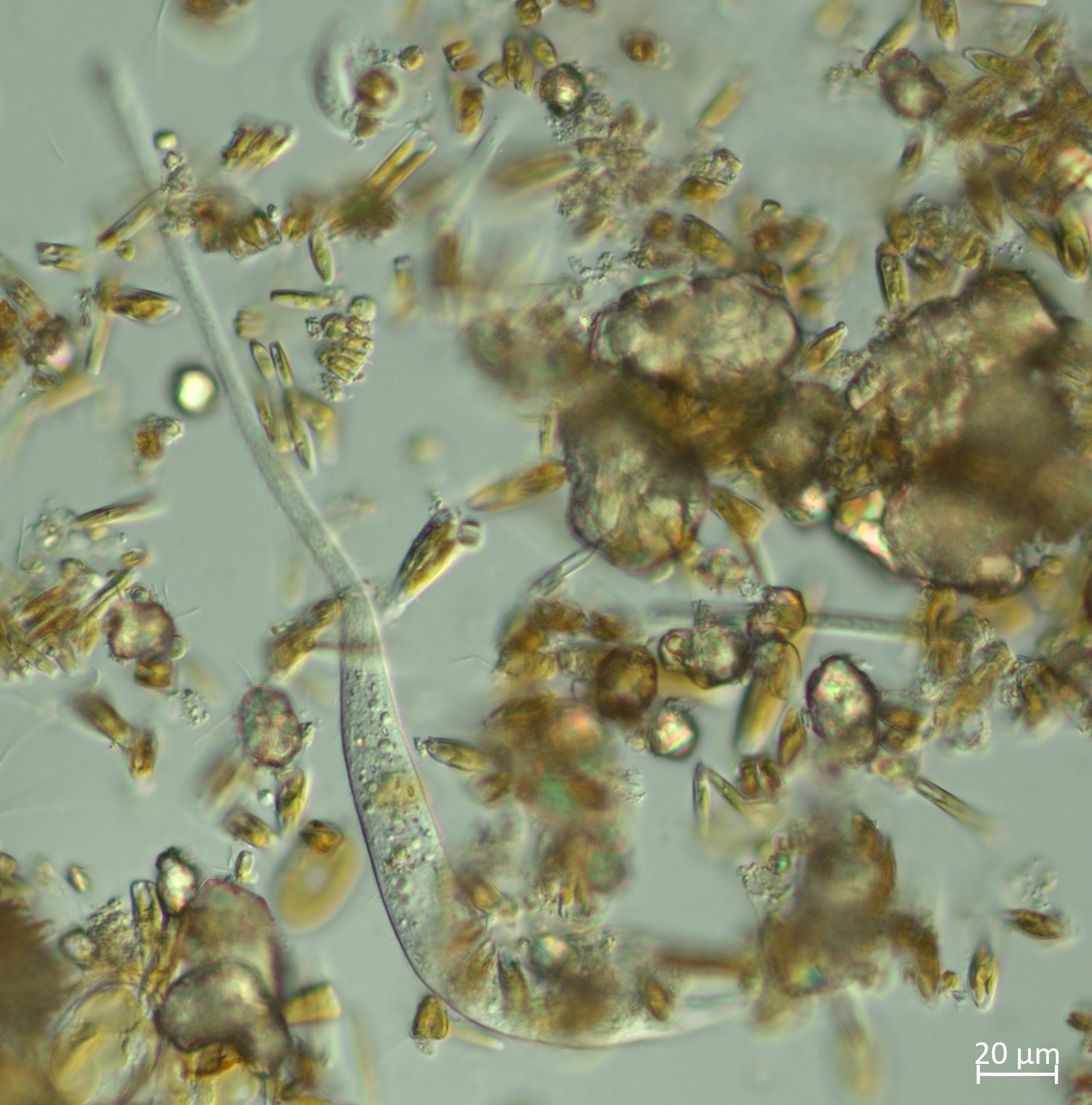
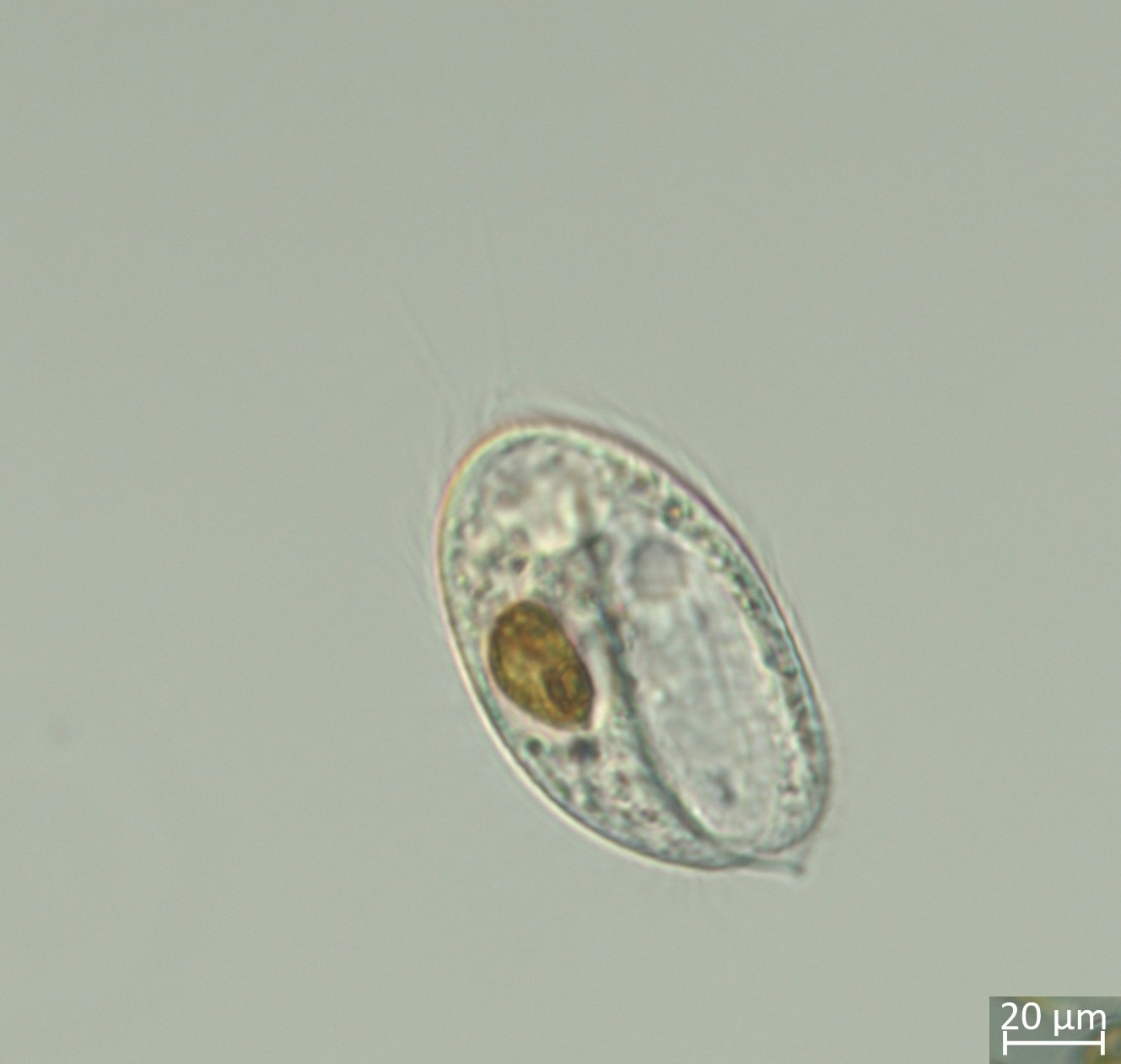
============================================
Post ID: 11531
Post URL: https://www.npkrka.hr/en_US/2025/03/21/obiljezavanje-svjetskog-dana-suma-i-svjetskog-dana-voda/
Post Title: Celebrating World Forest Day and World Water Day
Post Content (HTML preserved):
For years, the Krka National Park has been actively participating in celebrating important dates in nature protection, among which the World Day of Forests and World Day of Water occupy a prominent place. These days represent an opportunity to raise awareness about the significance of natural resources and the importance of their protection.
World Forest Day – Forests and Food
The World Forest Day or International Day of Forests is celebrated on 21 March and is dedicated to raising awareness about the importance of all types of forests. This year's theme of the Forest Day – Forests and Food – highlights their crucial role in food security, nutrition, and means of living/livelihoods.
In the Krka National Park, we marked that day with a workshop at Skradinski buk waterfall, attended by 1st grade students from the Tin Ujević Elementary School in Šibenik. Through a guided walk along the educational trail, we introduced the students to all forms of forest communities and explained the importance of forests as a natural "supermarket".
Students were able to learn how forests provide food, purify the air, regulate climate conditions, and provide habitat for numerous plant and animal species. Through practical activities, they also learned about different types of trees, as well as various plants and animals that inhabit the Krka National Park area.
World Water Day – Glacier Conservation
International Water Day, which is celebrated on 22 March, had the theme of glacier conservation this year, to emphasize the importance of protecting frozen water as a resource crucial to humanity's future.
The Krka National Park marked that day with an interactive educational workshop “A Drop for a Waterfall”, held in three elementary schools: the Homeland Gratitude Elementary School in Knin, the Catholic Elementary School in Šibenik and the Regional School in Raslina, thus covering the entire course of the Krka River. Students from the 1st to 4th grades participated in the workshop.
The workshop content was adapted to the Nature and Society educational curriculum, and its goal was to raise awareness among the youngest about the importance of conserving drinking water. Students learned about the water cycle, the importance of the Krka River for the ecosystem and humankind, and the challenges posed by climate change and the melting of glaciers.
Special emphasis was placed on the responsible use of water and measures to reduce its pollution, in order that we could all jointly contribute to the sustainable management of this important resource. The need to reduce greenhouse gas emissions was also highlighted, which is one of the main steps in slowing global warming and preventing glacier loss.
By celebrating World Forest Day and World Water Day, the Krka National Park aims to raise awareness among younger generations about the importance of nature protection, and to encourage them to take a responsible approach to the environment. Such activities contribute to a better understanding of the role of forests and waters in preserving a healthy ecosystem, which is a prerequisite for the quality of life of both current and future generations.


============================================
Post ID: 11573
Post URL: https://www.npkrka.hr/en_US/2025/03/27/priprema-pcela-za-proljetnu-pasu/
Post Title: Preparing bees for spring pollination
Post Content (HTML preserved):
This apiary education is intended for registered beekeepers.
The workshop will be held on Saturday, 5 April 2025 from 10 a.m. to 2 p.m. in an apiary on the upper course of the Krka River. The workshop leader, Dr. Zlatko Tomljanović, Head of the Beekeeping Advisory Department of the Directorate for Expert Support for Agricultural Development of the Ministry of Agriculture, Forestry and Fisheries, will place special emphasis on preparing bee colonies for the first spring feeding.
With the arrival of spring, everything in nature awakens and changes, including beehives, which are teeming with life. Spring development is one of the most difficult periods in the life of a bee colony. Bee colonies go through several important phases, from the period of winter while rearing the colony, through accelerated development, to the period of creating a surplus of bees. Preparing hives for spring feeding is very important after the long hibernation.
Practical training for spring feeding will assess the strength of the bee colony. At the same time, it is important to establish how many bees have survived, what is their state of health, how unstable weather conditions have affected the hive, and how many quality food supplies are available per hive.
Due to special conditions in the apiary, only registered beekeepers or people currently undergoing ecological training for beekeeping jobs can attend the workshop. To participate, please register at glasnogovornica@npk.hr. In case of adverse weather conditions, the workshop will be held at another time.
Meetings with local residents, with an emphasis on organic agriculture and production, are held continuously throughout the year, and are intended for those who live and work along the Krka River. Between individual meetings, smaller thematic workshops or public forums are also held, depending on the interest of the local community. These meetings have resulted in a continuous open communication between the constant participants and new acquaintances, along with the creation of business opportunities and the launching of new projects.
============================================
Post ID: 11677
Post URL: https://www.npkrka.hr/en_US/2025/04/24/makroalge-slapova-rijeke-krke/
Post Title: Macroalgae of the Krka River waterfalls
Post Content (HTML preserved):
The tufa waterfalls of the Krka River are a dynamic freshwater ecosystem, in which the tufa-building process is closely tied to specific macroscopic conglomerates of algae
During spring and autumn 2024, a comprehensive survey of the flora and macroalgae vegetation was conducted at seven waterfalls: Bilušića buk, Brljan, Manojlovac, Rošnjak, Miljacka, Roški slap and Skradinski buk. Field work included in situ documentation and sampling of macroscopic algae and cyanobacteria communities, with taxon determination conducted in the laboratory. Samples were determined to the species level, or the lowest possible taxonomic level. At each location, the environmental parameters were also recorded, including water flow, light availability, type of substrate, and intensity of carbonate deposition. A total of 81 macroalgae taxa were determined, dominated by the cyanobacteria with 37 taxa (45% of all recorded taxa), then Chlorophyta with 28 taxa (35%), Rhodophyta with 8 taxa (10%), Xanthophyta with 5 taxa (7%), Chrysophyta with 2 taxa (2%) and one taxon of Phaeophyta (Heribaudiella fluviatilis) (1%).
The macroalgae community is divided into 14 different types, including the dominant filamentous algae (Cladophora glomerata, Chara spp., Vaucheria spp., Zygnemataceae communities), tufa-building calcifying algae (such as Gongrosira spp., Oocardium incrustatum), cyanobacteria crusts (such as Nostoc spp., Oscillatoriales), filamentous red algae (e.g., Batrachospermum spp., Lemanea spp., Bangia atropurpurea), associations of crusty red and brown freshwater algae (Hildenbrandia–Heribaudiella), cold water algae (Hydrurus foetidus), terrestrial algae (Trentepohlia aurea) and taxa tolerant of higher salinity and brackish water (Polysiphonia subtilissima).
Macroscopic flora of algae and cyanobacteria were strongly affected by the hydrology and microhabitat conditions, with pronounced zonation associated with water flow dynamics and light availability. A historical comparison confirmed the presence of 15 species recorded by Hansgirg in 1890, and 24 species recorded by Golubić in 1957, indicating the long-term stability of key macroalgae communities, and increased diversity. The results highlight the importance of macroalgae and cyanobacteria in biological and geomorphological processes involved in tufa-building.


============================================
Post ID: 11734
Post URL: https://www.npkrka.hr/en_US/2025/05/05/istrazivanje-stanja-populacija-ptica-na-sirem-podrucju-np-krka/
Post Title: Investigation into the state of the bird population in the broad area of the Krka National Park
Post Content (HTML preserved):
In the area of the ecological network of the broader area of the Krka National Park, the Biom Association researched the numbers of various bird species from April 2024 to March 2025
The studied species were grouped according to habitat and period of research. A survey of dry grassland species showed that they are not numerous, and the species of the Greater short-toed lark Callandrella brachydactyll and the Calandra lark Melanocorypha calandra were not recorded at all. The reason for this is the habitat succession, or overgrowth of grasslands/pastures, which has progressed due to the abandonment of livestock farming. Species that were not recorded are still present in the immediate vicinity, although in small numbers, and would likely quickly return to the grasslands if they were to be restored. Only the Eurasian stone-curlew Burhinus oedicnemus – a single pair – found a suitable habitat on burned and grazed grassland. The park plans to restore dry grasslands in the coming years with the aim of returning and preserving species that normally live there.
Species that live on the slopes of the Krka and Čikola River canyons are still present in large numbers (the Rock partridge Alectoris graeca and the Eagle owl Bubo bubo), with the exception of the Golden eagle Aquila crysaethos, which was recorded for the first time in many years. Despite this, the observation of a single subadult does not mean that the eagles will start nesting there, because the area of this open and mosaic type habitat is too small for a pair to seek prey and raise a young eagle.
The extinction of the Peregrine falcon Falco peregrinus in the Krka National Park is an interesting story because its habitats are still preserved, so its disappearance is most probably related to the large population of the Eagle owl Bubo bubo, which is its main predator. For some species, such as the Lesser grey shrike Lanius minor, the Hen harrier Circus cyaneus, and the Merlin Falco columbarius, research has shown that their main habitats are in larger fields outside the broader area of the Krka National Park, and for the olive tree warbler Hippolais olivetorum, nesting in that area is irregular.
A small colony of the Purple heron Ardea purpurea, discovered in 2022, was again present at the same location in 2024, although they did not nest there in 2023.
The short-toed Snake eagle Circaetus gallicus and the European nightjar Caprimulgus europaeus, two species with mosaic habitats that inhabit a relatively large territory, are still present in good numbers.
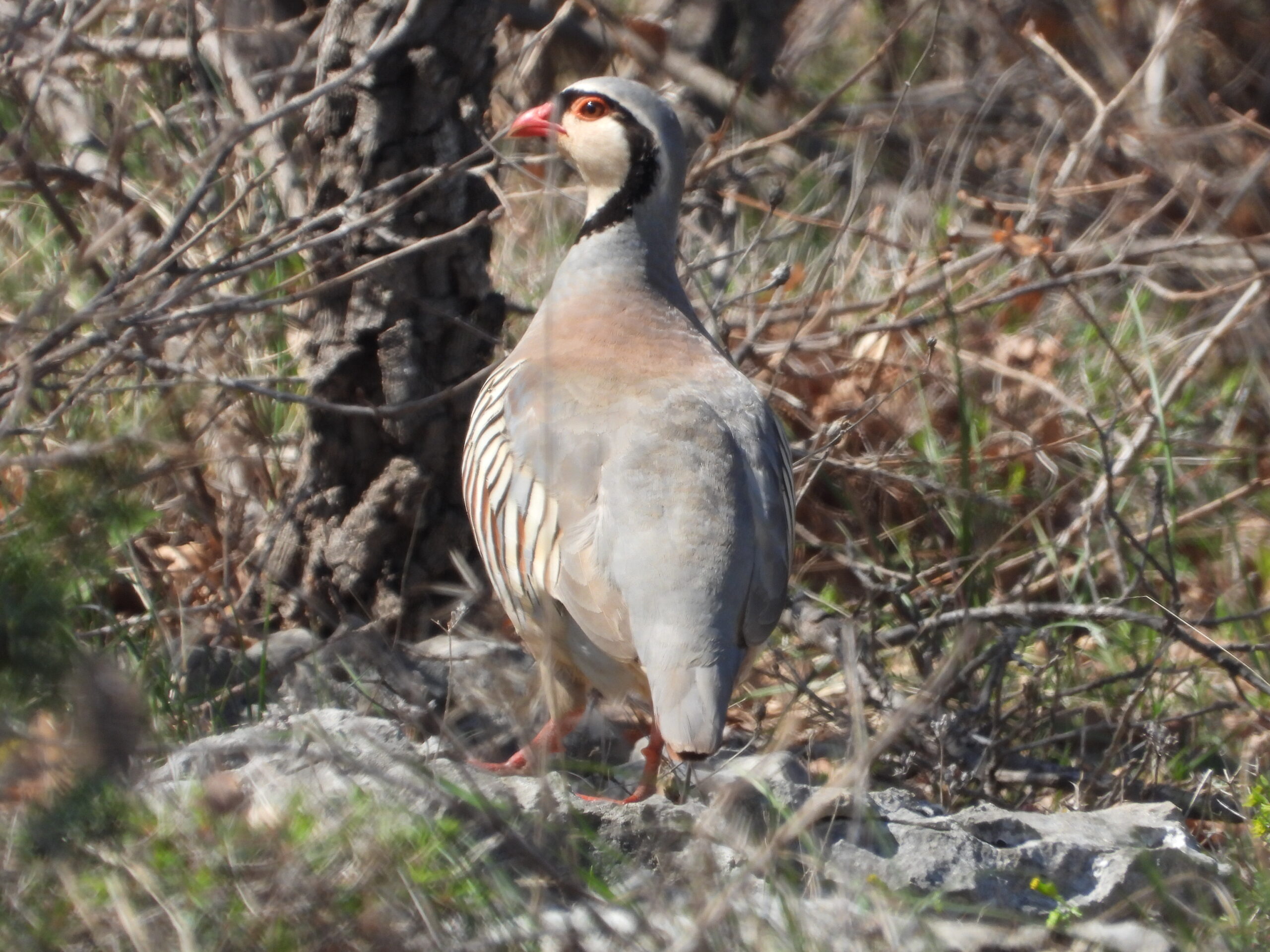
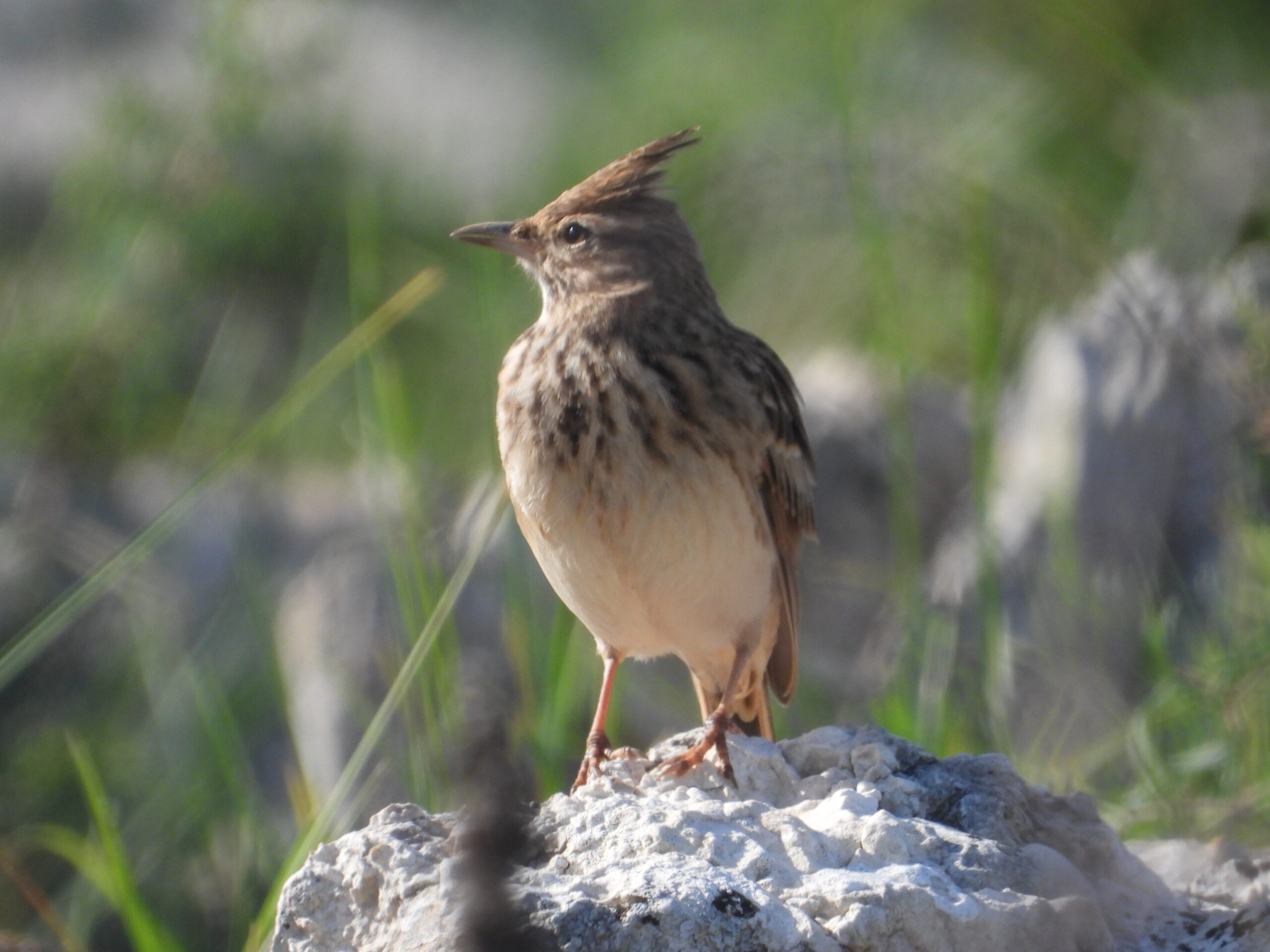
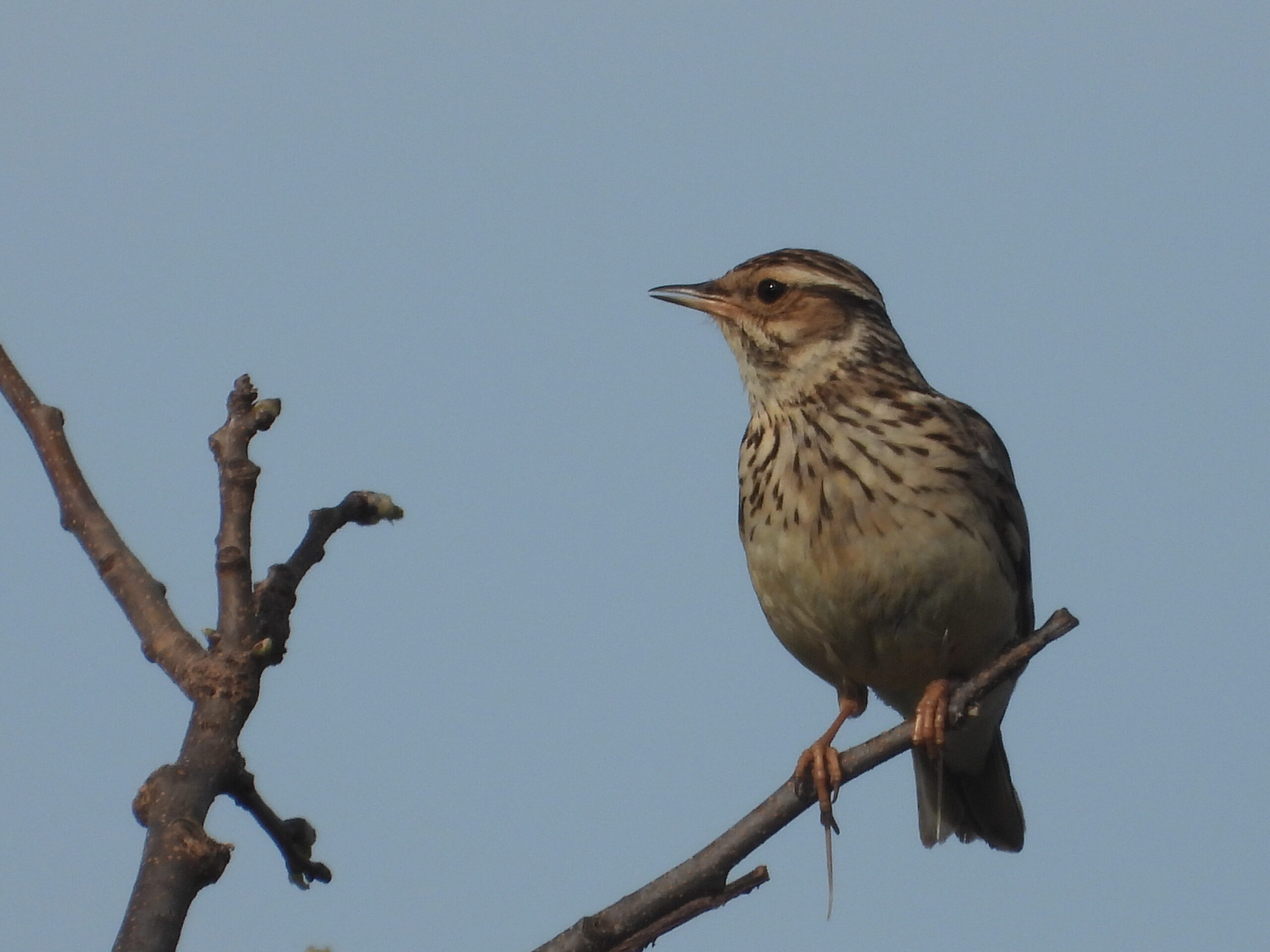
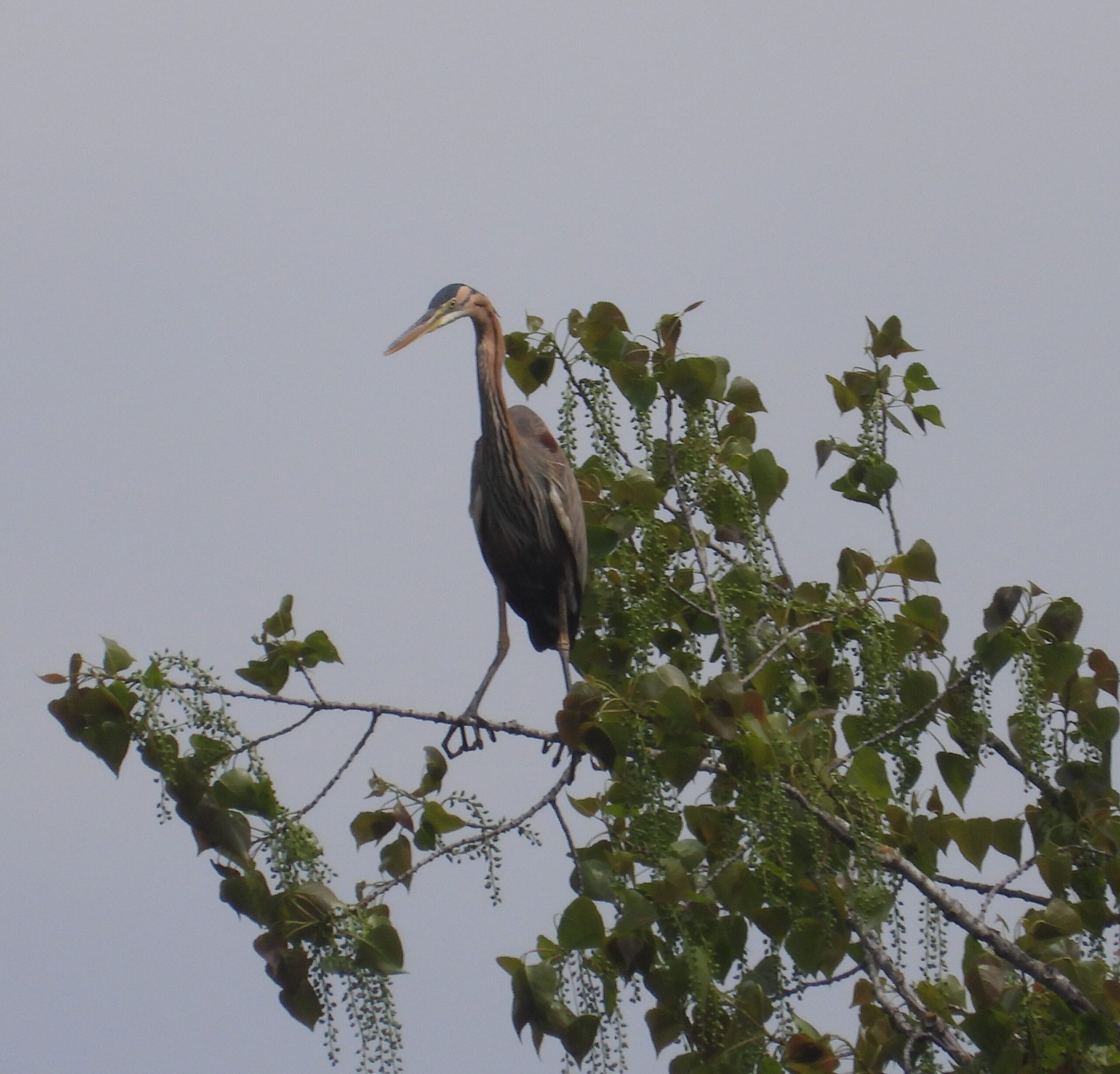
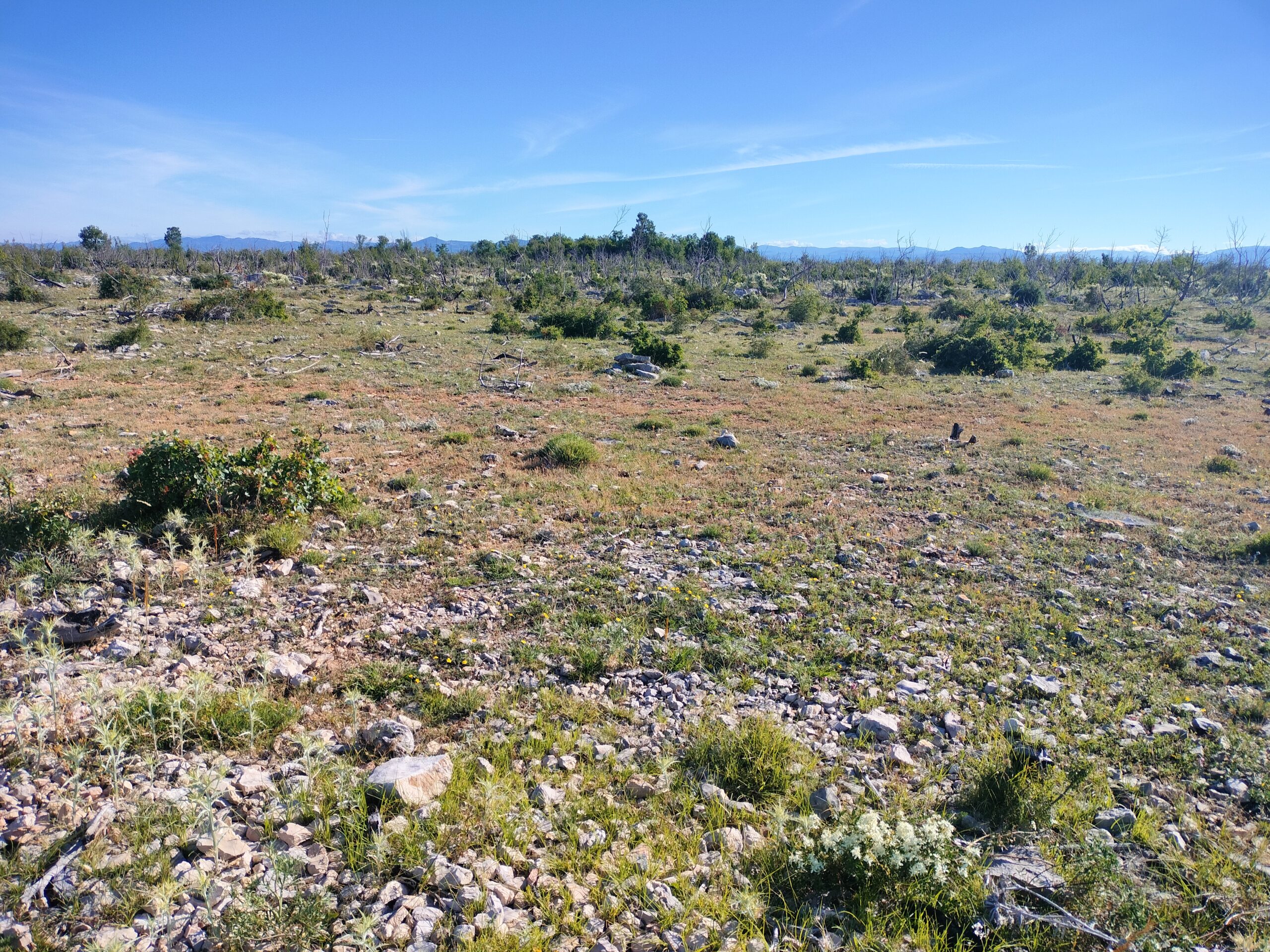
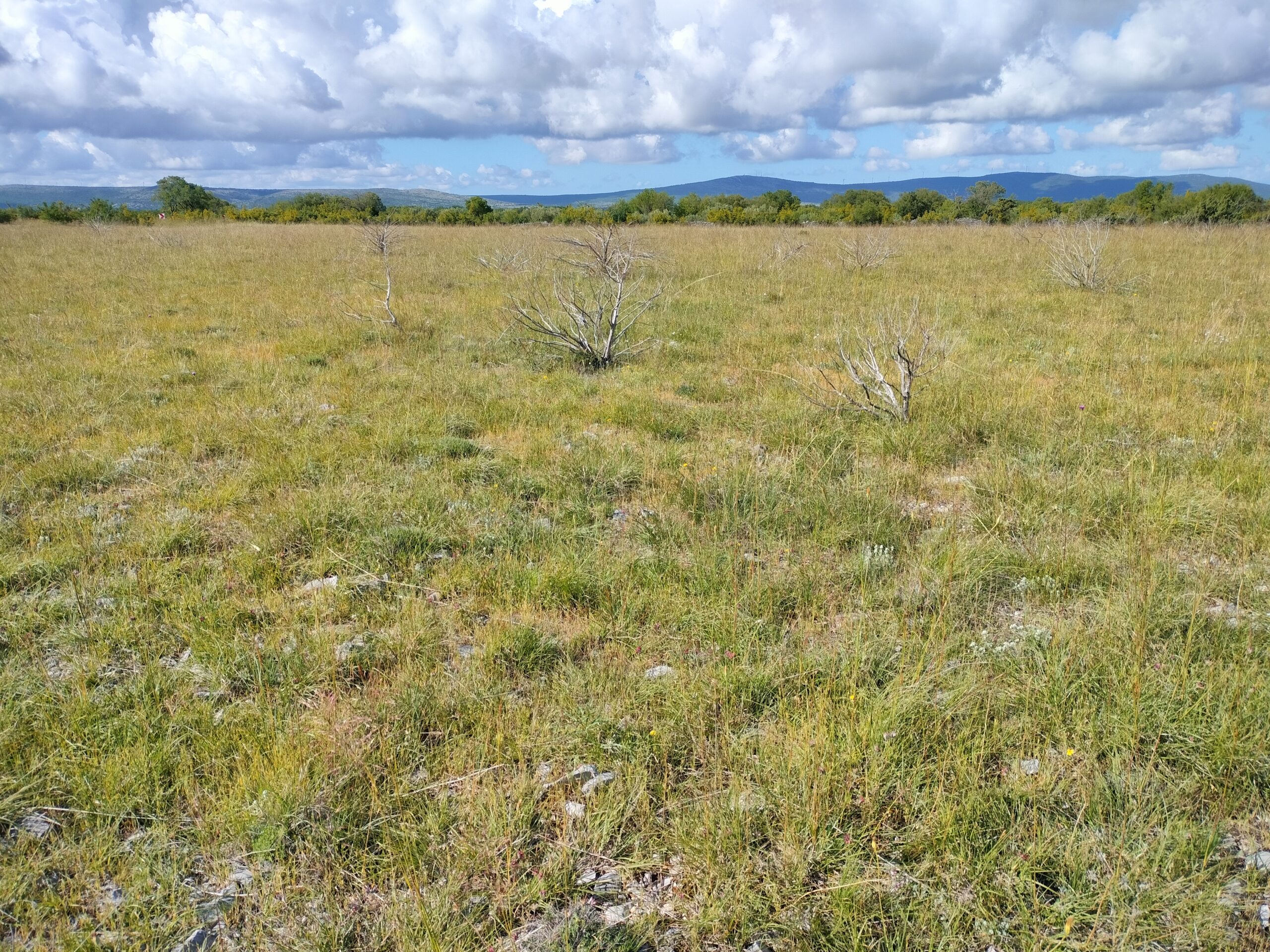
============================================
Post ID: 11815
Post URL: https://www.npkrka.hr/en_US/2025/05/16/nastavak-suradnje-s-vatrogascima-u-cilju-zastite-prirodnih-vrijednosti-najvise-kategorije/
Post Title: Continued cooperation with firefighters to protect the natural features of the highest category
Post Content (HTML preserved):
Protection from fire is one of the fundamental guidelines of the Regulations on the Protection and Preservation of the Krka National Park. Accordingly, the Park continues its strong cooperation with fire departments this year, with the aim of making quality preparations for the summer months when the danger of fire is greatest is greatest.
In order to agree on activities and coordination, a working meeting was held with representatives of the volunteer fire departments of Skradin, Dubravice, Sv. Juraj, Ervenik, Promina, and Drniš, along with the public fire departments of Knin and Šibenik. At the meeting, experiences were exchanged, successful cooperation from previous years was confirmed, and activities were agreed upon for the upcoming season.
All participants in the meeting emphasized that the preparation for the season was carried out in a high quality and comprehensive manner, with a special emphasis on coordination and operational readiness. They also expressed satisfaction with the results of the cooperation so far, thanks to which major damage caused by fires has been prevented in recent years, and the nature of the Park has been preserved from serious threats.
It was also confirmed that the fire roads have been cleared, arranged, and ready for use, enabling the unhindered and rapid operation of fire trucks and crews throughout the Park.
Special thanks are due to all firefighters for their dedication, professionalism, and selfless contributions, as their constant presence and readiness are crucial for timely action. Everyone involved in the preparation for the upcoming season hopes that it will be peaceful and safe, without the need for any major interventions.
Ahead of the 2025 fire season, the Krka National Park has made an important step forward in improving the early fire detection system: three new fire alarm cameras will be installed at key locations in the Park.
The cameras will be located at Lozovac and Roški slap and at the Krka Eco Campus in Puljane, so that they cover the entire area of the Park. This investment will further strengthen the security system and enable a faster response in the event of a fire, ensuring even more effective protection of the natural features.
The Krka National Park systematically invests in the fire protection system through annual plans and programs, including the Program of Activities in the Implementation of Special Fire Protection Measures, the Monitoring and Reporting Service Plan, and the Monitoring, Guarding ,and Patrolling Plan. These documents describe in detail all protection measures in the field, with an emphasis on the period from May 1 to November 1: fire roads are cleared, low vegetation is removed, grass is mowed, hiking trails are maintained, and firefighting equipment is tested, while during periods of increased fire danger, a specially organized monitoring and reporting service operates.
The Krka National Park remains dedicated to the preservation of nature and the safety of all visitors, and continues to build a strong partnership with firefighters as one of the key factors in the protection of this area that belongs to the highest category of preservation.
============================================
Post ID: 11744
Post URL: https://www.npkrka.hr/en_US/2025/05/05/jos-jedna-knjiga-o-rijeci-krki-stize-u-skolske-knjiznice-sibensko-kninske-zupanije/
Post Title: Another book about the Krka River arrives in school libraries across Šibenik-Knin County
Post Content (HTML preserved):
A continuation of the project of the Krka National Park "Let's fill school libraries"
As part of the long-standing project "Let's fill school libraries", the Krka National Park donated another book from its rich publishing activity to primary and secondary schools in Šibenik-Knin County – the monograph: The Krka River on Old Postcards. The book contains 219 postcards from the collection of the Drniš Municipal Museum, carefully selected as a testament to the time when the Krka River was a popular motif on postcards, in the late 19th and early 20th centuries.
In addition to bringing back nostalgic memories of times gone by, these postcards are a valuable visual record of the changes that have occurred in the landscape, both natural and man-made. Pictures of Roški slap waterfall from 1919 and the Krka hydroelectric power plant at Skradinski buk waterfall from 1895 bear witness to the coexistence of man and nature, and the important role that the Krka River has played in the development of this area.
The "Let's fill up school libraries" project, launched in 2007, aims to bring children and young people closer to the natural and cultural heritage of their region through books from the publishing fund of the Krka National Park. The focus of this project is education as the basis for the preservation of nature, because knowledge is – as they say from the Park – the only value that multiplies when it is shared.
Those who know the Krka are its best spokespeople. And school libraries are the first step towards that.
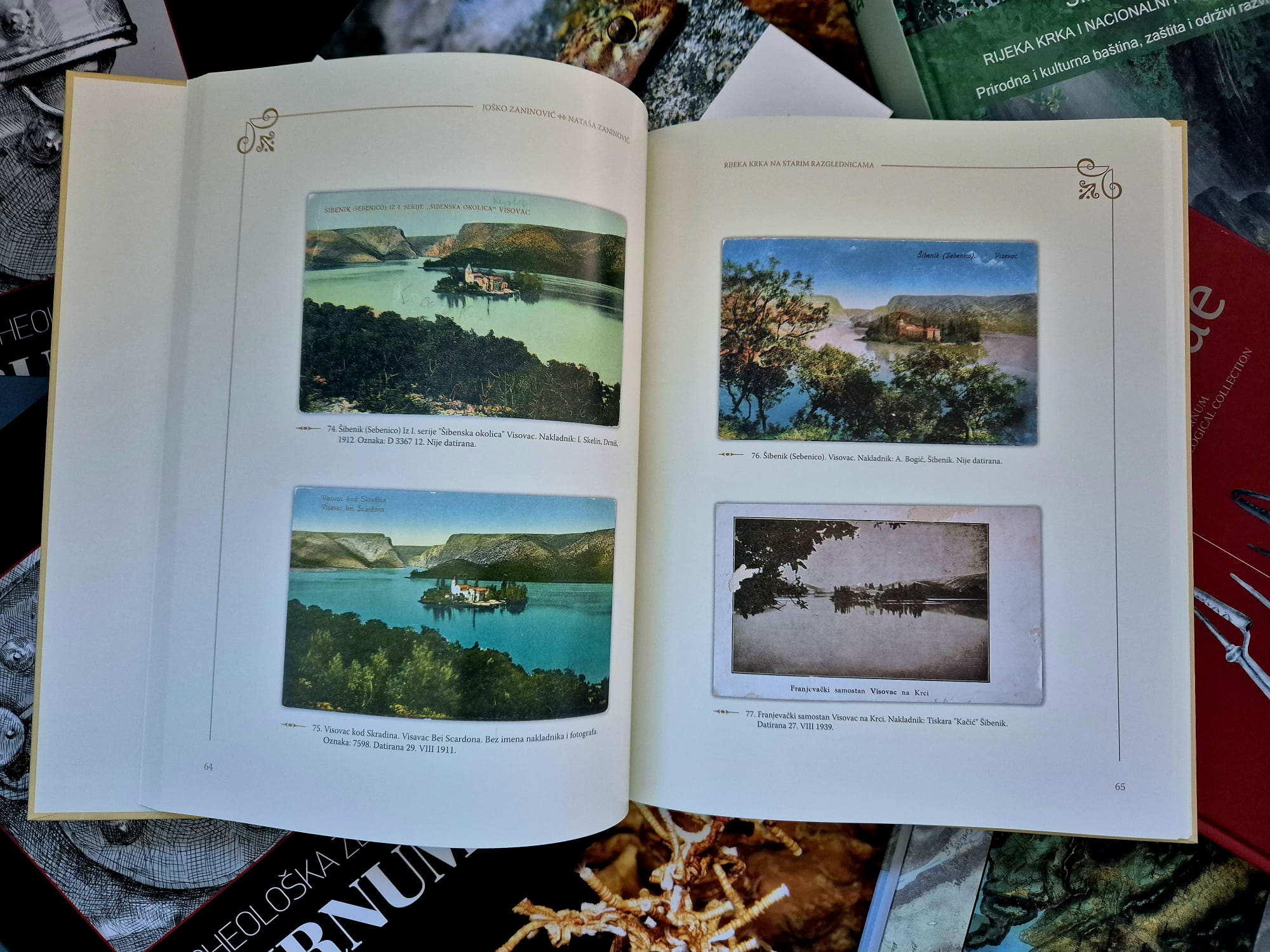
============================================
Post ID: 11785
Post URL: https://www.npkrka.hr/en_US/2025/05/14/predstavljanje-projekta-priroda-za-sve-na-znakovnom-priroda-dostupna-svima/
Post Title: Presentation of the project "Nature for All in Sign Language" – nature accessible to all
Post Content (HTML preserved):
The Krka National Park proudly participated, as one of the partners, in the presentation of the results of the project "Nature for all in sign language", which was held on May 14, 2025, at the "Imperial viewpoint" at Skradinski buk waterfall
The project, which is implemented by the Croatian Association of the Deaf and Hard of Hearing in partnership with the Association of Croatian Hotel Entrepreneurs and all national parks of the Republic of Croatia, is co-financed by the Ministry of Tourism and Sports of the Republic of Croatia.
“The aim of the project is to enable accessible tourism for deaf and hard of hearing people by adapting the informational content of national parks to Croatian sign language and international sign language, with subtitles. In the Krka National Park, this specifically means that deaf and hard of hearing visitors can now experience the natural features of the Park through video materials that are fully adapted to them,” emphasized Dijana Vincek, president of the Croatian Association of the Deaf and Hard of Hearing.
As part of the project, Park employees were trained in communication with hearing-impaired people, and customized video content is available on the project's YouTube channel and via QR codes that will be placed in the Park. With this, the Krka National Park confirms its commitment to international standards for human rights and an inclusive approach to all visitors.
Accessibility is not just a technical requirement – it is a fundamental human right that enables people with disabilities to fully, independently, and equally participate in all aspects of social life, including tourism. For this reason, the Krka National Park considers its contribution to this project an important step towards equality and greater visibility of the needs of all its visitors.
“The Public Institute of Krka National Park approaches the issue of accessibility for people with disabilities with great care and strives to provide accessibility wherever physically possible, both for people in wheelchairs and for the blind and visually impaired. Introducing the rich natural and cultural-historical features of our unique Park and making its contents accessible to the deaf and hard of hearing is another big step in that direction. We look forward to making the accessibility of the Krka National Park possible through videos, and in this sense we would like to thank the Croatian Association of the Deaf and Hard of Hearing once again for recognizing the potential for the development of this project and for its successful implementation. We are especially pleased that the Krka National Park is the first protected area in which the results of such an important project have been presented”, said the director of the Krka National Park, Nella Slavica.
This project represents an important step towards equal access to natural and cultural-historical features for all citizens and visitors, regardless of their communication capabilities.
The Croatian Association of the Deaf and Hard of Hearing (HSGN) is a non-profit non-governmental organization founded long ago in 1921. It is an umbrella organization that brings together twenty-two local associations of the deaf and hard of hearing from across the Republic of Croatia and cares for around six and a half thousand members. Since its establishment, HSGN has supported programs for the rehabilitation and protection of deaf and hard of hearing people. It is particularly dedicated to the issues of communication, education, and employment of deaf and hard of hearing people. It is a member of the World Federation of the Deaf (WFD), the International and European Federations of the Deaf (IFHOH and EFHOH) and the European Union of the Deaf (EUD). The Croatian Association of the Deaf and Hard of Hearing is affiliated with the national Union of Associations of Organizations of Persons with Disabilities of Croatia (SOIH).


============================================
Post ID: 11693
Post URL: https://www.npkrka.hr/en_US/2025/05/01/zelena-tradicija-nacionalni-park-krka-podijelio-tisucu-autohtonih-sadnica/
Post Title: The Green Tradition: the Krka National Park distributed a thousand indigenous seedlings
Post Content (HTML preserved):
In the spirit of nature conservation and dignified work, the celebration of Labor Day and the feast of St. Joseph the Worker in the Krka National Park is a significant and attractive long-standing tradition. For the third year in a row, exactly at noon at the Skradinski buk waterfall, a thousand laurel, lavender, and myrtle seedlings have been distributed, which the visitors could take with them and plant in their gardens or yards.
With this green gesture, the Krka National Park joined the European initiative "Growing Together", which plans to plant three billion trees by 2030. By planting indigenous species that are adapted to local conditions, we contribute to mitigating the effects of climate change and restoring the biodiversity and ecosystems that are crucial to our well-being.
Planting trees not only helps combat climate change, but also has a positive impact on air quality and water conservation, it reduces noise and the effects of heat waves, and further provides shelter for both people and animals. Trees have always been a natural ally of man: there is scientific evidence that being in green spaces reduces stress, lowers blood pressure, and improves an overall mood.
Trees continue to be one of the simplest and most effective ways to preserve a healthy and sustainable living space. The distribution of indigenous seedlings has traditionally taken a central place in the Labor Day celebration program at Skradinski buk, along with other traditional activities for visitors.
This year, volunteers from the Šibenik Paws association, which cares for abandoned animals, were with us at Skradinski buk. At their stand, they presented a new campaign, the "Cat and Dog Rescue Van", so that they could help animals even faster and more efficiently, which was supported by numerous visitors.
Entrance to the Park for this celebration was free for all individual visitors, whom we would like to thank for their arrival and support.
"I congratulate all citizens on May 1st, the day on which we celebrate the human right to work and live in a healthy and safe environment. Let us continue to build a future together in which nature has a central place," said Nella Slavica, director of the Krka National Park.


============================================
Post ID: 11829
Post URL: https://www.npkrka.hr/en_US/2025/05/22/prvi-festival-bioraznolikosti-u-poljoprivredi-prigoda-za-povezivanje-i-ucenje/
Post Title: The first Biodiversity Festival in agriculture: an opportunity to connect and learn
Post Content (HTML preserved):
The festival was held at the Krka Eko Campus on Thursday, May 22, on Nature Protection Day in Croatia and International Biodiversity Day, which this year was held under the slogan "In Harmony with Nature and Sustainable Development"
The festival was organized, as part of the FarmBioNet project, by the Ecological Institute ECOLOGICA from Zagreb in cooperation with the Krka National Park, the association/non-governmental organization BIOM from Zagreb, and the Brod/Boat Ecological Society from Slavonski Brod.
“The FarmBioNet project is being implemented in twelve European countries with the aim of identifying, encouraging, and improving agricultural practices that support biodiversity, through the integration of research results and the exchange of knowledge between farmers, advisors, researchers, and other key stakeholders,” said Sonja Karoglan Todorović, Director of the Ecological Institute ECOLOGICA and leader of the FarmBioNet project, who continued: “I believe that today's exchange of knowledge and experience has inspired and encouraged us to be more active and that this is just the first of many future biodiversity festivals in agriculture.”
The goals of the Biodiversity in Agriculture Festival are to raise awareness of the importance of biodiversity on agricultural land for ecosystem health, food security, and climate change resilience, to educate and inform about agricultural practices that support biodiversity, and to connect and extend a network farmers, experts, and members of local communities to encourage joint action.
“For many years, the Krka National Park has been fostering continuous and active cooperation with the local community, especially with farmers. With an educational approach, we strive to contribute to the preservation of indigenous species by promoting sustainable farming techniques,” said the director of the Krka National Park, Nella Slavica, and emphasized: “As an institution that has been successfully caring for biodiversity and preserving the natural features of the Krka National Park for four decades, it is extremely important for us to exchange knowledge at a professional and scientific level about the challenges we face today in protecting biodiversity.”
In addition to interesting lectures on the importance of biodiversity for agriculture, about existing payments for implementing biodiversity protection measures in agriculture, and on the importance of pollinators, the Festival participants enjoyed an exhibition of pollinators and short thematic films.
The Festival was attended by agricultural producers and advisors, representatives of the relevant ministry and public institutions for the management of protected areas, scientists, representatives of non-governmental organizations, and members of the interested public.
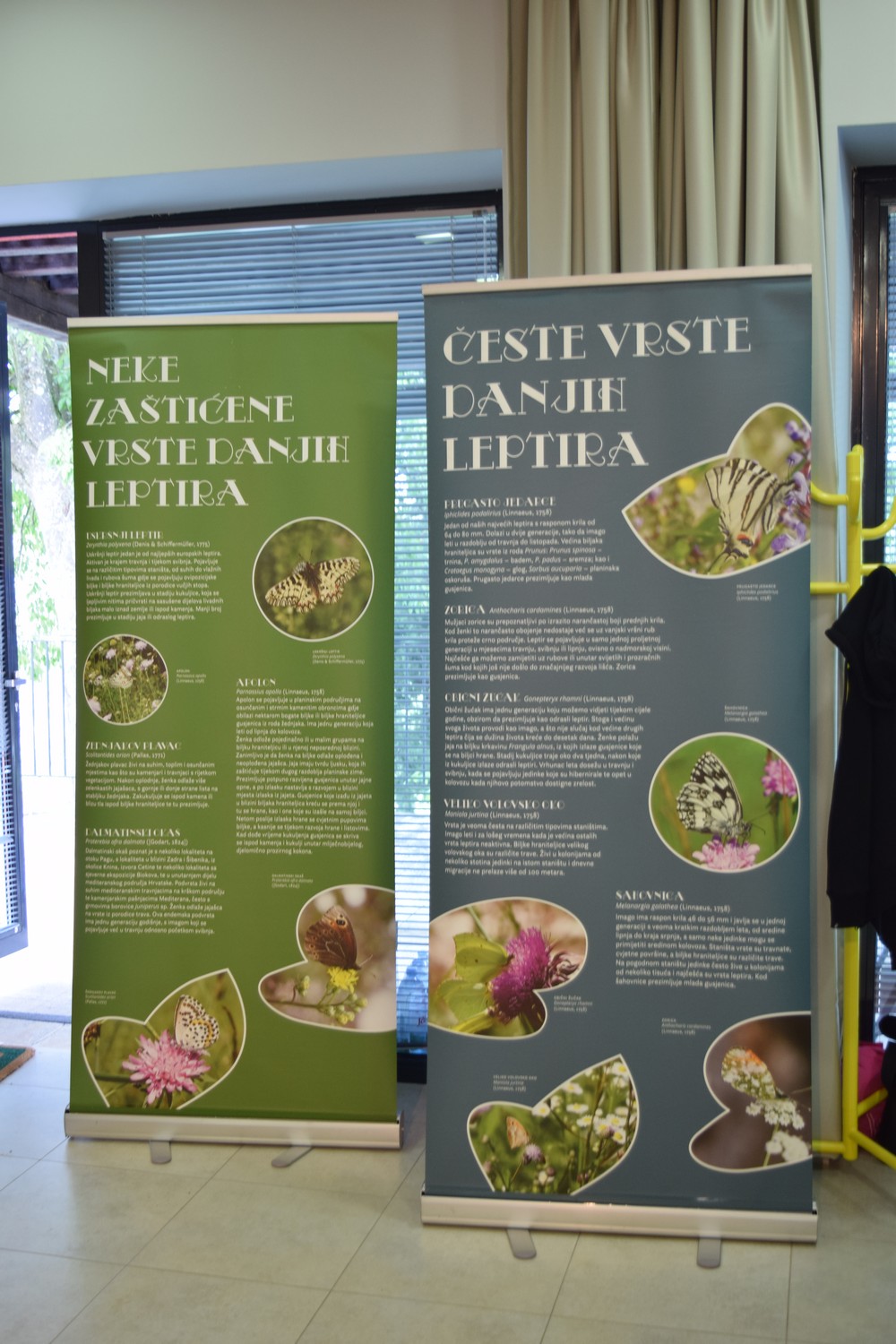
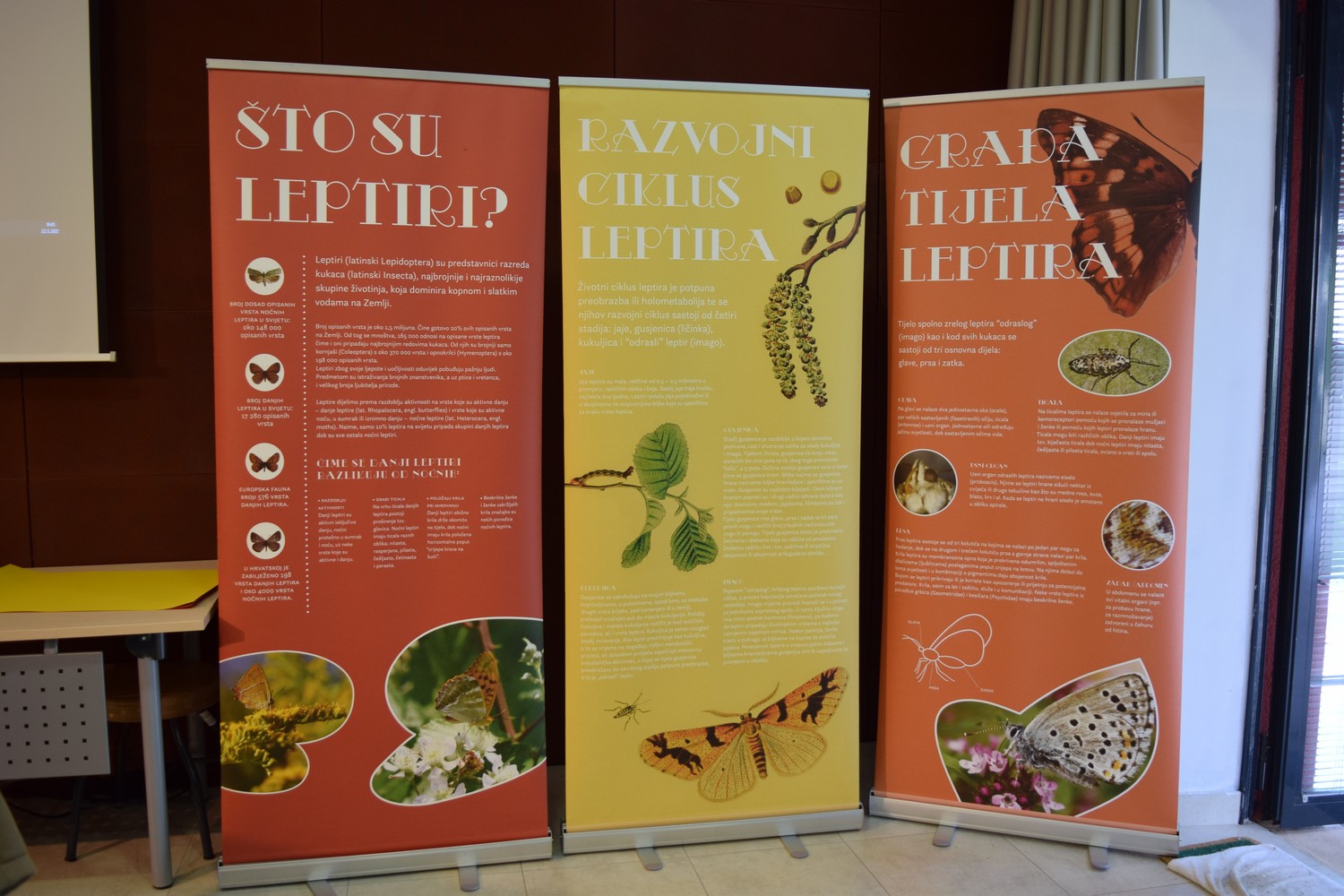

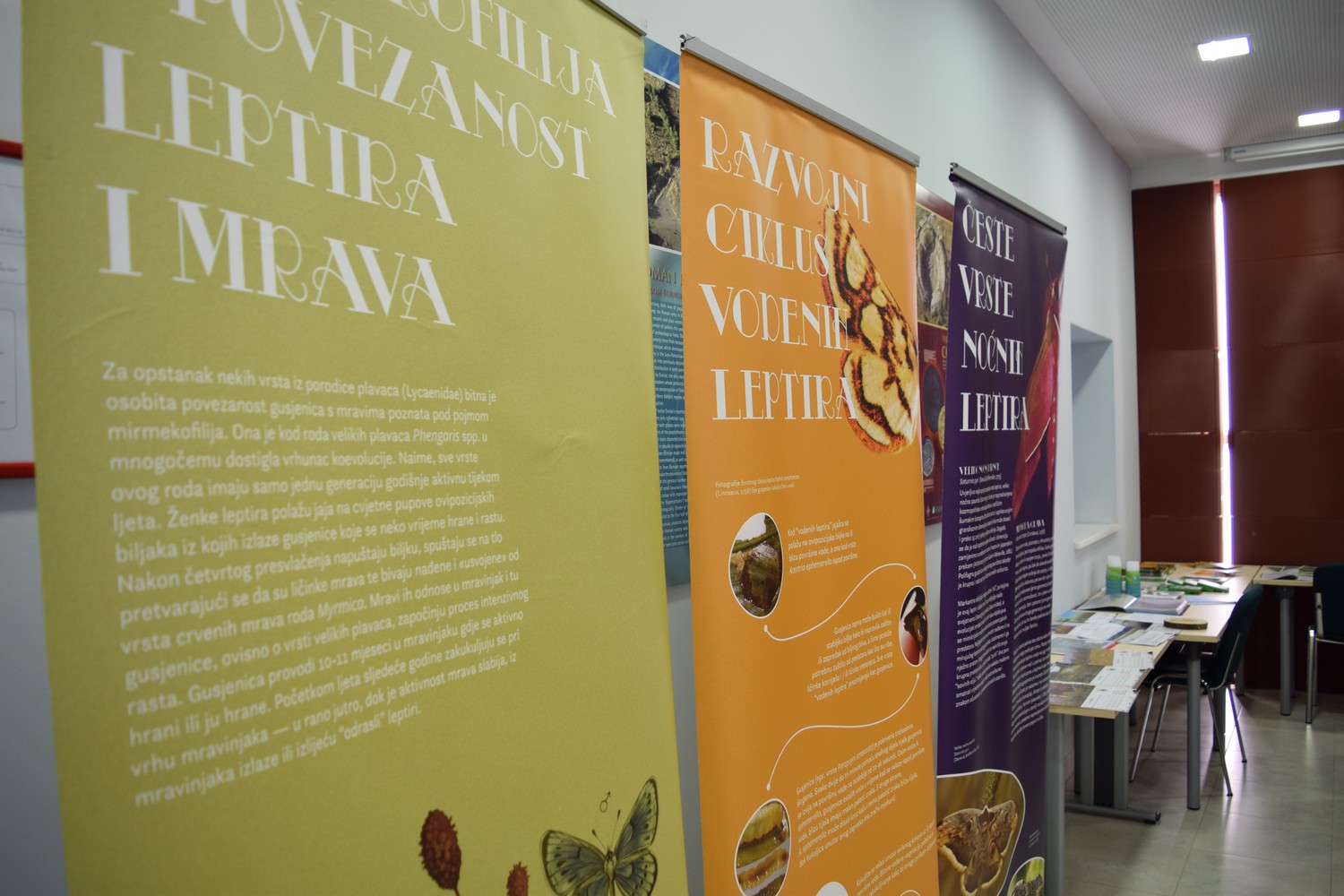
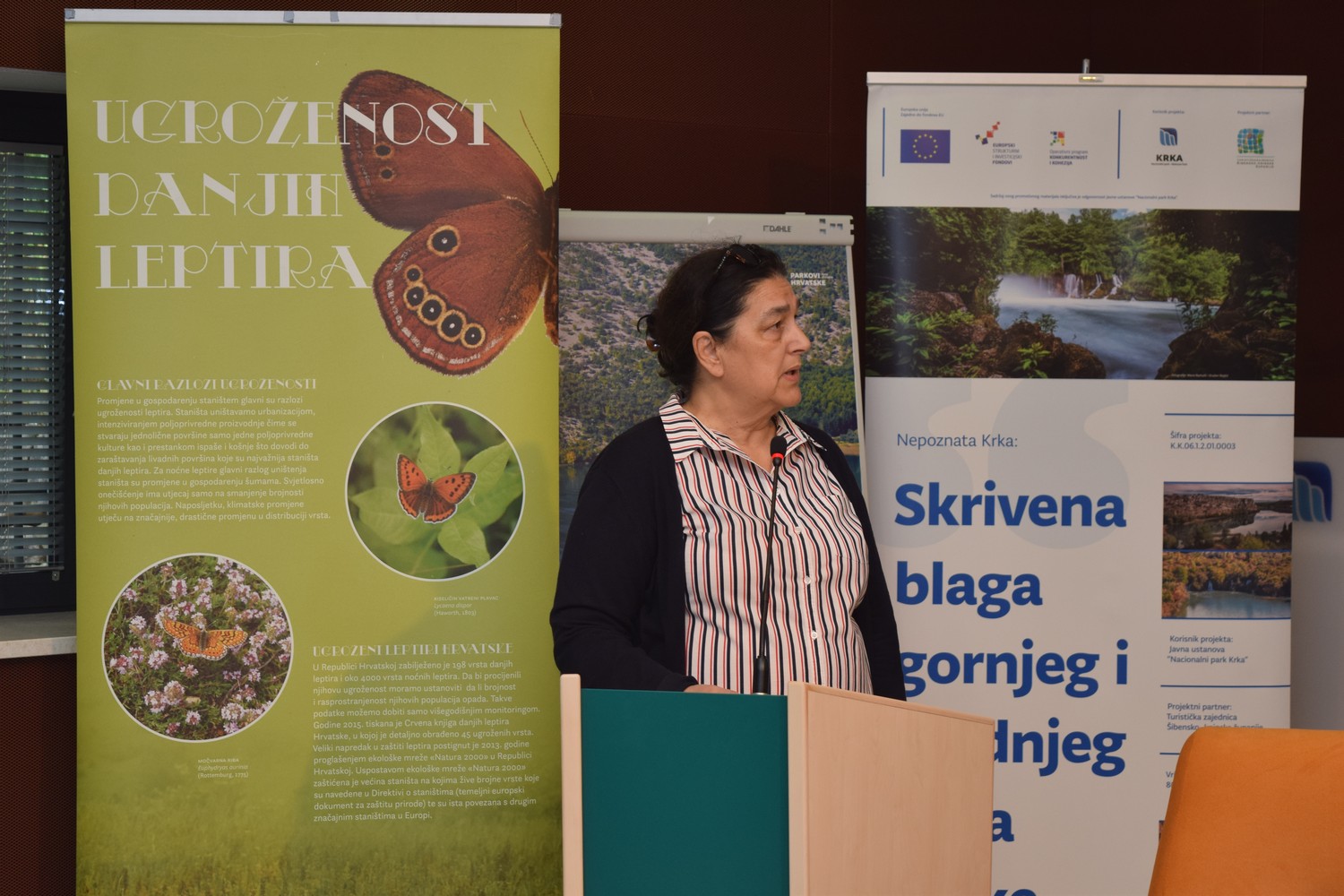

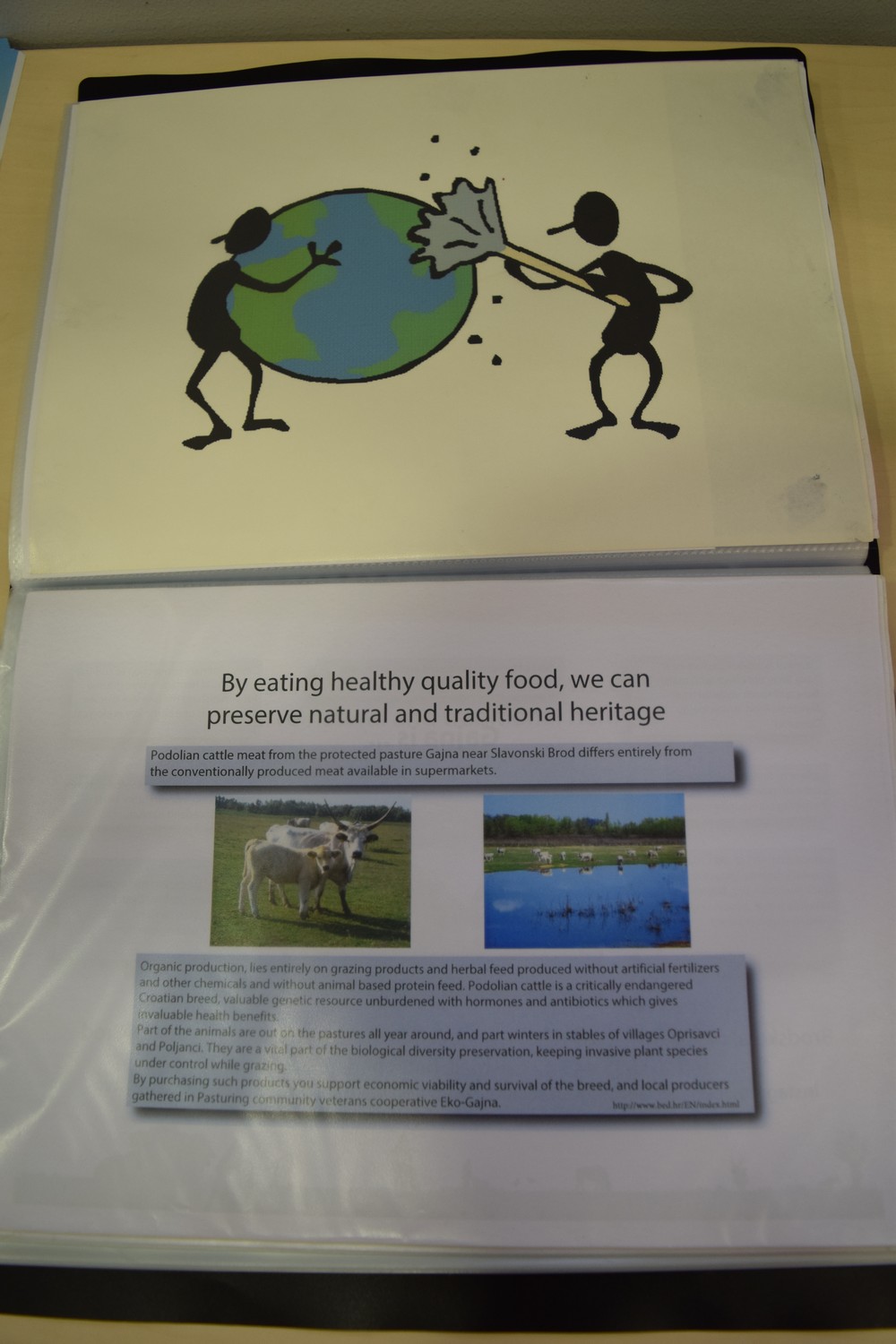
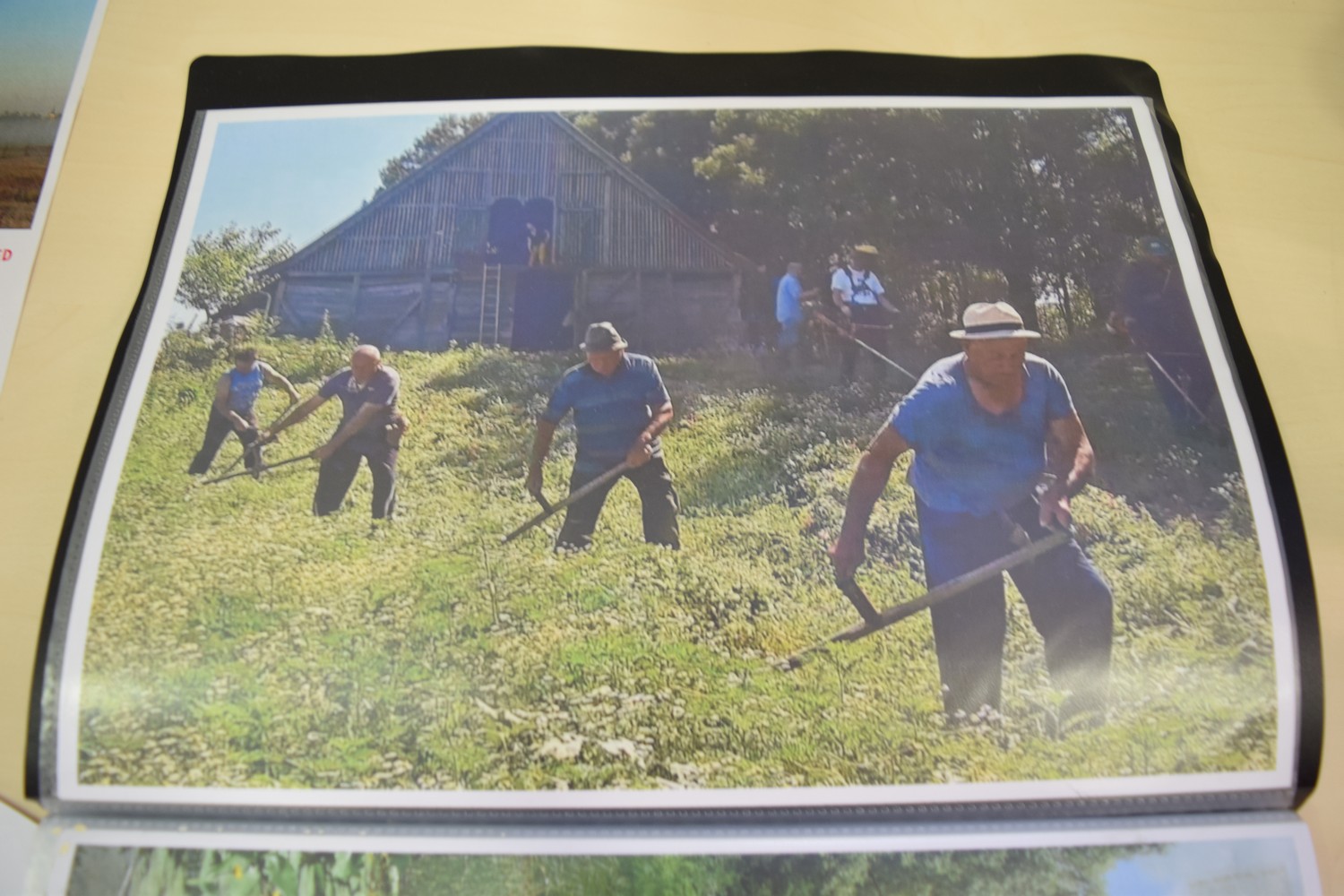
============================================
Post ID: 11881
Post URL: https://www.npkrka.hr/en_US/2025/05/28/zajedno-za-prirodu-u-np-krka-formirana-prva-grupa-mladih-cuvara-prirode/
Post Title: Together for nature: the first group of Junior Rangers has been formed at the Krka National Park
Post Content (HTML preserved):
On the European Day of Parks, May 24th, the first Croatian Junior Ranger group of young nature conservationists began operating in the Krka National Park; an agreement on cooperation in the Junior Ranger and Youth+ programs was signed with the Europarc Federation
Eighteen young people from the Oklaj Regional School have applied to participate in Junior Ranger activities in the Krka National Park, which are being implemented as part of the Erasmus+ project fully funded by the European Union.*
The first meeting was held at the Krka Eco Campus with the aim of creating trust and a stimulating environment for research, learning, and collaboration. Through research and creative mapping activities, the young nature guardians became familiar with the facilities in the Eco Campus area, discovered the richness of the plant world in the Mediterranean garden, compared the number of plant species in a mowed and unmowed meadow, learned about trees as a habitat, and also the threats posed by invasive plant species, and, further, through mutual interaction, got to know one another better.
“We congratulate you on your courage, love for nature, and the trust you have shown us by joining the Junior Ranger group of the Krka National Park, and thank you for dedicating part of your free time to preserving our unique Park”, said Gordana Goreta, professional guide at the Park, to the young nature guards, and emphasized: “Nature inspires and ennobles, and those of you who live near the Park can experience the blessings of nature every day. This makes your task even more important and special, and we are here to bring you closer to the diversity of the living world that surrounds us through play and learning.”
In the coming period, the young nature guardians or Junior Rangers can expect new, creative workshops, designed specifically for them to advance in knowledge and wisdom. While the Junior Rangers began their activities, their parents relaxed as they toured the amazing world of the natural features and the rich cultural and historical heritage of the Krka National Park at the Krka Eco Campus under expert guidance.
The Junior Ranger group was formed on the basis of a cooperation agreement signed between the Krka National Park and the Europarc Federation, the largest European network of protected areas. The slogan of this year's European Day of Parks is Together for Nature, which Krka's Junior Rangers also marked by planting two oak seedlings at the Krka Eco Campus as their contribution to future generations.
The week preceding the European Day of Parks was particularly discussed with young people, as it was full of dates significant for nature protection. For example, May 20 marked Bee Day, May 22 marked International Biodiversity Day and Nature Protection Day in the Republic of Croatia, and May 23 marked Turtle Day.
We wish the young nature guards/Junior Rangers of the Krka National Park to persevere in learning about the richness of the living world that surrounds us and in spreading messages about the need to protect nature and the environment! Thank you.
* Activities within the project "Raising Environmental Awareness among Young People from Protected Areas" (2023-3-LV02-KA210-YOU-000170610) will be carried out from 1 February 2024 to 31 January 2026. The total value of the project is 60,000.00 euros, which is fully financed by the European Union. The project leader is the Ķemeru nacionālā parka fonds from Latvia, and the project partners are the Gaujas nacionālā parka fonds from Latvia, Kehittämisyhdistys Sepra ry from Finland, and the Krka National Park. The objectives of the project are to inform young people about climate change, strengthen their awareness of the need to preserve nature and the environment, have them participate in activities within the project, and exchange their experiences through joint platforms of protected areas in the countries that are partners in the project, and to develop a system of motivating young people to participate in environmental protection, their networking, and exchange of ideas.
The project is co-financed by the European Union. The content of this material is the sole responsibility of the Krka National Park.


============================================
Post ID: 11984
Post URL: https://www.npkrka.hr/en_US/2025/06/17/veliki-i-mali-cuvari-zajedno-za-prirodu/
Post Title: Large and small guardians together for nature
Post Content (HTML preserved):
============================================
Post ID: 12106
Post URL: https://www.npkrka.hr/en_US/2025/06/25/dodijeljena-uvjerenja-polaznicima-programa-ekoloskog-pcelarenja/
Post Title: The awarding of certificates to participants of the organic beekeeping program
Post Content (HTML preserved):
The educational program for acquiring a micro-qualification in ecological beekeeping, which was once again carried out this year in cooperation with the Open University of Knin, was successfully completed by all participants.
The Krka National Park and the Open University of Knin have again collaborated this year in implementing an education program for acquiring a micro-qualification in ecological beekeeping. The program has a tripartite goal: preserving biodiversity, development in the local community, and encouraging ecological production.
“We are pleased with the continued excellent cooperation with the local community, especially on such important projects. The interest in the organic beekeeping program shows the high level of awareness of our citizens, who understand that the contribution of even one person or one family can leave a significant mark in the preservation of overall biodiversity”, stated the director of the Krka National Park, Nella Slavica, who emphasized: “I congratulate all the participants on their success and invite other local residents to join us in the implementation of projects that unite us in a common effort to protect nature.”
The certificate of competence for the micro-qualification in organic beekeeping is entered into each e-workbook. The training program consists of two parts: a guided learning process held in classrooms and online, and part of a practical program with a mentor on the family farm.
“Interest in the organic beekeeping program is growing year by year, which is especially important due to the sensitivity of this topic. Given the numerous challenges brought by climate change, it is especially important for beekeepers to upgrade their knowledge with the help of guided and structured educational modules. Networking, mutual support, and the continuous availability of expert lecturers are the best answer to the challenges ahead”, was emphasized by Sandra Žulj Cigić, drector of the Open University of Knin.
These enterprising beekeepers will apply their knowledge and skills near the Krka National Park. We wish our beekeepers successful and fruitful work in their apiaries!
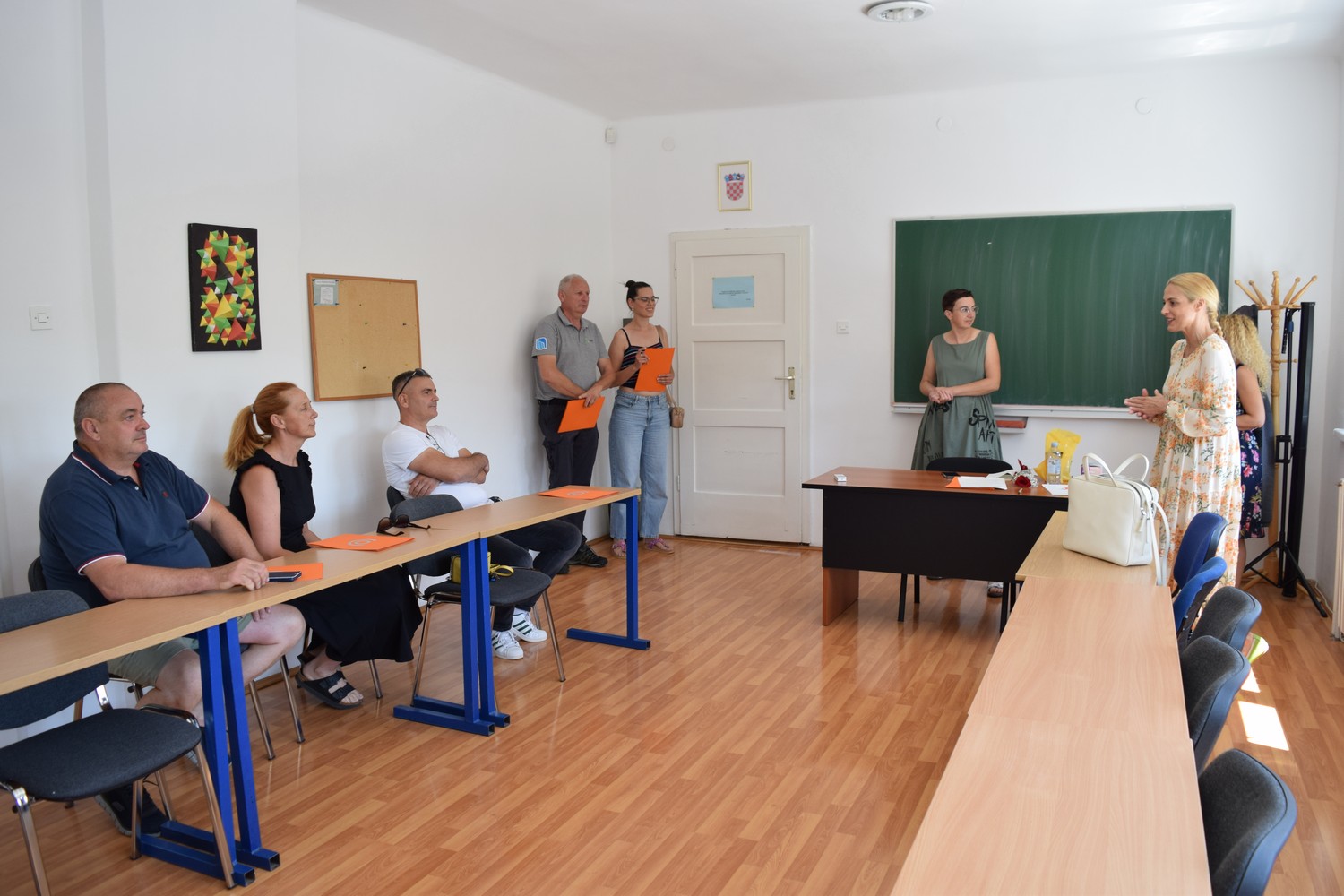
============================================
Post ID: 12126
Post URL: https://www.npkrka.hr/en_US/2025/07/07/tjedan-uz-roski-slap-edukacija-tradicija-i-kultura-u-srcu-nacionalnog-parka-krka/
Post Title: A Week at the Roški slap waterfall: education, tradition, and culture in the heart of the Krka National Park
Post Content (HTML preserved):
The Public Institute of Krka National Park has prepared a rich and diverse programme in July as part of the Week at the Roški slap waterfall event, which combines the natural features of the Park with tradition, education, and cultural and artistic events. The programme includes three events that will take place from July 9th to 12th, in which visitors will be able to actively participate and thus have an authentic experience related to the natural and cultural heritage of this region
On Wednesday, July 9th from 1:00 PM to 6:00 PM, a free workshop, Thread by Thread – to an Apron, will be held, dedicated to the Park's rich ethnographic heritage and the preservation of traditional skills. The workshop nurtures the ancient craft of weaving, and visitors will learn about the process of making woolen fabric, from shearing sheep, and washing and combing the wool, to winding it onto a spindle. At three interactive stations, participants will weave on a loom, make fabric patterns from paper, and create their own woven designs, turning this traditional craft into a game and education for children and adults alike.
A day later, on Thursday, July the 10th, also from 1:00 PM to 6:00 PM, we will celebrate World Dragonfly Week. As an important indicator of the health of aquatic ecosystems, and also effective natural predators of mosquitos, dragonflies deserve a special position in our ecological programme. The staff of the Krka National Park have prepared creative workshops on making dragonfly models using various techniques, while the ambient of the Roški slap waterfall will be filled with a fairy-like atmosphere that will emphasize the place of the fairy-tale world of insects in the natural environment.
On Saturday, July the 12th, from 5:00 PM to 6:00 PM, the Miljevci Cultural and Artistic Association will perform as part of the Krka Cultural Summer. This event will take us back in time through local music, dance, and customs, with authentic attire and performances that reflect the soul of the Miljevci region (a plateau adjacent to the Krka National Park).
Through the organization of such events, the Krka National Park wants to provide visitors with additional features, inviting them to stay longer in the Park and actively participate in workshops, thus taking with them not only memories, but also new knowledge and experiences. Our goal, through cooperation with the local community, is to preserve the identity and traditions of this area, and at the same time bring the natural and cultural features of the Park closer to all generations.
Through workshops that will take place once a week in July and August, visitors will be able to participate in educational and creative activities related to natural processes and traditional skills, often with active application of the principles of recycling and reusing materials (3R). This is yet another way in which the Krka National Park contributes to sustainable development and public education about the importance of preserving the natural and cultural heritage.
Details about the dates and times of these events and various other new events will be available on the official social networks of the Krka National Park, as well as at information points in the Park itself. We heartily invite visitors to join us and become part of this unique summer story tied to the Roški slap waterfall.


============================================
Post ID: 12174
Post URL: https://www.npkrka.hr/en_US/2025/07/24/bioraznolikost-u-fokusu-mladih-cuvara-prirode/
Post Title: Biodiversity in the focus of the Junior Rangers
Post Content (HTML preserved):
Interesting programmes are held in the Krka National Park during the summer holidays that bring together children and young people eager for knowledge about the natural heritage and the preservation of habitats and species
The first Croatian Junior Ranger group of young nature guards gathered in the Krka National Park for the third workshop as part of the Erasmus+ project, fully financed by the European Union*. The meeting was held on Saturday, July 19, 2025 at the Krka Eco Campus in Puljane, under the leadership of members of the Biology Student Association BIUS from Zagreb.
A love for nature, flora and fauna, aquatic ecosystems, and the mysterious underground world of the karst brought together students from the Faculty of Science at the University of Zagreb, with young people from the Oklaj Regional School. Joining forces to contribute to the preservation of biodiversity, they have shown that the Krka Eco Campus is an ideal place for nature lovers to gather, for learning, investigation, and exchanging knowledge, as well as for socializing and creating lasting friendships for the noble goal of understanding nature and its perfect processes.
After listening to a brief theoretical overview of invertebrates, the biology students and young conservationists equipped themselves with nets to catch insects, curiously awaiting for them to get entangled in their nets – a seemingly simple task, but not at all easy. They observed, recorded, and photographed the captured insects with special care. After the field work, they worked in the laboratory and were introduced to basic research methods in biology. With expert guidance, the curious rangers observed the magical world of insects and the abundance of life in the drops of the river. They were intrigued by the live specimens, and were particularly delighted by the bats that had recently taken up residence on a nearby terrace.
“The Krka National Park is a true treasure trove of biodiversity and a perfect outdoor classroom. As part of the 'Biodiversity Explorer' program conducted in the Krka National Park, we observed more than twenty-five new species over a period of one week. These are species that have been described in the literature, but have been observed and recorded in the Park for the first time. We are extremely pleased that these species have become entangled in our nets,” was confirmed by members of the Biology Student Association BIUS, who added: “We look forward to the new volunteer programme planned for September, when we will gather again in large numbers.”
The synergy of knowledge that the elder students have passed on to the younger ones raises the hope that future biologists will emerge among the junior rangers of the Krka National Park. New creative workshops await the young junior rangers to the end of the summer, and in September, they will be joined by their colleagues, junior rangers from Latvia and Finland, in the Krka National Park.
We thank our junior rangers and volunteers, biology students, and members of the Biology Student Association BIUS for their enthusiasm and dedicated commitment to the preservation of nature!
* Activities within the project “Raising Environmental Awareness among Young People from Protected Areas” (2023-3-LV02-KA210-YOU-000170610) will be carried out from 1 February 2024 to 31 January 2026. The total value of the project is 60,000.00 euros, which is fully financed by the European Union. The project leader is the Ķemeru nacionālā parka fonds from Latvia, and the project partners are the Gaujas nacionālā parka fonds from Latvia, Kehittämisyhdistys Sepra ry from Finland, and the Krka National Park. The objectives of the project are to inform young people about climate change, strengthen their awareness of the need to preserve nature and the environment, have them participate in activities within the project, and exchange their experiences through joint platforms of protected areas in the countries that are partners in the project, and to develop a system of motivating young people to participate in environmental protection, their networking, and exchange of ideas.
The project is co-financed by the European Union. The content of this material is the sole responsibility of the Krka National Park.


============================================
Post ID: 12274
Post URL: https://www.npkrka.hr/en_US/2025/07/29/nocni-leptir-iz-porodice-ljiljaka/
Post Title: A moth from the hawk moth family
Post Content (HTML preserved):
During the "Biodiversity Researcher" programme, members of the Biology Student Association (BIUS) recorded a new species for the area of Krka National Park: a moth from the hawk moth family.
This was the species Smerinthus ocellata (Linnaeus, 1758), the eyed hawk moth.
The eyed hawk moth feeds on the leaves of deciduous species such as willow and poplar. It inhabits deciduous groves, often the edges of streams and rivers where host plants grow, and exhibits a preference for moist habitats. It was documented in the Park in exactly such a habitat, in the vicinity of the Krka Monastery, which is surrounded by floodplain meadows and forests.
This species is more often found in the continental and alpine bio-geographic regions of Croatia, and hence it has been recorded at only ten confirmed sites in the coastal (Mediterranean) region (Koren and Šašić 2023; Biologer; iNaturalist).
Text and photograph: Luce Pavin


============================================
Post ID: 12140
Post URL: https://www.npkrka.hr/en_US/2025/07/22/u-proteklih-sedam-dana-u-np-krka-uoceno-preko-dvadeset-i-pet-novih-vrsta/
Post Title: More than 25 new species recorded in Krka National Park in the past week
Post Content (HTML preserved):
During the Biodiversity Researcher programme at Krka National Park, volunteers recorded more than 25 species seen in the Park for the first time, thereby confirming the exceptional biodiversity of this protected area.
If you have been keeping an eye on the Krka National Park social media of late, you have certainly noticed the creative reviews of the field work written by our volunteers. From 16 to 22 July 2025, members of the BIUS biology student society took part in the Biodiversity Researcher volunteer programme here at Krka National Park, with the aim of inventorying the invertebrate fauna at selected habitat sites. This study of the natural resources of the Park included members of the BIUS sections focusing on the hymenoptera (ants, bees, wasps), orthoptera (grasshoppers and crickets), butterflies and moths, beetles, spiders and scorpions, as well as bats and reptiles, and botany and biospeleology.
Among the various species of butterflies, dragonflies, bees, spiders, grasshoppers and crickets, a red bee from the genus Pasites was observed. This species has pinky-white eyes, a bright red abdomen, and velvety white tufts of hairs at the end of the body. This was the first ever time that this species has been recorded and captured in Krka National Park.
A total of 21 new species of orthoptera were also recorded, including the common trig (Trigonidium cicindeloides) and brown scale cricket (Mogoplistes brunneus). These are tiny, barely visible species that have remained undetected, until now. In other words, the orthoptera fauna of the Park now numbers 53 species.
Examining the localities along the shores of Visovac Lake, the glossy ibis (Plegadis fascinellus) was recorded for the first time, and a rare sighting in Croatia: the spider species Rhomphaea rostrata.
The insect nets also succeeded in netting a new plant species for the Park: the dwarf heliotrope (Heliotropium supinum), and the rarely seen species of bush cricket (Saga pedo), Europe’s largest cricket. Their populations consist solely of females that propagate new offspring alone.
The volunteers participated in the field research every day, kept log books, collected the target animal groups, determined and photographed species, and created the record lists by groups and research area. “We would like to thank all the volunteers for their enthusiasm, curiosity, important finds, and successful results, that only confirm that the management measures we have been implementing for a number of years are bringing excellent results, and that the biodiversity of the Park is growing from year to year,” said Nella Slavica, director of the Public Institute of Krka National park. She concluded, saying, “The record of 25 new species for the Park, that are described in the literature, is an important confirmation of the conservation and development of the habitats and ecosystems of this karst beauty”.
Photographs: BIUS, Marijana Cukrov


============================================
Post ID: 12166
Post URL: https://www.npkrka.hr/en_US/2025/07/31/determining-the-state-of-the-population-of-softmouth-trout-salmo-obtusirostris-using-e-dna-and-visual-census-methodes/
Post Title: Determining the state of the population of softmouth trout
Post Content (HTML preserved):
Determining the state of the population of softmouth trout (Salmo obtusirostris) using eDNA and visual census method.
Research to date that has significantly contributed to determining the structure and diversity of the indigenous ichthyofauna of Krka National Park, and the abundance and presence of alien and translocated species in the Krka River basin, has not detected the presence of the softmouth trout (Salmo obtusirostris), recorded in the literature to inhabit these waters. The aim of this research was to apply new methods to detect the presence of softmouth trout using the eDNA method.
eDNA samples contain a mixture of the DNA of all species found in a given locality. In order to detect the presence of the softmouth trout, it is necessary to find specific molecular markers for this species. Sampling was performed at multiple locations, primarily those listed in the literature as the habitat for this species. In order to increase the degree of efficacy and precision of this method, it was necessary to take samples of softmouth trout, and other salmonid species, both in the Krka River and at other localities where this species lives, i.e., the Jadro, Žrnovnica and Vrljika Rivers. Pectoral fin samples were taken from several fish species: rainbow trout (Oncorhynchus mykiss), Danube trout (Salmo trutta or S. labrax), Adriatic brown trout (Salmo farioides), Krka minnow (Phoxinus krkae), and softmouth trout (Salmo obtusirostris).
The next step was to develop a special method to detect softmouth trout, and to conduct a data and GeneBank search, and amplification of specific molecular markets for this species and related species from the study area, and to perform a bioinformational analysis to determine appropriate regions specific to the species in question, in relation to other species, and in comparison with the softmouth trout from the Vrljika and Jadro Rivers. The DNA was isolated from a fin clip from species of the family Salmonidae collected in the Krka, Vrljika and Jadro Rivers where the softmouth trout resides, and served as a positive control Finally, sections of the restrictive enzyme were tested for the selected molecular markets in the target species and other related species in the family, in order to determine whether there are clear differences. During the research, a number of potential markers were identified, and the clearest were cytochrome b, somatolactin, and lactate dehydrogenase. Of these markers, restriction digestion of somatolactin was able to detect the presence of softmouth trout and differentiate it from other salmonid species in the Krka River area in the eDNA samples.
The eDNA marker method is most effective when combined with other standard ichthyological methods as a complementary research method, or with monitoring of an area or fish community, with any invasive impacts or over-selection. In this study, the visual census method was selected, and scuba diving and the use of an underwater drone (ROV) were applied. The visual census method proved to be good for the detection of small benthic species with a small range of movement, such as gobies, and for pelagic fish that form schools and that move in the water column. However, this method proved to be less successful for the detection of less abundant species that do not school, and often appear only individually in samples using other ichthyology methods.


============================================
Post ID: 12299
Post URL: https://www.npkrka.hr/en_US/2025/08/01/np-krka-destinacija-vrhunske-kvalitete-tijekom-cijele-godine/
Post Title: Krka National Park – a top quality destination all year round
Post Content (HTML preserved):
Winter research confirms the highlevel of satisfaction of visitors to the Krka National Park.
The winter survey of visitor satisfaction with the Krka National Park, conducted in cooperation with the Šibenik Polytechnic, showed extremely positive results, which further confirm the importance of the Park as an attractive destination for domestic and foreign guests throughout the entire year.
It should especially be emphasized that the vast majority of visitors expressed a very high level of satisfaction with key aspects of their stay in the Park. The highest ratings were given for the politeness and expertise of the staff, the ecological preservation of the Park, the quality and maintenance of paths and walkways, the organization and disposal of waste, and the value for money (ticket price).
Satisfaction with the overall experience of the Park is also extremely high: as many as 87% of visitors stated that they were satisfied or extremely satisfied with their stay, and 97% would recommend a visit to the Krka National Park to friends and family members.
It is also interesting that the majority of winter visitors (68%) are domestic tourists and that as many as 72% of respondents have a higher education, which confirms that the Krka National Park attracts nature lovers who appreciate the quality and educational features of the what the park offers.
"These data confirm that Krka is highly positioned, not only on the map of natural features, but that it is also established on the map of places that are indispensable when visiting Our Beautiful Croatia. We are very pleased that Croatians are showing increasing interest in their protected areas, and devoting special attention to nature and environmental protection. The development of awareness of the importance of the natural heritage and the need to preserve it has been very visible in recent years, which is why with optimism we expect future generations to appreciate and protect this aquatic treasure and all other natural ecosystems even more," emphasized the director of the Krka National Park, Nella Slavica.
The visitors especially emphasized that they were satisfied with the signage inside and outside the Park, the educational contents, the availability of information about the natural heritage, guides and brochures. Winter visitors showed a high level of satisfaction with most of the elements analyzed, especially the ticket price, and more than 80% of them planned to visit again
The research into the Structure and Attitudes of Visitors to the Krka National Park was conducted from December 2024 to March 2025. Its results once again confirm that the Krka National Park remains a recognized and valued destination throughout the year, with exceptional emphasis on the quality of services, the preservation of nature, and visitor satisfaction.


============================================
Post ID: 12331
Post URL: https://www.npkrka.hr/en_US/2025/08/07/ciscenje-lokve-suvaca/
Post Title: Cleaning the Suvača pond
Post Content (HTML preserved):
The professional staff of the Public Institute of Krka National Park, in cooperation with the firm Hrvatske Vode/Croatian Water Management, and the local community, cleaned a pond in the Koštani settlement.
Popularly called Suvača, this year-round pond was once used to water livestock, and it also played an important social and cultural role. The population kept the pond in optimal condition by bringing in livestock to drink. The accumulated sludge, rich in nutrients, was regularly removed and used as a fertiliser in vegetable gardens.
Due to the depopulation of the inhabitants and the cessation of livestock farming, as well as the impact of climate change, the pond gradually became overgrown, and woody vegetation covered the dry-stone walls in the immediate vicinity. The sedimentation of the silt reduced the water level, the invasive plant species of paspalum spread around the pond, and the surface was completely covered with duckweed, which further accelerated the overgrown state.
In the first phase of cleaning, the woody vegetation was removed and the area around the puddle was mowed, and the invasive paspalum grass was removed. In the second phase, the excess sludge was carefully removed and disposed of, and the duckweed was removed from the surface of the pond.
Since there are no longer livestock farmers in the vicinity, through the joint efforts of the Krka National Park and the local community, the pond will continue to be maintained through regular mowing. The cleaning carried out will certainly increase the biodiversity of the habitat, and we hope that the pond will once again become an important social point for the residents of Koštani.


============================================
Post ID: 12322
Post URL: https://www.npkrka.hr/en_US/2025/08/06/xvii-burnumske-ide/
Post Title: The XVII Ides of Burnum: A return to the Roman period under the stars at Burnum
Post Content (HTML preserved):
We invite you to join us at a unique event that revives the spirit of antiquity in this area for the seventeenth time – the Ides of Burnum, which will take place on Tuesday, August 12th at 8:30 pm in the impressive Roman amphitheater in Burnum.
This year's theme "Vivere est militare" (To live is to fight) takes us into the everyday life of the Roman legionaries – from their military skills, customs, and games, but also moments of relaxation from military obligations.
Just like every year, visitors will be able to experience authentic depictions of Roman military exercises, participate in workshops for children and adults, make mosaics, write on wax tablets, play Roman games, and taste dishes and beverages based on recipes from the Roman era. The highlight of the evening will be the stage play "The Heart is Mightier Than the Sword", an emotional story from the lives of Roman soldiers, followed by a concert by Damir Urban & 4 with a string quartet, which will combine musical magic with millennial history under the starry sky of the Burnum amphitheater.
Admission is free for all visitors.
Located in the northern part of Krka National Park, Burnum, a Roman military camp with the only preserved military amphitheater in Croatia, is an archaeological and cultural treasure of the Krka National Park. It was built in the 1st century, when the famous XI Legio Claudia pia fidelis, and after it the IV Legio Flavia felix, were stationed in this area. After being hidden underground for almost two thousand years, Burnum was "rediscovered" in 2003, when a new phase began of systematic archaeological investigation. Today, Burnum consists of the military camp, the amphitheater, a training ground (campus), Roman roads, and an archaeological collection in the Krka Eco Campus in Puljane, making this place one of the most important archaeological sites in the region.
Krka National Park has been developing cultural tourism as an integral part of its sustainable development strategy for years. The aim of this approach is to protect the cultural and historical heritage and balance spatial and seasonal pressure on sites within the Park, and in particular to relieve the burden on the Skradinski buk waterfall and direct visitors towards lesser-known, but equally valuable upstream sites such as Burnum. In collaboration with the local community and professional institutions, the Park is constantly working on revitalizing traditional knowledge and skills, collecting cultural and historical material about the Krka River, restoring the museum heritage, and involving visitors in the experience of the cultural landscape. This is precisely why sites like Burnum are not only archaeological treasures, but also foundations for the sustainability of the cultural identity of this area.
The Ides of Burnum are not just an event – they represent a return to the past, to the time of ancient Rome, whose life comes alive in the present at a place where the natural features of the Krka River meet the ancient heritage. Experience the spirit of ancient Rome, participate in Roman customs, enjoy art under the stars, and be a part of living history.
See you on August 12th in Burnum!


============================================
Post ID: 12349
Post URL: https://www.npkrka.hr/en_US/2025/08/13/odrzane-spektakularne-burnumske-ide-spoj-povijesti-umjetnosti-i-glazbe-pod-zvjezdanim-nebom/
Post Title: The spectacular Burnum Ides have been held – a blend of history, art, and music under the starry sky
Post Content (HTML preserved):
On Tuesday, August the 12th, the spirit of antiquity was revived in the amphitheatre at the ancient Roman military camp of Burnum at the seventeenth edition of the Burnum Ides, which this year also attracted numerous enthusiastic visitors
Under the slogan "Vivere est militare" (To live is to fight), this year's Ides took the audience on a journey into the everyday life of Roman legionaries – from military exercises, habits and games, to moments of relaxation outside of military duties.
Visitors had the opportunity to see authentic depictions of the life of Roman soldiers, try their hand at workshops for children and adults, make mosaics, write on wax tablets, play ancient games, and taste food and beverages prepared according to ancient Roman recipes.
The central event of the evening was the staging of "The Heart is Mightier than the Sword", which brought together a large ensemble of actors, historical associations, gladiators, dancers, and jugglers from all parts of Croatia. The author and director Petra B. Blašković created an interactive experience in which the viewers witnessed the life of a military camp, intertwined with the main story, which took us back to the time of the conflict between the Romans and the Delmatae. The message of hope and love, as universal values that triumph, was sent from the stage and resonated strongly among the audience, who rewarded the performance with prolonged applause.
The evening was rounded off with a concert by Damir Urban & 4 and a string quartet. Urban's haunting music perfectly blended contemporary sounds with the timeless beauty of the ancient amphitheater, creating a unique atmosphere under the clear starry sky.
This year, the Burnum Ides have once again shown that they are not just an event, but a living link between the past and the present, an event in which the natural features of the Krka National Park meet the ancient heritage, and art and history merge into an unforgettable experience.




============================================
Post ID: 12425
Post URL: https://www.npkrka.hr/en_US/2025/08/21/edukativna-radionica-sto-to-gmize-oko-krke/
Post Title: The Educational Workshop on What's that crawling around the Krka?
Post Content (HTML preserved):
Due to its biodiversity, the Roški slap waterfall proved to be an ideal place to hold a school in nature: the junior rangers of the Krka National Park improved their knowledge of spiders, reptiles, and amphibians.
The desire to learn more about and understand natural processes brought together the Junior Ranger group of young nature guardians at the Krka National Park on Saturday, August 9, 2025, at the Roški slap Waterfall. The fourth workshop as part of the Erasmus+ project*, fully funded by the European Union, was held under the leadership of the biologist Iva Čupić, better known on social networks as Samsa Critters.
The topic of the half-day workshop was to become familiar to the groups of animals that people have the most prejudices against, and often unfounded fears. With expert guidance, students from the Oklaj Regional School learned about spiders, reptiles, and amphibians and how to behave towards them. They learned which species most often exist in the Krka National Park, what they eat and how they reproduce, how young individuals differ from adults, how to recognise and protect their habitats, what dangers are hidden under stones, how to distinguish poisonous and non-poisonous snakes and how they behave around humans.
The study of reptiles and amphibians – which includes recording parameters such as species, size, the age and sex of an individual, as well as the location and time of discovery – indicates a lot about the stability and health of the ecosystem on which humans also depend. A walk through the Park from Oziđana pećina cave via Ogrlice to the Roški slap waterfall proved to be a winning combination for finding all the species that were the subjects of the educational workshop.
“This was one of the more interesting workshops for us. We were introduced to a lot of tiny animals that we had never even thought about. We learned what useful roles spiders play in our homes and the environment, and studied their habitats and species. We found out what exactly crawls around the Krka River, we found insects, river turtles and snakes, and learned how to help them if we find them in trouble. We also got to know the magical microscopic world of diatoms,” said the junior rangers of the Krka National Park, who also stated: "Always behave responsibly in nature and do not touch anything if you do not know what it is!"
* Activities within the project “Raising Environmental Awareness among Young People from Protected Areas” (2023-3-LV02-KA210-YOU-000170610) will be carried out from 1 February 2024 to 31 January 2026. The total value of the project is 60,000.00 euros, which is fully financed by the European Union. The project leader is the Ķemeru nacionālā parka fonds from Latvia, and the project partners are the Gaujas nacionālā parka fonds from Latvia, Kehittämisyhdistys Sepra ry from Finland, and the Krka National Park. The objectives of the project are to inform young people about climate change, strengthen their awareness of the need to preserve nature and the environment, have them participate in activities within the project, and exchange their experiences through joint platforms of protected areas in the countries that are partners in the project, and to develop a system of motivating young people to participate in environmental protection, their networking, and exchange of ideas.

The project is co-financed by the European Union. The content of this material is the sole responsibility of the Krka National Park.


============================================
Post ID: 12412
Post URL: https://www.npkrka.hr/en_US/2025/08/20/pracenje-stanja-znacajnih-sumskih-zajednica-na-podrucju-np-krka/
Post Title: Monitoring the state of significant forest communities in the area of the Krka NP
Post Content (HTML preserved):
Multi-year monitoring of the state of forest communities in the area of the Krka National Park has continued
Monitoring of the state of significant forest communities in the area of the Krka National Park in 2024 and 2025 was carried out by the Croatian Forestry Institute, a research institution based in Jastrebarsko, as a continuation of multi-year monitoring of the state of forest ecosystems. This monitoring was carried out in the Krka National Park in 2024 and 2025 on experimental plots in five forest communities in different locations: downy oak seedbeds in the Stinice area, holm oak stands in the Mačkovica area, Aleppo pine stands in the Žurića brdo area, narrow-leaved ash forests in the floodplain near the Krka monastery, and holm oak and black hornbeam forests in the Miljacka Hydroelectric Plant area.
The main threat to forest ecosystems is the possibility of forest fires, especially in Aleppo pine forests, which are the most endangered. Therefore, it is recommended that thinning and sanitary felling measures be implemented in certain areas. The effect would be twofold: the fuel mass would be reduced and space (light) would be freed up for indigenous, climate-zoned species such as holm oak and downy oak.
The research established the presence of alien invasive plant species, primarily tree-of-heaven, as well as box-elder maple and honey locust, which do not pose a major threat at this stage, but it is certain that their number and coverage will increase in the future, so they will also need to be systematically removed.
The forest stands of downy oak and holm oak (on Stinice and Mačkovica) are well preserved. The old trees are still fruitful, but the number of young and middle-aged trees that should be replacing the old trees in the future is relatively small. The reason for this is the dense understory of white hornbeam, which closes off the forest structure and hinders the development of the young downy oak and holm oak plants to develop. Therefore, it is necessary to maintain the stands in this area by clearing the understory of white hornbeams so that the young oaks can grow and develop. It is also important to implement regular fire protection measures in these locations and to maintain good condition of the access roads and trails.
The presence of game has been observed in many locations, but not so much as to directly threaten the survival of the habitat type, which is primarily potentially threatened by climate change and fires.
In order to protect and preserve the existing favorable state of forest communities in the Park, further implementation is recommended of forest monitoring, as well as thinning activities, sanitary felling, and the removal of invasive species.
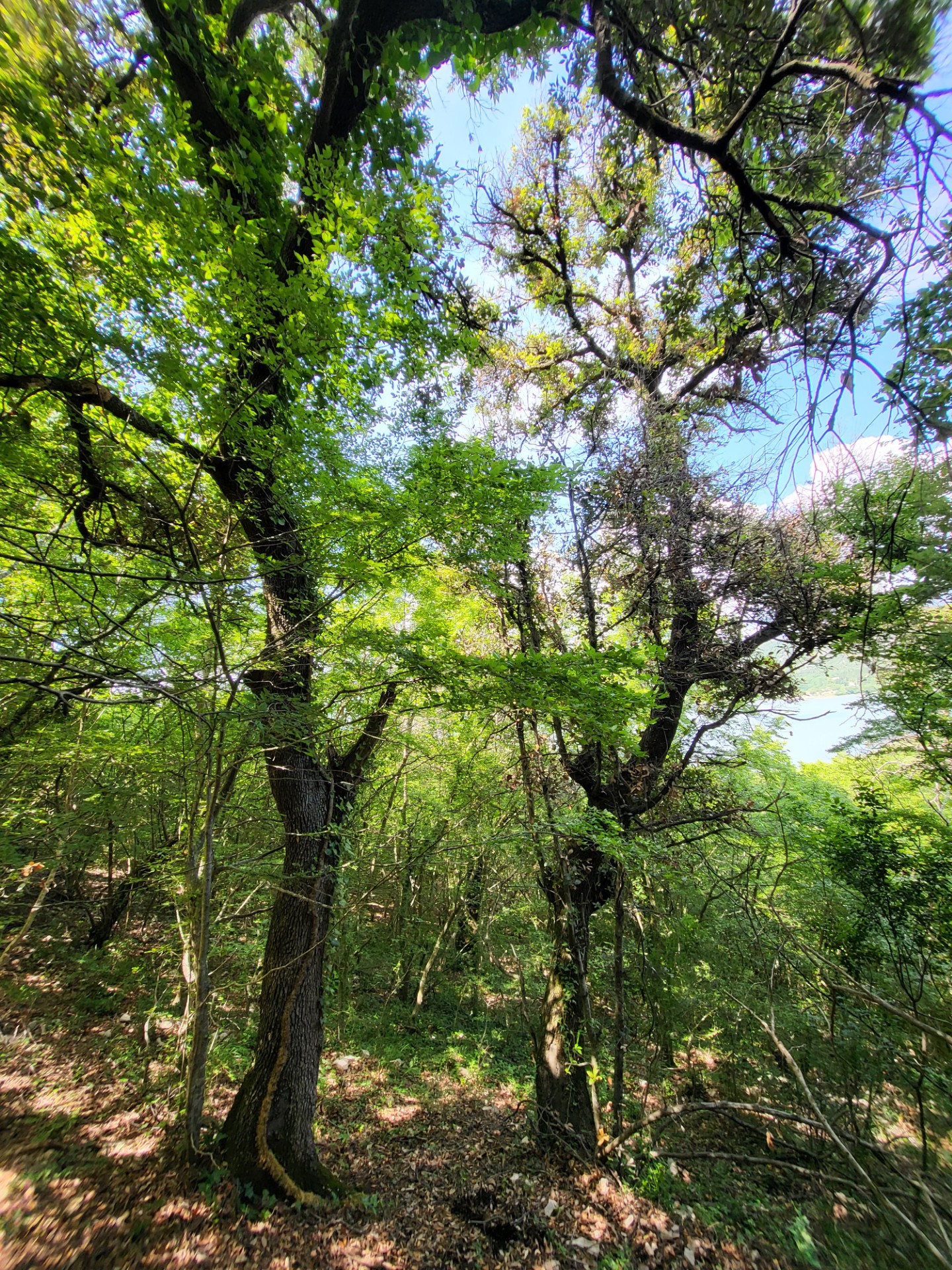

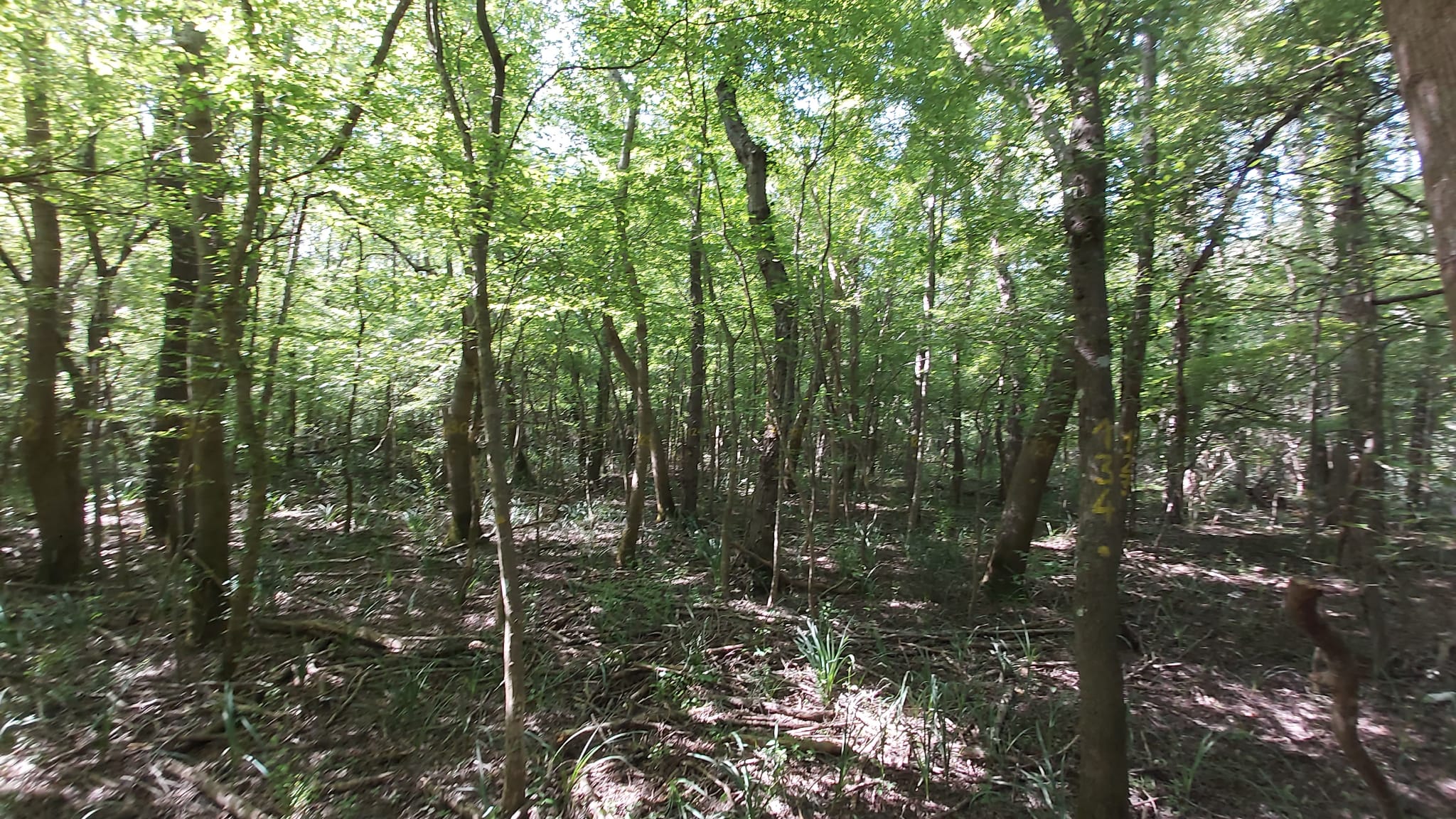
============================================
Post ID: 12522
Post URL: https://www.npkrka.hr/en_US/2025/08/22/dogovoreno-jacanje-suradnje-nacionalnog-parka-krka-i-pcelara-sibensko-kninske-zupanije/
Post Title: Stronger cooperation agreed between the Krka National Park and the Beekeepers of Šibenik-Knin Country
Post Content (HTML preserved):
The Director of the Public Institute of Krka National Park, Nella Slavica, along with associates and presidents of the beekeeping associations, "Pčela" of Šibenik and "Drača" of Knin, held a working meeting on the topic of improving cooperation with beekeepers in the wider area of the Krka National Park, with an emphasis on finding a model according to which local beekeepers will be able to bring their hives into the protected area
It was agreed that, after defining the conditions and methods of “foraging”, beekeepers will be allowed to bring beehives into the area of the Krka National Park. This will allow the preservation of the Park's natural features to be harmonized with the support of the Krka National Park for the local community.
"The importance of preserving bee colonies and the role of beekeepers in this is increasingly emphasized in the context of biodiversity protection. As key pollinators, bees enable the reproduction of many plant species, thereby directly contributing to food security and ecosystem health. In addition, bee products – honey, propolis, wax, pollen, and royal jelly – have been used for centuries for their medicinal properties. Our goal is for the Park to be a partner with the local community in projects that promote biodiversity conservation, sustainable use of natural resources, and the development of entrepreneurship and organic production. Beekeeping is extremely important, not only for the local community, but also for the entire ecosystem, hence I believe that with united forces together we will maintain and preserve this important activity for the future. That is why I am particularly pleased that the next Green Eye festival, which combines art, education, and activism, will be dedicated to beekeeping and biodiversity preservation," emphasized Nella Slavica, director of the Krka National Park.
The Green Eye festival additionally connects the natural and cultural dimensions of the Park, opening space for an even stronger promotion of sustainability and cooperation with the local population. Through joint activities, the Park confirms its role as a partner to the local community, with an emphasis on preserving natural values and encouraging sustainable development, and with the initiative of foraging in the Park, we go one step further.
"The inclusion of beekeepers in foraging initiatives in protected areas is of great importance, so we are very pleased with the fact that new opportunities are opening for the development of beekeeping in synergy with nature preservation. We will be happy to participate in the Green Eye festival, to support it, but also to share the knowledge and experience gained through many years of beekeeping and numerous educational programs. This will be an opportunity to further emphasize the role of bees in sustainable development and involve local beekeepers in discussions and the exchange of experiences," said the president of the Šibenik Beekeeping Association "Pčela", Željko Peran.
In order to strengthen local beekeeping, the Krka National Park has been organizing lectures, workshops, and educational meetings for beekeepers for years, and, for example, several professional lectures and meetings with local residents have been held to date, covering topics such as the Challenges of Modern Beekeeping, Prevention of Bee Colony Diseases, Beekeeping Technologies, and Breeding Queen Bees. Workshops have also been organized in apiaries, along with free honey analyses, and in cooperation with the Open University of Knin, a training program for beekeeping jobs and an ecological beekeeping program were implemented, which was successfully completed by seventeen participants. Thanks to regular training, beekeepers can network, run hives more safely, take care of preserving the health of bees, and improve the quality of their products.


============================================
Post ID: 12578
Post URL: https://www.npkrka.hr/en_US/2025/09/02/analiza-izmjene-vode-u-visovackom-jezeru-i-utjecaj-jezerskog-sustava-na-transformaciju-otjecanja/
Post Title: The analysis of water exchange in Visovac Lake and the influence of the lake system on the transformation of runoff
Post Content (HTML preserved):
The Krka River is characterized by a marked change in its course between river and lakes, which is a consequence of the growth of tufa barriers
The most significant freshwater lake system on the Krka is Visovac Lake, which is a typical canyon lake and also a crypto-depression. In terms of depth, it belongs among deep lakes (deeper than 15 m), and in terms of surface area to medium lakes (with a surface area ranging from 1 to 10 km²).
Given the impact of the exchange of water in Visovac Lake on the lake ecosystem, the hydrological component of these exchanges was considered in the context of this project. The component of water flow through the lake is very pronounced: it is calculated that the theoretical time of water exchange in it is 28 days, that is, that it is changed on an average of thirteen times a year. However, during drier years, such as 1989, the theoretical water exchange time is extended by more than twice (to 64.5 days), which means that it is exchanged an average of 5.7 times per year. On the other hand, during the occurrence of large water waves on the Krka River, the water exchange process in Visovac Lake becomes more dynamic, so that, for example, the calculated exchange time in May 2023 was much shorter – it measured only 12.6 days.
Forecasts of the impact of climate change on the dynamics of water exchange in the lake have also been made. As predicted by the climatic and hydrological models used, it was established that if the mean annual flows decreased by 10%, the water exchange time would increase to 31.4 days, while if they decreased by 20%, it would increase to 35.4 days, and if they decreased by 30%, it would increase to 40.4 days. In such cases, it would be possible to increase the water exchange to almost double the recent values.
The actual water exchange time depends to a great extent not only on the morphology of the riverbed and the hydrological balance of water outflow from it, but also on the lake thermals and the hydrodynamics of the water flow, which is associated with the periodic stratification of lake masses. In seasonal conditions of more pronounced vertical thermal differentiation of water masses, longitudinal water movement occurs predominantly through the epilimnion, which complicates and slows down the exchange of water throughout the entire lake system. Precisely because of the relatively short water exchange time and the pronounced flow of water through it, the epilimnion layer is relatively shallow (2-5 m), and the thermocline layer below it is very extended, which dynamizes the water exchange in the lake. Based on the monitoring conducted, it was confirmed that Visovac Lake belongs to warm monomictic lakes with complete mixing of the entire water mass once a year. In the winter, an isothermal process occurs – the water on the surface of the lake cools to the temperature of the water in the lower layers, so under these conditions, the water in the lake is regularly mixed from the surface downwards, thus refreshing it. This is a very dynamic system with a relatively short theoretical water exchange time, which has a positive impact on changes to a number of other abiotic and biotic factors in this extremely valuable protected water resource.
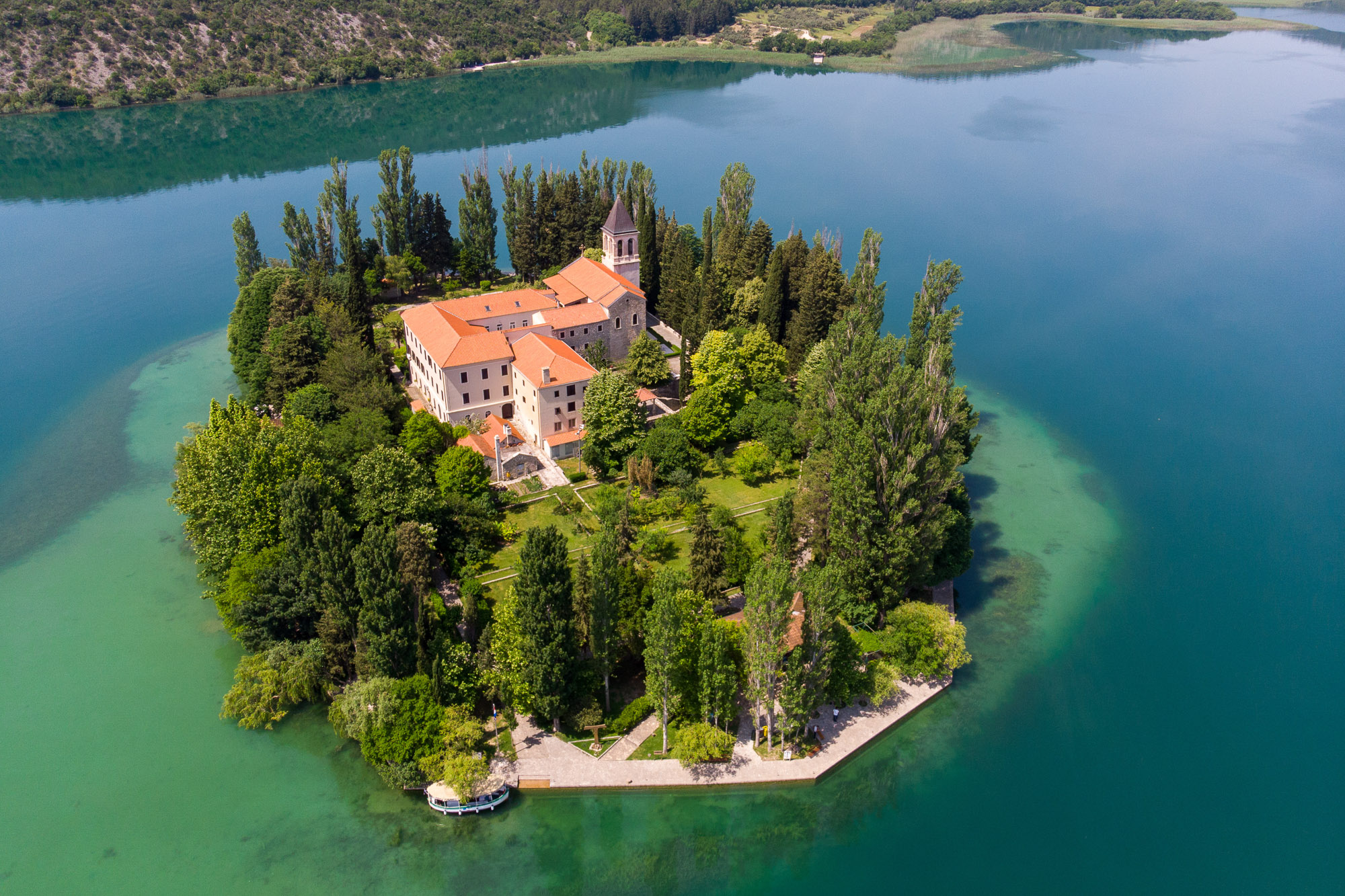
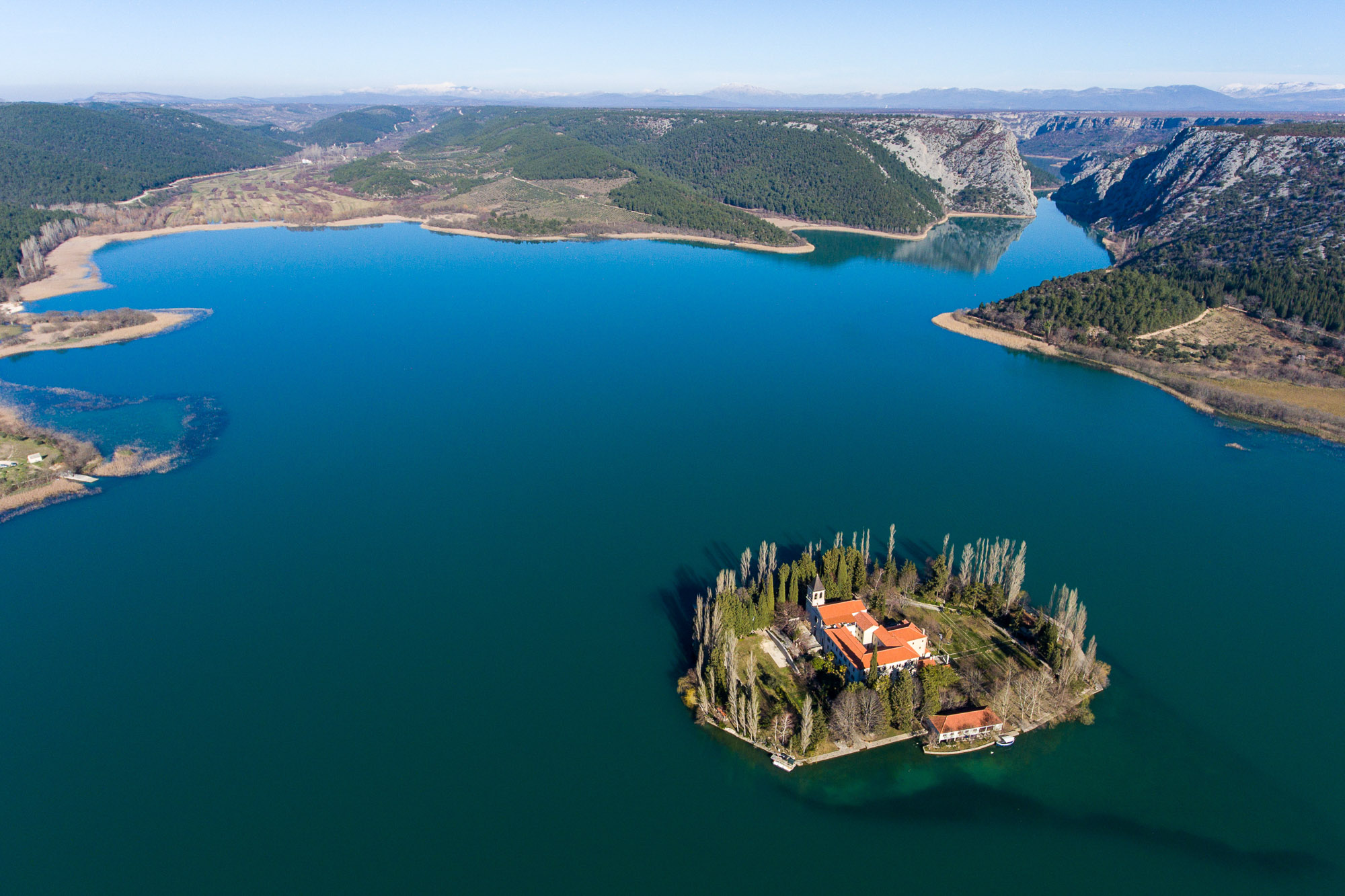
============================================
Post ID: 12596
Post URL: https://www.npkrka.hr/en_US/2025/09/03/krka-nas-povezuje-volonteri-udruzili-snage-radi-ocuvanja-prirode/
Post Title: The Krka connects us: volunteers join forces to preserve nature
Post Content (HTML preserved):
The Krka River Cleaning volunteer program was held from August 22nd to 29th in the Krka National Park
Over the course of seven days, twenty-three volunteers, members of diving clubs, the academic community, and nature lovers from Croatia and the broader region, joined forces to contribute to preserving the features of the Krka River.
The clean-up activity was carried out in several locations: around Lake Brljan, at the foot of the Bilušić Buk waterfall, in the broader area of the Roški Slap waterfall, all the way to the rapids and river streams near Marasovine. To remove the waste, volunteers dived, canoed, and hiked along the banks, and the action was monitored and ensured by members of the Croatian Mountain Rescue Service and the park nature guards. In some parts of the terrain, such as cold and fast streams, or parts covered with branches and logs, the clean-up was particularly demanding, but perseverance and team spirit displayed the full power of volunteerism.
Their stay at the Krka Eco Campus in Puljane provided an opportunity for socializing and education. After the morning activities, the volunteers visited the natural and cultural landmarks of the area, such as the Bilušić Buk , Manojlovački, and Roški Slap waterfalls, the Archaeological Collection, the Temple of Nature and the Spring of Life, Burnum, Skradin, and the Skradinski Buk waterfalls.
They found motivation in their love for nature, the desire to contribute to its preservation, and a sense of community. “We felt proud to be helping the Krka and were honored by the warm welcome and excellent organization”, said the program participants.
The public institution of the Krka National Park would like to thank the volunteers and partner institutions – HGSS [Croatian Mountain Rescue Service] Station Šibenik, DVD [Volunteer Fire Department] Dubravice, HEP – HE {Hydro-Electric Plant] Miljacka, and all those who supported this action. Their dedication and positive energy show how we can preserve nature with our joint efforts.
“We invite visitors and locals to follow their example: the Krka River is the lifeblood of our county and therefore we need to be careful where we dispose of waste, because we are all connected by waterways. Only by acting responsibly can we preserve the purity and biodiversity of this river for the generations to come”, emphasized the director of the Krka National Park, Nella Slavica.
Volunteer programs in the Krka National Park are implemented through the Krka Eco Campus in Puljane, which was developed as an educational and reception center for the inclusion of citizens in actions to protect nature. The programs are based on the Law on Volunteerism, and enable volunteers to participate in environmental conservation, education, and research. This encourages the social, economic, and ecological development of the area as well as the personal and professional growth of volunteers, especially young people.


============================================
Post ID: 12548
Post URL: https://www.npkrka.hr/en_US/2025/08/28/sto-trideseta-obljetnica-prve-hidroelektrane-na-rijeci-krki-izlozba-na-skradinskom-buku/
Post Title: The 130th anniversary of the first hydroelectric power plant on the Krka River – an exhibition at Skradinski buk waterfall
Post Content (HTML preserved):
Exactly 130 years ago today, on August 28, 1895, the Krka hydroelectric power plant was put into operation at Skradinski buk, one of the most significant power plants in the history of energy in Croatia and the world
On this occasion, the Public Institution Krka National Park, in cooperation with the State Archives in Šibenik, has set up an exhibition that will introduce visitors to the historical significance of the undertakings of Ante Šupuk and Vjekoslav Meichsner.
That evening, Šibenik became the first city in the world to have alternating current electric lighting, supplied by the Krka hydroelectric power plant. In addition to public lighting, the electricity from the Krka hydroelectric power plant soon began to be used to power machinery in mills, oil mills, and factories, as well as to light catering establishments and the first households. This created the first complete electric power system in the world based on alternating current, which included the production, transmission, and distribution of electric energy.
“The Krka is not only a natural wonder, but also a place where one of the most important pages of the world's industrial history was written. The electricity produced here 130 years ago changed civilization, and Šibenik at that moment was at the very forefront of technological progress. We are proud that the Krka National Park, in addition to preserving natural features, also cares about the valorization of the cultural and historical heritage, and allows visitors to experience a part of industrial history at the Skradinski buk waterfalls”, emphasized the director of the Krka National Park, Nella Slavica, and added: “Just as the economic boom of Šibenik at the turn of the century was driven by industrial plants on and around the Krka River, today the development of Šibenik and the Šibenik region is based on the protection and preservation of the natural and cultural heritage of the Krka River as the lifeblood of our beautiful county”.
The industrial architecture on the Krka River bears witness to great technological achievements that have changed the way people live. On the recommendation of the Historical Committee responsible for the preservation and promotion of the engineering heritage, the Institute of Electrical and Electronics Engineers (IEEE), on May 20, 2013, included the Krka hydroelectric power plant at Skradinski Buk among the historically most important engineering achievements in the world.
“Today we are not only celebrating an important date from our glorious past, but also the vision and determination of the political leadership of Šibenik at the time, as well as the intellectuals and engineers who had the freedom to do something new and positive. Without the Krka hydroelectric power plant, the development of Šibenik and the entire Šibenik region would not be possible”, said the Šibenik-Knin County Prefect Paško Rakić, and added: “Thanks to this, Šibenik is still successful in the economic context today and has its own perspective in the future. May this courage be a guiding thread for us who bear the executive power, but also for all generations that will come after us.”
Although the old Krka hydroelectric power plant ceased operations in 1913, and the facilities were dismantled during World War I, its remains, still owned by the Šupuk family, can still be seen today at Skradinski Buk, where information panels have been installed.
“At that time, just like today, it was not always easy to accept new ideas. The dominance of alternating current over direct current was a major turning point and therefore was accompanied by great fears. Ante Šupuk displayed courage and introduced the idea to the engineer Meichsner, who accepted it, and in less than two years the Krka hydroelectric power plant was put into operation”, stated Marko Šupuk and added: “The visionary Ante Šupuk was also responsible for many other important achievements, such as the construction of a hospital, but he did not stand still on the political front either, as he saw that Croatian language lessons were introduced into schools. All of this has remained etched in the history of our city, but also beyond”.
The photographic exhibition at the Skradinski buk waterfall is open to all visitors and provides a unique opportunity to learn about the history of the electrification of Šibenik, as well as the role of the Krka River in the development of modern society in Croatia.


============================================
Post ID: 12629
Post URL: https://www.npkrka.hr/en_US/2025/09/15/povoljnije-ulaznice-za-pjesake-i-bicikliste-tijekom-europskog-tjedna-mobilnosti/
Post Title: Krka National Park: cheaper entrance tickets for pedestrians and cyclists during the European Mobility Week
Post Content (HTML preserved):
From September 16 to 22, 2025, visitors who come to the Krka National Park on foot or by bicycle will be able to enjoy its natural features at half the ticket price
At the Skradin Bridge, Stinice, and Roški slap entrances, the ticket price for the entire Park will be 20 euros for adults and 7.50 euros for children aged seven to eighteen. Visitors who decide to visit Roški slap, Burnum, or the Krka Eco Campus in Puljane will be able to purchase a ticket for 10 euros for adults and 6 euros for children.
In this manner, the Krka National Park joins in the celebration of European Mobility Week, which is held every year from September 16th to 22nd across Europe, with the aim of encouraging sustainable movement and protection of the environment. On foot or by bike, the Park can be experienced in a unique way: by walking along the educational hiking trail Skradin Bridge – Skradinski buk, 3.4 km long, or along the Stinice – Roški slap – Oziđana pećina cave trail, 8.5 km long. In addition to being entitled to a discounted ticket price, by choosing this form of transportation, visitors will contribute to the preservation of nature as well as their own health.
This year's theme of European Mobility Week is "Mobility for All", which places emphasis on creating a society in which transport services are affordable, safe, and accessible to everyone, regardless of income, place of residence, or capability. Many people today face transport poverty, i.e. limited access to work, education, or basic services due to a lack of transport options. This is why the European Commission is promoting transport and social policies and solutions that make walking, cycling, and public transport a fair and sustainable choice for all people.
With the support of the European Social Climate Fund, local communities and households have the opportunity to adapt to these changes through accessible and green mobility solutions. Together, we can build a fairer transport system that will turn every journey into a step towards a healthier and greener future.
============================================
Post ID: 12640
Post URL: https://www.npkrka.hr/en_US/2025/09/20/zelena-cistka-u-nacionalnom-parku-krka-volonteri-prikupili-tri-kamiona-otpada/
Post Title: The Green Cleanup in the Krka National Park: volunters collected two truckloads of trash
Post Content (HTML preserved):
This year, the public institution the Krka National Park has once again joined the global volunteer initiative Green Cleanup, the largest environmental cleaning campaign in Croatia
On Friday, September 19, 2025, this cleaning was carried out in the settlement of Goriš, next to the border of the Park.
Volunteers from the Šibenik branch of the Croatian Postal Bank participated in the cleanup, together with employees of the Krka National Park. Together, they collected three truckloads of small and medium-sized household waste, irresponsibly dumped in nature sites. The organizers expressed their gratitude to all participants for their efforts and selfless contributions.
In order to preserve the natural beauty and authenticity of the area, the Park must remind everyone that proper waste disposal is essential. Medium and larger household waste needs to be disposed of appropriately, and in karst areas such as the Krka National Park, the risk is even greater: decomposed waste can reach groundwater through the porous soil. For safe waste collection and disposal, citizens can contact their municipal services, which can provide schedules for free collection or information on emergency disposal.
The Green Cleanup is part of the World Cleanup movement, the world's largest volunteer ecological initiative launched in 2008. Every year, it brings together millions of people in more than 150 countries, under the slogan "One Day. One Planet. One Goal." On the September 20, 2025, volunteers and organizations throughout the world together collected trash from beaches, rivers, forests, and streets. The powerful “Green Wave” of cleaning began in New Zealand, and concluded thirty-six hours later on the Hawaii islands. A million people acted together in this project to achieve a singe goal: a cleaner and healthier planet.


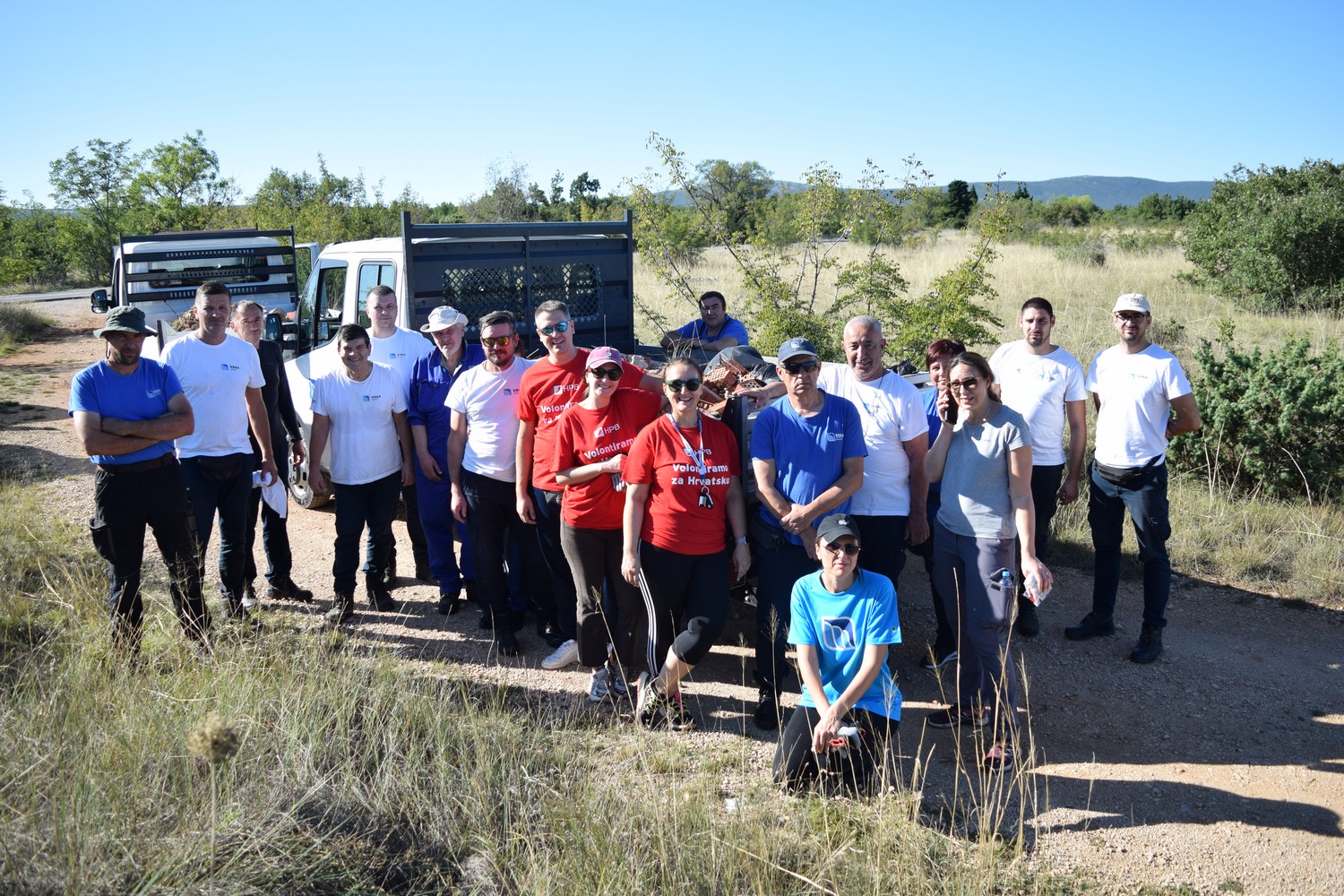
============================================
Post ID: 12679
Post URL: https://www.npkrka.hr/en_US/2025/09/19/cetrdeset-mladih-cuvara-prirode-predano-je-istrazivalo-iznimne-vrijednosti-np-krka/
Post Title: Forty young nature conservationists dedicatedly explored the exceptional features of the Krka National Park
Post Content (HTML preserved):
Junior Rangers from Croatia and Latvia, and scouts from Finland, gathered in the Krka National Park to get to know each other and to exchange knowledge and experiences in the mission of preserving nature and the environment.
The final conference of the Erasmus+ project "Raising Environmental Awareness among Young People from Protected Areas", fully funded by the European Union, held from the 15th to 19th September 2025 in the Krka National Park, brought together true nature lovers and their leaders.
The topic of the final conference was the presentation of the results of the two-year project. Young people from three countries who actively participated in the work of their protected areas got to know each other, exchanged knowledge about the natural features of individual national parks, and agreed to set up mutual networking. The conference programme also included specially designed workshops aimed at interactive learning and mutual networking of young nature conservationists/junior rangers. Over the course of five days, with expert guidance, and thanks to, among other things, hiking routes and an electric boat excursion, they were introduced in detail to the features of the Park, from the Krka Eco Campus, to the Skradinski buk waterfall, and also the nearby city of Šibenik.
"This was an unforgettable experience, meeting other young nature rangers, socializing, exploring, having fun learning, and all with lots and lots of laughter. We are very proud that we were able to show the wonders of our region to young people from Latvia and Finland, who, to put it mildly, were delighted. They especially liked our nature, long walks along the Krka River, but also our traditional heritage. We taught each other to dance traditional dances," said the young nature rangers of the Krka National Park and further stated: "We are happy that the Krka National Park invited us to be part of this program and that we are the first junior rangers in Croatia. We hope that there will be even more of us and that we will be able to continue in the programme when we are high school students. The workshops are phenomenal, and the socializing represents a wonderful adventure full of memories. A better understanding of nature has opened a new chapter in our lives. We are grateful to our wonderful leader and really proud of our group of young nature rangers!"
The project objectives* have been achieved, and all project activities have been implemented. Three study trips and workshops with young people have been held, an art competition has been held, and a visual project has been designed, a manual for implementing the Junior Ranger programme with the associated methodology has been written, a cooperation agreement has been concluded with the Europarc Federation, the first Croatian Junior Ranger group of young nature guardians has been established, a Croatian logo has been created in accordance with the Europarc standards, a final conference has been organized, and all the assigned project visibility parameters have been met. However, the most important result of the project is that making a connection with nature will enable young people to be better students, wiser rangers, and more conscientious advocates for the protection of nature in adulthood.
* Activities within the project “Raising Environmental Awareness among Young People from Protected Areas” (2023-3-LV02-KA210-YOU-000170610) will be carried out from 1 February 2024 to 31 January 2026. The total value of the project is 60,000.00 euros, which is fully financed by the European Union. The project leader is the Ķemeru nacionālā parka fonds from Latvia, and the project partners are the Gaujas nacionālā parka fonds from Latvia, Kehittämisyhdistys Sepra ry from Finland, and the Krka National Park. The objectives of the project are to inform young people about climate change, strengthen their awareness of the need to preserve nature and the environment, have them participate in activities within the project, and exchange their experiences through joint platforms of protected areas in the countries that are partners in the project, and to develop a system of motivating young people to participate in environmental protection, their networking, and exchange of ideas.

The project is co-financed by the European Union. The content of this material is the sole responsibility of the Krka National Park.


============================================
Post ID: 12783
Post URL: https://www.npkrka.hr/en_US/2025/10/09/nastavak-uspjesne-suradnje-nacionalnog-parka-krka-i-udruge-sibenske-sape/
Post Title: The continuation of successful cooperation between the Krka National Park and the Šibenik Paw Association
Post Content (HTML preserved):
Abandoned animals deserve a chance at a better life
The Public Institute of Krka National Park and the Šibenik Paw Association will again sign a cooperation agreement this year, continuing their joint initiative to encourage the adoption of abandoned dogs and cats and promote a responsible attitude towards animals. The cooperation has been continuing for the third year in a row.
On the basis of the agreement, every person who adopts an animal cared for by the Šibenik Paws Association is entitled to a free one-year membership in the Friends of the Krka Club. Membership includes numerous benefits, including free entrance to the Krka National Park throughout the year, allowing adopters to enjoy the natural features of the Park in the company of their pets.
"This collaboration has proven to be extremely successful because it not only encourages the adoption of animals, but also raises awareness of the need for their protection. We are proud that through joint actions we are contributing to creating better conditions for abandoned dogs and cats," emphasised Nella Slavica, director of the Krka National Park.
On the occasion of World Animal Protection Day, which is celebrated on 4 October, the Krka National Park and the Šibenik Paws Association are organising a joint event on Saturday, October 11, 2025, from 10 am to 1 pm on the green area in front of the Azimut Club in Šibenik.
The programme is designed to educate, entertain, and encourage citizens, especially children, to think about the importance of protecting animals and nature in general.
Employees of the Krka National Park will hold a workshop for children, with a creative table featuring educational materials (children's leaflets, coloring sheets) and an information desk about the Park. Visitors will be able to learn more about the natural features of the Krka, while treats will be prepared for their dogs. The Šibenik Paws Association is organising a quiz for children on the topic of animal protection, and the most successful participants will receive suitable gifts.
The joint activities of the Krka National Park and the Šibenik Paws Association continues the successful example of cooperation between state institutions and the civil sector in promoting animal protection. This initiative invites citizens to become involved and provide a home for abandoned animals, thus contributing to the creation of a more humane society — while enjoying the natural beauty of the Krka National Park as members of the Friends of the Krka Club.


============================================
Post ID: 12818
Post URL: https://www.npkrka.hr/en_US/2025/10/16/nacionalni-park-krka-osvojio-broncanu-nagradu-za-odrzivi-kulturni-turizam/
Post Title: Krka National Park wins the bronze medal for sustainable cultural tourism
Post Content (HTML preserved):
Krka National Park receives new international recognition
At the awards ceremony of the European Cultural Tourism Network (ECTN), held in Sibiu, Romania, the Public Institute of Krka National Park was awarded the bronze medal in the category “Resilience in sustainable cultural tourism destinations” for its project “Cultural heritage as a key component of sustainable development at Krka National Park”.
This recognition confirms the importance of cultural heritage as a fundamental part of sustainable development, and places Krka National Park amongst the best ranked European cultural tourism destinations.
“This award is great recognition for all our staff and associates who work tirelessly to preserve the natural and cultural heritage of the Krka River. Thank you to all of those who have worked and supported us in ensuring that the Krka remains a place where nature and culture can live together in harmony,” stated Nella Slavica, director of the Public Institute of Krka National Park.
The project that brought the Park this award highlights cultural tourism as a key determinant in sustainable development, and a tool that facilitates achieving a more balanced spatial and temporal distribution of visitors. The aim is to preserve and validate heritage, and reduce visitor pressures on the Park’s most visited locality – Skradinski buk; instead, redirecting visitors towards the upper reaches of the river that abound in cultural and historical content. This supports the preservation of heritage and the development of the local community in those areas, securing sustainability.
Some of the most significant examples of the validation of cultural heritage are seen at the Burnum archaeological site, home to one of the best preserved Roman military amphitheatres in Croatia. Artefacts unearthed at this site are on display in the Archaeology Collection of the Krka Eco Campus in Puljane. Through the event called Burnum Ides, the Park revives the ancient Roman period through demonstrations of the life, arts and crafts of that time.
An important cultural segment in the Park is the restoration of the water mills at Skradinski buk, where old crafts such as milling wheat, smithing, and weaving are displayed. Here we also find the remnants of the Krka hydropower plant, which was the first to provide artificial lighting to a city (Šibenik) in 1895, based on the patent of Nikola Tesla.
The Park also nurtures its intangible heritage, such as the traditional skills of processing cloth and preparing food, which is presented through various workshops, training sessions, and documentary films. The series entitled “Kad se sjetim Krke” [When I remember the Krka], that tells the stories of people along the river and their customs, won international acclaim, including the Intermedia Globe Gold award in Hamburg.
The results of the project “Cultural heritage as a key determinant of sustainable development of Krka National Park” confirms the project’s quality, with nearly 45 thousand tickets for the upper and middle river course sold in 2024, an increase of 167% over 2015. Cultural events such as the Burnum Ides and Krka Fest attract more than 10 thousand visitors each year. According to a survey conducted by the University of Šibenik, 76% of visitors listed cultural heritage as their primary motive for visiting the Park.
Each year since 2014, the European Cultural Tourism Network in cooperation with Europa Nostra, European Travel Commission and NECSTouR, has held an awards ceremony to recognise the best European practices in sustainable cultural tourism. The recognition awarded to Krka National Park is further confirmation that it has successfully combined natural and cultural heritage, and that the Park is among the most sustainable cultural tourism destinations in Europe.


============================================
Post ID: 12847
Post URL: https://www.npkrka.hr/en_US/2025/10/21/projektni-sazetak/
Post Title: Projektni sažetak
Post Content (HTML preserved):
The Mosaic of LIFE aims to implement the restoration activities and enhance the conservation status of 4 Natura 2000 target bird species and 4 grassland habitat types across 8 Natura 2000 sites in Central Dalmatia, Croatia
The primary challenge addressed by the project is the widespread bush encroachment on grasslands due to the abandonment of traditional agricultural practices, leading to the degradation of habitats. Through the implementation of large-scale restoration activities, including the mechanical removal of woody vegetation, prescribed burning, and the promotion of traditional grazing practices, the project seeks to perform restoration activities on at least 560 ha of grasslands and improve the management of an additional 1020 ha. These efforts are expected to increase the target habitats conservation status and population of the target bird species and contribute to the resilience of the landscape against climate change. A key aspect of the project is the development of Recommendations for preserving landscape mosaicism, ensuring that future spatial planning and land management take into account the needs of the target species and habitats. These recommendations will be integrated into Natura 2000 management plans, ensuring long-term sustainability. The aims to engage a wide range of stakeholders, including local farmers, forestry managers, firefighters, and public institutions, fostering collaboration and ensuring the continuity of restoration activities beyond the project’s lifespan. Additionally, the project will promote awareness of the importance of mosaic landscapes, traditional agricultural practices, and EU biodiversity policies among local communities and the general public. By combining top-down policy advocacy with bottom-up community engagement, the Mosaic of LIFE project aims to create a resilient, biodiverse landscape that supports both nature and local livelihoods, serving as a model for similar initiatives in the Mediterranean region.
============================================
Post ID: 12863
Post URL: https://www.npkrka.hr/en_US/2025/10/22/pracenje-organskog-opterecenja-visovackog-i-brljanskog-jezera/
Post Title: Monitoring organic loading of Visovac and Brljan Lakes
Post Content (HTML preserved):
During 2024 and 2025, the Ruđer Bošković Institute conducted research on Visovac and Brljan Lakes
The research results indicate a significant increase in organic loading in Visovac Lake in comparison with Brljan Lake. Concentrations of dissolved organic carbon were 2.5 mg/L in Visovac Lake, and 1.6 mg/L in Brljan. Visovac Lake showed pronounced stratification, while Brljan Lake did not. During the summer months, the deeper layers of Visovac Lake recorded anoxic conditions, which significantly impacts the chemical and biological processes within the lake. Statistical analysis highlighted the nitrogen compounds, particularly nitrate, as important parameters that describe the trophic and ecological condition of Visovac Lake.
Cyanobacteria, an important component in primary production, was present in the water column of Visovac Lake, but not in Brljan Lake. The appearance of anoxia significantly impacted the composition of the microbial community in Visovac Lake. This was seen with the appearance of biofilm of Chloroflexota, an indicator of reductive conditions and anoxia in the deeper substrate layers in the lake.
Due to differences in the microbial community compositions, the primary metabolic pathways also differ: phototrophy is dominant in Visovac Lake, while aerobic chemoheterotrophy is dominant in Brljan Lake.
============================================
Post ID: 12856
Post URL: https://www.npkrka.hr/en_US/2025/10/24/predstavljanje-projekta-mosaic-of-life/
Post Title: Presentation of the project “Mosaic of LIFE”
Post Content (HTML preserved):
The first public presentation of the project “Mosaic of LIFE” will be held at the Krka Eco Campus in Puljane on Tuesday, 28 October 2025, starting at 10 am
The mosaic of Mediterranean landscapes was formed over a millennium of the presence of people and their livestock in this karst area. This is an intertwining of the cultural heritage and an area exceptionally rich in biological diversity, which is becoming increasingly threatened by reductions in traditional agriculture and animal husbandry, and the consequent overgrowth of grasslands and agricultural land.
It is this unique natural and cultural heritage that is the focus of the five-year project entitled “Mosaic of LIFE”, launched by the Biom Society and partners. Over the next five years, restoration activities will be conducted on at least 560 hectares of grasslands, with improved management on an additional 1020 hectares. Habitat restoration includes the mechanical removal of woody vegetation, controlled and supervised burning, and most importantly, promotion of traditional grazing practices. The livestock that has grazed here for centuries are most responsible for creating and maintaining this unique landscape.
The introductory part of the presentation includes words of welcome from the organisers and partners, with a detailed presentation of the project, focusing on planned activities and expected results. This will be followed by a panel discussion with project partners, during which participants can exchange experiences and discuss opportunities for cooperation and the application of project results in practice. The presentation will conclude with a reception at the Krka Eco Campus.
The presentation is intended for representatives of the local community, institutions, farmers, scientists, and everyone interested in topics of natural conservation and sustainable development.
________
The project "Mosaic of LIFE" is valued at EUR 4,850,315.57 and is cofinanced by the LIFE Programme of the European Union, Office for Associations of the Government of the Republic of Croatia, and the Environmental Protection and Energy Efficiency Fund. The project is led by the Biom Society (project leader); Krka Ecological Society in Knin; University of Zagreb, Faculty of Agriculture; Public Institute of Krka National Park; and the Fire-fighting Association of Split-Dalmatia County, while partners are the Ministry of Environmental Protection and Green Transition, Department for Environmental Protection and Nature; Ministry of Agriculture, Forestry and Fisheries; Public Institution More i krš, and the Public Institute Priroda of Šibenik-Knin County.
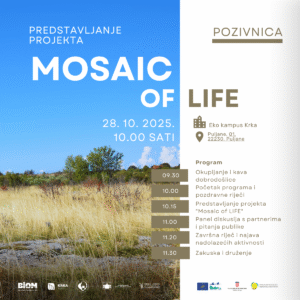
============================================
Post ID: 12892
Post URL: https://www.npkrka.hr/en_US/2025/10/30/ministry-of-science-education-and-youth-verifies-two-new-workshops-of-the-public-institute-of-krka-np/
Post Title: Ministry of Science, Education and Youth verifies two new workshops of the Public Institute of Krka NP
Post Content (HTML preserved):
The Ministry of Science, Education and Youth has verified two new educational workshops of the Public Institute of Krka National Park: “Thread by Thread to an Apron” and “Forest Workshop” in the area of extracurricular activities for children of preschool age, and pupils in Šibenik-Knin County
This brings the number of verified workshops of the Public Institute of Krka National Park up to seven, making this the leading institution among protected areas in Croatia when it comes to educational programmes.
Previous verified workshops are: “Let’s Give More for the Bats”, “I Feel Like Wearing Green”, “3R”, “Mini/Little Rangers”, and “The Magical World of Dragonflies”. All workshops are designed and implemented by the staff of the Public Institute of Krka National Park, transferring their knowledge, love of nature, and awareness of the importance of its conservation to children.
The educational programmes of the Public Institute of Krka National Park are intended for all ages, from preschool children to secondary school pupils, and are free for all preschools and schools in Šibenik-Knin County. The programmes are carried out with the recommendation of the Ministry of Science, Education and Youth, based on the expert opinion of the Education Agency, which has highlighted the value of their contribution to the fundamental competencies of pupils and acting responsibly towards nature.
The workshops and lectures are divided into three groups by age: preschool, primary school, and secondary school. For the youngest, workshops are play-based on focus on plants, animals, and nature conservation, while for older children the content is interactive, with experiments and expert guides.
The workshop “Thread by thread to an Apron” nurtures the tangible heritage through familiarisation with the traditional weaving craft. Learning about the significance of sheep farming and the uses of wool, children learn about the process of making woollen cloth, from sheep shearing and washing the wool, to weaving on child-sized looms and making decorations. “Forest Workshop” offers children a true first-hand experience of nature and forests, in the centuries-old pubescent oak forest at the Stinice location. Through activities such as identifying the bark of different tree species, exploring the microworld of insects, and identifying the smells and sounds of nature, children develop a sensory connection with the environment and an understanding of natural processes.
From 2008 to 2024, a total of 1098 workshops have been held by the Public Institute of Krka National Park, with more than 29,000 children participating. In 2024 alone, 160 workshops were held for 3107 children.
“We are proud of this great interest, and even more of the benefits that arise from our activities, both for the children acquiring new knowledge, and for nature that is viewed through different eyes,” stated Nella Slavica, director of the Public Institute of Krka National Park.
An important segment of the educational activities of the Institute is the project “Filling School Libraries”, launched in 2007 with the aim of donating books to primary and secondary schools in Šibenik-Knin County. In addition to familiarising children with the nature and cultural heritage of the park, this project also aims to stimulate a love of reading and learning about nature.
The Public Institute of Krka National Park has also been recognised for its adaptability: during the pandemic, the institute quickly introduced online workshops and DIY videos posted on the park’s YouTube channel, to enable children to continue learning and creating at home. The channel also includes educational films such as “Look, the Krka” and “When I Think of the Krka”, which are useful for teachers and other educational personnel.
Park staff regularly take part in numerous events organised by preschools, schools, societies, and the local community, especially those intended for children. Special attention is given to ensuring uniform access to each school and age group: they enjoy visiting schools full of children just as much as they enjoy coming to a class with only a single pupil.
The Public Institute of Krka National Park has continued to develop educational content that connects nature, culture and education, to promote a responsible and sustainable relationship with the environment, and thus confirming that this is an example of good practices in Croatia.


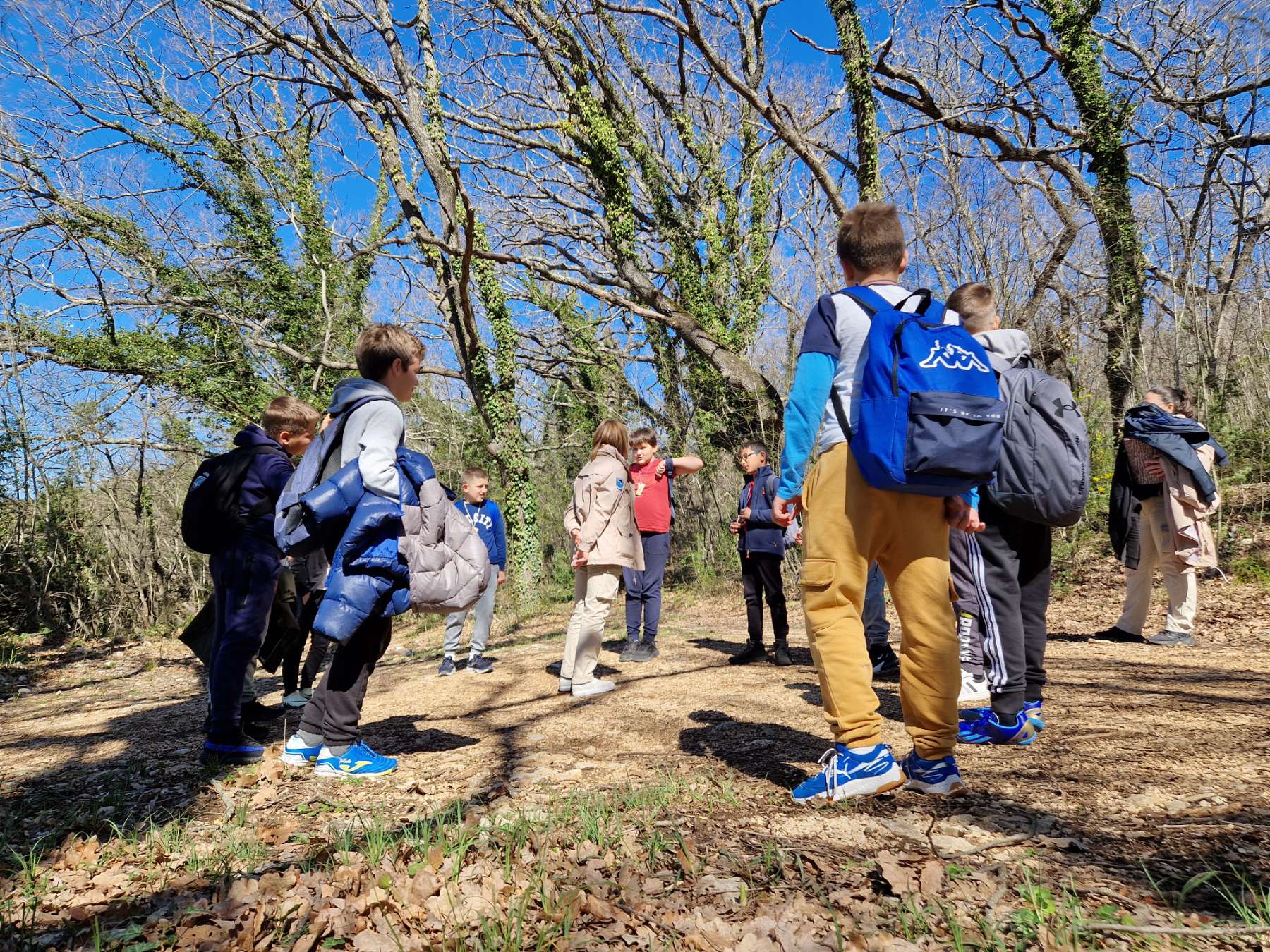


============================================
Post ID: 12911
Post URL: https://www.npkrka.hr/en_US/2025/10/30/krece-petogodisnji-projekt-obnove-mozaicnog-mediteranskog-krajolika/
Post Title: Launch of a five-year project to restore the mosaic Mediterranean landscape
Post Content (HTML preserved):
At the Krka Eco Campus, the Biom Society and partners presented the “Mosaic of LIFE” project, which will focus on restoring more than 560 hectares of grassland in the areas of the Krka and Cetina Rivers, Mt. Svilaja and Mt. Dinara over the next five years
The five-year “Mosaic of LIFE” project is dedicated to restoring the mosaic of Mediterranean landscapes and preserving threatened grassland bird species. This landscape, shaped over thousands of years in coexistence between humans and livestock in the karst landscape, is a unique combination of grasslands, forests, thickets, agricultural lands, and settlements. The abandonment of traditional agriculture and livestock farming has resulted in the overgrowth of these grasslands, and the loss of biological diversity.
The presentation was opened by project leader Tomislav Hudina from the Biom Society, who gave a detailed outline of the project “Mosaic of LIFE” with an emphasis on the project work packages, activities, and targets. He highlighted the cooperation with the local community and partner support as key conditions for project success.
“The project 'Mosaic of LIFE' is intended to show that nature conservation can work alongside human activities. We are focused on the mosaic nature of the landscape, restoration of grasslands, and cooperation with the local community, so as to preserve threatened species and habitats in the areas of the Krka and Cetina Rivers, Mt. Svilaja and Mt. Dinara. Over the next five years, we will carry out a number of activities in cooperation with local and regional self-government units, farmers and livestock holders, hunters, hikers, and all those who love this region,” stated Tomislav Hudina, project leader.
Following were presentations by project partners, who presented their roles and upcoming activities. Nella Slavica, director of the Public Institute of Krka National Park, spoke of the importance of the project for preserving the mosaic of habitats within the protected areas. Inga Kukolj from the Krka Ecological Society in Knin spoke of the importance of including the local community, especially livestock holders, and the many educational activities to soon begin. The fire commander of Šibenik-Knin County, Ivan Kovačević, spoke of the role of fire-fighters, strengthening their knowledge through training, and the role of controlled burning. Hrvoje Kutnjak from the Department of Agriculture, University of Zagreb presented the scientific component of the project, and the use of innovative methods in grassland conservation.
“We are truly proud to be part of this valuable project in nature conservation, and the sustainable development of our community. We are honoured to give our contribution over the next five years, to ensure successful implementation, and that at the end of the project, we have truly useful results that can serve as an example of good practice,” said Inga Kukolj from the Krka Ecological Society in Knin.
During the five-year project “Mosaic of LIFE”, at least 560 hectares of grassland will be restored, and management improved on an additional 1020 hectares. The aim is to increase the number of nesting pairs of Eurasian stone curlew, greater short-toed lark, calendra lark, and tawny pipit, to strengthen animal husbandry, restore wells and ponds, and to develop the first result-based measures for grasslands in Croatia. The project also includes education and awareness raising about the importance of grasslands, and the promotion of local products and services. The project “Mosaic of LIFE” will continue the activities of the project “Dinara back to LIFE”, transferring the acquired knowledge and good practices throughout the Dalmatian region.
As part of the project, Recommendations for preserving mosaic landscapes will be drafted, and then included in the official management plans for the Natura 2000 network. This will ensure long-term sustainability of the results through spatial planning and land management at the regional level.
In addition to the Biom Society as the project leader, the project partnership includes the Krka Ecological Society in Knin; Faculty of Agriculture, University of Zagreb; Public Institute of Krka National Park, and the Fire-fighting community of Split-Dalmatia County. The associate partners are the Ministry of Environmental Protection and Green Transition, Department of Environment and Nature Protection; Ministry of Agriculture, Forestry and Fisheries; Public Institute More i krš, and the Public Institute Priroda of Šibenik-Knin County.
________________
The project “Mosaic of LIFE” is valued at EUR 4,850,315.57 and is co-financed with funds of the LIFE programme of the European Union, Office of Associations of the Government of the Republic of Croatia, and the Environmental Protection and Energy Efficiency Fund. The project is implemented by the Biom Society (project leader), Krka Ecological Society in Knin; Faculty of Agriculture, University of Zagreb; Public Institute of Krka National Park, and the Fire-fighting community of Split-Dalmatia County. The associate partners are the Ministry of Environmental Protection and Green Transition, Department of Environment and Nature Protection; Ministry of Agriculture, Forestry and Fisheries; Public Institute More i krš, and the Public Institute Priroda of Šibenik-Knin County.


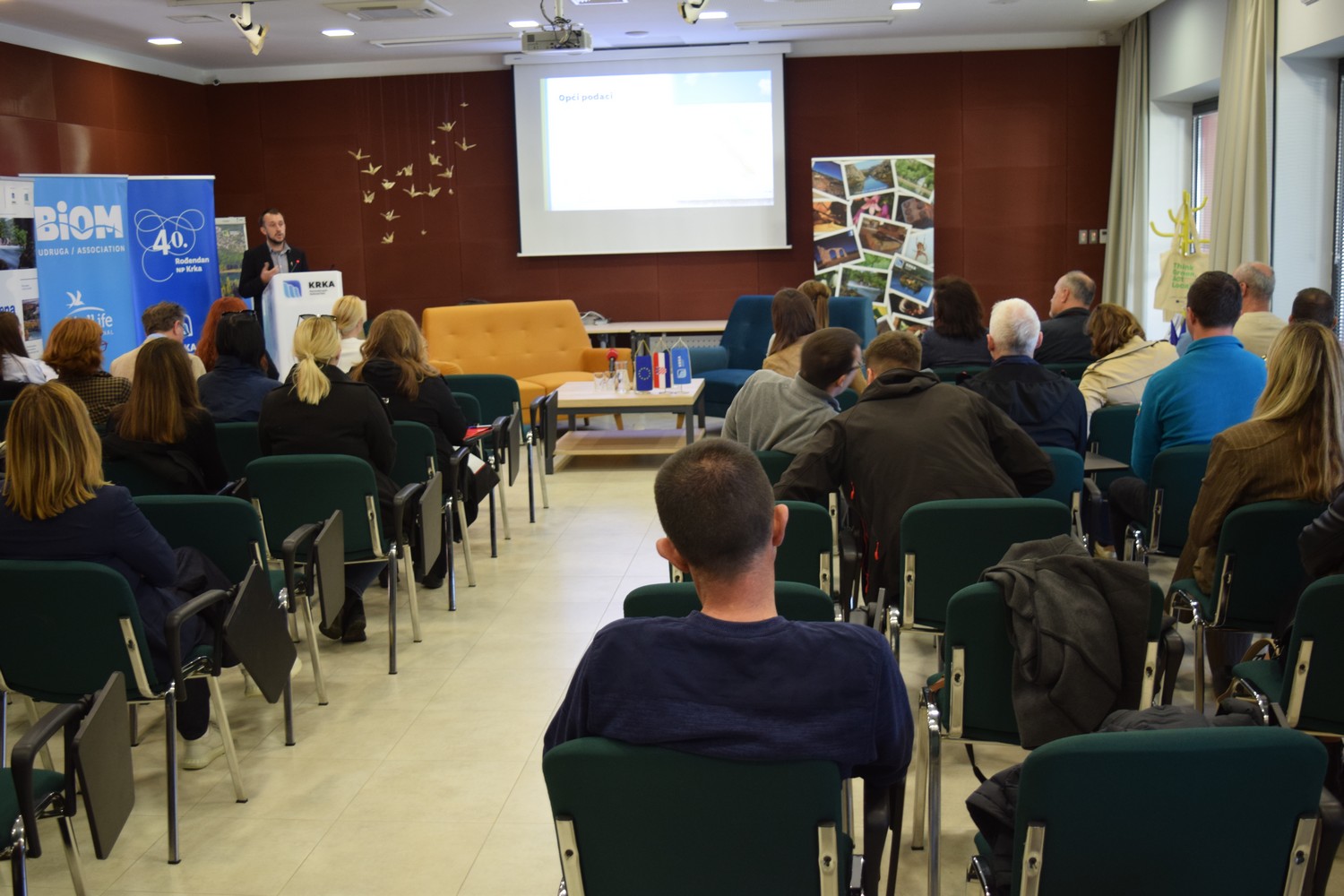


============================================
Post ID: 12966
Post URL: https://www.npkrka.hr/en_US/2025/11/06/jesenski-odmor-u-srcu-prirode-hostel-titius-i-nacionalni-park-krka-po-nizim-cijenama/
Post Title: An autumn getaway in the heart of nature – Hostel Titius and Krka National Park at discounted prices
Post Content (HTML preserved):
Autumn on the Krka brings peace and the opportunity for a unique getaway in the heart of a national park
Discover all the diversity of this area, through the special package Discover the Krka in Autumn, which includes accommodation in the Hostel Titius at the Krka Eco Campus in Puljane.
Designed for couples, families, and groups who are looking to combine a getaway with education and exploration, these packages include a two-day stay at the Hostel Titius and a tour of the most famous localities in the Park - Skradinski buk, Roški slap, Burnum and Manojlovac, with a tour of the Krka Eco Campus.
The package price for two persons is EUR 47 per person, while a four-person group can enjoy the same experience at just EUR 39 per person.
Situated in the heart of the Park, Hostel Titius offers comfortable and accessible accommodations with views of pristine nature, in the direct proximity of the educational content, making it the perfect spot for an autumn or winter visit to the Park, and a starting point for getting to know all of Krka National Park.
Seven euros a day in the natural paradise of Krka National Park
From 1 November 2025 to 31 March 2026, visitors can explore Krka National Park at winter rates – of just EUR 7 for adults and EUR 4 for children.
In this period, the Park offers peace and quiet far from the summer crowds, and the scenes of the waterfalls and the river in the golden shades of autumn provide an unforgettable experience. If you plan your trip well, in one day you can visit Skradinski buk and Roški slap as the two most popular sites in the Park, and see the educational, interactive and entertainment centres in the upper course: Krka Eco Campus in Puljane and the Krka - well of life Nature Interpretation Centre in Kistanje, which uses multimedia content to demonstrate to visitors just how important water is for nature and humans.
This autumn and winter, take home the loveliest souvenir from the Krka
Among the many viewpoints, walking trails, cycling routes, and waterfalls you will pass by, there is much more to make your experience in nature unforgettable. Until 18 November, the boat from Skradin to Skradinski buk is in operation and is included in the Park entrance ticket, while boat excursions to Visovac Island and Roški slap are available at an additional charge. In addition to experiencing nature, Krka National Park offers its visitors the opportunity to take home local souvenirs, available at the Skradinski buk souvenir shop, situated in the restored watermills. Visitors can choose from a wide selection of souvenirs that combine tradition with modern design. The watermill itself is an experience: filled with the smells of wood and the sounds of water, it has become a small gallery that offers local heritage products. The three souvenir shops at Skradinski buk have different thematic collections: textile products, ethnographic items, and classical souvenirs.
Easily accessible and open year round
Krka National Park is open year round, except for 25–26 December. The winter hours of operation are from 9 am to 4 pm. The Park is situated off the A1 motorway via the exits Skradin and Šibenik. The main Park entrance at Lozovac is the best place to quickly access the best known areas of the Park.
More information about packages, tickets, hours of operation, and events at Krka National Park are available on the official Park website and social media.


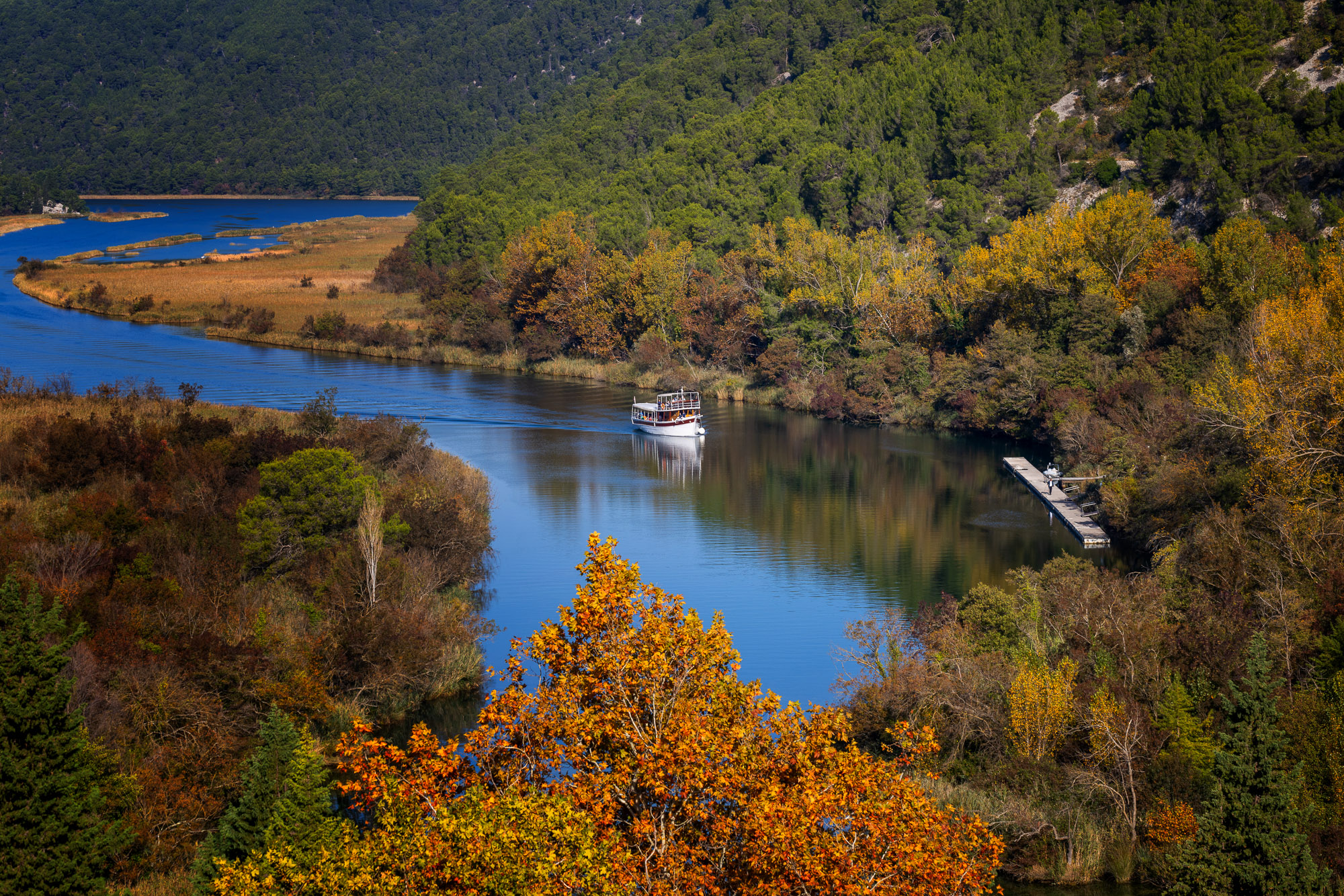


============================================
Post ID: 12991
Post URL: https://www.npkrka.hr/en_US/2025/11/13/istrazivanje-istocno-submediteranskih-suhih-travnjaka-reda-scorzoneretalia-villosae-kovacevic-1959-natura-2000-kod-62a0-na-podrucju-np-krka/
Post Title: Research of Eastern Sub-Mediterranean dry grasslands of the order Scorzoneretalia villosae Kovačević 1959 (NATURA 2000 code 62A0) in Krka NP
Post Content (HTML preserved):
Grasslands of the order Scorzoneretalia villosae (NATURA 2000, code 62A0) are a threatened habitat type and their conservation is of both national and European significance
These are habitats of exceptional biodiversity, with numerous taxa of orchids, endemic species, threatened and strictly protected species. They are also the reason why Krka National Park was designated and Important Plant Area (IPA).
The Public Institute of Krka National Park conducted research on these grasslands over two vegetation seasons (2024 and 2025). A total of 140 phytocenological relevés were collected, and a total of 333 taxa recorded. An analysis of the relevés shows that the majority of the dry grassland surface in the park is dominated by grasslands of the association Chrysopogono grylli-Koelerion splendentis Horvatić 1973, with communities of rocky grasslands of Festuco-Koelerietum splendentis and grasslands of the association Bromo erecti-Chrysopogonetum grylli Horvatić 1934. This association also includes stands with sage that is intermittently found in the southern part of the Park.
The association Scorzonerion villosae Horvatić ex Kovačević 1959, including the sub-Mediterranean dry grasslands in deep soil, has been recorded alongside grasslands of the association Dichanthio ischaemum-Cleistogenetum serotinae Trinajstić ex Poldini 1975, which are found sporadically in the Park and cover only a small area, while heterogenous pioneer communities cover a larger area and are dominated by marvel grass (Dichanthium ischaemum (L.) Roberty). Significant areas in the Park (particularly around Konjevrate, in Ivoševci, and around Burnum) are covered by grassland vegetation dominated by the grass species Dasypyrum villosum (L.) P.Candargy, which has not been studied in detail in Croatia.
The flora of the dry grasslands of Krka National Park is composed of 333 taxa, and in terms of life forms, the therophytes (35.74%) and hemicryptophytes (34.23%) are most prevalent. The flora includes 28 endemic species (7.32%), seven threatened species (two listed as endangered (EN) and five as vulnerable (VU)) and 40 strictly protected species at the national level. Some 20 taxa of orchids (Orchidaceae) have also been recorded).
The research conducted shows that the state of the dry grasslands in Krka National Park is concerning, as the grassland surfaces are continuously diminishing. Due to the reduction or absence of grazing and mowing, these grasslands grow into thickets (juniper stands) and low and open thickets of common oak and hornbeam. In the southern parts of the Park, large areas that were once dry grasslands have today become overgrown and developed into Aleppo pine stands, which spontaneously spread, particularly after fire events. The most significant large grassland areas have been recorded in the area around Lozovac (alongside Punčka draga), between Ključ and Nos Kalik by the Čikola Canyon, in the broader area of Bogatić, and in the northern part of the Park in the area between Zelići and Marjanovića torovi (Ljubač).
With the aim of preserving these grasslands, the Public Institute of Krka National Park has become a partner in the five-year project Mosaic of LIFE. Through the project, woody vegetation, particularly juniper (Juniperus sp.) will be removed from grassland areas, livestock grazing will be encouraged, and public awareness raised as to the importance of preserving these exceptionally valuable habitats.
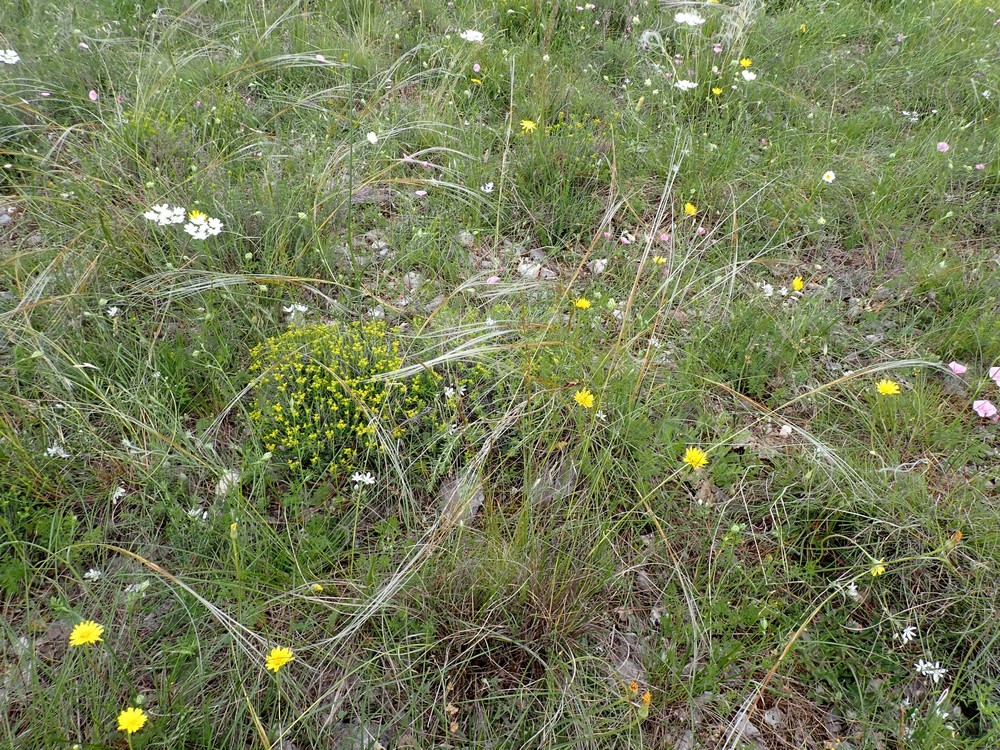
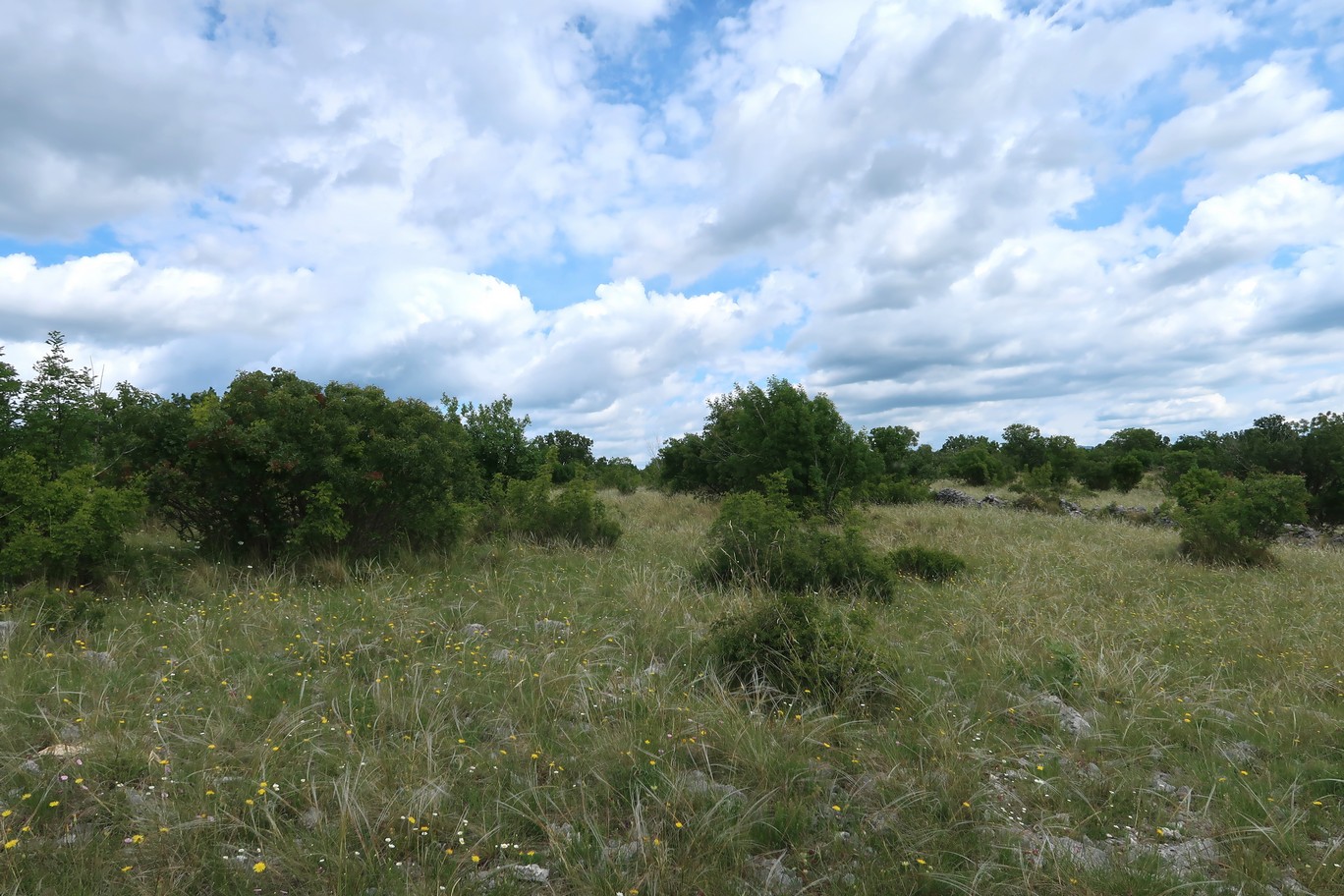
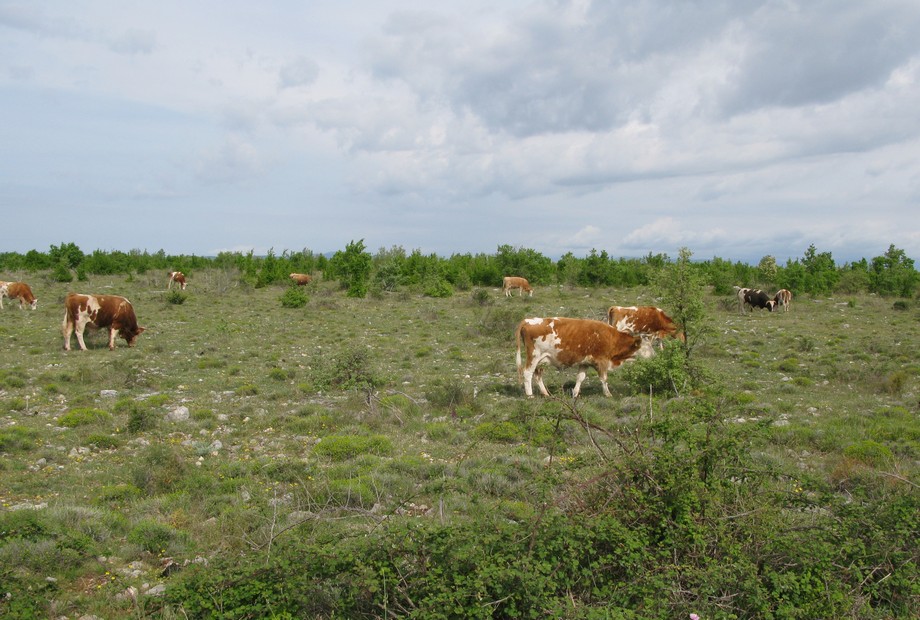
============================================
Post ID: 13005
Post URL: https://www.npkrka.hr/en_US/2025/11/26/na-podrucju-np-krka-otkrivena-je-nova-spiljska-vrsta-kornjas-krkin-prekobrojac-bryaxis-krkensis/
Post Title: A new cave-dwelling species, the Krka beetle Bryaxis krkensis, has been discovered in the Krka NP
Post Content (HTML preserved):
The species was named after the Krka National Park, as it was described on the basis of individuals (males and females) collected in a tufa cave in the area of Bilušića buk, a typical site
During research into cave fauna in the Park area in 2015, this species was collected by members of the Croatian Biospeleological Society, and in 2023, the Krka beetle was also found in a cave in the Kaštel Žegarski area. Although a review of the material showed that it was a new species, it took a long time for the find to be published due to the complexity of the work on its description.
It is a very small beetle made up of three parts: the head, the thorax with legs, and the abdomen, only 1.70 – 1.75 mm long, with a maximum width of 0.69 mm. Its head is about the same length and width, with long antennae. Its body is shiny, reddish-brown in color, with the antennae, maxillary palps, and legs having a slightly lighter shade. It is dotted with spots and covered with short, moderately dense, homogeneous and flat-lying hairs of golden color. The legs are slender, with slightly thickened femurs, which are thinner in females than in males. Females also have smaller eyes.
The Krka's beetle predator is at the very top of the feeding network, so any disturbance in the populations of other cave organisms also directly threatens its survival, which, due to its limited distribution, makes it a very vulnerable cave species.

News
JOŠ NOVOSTI IZ KATEGORIJE
Javna ustanova Nacionalni park Krka partner je ConserveUs Festivala: znanje i iskustvo u službi očuvanja kulturne baštine
U Eko kampusu „Krka“ u Puljanima bit će predstavljena tamošnja restauratorska radionica, te Arheološka zbirka i lokalitet Burnum
Krka National Park is once again part of the Green Cleanup: united forces removed waste dumped outside the Park's borders
This year, the Public Institute of Krka National Park once again has taken part in the Green Cleanup, the largest volunteer environmental cleanup campaign in Croatia
The Krka National Park and the Castelli Roman Regional Park open new possibilities in international cooperation
During a three-day visit, the Italian delegation explored the natural and cultural assets of the Krka River and Park, the city of Šibenik, and Šibenik-Knin County
To the Krka River on foot or by bike with lower ticket prices
From September 16 to 22, 2026, visitors arriving at the Krka National Park on foot or by bicycle are entitled to half-price admission tickets