Twelve photographs that reveal a world often hidden from our eyes
Although we most often think of pollinators as bees, in fact they represent a very diverse group of animals, including birds and bats, and even small rodents and lizards. However, in our climate, these small, silent, and tireless workers are primarily insects. Their role in the food chain and the preservation of biodiversity as a whole is so great that we rightly call them giants. For the purposes of this exhibition, we have visually enlarged them, but for us they also represent real titans that maintain life as we know it.
Wild pollinators are the true heroes of our natural ecosystems, primarily wild bees, of which we have recorded at least seven hundred and twenty species in Croatia alone, along with hoverflies. They are joined by butterflies, beetles, and various other types of insects. This fascinating ecological diversity means that our "giants" come in different shapes and sizes and are active at different times of the day and year.
This exhibition is the result – of which we are proud – of the dedicated fieldwork and enthusiasm of volunteers, participants in the "Biodiversity Researcher" volunteer program, which has been implemented in the broader area of the Krka National Park.
By carefully observing and documenting what they saw, our volunteers recorded various, often hidden, species of insects that play a key role in maintaining the balance of the ecosystem. The bees, butterflies, and flower flies we present here are not only visually fascinating creatures, but, as pollinators, they are also immensely important in our climate.
Volunteering in the protection of nature is not just about spending time in a valuable manner – it is also an important tool for preserving sensitive habitats. During careful field monitoring, volunteers tracked and recorded the presence of these tiny creatures, collecting valuable data that helps us better understand them and protect them in the long term.
We invite you to stop in front of the exhibited photographs and pay tribute to these small but mighty creatures. If they did not transport pollen every day, the magnificent nature that we love so much would simply disappear. Let them be a reminder that the greatest strength sometimes lies in the seemingly smallest, and that each of us can contribute, like our volunteers, to the preservation of our unique natural heritage.
Catalogue of species
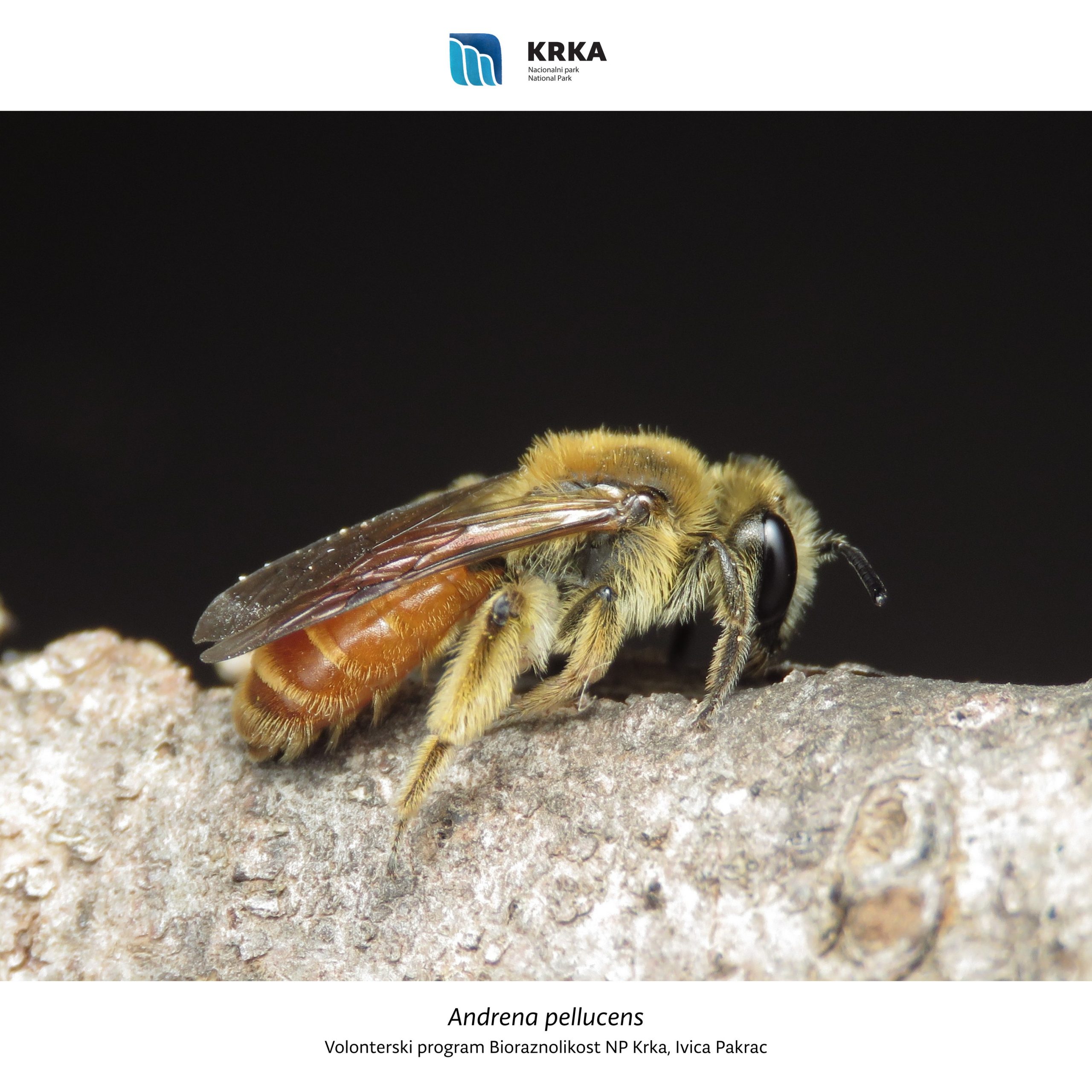
- Andrena pellucens, the autumn timeless sand bee, is an important pollinator that diligently collects pollen for its offspring.
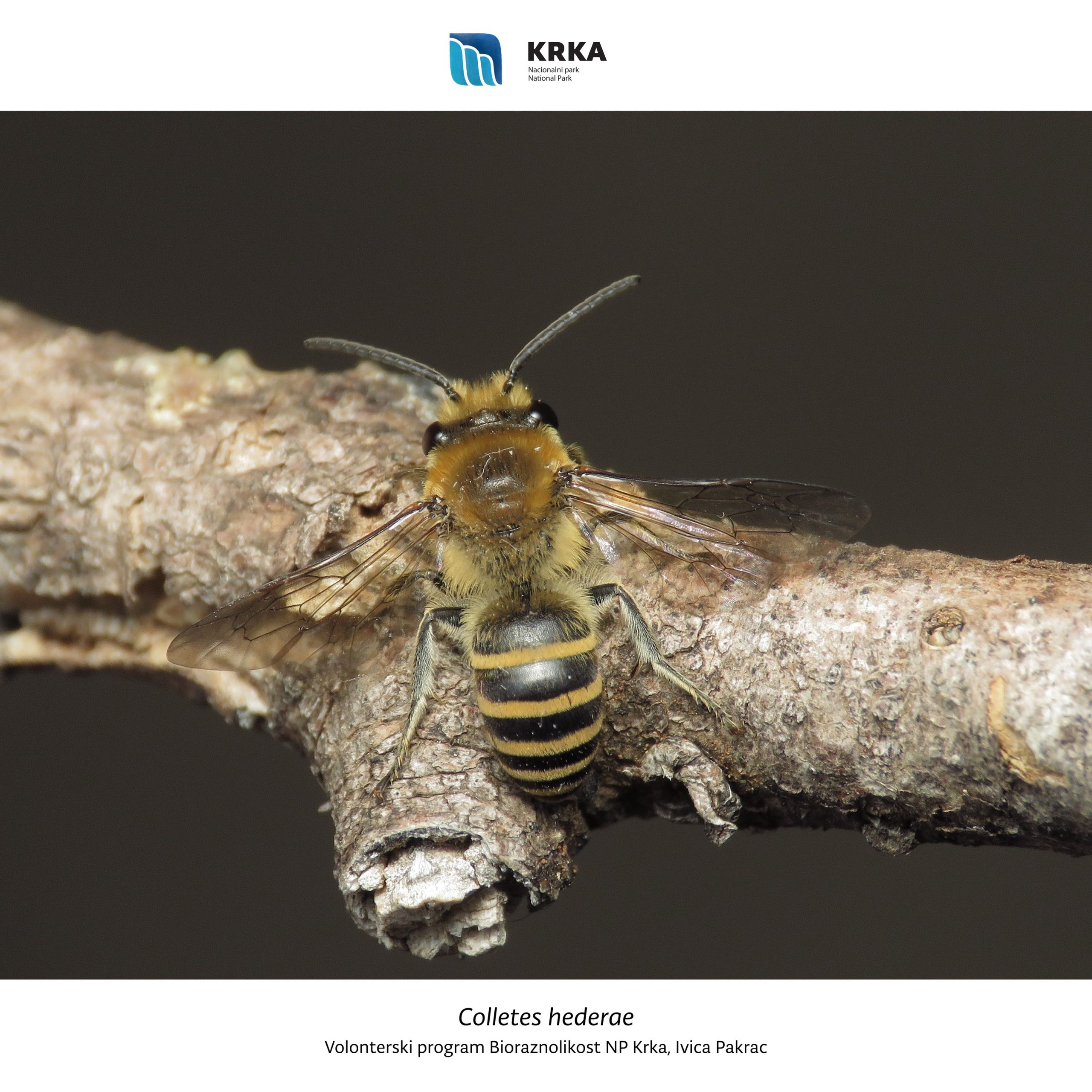
- Colletes hederae is also called the ivy bee because its main food is ivy pollen.
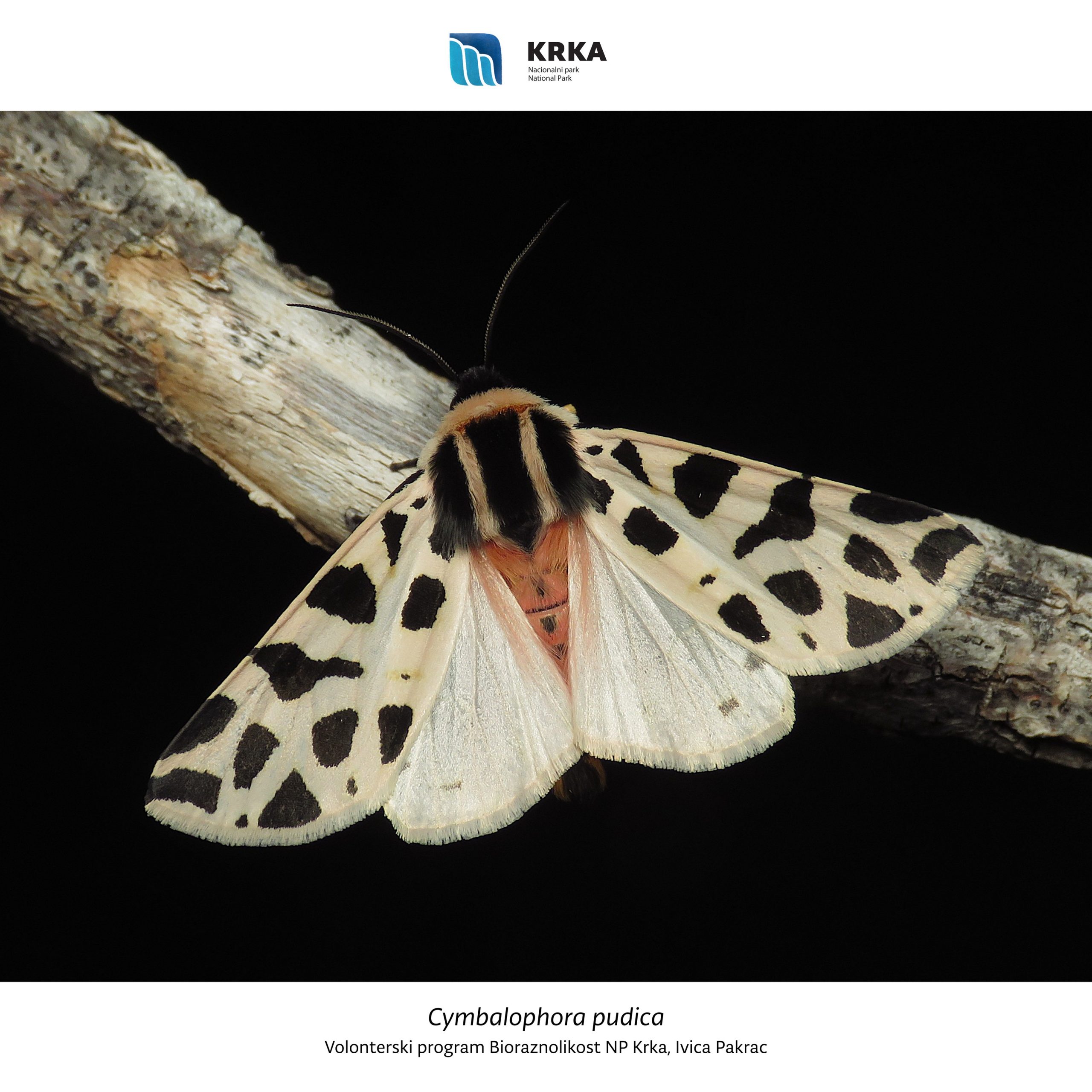
- Cymbalophora pudica , the discrete chaperon, is a moth from the “grass bear” family, whose specific wing color has earned it the popular name “southern grass bear”.
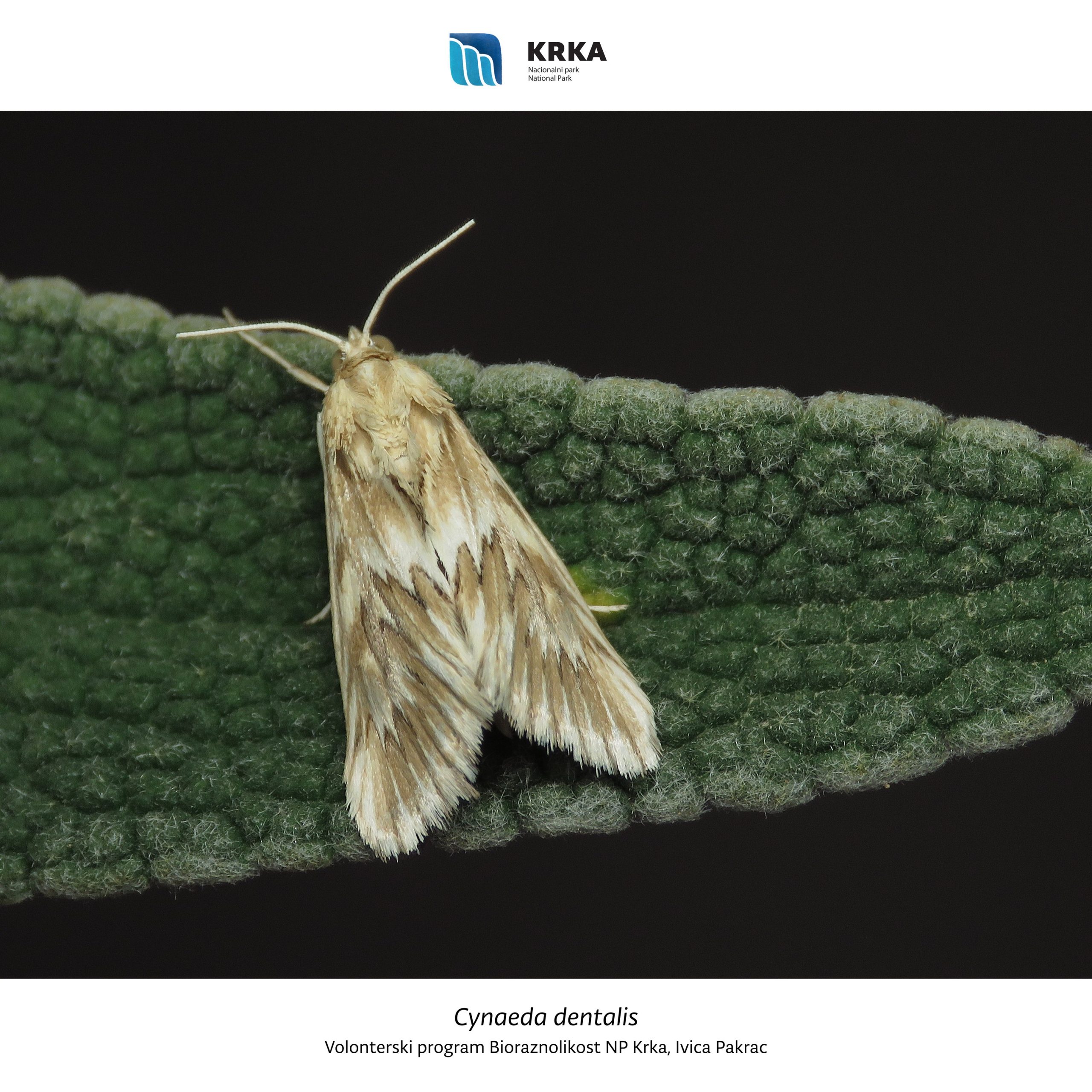
- Cynaeda dentalis (starry pearl) is a moth from the Crambidae family that mainly inhabits dry grasslands.
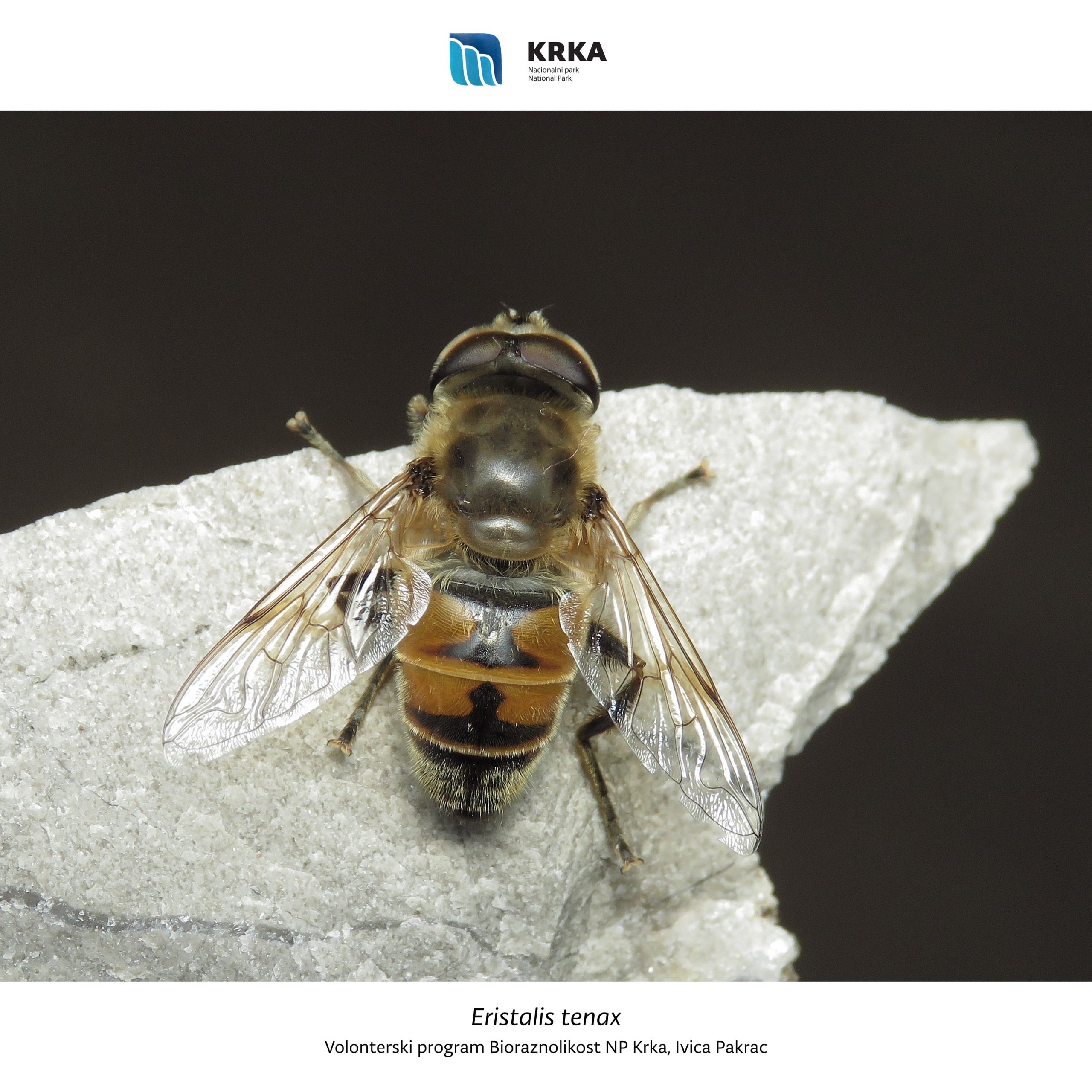
- Eristalis tenax, the drone fly, is one of the most common flower flies on earth. It feeds on pollen and nectar, and thus actively pollinates plants.
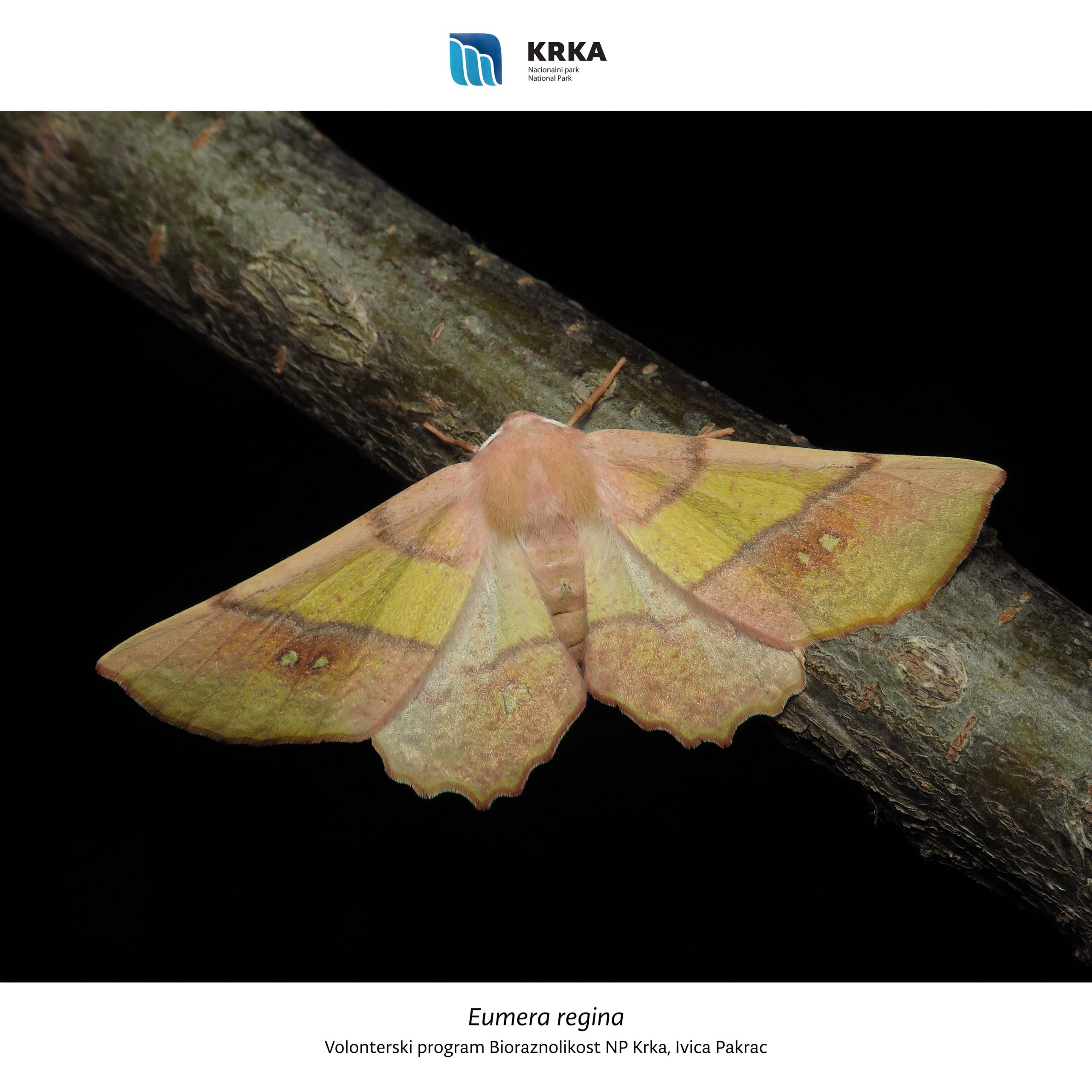
- Eumerus regina is a hover flower fly that many consider to be a “queen” because of the beautiful colors of its wings.
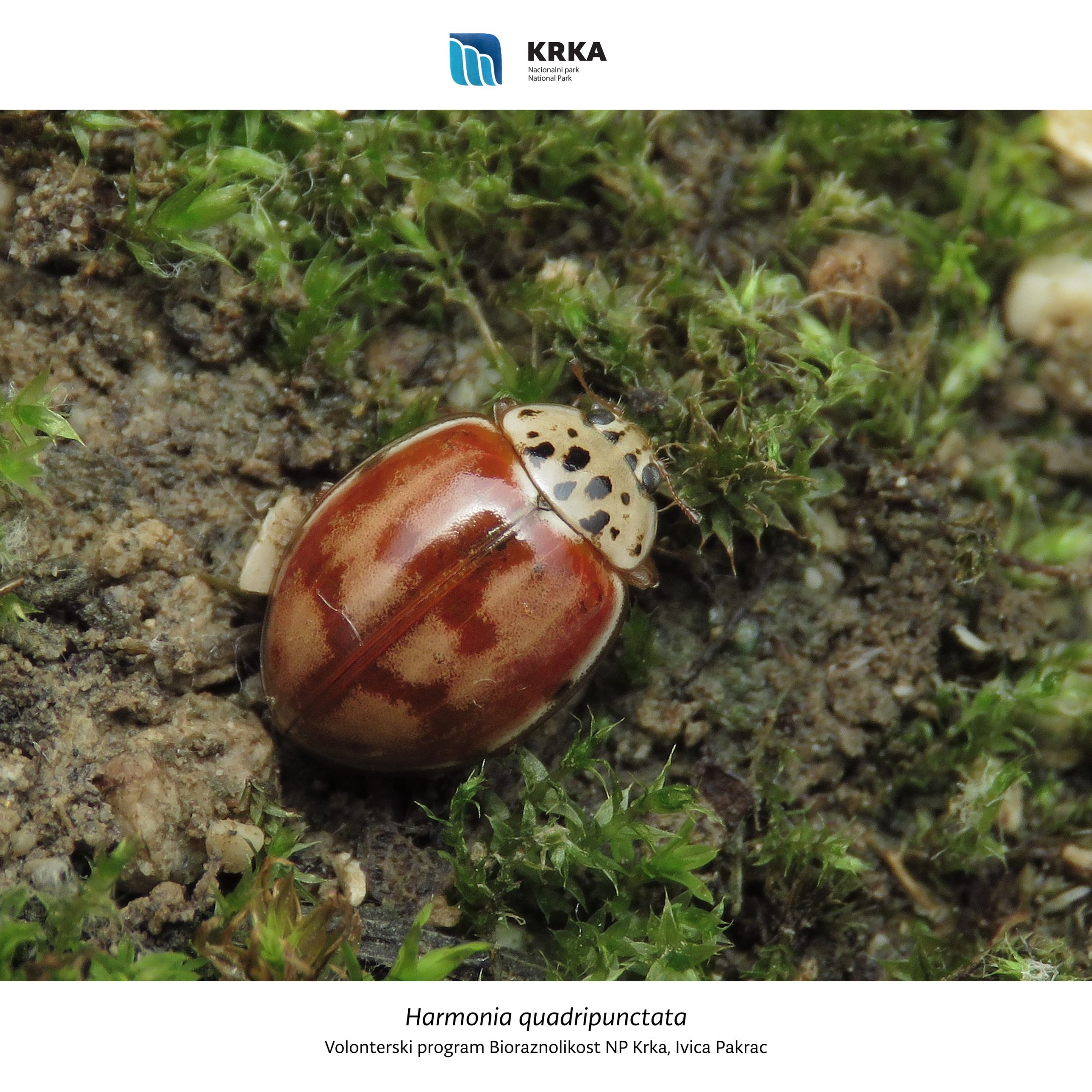
- Harmonia quadripunctata (four-spotted ladybug) is a ladybug that feeds on aphids and pollinates many flowers along the way.
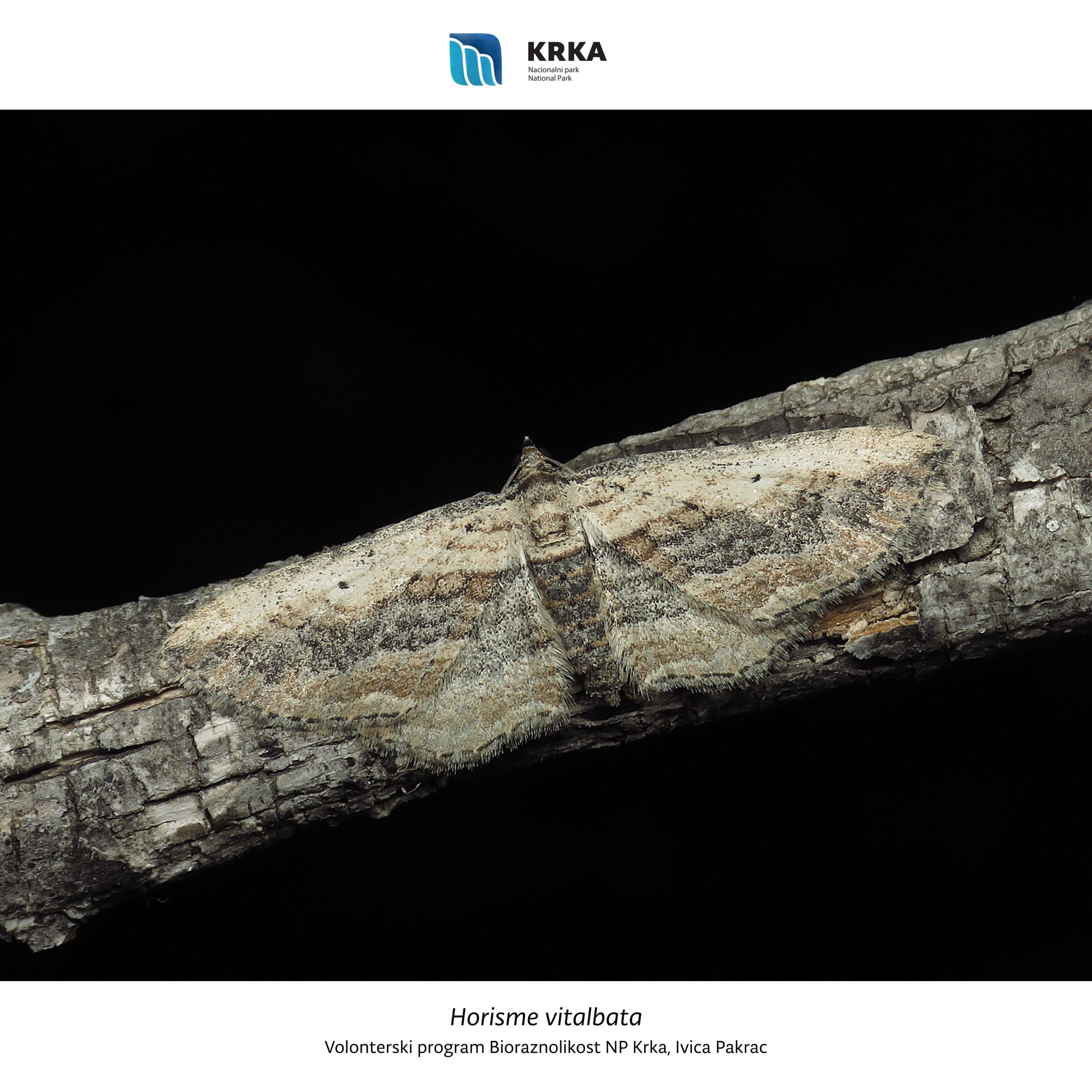
- Horisme vitalbata (small waved umber) is a moth that is attracted to various flowers.
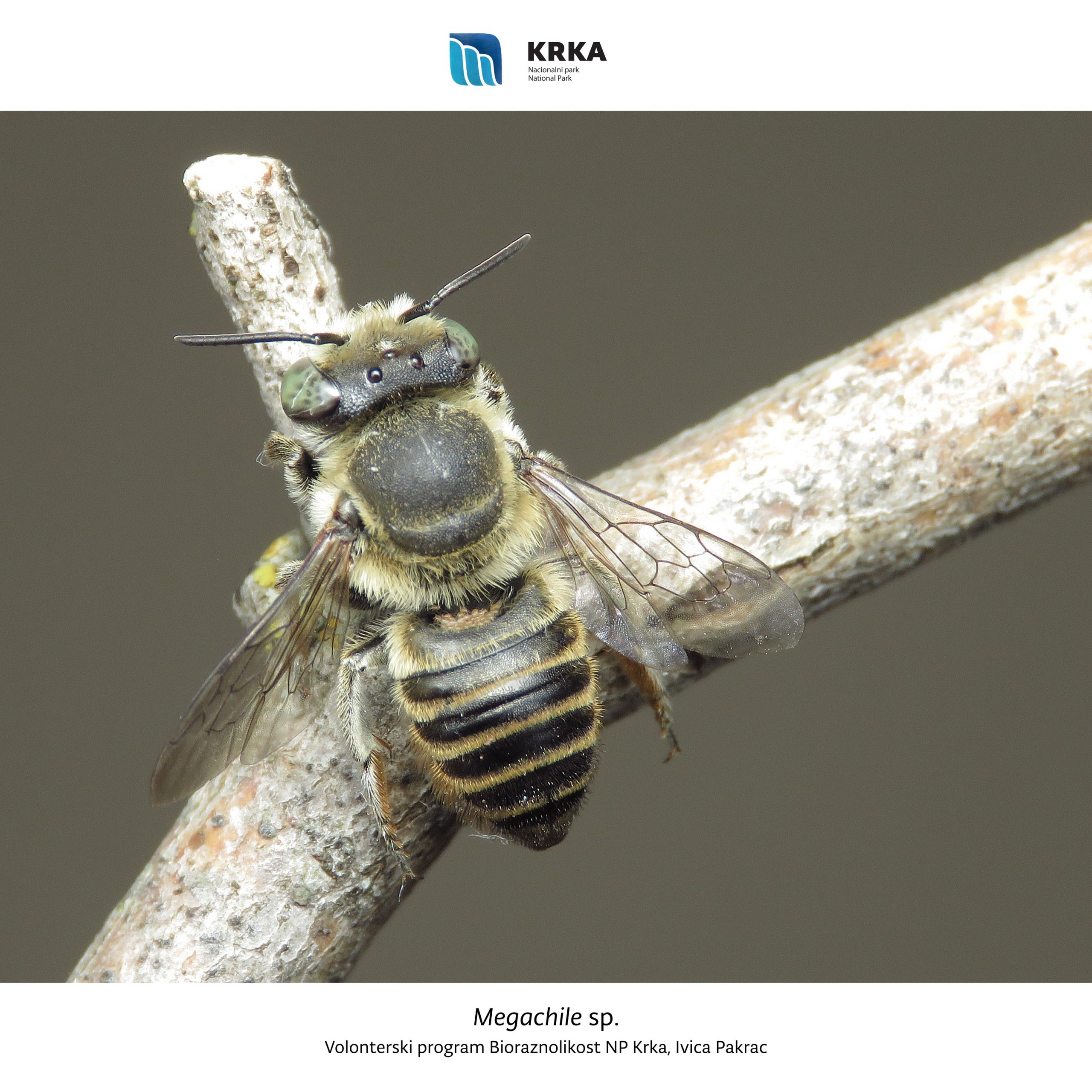
- Megachile sp. (leaf-cutter bee) is a genus of bees, exceptionally good pollinators, and very widespread in nature.
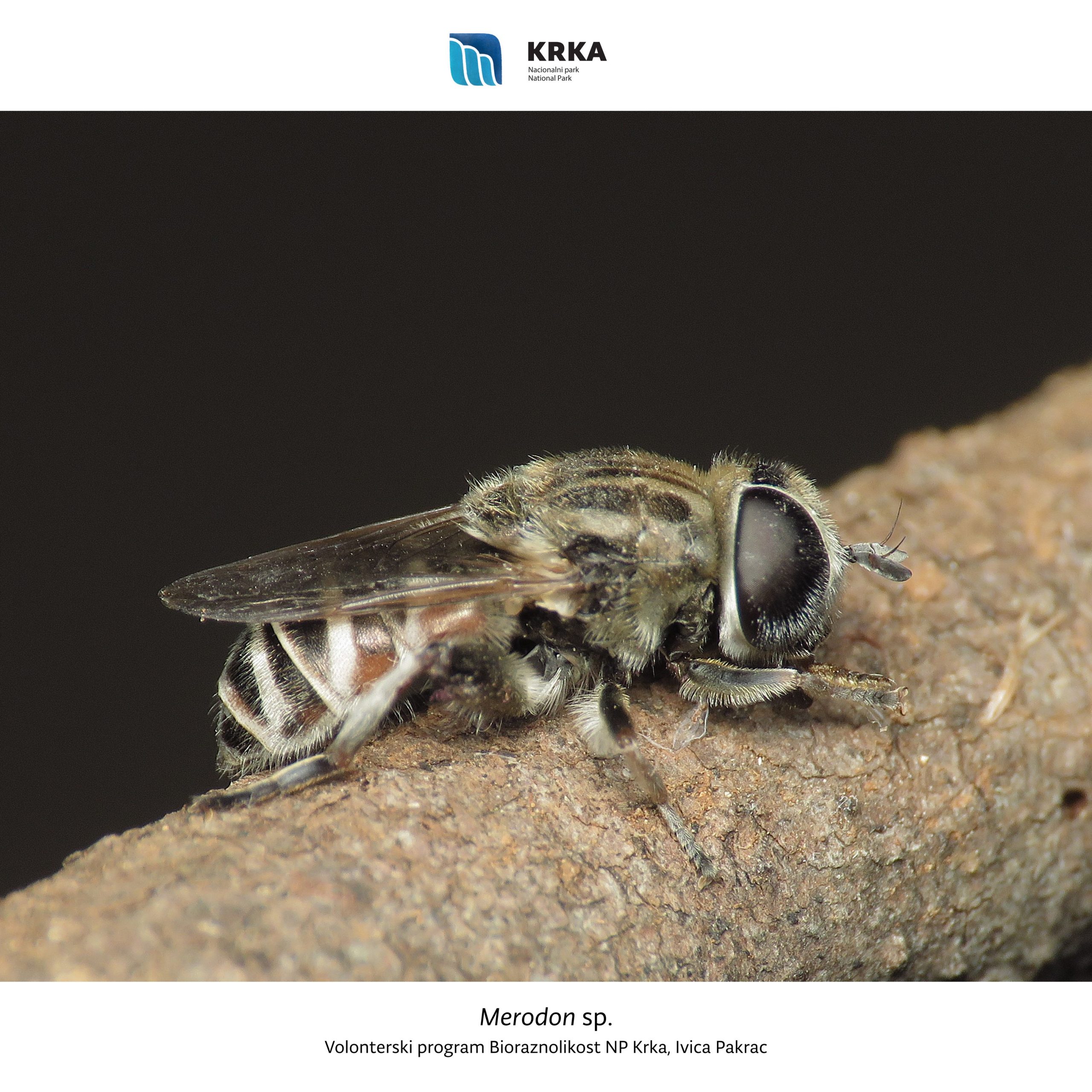
- Merodon sp. (bulb fly) is a genus of flower flies that regularly visit flowers.
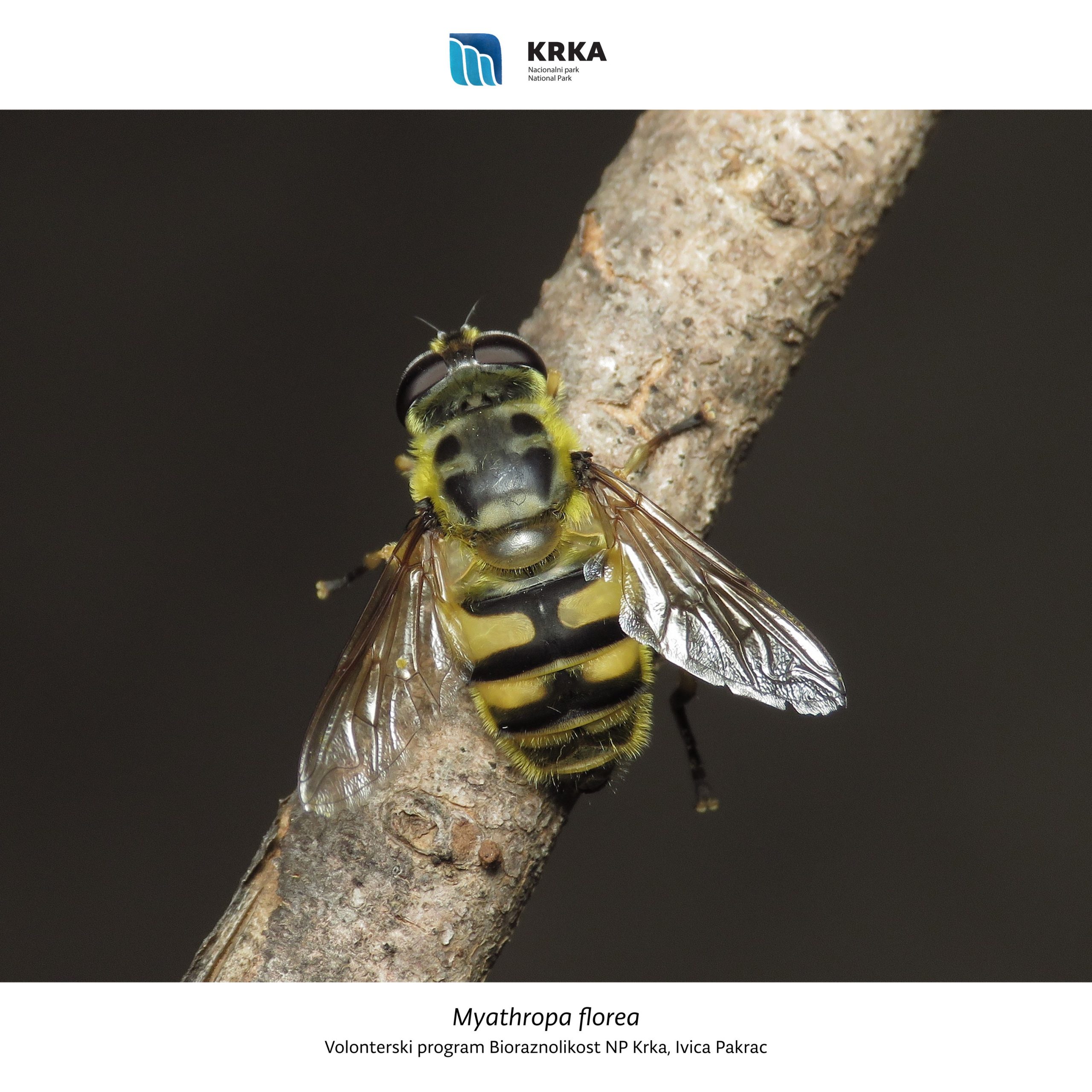
- Myathropa florea is a hover flower fly that is seen on flowers from June to October; it is also called the Batman fly because of the mark on its chest that resembles the Batman logo.
- Scopula submutata (Mediterranean lace border) is a moth that inhabits dry and rocky areas in the Mediterranean macchia.