


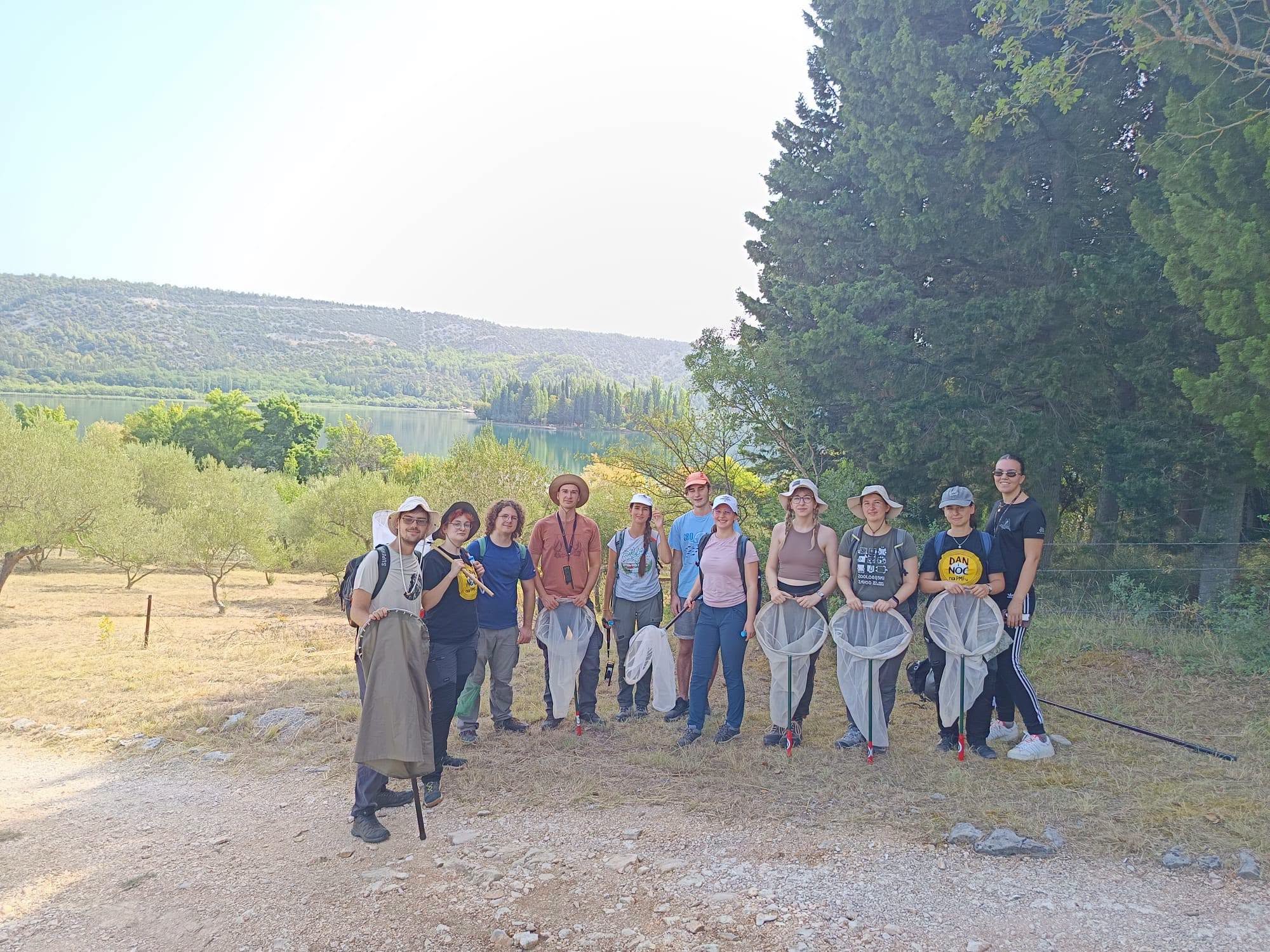
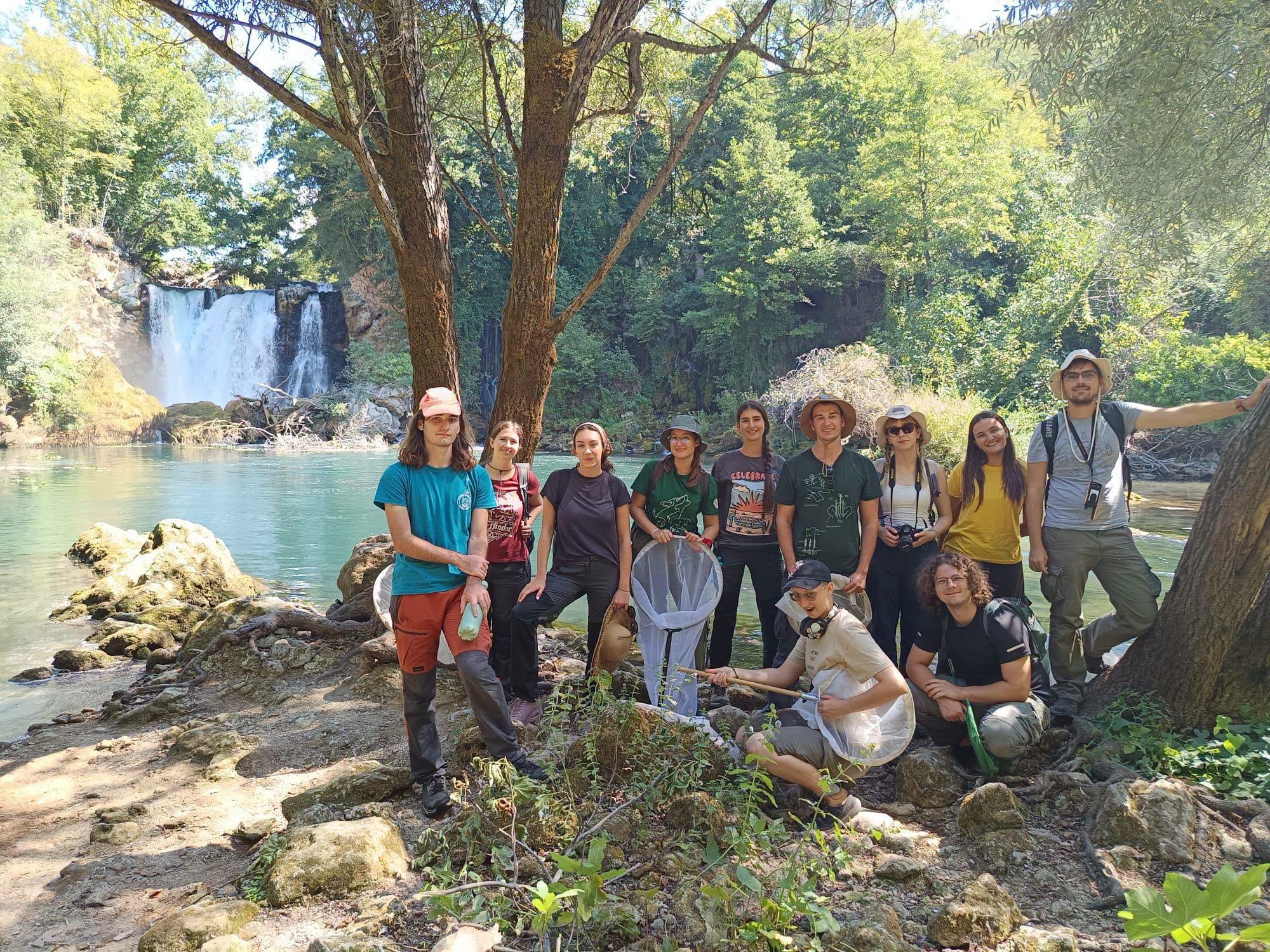
A group pf volunteers, biology students, are once again investigating the biodiversity of the Park. Their brief reports were collected by one of the volunteers.
Day 1
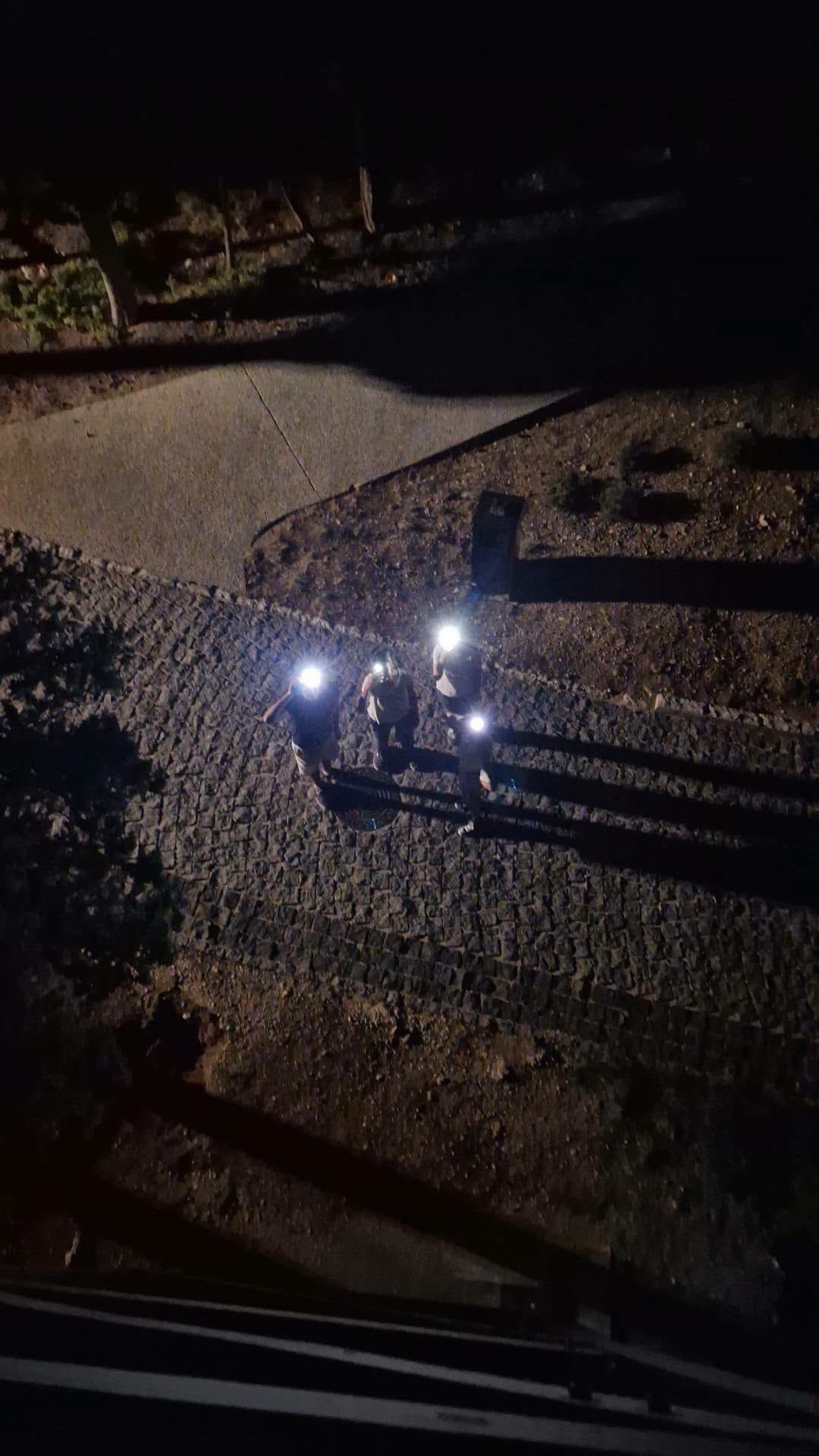
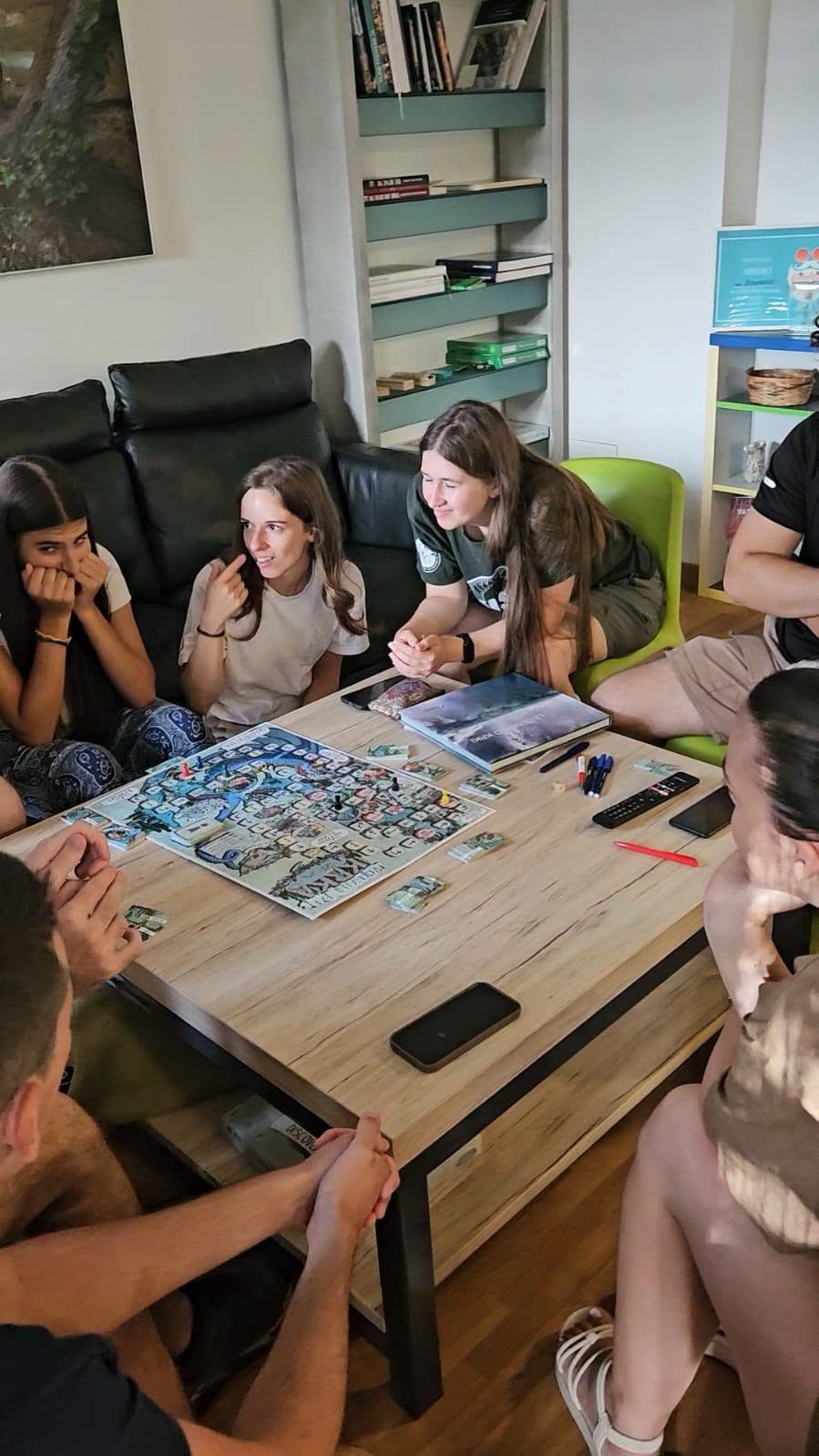
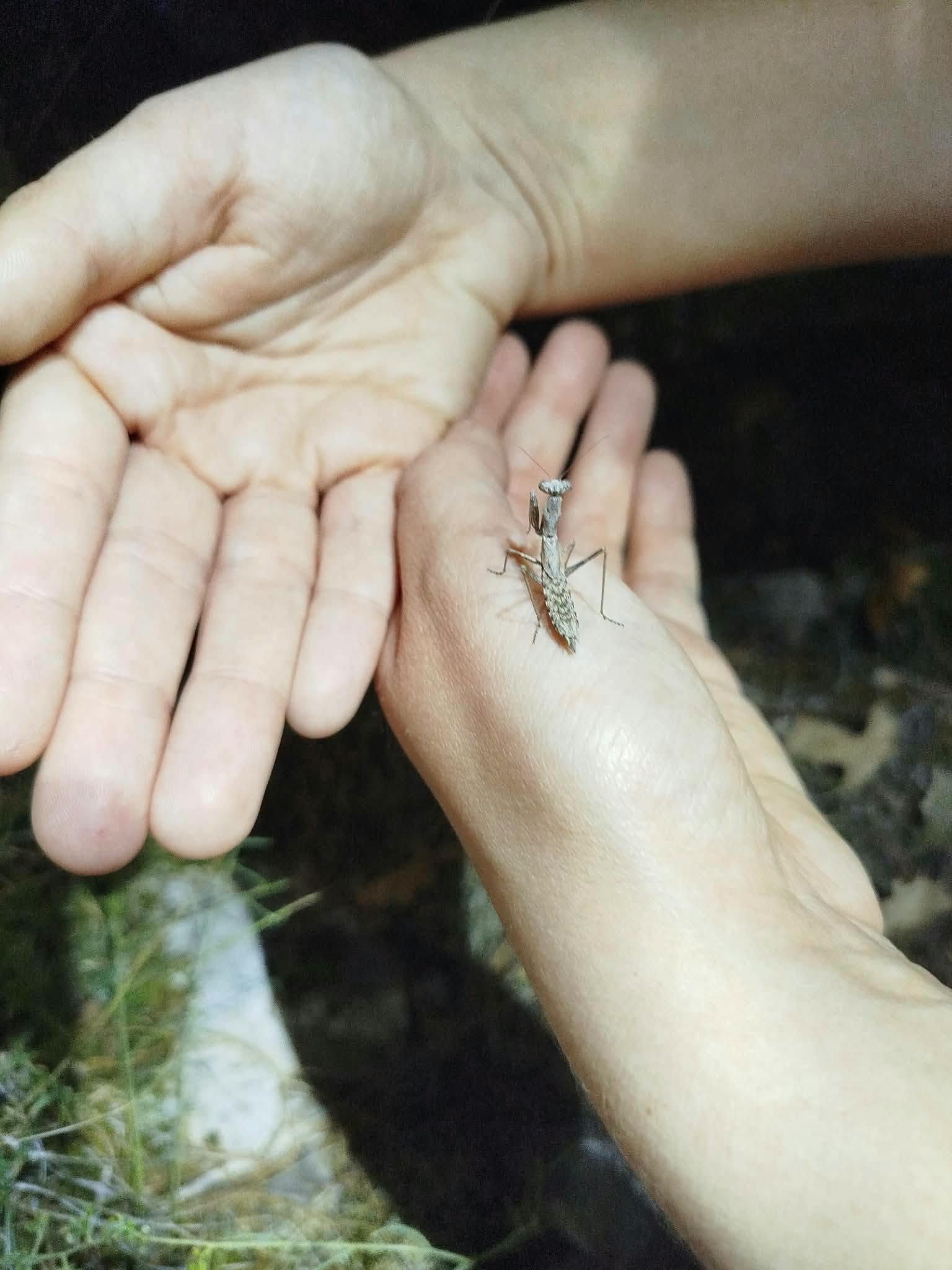
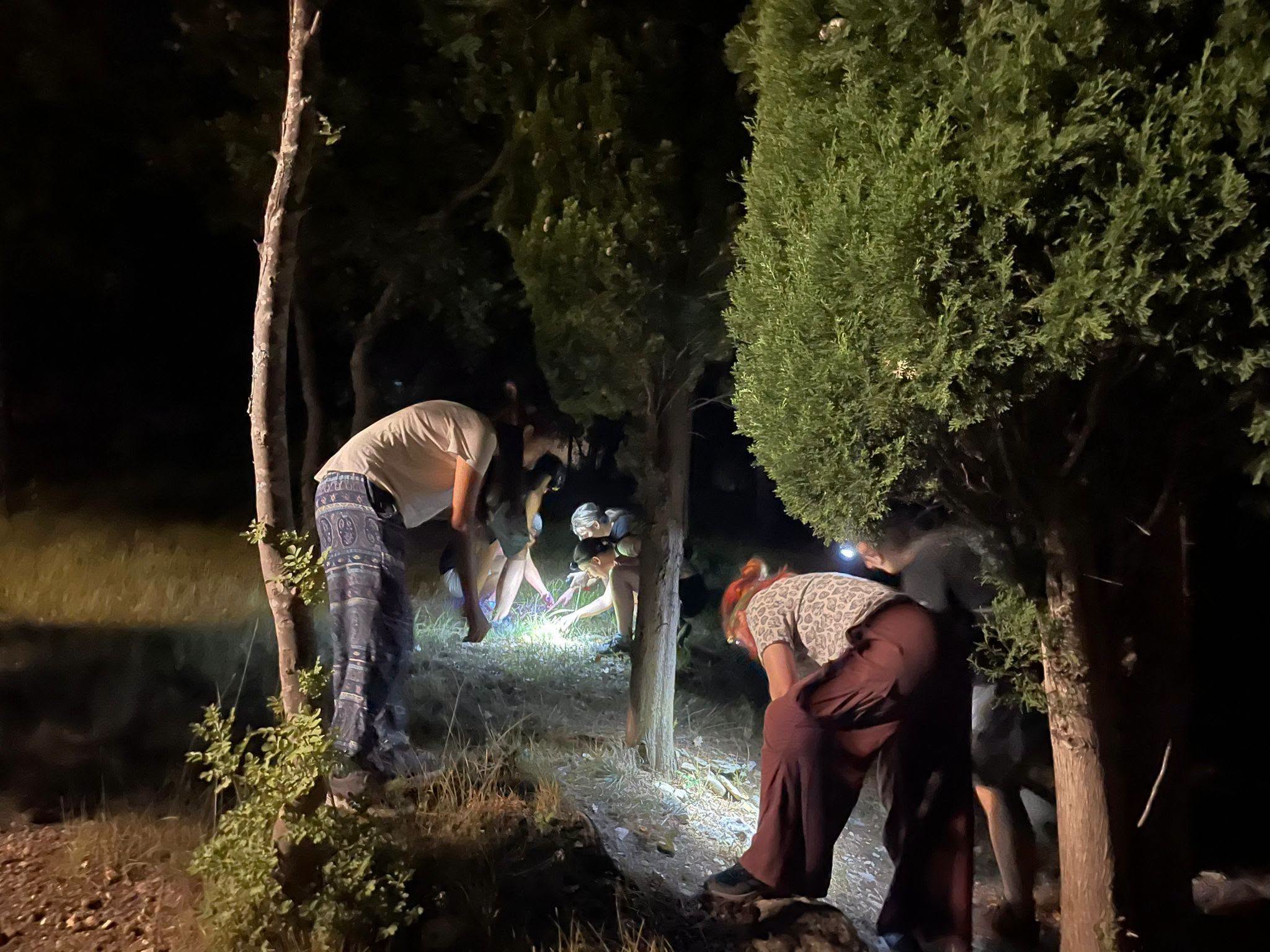
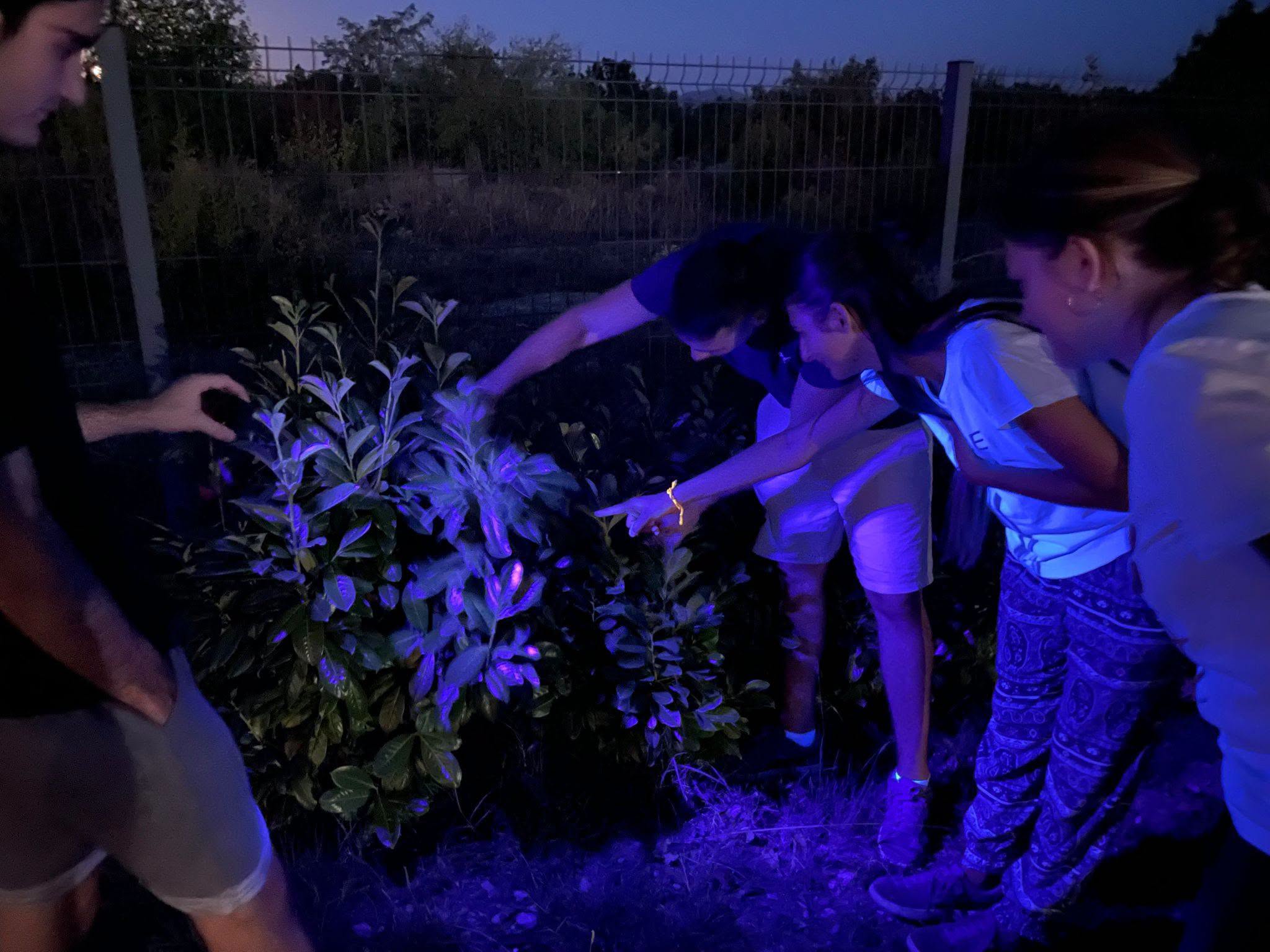
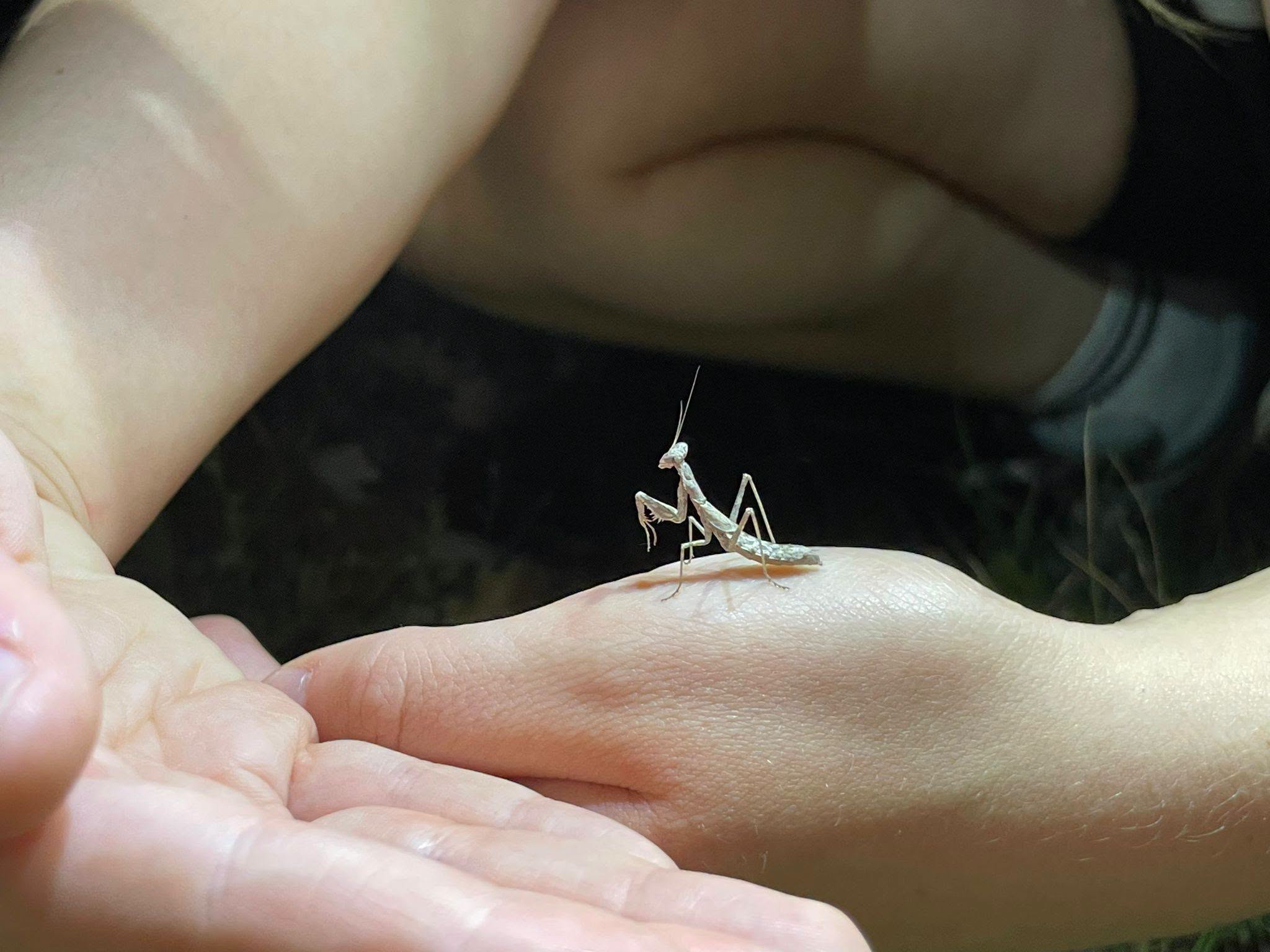
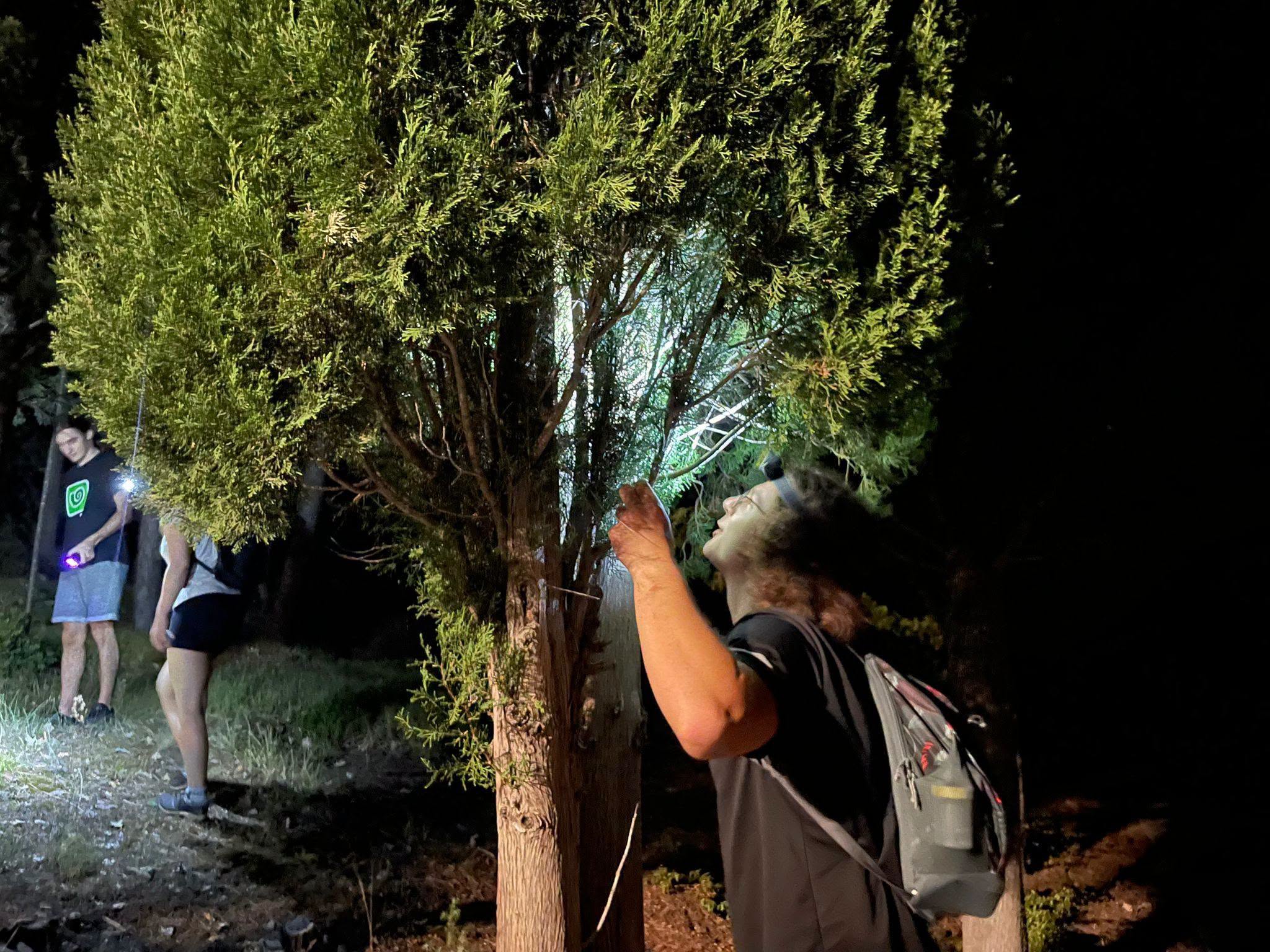
Today, our team, full of curiosity and anticipation, once again arrived at the Krka Eco Campus in Puljane. Upon arrival at the campus, before dinner, we prepared for the future field work and familiarized ourselves with the features of the Park through the interactive game “Discover the Krka”. Then, right after dinner, we impatiently set out on a night walk around the campus grounds in search of scorpions that glow under a UV light. Although we didn't see any scorpions, we found various other familiar friends, such as praying mantises, millipedes, and longhorn beetles. We finished our cheerful night-time tour of the grounds by climbing the beautiful new observation deck at the Eco Campus. After enjoying the view and some pleasant socializing, we headed off for a well-deserved rest so that, the next day, we could set out – happy and full of energy – for the sites we planned to explore!
(Klara Keglević)
Day 2
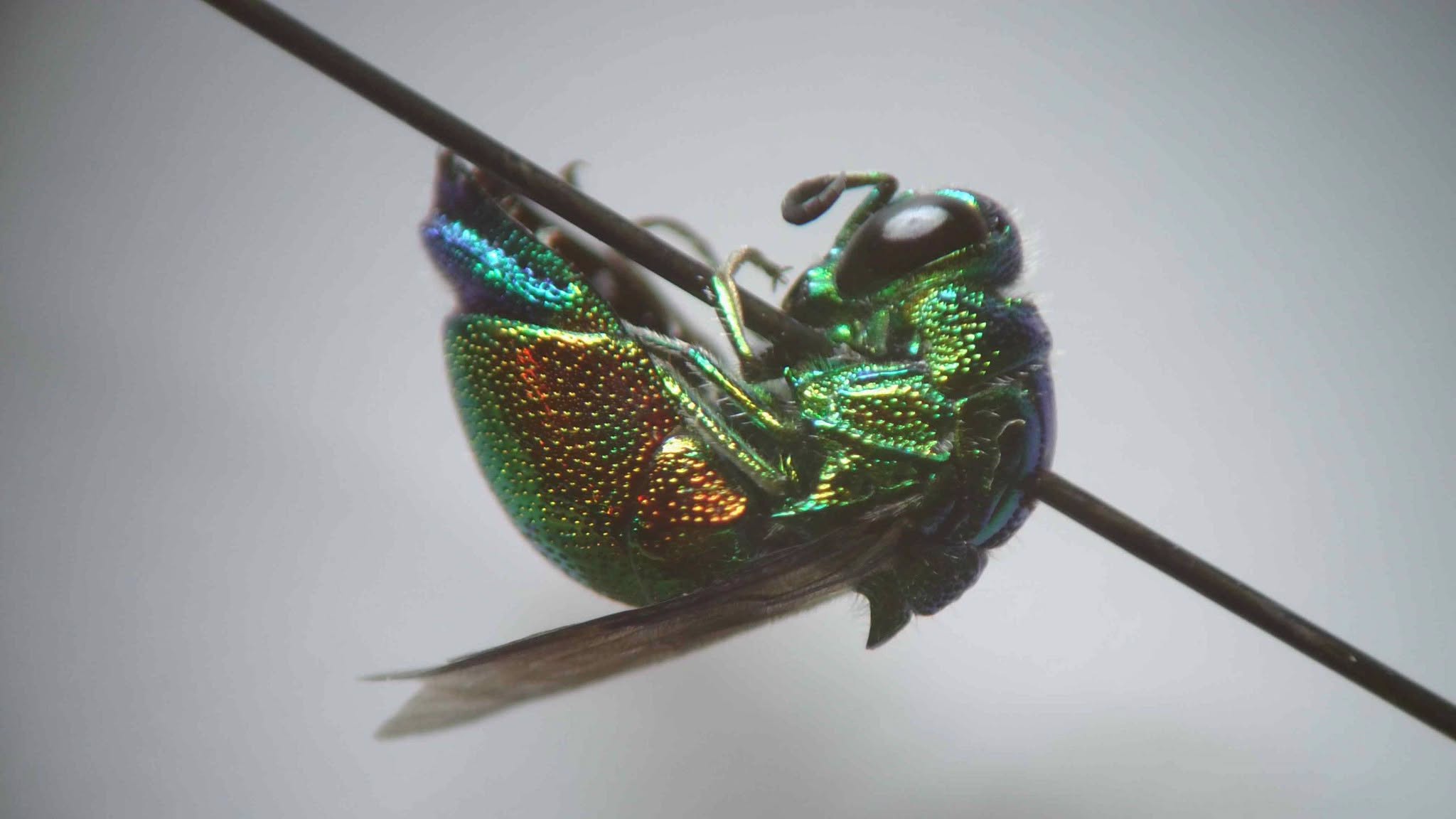
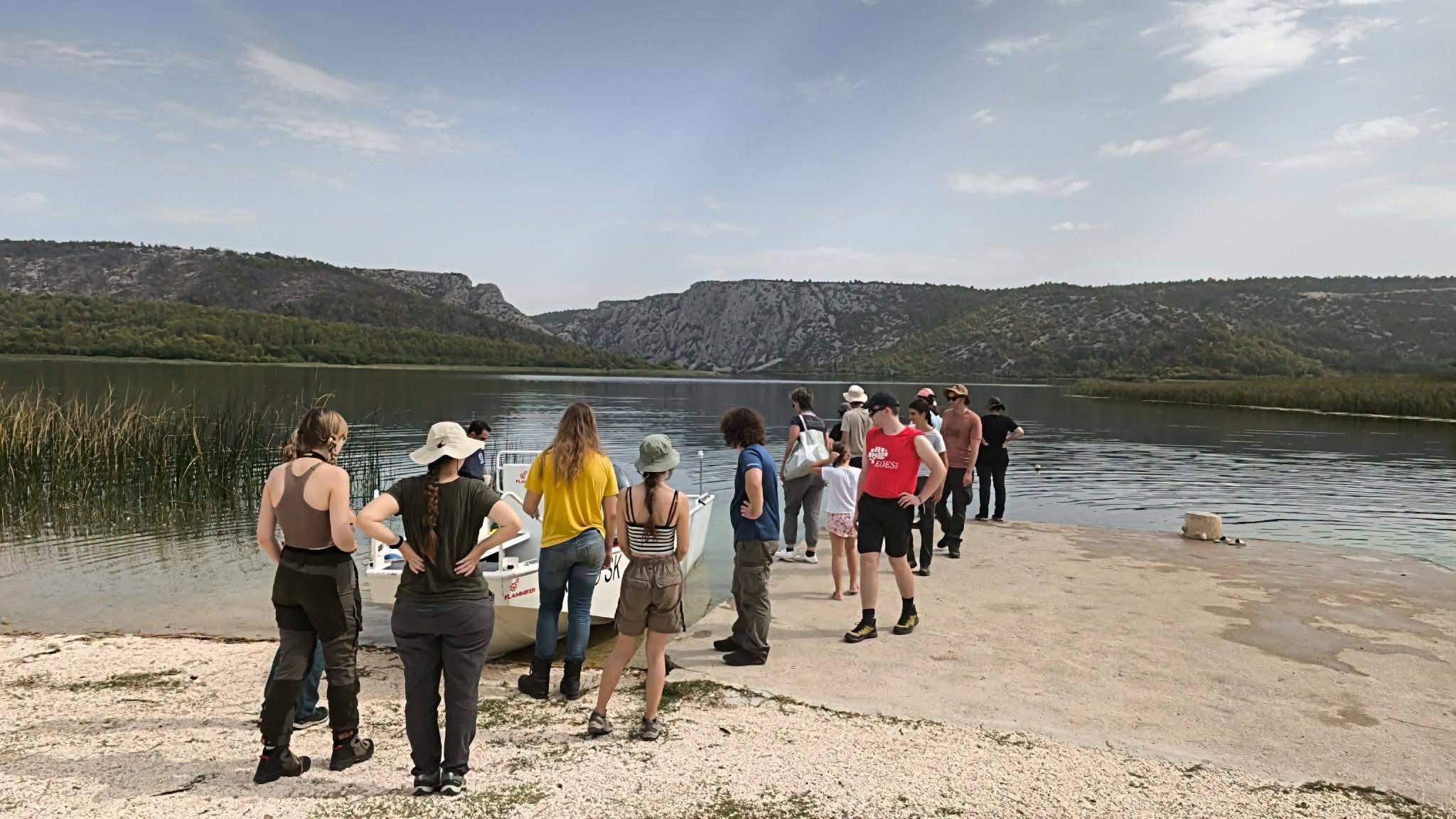
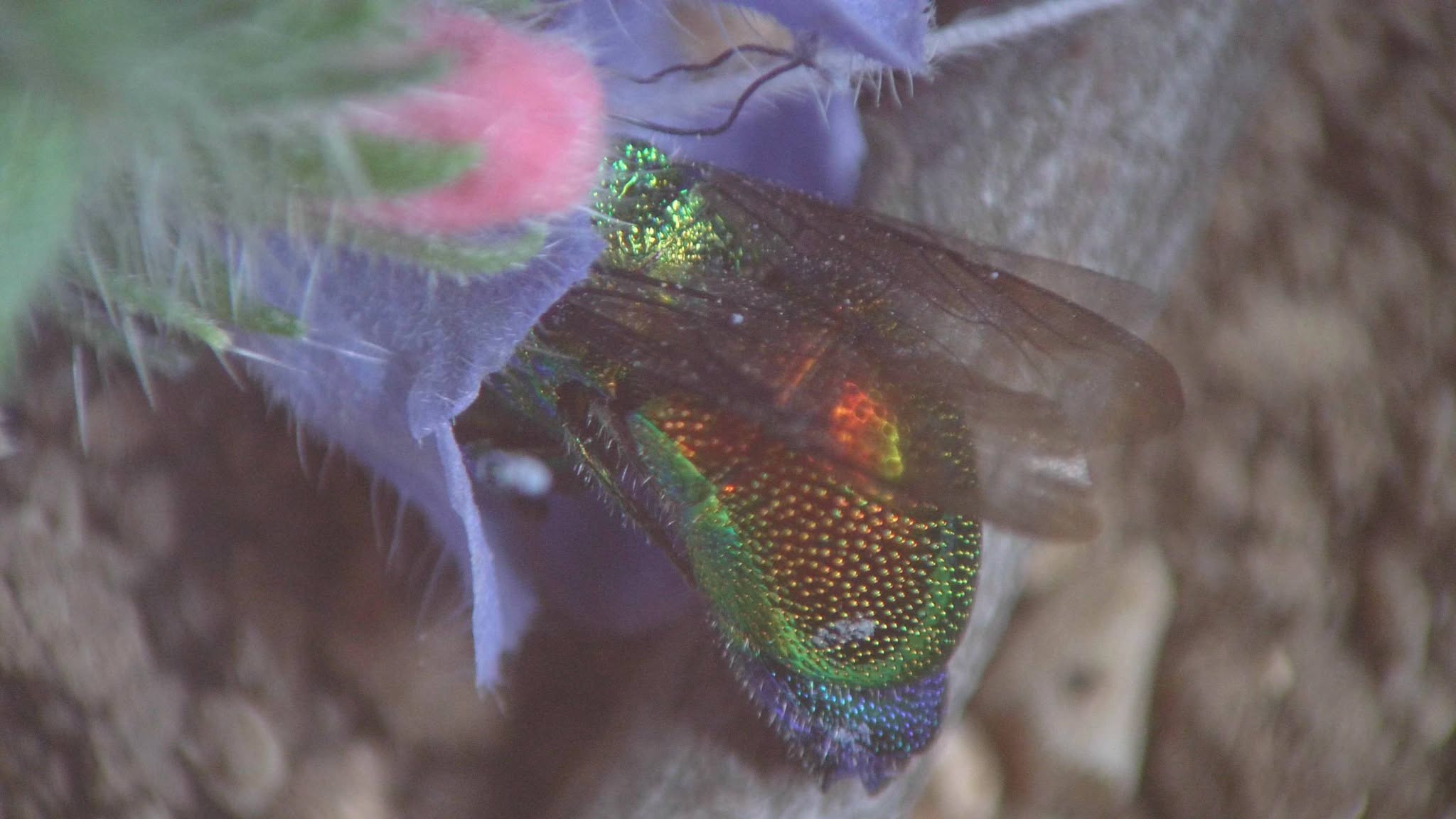
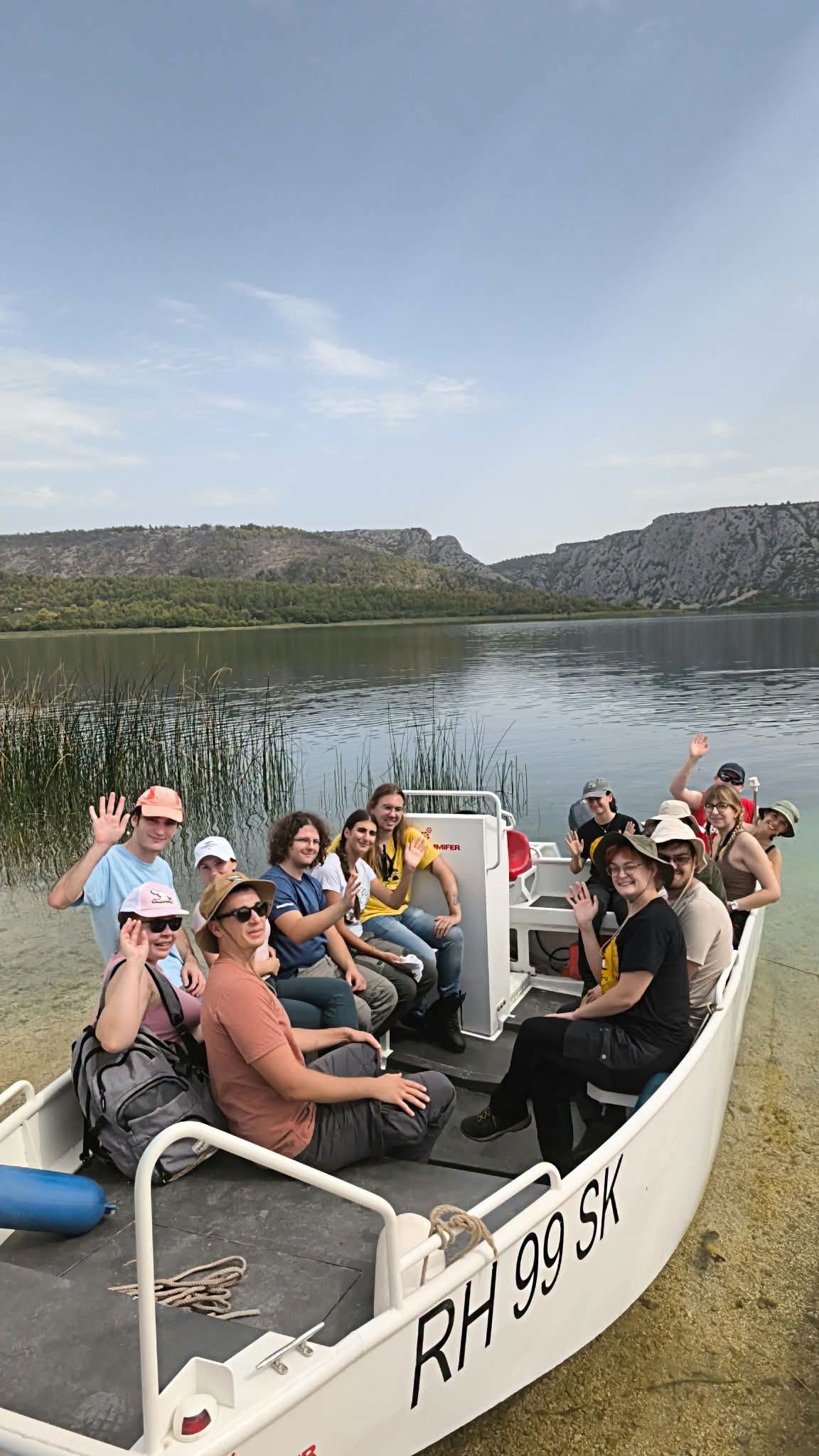
At the crack of dawn, we headed to Pisak, where we explored the diverse habitats along the shores of Lake Visovac. After completing our explorations, we traveled by boat – passing the picturesque island of Visovac and through the Krka Canyon – to the landing stage at the Roški Slap waterfalls. The many flying friends we encountered along the way included numerous butterflies, grasshoppers, bees, and dragonflies. We were particularly surprised by one wasp: a member of the cuckoo wasp family (Chrysididae). Cuckoo wasps are known for the brilliant metallic sheen of their bodies, which can shimmer in shades of green, blue, purple, and gold. Yet, their appearance is not the only thing that makes them special: many species lay their eggs in the nests of other insects, where their larvae consume the food supplies intended for the host. Because of this lifestyle, they are often referred to as "cuckoo wasps". More follows tomorrow!
(David Stanković)
Day 3
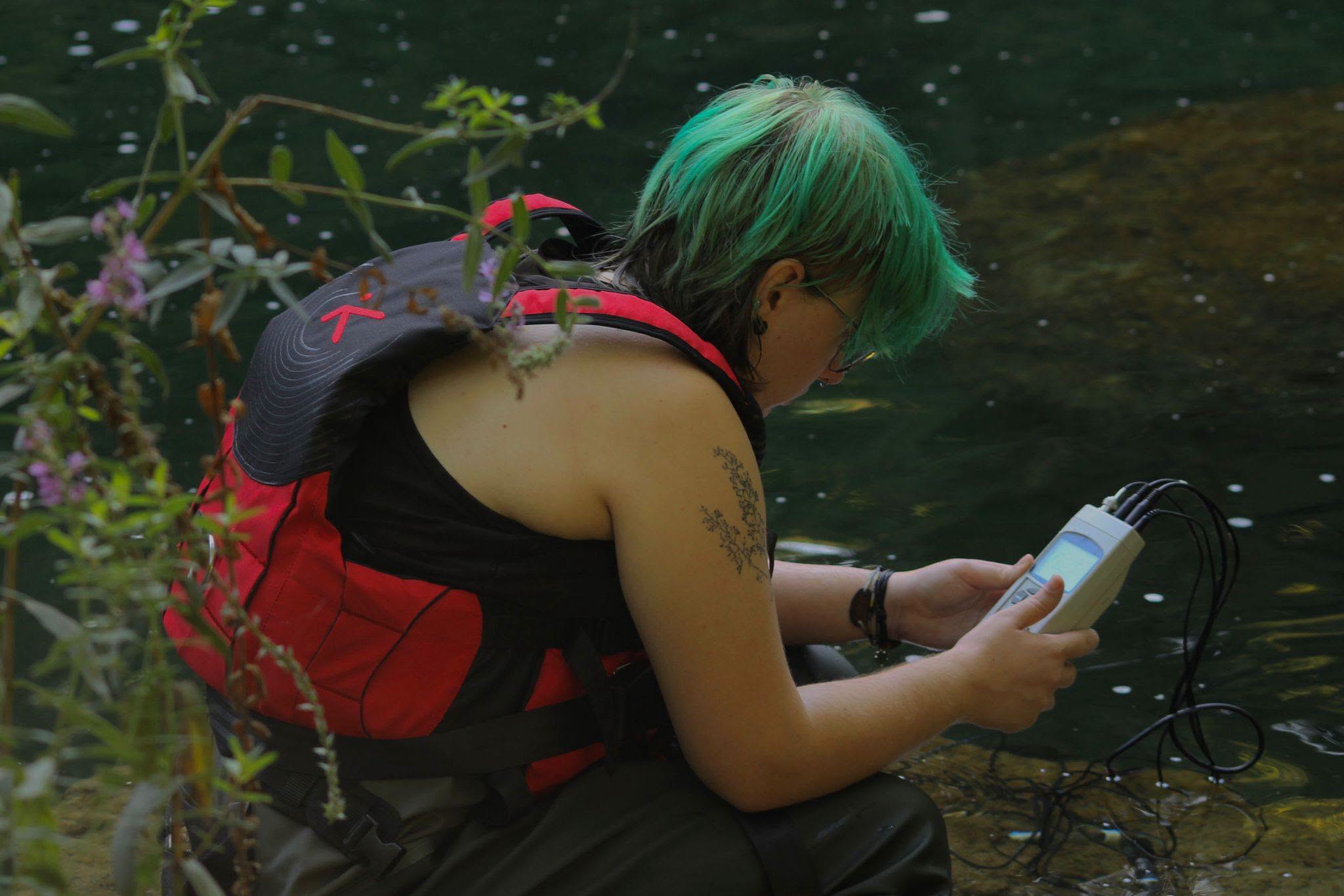
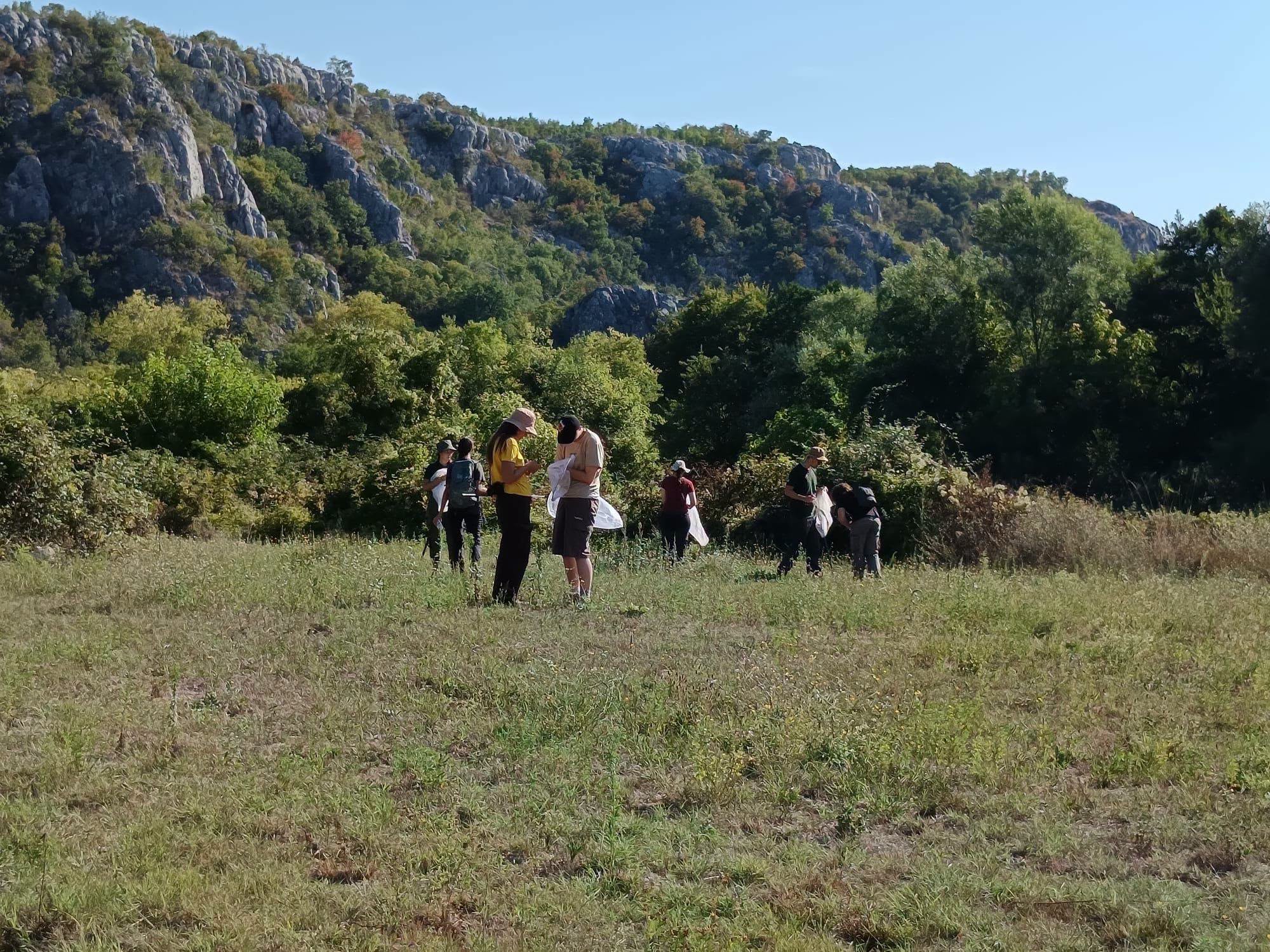
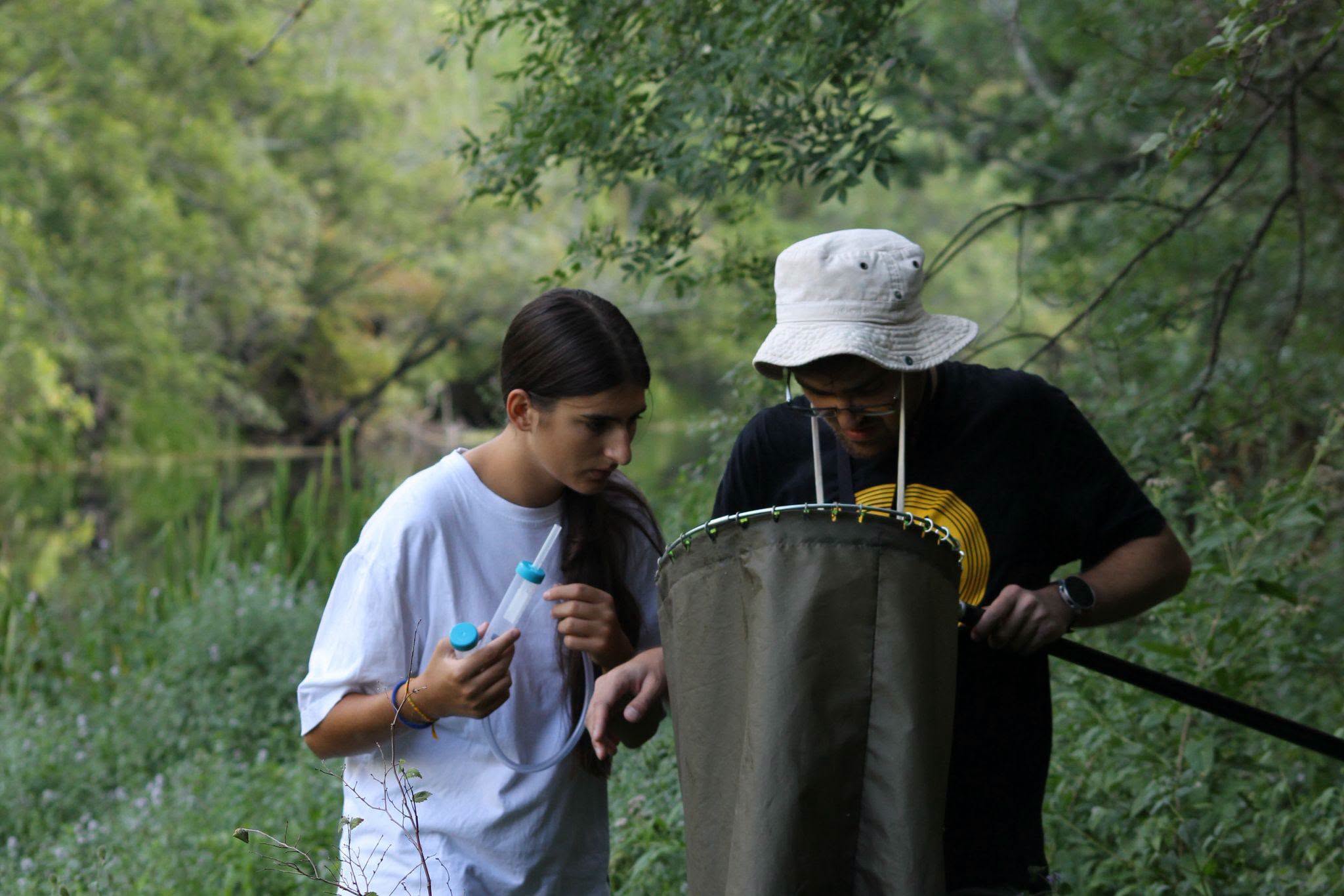
Our hardworking team of biologists set out this morning to explore two sites: the mycologists struggled to capture fungi invisible to the naked eye from the foam on the Miljacka waterfall, while the insect enthusiasts, true to form, trotted around the Stinice area with nets in hand, chasing after swift-moving insects. The mycologists, who made their way through the Krka River canyon to the site where they were collecting samples, discovered two interesting species. One of them, Amniculicola longissima, is distinguished by a characteristic spore shape with a ring at the tip. The other species, Flabellospora verticillata, is a rare find, so the mycologists were greatly surprised to discover a large number of specimens.
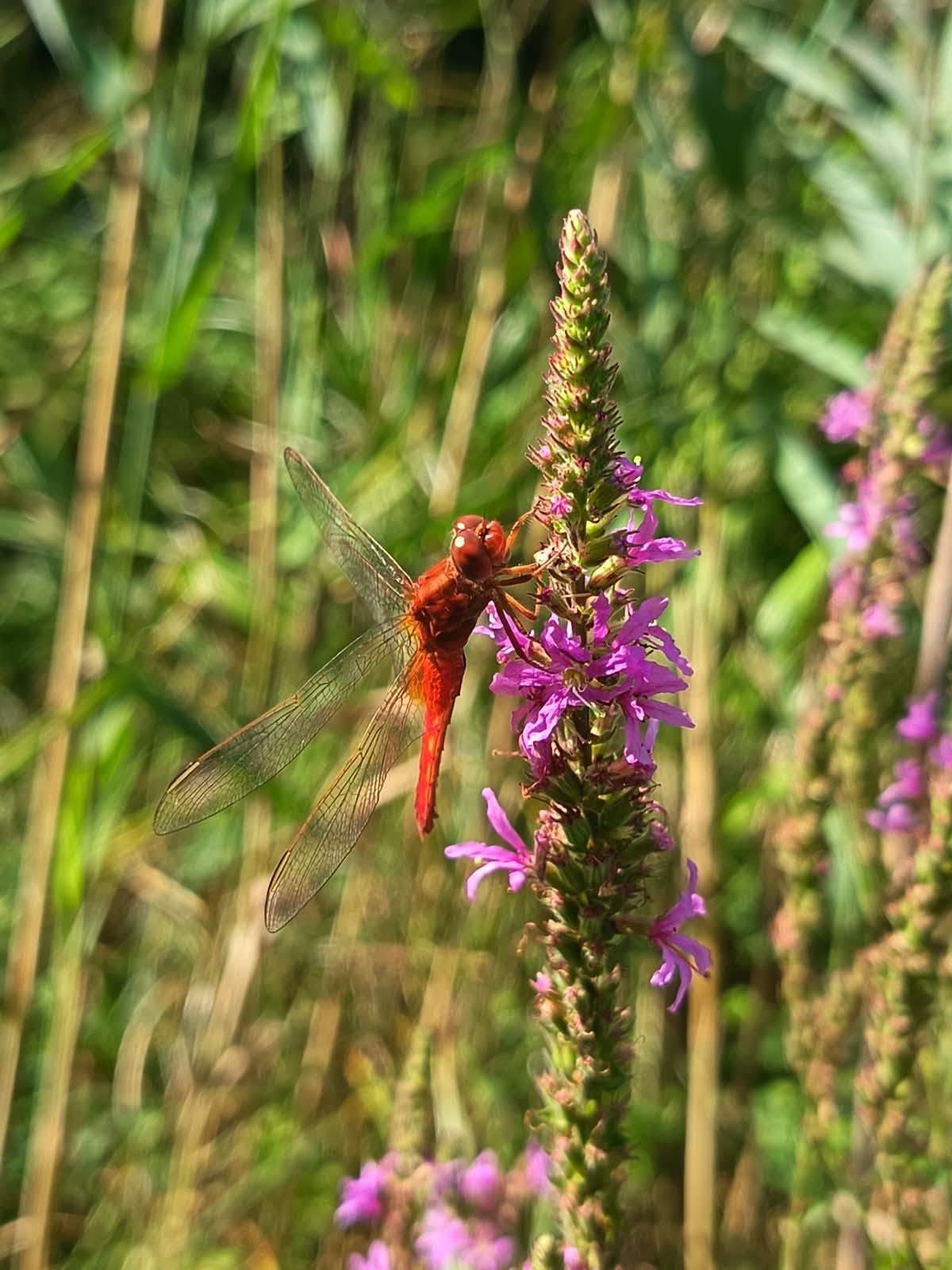
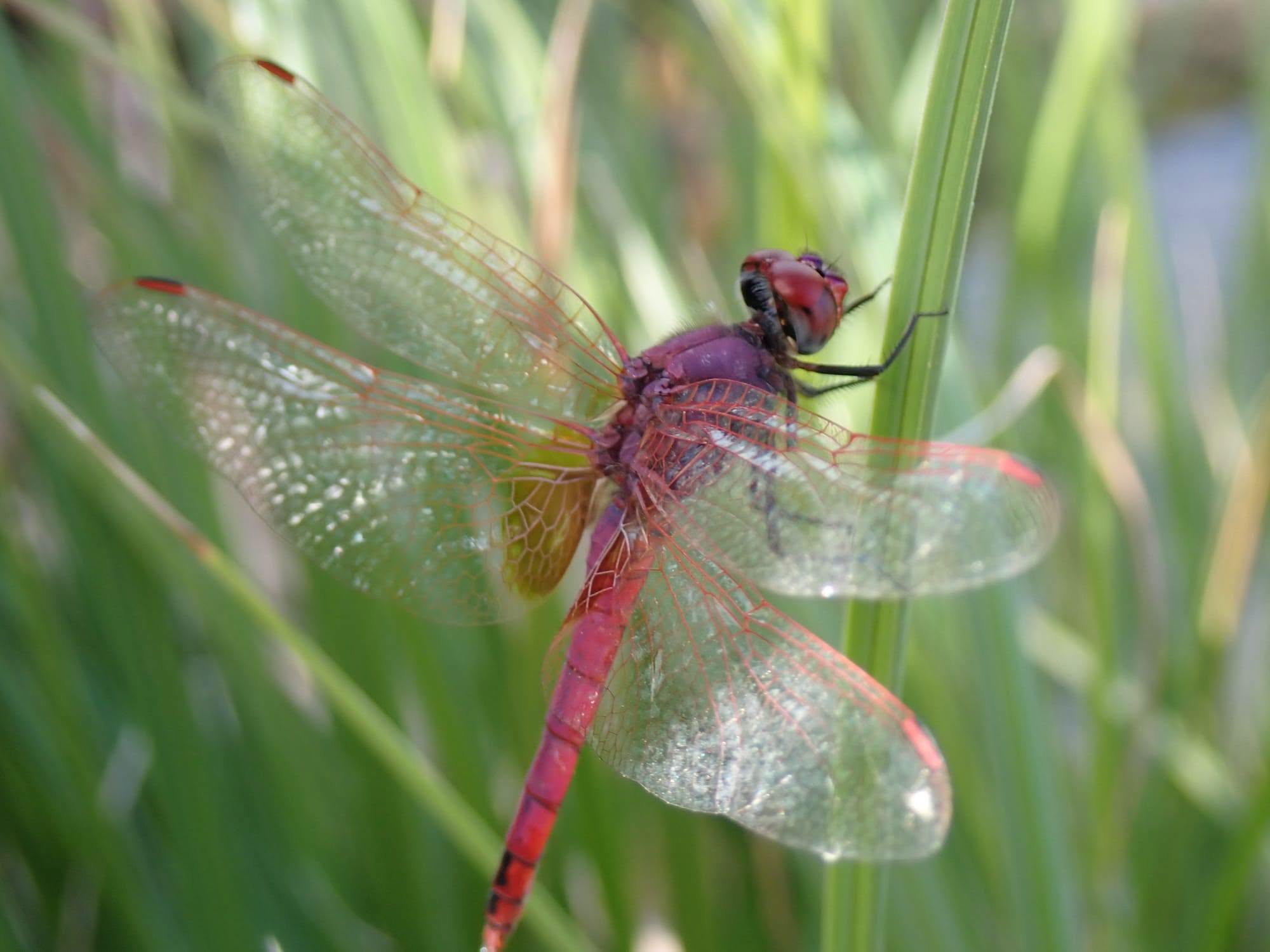
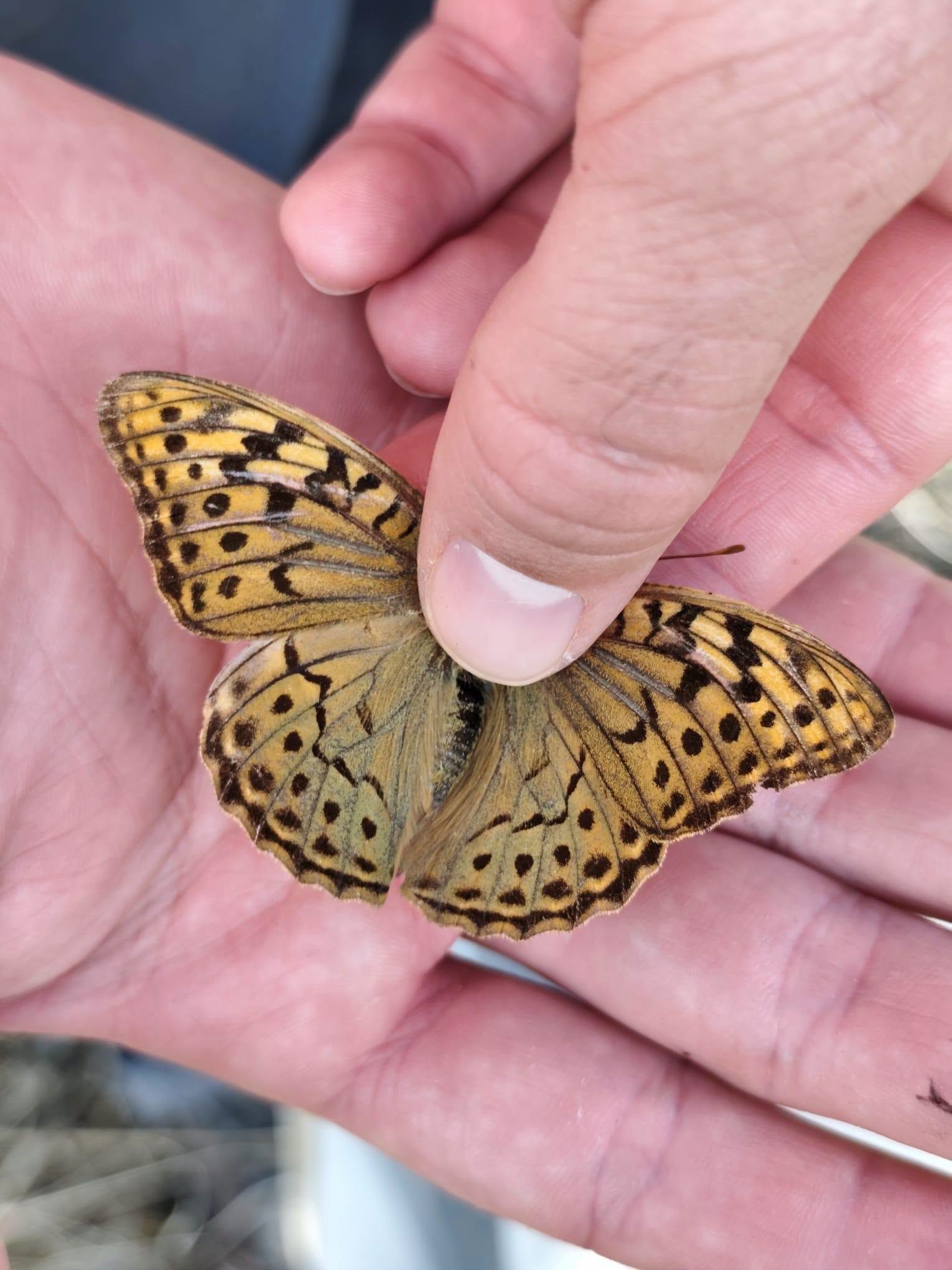
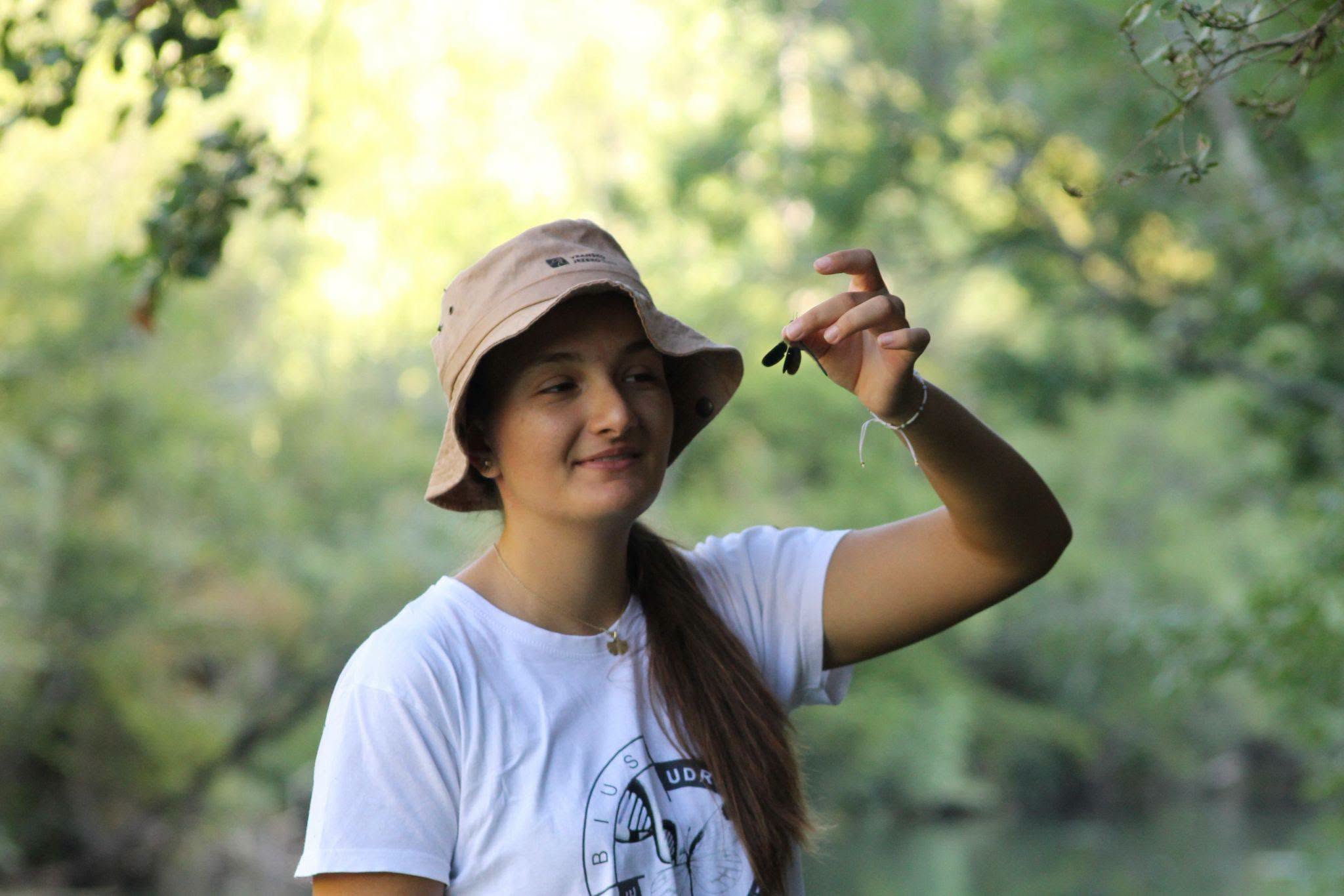
Insect lovers were especially pleased today by a beautiful dragonfly called the violet dropwing (Trithemis annulata), which they found resting on an similarly colored purple loosestrife (Lythrum salicaria) next to the Visovac Lake. This is a species that has recently started to spread in Croatia, and was first recorded at the Krka River last year. It is nice that the image of the violet dropwing was chosen for the illustration on the cover of the official manual for determining the species of dragonflies.
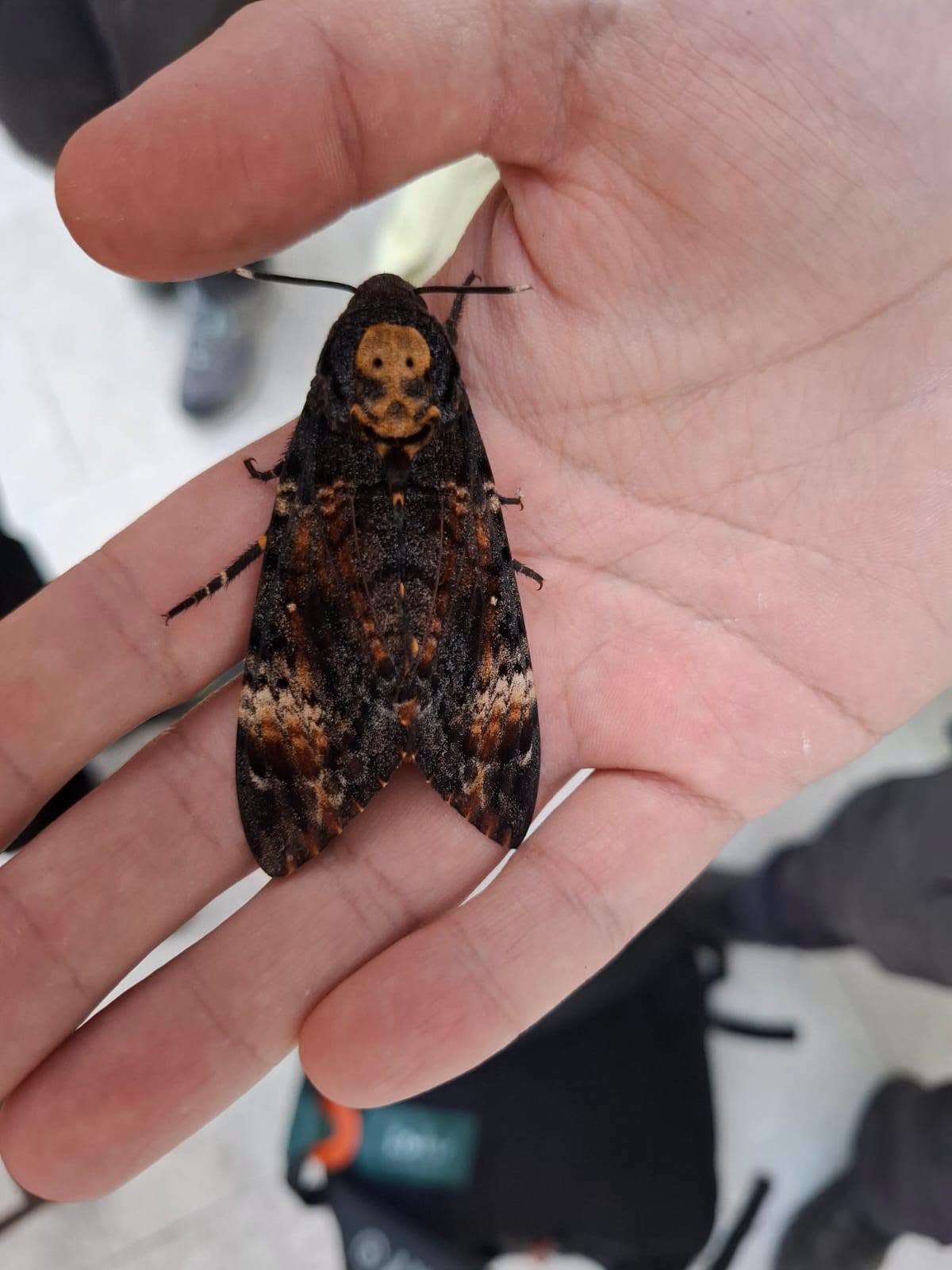
Upon return to the campus, we were greeted by a death's-head hawkmoth, which we examined with great enthusiasm. It is a species of moth (Acherontia atropos) well known from the poster for the film The Silence of the Lambs. This moth feeds exclusively on honey, which it skillfully steals from bees: upon entering the hive, it releases a special scent that has a calming effect on the bees, and then it gets to work. Once it has fed on the honey, it leaves the hive safely, leaving the bees unharmed.
Our explorations of the waters and meadows continues tomorrow!
(Magdalena Klarić i Borna Brezak)
Day 4
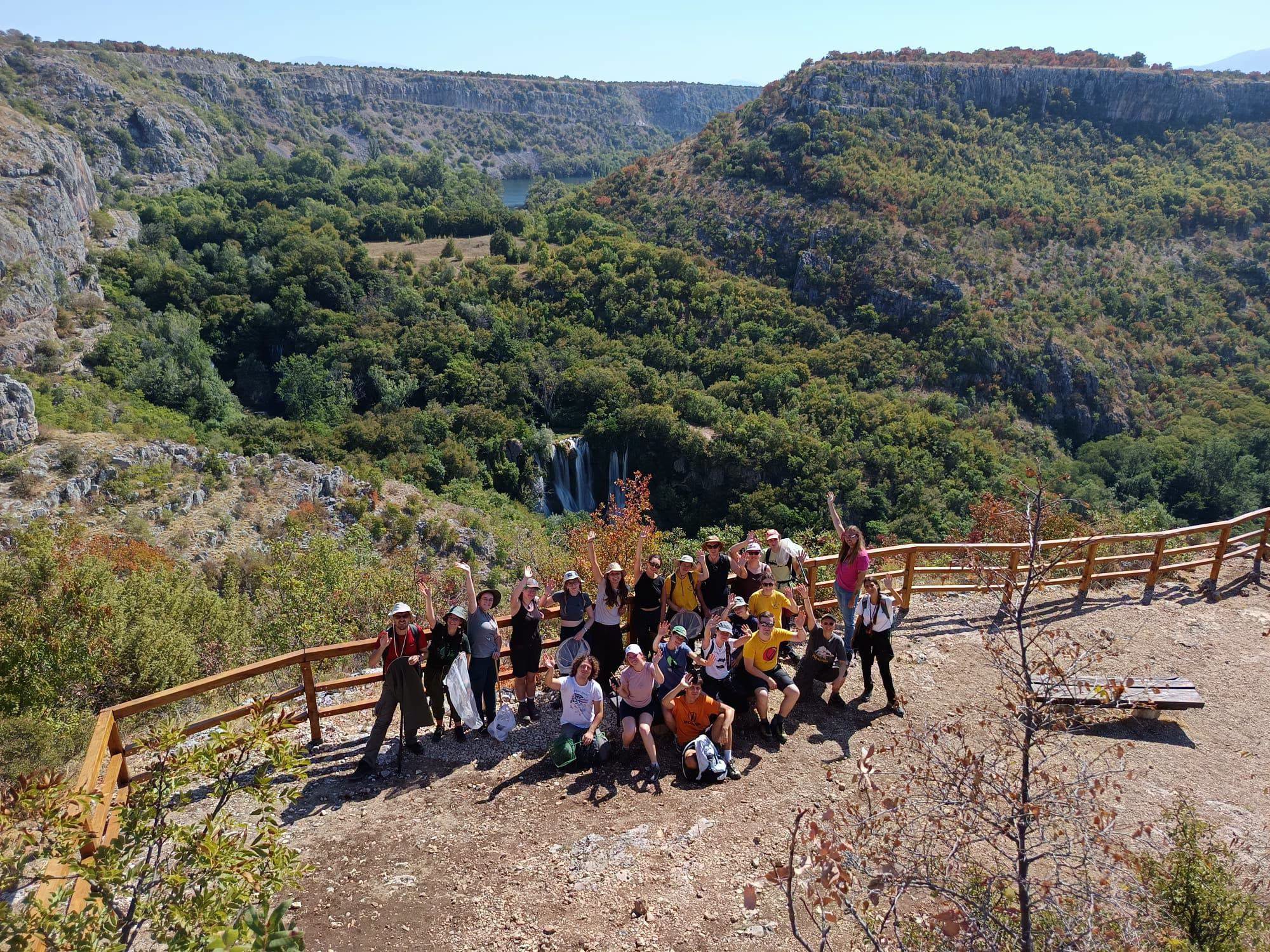
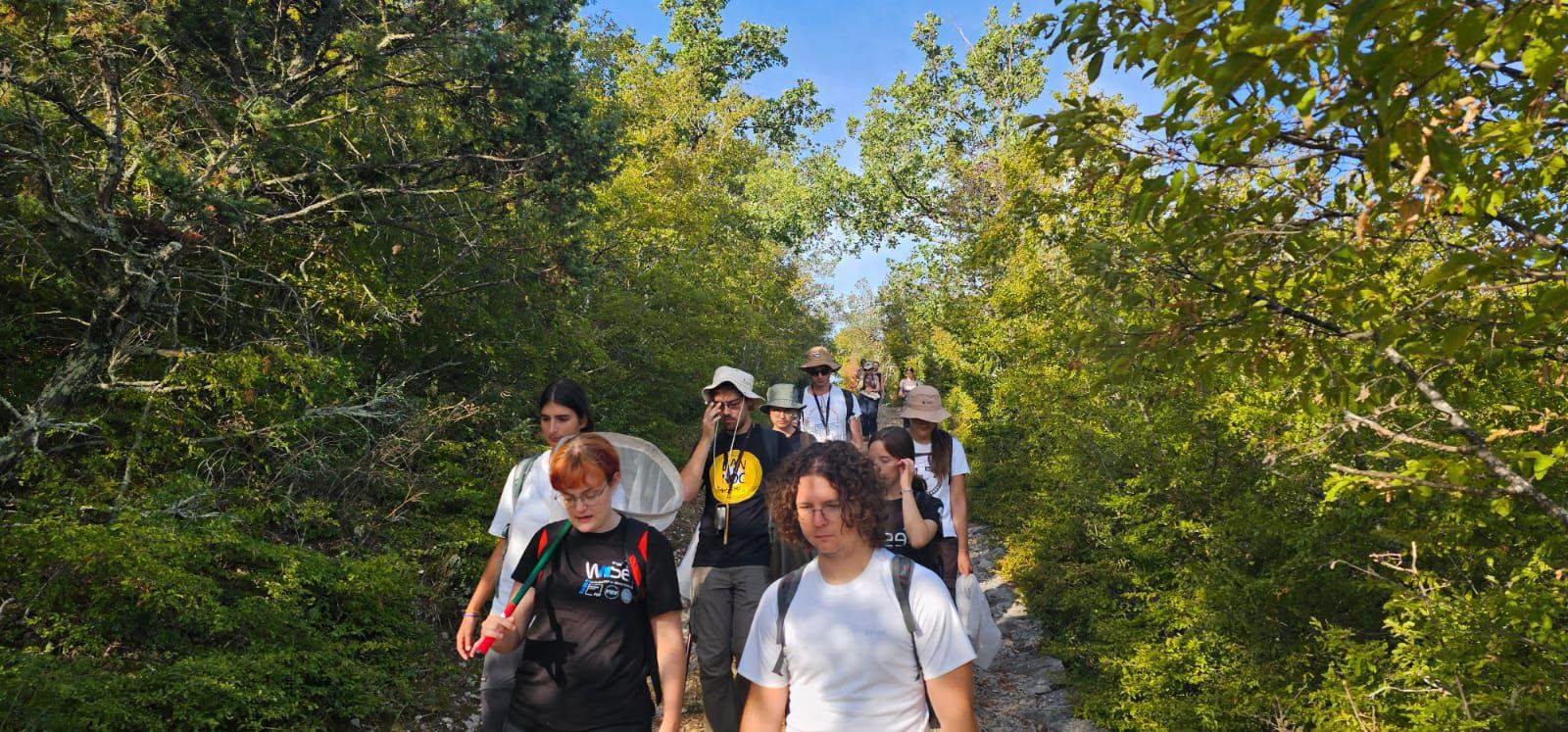
The adventures of the volunteers in the wilderness along the Krka River continue... Yesterday's destination that we explored was the surroundings of the Manojlovac waterfall, the largest and most luxurious waterfall along the Krka River. First, the wonderful views from the viewpoint took our breath away, while the rest of our air was taken away by the challenging return uphill.
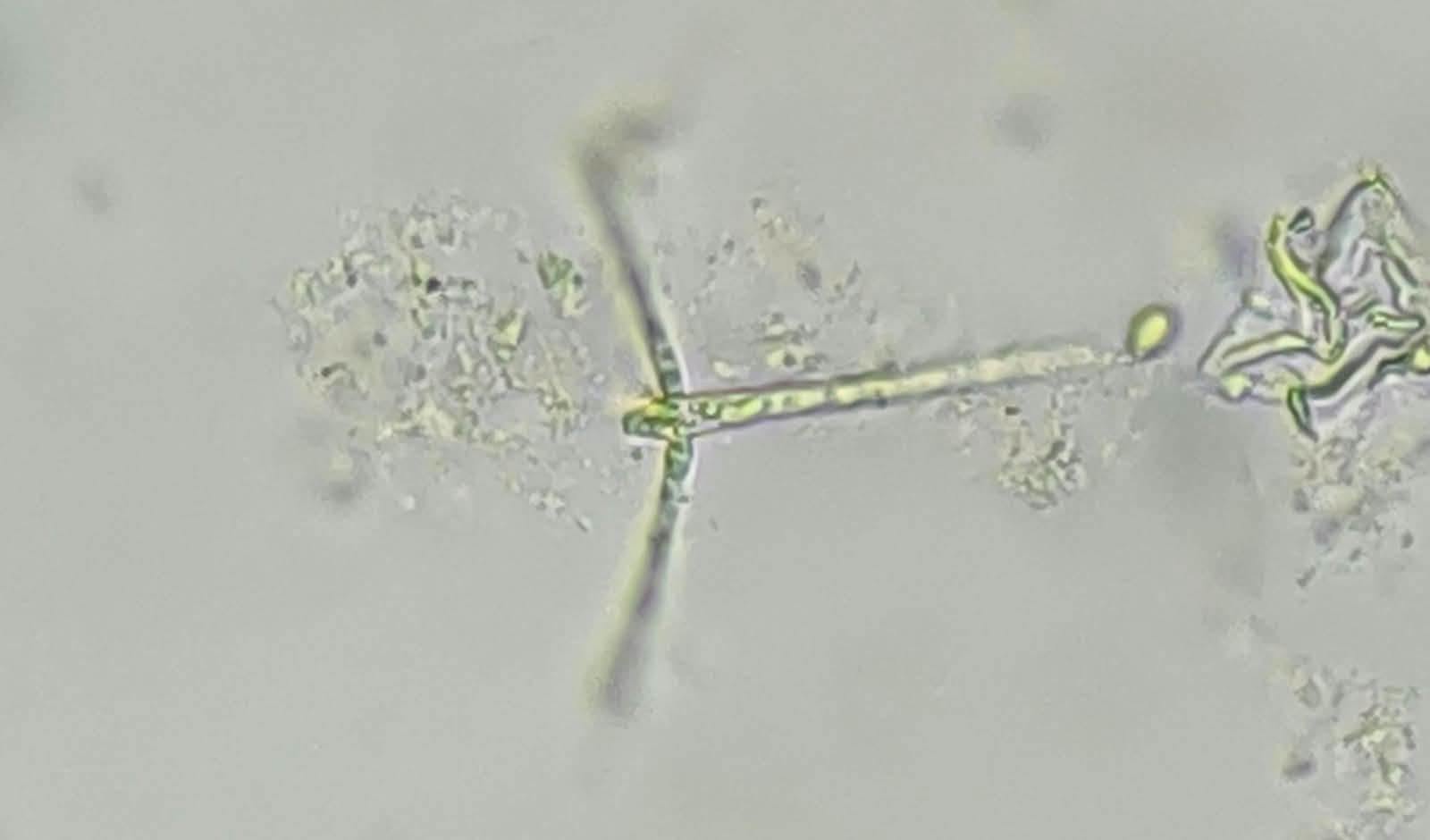
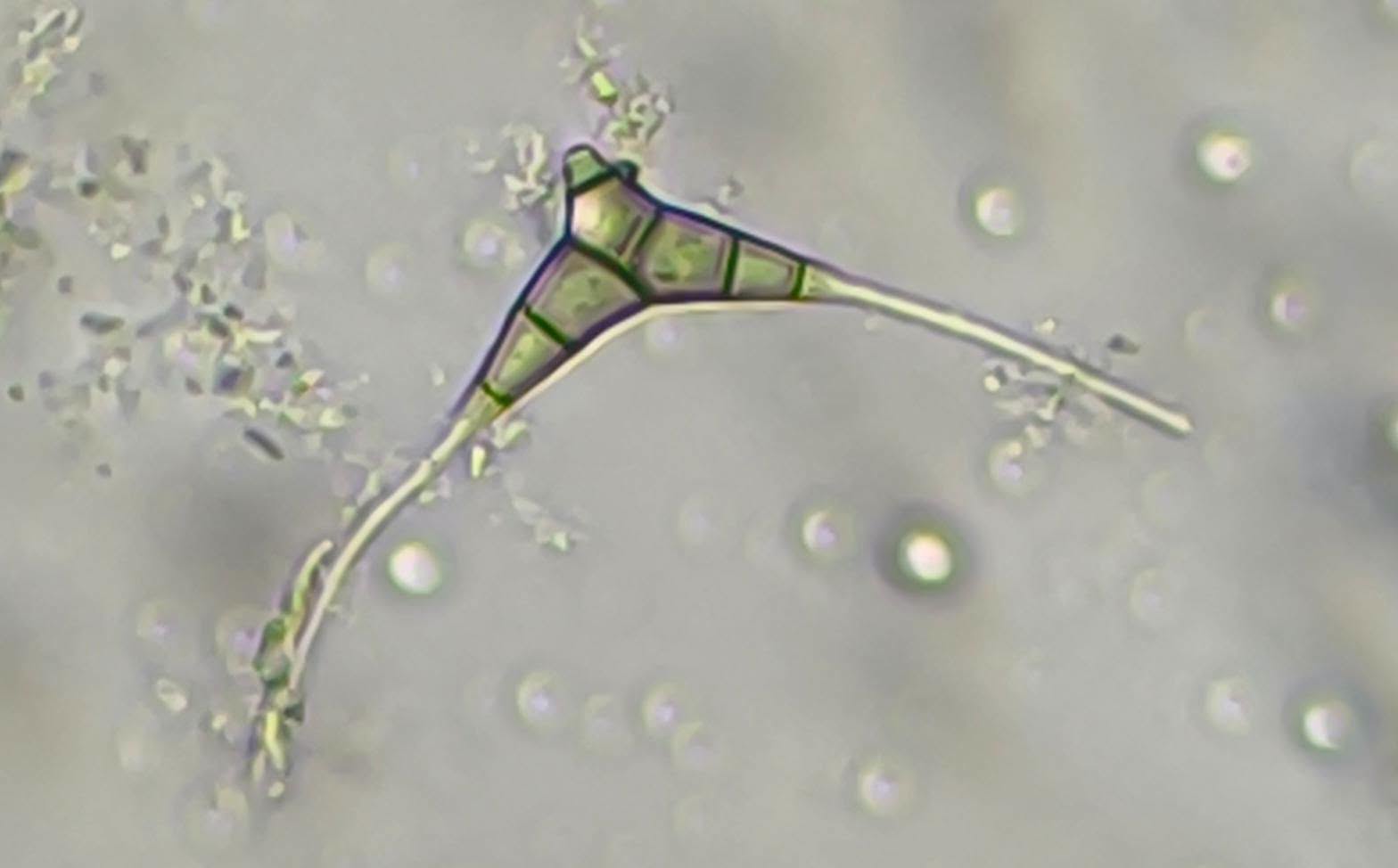
The mycologists conducted their fieldwork at the base of the waterfall, collecting samples of foam from the water in search of new hyphomycetes. The photographs show Triscelophorus acuminatus – a microscopic hyphomycete typically found in tropical flowing waters, though it also occurs in the Krka River (and likely in other flowing coastal waters) – as well as Diplocladiella turina, a highly distinctive and fairly rare species.
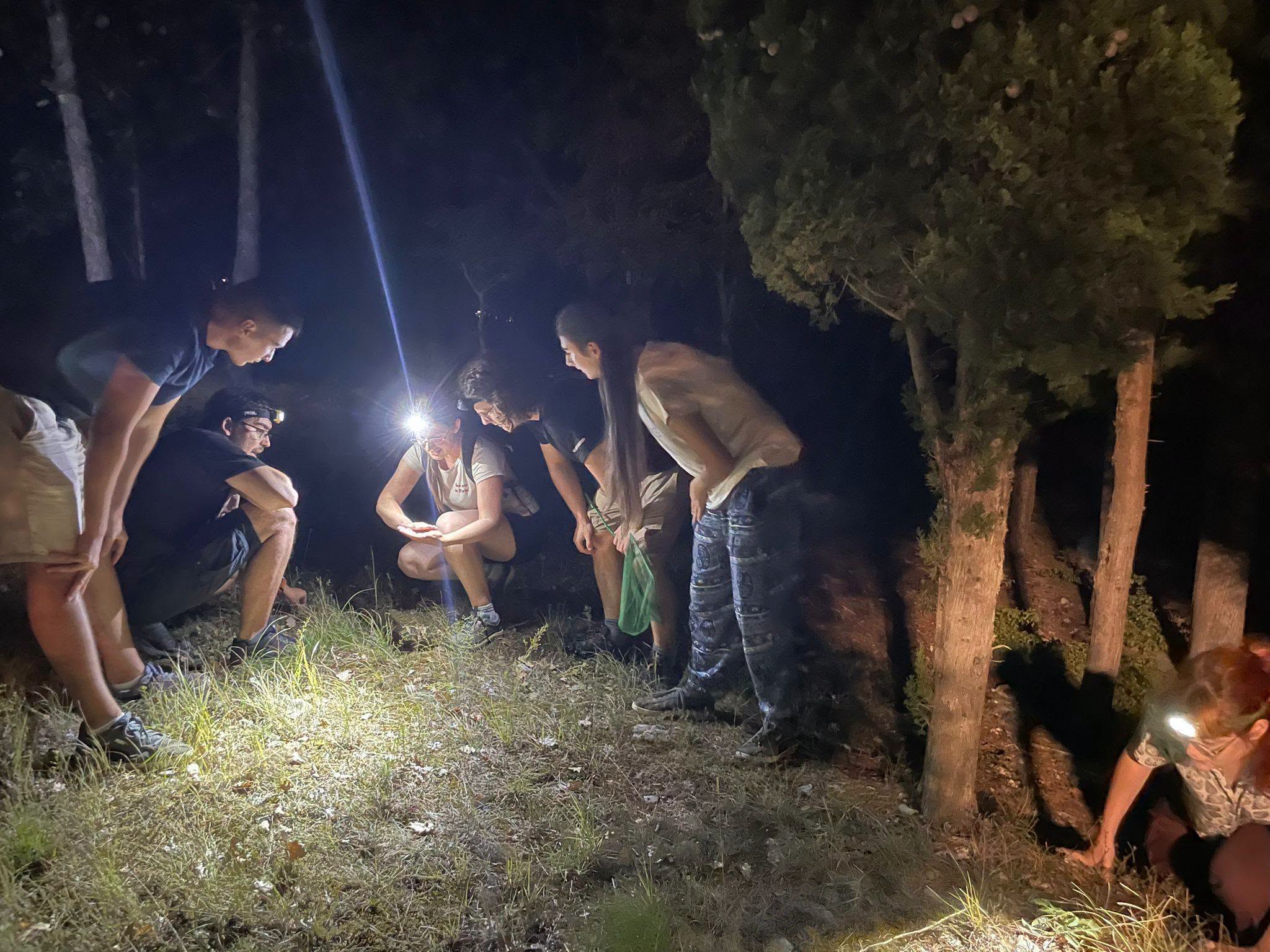
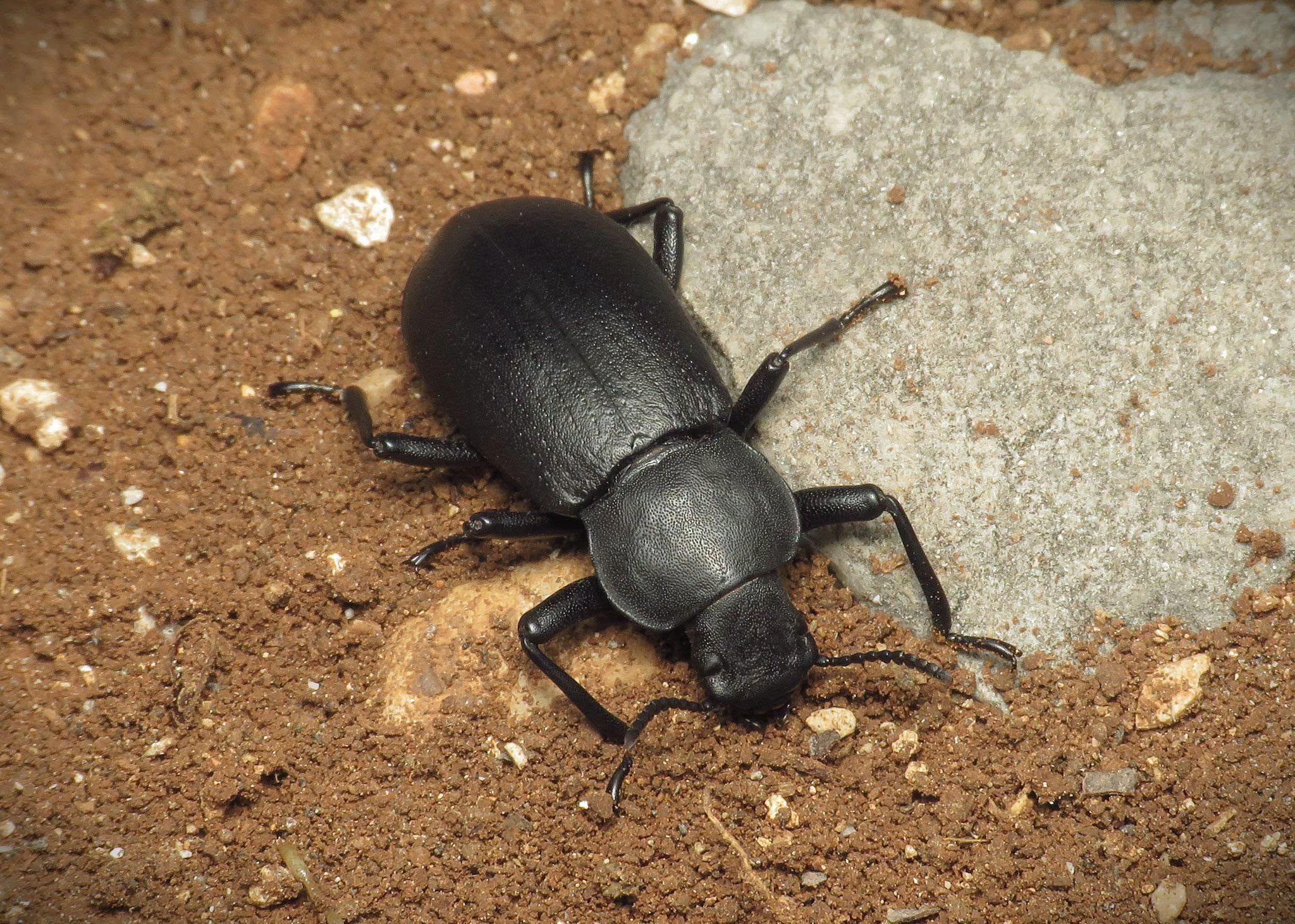
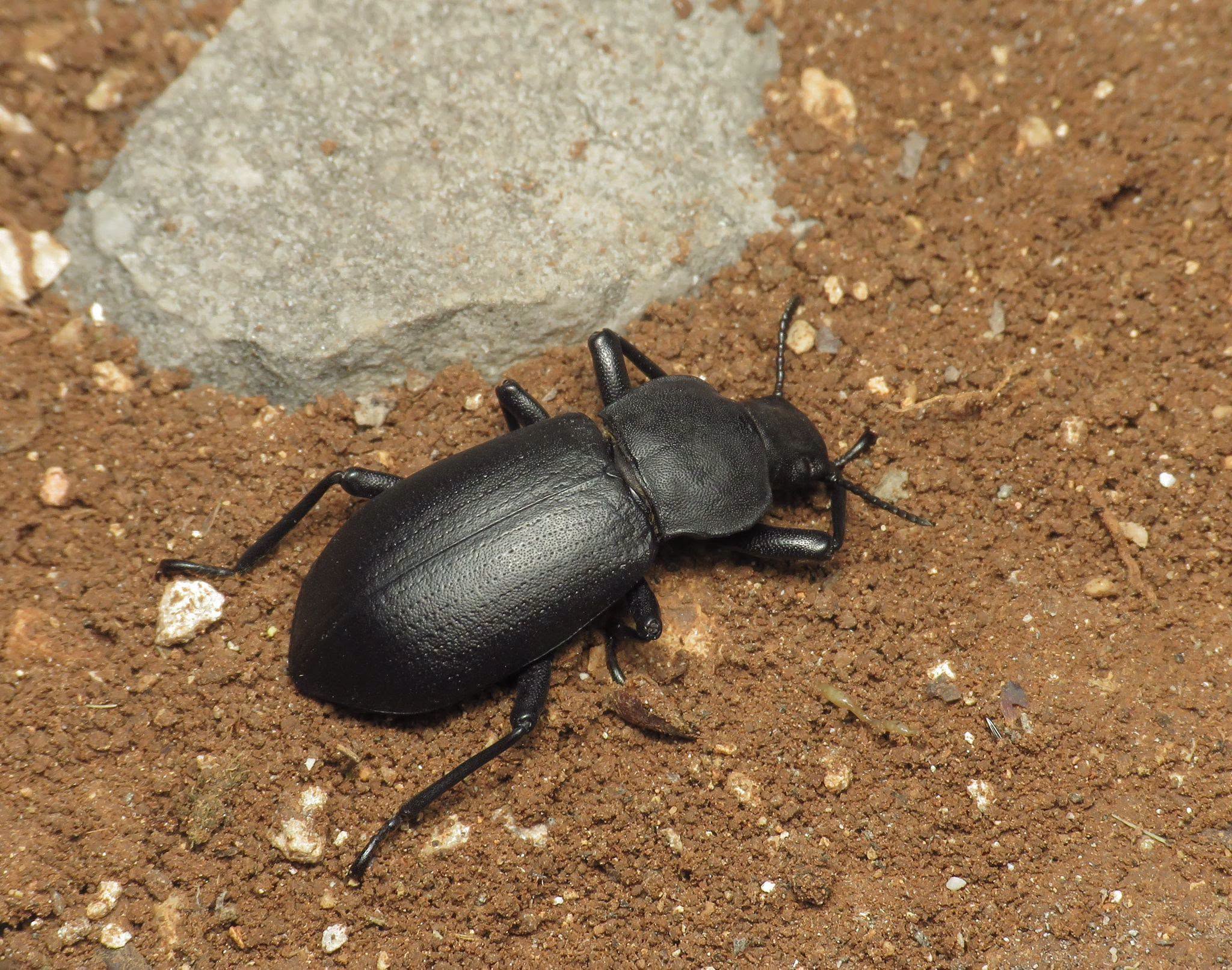
Meanwhile, the insect enthusiasts used their nets to explore the wildlife above the waterfall. After returning to camp, they set out for the customary evening walk around the campus. As a perfect way to end the day, they discovered (Iphthiminus italicus), a rare and little studied beetle species belonging to the darkling beetle family (Tenebrionidae). This species is associated with pine forests and is threatened by habitat loss.
Until tomorrow's wandering!
(Everi Kopač i Borna Brezak)
Day 5
Yesterday, our curious group was told to give our brains a rest, so that is exactly what we did – though not just anywhere, but on the romantic small island of Krapanj, not far from Šibenik. Krapanj is one of the smallest and lowest-lying inhabited islands in the Adriatic, renowned for its centuries-old tradition of diving and sponge harvesting.
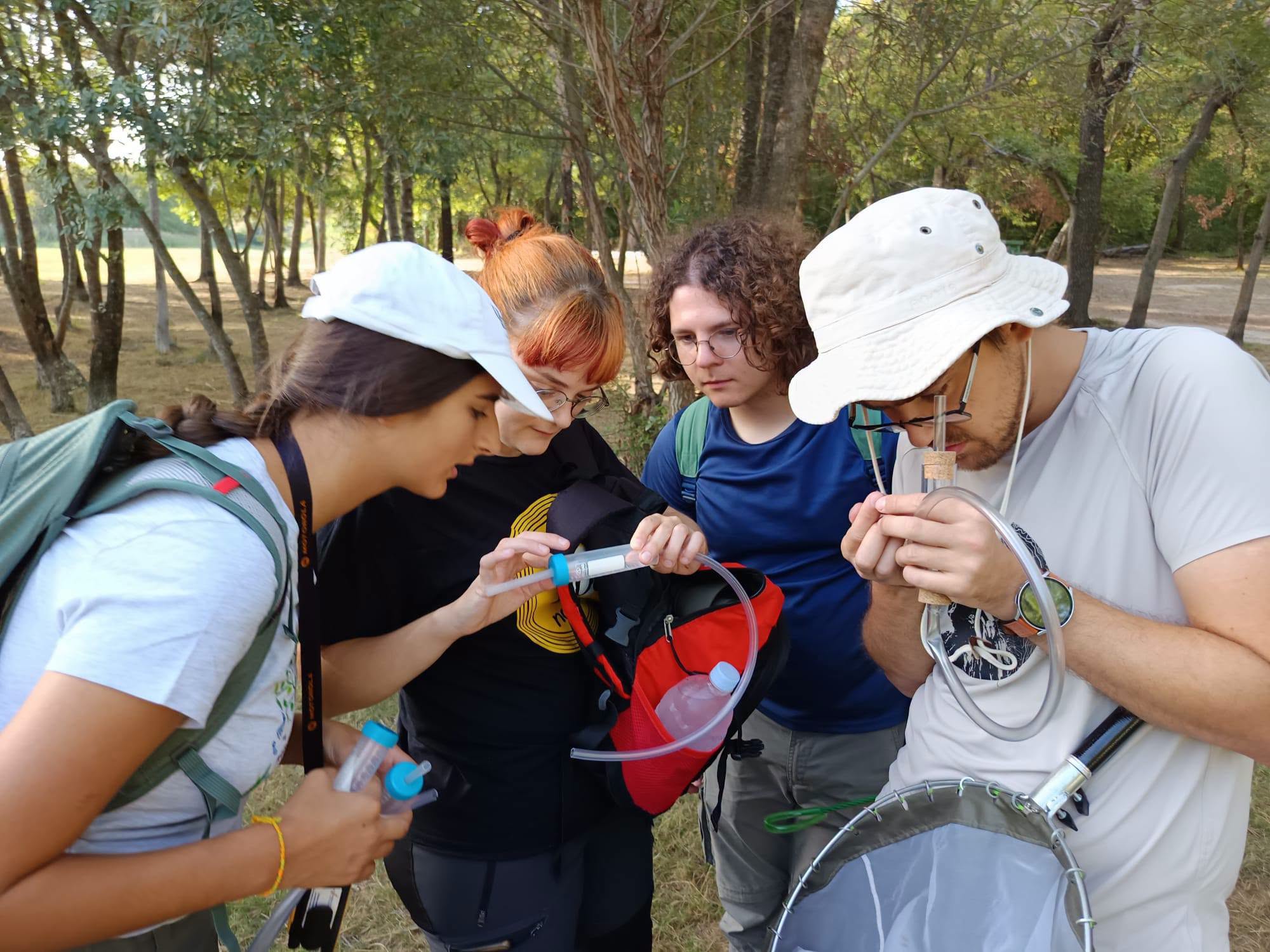
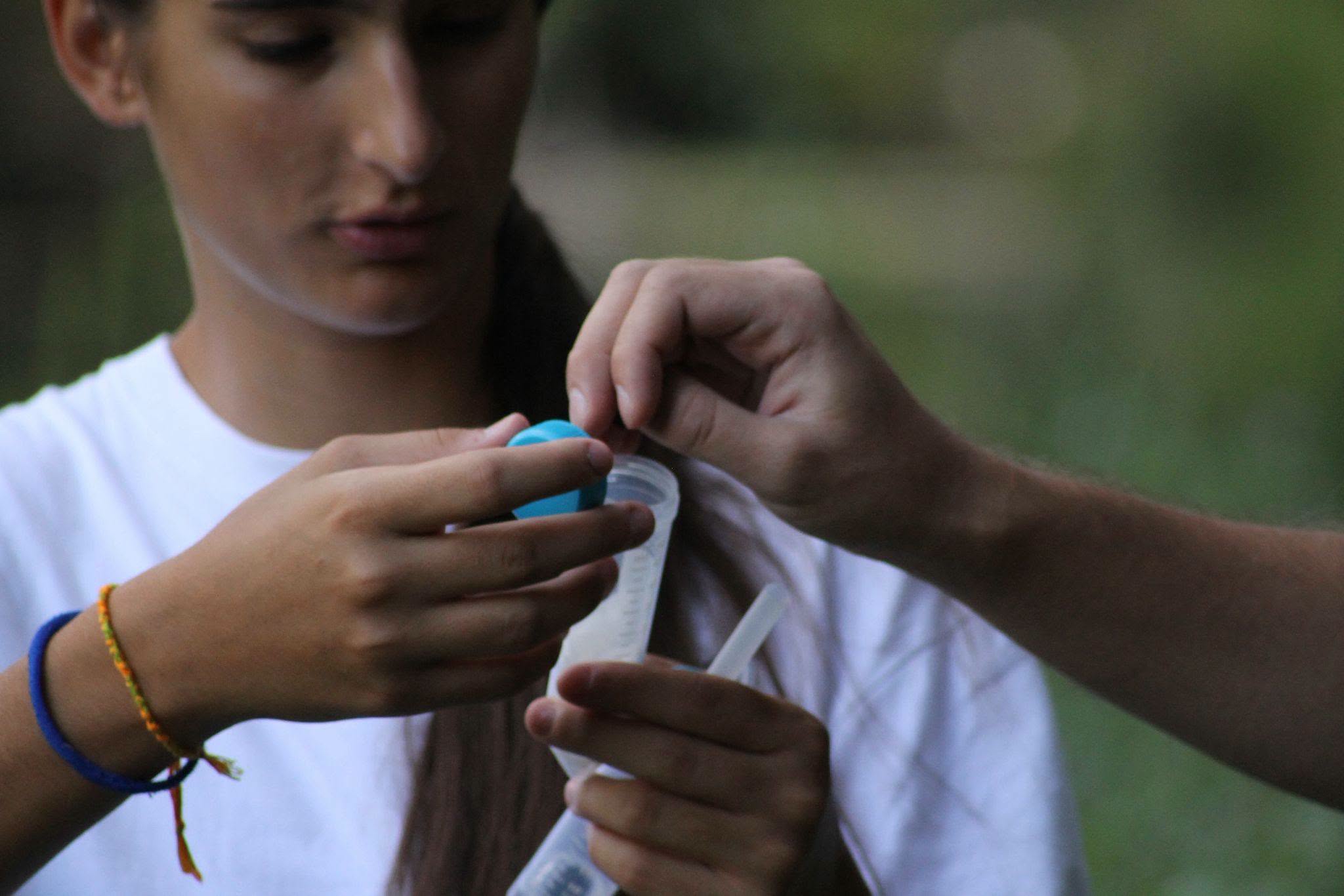
And so, a small boat named Sponge Diver, which sails the route to Krapanj, took us on the day's adventure. Although we were meant to play the part of tourists, a true biologist never sleeps; hence, a few of us brought along nets and sample vials to observe the islet's nature out of the corner of our eyes. After a well-deserved swim and a leisurely stroll, we visited Spuga – a small business and museum dedicated to diving and sponge harvesting – where we learned more about this fascinating Krapanj tradition. Generations of divers lie behind the practice of sponge harvesting. Diving methods have changed significantly over the years, and we could trace this evolution through the exhibits of diving suits, ranging from their 18th-century origins, when – to everyone's astonishment – they resembled barrels more than suits, to the "newer" models that weighed over eighty kilograms!
Despite supposedly taking a rest that day, the volunteers ultimately brought a sample of sea-borne slime back to the camp – a sample teeming with fascinating things. It contained a tardigrade, or "tiny water bear," considered one of the most resilient creatures on Earth; it can even survive conditions beyond our planet – in outer space!
Until our next adventure!
(Diana Kegelj)
Day 6
Yesterday, our volunteers headed off in different directions: the mushroom and algae enthusiasts to the wonderfully cold source of the Krka River, and the bug lovers to the somewhat warmer meadows in the vicinity of Knin.
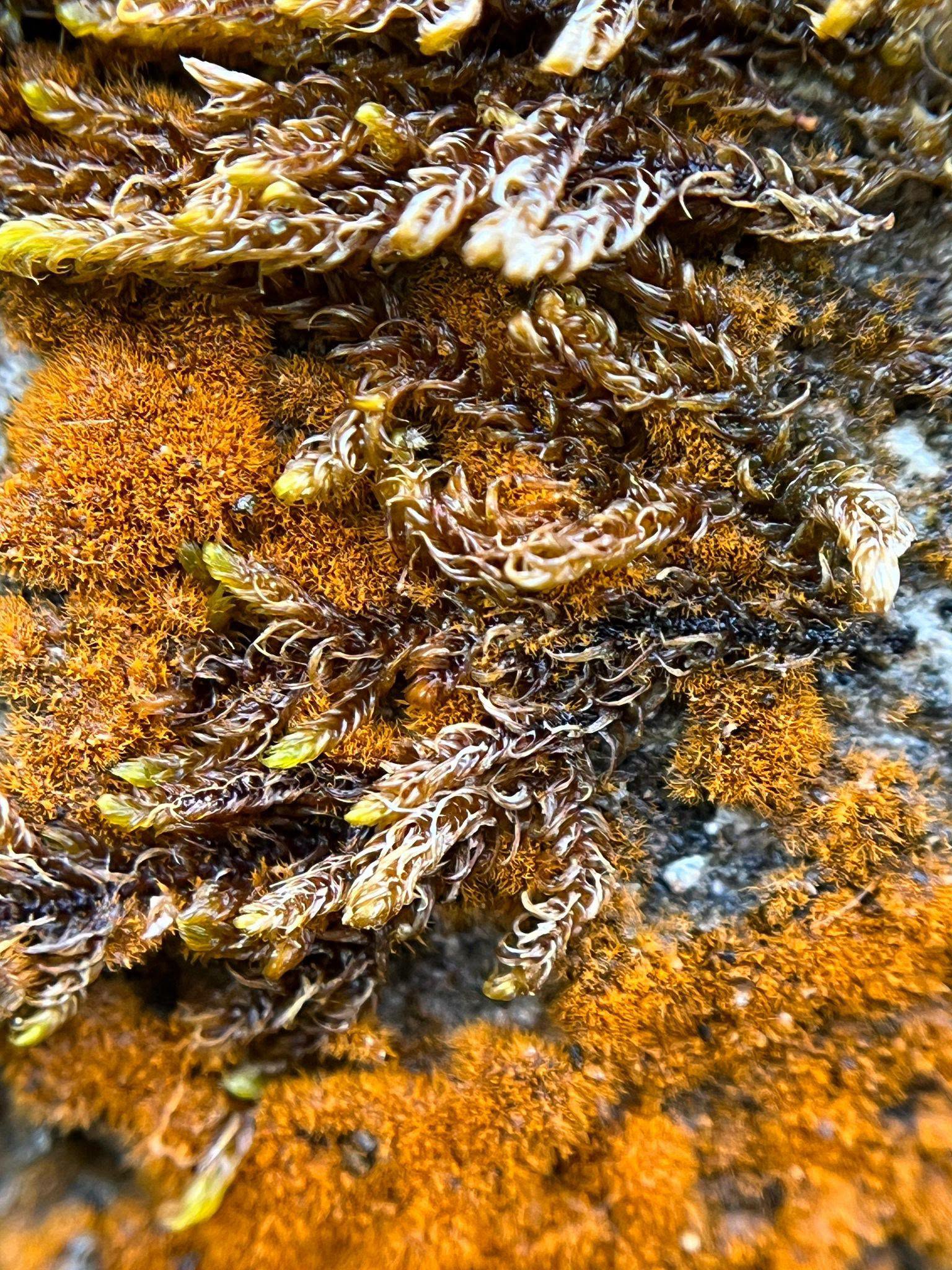
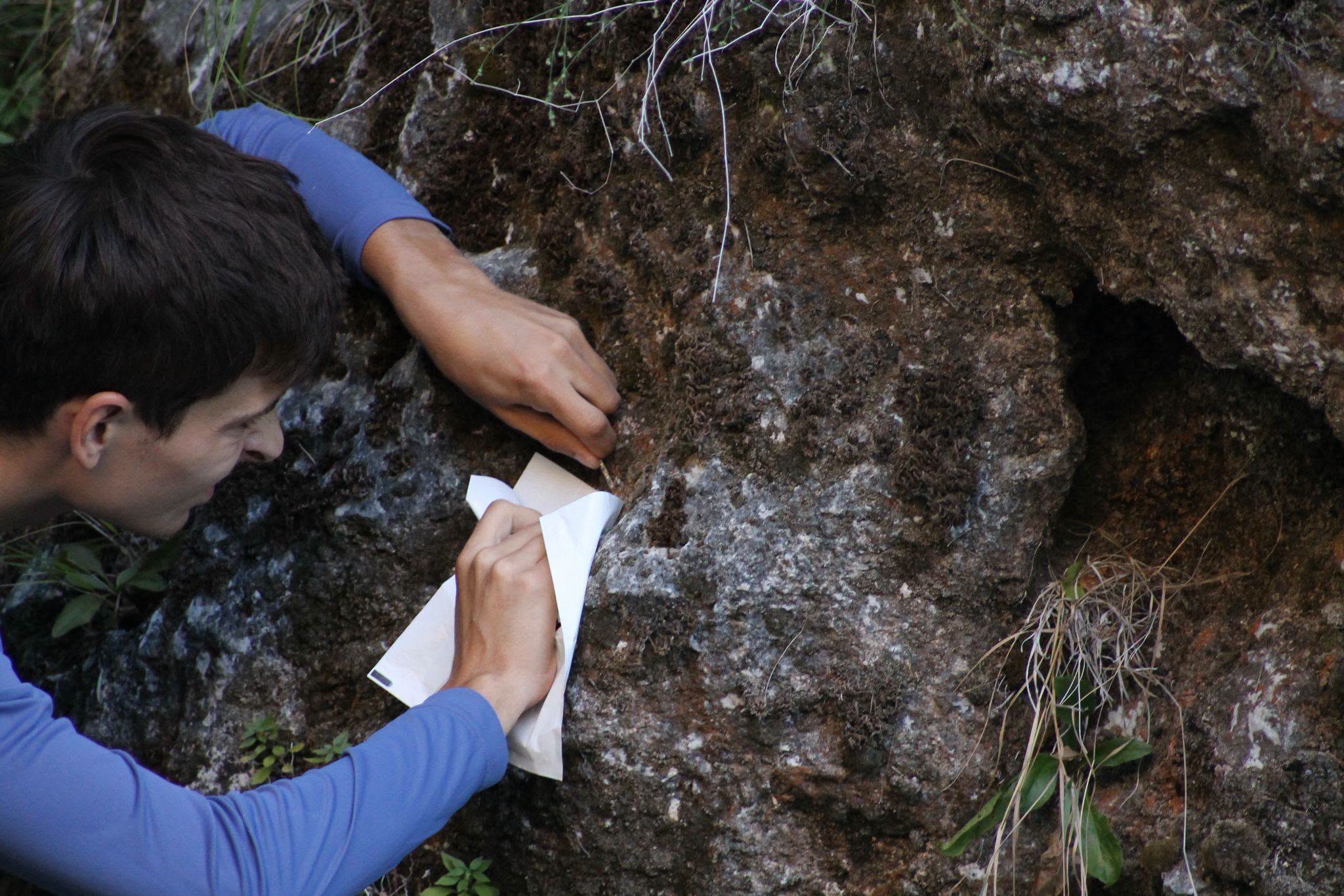
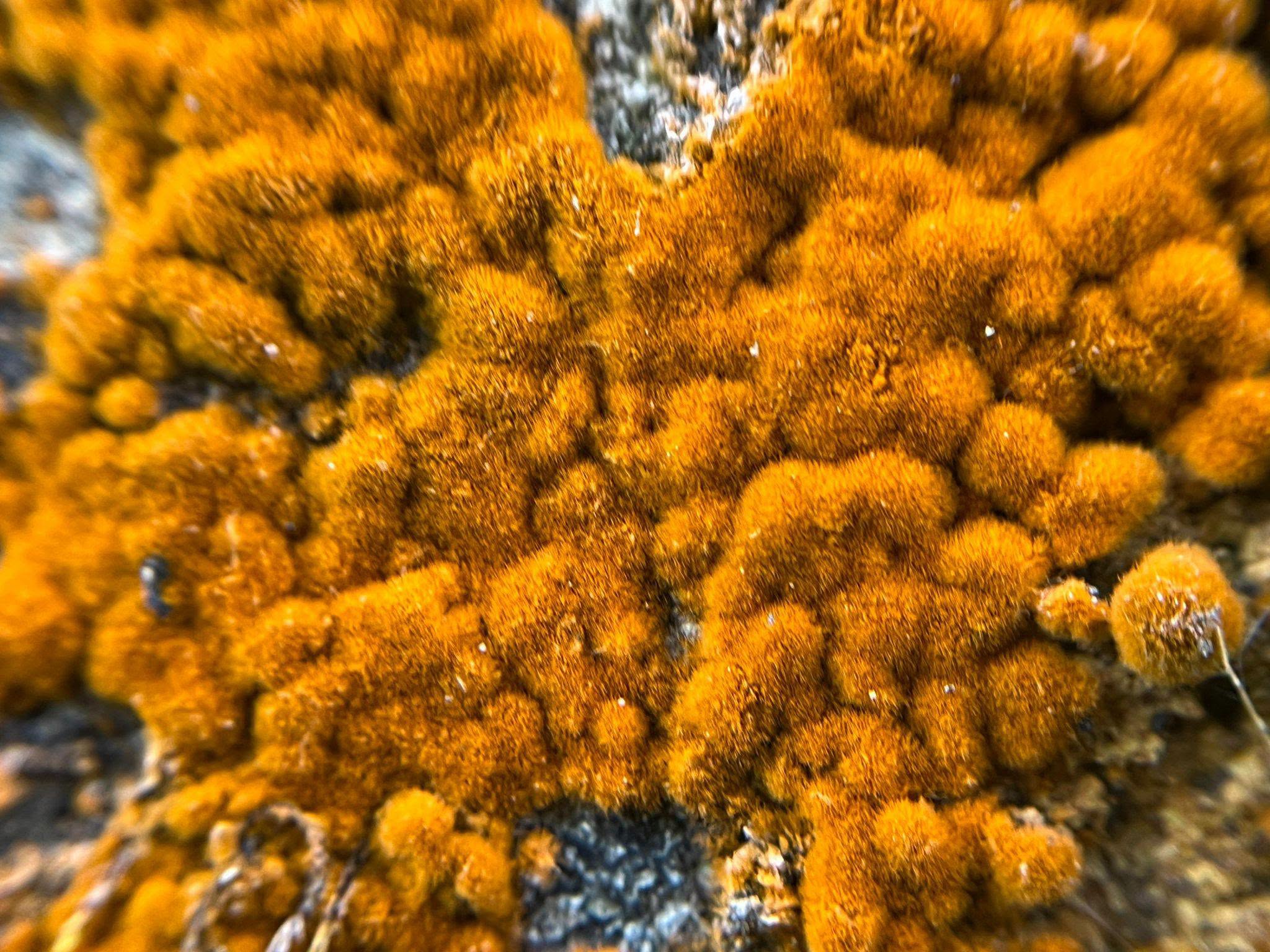
One of the remarkable organisms that captured our attention yesterday was undoubtedly the golden alga, Trentepohlia aurea. Although it grows worldwide, it was first recorded in our region long ago in 1890, but without any data in terms of its presence throughout the 20th century. It was rediscovered in Croatia in 2020 and 2024. This alga is interesting because it grows out of the water in damp habitats, such as wet tree bark or rocks within the spray zone of waterfalls. It often occurs in association with mosses and lichens. Its striking orange color comes from carotenoids. The fact that we recorded this beauty in the wider area of the Krka River suggests that it could also be growing at other, as-yet-undiscovered locations in Croatia!
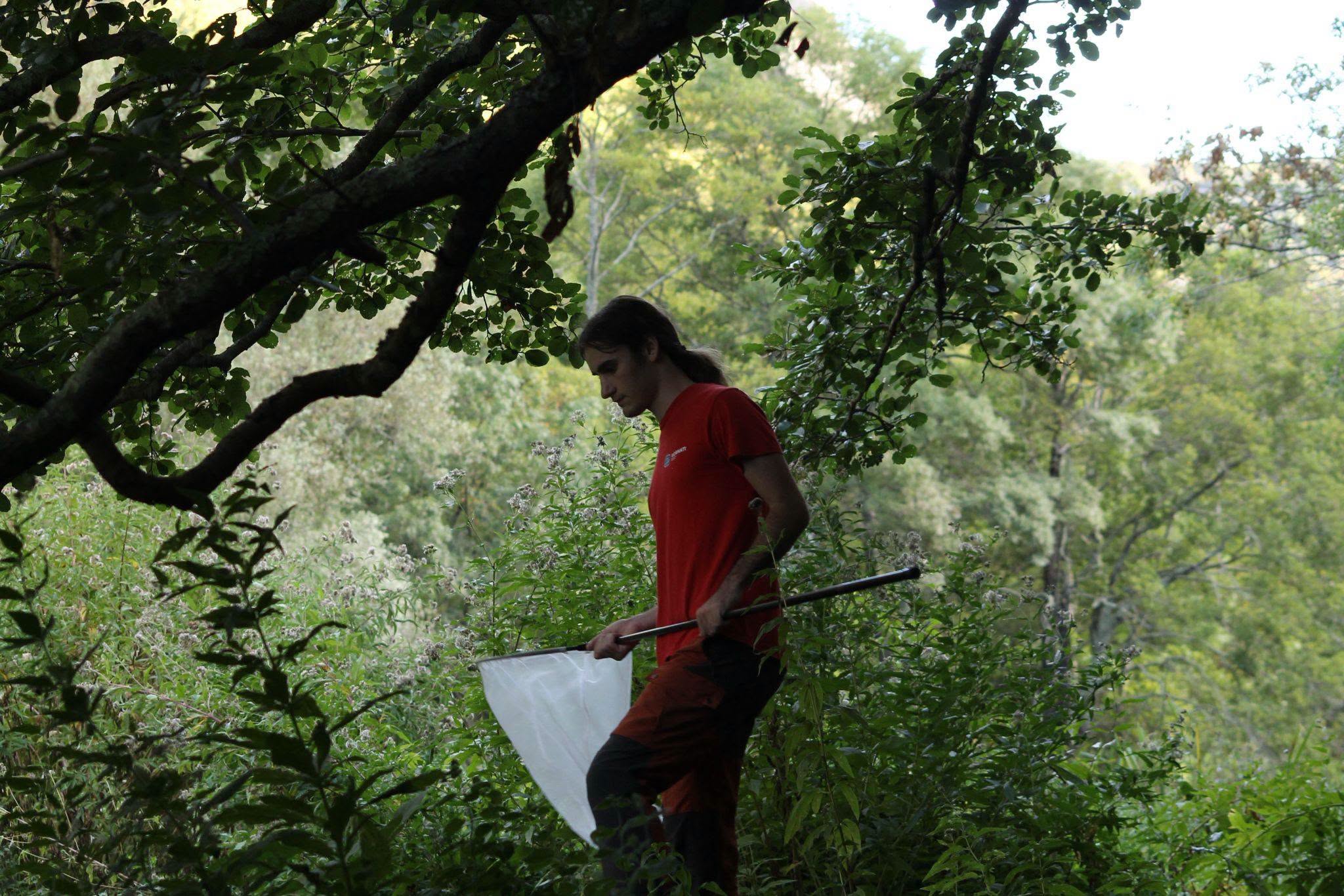
The insect lovers sampled in the meadows around Carigradska Draga. We noticed significant differences between the dry meadows at the top of the canyon, where, like in a fable, only grasshoppers and diligent ants live together among the golden grasses, while colorful flowers greeted us along the river, a habitat that is much more suitable for pollinators such as bees and flower flies. Satisfied with the specimens caught by the study groups, we also visited the first Krka waterfall, Bilušića buk.
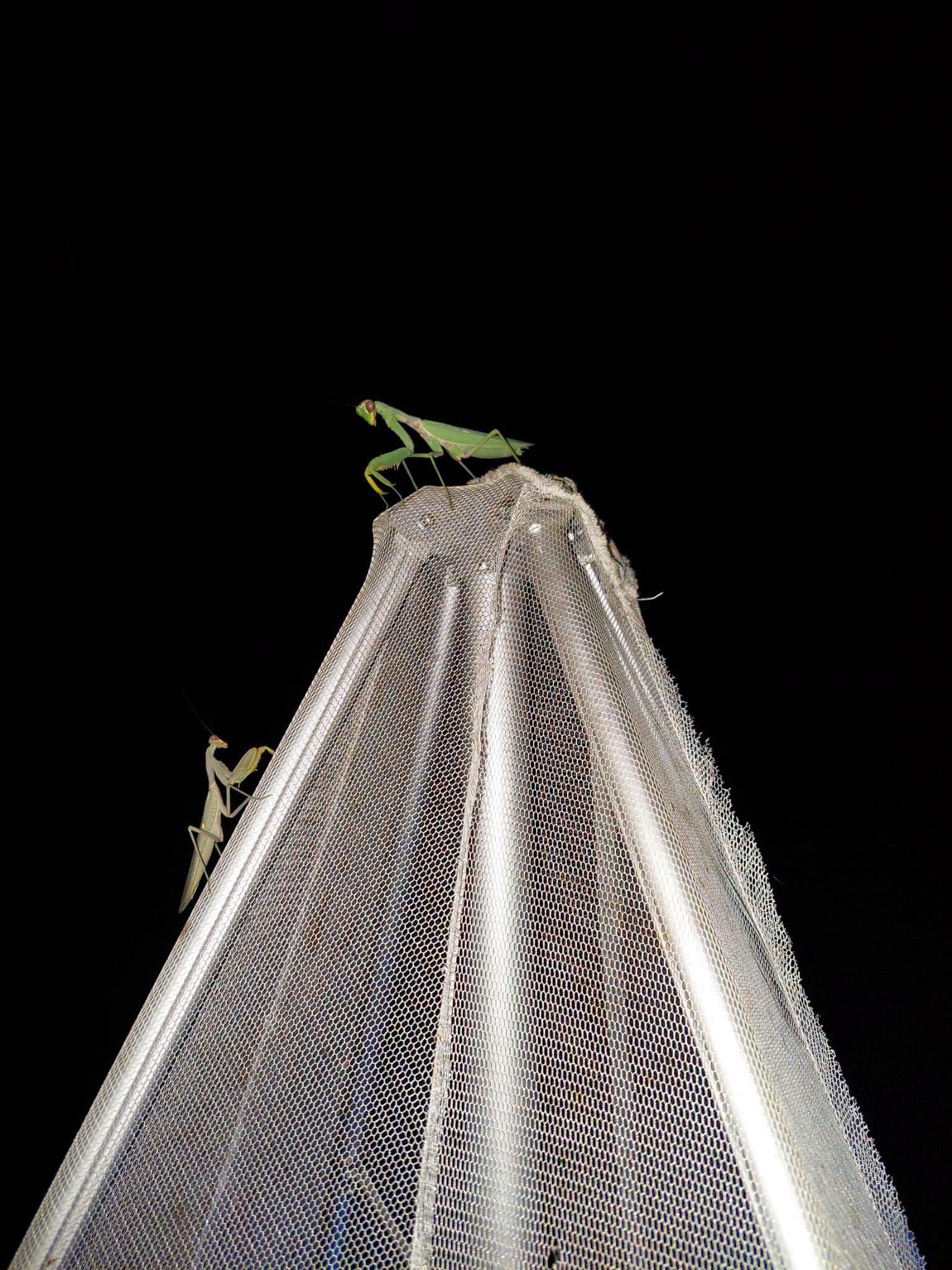
In the evening, we set up illuminated pyramids for the first time that week. This allowed us to observe primarily the moths and beetles on the campus. Attracted by the abundance of prey, a male and a female Transcaucasian Giant Mantis (Hierodula transcaucasica) visited the pyramid. Over the course of a few days, we found three additional species of mantises. These insects are known for mimicking parts of plants in both appearance and behavior – a phenomenon known as phytomimesis. Their body color depends on their surroundings. They are also known for a characteristic behavior that often leads to an unfortunate fate for the male: the female sometimes devours him after mating. However, the pair we observed did not provide us with such a spectacle, as the female was evidently already full.
Until our next adventure!
(Divna Grabarević i Ivana Kepčija)
Day 7
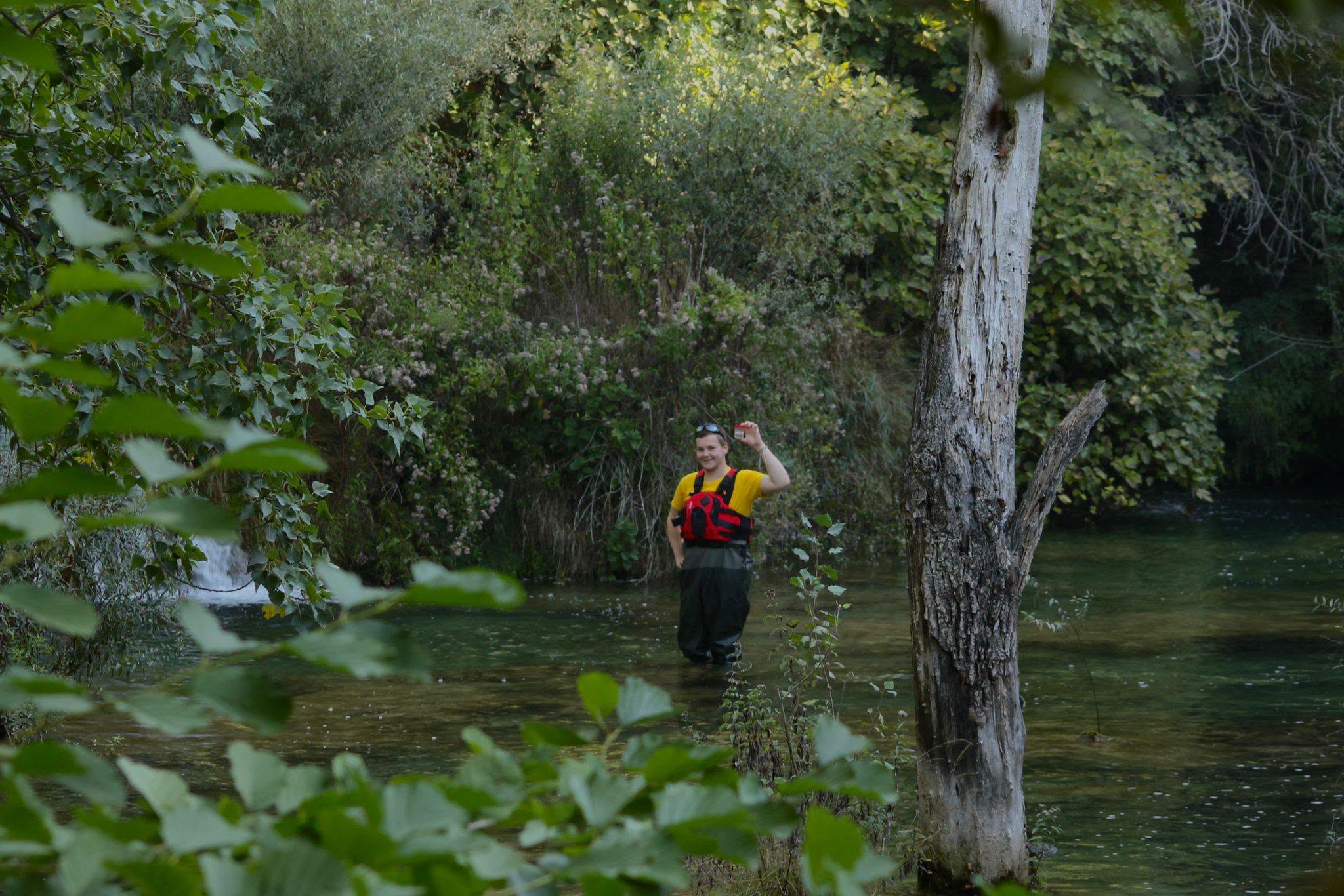
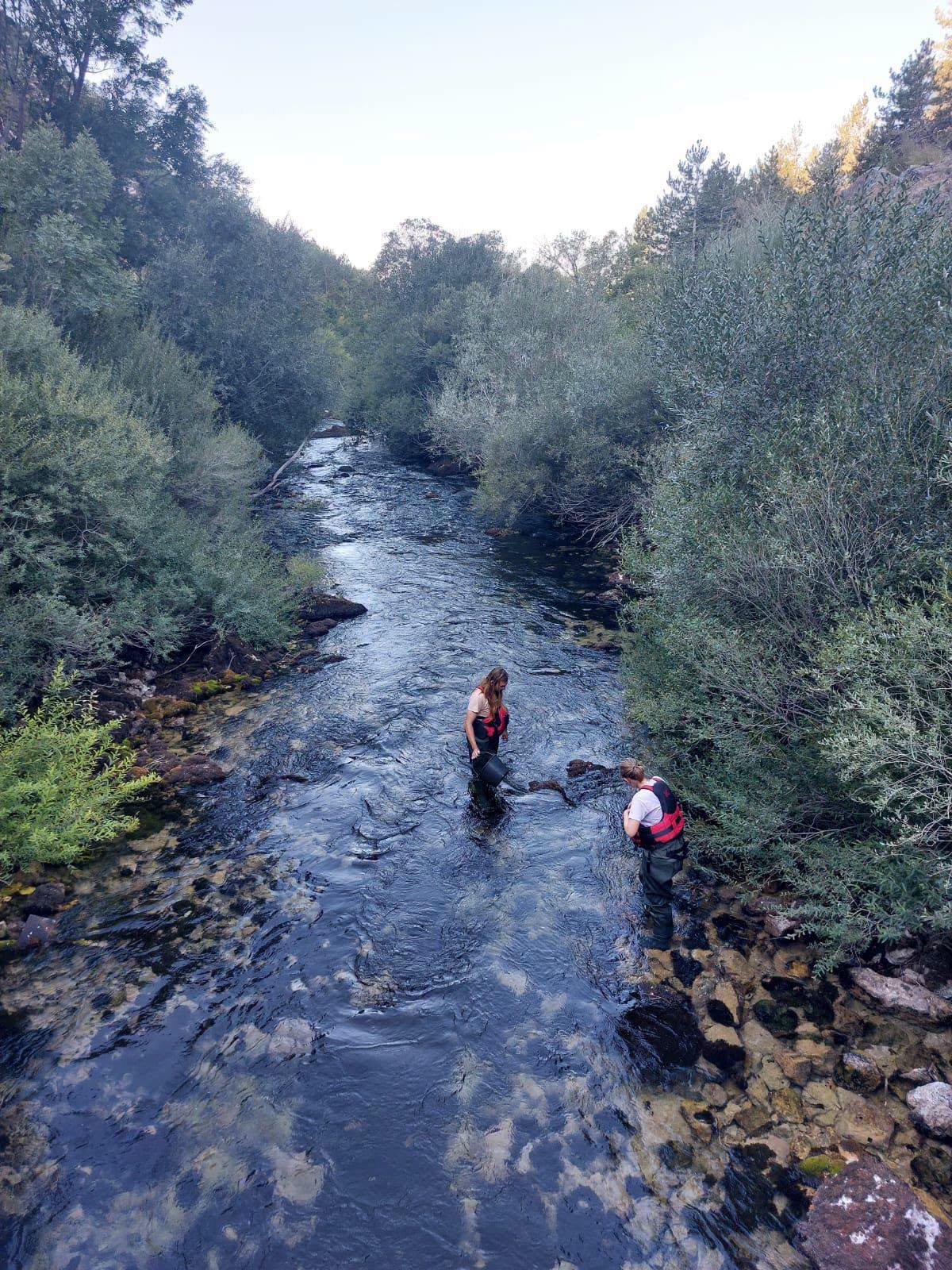
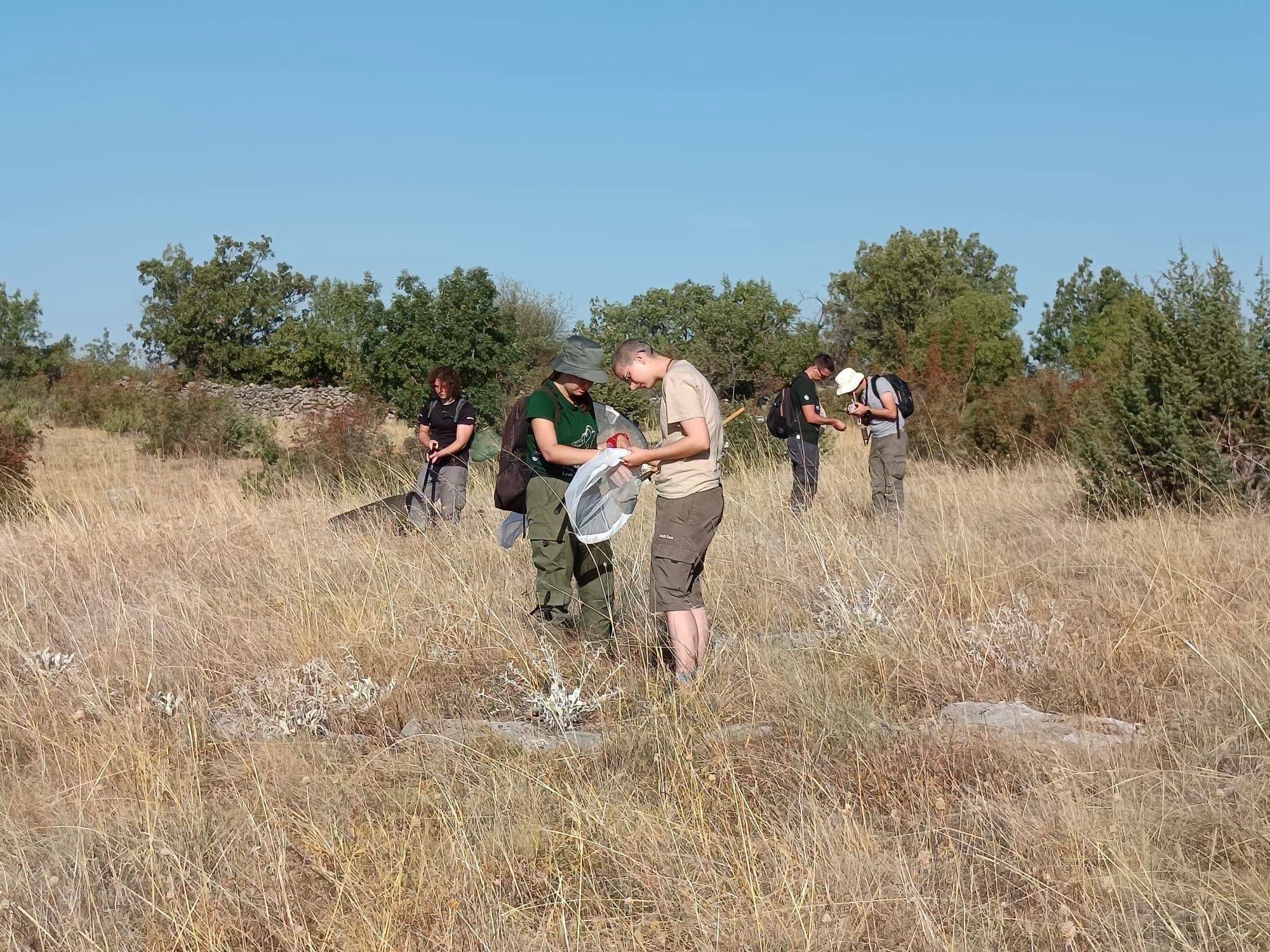
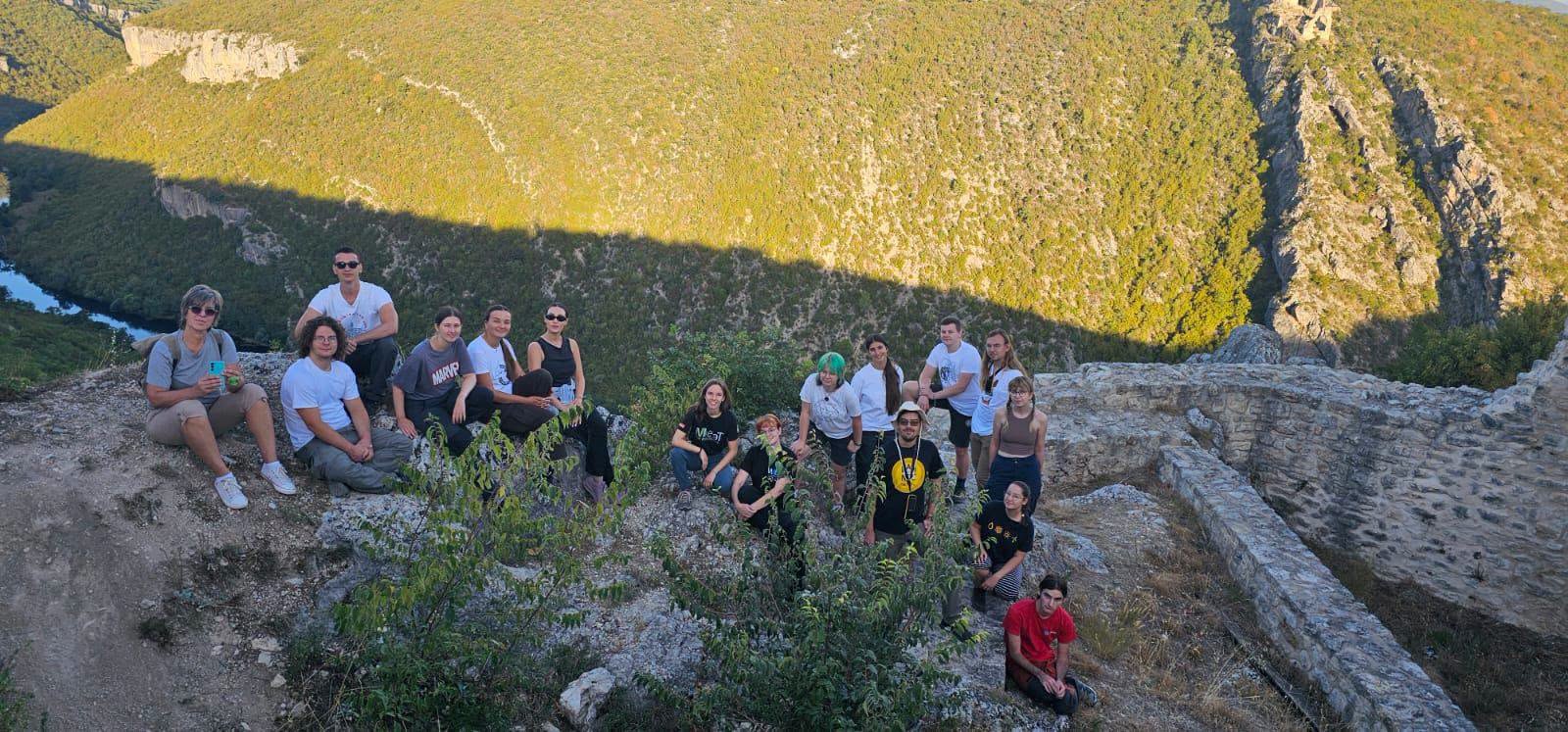
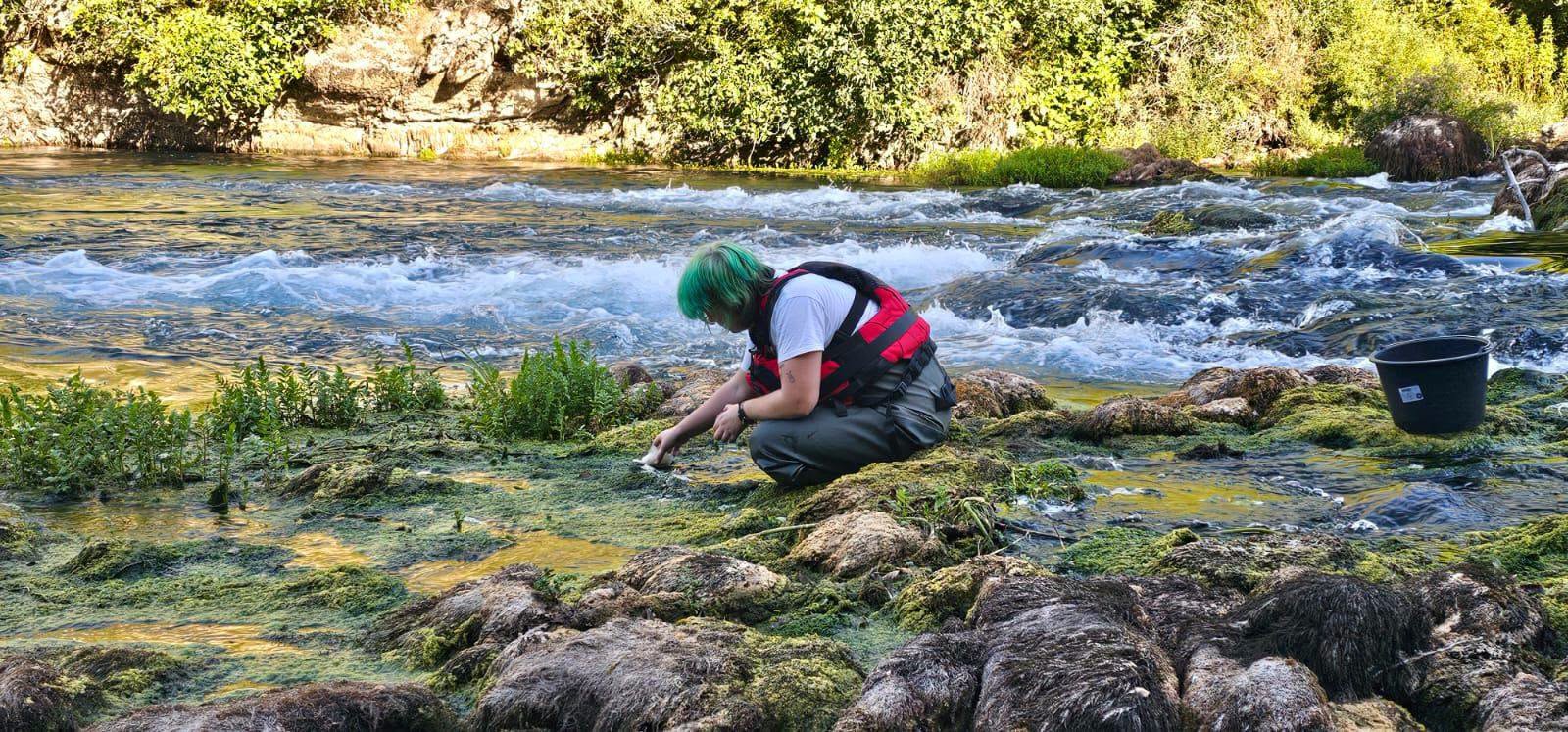
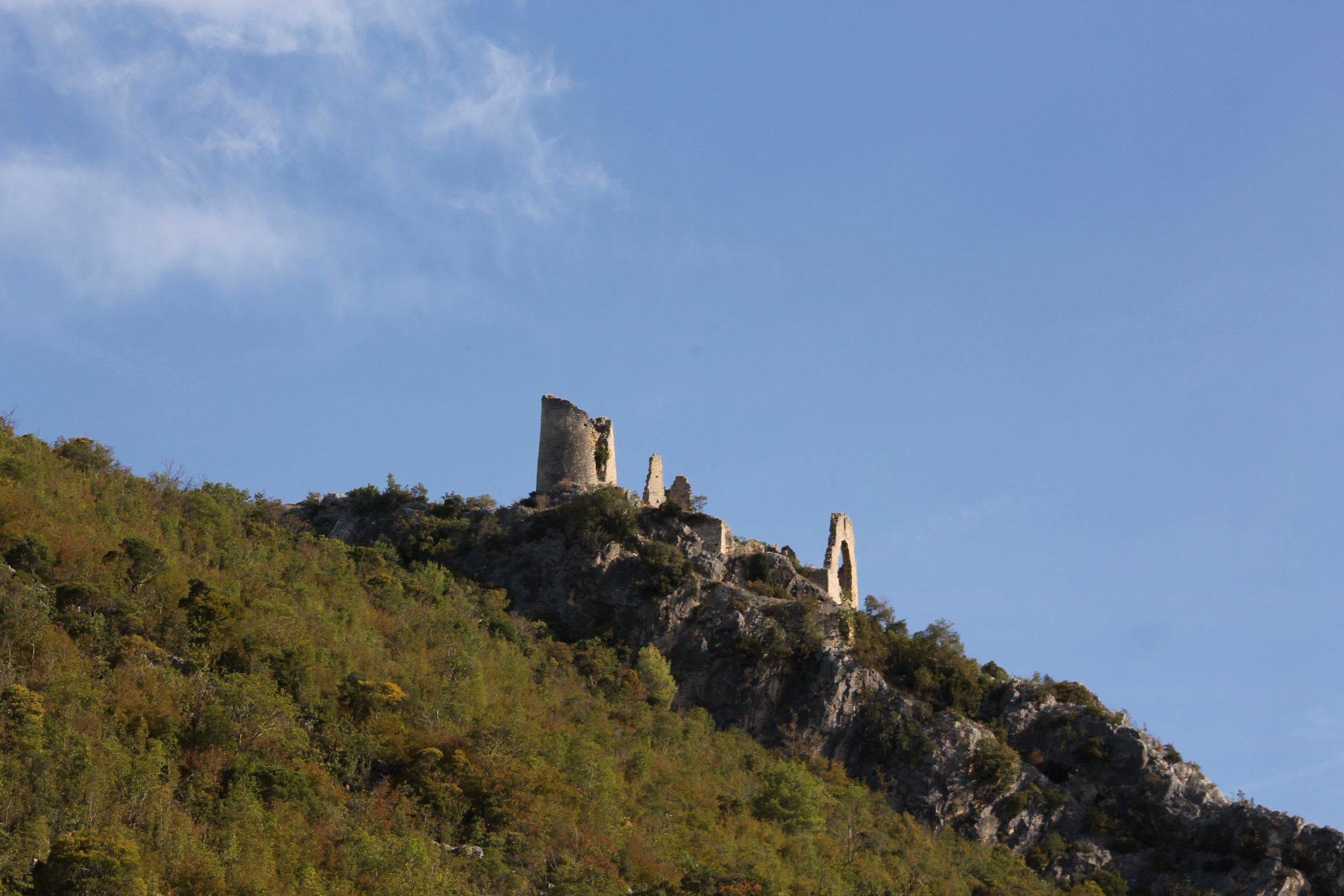
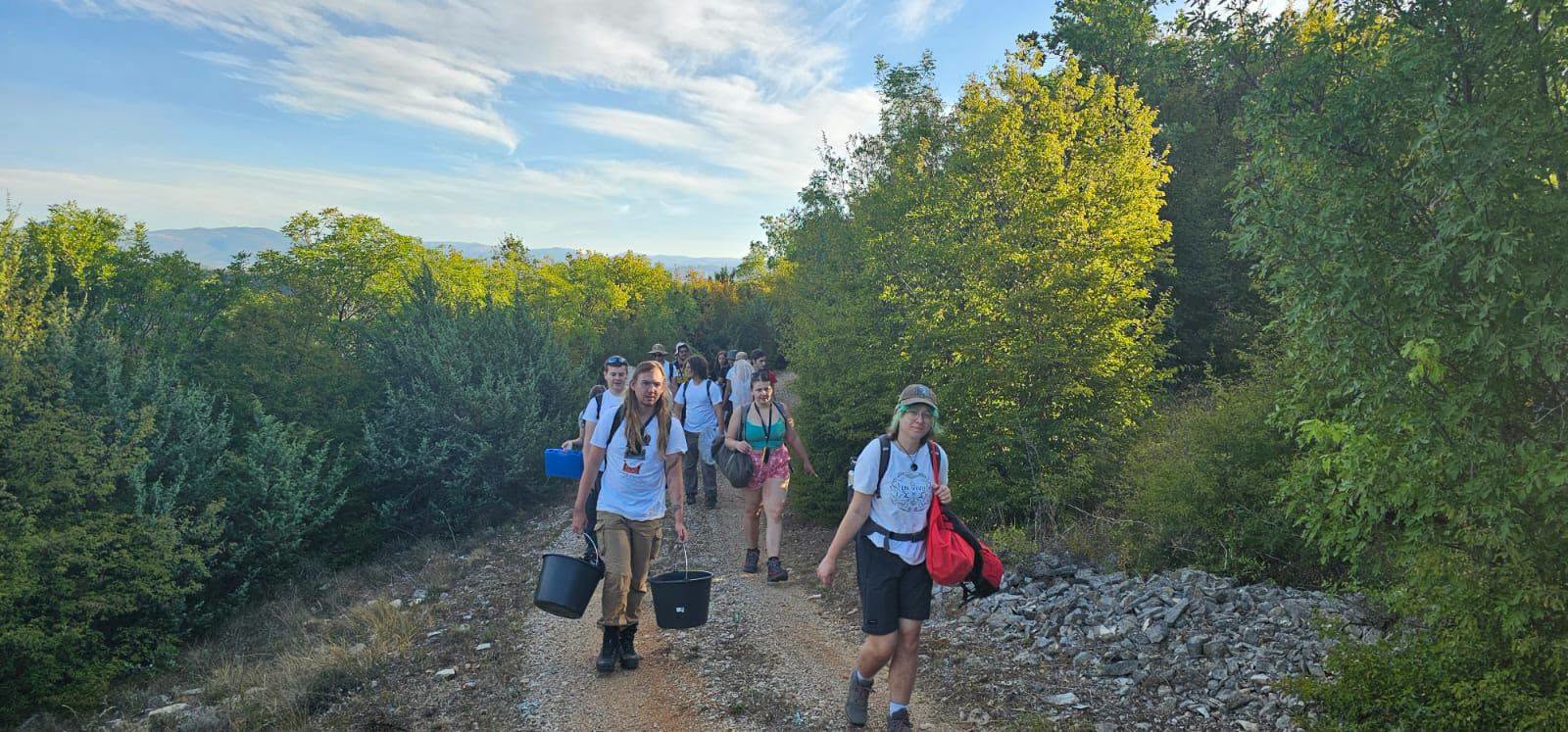
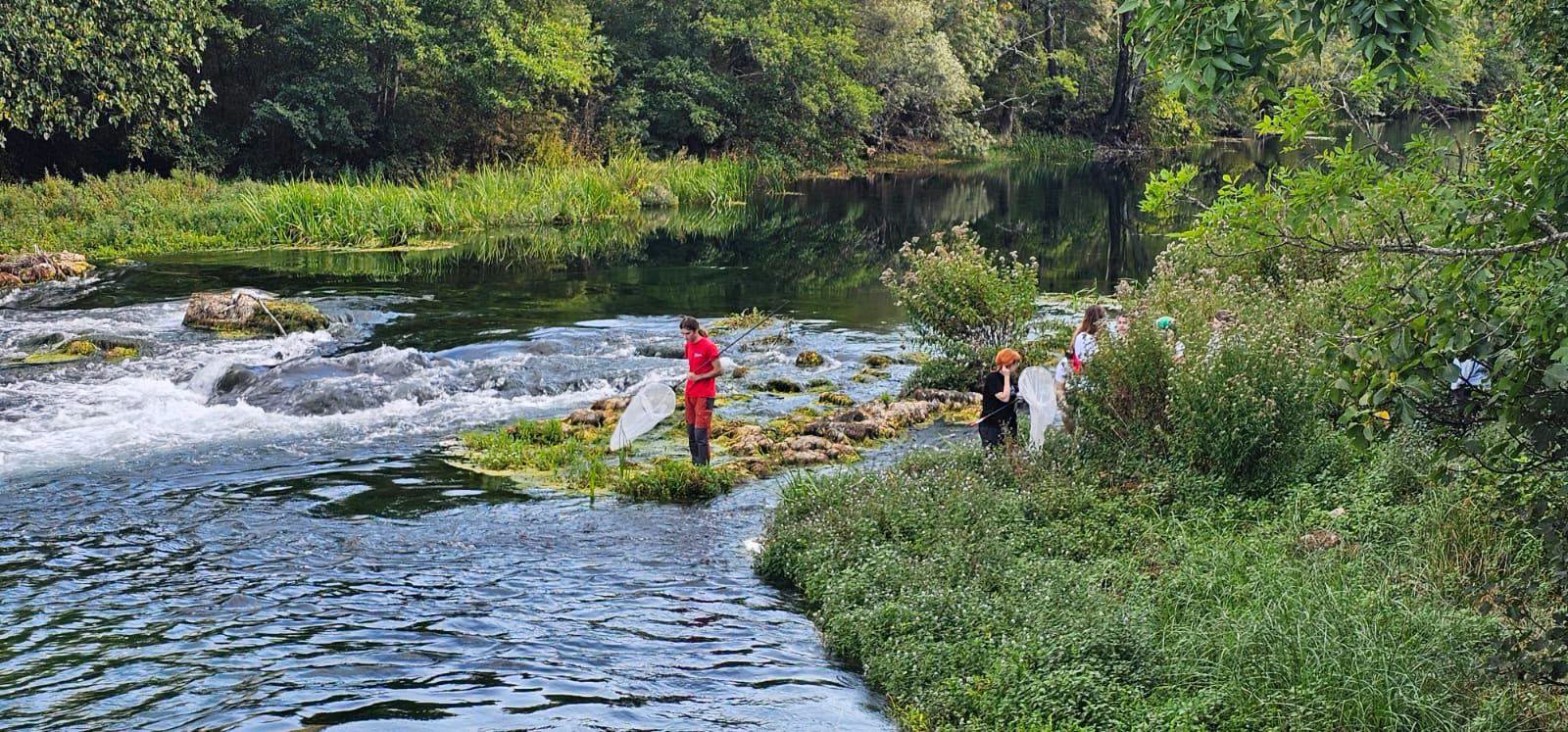
We began our final day in the field with a visit to the medieval fortress of Nečven, situated at the very top of the Krka River canyon. From the ancient walls before us, a magnificent view opened up of the canyon’s steep cliffs, which give way to karst rapids. After exploring the fortress, we descended a gravel path to the rapids. There, on the waterlogged riverbank – ground covered for the most part by a thin layer of river water – we began taking samples. Thanks to the constant flow of water, this terrain teems with diverse plant life, amidst which numerous colorful insects both hide and take flight. The fungus hunters were no less lucky; upon reaching the rapids, they very quickly found the foam in which they hoped to discover numerous aquatic hyphomycetes.
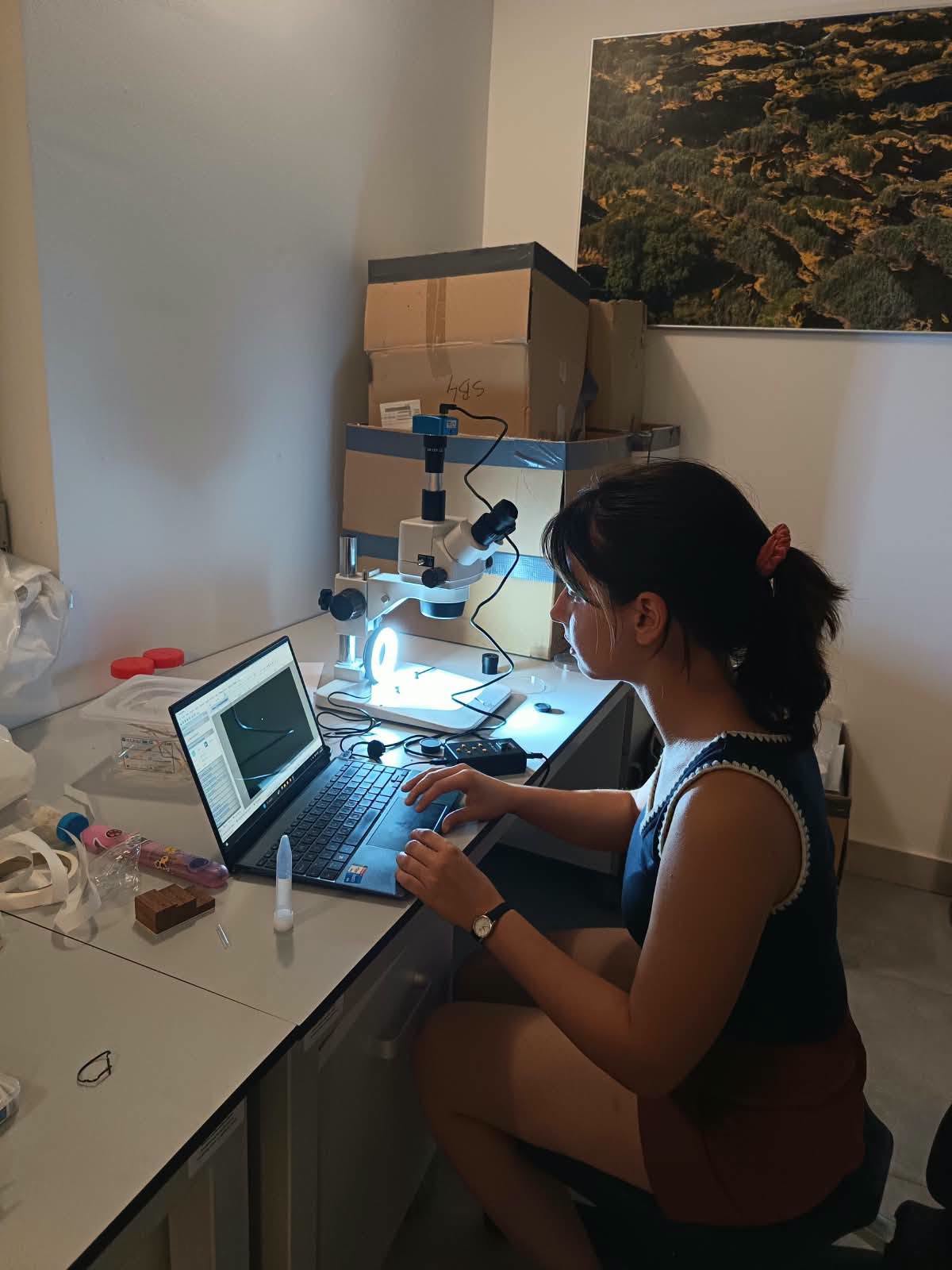
Pleased with the diversity of life encountered at the last site we explored, we returned to the Krka Eco Campus in Puljane, where we finalized and processed the collected samples for the remainder of the day.
A big thank you to the Park management and its warm, welcoming staff – especially the coordinators Marijana Cukrov and Doris Banić – for making this wonderful experience possible for us.
(Klara Keglević i Lora Leljak)
Volontiraj u NP "Krka"
JOŠ NOVOSTI IZ KATEGORIJE
From the pen of the volunteer copordinators
Where aquatic fungi hide, what buzzes in the gold, and who are the nocturnal inhabitants of the Krka River
A new Valuable Discovery in Krka National Park
The elusive dwarf ground cricket (𝑆𝑡𝑒𝑛𝑜𝑛𝑒𝑚𝑜𝑏𝑖𝑢𝑠 𝑔𝑟𝑎𝑐𝑖𝑙𝑖𝑠) was first discovered in Croatia in 2021, at a single site: Cape Kamenjak in Istria
In a volunteer program, more than a thousand plants of tree-of-heaven were removed in the area of Skradinski buk
On June 12, 2026, the volunteer program "Guardians of Native Species Habitats" was held in the Krka National Park, in which eighty employees of the KING ICT firm participated.
Young archaeologists at the site of Klanac – Traces of Roman soldiers in Krka National Park
The volunteer program "The Klanac Site – archaeological excavations of an auxiliary Roman military camp in the area of the Krka National Park" brought together archaeology students and experts eager for new knowledge and experiences from April 16 to May 2, 2026.