


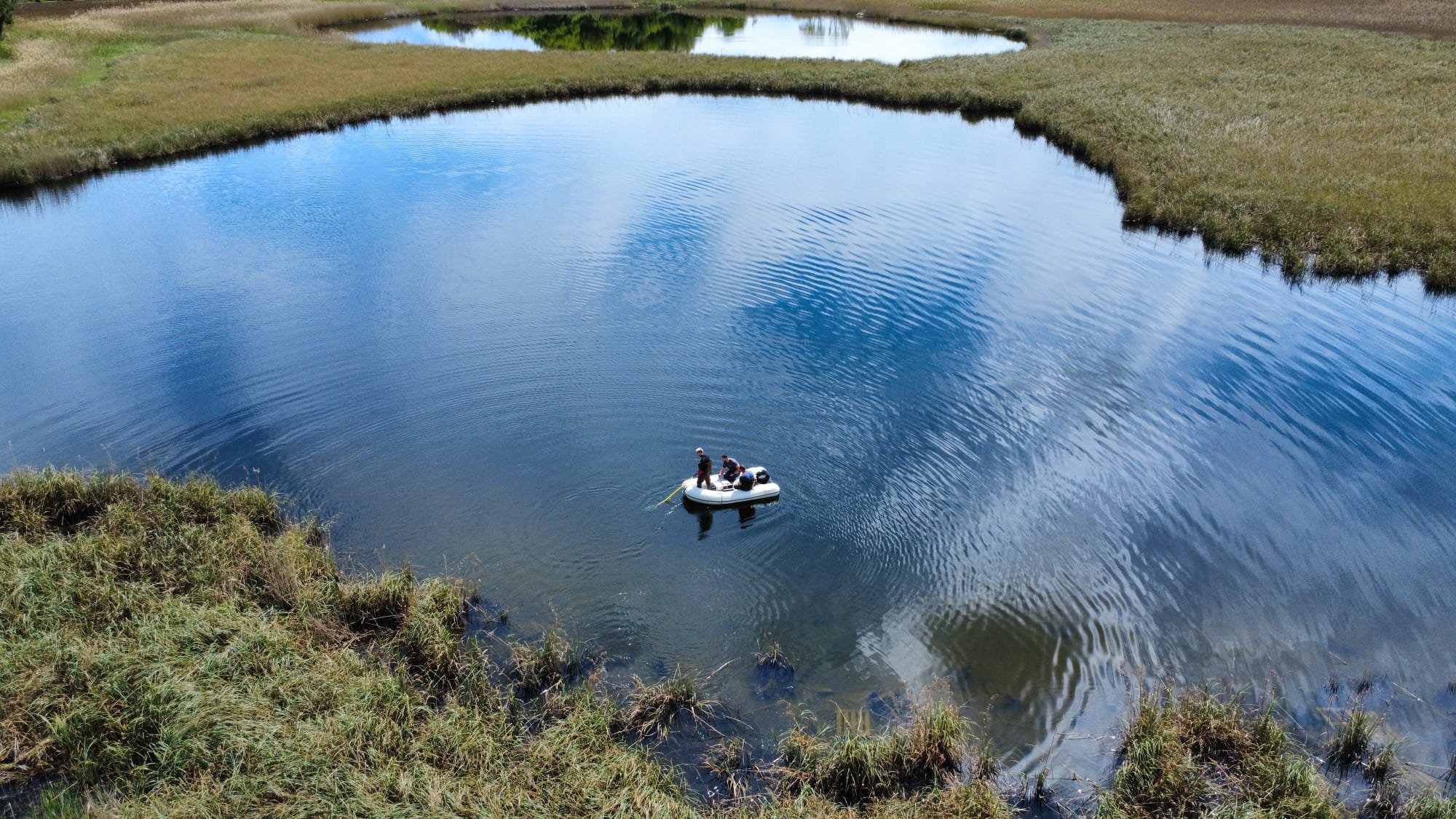
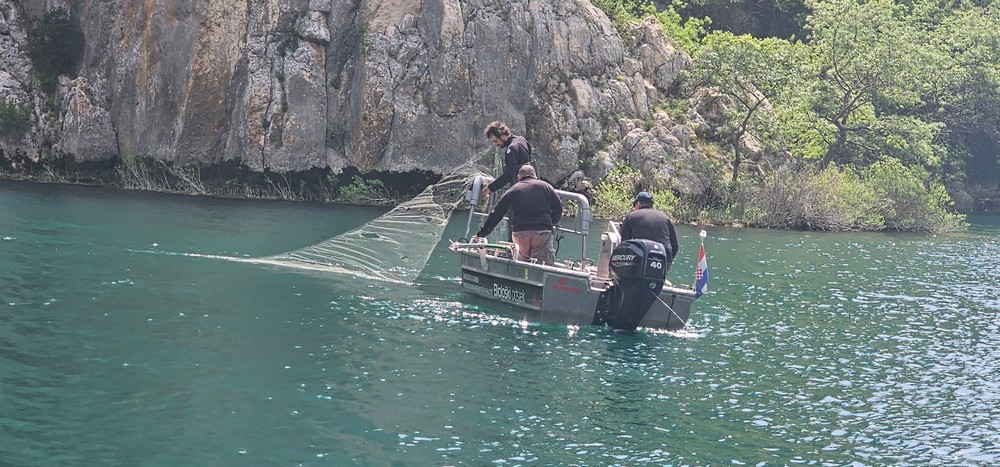
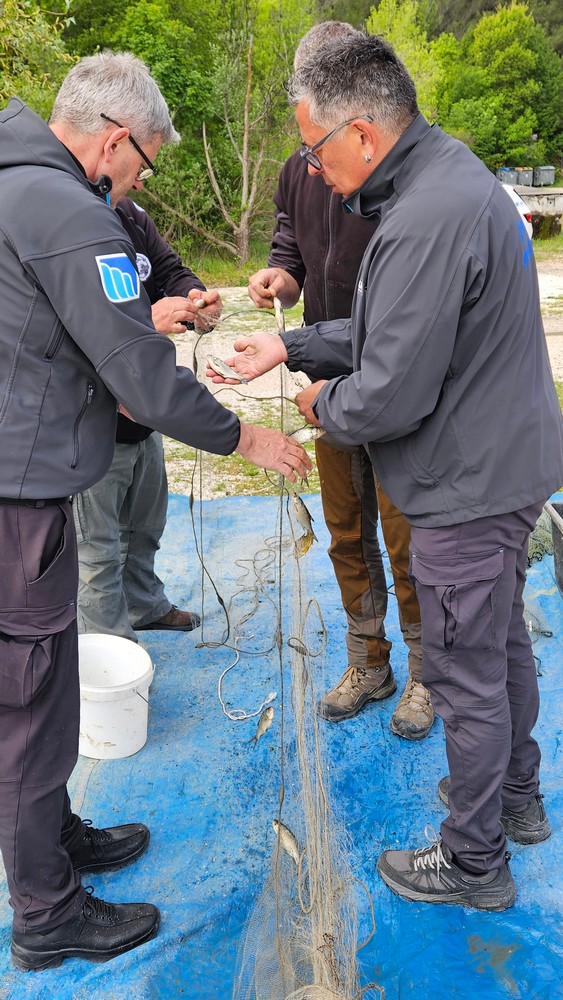
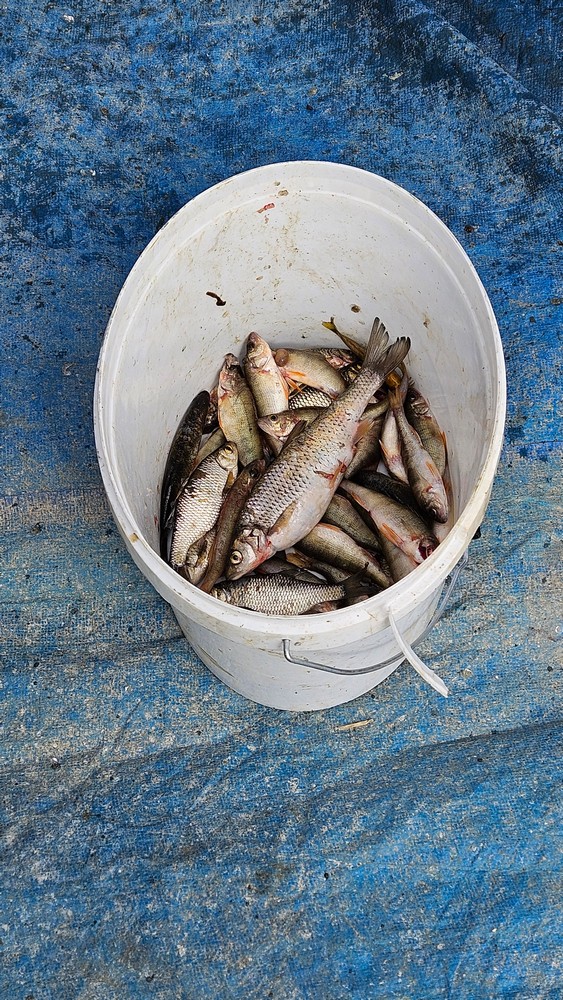
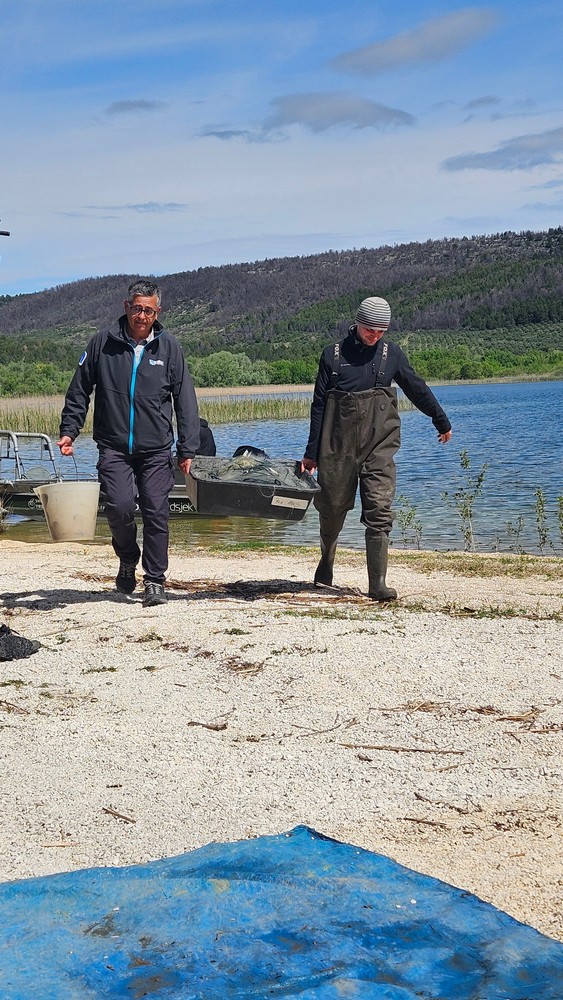
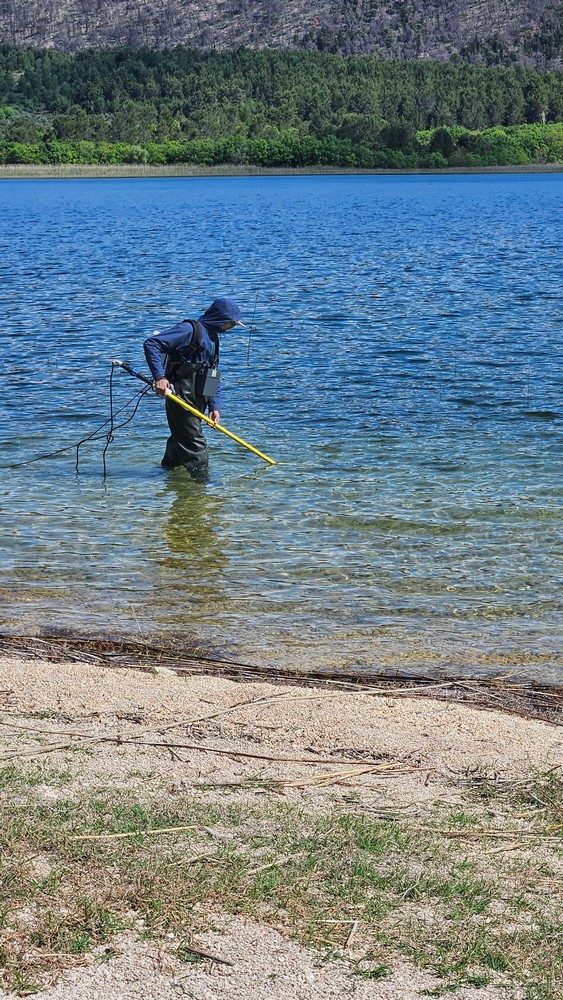
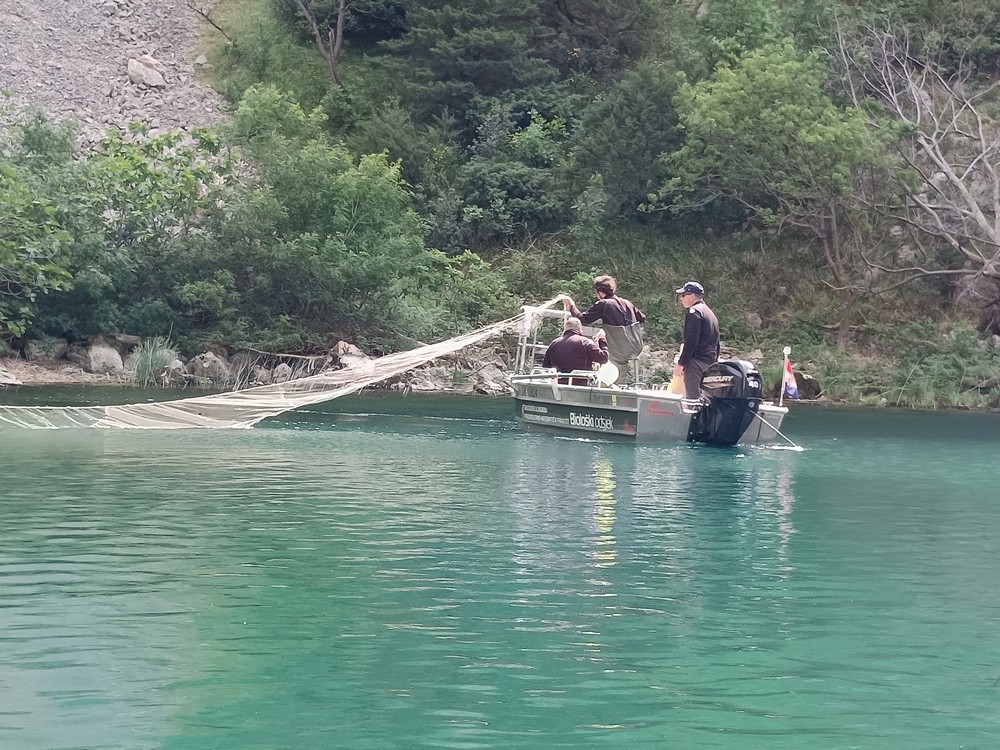
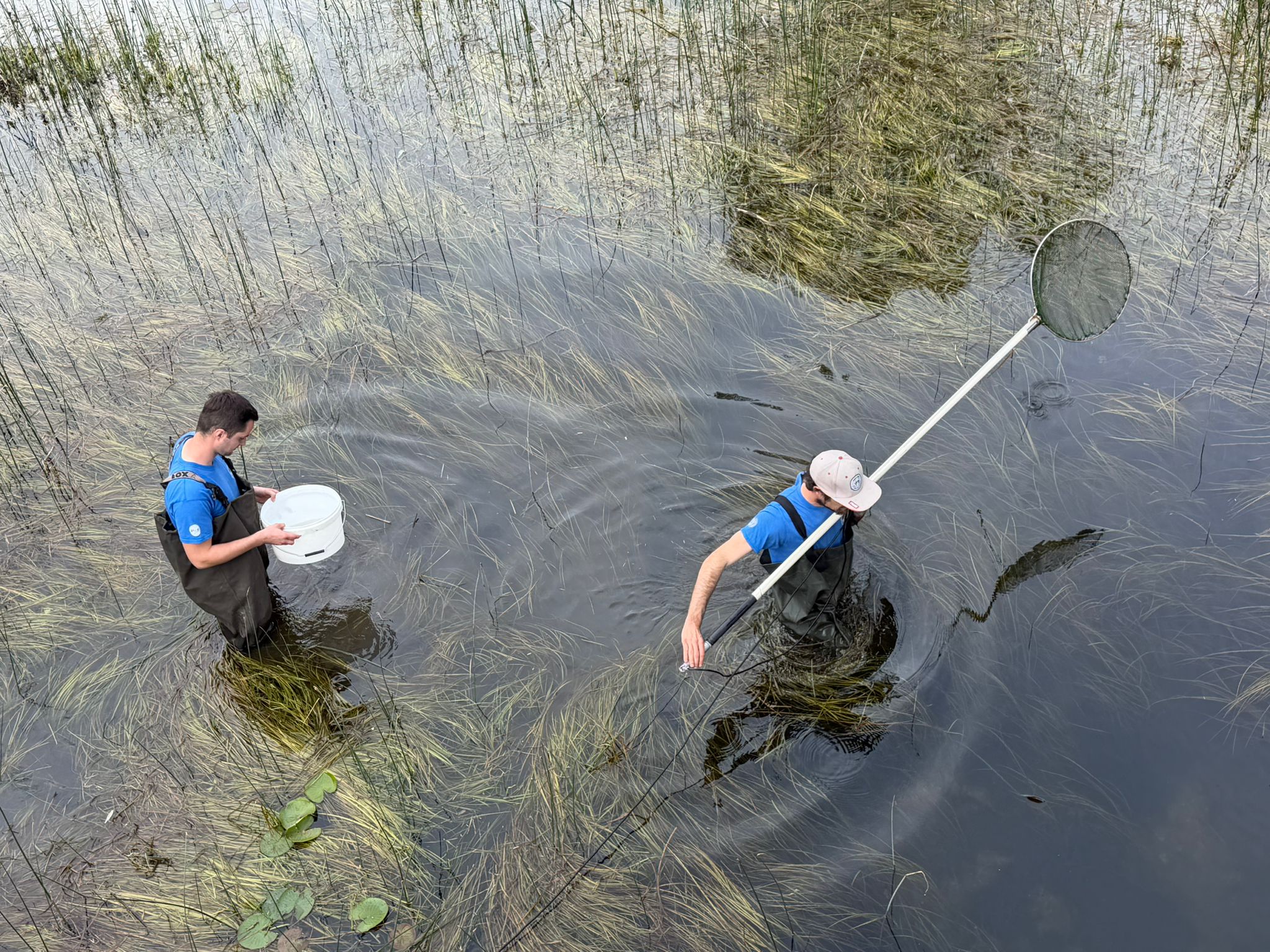
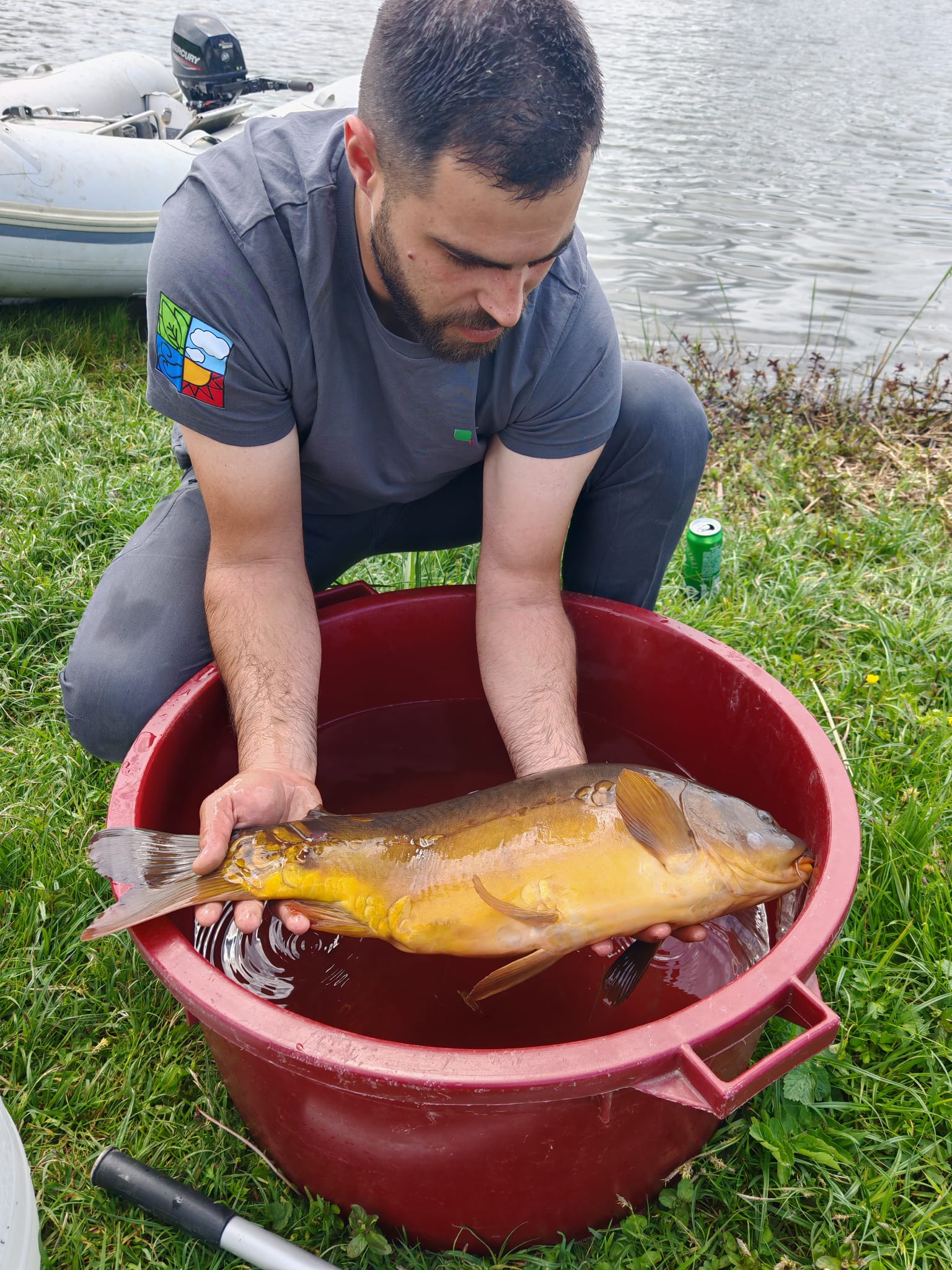
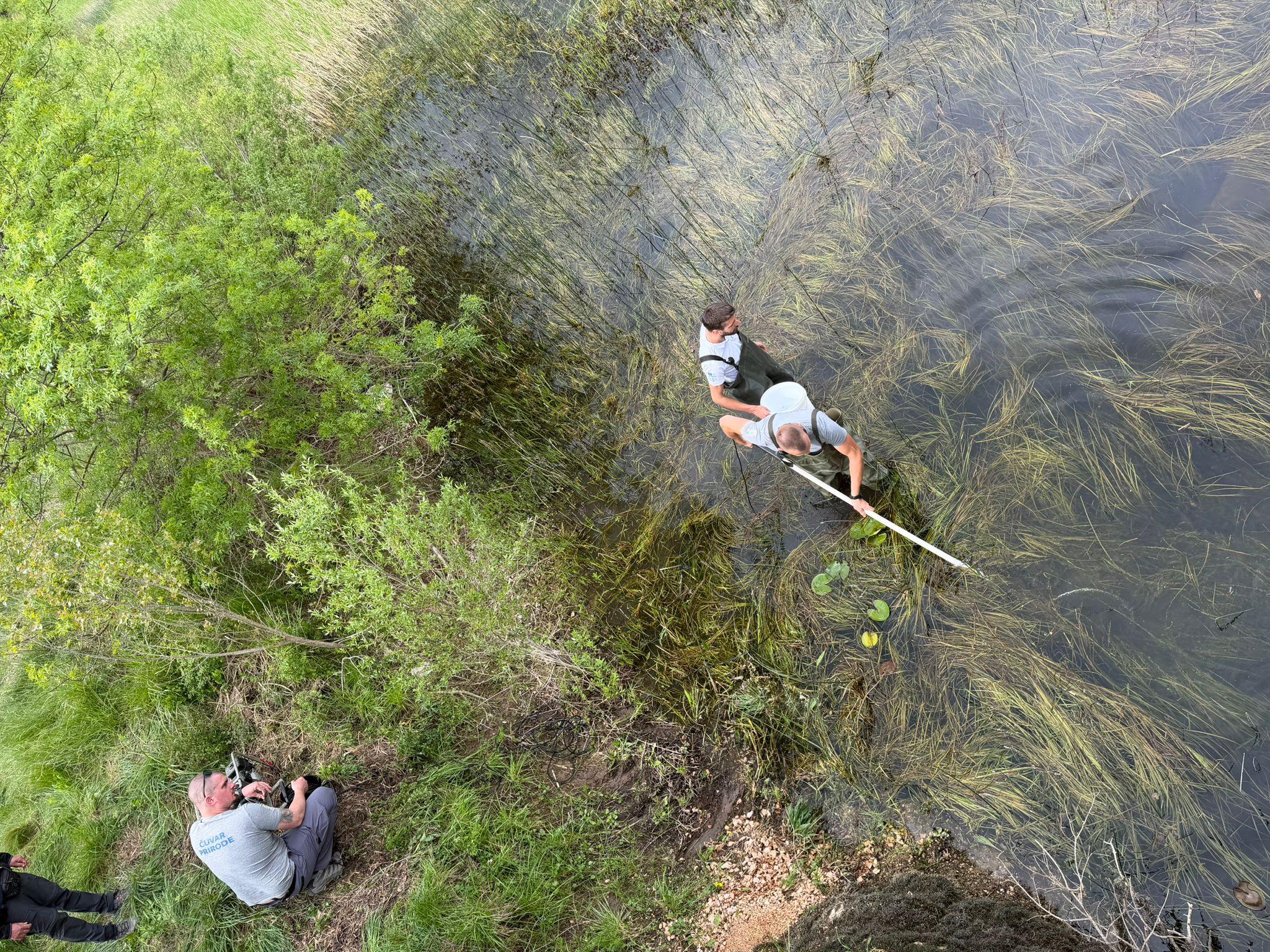
As part of the ReFresh Fish LIFE project, from April 20 to 22, 2026, actions were taken to catch foreign and invasive species of fish in the Krka, Čikola, and Vrba Rivers, as well as in the Miloševo and Stipančevo lakes.
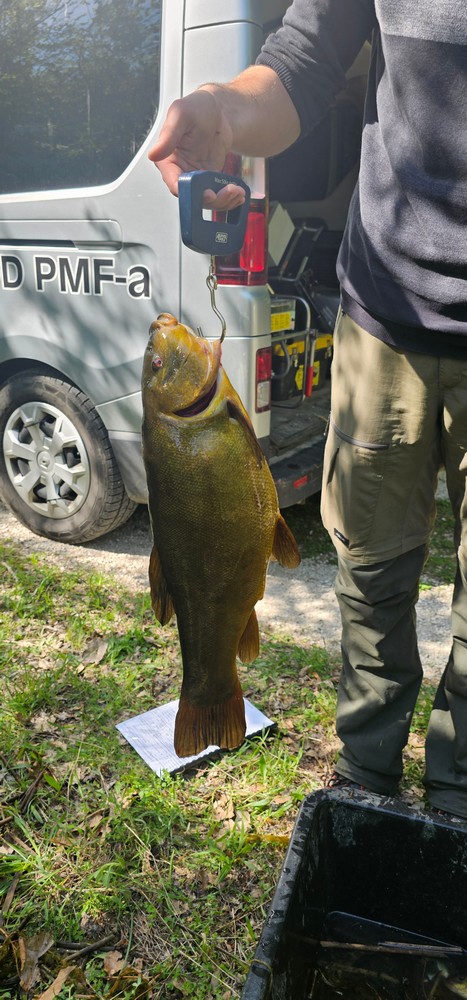
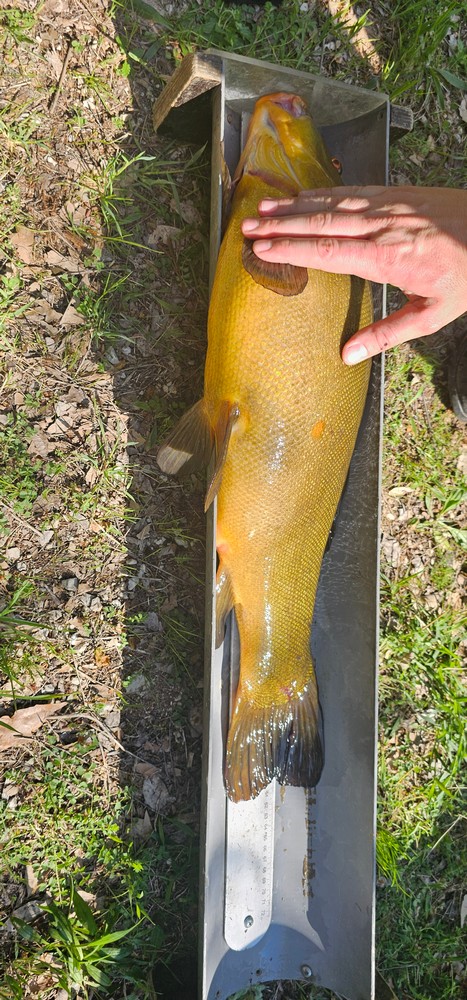
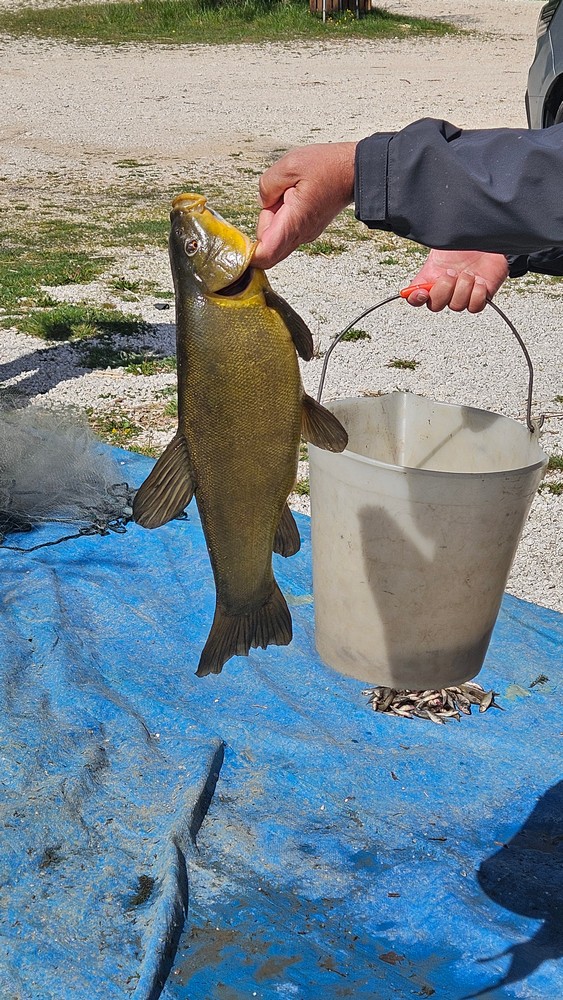
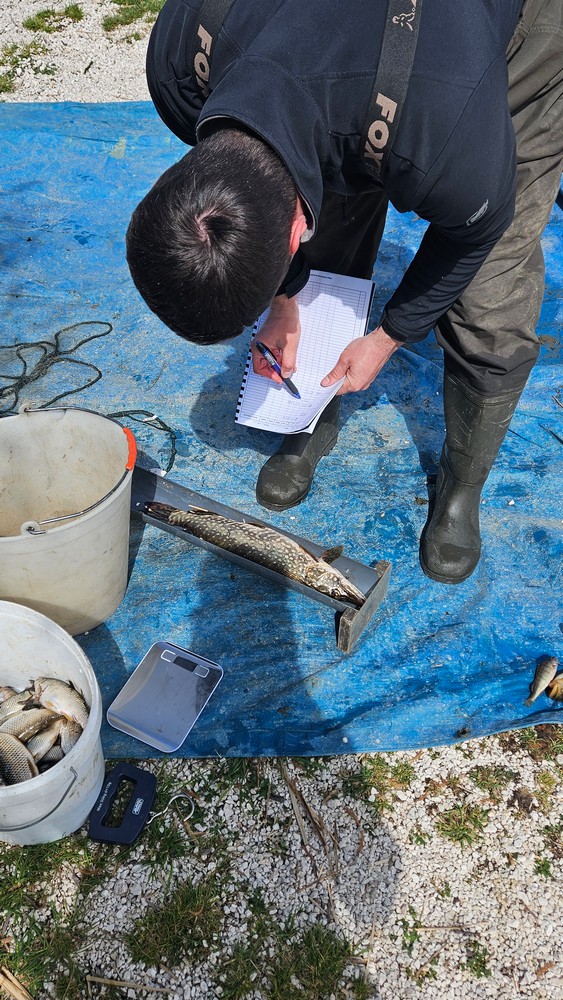
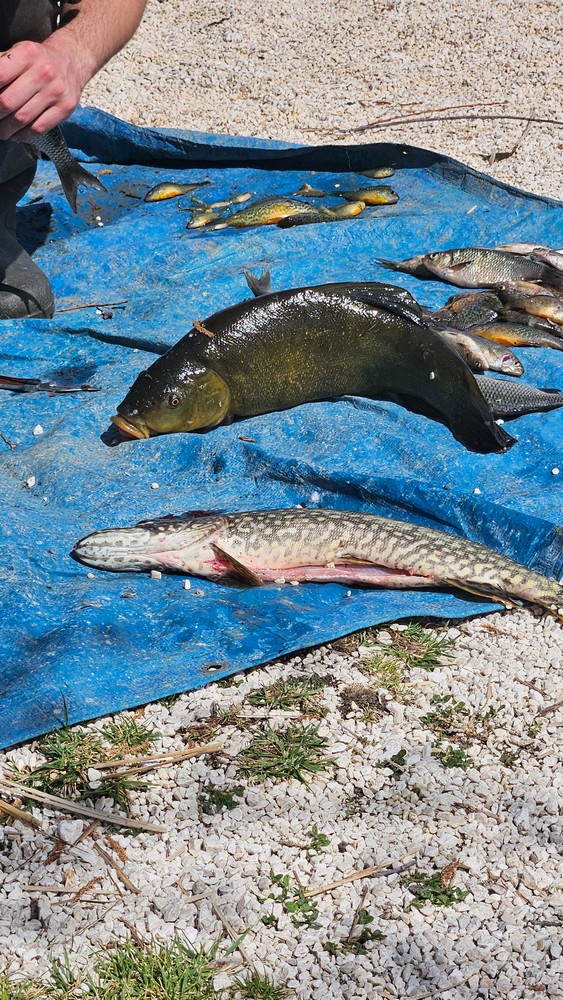
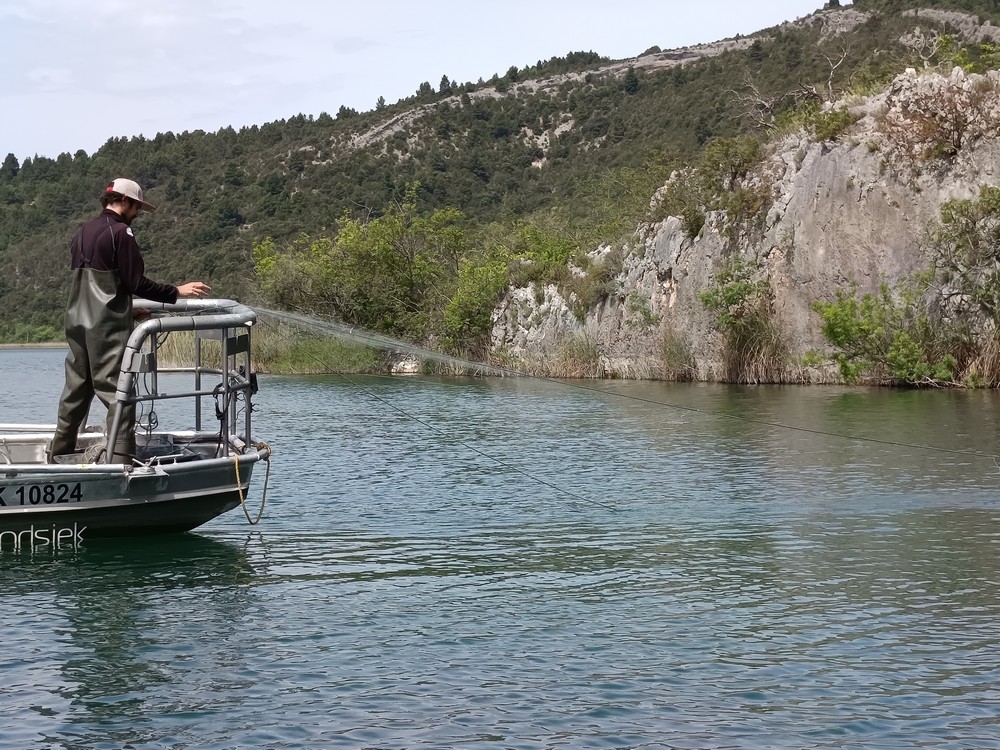
This is the second such project, and fishing activities will be carried out continuously for the duration of the project, which aims to reduce the pressure of invasive species on sensitive freshwater ecosystems. On the Krka River, nets and electrofishing methods were utilized, while in other locations only electrofishing was applied. After fishing, the caught fish were identified, measured, weighed, and properly disposed of.
The activities were attended by ichthyologists from the Faculty of Science, the University of Zagreb, employees of the public institutions Nature of Šibenik-Knin County and also Sea and Karst, which are project partners, as well as employees of Krka National Park, which is the project leader.
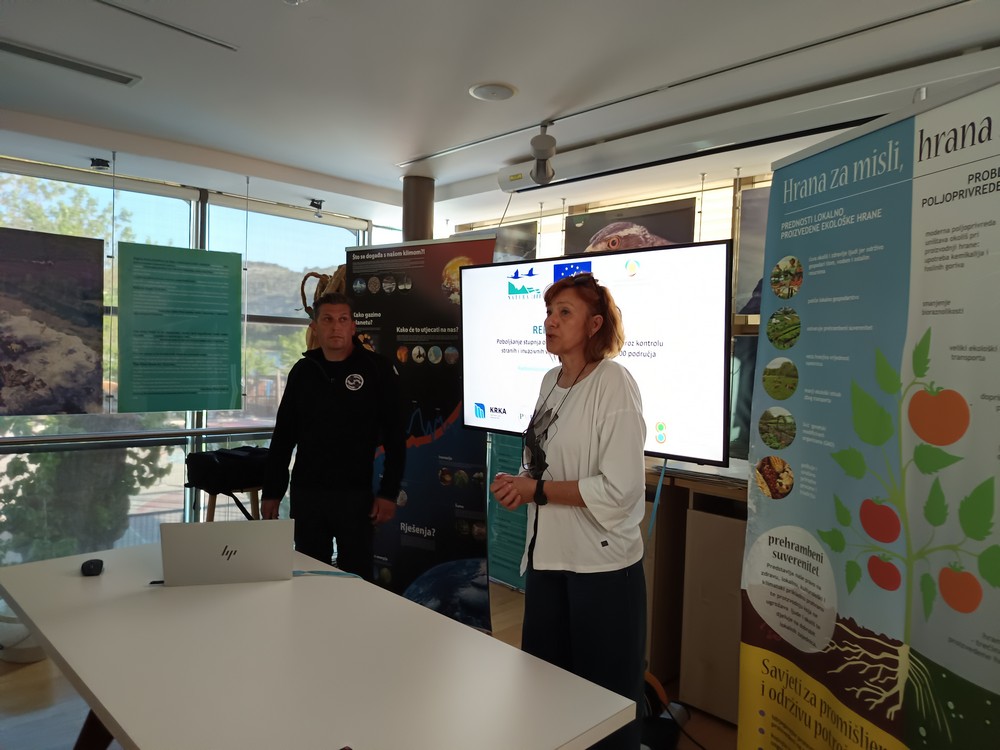
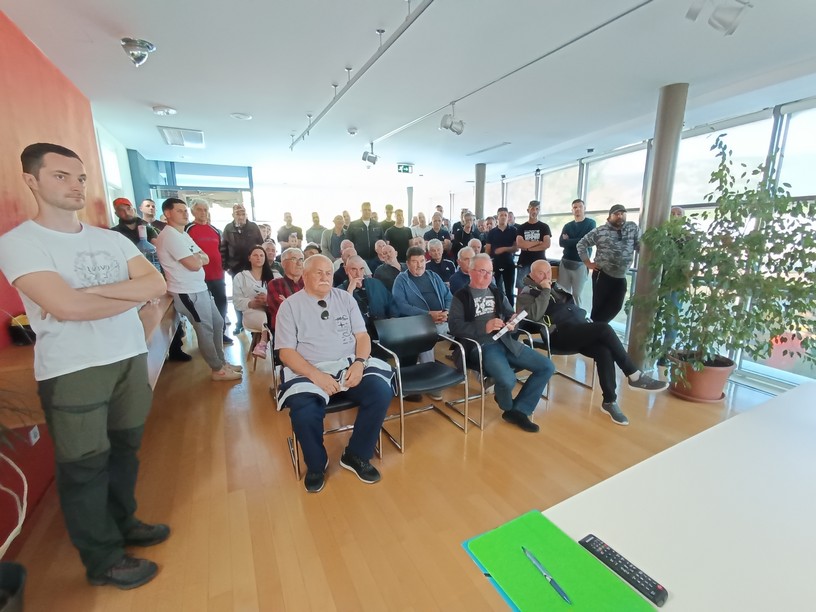
After the field activities, the first educational workshop for local fishermen was held at Krka National Park Branch in Skradin, attended by more than sixty participants. The lecture was held by Prof. Dr. Davor Zanella from the PMF (Faculty of Science, Zagreb), and the fishermen were introduced to the goals of the project, the methods of selective fishing, and ways of recognizing foreign and native fish species.
Workshop participants will receive a certificate that will allow them to participate in controlled fishing of the invasive species, and they will also receive forms for monitoring catches, which will contribute to the systematic reduction of the number of invasive fish species and the continuation of monitoring. Until the project is completed, the training will be conducted regularly, i.e. once a year.
The ReFresh Fish LIFE Project, funded by the European Union under the LIFE program, and set to be implemented until 2030, aims to improve the conservation status of five endemic and endangered freshwater fish species in the Šibenik-Knin and Split-Dalmatia counties.
Fishing activities include the removal of alien and invasive species such as pike, perch, carp, bream, and mosquitofish, which pose a major threat to indigenous species. Special attention is paid to the protection of five target species: Visovac goby, Dalmatian minnow, Dalmatian barbelgudgeon, Tursky dace, and Dinaric minnow, which are globally rare and limited specifically to these Natura 2000 sites.
In addition to fishing and monitoring, an important part of the project activity is oriented to educating local fishermen about selective fishing methods and species identification. This strengthens the long-term protection of the ecosystem through the active involvement of the local community, which is one of the main goals of the project.
News
JOŠ NOVOSTI IZ KATEGORIJE
The fourth year of cooperation between the Krka National Park and the Šibenik Paws Association (Šibenske šape): Together for a more responsible attitude towards animals
The Krka National Park and the Šibenik Paws Association will mark World Animal Protection Day with a joint program at Lozovac, inviting citizens to come with their pets or to learn about animal adoption opportunities
World Animal Protection Day Celebrated at Visovac: Learning How to Protect the Animal World
To mark World Animal Protection Day, the Public Institute of Krka National Park has prepared an educational program for primary school students this year, set in the beautiful surroundings of Visovac Island
Our heritage in the hands of the future: how children will discover traditional knowledge and skills along the Krka River
On the occasion of the European Heritage Day, the Public Institute of Krka National Park has organized an educational program dedicated to the cultural and ethnographic heritage found along the Krka River. The program will be held on October 3 at the Skradinski buk waterfall
The Public Institute of Krka National Park becomes a partner with the ConserveUs Festival: knowledge and experience in the service of preserving the cultural heritage
The restoration workshop, the archaeological collection, and the Burnum site will be presented at the Krka Eco Campus in Puljane