


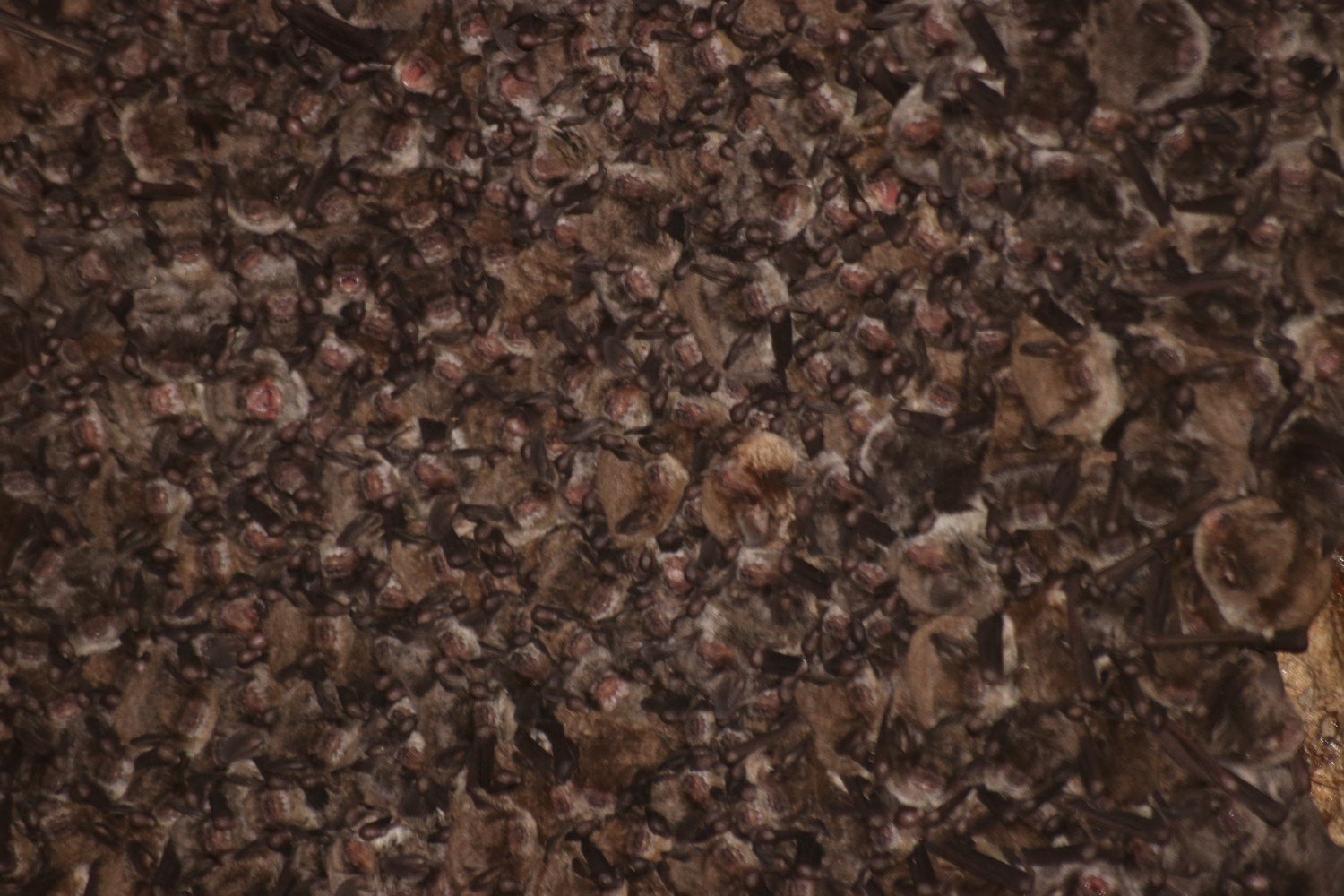
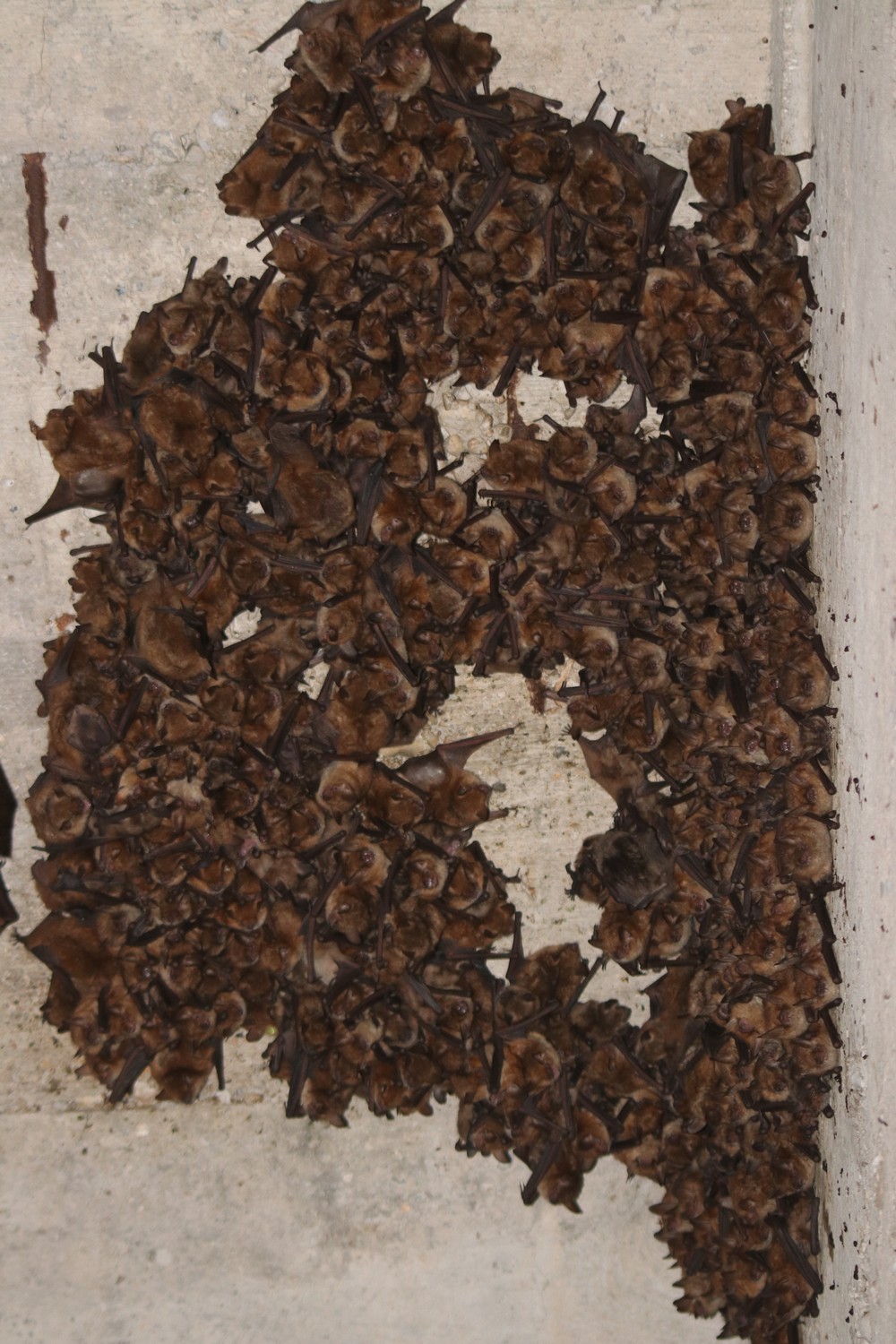
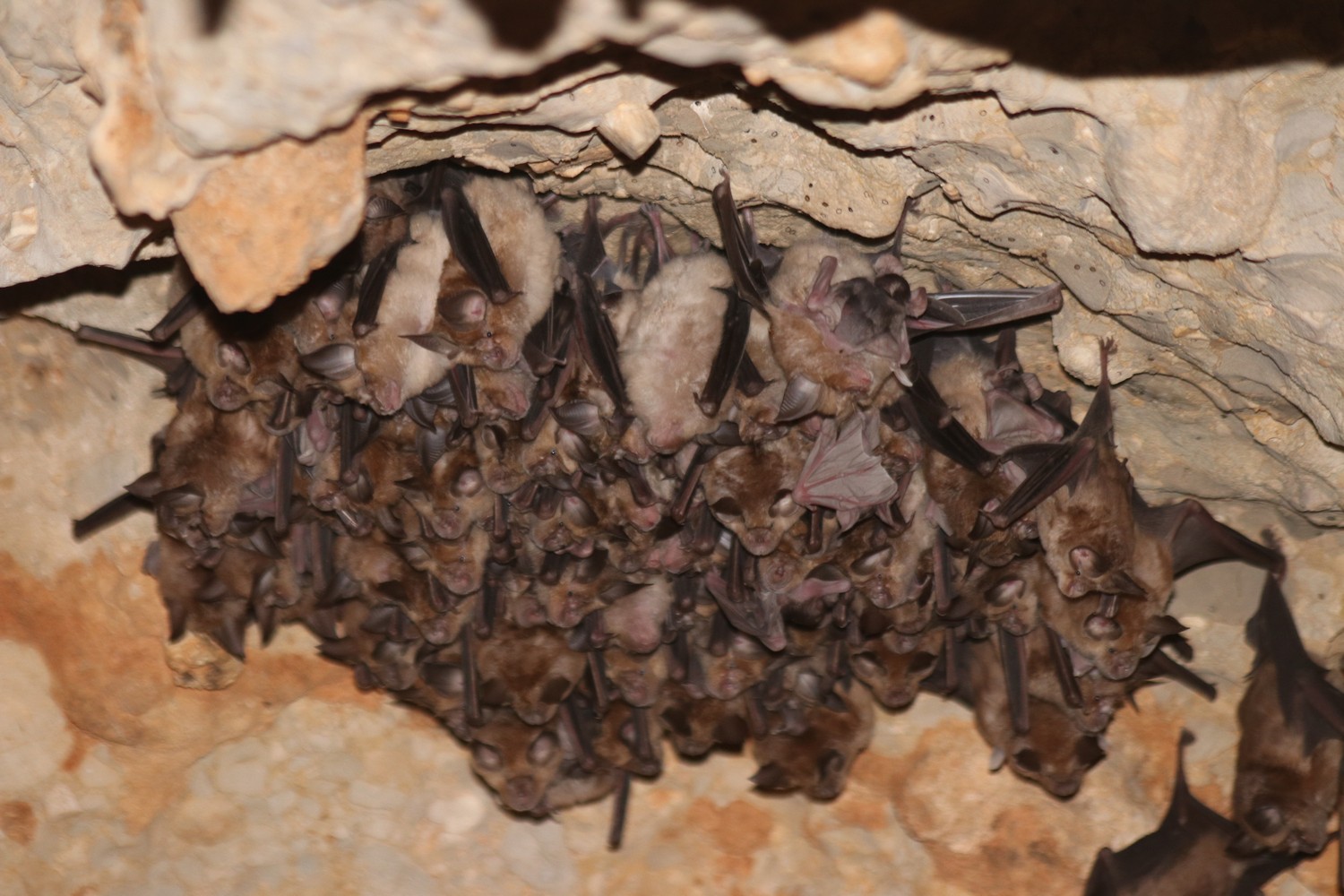
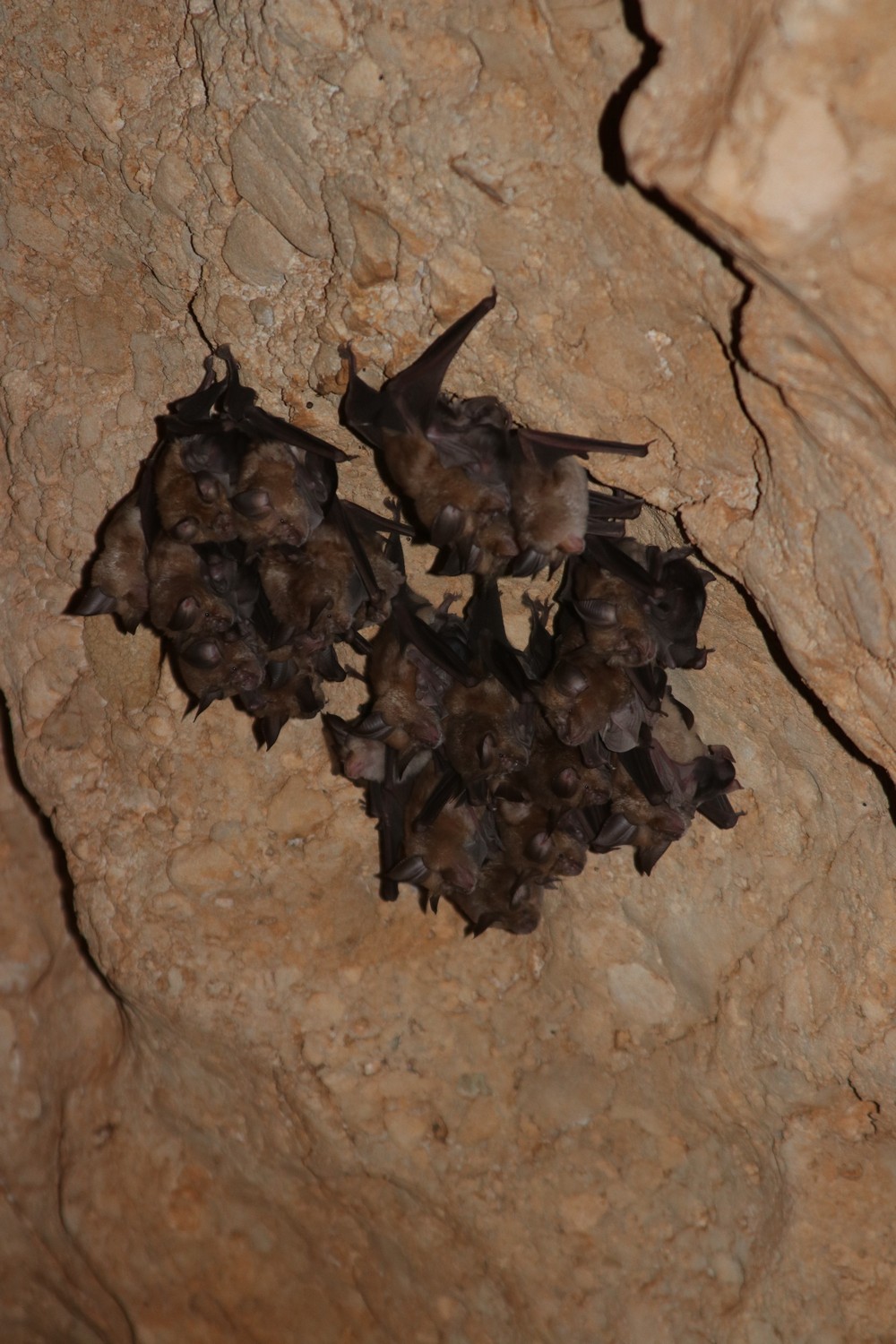
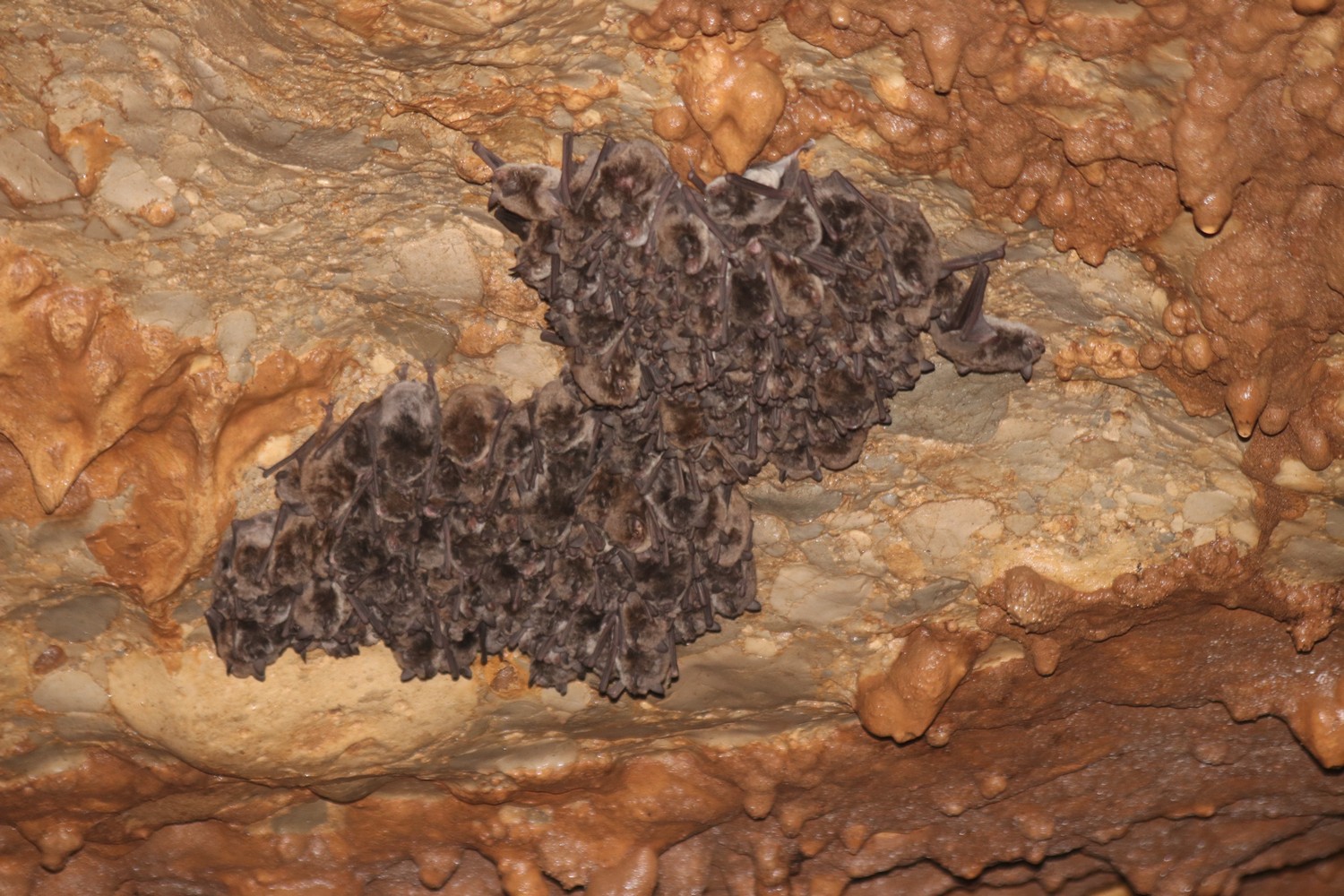
In June 2025, the company Geonatura d.o.o. conducted monitoring of summer bat colonies in the Miljacka II and Topla Pećina caves, internationally important underground bat roosts and shelters, as part of the UNEP/EUROBATS project, as well as in the Velika Pećina Kaočinka cave and at the bridge by Brljan waterfall
Monitoring was conducted during the period of formation of their summer or family colonies, with the aim of assessing the number of bat populations present and the composition of the species, along with assessing the preservation of the shelters and making recommendations for further conservation activities.
Bat monitoring in the Miljacka II and Topla Pećina caves has been conducted for years, with most of the research being conducted in the summer, when most species form family colonies, consisting of females with their young, while the monitoring in the Velika Pećina Kaočinka cave and at the bridge near the Brljan waterfall is more recent, so there is not as much data about the roosts at these two locations from previous research.
A total of seven species of bats were recorded during monitoring, all of which are included in Annex II of the Habitats Directive, i.e. in the List of plant and animal species of importance for the European Union that require protection. These are Rhinolophus blasii (Blasius’s horseshoe bat), R. euryale (Mediterranean horseshoe bat), R. ferrumequinum (Greater horseshoe bat), Myotis blythii (Lesser mouth-eared bat), M. capaccinii (Long-fingered bat), and Miniopterus schreibersii (Common bent-winged bat).
Analysis of previous observations indicates significant variations in bat abundance over the years, but, due to an incomplete set of data, a more detailed analysis of trends in the abundance of the species present and the factors influencing them is not possible at present. Such analysis and drawing of conclusions would require regular multi-year monitoring based on standardized methods developed in accordance with the protocol for monitoring bat fauna in underground shelters adopted within the framework of the National Bat Monitoring Programme.
Monitoring
JOŠ NOVOSTI IZ KATEGORIJE
The monitoring of summer (birthing) bat colonies in the broader area of the Krka National Park in 2026
In the summer of 2026, the company Geonatura d.o.o. conducted monitoring of summer bat colonies at underground roosts of international importance – the Miljacka II and Topla Pećina caves (on the Čikola; UNEP/EUROBATS) – as well as at the Stara Jametina Cave and site of bridge near the Brljan waterfall
Monitoring the state of cave fauna at speleological structures in the broader area of the Krka NP
During 2025, the Croatian Biospeleological Society, in cooperation with the Krka National Park, conducted monitoring of the condition of cave fauna and speleological structures in the Park area
Monitoring of nesting pairs of the Eurasian Eagle Owl (Bubo bubo) in the Krka NP area in 2026
From February 8 to March 14, 2026, during thirty-one field trips, the nature guards of the Krka National Park listened to the singing of male eagle owls in the evening hours, during sunset, at twenty-one locations along the canyons of the Krka and Čikola Rivers
Monitoring the status of hibernating bat colonies in the broader area of Krka National Park in 2026
In January 2026, the company Geonatura d.o.o. conducted monitoring of hibernating bat colonies in the broader area of the Krka National Park, which included an inspection of the underground shelters of Topla Pećina Cave, Miljacka II Cave, Velika Pećina Kaočinka Cave and Stara Jametina Cave