


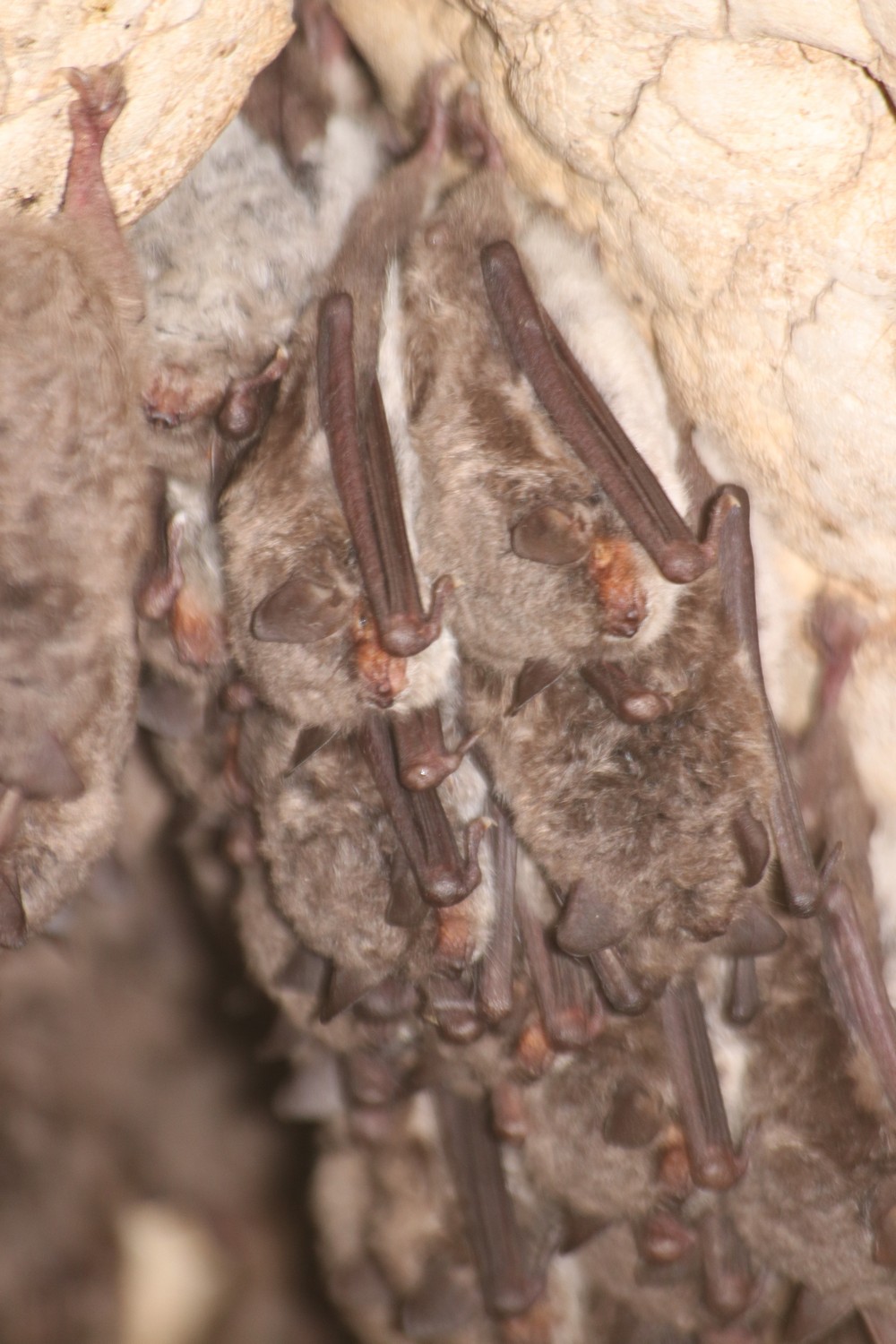
In January 2026, the company Geonatura d.o.o. conducted monitoring of hibernating bat colonies in the broader area of the Krka National Park, which included an inspection of the underground shelters of Topla Pećina Cave, Miljacka II Cave, Velika Pećina Kaočinka Cave and Stara Jametina Cave.
This monitoring represents a continuation of several years of investigation and monitoring of bats in the broader area of the Park and its surroundings. The research was conducted with the aim of collecting data on the populations of bats that live in these underground shelters during the hibernation period, on the abundance and composition of species and the dynamics of their use of these shelters, and it also included an assessment of the shelter's preservation and recommendations for further activities.
The field research was conducted in accordance with the international guidelines of the Agreement on the Conservation of the European Bat Populations (UNEP\EUROBATS) (Battersby comp. 2010), and all relevant professional and scientific literature was also utilized.
Monitoring conducted in the past has determined that there are variations in the abundance and composition of the species, especially in the summer period, with surveys of hibernation colonies having been conducted only on a few occasions and only in individual shelters (Miljacka II, Topla Pećina Cave), while Velika Pećina Kaočinka Cave was first surveyed in 2023, and Stara Jametina Cave only during a recent survey in January 2026.
Variations in the abundance and composition of bat species recorded over the years may reflect real variations, but also differences in the methods applied and the extent of individual studies. Also, in winter, it is possible that some bats occasionally retreat to higher, inaccessible parts of the channels and/or cracks in the rocks. However, according to the results of the 2023 and 2026 surveys, it is very likely that bats do not use the aforementioned shelters in large numbers during the formation of hibernation colonies, which most often number up to 20 individuals or less.
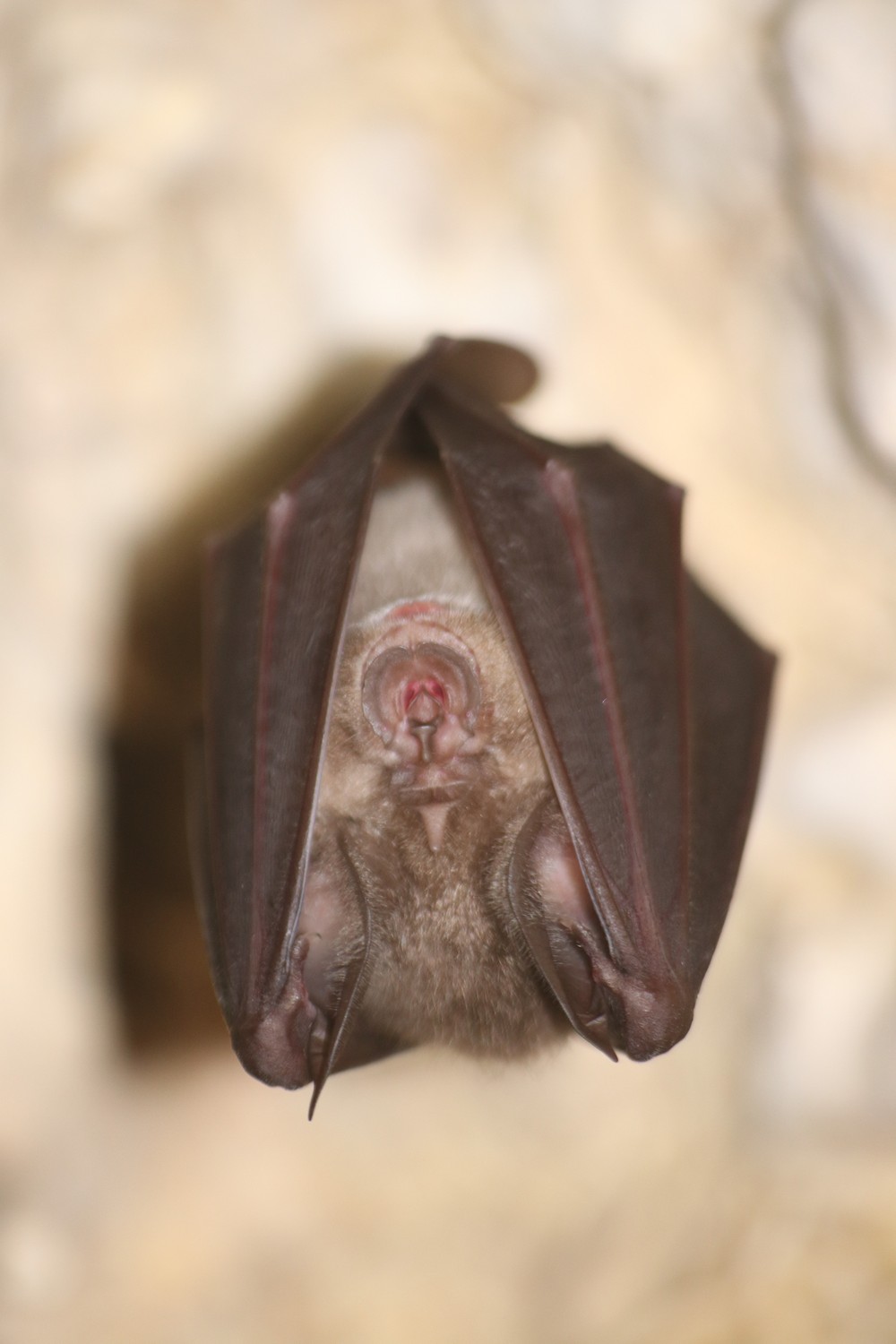
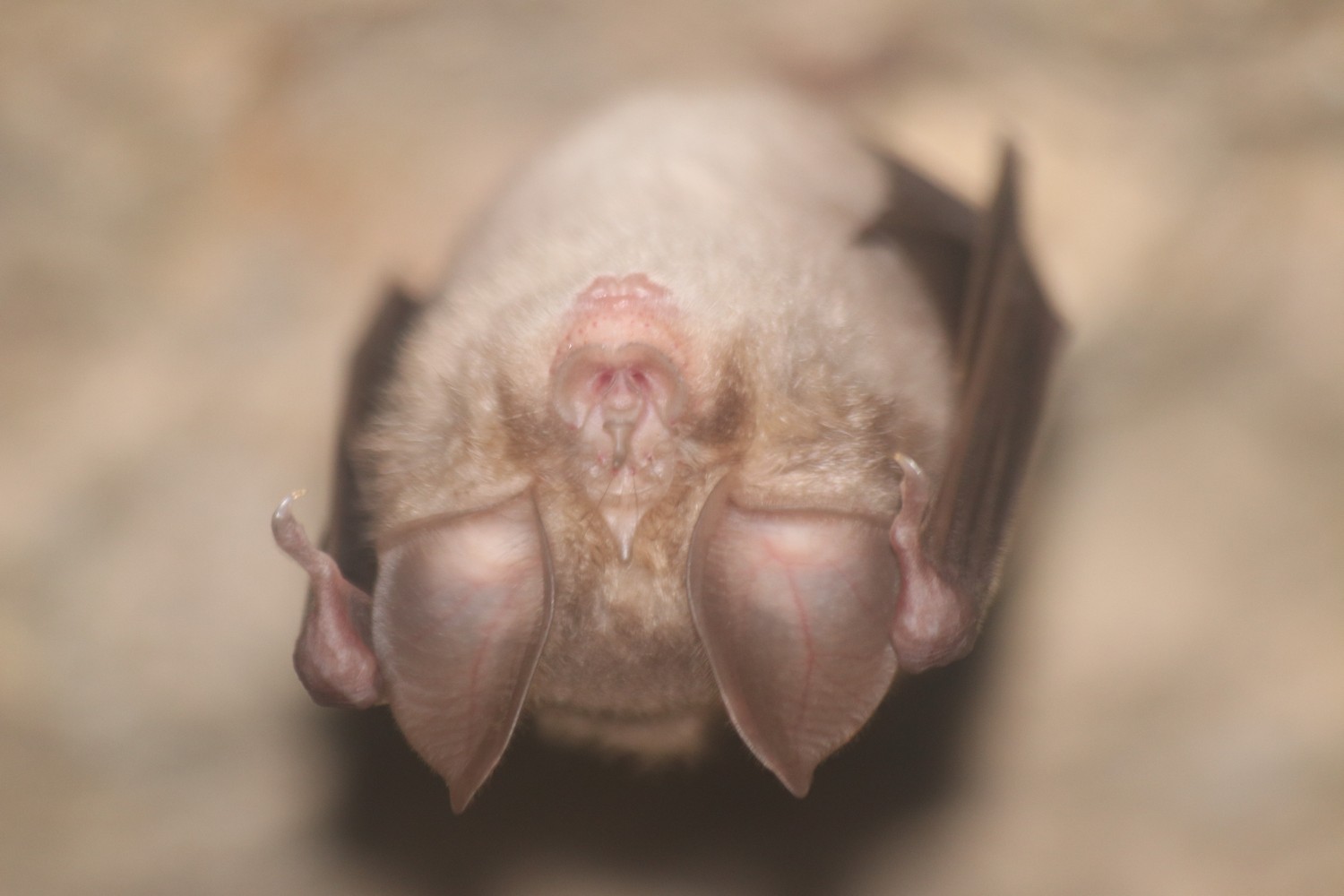
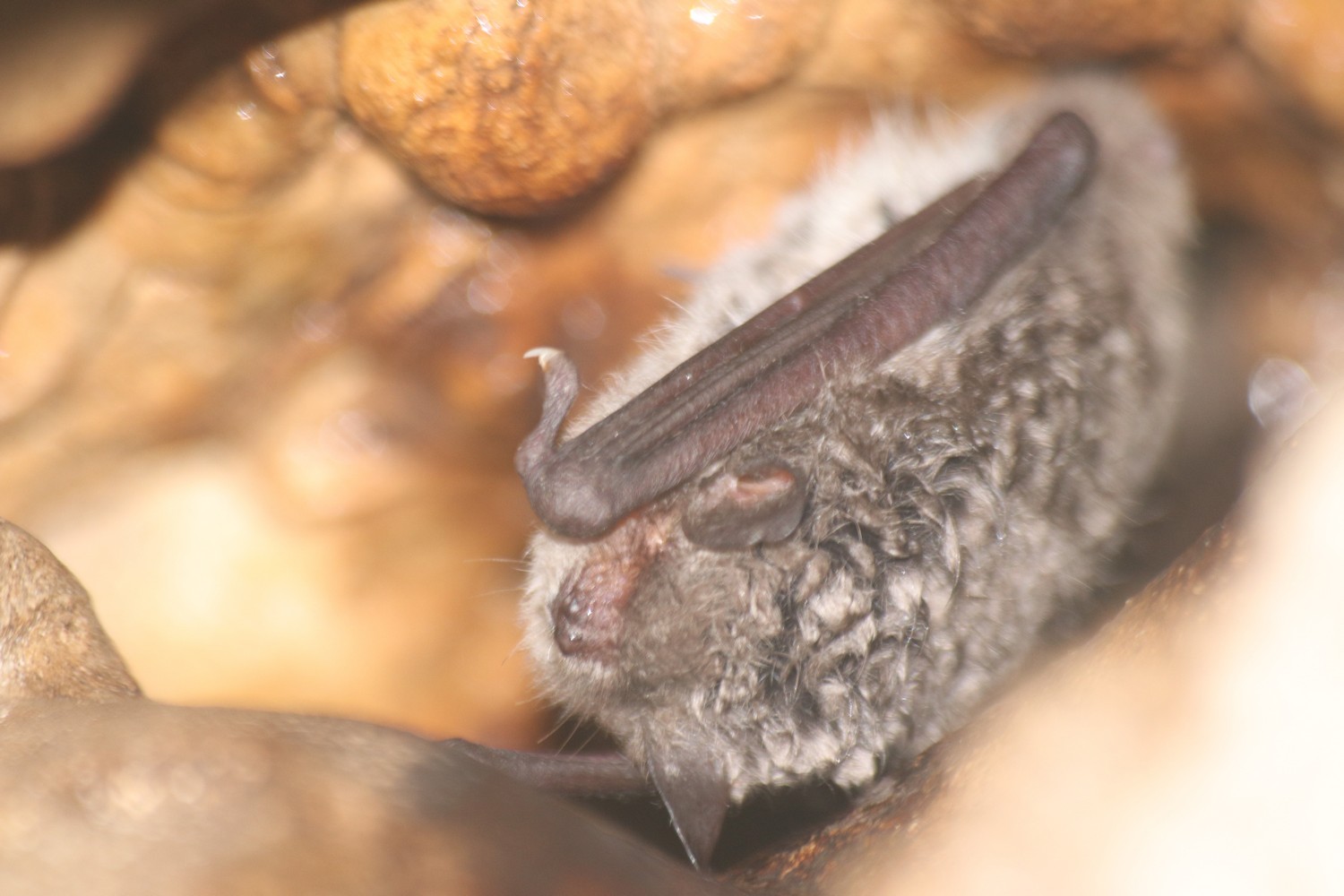
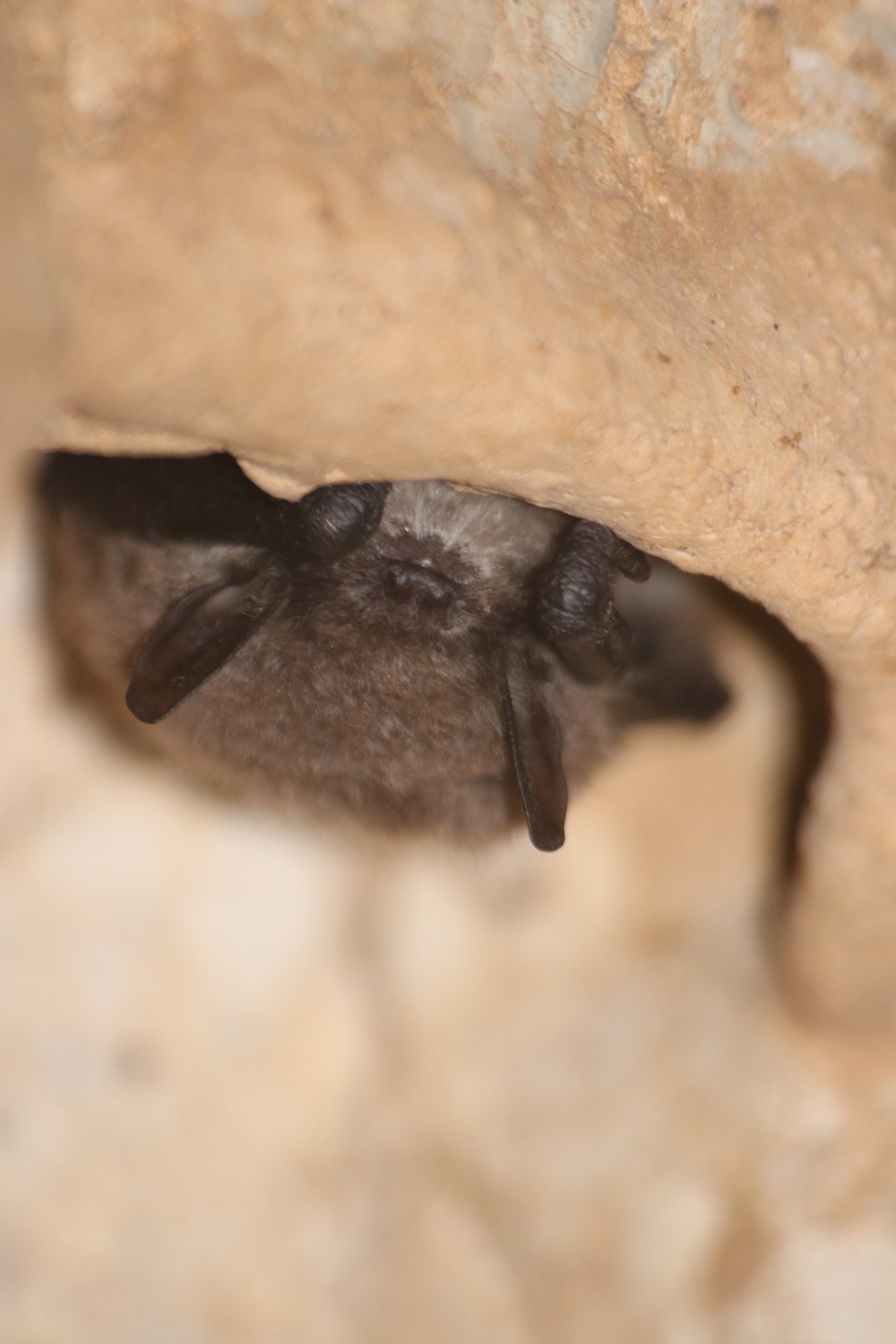
During the survey in January 2026, the presence of a total of six species of bats was recorded (Rhinolophus blasii, R. hipposideros, R. ferrumequinum, Myotis capaccinii, M. mystacinus s.l. i Miniopterus schreibersii), along with two groups of morphologically similar species (Rhinolophus blasii/euryale i Myotis sp.).
Monitoring
JOŠ NOVOSTI IZ KATEGORIJE
Monitoring the state of cave fauna at speleological structures in the broader area of the Krka NP
During 2025, the Croatian Biospeleological Society, in cooperation with the Krka National Park, conducted monitoring of the condition of cave fauna and speleological structures in the Park area
Monitoring of nesting pairs of the Eurasian Eagle Owl (Bubo bubo) in the Krka NP area in 2026
From February 8 to March 14, 2026, during thirty-one field trips, the nature guards of the Krka National Park listened to the singing of male eagle owls in the evening hours, during sunset, at twenty-one locations along the canyons of the Krka and Čikola Rivers
Monitoring the occurrence of plant diseases and pests in forest communities of the Krka NP
The project "Monitoring the occurrence of plant diseases and pests in forest communities of the Krka National Park – 2024 and 2025" was implemented with the aim of systematically monitoring the health of the Park's forest ecosystems in conditions of pronounced climate change, frequent dry periods, forest fires, and an increased risk of the appearance and spread of harmful and invasive organisms
Winter Counting of Waterfowl in the area of the Krka National Park in 2026
This year we also counted waterfowl in the Krka National Park area