


The project "Monitoring the occurrence of plant diseases and pests in forest communities of the Krka National Park – 2024 and 2025" was implemented with the aim of systematically monitoring the health of the Park's forest ecosystems in conditions of pronounced climate change, frequent dry periods, forest fires, and an increased risk of the appearance and spread of harmful and invasive organisms
During the research, multiple field visits were conducted to key areas of the Krka National Park, along with the installation and monitoring of pheromone and kairomone attack-barrier traps for monitoring forest pests. Phytopathological research was conducted in parallel, which included the sampling of symptomatic plant parts and the laboratory isolation and determination of plant disease agents.
The research results showed that the entomofauna is diverse, but mostly to be expected for the sub-Mediterranean area, with no signs of mass gradations or the presence of invasive species that would currently seriously threaten the stability of forest stands. Predominantly secondary and saproxylic insect species were recorded, while the populations of the main defoliators were at a low level. In particular, the first finding of the oak lace bug (Corythucha arcuata) in the area of Šibenik-Knin County was recorded.
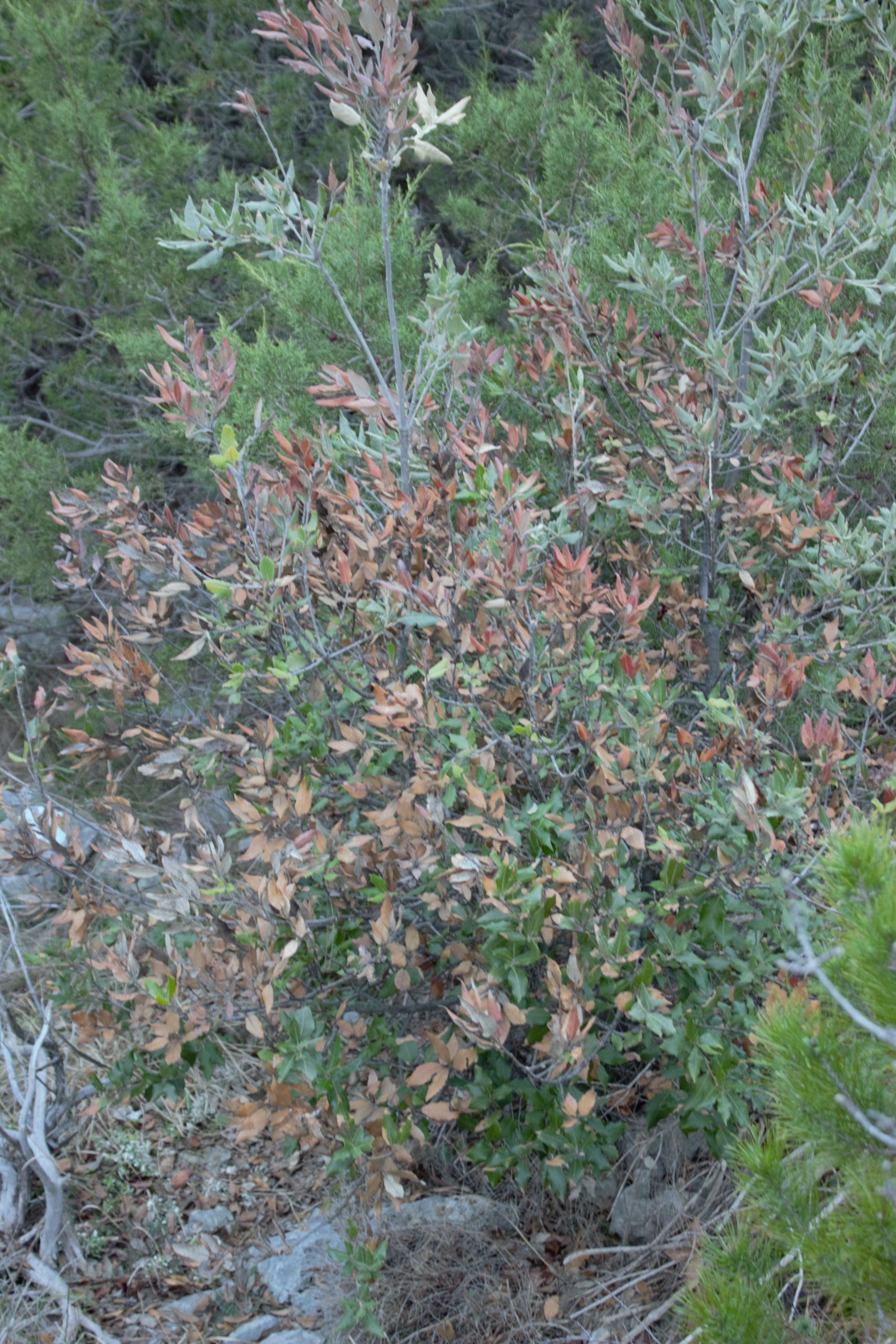
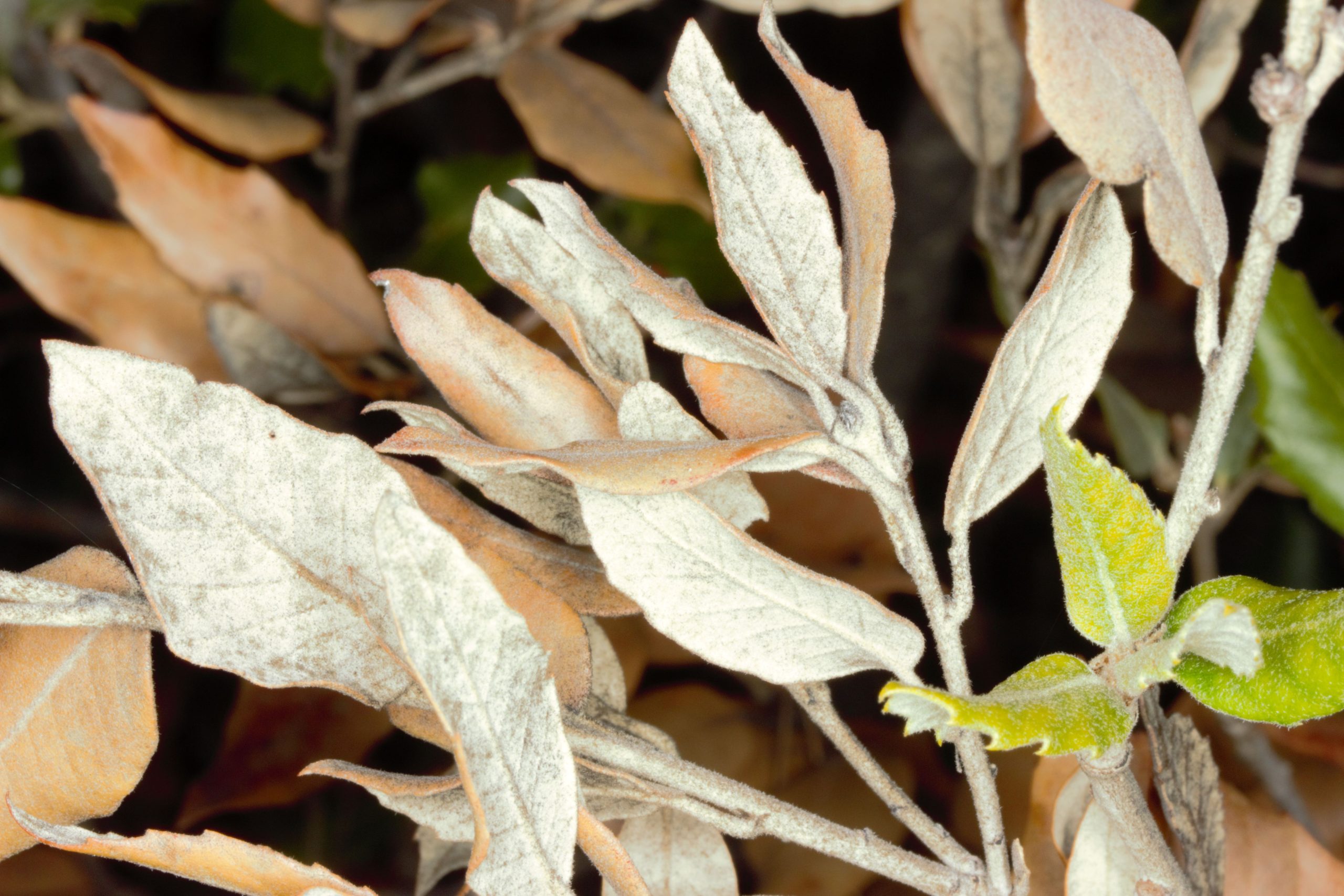
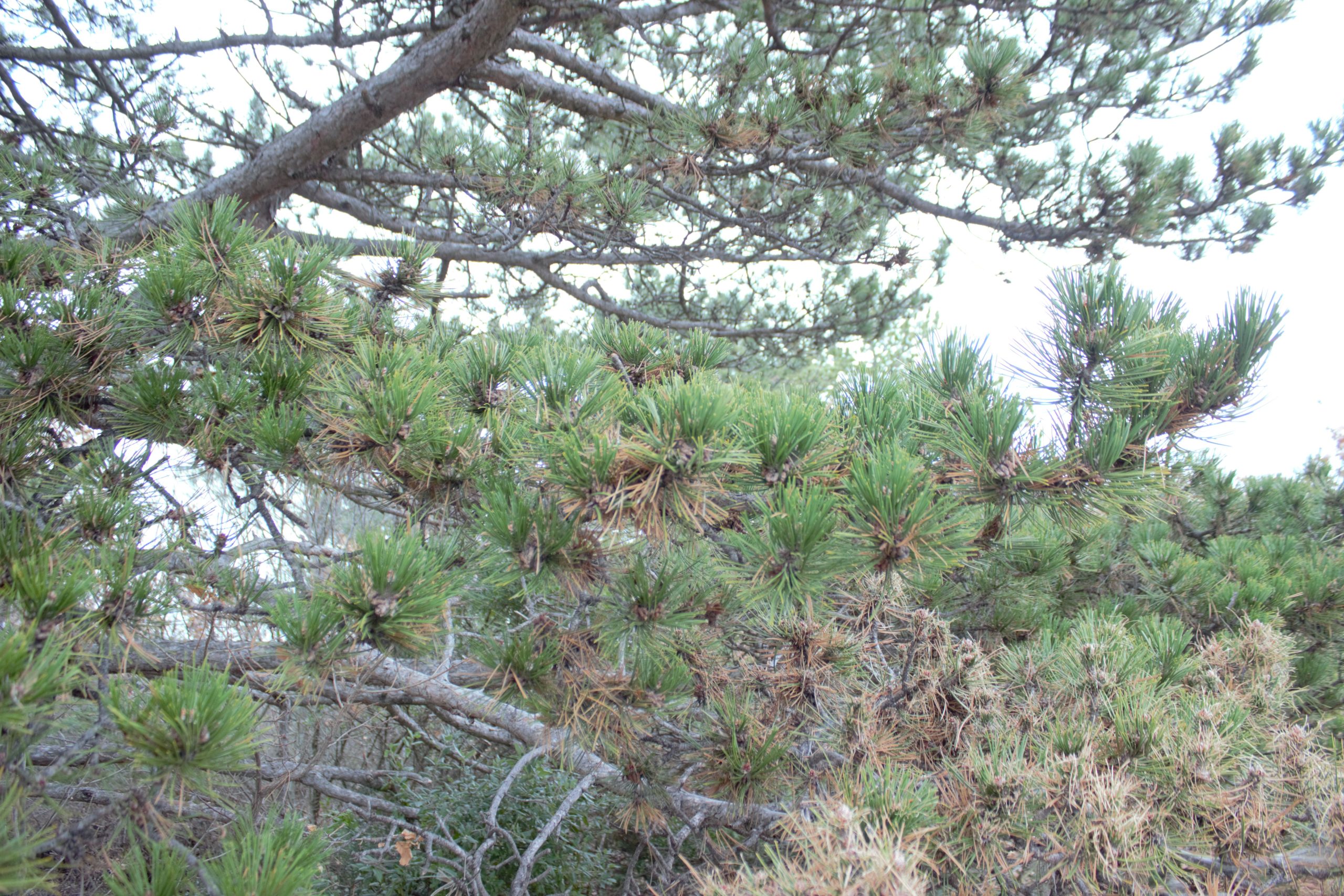
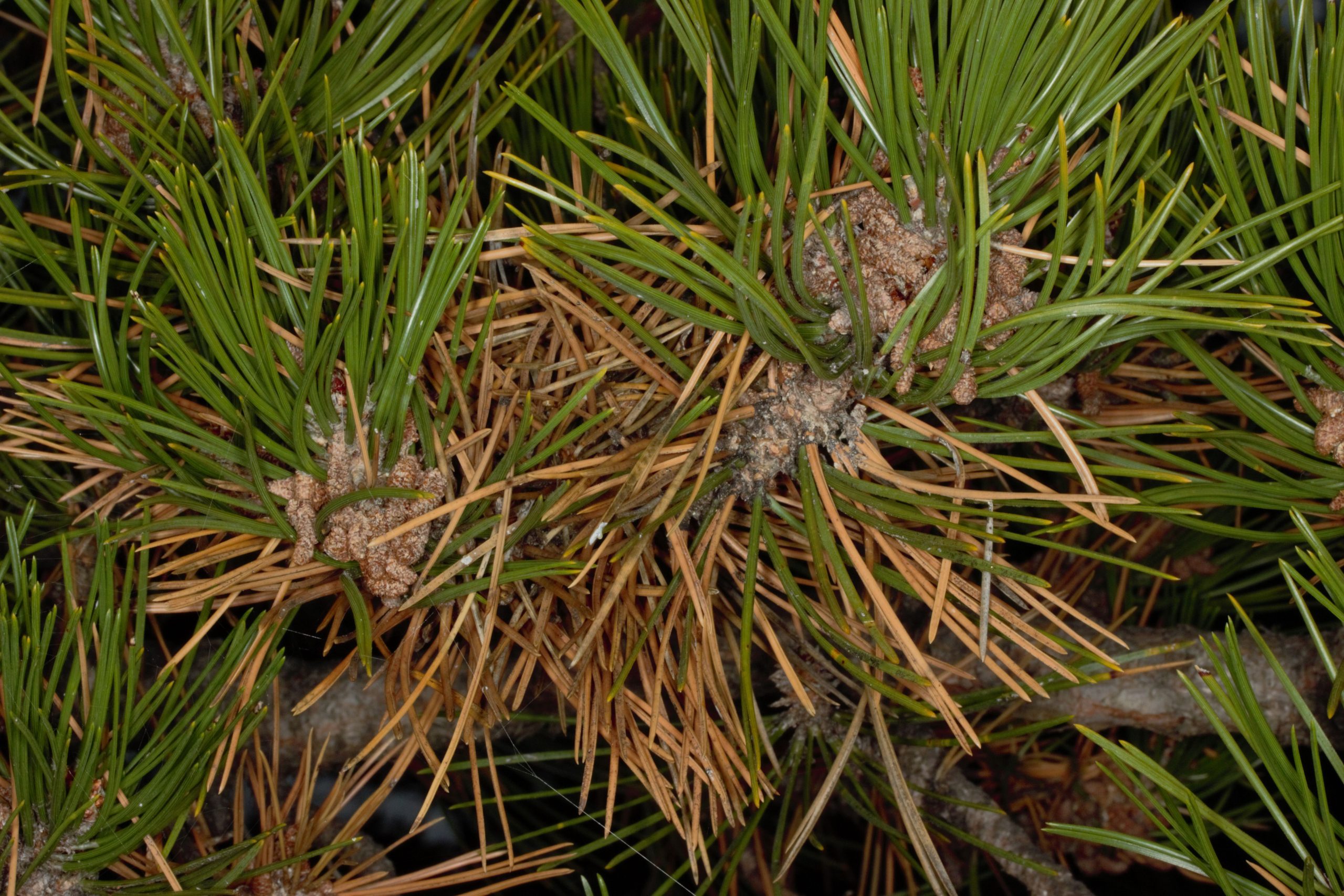
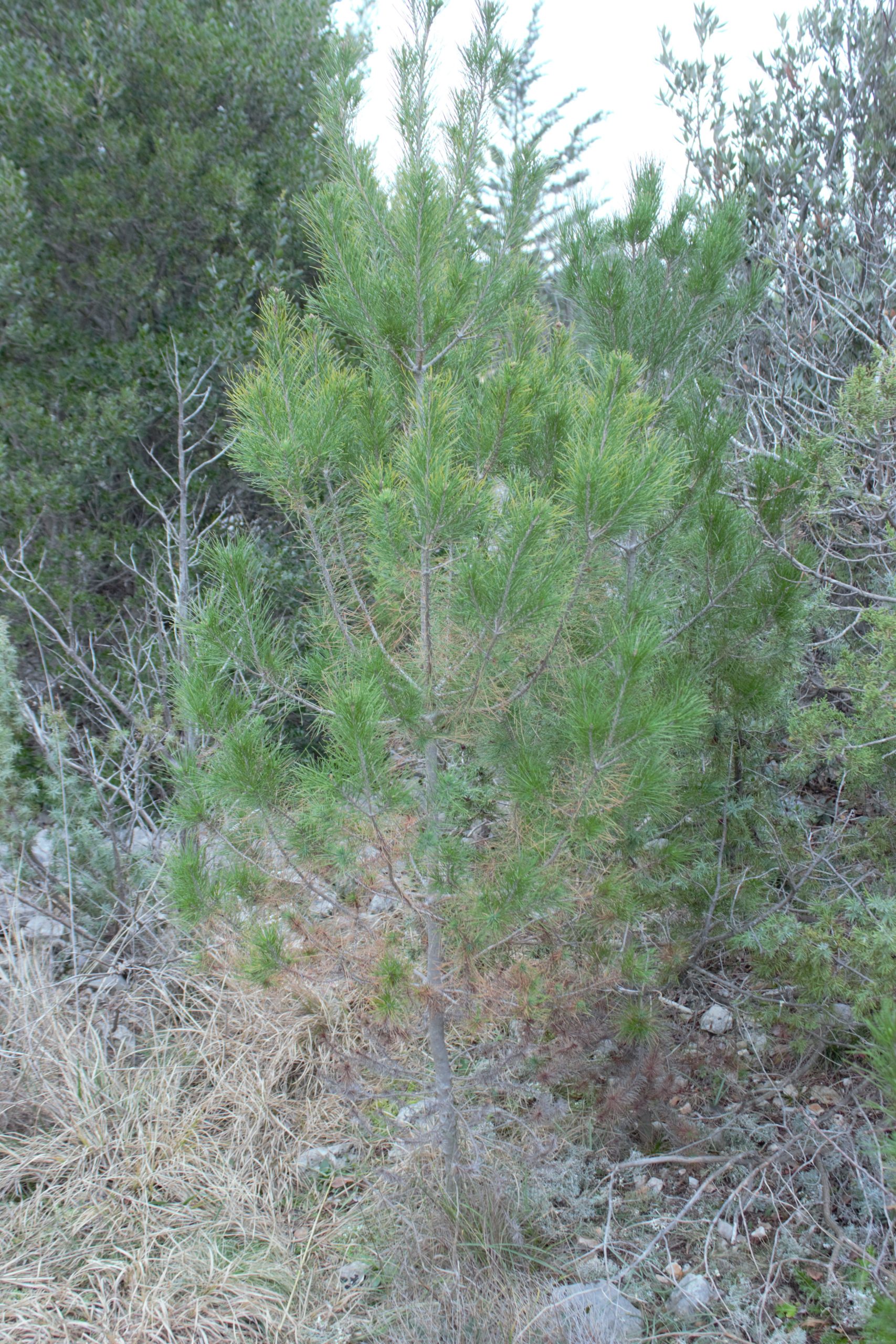
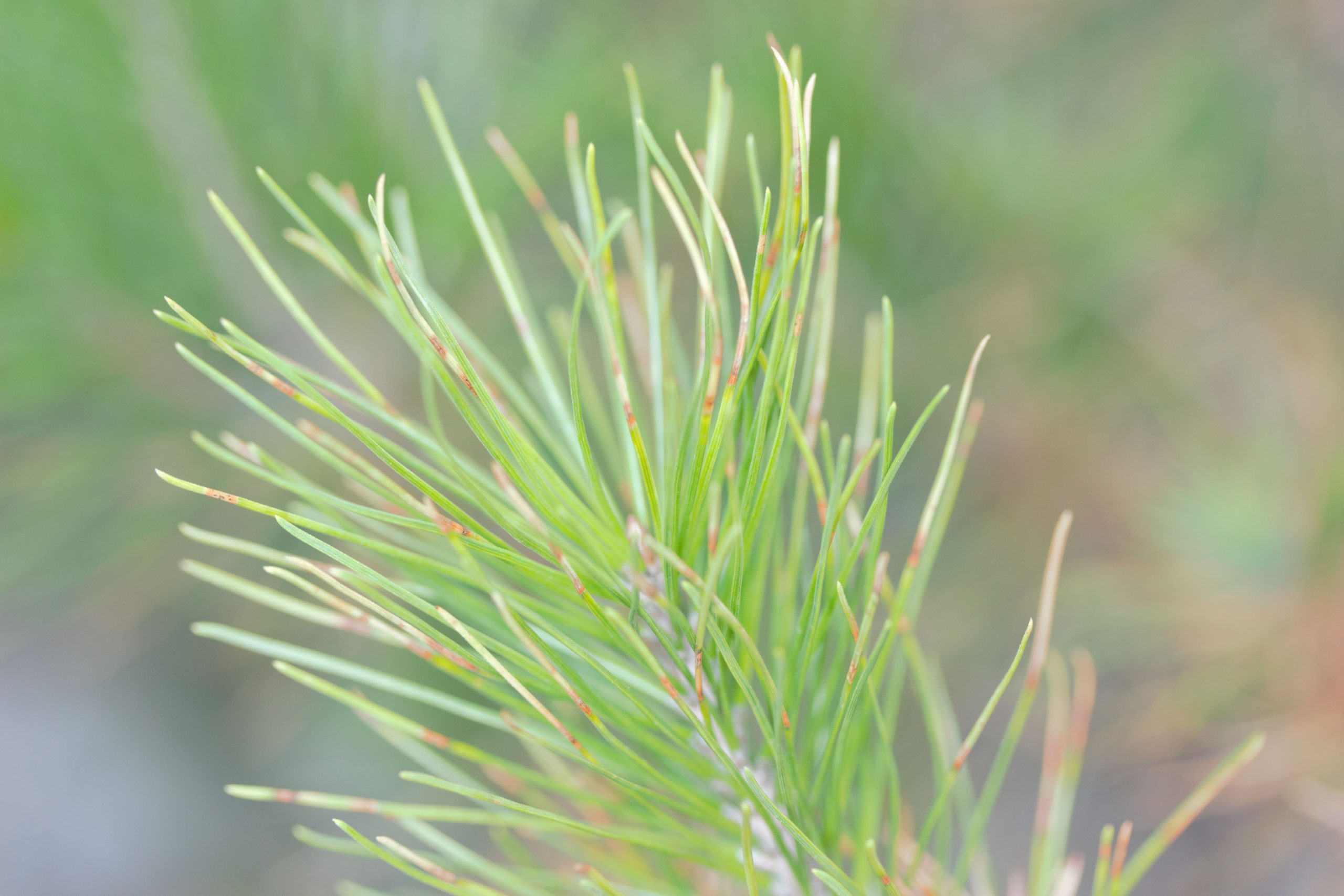
Phytopathological analyses revealed mostly secondary and opportunistic fungal diseases, such as fungi from the Botryosphaeriaceae family on ash and holm oak, , Sydowia polyspora on black pine, and Dothistroma septosporum on Aleppo pine, where disease occurrences are mostly related to physiological stress of the trees.
In conclusion, the health status of the forest communities of the Krka National Park has been assessed as satisfactory, currently without any critical threats.
Nonetheless, due to climatic extremes, fires and anthropogenic influences, the need for the establishment of long-term monitoring has been emphasized.
Monitoring
JOŠ NOVOSTI IZ KATEGORIJE
Monitoring the state of cave fauna at speleological structures in the broader area of the Krka NP
During 2025, the Croatian Biospeleological Society, in cooperation with the Krka National Park, conducted monitoring of the condition of cave fauna and speleological structures in the Park area
Monitoring of nesting pairs of the Eurasian Eagle Owl (Bubo bubo) in the Krka NP area in 2026
From February 8 to March 14, 2026, during thirty-one field trips, the nature guards of the Krka National Park listened to the singing of male eagle owls in the evening hours, during sunset, at twenty-one locations along the canyons of the Krka and Čikola Rivers
Monitoring the status of hibernating bat colonies in the broader area of Krka National Park in 2026
In January 2026, the company Geonatura d.o.o. conducted monitoring of hibernating bat colonies in the broader area of the Krka National Park, which included an inspection of the underground shelters of Topla Pećina Cave, Miljacka II Cave, Velika Pećina Kaočinka Cave and Stara Jametina Cave
Winter Counting of Waterfowl in the area of the Krka National Park in 2026
This year we also counted waterfowl in the Krka National Park area