


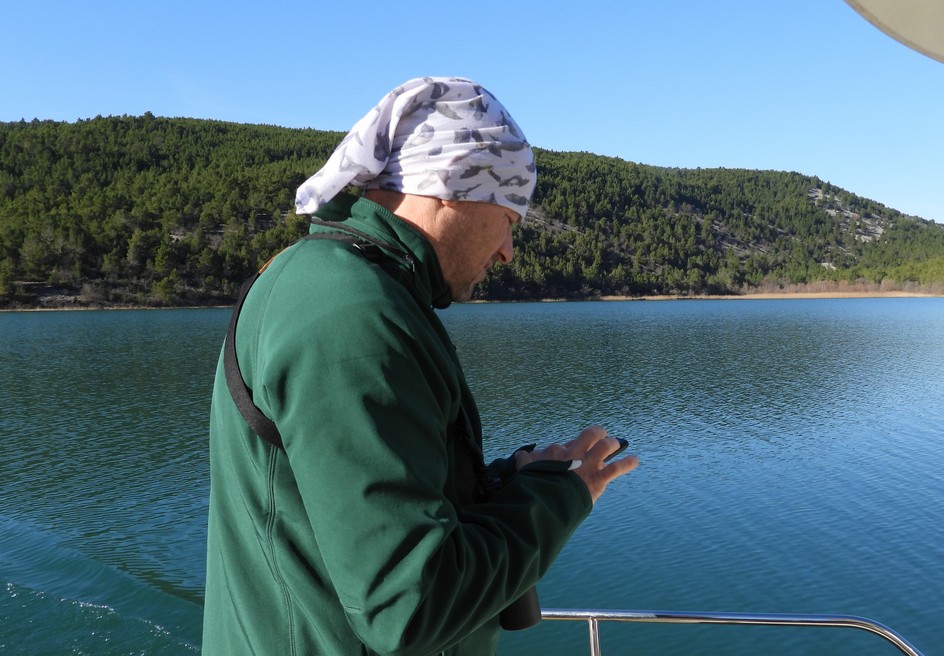
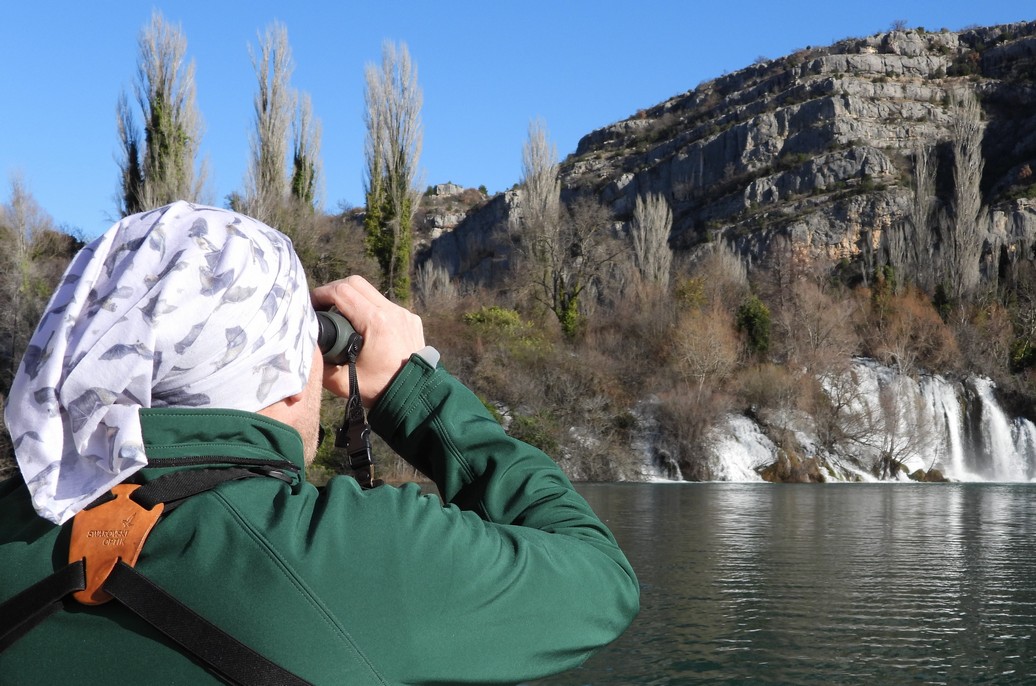
This year we also counted waterfowl in the Krka National Park area
It is part of the International Waterbird Census (IWC) project, the largest biodiversity monitoring program in the world, which has been conducted since 1967. Birds are an increasingly endangered group of animals, mostly due to destruction of their habitats and the increasing environmental changes caused by climate change.
This winter counting plays an important role because by monitoring the migrations of waterfowls to their wintering grounds, we gain important insights into the situation and changes in their populations during the winter season.
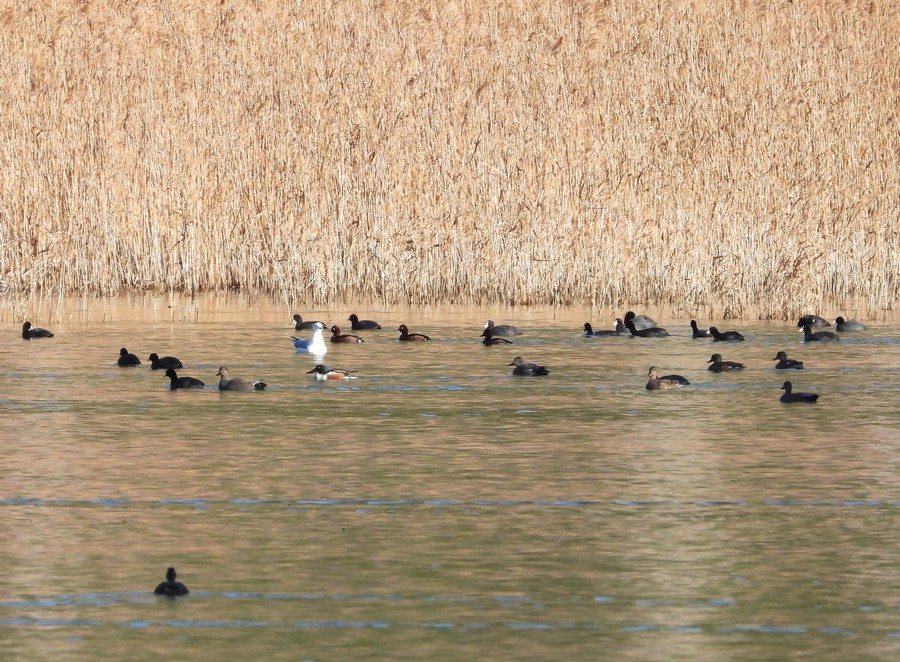
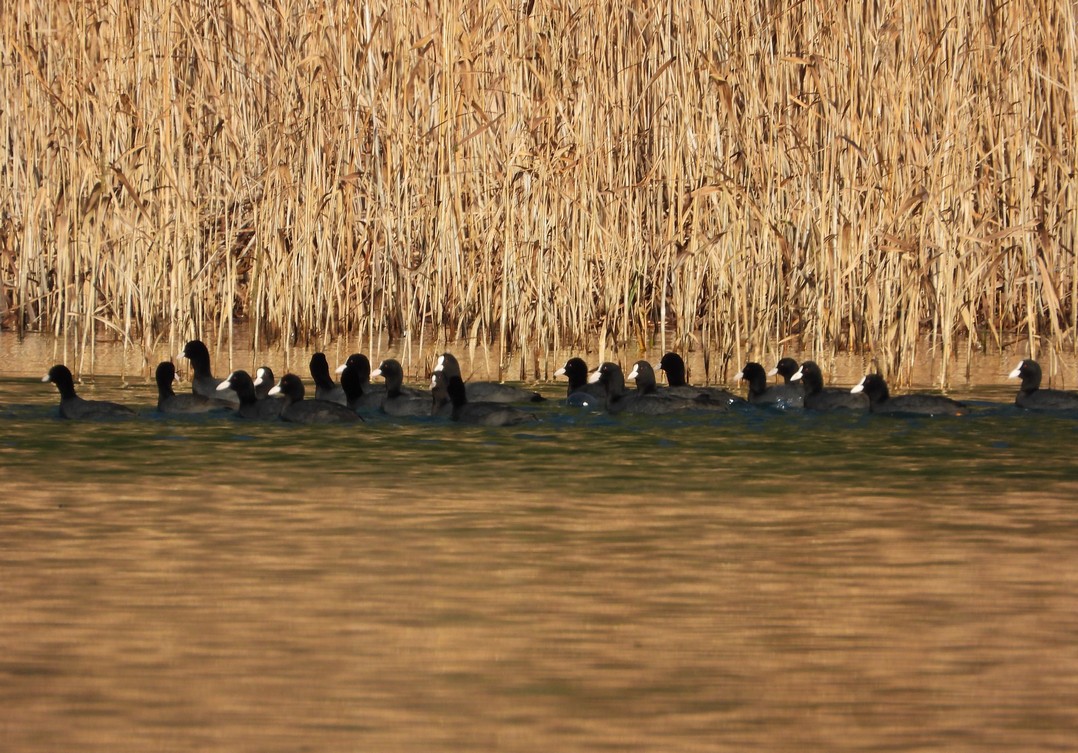
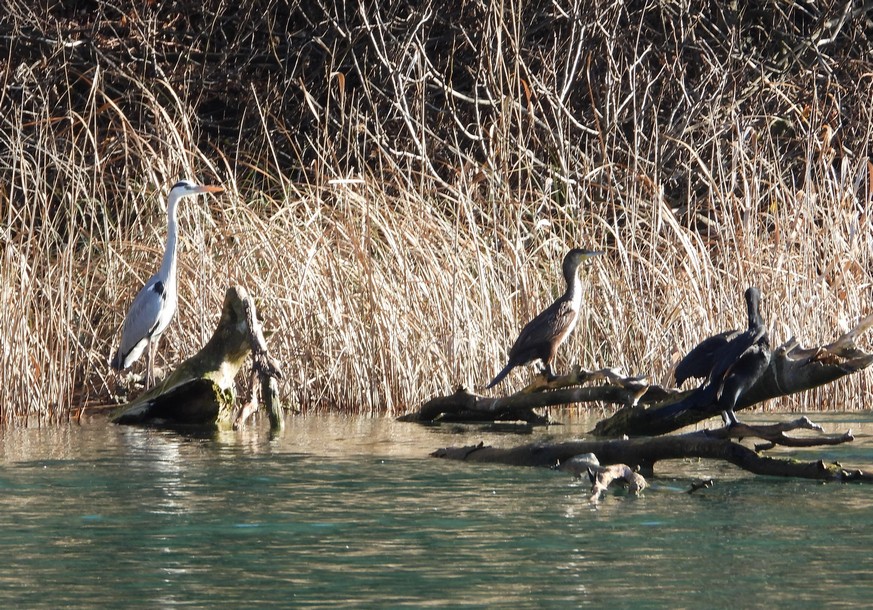
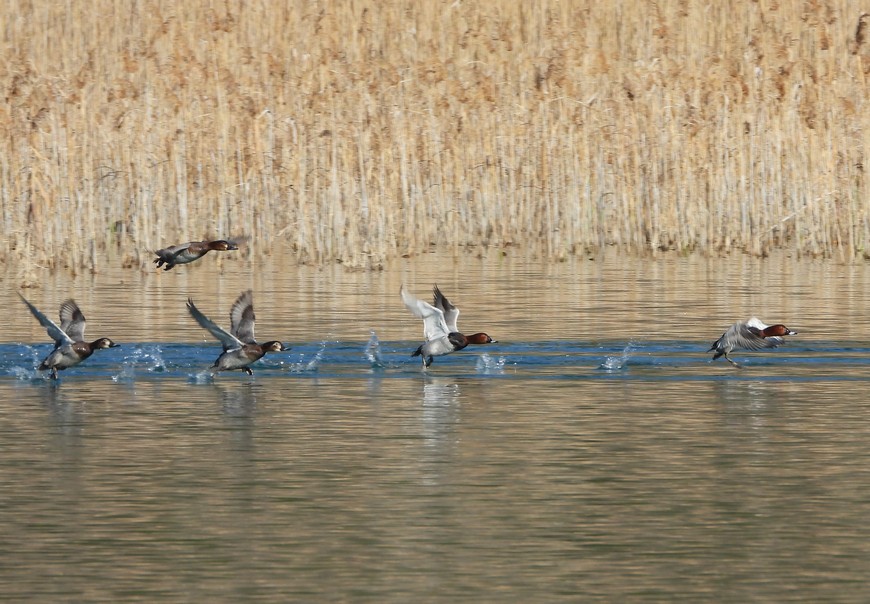
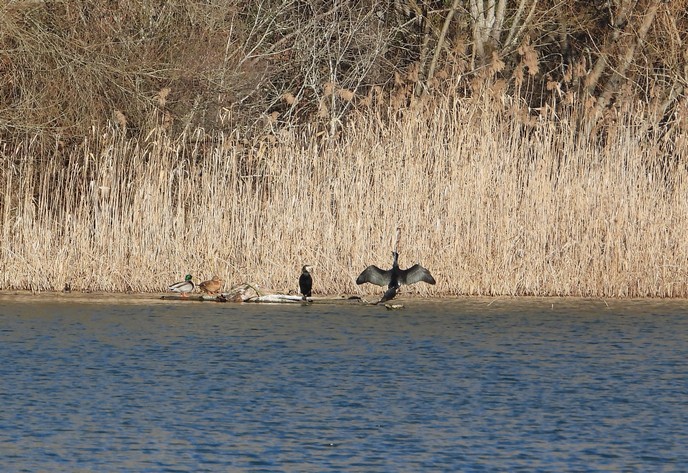
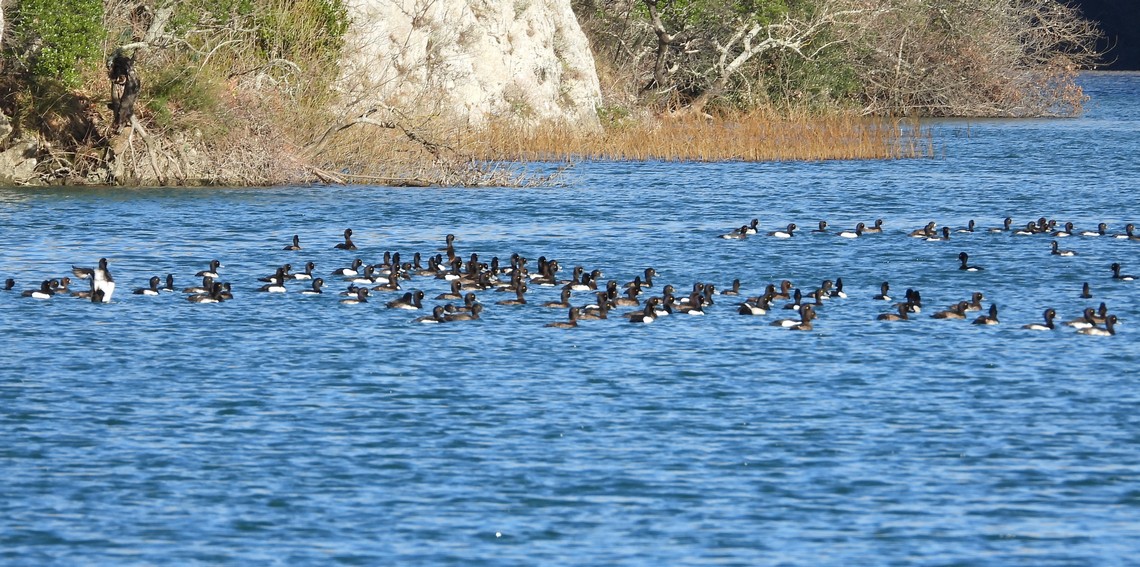
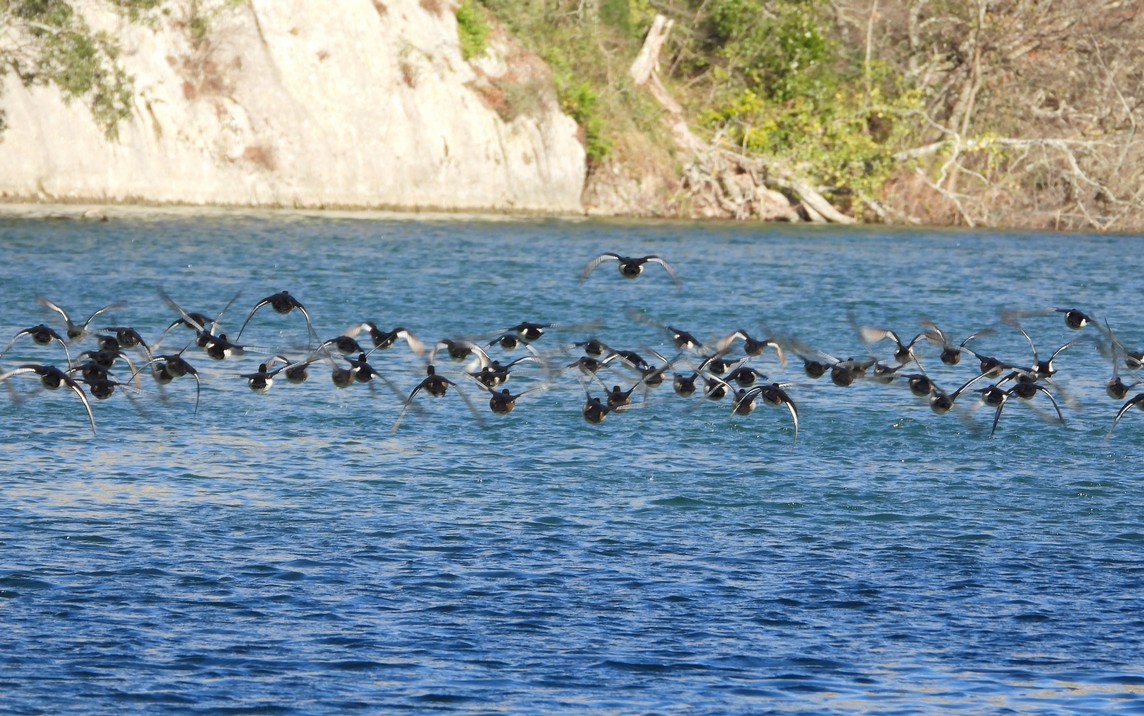
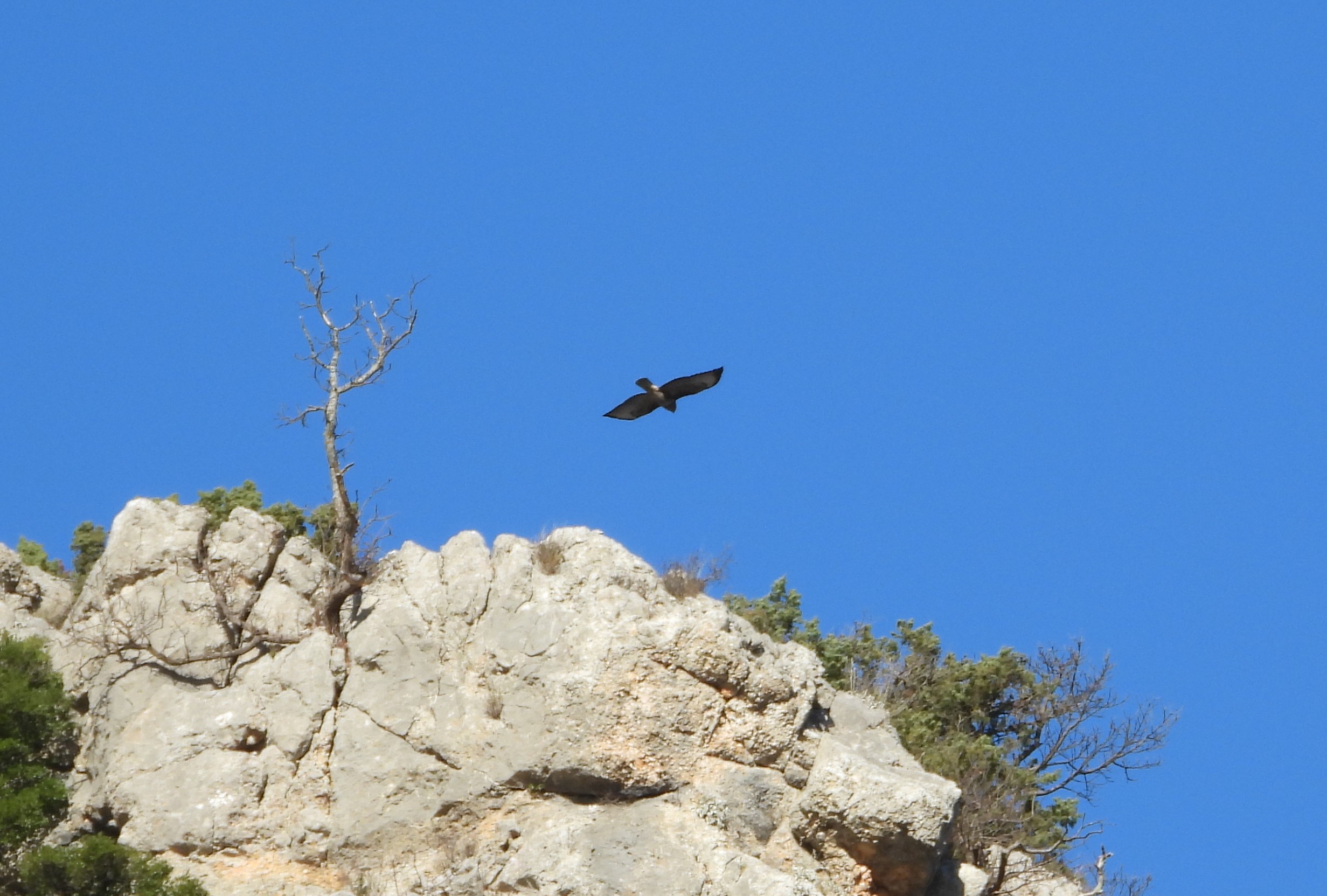
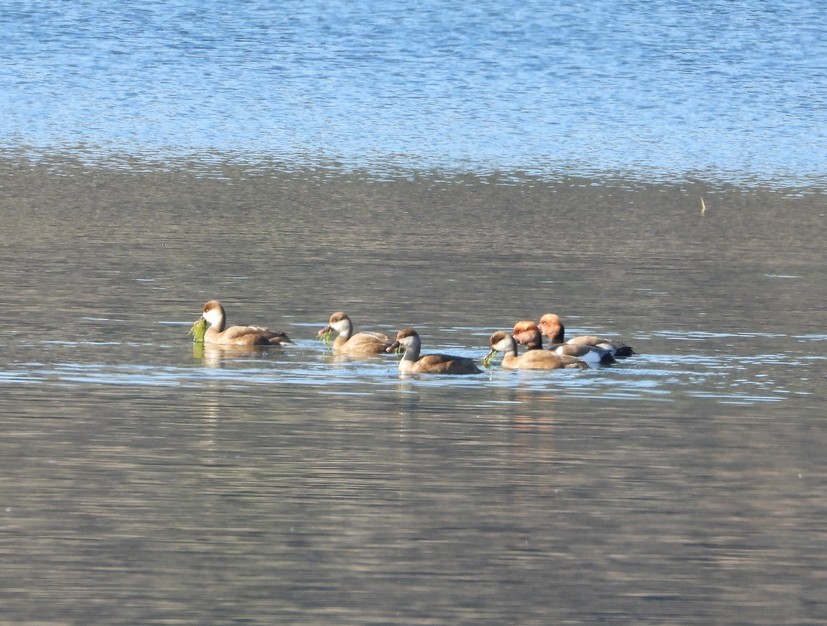
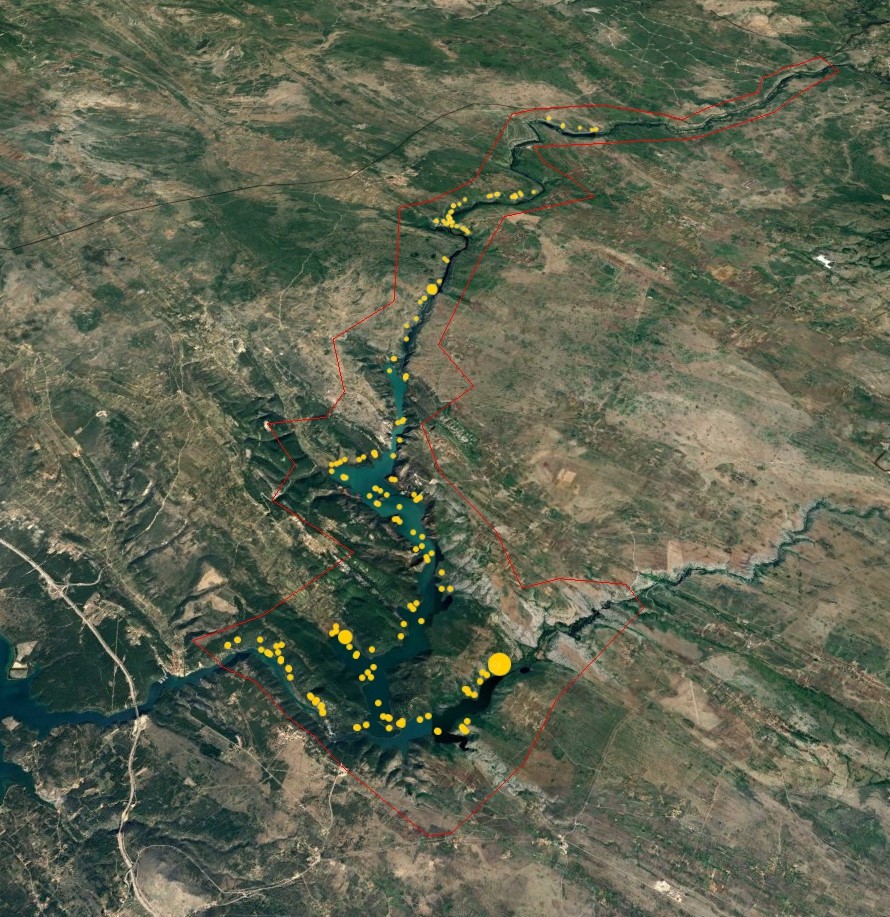
This year's waterbird census was carried out on the 18th and 19th of January. 25 species of waterbirds were recorded, with a total of 1,729 individuals. As in previous years, the most numerous wintering bird in the Park is the coot, followed by the crested duck, mallard, and common pochard, while the fifth most numerous wintering species is the great cormorant.
Of the eight areas in the Park where they were monitored, the most birds were counted in the area of the Čikola River mouth, while the greatest number of species were recorded in the Visovac Lake area.
We are particularly pleased to have recorded individuals of the smew during their wintering, a species that has only been recorded once in the Park area so far, during their migration in March 2003.


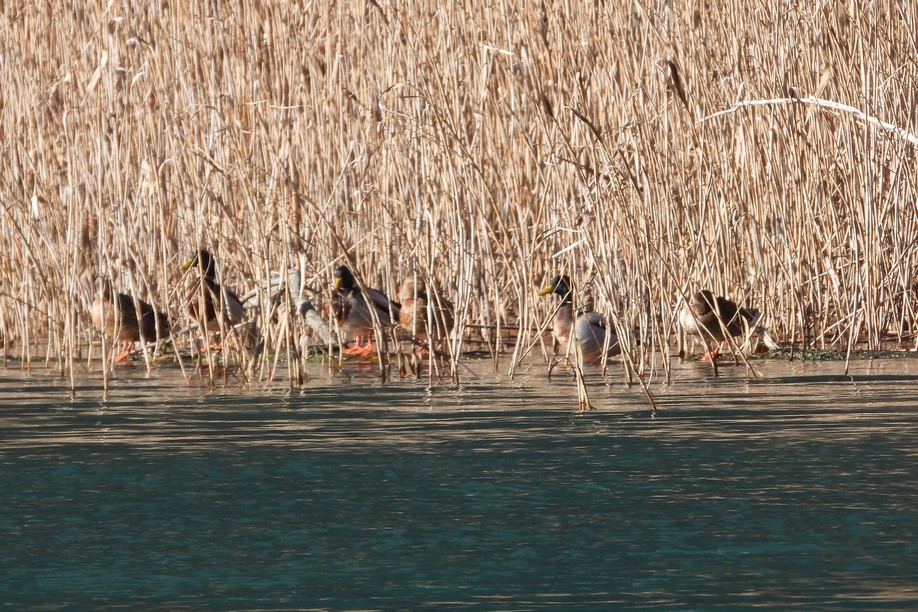
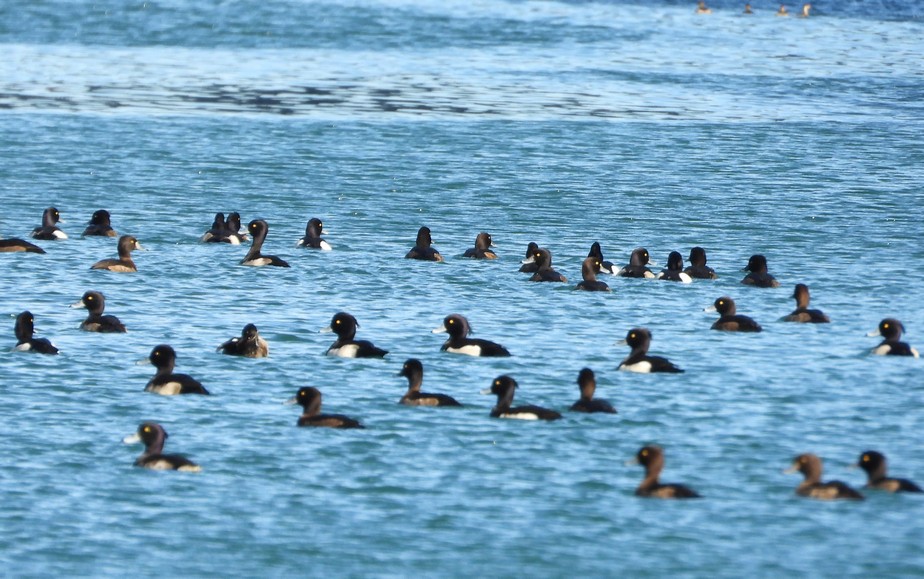
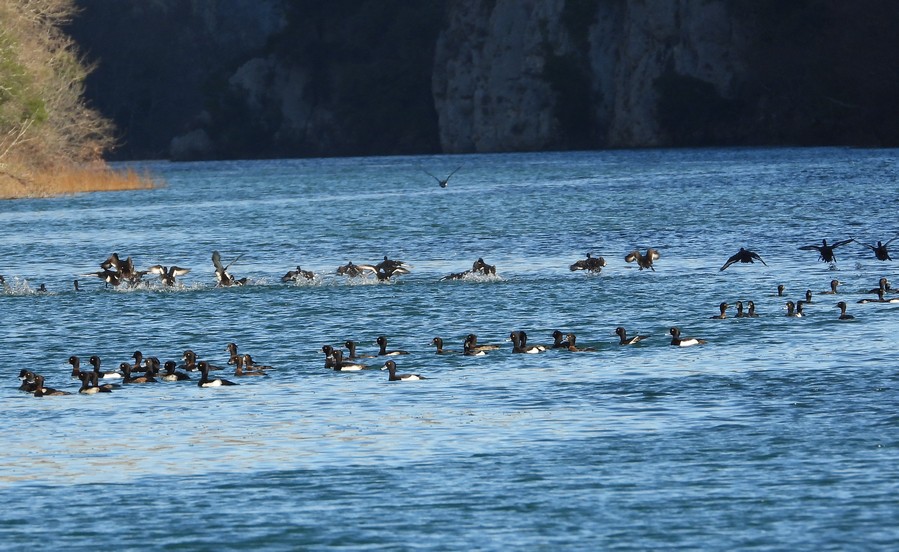
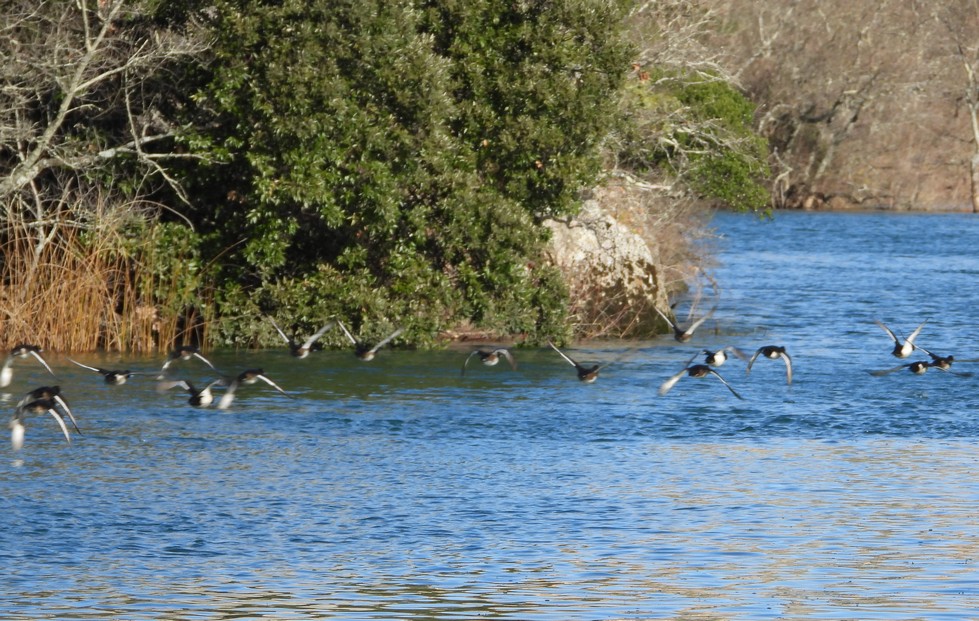
Monitoring
JOŠ NOVOSTI IZ KATEGORIJE
Monitoring the state of cave fauna at speleological structures in the broader area of the Krka NP
During 2025, the Croatian Biospeleological Society, in cooperation with the Krka National Park, conducted monitoring of the condition of cave fauna and speleological structures in the Park area
Monitoring of nesting pairs of the Eurasian Eagle Owl (Bubo bubo) in the Krka NP area in 2026
From February 8 to March 14, 2026, during thirty-one field trips, the nature guards of the Krka National Park listened to the singing of male eagle owls in the evening hours, during sunset, at twenty-one locations along the canyons of the Krka and Čikola Rivers
Monitoring the status of hibernating bat colonies in the broader area of Krka National Park in 2026
In January 2026, the company Geonatura d.o.o. conducted monitoring of hibernating bat colonies in the broader area of the Krka National Park, which included an inspection of the underground shelters of Topla Pećina Cave, Miljacka II Cave, Velika Pećina Kaočinka Cave and Stara Jametina Cave
Monitoring the occurrence of plant diseases and pests in forest communities of the Krka NP
The project "Monitoring the occurrence of plant diseases and pests in forest communities of the Krka National Park – 2024 and 2025" was implemented with the aim of systematically monitoring the health of the Park's forest ecosystems in conditions of pronounced climate change, frequent dry periods, forest fires, and an increased risk of the appearance and spread of harmful and invasive organisms