


Investigation into the state of the bird population in the broad area of the Krka National Park
In the area of the ecological network of the broader area of the Krka National Park, the Biom Association researched the numbers of various bird species from April 2024 to March 2025
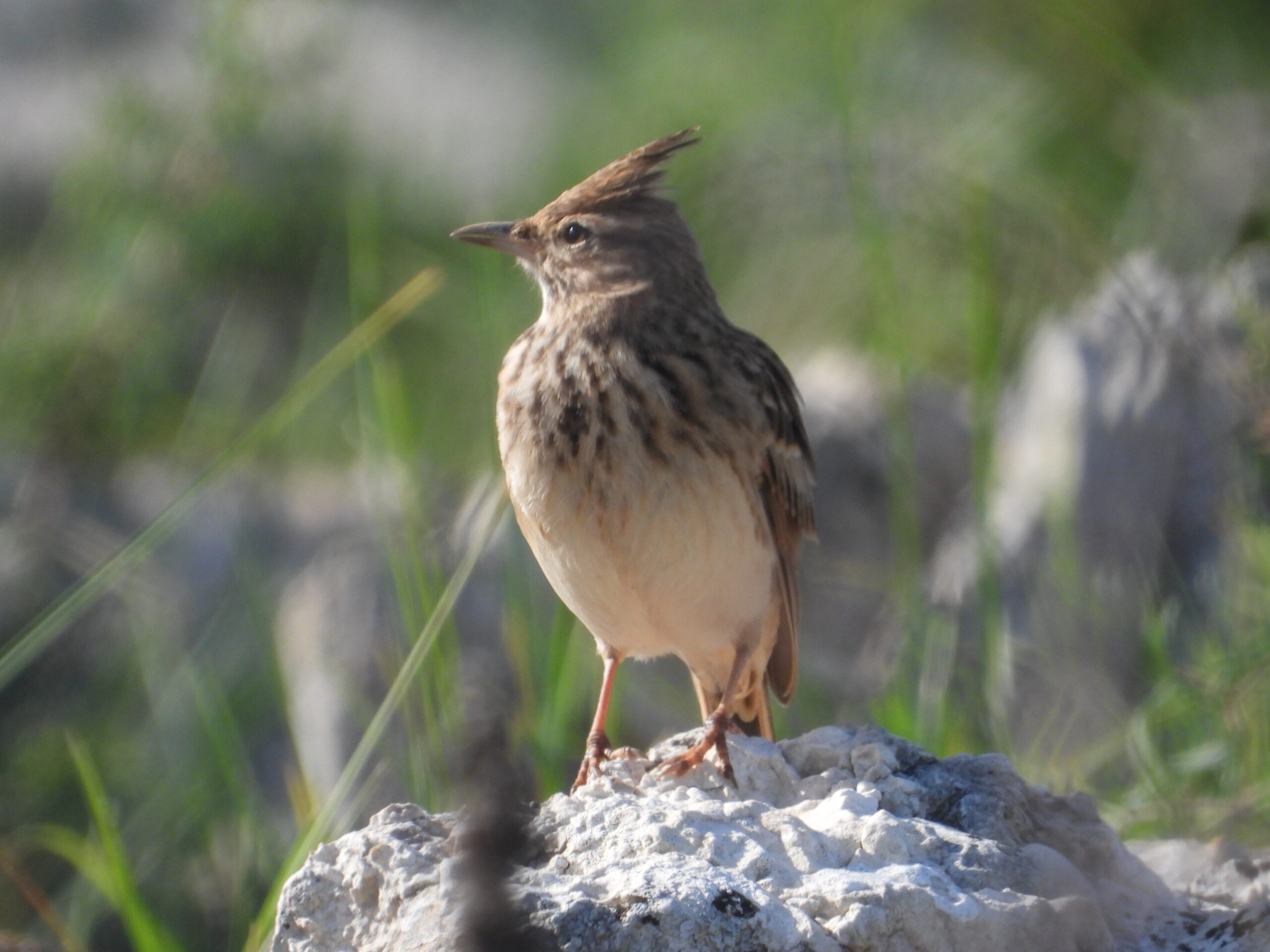
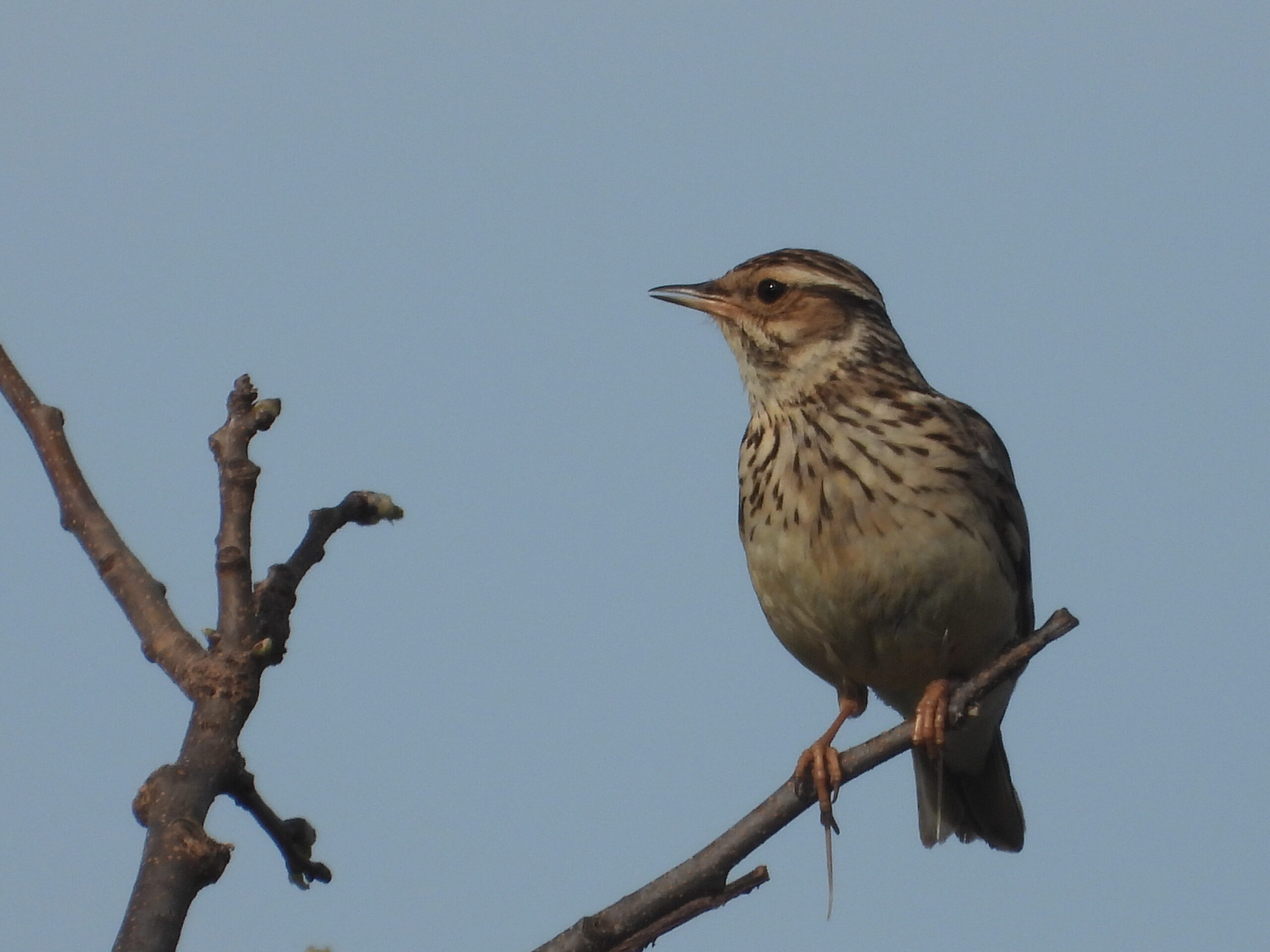
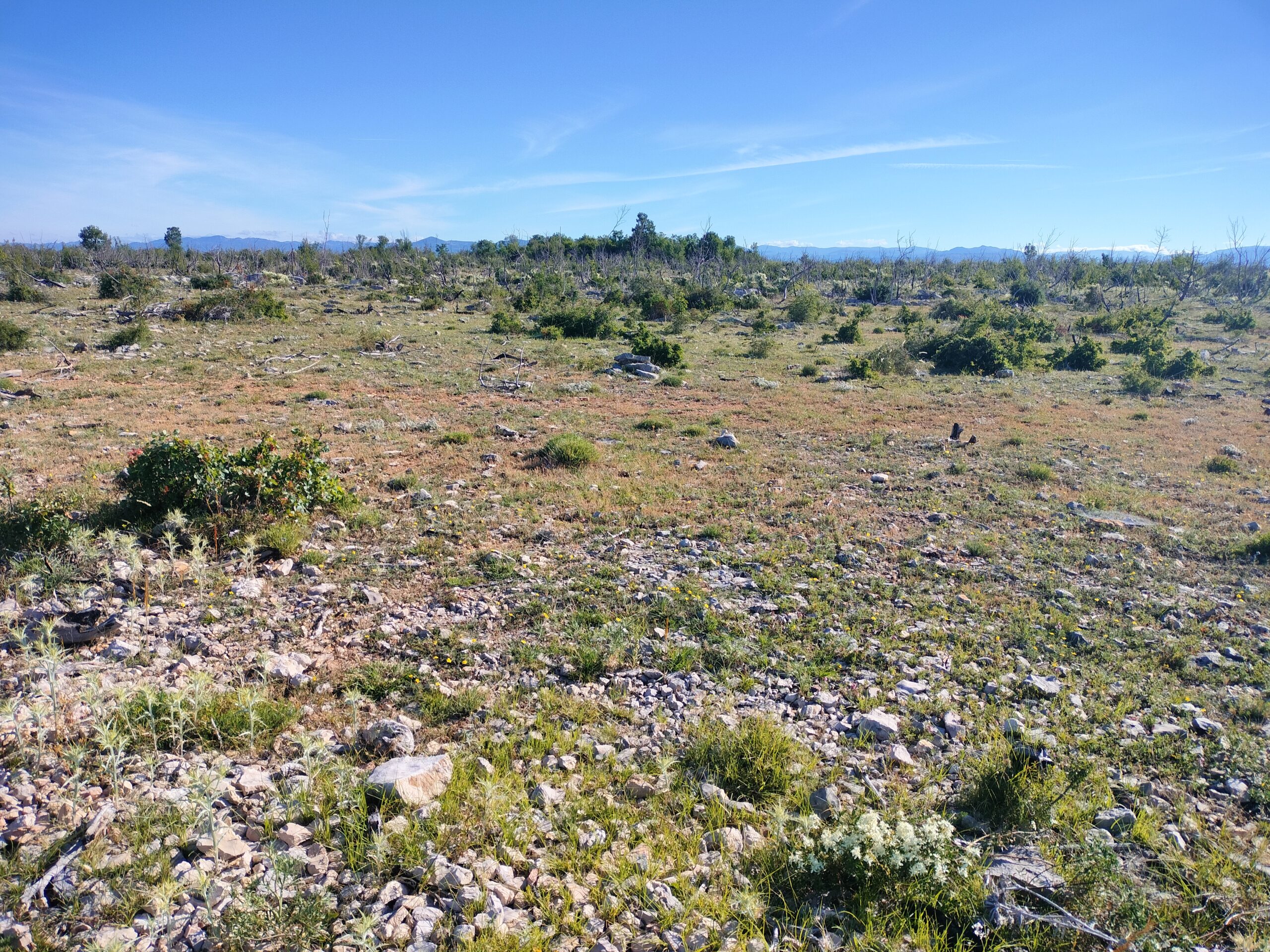
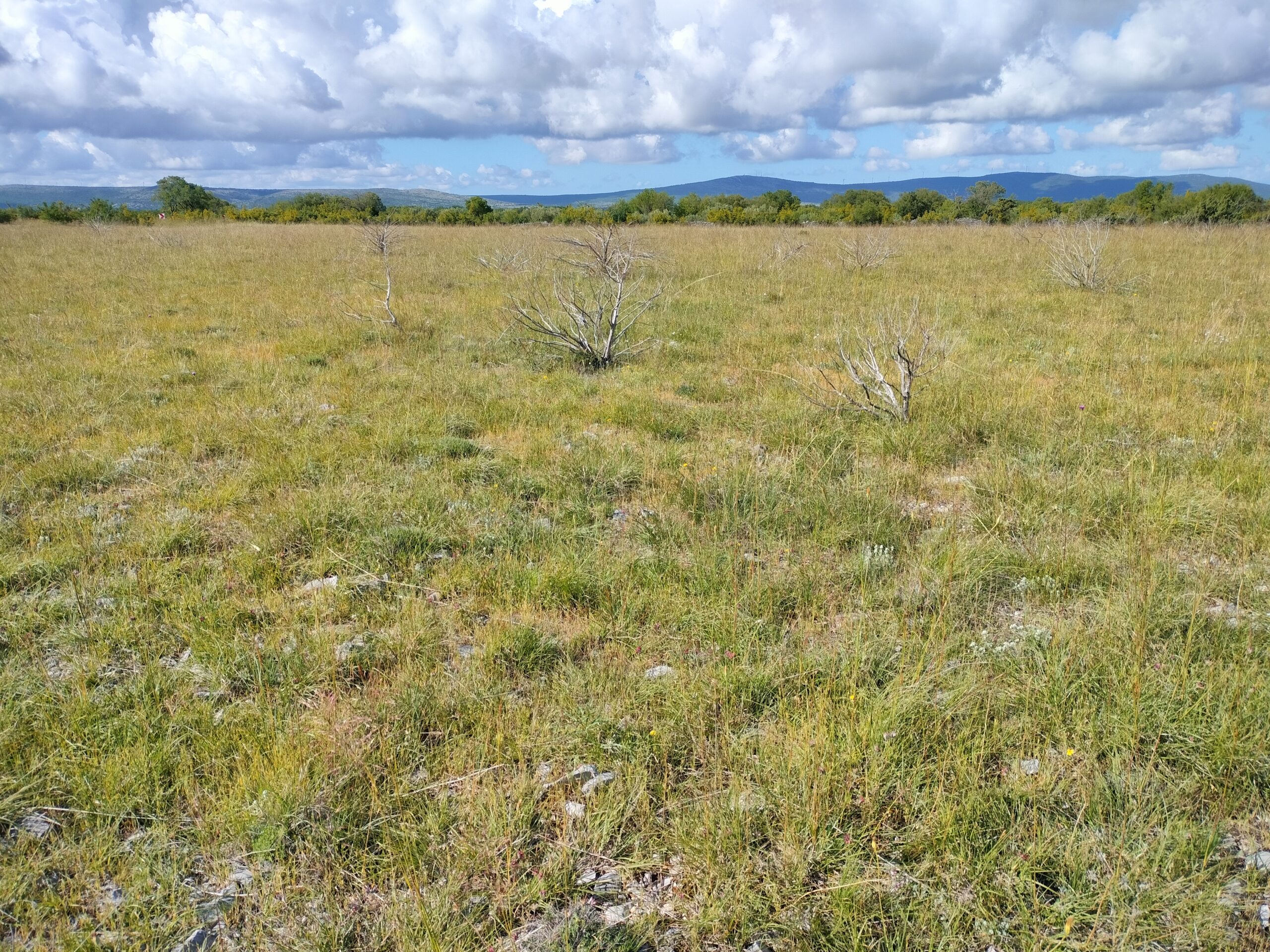
The studied species were grouped according to habitat and period of research. A survey of dry grassland species showed that they are not numerous, and the species of the Greater short-toed lark Callandrella brachydactyll and the Calandra lark Melanocorypha calandra were not recorded at all. The reason for this is the habitat succession, or overgrowth of grasslands/pastures, which has progressed due to the abandonment of livestock farming. Species that were not recorded are still present in the immediate vicinity, although in small numbers, and would likely quickly return to the grasslands if they were to be restored. Only the Eurasian stone-curlew Burhinus oedicnemus – a single pair – found a suitable habitat on burned and grazed grassland. The park plans to restore dry grasslands in the coming years with the aim of returning and preserving species that normally live there.
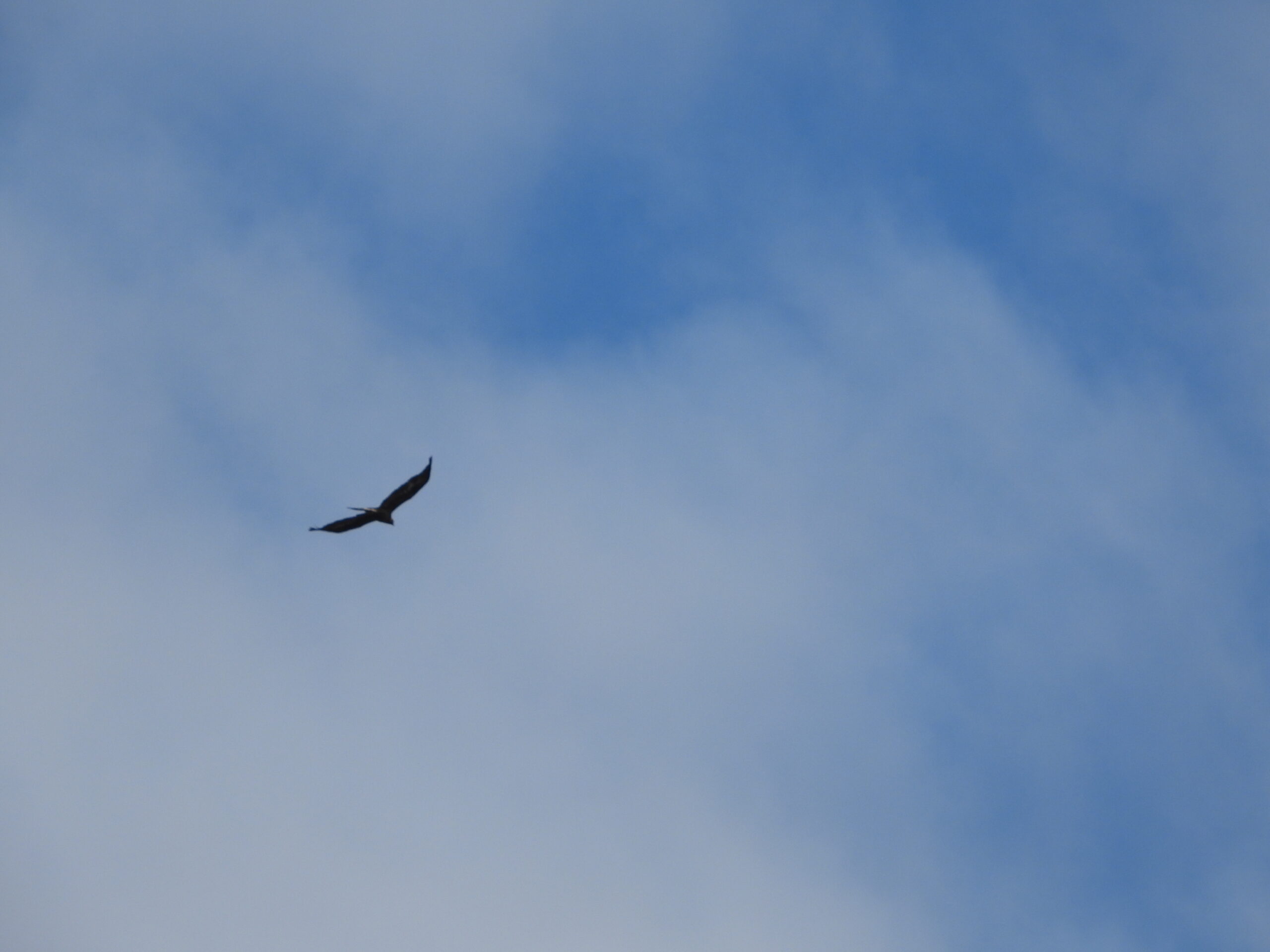
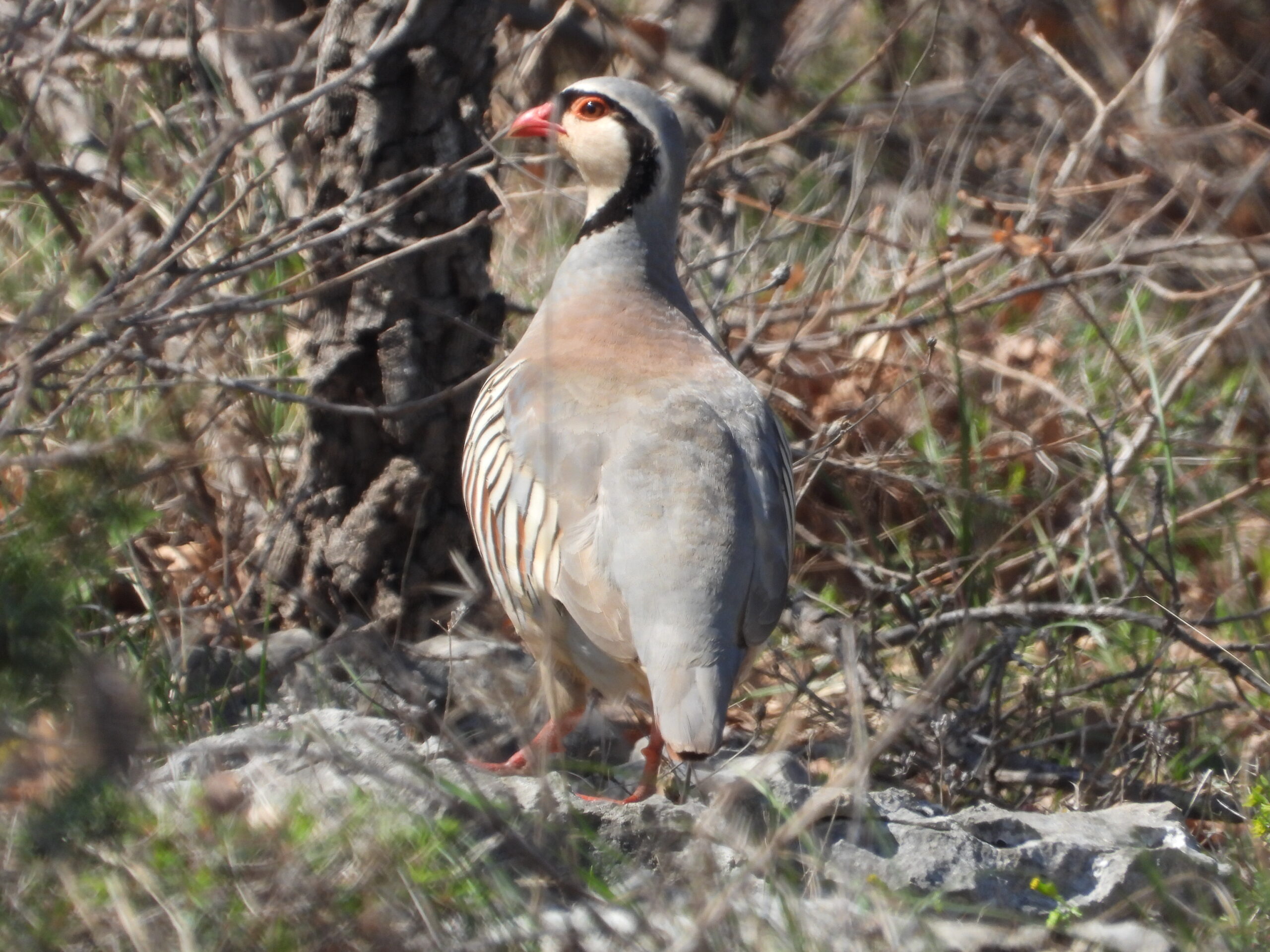
Species that live on the slopes of the Krka and Čikola River canyons are still present in large numbers (the Rock partridge Alectoris graeca and the Eagle owl Bubo bubo), with the exception of the Golden eagle Aquila crysaethos, which was recorded for the first time in many years. Despite this, the observation of a single subadult does not mean that the eagles will start nesting there, because the area of this open and mosaic type habitat is too small for a pair to seek prey and raise a young eagle.
The extinction of the Peregrine falcon Falco peregrinus in the Krka National Park is an interesting story because its habitats are still preserved, so its disappearance is most probably related to the large population of the Eagle owl Bubo bubo, which is its main predator. For some species, such as the Lesser grey shrike Lanius minor, the Hen harrier Circus cyaneus, and the Merlin Falco columbarius, research has shown that their main habitats are in larger fields outside the broader area of the Krka National Park, and for the olive tree warbler Hippolais olivetorum, nesting in that area is irregular.
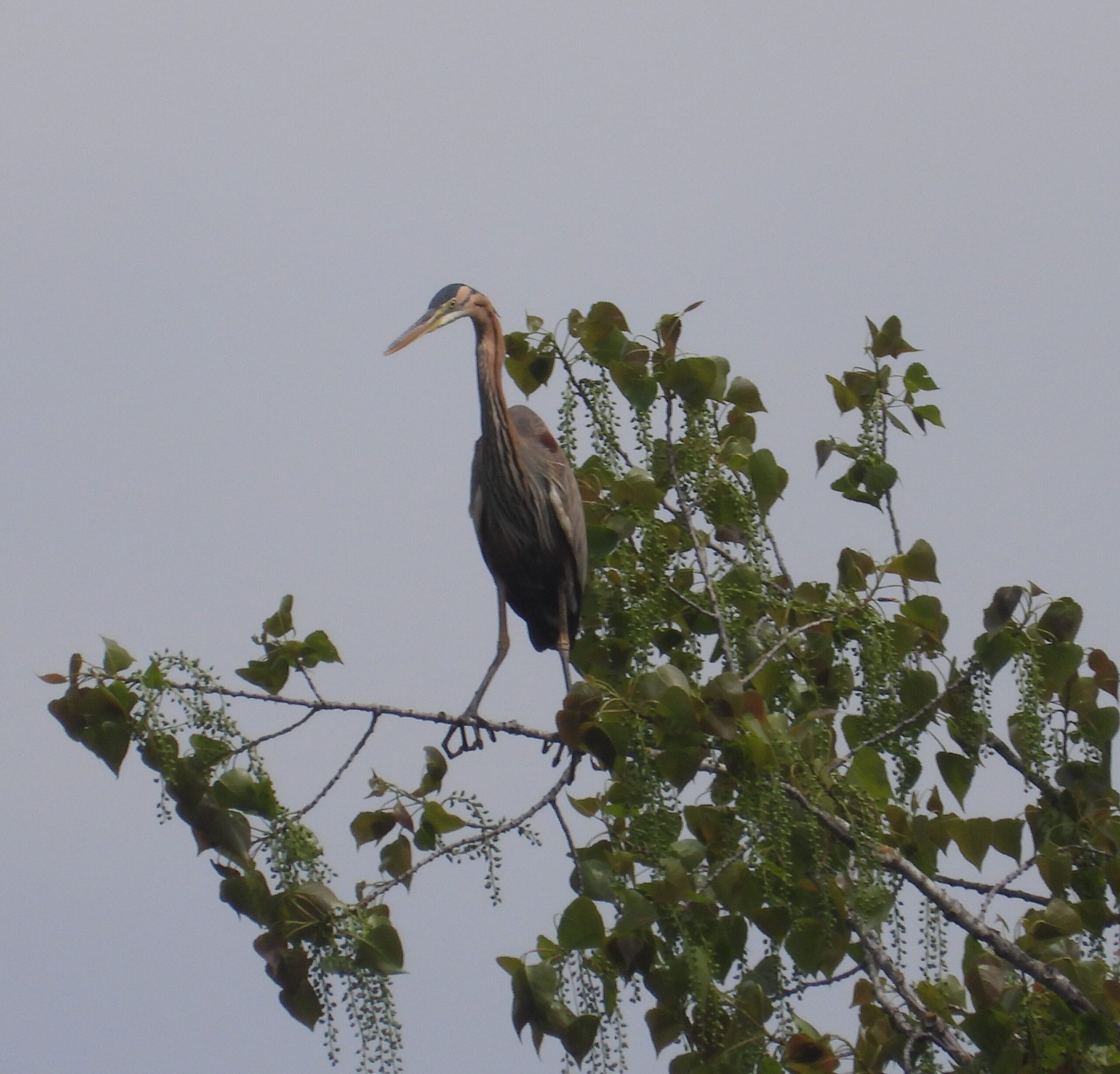
A small colony of the Purple heron Ardea purpurea, discovered in 2022, was again present at the same location in 2024, although they did not nest there in 2023.
The short-toed Snake eagle Circaetus gallicus and the European nightjar Caprimulgus europaeus, two species with mosaic habitats that inhabit a relatively large territory, are still present in good numbers.
Monitoring
JOŠ NOVOSTI IZ KATEGORIJE
Monitoring the state of cave fauna at speleological structures in the broader area of the Krka NP
During 2025, the Croatian Biospeleological Society, in cooperation with the Krka National Park, conducted monitoring of the condition of cave fauna and speleological structures in the Park area
Monitoring of nesting pairs of the Eurasian Eagle Owl (Bubo bubo) in the Krka NP area in 2026
From February 8 to March 14, 2026, during thirty-one field trips, the nature guards of the Krka National Park listened to the singing of male eagle owls in the evening hours, during sunset, at twenty-one locations along the canyons of the Krka and Čikola Rivers
Monitoring the status of hibernating bat colonies in the broader area of Krka National Park in 2026
In January 2026, the company Geonatura d.o.o. conducted monitoring of hibernating bat colonies in the broader area of the Krka National Park, which included an inspection of the underground shelters of Topla Pećina Cave, Miljacka II Cave, Velika Pećina Kaočinka Cave and Stara Jametina Cave
Monitoring the occurrence of plant diseases and pests in forest communities of the Krka NP
The project "Monitoring the occurrence of plant diseases and pests in forest communities of the Krka National Park – 2024 and 2025" was implemented with the aim of systematically monitoring the health of the Park's forest ecosystems in conditions of pronounced climate change, frequent dry periods, forest fires, and an increased risk of the appearance and spread of harmful and invasive organisms