Ekološki otisak (eng. ecological footprint) pokazuje koliki pritisak naš način života vrši na prirodu.
It is defined as the use of Earth's capital and provides a measure of nature's supply and demand. In other words, the ecological footprint tells us how much natural resources we consume compared to how much the Earth can renew.
This measure is most often expressed in so-called global hectares or through the figurative question: How many planets would it take if everyone lived like us? Today, humanity consumes natural resources about 1.7 times faster than the Earth can renew them, which means that we live as if we had almost two planets. That is why every year there is a so-called Earth overshoot day – the date by which we have already used up all the resources that the planet can renew in that year.
How to calculate your own ecological footprint?
Today, there are a number of simple online tools that can help us assess our environmental impact. They typically ask questions about our diet, transportation, energy consumption, shopping habits, and housing.
For example, we can try:
- Global Footprint Network Footprint Calculator, one of the most well known international calculators
- WWF Footprint Calculator, a simple and educational tool that provides advice on how to reduce your impact
- Kalkulator ugljičnog otiska (carbon footprint calculator), which estimates emissions related to energy, travel, and consumption.
The result will show where our impact is greatest: in nutrition, transportation, energy, or product consumption.
What can each of us do?
The good news is that even small changes can have a big impact. Here are a few simple steps:
- Choose local and seasonal food and reduce discarded food waste
- Use sustainable forms of transportation – walking, cycling, and public transport or carpooling
- Reduce energy consumption in the home – use energy-saving devices, LED lighting, and renewable energy sources wherever possible
- Shop wisely – choose high quality products that last longer and have less packaging
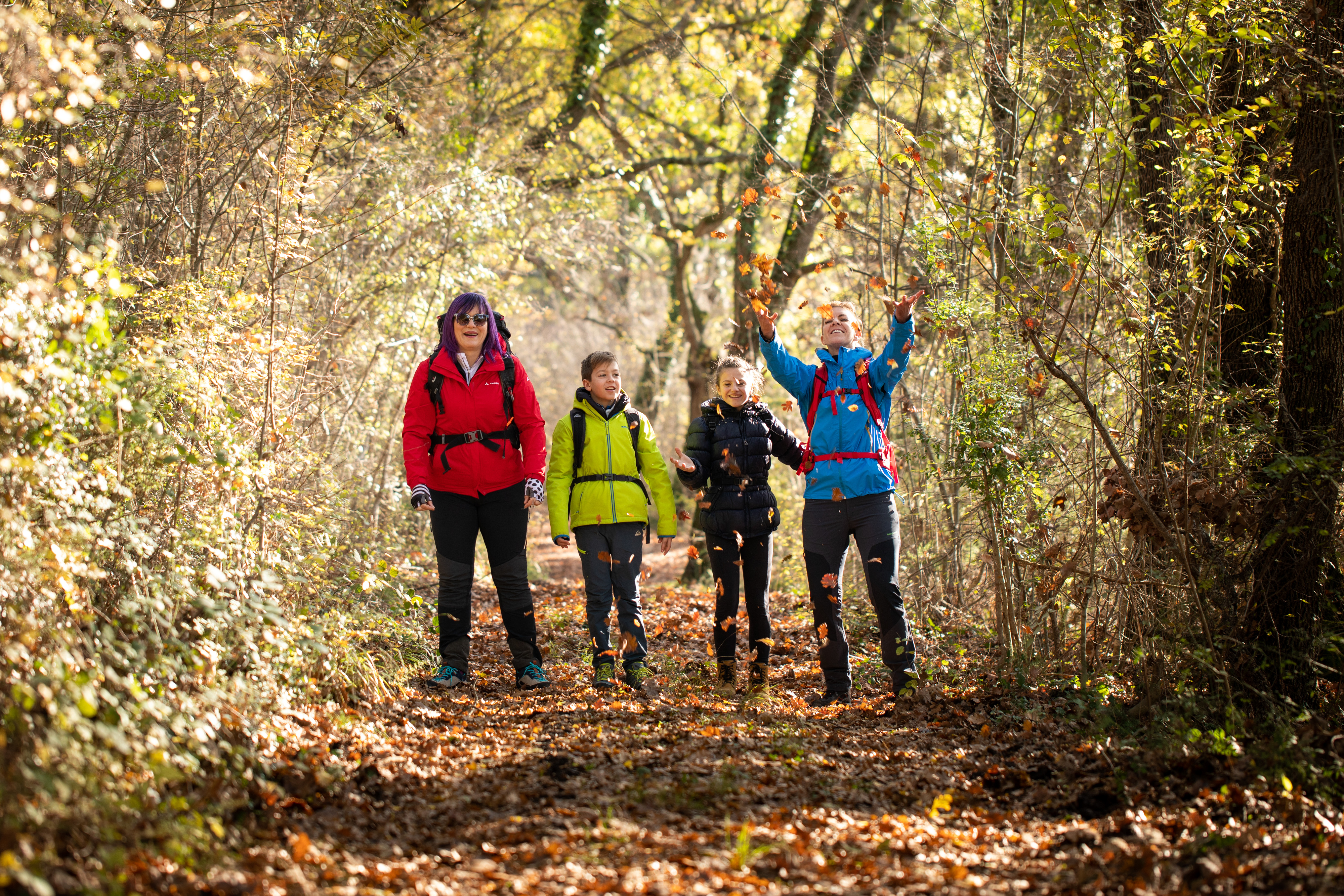
- Respect nature when visiting protected areas – follow marked trails, leave no waste, and support local sustainable products.
Why is this important?
The ecological footprint helps us understand that natural resources are limited and that every individual, visitor, or business entity, can contribute to their conservation. By changing our daily habits, we not only protect nature, but also ensure that features such as those on display at the Krka National Park remain preserved and are available to future generations.